NOTE: There are so many diet books out there as well as information on the Web. Most are focused on weight loss (fine for many us), but not the whole picture of why we need sound diet and nutrition advice. I found an excellent book written by people I trust to offer this advice – with its main goal of not just weight loss, but our nutritional health. Check out: How to Eat: All Your Food and Diet Questions Answered by Mark Bittman and David L. Katz, MD. 2020. Its format is Question and Answer form, so it is easy to find just what you may want to know. Sally J. Feltner, M.S., PhD.
There is no real Mediterranean Diet – you know, the ones you read in diet books that offer set meal plans and do’s and don’ts with endless lists of breakfasts, lunches, dinners and of course, let’s not forget the snacks. (or maybe we should). The more recent habit of the American Diet is the increased eating opportunities fueled by the fact that we can eat just about anywhere and that mainly was the desire of big food companies (for more profits). But more about that in a future post.
“Over the span of more than eight decades, clinical research has continued to confirm that eating the Mediterranean way is a sound strategy for lifelong health. At its heart, The Mediterranean diet is precisely the way nutrition experts have been urging us to eat. It’s built on a foundation of whole, mostly unprocessed foods like whole grains, beans, and nuts. It embraces fruits and vegetables with abandon while being stingier with red meat and sweet treats. It includes moderate amounts of fish, eggs and dairy products though vegan and vegetarian versions are doable. It’s sprinkled with heart healthy vegetable oils , mostly olive oil, rather than saturated fat rich butter or lard and it can even include, if desired, a little alcohol traditionally red wine, enjoyed in moderation as part of a meal.”
“People who follow a Mediterranean diet also tend to live longer and perhaps age more gracefully. A recent meta analysis of four studies involving elderly patients found that those who adhered most closely to a Mediterranean style eating pattern had significantly less risk of becoming frail, an important measure of quality of life for older adults.”
The components of the diet are generally plant-based that give us ample vitamins and minerals, antioxidants, anti-inflammatory compounds, fiber, and good fats and carbohydrates. Long-term studies have shown lower rates of heart disease, diabetes, and a reduced risk of some cancers (breast, prostate, and colorectal).
“Encouraging research suggests that a Mediterranean pattern of eating may also have benefits for the brain. Several studies have linked the eating patterns to lower rates of depression, others notice a small but significantly lower risk of developing mild cognitive impairment and of progressing to Alzheimer’s disease.”
Source: Joyce Hendley. Mediterranean Diet: A delicious path to lifelong health. Eating Well Magazine.
Calorie restriction is not an easy thing to do in our obesigenic society. However, based on the the following study, even small changes seems to be able to result in not only weight loss but the beneficial effects on our overall health.
The debate about calories has continued for quite some time.
In 1918, Dr. Lulu Hunt Peters wrote the first diet book, “Diet and Health, With Key to the Calories.” The book was a best seller. She explained the new concept of calorie reduction for weight loss. To see her book CLICK HERE.
In 1958 Dr. Richard MacKarness published “Eat Fat and Grow Slim”. The title speaks for itself.
In 1971, Dr. Herman Taller wrote another best seller, “Calories Don’t Count”.
More recently, author Gary Taubes wrote a provocative book entitled “Good Calories, Bad Calories” and Nina Teicholz espoused the health benefits of calorie dense butter, meat and cheese, in her book called “The Big Fat Surprise.”
No wonder people are struggling with obesity and will continue to do so until we figure out the physiological, psychological, sociological and environmental complexities of weight gain, weight loss, and weight maintenance.
The following article emphasizes the health benefits of calorie restriction whether due to weight loss or the calorie deficit itself.
A new study found consuming a number of refined grains, such as croissants and white bread, is associated with a higher risk of major cardiovascular disease, stroke, and early death. The study was published in the British Medical Journal.
The study called the Prospective Urban Rural Epidemiology (PURE) study examined populations around the world involving 137, 130 participants in 21 countries and involved a diversity of low-, middle-, and high-income populations.
The results found that having more than seven servings of refined grains per day was associated with a 27% greater risk for early death, 33% greater risk for heart disease, and 47% greater risk for stroke. Those groups eating whole grains or white rice showed no significant adverse health effects.
Source: Simon Fraser University. “Eating more refined grains risk of heart attack, early death.” ScienceDaily, 19 February 2021. http://www.sciencedaily, com/releases/2021/02
Intermittent fasting is also known as time-restricted eating, helps regulate the expression and activity of proteins and other cellular functions known to influence health and aging. In other words, it’s not so much of what you eat, but when you eat. The simple act of limiting food intake increases lifespan and reduces age-associated disorders such as diabetes and heart disease. This action may also boost our resistance to other diseases and ultimately help extend lifespan.
Sources:
Rafel de Cabo, PhD and Mark P. Mattson, PhD. Effects of Intermittent Fasting on Health, Aging, and Disease. The New England Journal of Medicine, December 26, 2019.
Benefits of Intermittent Fasting. Life Extension, February 2021
Diana Licalzi, MS, RD. How Intermittent Fasting Impacts Longevity: A Summary of the Research. October 23, 2020
Fat is a key nutrient in our diet and is often the first thing you may note on a food label. Most foods contain a mixture of many different types of fat: the commonest are saturated, monounsaturated, polyunsaturated and trans fats. Polyunsaturated fats are divided into two major families: omega-6 and omega-3’s. Are some good and some bad.? This conundrum is often debated among nutritionists and still a definitive answer remains elusive.
What exactly are the omega-6 and omega 3 fats?
We have to begin with the polyunsaturated essential fatty acids, linoleic (omega-6) (LA) and alpha linolenic acids (omega-three) (ALA). They are called essential because they cannot be made in the body and must be acquired from the diet.
Linoleic acid (LA) is required for growth, healthy skin and normal functioning of the reproductive system and is a structural part of cell membranes. Foods high in omega 6 fats include unhealthy foods like processed snacks, fast foods, cakes, fatty meats, and cured meats. Other omega 6 foods are healthy including tofu, walnuts, and peanut butter. They are also prevalent in vegetable oils, like corn oil, safflower, sunflower and soybean oils. Linoleic acid is converted in the body to another fatty acid called arachidonic acid (AA). Food sources of AA include meat, poultry, and eggs. The adequate daily intake (AI) for omega 6 foods is 17000 mg per day.
Alpha linolenic acid (ALA) is also a structural compound of cell membranes and found in high amounts in the brain. Alpha linolenic acid is found in walnuts, dark, leafy green vegetables, flaxseed and chia seeds, canola and soybean oils.
ALA is converted in the body to two more fatty acids called eicosapentaenoic acid (EPA) and docosapentaenoic acid (DHA) which is what you find on fish oil supplement labels. This conversion rate of ALA to EPA can be slow and may depend on many factors, one being the ratio of omega-6 to omega-3 fatty acids.
EPA and DHA are found in fish, krill, and algae oil capsules as well as in fatty fish like salmon, tuna, sardines, mackerel, herring and trout. The AI for omega-3 fatty acids is 1.6 grams (men) and 1.1 g (women).
Arachidonic acid and EPAare necessary for making hormone-like compounds called eicosanoids, hormone-like compounds that participate in regulation of blood pressure, blood clotting, inflammation, and a host of other important body functions.
So, the major players so far are: LA, ALA, AA, EPA, and DHA.
What is the omega-6/omega-3 ratio?
It is not enough to consume adequate levels of omega-3 fats but to avoid over-consumption of omega-6 fatty acids. Most modern diets contain excessive amounts of omega-6s and insufficient amounts of omega-3s. Americans regularly eat vegetable oils but eat fish infrequently, so we end up with many more omega-6s and fewer omega-3s.
The optimal 6 to 3 ratio approaches 4:1 that may be difficult for some people in our current food environment to achieve, so we try for 4:1 in hopes of realistically attaining less than 10:1. On average in the U.S., the omega-6 to omega-3 ratio is a disastrous 16:1. Soybean oil, an omega-6 is so ubiquitous in the food supply that an astounding percent of calories from fat in the American diet (especially processed foods) are estimated to come from this single omega-6 source.
How Do Eicosanoids Affect Health?
Omega-6 fatty acids produce eicosanoids that tend to favor higher blood pressure, more blood clotting, and inflammatory compounds in the body. They are often referred to as “bad” eicosanoids.
Omega-3 fatty acids produce eicosanoids with opposing healthier effects, i.e., lower blood pressure, less blood clotting, and anti-inflammatory effects. They are often referred to a “good” eicosanoids.
Eicosanoids from omega-3 EPA can diminish the effects of the “bad” eicosanoids by producing opposing compounds that will help tip the ratio back to a more favorable eicosanoid environment in the cell.
Another way to improve the fatty acid ratio is to help block excess arachidonic acid formation. By making sure your body has an adequate amount of EPA that acts as an inhibitor of the enzyme that can produces the “bad” eicosanoids. The higher the EPA in the diet, the more the enzyme is inhibited, and the less “bad” eicosanoids are produced.
The problem with vegetable oils
“Vegetable oils that turn rancid easily have been used since lard was designated as having a high saturated fat content when the low-fat craze to prevent heart disease was in full swing. The troubled history of these oils has never been resolved. In a series of workshops in the 1980’s, it was observed that using diets high in soybean oil showed subjects dying of cancer at very high rates. Gallstones were also associated with diets high in vegetable oils. Subsequent research demonstrated that these oils that are high in omega-6, compete with the healthier omega-3’s found in fish virtually at important spots in every cell membrane throughout the body, including those in the brain.” (Nina Teicholz, The Big Fat Surprise).
The vast amount of omega-6 that has entered our food supply via vegetable oils appear to have literally swamped the omega-3’s (the supply of which has remained relatively constant over the past century. (Teicholz, page 275-6). Conversely, the American Heart Association encourages Americans to eat more vegetable oils due to their ability to lower LDL-cholesterol (the bad cholesterol.)
Nonetheless, excessive intake of polyunsaturated fatty acids, including omega-3 and omega-6, has several risks. The double bonds in the fatty acid molecules are very reactive. They tend to react with oxygen, forming chain reactions of free radicals. These free radicals can cause cell damage, which is one of the mechanisms behind aging and the onset of cancer.
If you want to improve your ratio of omega-6 to omega-3, it’s probably a bad idea to eat a lot of omega-3 to compensate. Having a relatively low, balanced amount of each is best. Using olive oil in salad dressings and coconut oil for cooking is recommended. Olive oil contains monounsaturated fat and coconut oil is more stable since it has more saturated fat content. Neither are part of the omega-6 or omega-3 families.
What to Take Away from all this:
Linoleic acid (LA), an omega-6 fatty acid, and α-linolenic acid (ALA), an omega-3 fatty acid, are considered essential fatty acids because they cannot be made in the body by humans.
Both omega-6 and omega-3 fatty acids are important structural components of cell membranes, serve as precursors to eicosanoids and provide a source of energy. Long-chain omega-3 polyunsaturated fatty acids in particular exert anti-inflammatory effects; it is recommended to increase their presence in the diet.
The long-chain omega-3 fatty acids, eicosapentaenoic acid (EPA) and docosahexaenoic acid (DHA), can be synthesized from ALA, but due to low conversion efficiency, it is recommended to consume foods rich in EPA and DHA or consume fewer omega-6 foods.
Some but not all observational studies using supplements have found fish intake to be associated with lower risks of cognitive deterioration and Alzheimer’s disease, but it is not yet clear whether supplementation with marine-derived omega-3 PUFA can help prevent cognitive decline. There is a great need for intervention studies, especially with DHA to determine if improvements in brain health will occur. The Rancho Bernardo Study of Healthy Aging found a protective effect of DHA from diet on various aspects of cognitive decline and/or dementia.
Best to cut down on omega-6 foods (processed and junk foods), add a couple of fish meals a week, use olive oil for salads, coconut oil for cooking.
Top 10 Foods with the Highest Omega 3 to Omega 6 Ratio
Food
Ratio of Three to Six
Snow crab (3 oz)
61:1
Atlantic cod (6 oz)
29:1
Tuna (6 oz)
25 :1
Mussels (3 oz)
25:1
Broccoli Rabe (1 cup)
7:1
Spinach (1 cup)
5:1
Flax seeds (1 oz)
4:1
Mangos (1 cup)
3;1
Lettuce (1 cup)
2:1
Kidney beans (1 cup)
2:1
Sources:
Judith E. Brown. Nutrition Now Seventh Edition, 2013.
Hooked on Food: A Battle in the Brain? The Reality of Food Addiction
Our brains maintain a healthy body weight by signaling when to eat and when to stop. Hormones regulate feeding circuits that control appetite and satiety, but fatty sugary foods can motivate some people to overeat. The more they have the more they want, a sensation common in drug addiction.
Sugar in the form of glucose provides the body with quick energy. But lately, we’ve gone way beyond the Call of Duty. 200 years ago, the average American ate about 2 pounds of sugar per year. Today we each eat about 152 pounds a year according to the US Department of Health and Human Services. This sharp increase in the consumption of sugar is no mystery. Sugar is cheap, plentiful, and it tastes great.
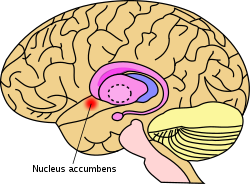
Some doctors and researchers classify sugar as an addictive drug because this refined white crystal triggers the pleasure and reward centers in our brain much like a drug does. It was already well established that sugar consumption will light up the nucleus accumbens and other areas of the brain that are collectively known as the reward centers, generating intense feelings of pleasure when we engage in acts like eating. Doctors are trying to curb our out-of-control sweets habit. The American Heart Association recommends that adult men consume no more than 38 grams or 9 teaspoons of sugar daily, women only 6 teaspoons, and children even less. The latest 2025 dietary guidelines recommends even smaller amounts for daily consumption: no more than 30 grams of added sugar a day for an adult male. However, these numbers fall far below what a typical American actually consumes. An average soda is 39 grams and a bowl of cereal is 20 grams and that’s without dumping more spoonfuls of sugar on top of it.
Is Sugar Addictive?
A recent study showed that rats can be addicted to foods, too. Actually, these foods sound very similar to those found in the Standard American Diet. The researchers gave rats unlimited access to standard chow as well as to a mini cafeteria full of appetizing high calorie foods: sausage, cheesecake, chocolate. The rats decreased their intake of the healthy but bland items and switched to eating the cafeteria food almost exclusively. They gained weight. They became obese.
The research then warned the rats as they were eating by flashing a light that they would receive a nasty foot shock. Rats eating the bland chow would quickly stop and scramble away, but time and again the obese rats continued to devour the rich food, ignoring the warning that they had been trained to fear. Their hedonic desire overruled their basic sense of self preservation.
“We now have the evidence for just how easy this is. People eating ultra processed, palatable foods are likely to eat more calories and no surprise, gain weight. We know this from a clinical trial run by Kevin Hall and his colleagues at the National Institutes of Health. They managed to convince 20 adults to live in a controlled metabolic ward for a month period. They gave the volunteers one of two diets unprocessed or ultra processed that were matched for calories, fats , carbohydrates, protein, and fiber. For two weeks the volunteers could eat as much as they wanted of the assigned diet; they then could eat as much as they wanted of the other diet for two weeks. The results were stunningly clear. On the ultra processed diet, the volunteers consumed many more calories – 500 — more a day than when eating the unprocessed diet. They also gained a pound week.
This experiment tells us that there is something about sweet, salty, and fatty foods that makes us want to eat more of them and to be unaware of how much more we’re eating. Salads and fruits do not trigger this kind of response.” Source: Marion Nestle. Let’s Ask Marion: What you need to know about the politics of food, nutrition, and health. California Study in Food and Culture. 2020.
Did they become “hooked on food”? An inability to suppress a behavior, despite the negative consequences, is common in addiction. Scientists are finding similar compulsiveness in certain people. Almost all obese individuals say they want to consume less, yet they consume or continue to overeat even though they know that doing so can have shockingly negative health or social consequences. Studies show that overeating juices up the reward systems in our brain so much so in some people that it overpowers the brain’s ability to tell them to stop eating when they have had enough. As with alcoholics and drug addicts, the more they eat the more they want. Whether or not overeating is technically an addiction if it stimulates the same brain circles as drug use in the same way, people also can possibly be “addicted to food.”
What to Do? Protein to the Rescue
Many peoples’ relationship with sugar typically starts when they wake up in the morning. Many start the day with a sweet bowl of cereal or a muffin (at 600 calories) for breakfast. But this pattern can set you up to fail, so many nutritionists recommend to focus more on protein.
Protein helps stabilize blood sugar which helps keep you out of fight or flight reactions and protein also provides the building blocks for your brain neurotransmitters including serotonin and dopamine. Many nutritionists advise their patients to eat protein such as eggs, cheese, nuts, peas, beans, and or even a protein shake at least an hour after they get up, and with every meal. If you snack before bed, make sure that it has protein too. Even if we strive to avoid sugar, it is often ubiquitous in our food culture appearing in many processed foods. If you have trouble saying no to sweets, it is recommended to eat protein proactively to keep temptations in check. This way you can help to avoid another binge on your favorite indulgence promoted by the American food industry and your brain, which is actually in on the hijacking, by the way.
Medical schools are notorious for not teaching future physicians much if anything about diet and nutrition. This problem has been a frequent topic for decades and change comes slowly if at all. It has long been known that patients will listen to their doctor’s advice more than conventional nutritionists (registered dietitians, for example) and insurance coverage for their services has been limited. In my opinion and experience, many doctors would feel more comfortable referring their patients to qualified diet programs if they were covered by insurance.
If we are ever to curb the effects of poor nutrition in our food environment that includes obesity, doctors and other health care practitioners (with legitimate nutrition education) must become more involved in helping to solve the problem. More innovative ideas and diet programs that are medically supervised are greatly needed.
ARC Journal of Addiction, Vol. 4, Issue 2, 2019, pp. 1-11
HIGHLIGHTS
“Unprocessed or minimally processed foods are whole foods in which the vitamins and nutrients are still intact. The food is in its natural (or nearly natural) state. Unprocessed or minimally processed foods would include carrots, apples, raw chicken, melon, and raw, unsalted nuts.
Processing changes a food from its natural state. Processed foods are essentially made by adding salt, oil, sugar, or other substances. Examples include canned fish or canned vegetables, fruits in syrup, and freshly made breads.
Some foods are highly processed or ultra-processed. They most likely have many added ingredients such as sugar, salt, fat, and artificial colors or preservatives. They may also contain additives like emulsifiers or stabilizers. Examples of these foods are frozen meals, soft drinks, hot dogs and cold cuts, fast food, packaged cookies, cakes, and salty snacks.” Source: Harvard Health Letter
The growing widespread use of fast food among Americans is of concern due to the high fat and energy intake, which may cause obesity and subsequently obesity related chronic diseases. Added fat sugar and salt create a taste that makes people crave these foods, a sensation that many described as an addiction. US fast food sales increased exponentially between 1970 and 2000, from $6 billion to $10 billion. During this time, obesity rates among US adults doubled and it is expected that 85% of US citizens will be affected by obesity by 2030.
Fast foods in particular are known to cause many of the chronic diseases that have become the leading causes of death in the United States. What are some of the effects of fast food on the body? Most of the fast foods contain a large amount of sugar, fats and carbs and less minerals and vitamins. This means that people are taking in large amounts of unhealthy calories in the shape of fast food which leads to weight gain and ultimately obesity. Obesity is linked to several long-term health conditions that include premature death, diabetes, heart disease, stroke, gall bladder disease, fatty liver, arthritis and joint disorders and some cancers. One study showed that consumption of fast foods greater than two times a week increased the risk of insulin resistance and type 2 diabetes. Frequent consumption of fast foods was accompanied with overweight and abdominal fat, impaired insulin and glucose homeostasis, lipid and lipoprotein disorders, induction of systemic inflammation and oxidative stress.
Supersize Me was a 2004 American documentary film directed by and starring Morgan Spurlock, an American independent filmmaker. Spurlock’s film follows a 30-day period from February 1 to March 2, 2003, during which he ate only McDonald’s food. The results showed that his physician became concerned when his liver enzymes became alarmingly high and he had gained considerable weight in that short period of time.
A new study in PLOS Medicine finds eating unhealthy food is associated with a higher risk of developing cancer. People who ate the most junk food showed a higher risk of stomach, colorectal, and surprisingly lung cancers. Separately, men showed a higher risk of lung cancer and women showed a higher risk of liver and post-menopausal breast cancers. Nitrate and nitrite, which are abundant in processed meats are potential carcinogens found in breast, prostate, pancreas, and colorectal cancers along with non alcoholic fatty liver disease and insulin resistance.
Sugar overload – what happens in your body?
“20 minutes after drinking a soda, your blood sugar spikes, causing an insulin burst. Your liver responds to this by turning any sugar into fat. 40 minutes later, caffeine absorption from the soda is complete. Your pupils dilate; your blood pressure rises, and as a response your liver dumps more sugar into your bloodstream. 45 minutes later, your body ups your dopamine (a neurotransmitter) production stimulating the pleasure centers of your brain; this is physically the same way heroin works by the way.“
Fast food in particular was first popularized in the 1970s in the United States, which is today the largest fast food industry in the world. Fast food restaurants serve as popular sites for their meals eaten outside the home. Current approaches suggest that fast food restaurants should be required to clarify nutrition information such as calorie and fat content on their menu boards and on product packaging. Studies have shown mixed results as to whether consumers’ choices are affected by this information on packaged and fast foods.
For the past decade or so red and processed meats (beef in particular) has been associated with a higher risk of heart disease and certain cancers.
The red meat debate continues as we wake up this morning to the news that consumption of red and processed meats are of little risk to our health.
Back in 2015, an article appeared to agree with the current assessment about red and processed meat and in addition tells us how to deal with the disturbing reports about red and processed meat and heart disease and cancer.
So what can we really believe? The following article first appeared in 2015 and seems to me to take a common sense approach to the debate that never ceases.
Bottom Line – Life is a risk. Eat responsibly. As Michael Pollan says: “Eat Food, Not too much, Mostly Plants.”
If you are a true carnivore, we could add “eat meat in moderation.” Meat has been a traditional part of the American diet since our food culture began. On the other hand, we really don’t need meat at every meal as some think. How about trying some plant sources of protein now and then.? Try a Meatless Monday. Might be fun????





 FOOD, FACTS and FADS