” Before we are healed, are we willing to give up the things that made us sick?” Taken and edited from Hippocrates
And are we willing to rely or learn on the premise that “history repeats itself”? Some of it sounds all too familiar.


Nutrition information is abundant but often confusing. Food, Facts and Fads helps you to separate the sense from the nonsense
diebetes prevwntion
” Before we are healed, are we willing to give up the things that made us sick?” Taken and edited from Hippocrates
And are we willing to rely or learn on the premise that “history repeats itself”? Some of it sounds all too familiar.
THE MEDITERRANEAN DIET SHOPPING LIST – Eating Well Magazine
A great body of evidence shows that this way of eating plant-based foods, healthy fats, lean proteins, whole grains in modern amounts of wine may help you live longer and stave off chronic disease such as heart disease and diabetes. One key component of the Mediterranean diet is the emphasis on foods that may thwart inflammation and oxidative stress which is at the root of many chronic diseases. These foods include omega-3 rich fish, fruits, and vegetables, nuts and seeds and healthy oils. The dietary pattern is particularly rich in monounsaturated fats which can help decrease bad LDL cholesterol and raise good HDL cholesterol – a win win for the cardiovascular system plus, the heightened emphasis on plant-based foods ensures a bounty of fiber and phyto- nutrients.
EXTRA VIRGIN OLIVE OIL is at the core of the Med Diet. It is rich in tocopherols (vitamin E), carotenoids (vitamin A), and polyphenols. Alternatives include avocado oil and walnut oil.
FRUITS AND VEGETABLES) (from any source – fresh, frozen, canned). Emphasize kale, beet greens, mustard greens, collard greens, artichokes, beets, broccoli, cucumber, eggplant, mushrooms, onions. Garlic is a mainstay in cooking.
Common fruits include apples, apricots, avocados, berries, citrus, dates, figs, stone fruit and pomegranate. Lemons are often used.
FRESH HERBS AND SPICES are staples. Their use reduces the need to add excess salt plus provide many antioxidants. Most common are parsley basil, oregano coriander, bay leaves.
FRESH AND CANNED SEAFOOD provide necessary protein and healthy fats. Omega-3 rich fish such as tuna, sardines, and salmon as well as mussels, clams and shrimp. Consumption is encouraged about twice a week.
WHOLE GRAINS. Wheat is the most common, but other grains like farro, bulgur, couscous, and barley are also favorites. Look for the term “whole” or “whole grain” that should be the first ingredient listed on the ingredient label.
LEGUMES. One of the most prevalent pulses in Mediterranean cuisine is the chickpea, which is often whipped into hummus, formed in falafel and tossed into salads. Lentils are also commonly used in soups and stews. Other meals can include black Eyed Peas, kidney beans and cannellini beans that often are tossed into salads.
NUTS AND SEEDS are enjoyed as a satisfying snack thanks to their fiber, protein, and fat content. A common condiment on the coastline of the Mediterranean is tahini , which is made from ground sesame seeds . Most famously used in hummus this versatile condiment can be used in sauces or dressings to spoon over roasted veggies or grain bowls.
OLIVES AND CAPERS are enjoyed as a simple snack and are among the most popular as Kalamata olives often tossed into Greek salads and pasta or into a tapenade. Olives are rich sources of antioxidant polyphenols and heart healthy fats. Brined or dried, capers are praised for their briny bite and the way they effortlessly punch up the flavor of pasta, baked fish and dressings.
CANNED TOMATOES Whole, diced, stewed or concentrated into a paste, both canned and fresh tomatoes are everyday staples in the Mediterranean . Canned tomato products are particularly rich in lycopene due to the heating process which may help protect against certain cancers. A few tomato centric staples in the Mediterranean include stuffed tomatoes, baked fish with tomatoes and of course, marinara sauce.
GREEK YOGURT AND ARTISANAL CHEESES The Mediterranean diet encourages savoring small amounts of full fat dairy, in addition to providing extra protein. Yogurt can provide healthy probiotics for the microbiome. Be sure to watch the labels and avoid those with a lot of added sugars. The Mediterranean regions spotlights traditionally cultured cheeses made from milk and natural cultures as to some of the more processed varieties (Velveeta) commonly available in the US. The French are famous for their love of hard cheeses eaten in moderation (not added to fast foods). They offer cheese with fruit as a dinner course.
Beyond being used in the classic Greek salad, feta cheese often accompanies stews and fish dishes. Halloumi cheese is known for its firm texture, which makes it suitable for grilling and frying. Harder cheeses like Pecorino Romano and Parmegiano Reggiano are often grated into pasta., while manchego can be baked into egg dishes.
RED WINE. Vine is a common accompaniment to Mediterranean meals, but it’s generally consumed in moderation (a five ounce pour is the standard.) Red wine, in particular, contains antioxidant polyphenols and the flavonoid resveratrol , which will help increase HDL cholesterol (good) and decrease LDL (bad) cholesterol levels.


NOTE: There are so many diet books out there as well as information on the Web. Most are focused on weight loss (fine for many us), but not the whole picture of why we need sound diet and nutrition advice. I found an excellent book written by people I trust to offer this advice – with its main goal of not just weight loss, but our nutritional health. Check out: How to Eat: All Your Food and Diet Questions Answered by Mark Bittman and David L. Katz, MD. 2020. Its format is Question and Answer form, so it is easy to find just what you may want to know. Sally J. Feltner, M.S., PhD.
by foodworksblog Leave a comment

Calorie restriction is not an easy thing to do in our obesigenic society. However, based on the the following study, even small changes seems to be able to result in not only weight loss but the beneficial effects on our overall health.
The debate about calories has continued for quite some time.
In 1918, Dr. Lulu Hunt Peters wrote the first diet book, “Diet and Health, With Key to the Calories.” The book was a best seller. She explained the new concept of calorie reduction for weight loss. To see her book CLICK HERE.
In 1958 Dr. Richard MacKarness published “Eat Fat and Grow Slim”. The title speaks for itself.
In 1971, Dr. Herman Taller wrote another best seller, “Calories Don’t Count”.
More recently, author Gary Taubes wrote a provocative book entitled “Good Calories, Bad Calories” and Nina Teicholz espoused the health benefits of calorie dense butter, meat and cheese, in her book called “The Big Fat Surprise.”
No wonder people are struggling with obesity and will continue to do so until we figure out the physiological, psychological, sociological and environmental complexities of weight gain, weight loss, and weight maintenance.
The following article emphasizes the health benefits of calorie restriction whether due to weight loss or the calorie deficit itself.
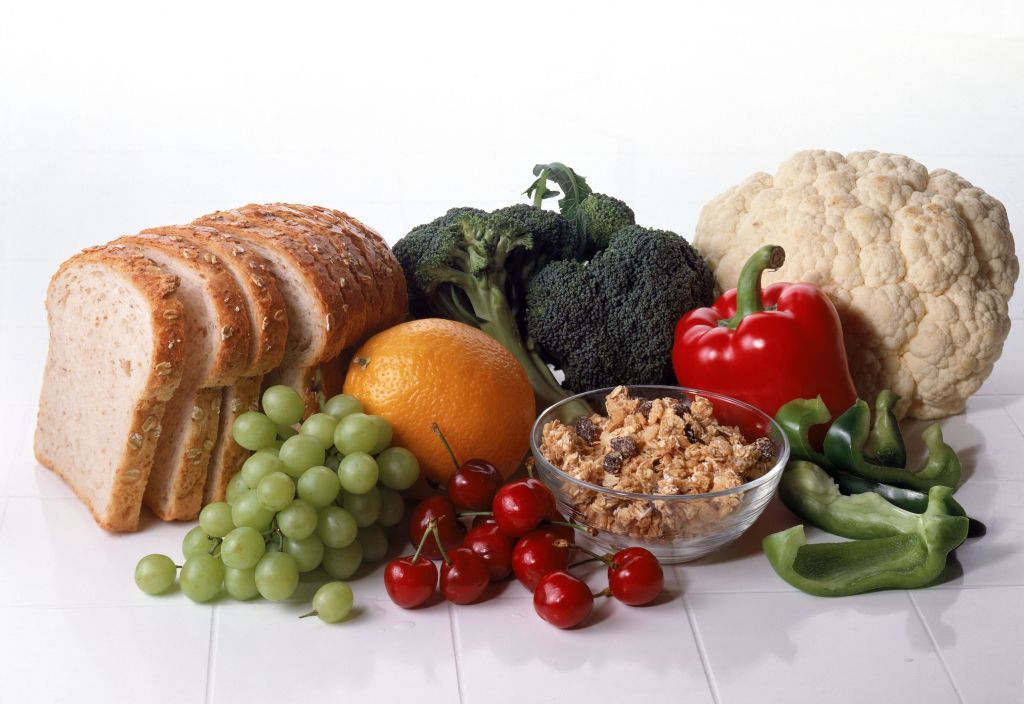
The study called the Prospective Urban Rural Epidemiology (PURE) study examined populations around the world involving 137, 130 participants in 21 countries and involved a diversity of low-, middle-, and high-income populations.
The results found that having more than seven servings of refined grains per day was associated with a 27% greater risk for early death, 33% greater risk for heart disease, and 47% greater risk for stroke. Those groups eating whole grains or white rice showed no significant adverse health effects.
Source: Simon Fraser University. “Eating more refined grains risk of heart attack, early death.” ScienceDaily, 19 February 2021. http://www.sciencedaily, com/releases/2021/02
Have you ever wondered why some people gain weight very easily and others can eat all they want and not gain an ounce? Please read a previous post entitled “Born to Be Fat?” Click here.
Ethan Sims of the University of Vermont studied prisoners at a nearby state prison who volunteered to gain weight. They succeeded with great difficulty to increase their weights on average by 20-25% and it took 4-6 months.
Some consumed 10,000 calories/day and once fat, their metabolisms increased by 50% When the study ended, the prisoners had no trouble losing weight. Within months, they were back to normal and kept their weights stable.
These results suggest that there is a reason that overweight people cannot stay thin after they diet and that thin people cannot stay fat when forced to gain weight. The body’s metabolism speeds up or slows down to keep weight within a narrow range.
Recently, some new research adds more insights about how our DNA is involved. Here are some highlights:
Researchers deleted a gene called MRAP2 in mice that acts in the brain and controls how quickly calories are burned. It turned out that this gene helped another gene known to control appetite. These animals ate the same amount of calories as lean mice, but gained weight.
They also found a mutation in the same gene in a severely obese child and are now searching for other mutations that have the same or similar effects. If the gene that was helped to control appetite was not controlled by the helper gene (MRAP2), then the animals developed tremendous appetites, gained the weight without eating more calories and the weight resulted in fat accumulation.
People are often blamed for their own lack of self-control over eating or that they do not exercise, but in some people this is just not the case.
Researchers based at University College London reported that a specific form of a gene previously linked to obesity, FTO, could increase craving for high-fat foods. This gene makes an appetite hormone named ghrelin that works on the brain’s pleasure center to make high calorie foods more appetizing and desirable.
In this study, the researchers divided a group of 359 healthy men of normal weight by their FTO gene makeup. The majority of the men had low-risk versions of the gene, while 45 of the participants had mutations that have been linked to greater appetite and caloric consumption. They then measured levels of ghrelin both before and after meals that the participants ate. The men with the low-risk form of FTO showed a significant drop in ghrelin levels after the meals that signified that they were full while the men with the mutated form did not show this effect.
It is thought that about 70% of obesity causes are genetically controlled but that environmental influence on the genes can certainly occur.
The results did not mean that people are completely helpless to control their weight, but it does appear that people who tend to be overweight have a greater battle with their genes if they want to lose weight and maintain that weight loss.
As stated before, body weight is so highly regulated by so many physiological and psychological factors with many body systems involved, especially the brain. Maybe in the next few years or so, we can begin to figure out what actually causes weight gain and that it’s not just gluttony and lack of self-control. All these studies are valuable pieces of the puzzle.

In order to understand how aging or longevity can be influenced by our lifestyles one has to have a basic understanding of epigenetics – still considered a controversial factor in disease and our overall health (morbidity and morality). Even though it is still to be determined, epigenetics is an interesting topic and thought-provoking hypothesis. Simply it is how we treat our bodies and how the resultant “wear and tear” on our health can lead to chronic diseases as well as how long we may live as determined by its affects on our genes. Here is how it works:
The following article by Arnold R. Eiser, MD, presents some interesting points about diet as a lifestyle. Nutrition is just one lifestyle factor that may play a role in the prevention and treatment of other inflammatory diseases as such as rheumatoid arthritic, inflammatory bowel disease, and cancer. Obesity itself is a proposed risk factor for Covid-19. Could lifestyle factors such as diet, exercise, smoking, among others, play a part in the susceptibility of contracting and dealing with severity of the infection? If so, prevention along with vaccines could be a key intervention in the disease process.
“At present, the most effective measure in halting the transmission of COVID-19 and preventing associated chronic complications is unarguably the avoidance of exposure to the virus through physical distancing, face masks and eye protection. In addition, changes in lifestyle factors, including nutrition, exercise, smoking, alcohol consumption, screen time and sleep, may be able to contribute to shifting the risk distribution for COVID-19.These factors also appear to play a role in the management of mental disorders,which are commonly observed in pandemics such as the current one. The present overview will discuss the potential role of lifestyle factors in regard to immune functioning and prevention of severe outcomes of COVID-19.” Eiser, MD, MEDPAGE Today, January 30, 2021

Phytochemicals in addition to vitamins, minerals, and fibers are thought to be the bioactive compounds responsible for contributing to the health benefits of a plant based diet.
How to Choose Phytochemicals
CLICK HERE. for more.
A Century of Food 1960 – 1969
In 1945, an American woman went to Paris with her husband. While there, she attended the Cordon Bleu cooking school and became very fascinated with French cooking. She was eager to share her fascination with others back in America, so when she returned she ended up writing a cookbook. In 1961, Mastering the Art of French Cooking by Julia Child was heralded by critics and housewives alike. But her TV show, The French Chef, which aired from 1963 to 1967, made her America’s first true celebrity chef. She inspired a generation to see the act of cooking as a joy and an art
In the United States. She alone is credited with restoring our culinary culture after a decade in the 50’s of processed food and a trend away from home cooking. She introduced us to the luxuries of butter, cream and cognac. The newly affluent were eager to try to attain culture and she made it very approachable. We were introduced to Cog au Vin, Boeuf Bourguignon, Mousse au Chocolate and Duck a l’Orange. The 1960s decade was stormy shaped by the clash of conforming tradition and radical change. WWII rationing was a distant memory; 50s casseroles were old & boring. The late 60’s brought social unrest with growing frustration over the Vietnam War, assassinations of a President (JFK), a civil rights leader (Martin Luther King), and a political candidate (Robert Kennedy).
Asian Invasion
The 60s encouraged showy, complicated food with French influence (Julia Child, Jacqueline Kennedy), suburban devotion (backyard barbecues), vegetarian curiosity and ethnic cuisine (soul food, Japanese Steak houses). This was also the decade of flaming things (fondue & Steak Diane) and lots and lots of junk food (aimed at the baby boom children). “Average” suburban families patronized family-style restaurant chains like Howard Johnson’s. The first Wendy’s restaurant opened in 1969.
Immigrant dishes changed from the traditional Chinese, Italian dominance to that of Vietnam and Laos after the Vietnam War. The Asian food invasion began in California Gold Rush days, but this Asian food provided more variety than before. Asian immigration more than quadrupled by 1970. Some dishes brought new flavors like a Vietnamese beef soup called pho, deep-fried spiced potato-stuffed samosas from India, and preserved Korean vegetables called kimchi. Japanese food prepared at the table became “trendy”.
Interestingly, immigrant food was class conscious. Mexican food was considered low class, but Indian cuisine with fewer immigrants is admired. That is more likely due to the Indian immigrants are nearly 60% professionals, says Krishnendu Ray, a professor and author of The Migrants Table: Meals and Memories in Bengali-American Households.
Many Cuban people, namely the educated upper classes moved to America after Fidel Castro came to power in 1959 and brought their cuisine with them. Like other Caribbean countries, staples were black beans and rice, and plantains. They also like pork marinated in vinegar and orange juice and stewed with onions; chicken roasted with garlic; and tropical fruit drinks, especially with rum. The Bacardi family also migrated to America after the rum industry was nationalized in Cuba.
The Revolutions

Millions of people in the world were starving. Technology’s answer was food that was genetically engineered like soy and dwarf rice that had a short growing time, a phenomenal yield and would grow anywhere in Asia. It could produce two crops a year and yielded more rice per plant. This was the beginning of the Green Revolution. People began to eat more consciously after the book by Rachel Carson, Silent Spring was published. Her book spoke of the consequences of using pesticides which led people to be more aware about where food comes,
The Blue Revolution involved aquaculture or fish farming. Both these revolutions have pros and cons, critics and proponents. Aquaculture nevertheless is probably the world’s fastest growing form of food prodution and some believe that by 2030, aquaculture will supply most the fish people eat.
Counterculture Cuisine

Some people took it a few steps further by growing their own fruits, vegetables and herbs, milked farm animals and revolted against white foods – Minute Rice, Cool Whip, instant potatoes, white sugar, white bread. Hippies dominated the culture and brought with them a return to unprocessed foods. They baked their own bread, made peanut butter tahini and hummus, ate brown rice and brown eggs. They brought to our attention cooperatives, vegetarianism, and fresh food markets and health food stores. Food quickly evolved from French cooking to “back to the earth” attitude. Earth Day was first celebrated to raise environmental issues on April 22, 1970.
Thin Is In

In the 1960’s overabundance, fast foods and processed foods led to the beginnings of the obesity problem in America. On the diet front, Jean Nidetch and several friends met in her apartment in 1961 to counsel each other about dieting. Her support group eventually became Weight Watchers. The sugar free soft drink Tab is introduced in 1963. In 1967, Twiggy, 5’7” and weighing just 92 pounds becomes a supermodel and influenced thousands of young women to rethink their body image to try to meet her standards. The slogan “thin is in” quite possibly led to a resurgence of eating disorders like anorexia nervosa and bulimia that saw its roots in the Victorian days of the 19th century.
Sources:
Linda Civitello, Cuisine and Culture: A History of Food and People, 2nd Edition.
Carolyn Wyman, Better Than Homemade: Amazing Foods That Changed the Way We Eat, 2004
Susan Yager, The Hundred Year Diet: America’s Voracious Appetite for Losing Weight , 2010
 FOOD, FACTS and FADS