HARVARD STUDY: EATING WALNUTS MAY EXTEND YOUR LIFE
By Michael Downey
Walnuts once had a bad rap because they have a high calorie and fat content. However, recently it has been found that these assumptions are false. These nuts are packed with healthy fats, vitamins, antioxidants, protein, fiber, and trace minerals. These nuts also have a small amount of sodium, are free of cholesterol, and contain polyunsaturated or good fats.
“Walnuts provide an array of health benefits shown by an observational study that spanned almost 20 years of follow-up data. The study was published in the journal, Nutrients in 2021. Compared to people who never ate walnuts, people who consumed five one ounce serving of walnuts per week resulting in an approximate 1.3 year increase in life expectancy for 60 –year olds and:
A 14% lower risk of death from any cause
A 25% lower risk of dying from cardiovascular disease”.
Walnuts contain healthy fats, fiber and other nutrients. One ounce contains 4 grams of protein, 2 grams of fiber, and 45 mg of the mineral magnesium. They also contain ALA
(alpha – linolenic acid, an omega-3 found in plants. ALA may improve blood lipids as well as the function of endothelial cells that line the arteries. ALA is also associated with a lower risk of oxidative stress.
Heart Protection
Walnuts are believed to reduce the risk of cardiovascular disease since regular intake is associated with blood pressure reduction. Also, regular intake can reduce blood levels of LDL, triglycerides which that increase heart disease risk. A clinical trial of healthy adults between 63 and 79 years old showed that eating about two ounces of walnuts daily for two years.
Help Controlling Diabetes
Type 2 diabetes has the potential for complications that include: heart disease, chronic kidney disease, nerve damage, vision problems and cognitive impairment. Some studies have shown that walnuts may help lower blood glucose and help to reduce these health risks. A human trial showed that consumption of walnut oil daily for three months lowered blood sugar levels and three-month HbA1c glycemic control. Fasting blood glucose should be <85mg/dL and a A1c less than 5.0%.
Brain Health
Lab and animal studies indicate that walnuts reduce oxidative damage and inflammation in brain cells. In an animal model of Alzheimer’s disease, mice were fed walnuts for 10 months and when compared to mice fed no walnuts, showed improvements in memory-learning ability.
Other studies found in Parkinson’s, depression, or stroke, walnuts lowered the progression of these diseases.
Summary:
Try to use walnuts on salads and as snacks by the handful.
Source: Life Extension: The Science of a Healthier Life, April 2022.
“There’s been a lot of buzz recently about the need to eat probiotics — -living microorganisms found in foods such as yogurt and fermented vegetables. Probiotics add to your gut microbiota, the collection of 100 trillion or so bacteria and other critters living in your gut. Having a healthy microbiota may help foster a healthy immune system and reduce damaging inflammation in the body. Eating probiotics regularly may also help to prevent the intestinal environment from being overrun by unhealthy bacteria, which have been linked to everything from mood disorders and obesity to diabetes and neurodegenerative diseases.”
How to Feed your Microbiome
Aim to maximize gut microbial diversity (a good thing) by maximizing regular intake of naturally fermented foods and probiotics.
Reduce the inflammatory potential of your gut microbiota by: Cutting down on animal fat in your diet. Try to increase your intake of omega-3 fats and cutting down on omega-6 fats.
It’s not all diet, but behavioral aspects are important too.
Eat smaller servings at meals.
Be mindful of prenatal nutrition (if applicable).
Reduce stress and practice mindfulness.
Avoid eating when you are stressed, angry, or sad.
Enjoy the secret pleasures and social aspects of food.
Become more expert in listening to your gut feelings.
Practice regular exercise. Aerobic is well documented that it reduces thickness of the cerebral cortex, improves cognitive function, and reduces stress responsiveness.
Emeran MAYER, MD. The Mind-Gut Connection: How the Hidden Conversation Within Our Bodies Impacts Our Mood, Our Choices, and Our Overall Health. 2016
“QUESTION: Humans aren’t genetically designed to eat three meals a day?
“In the Stone Age, people would eat what they could find when they could find it. Sometimes they couldn’t find much of anything.
We have good reason to believe that intermittent feast (and famine) was native to the human condition. We are actually quite well adapted to periods of fasting.
A word of warning: Fasting is not safe for everyone, especially those on medication, e.g. insulin or blood pressure meds”,
Check with your doctor when you change your diet or take any supplements. The supplements are not regulated by the FDA. (SJF).
Mark Bittman, and David Katz, MD. “How to Eat: All Your Food and Diet Questions Answered. 2020.
Highlights of the Mediterranean diet – source Life Extension, Dec. 2021 Michael Ozner, MD
In thousands of studies, the Med diet has been reported to be one of the best lifestyle strategies for extending longevity and avoiding the common disorders of aging, including heart disease and cancer.
In 1990s, the first Mediterranean Pyramid was created by a non-profit group called the Oldways Preservation Trust, in cooperation with the Harvard School of Public Health and the World Health Organization. It was based on food patterns seen in the Mediterranean island including Greece (especially the island of Crete and southern Italy in the 1960’s.
A clinical trial showed that those who adhered most closely to a traditional Med diet appeared less likely to suffer sudden cardiac death than those who at least had a better chance of healthy aging, defined as living to 70 years or older with no major physical or mental impairments. For more diet details, search this blog key words: Mediterranean Diet.
Components of the Med Diet to show proven health benefits:
Extra Virgin Olive Oil
Omega-3 Fatty acids
Vegetables and fruits
Whole Grains
Clinical trials and observational studies have found particularly strong evidence that the Med Diet protects the heart and lowers the risk of heart attacks, strokes, and cardiovascular death.
However, this diet pattern is beginning to show that the diet can reduce the risk for other chronic diseases associated with aging.
Metabolic Syndrome
A meta analysis of 50 studies including nearly 535 people found that following the Med Diet was associated with a reduced risk of metabolic syndrome. The metabolic syndrome is a cluster of symptoms associated with heart disease that include:
Decreased HDL (“good cholesterol”)
Increased waist circumference
Increased blood pressure
High glucose levels
Increased triglyceride levels
Diabetes type 2
Another study of subjects with a high cardiovascular risk showed that a Med Diet compared to a low fat diet reduced the risk of developing diabetes type 2 by 52% .
Alzheimer’s Disease
In a study lasting four years, in patients showing no signs of dementia at baseline, greater adherence to the Med Diet was associated with a significant reduction in risk of developing Alzheimer’s disease.
Cancer
In a meta-analysis of 83 studies that included 2, 130, 753 subjects, the highest adherence to a Med diet was associated with the lowest rates of many cancers, including colon, breast, stomach, liver, and prostate and a lowest risk of cancer mortality. The diet’s benefits were attributed to a higher intake of fruits, vegetables, and whole grains, i.e. a plant based diet.
Longevity
Several studies have specifically shown that the Med Diet increases longevity.
One study analyzed the diets of 10,670 women in mid-life with a median age of 59 years. Greater adherence to the Med Diet was related to 46% greater odds of surviving to 70 years or older with no major impairments in physical function or mental health.
Another study of adults 65 and over also found that closer adherence to the Med Diet was associated with prolonged survival. Many components of the Med Diet including omega-3 fatty acids from fish oil and polyphenols from fruits and vegetables have been shown to reduce chronic inflammation. Be sure and search Food, Facts, and Fads for diet and disease as well as the Mediterranean diet for more details about this powerful diet and its benefits.
Mediterranean Diet Can Lower Risk Of Sudden Death by 25-26%.
Either a Mediterranean Diet (vegetables, fruits, legumes, cereals, and fish) or a U.S. Southern Diet pattern (added fats, fried food, eggs, organ meats, processed meats, and sugar-sweetened beverages) was given to 21, 069 men and women 45 years and older and compared for adherence to each diet using diet scores.
The results showed that 402 sudden cardiac deaths occurred during an average of 9.8 years of follow-up. People whose Mediterranean scores placed them among the top third of participants had a 25-26% lower risk of sudden cardiac deaths than subjects whose scores were among the lowest third. People whose Southern dietary pattern scores was among the top quarter of participants had a 46% higher risk of sudden cardiac than those among the lowest quarter.
J. Am Heart Association 2021 July 6;10:e019158.
At a Glance
A study found that a diet high in added fats, fried foods, processed meats, and sugary drinks was associated with a greater risk of sudden cardiac death, while a Mediterranean diet was associated with a lower risk.
The findings provide evidence that adopting a healthier diet may decrease the risk of sudden cardiac death.
The statistics are alarming. In 1960, one person in a hundred had diabetes, today it’s one in eight. It is now predicted that by 2050, one person in three will suffer from the condition if the trend continues. Even worse, 70 percent of people who get diabetes will develop heart disease.
So much of the time we hear about our Standard American Diet or SAD Diet. And a sad diet it is. I have borrowed a description of a fictional victim of the SAD food culture from an interesting book titled: The End of Alzheimer”s: the First Program to Prevent and Reverse Cognitive Decline by Dale E Bredesen, MD, MSL, Professor and Founding President, Buck Institute, Professor, UCLA. Quotes cited by Dr. Bredesen.
Our fictional consumer begins early in the morning as “ he grabs a typical America breakfast – a sweet roll or doughnut, a large glass of orange juice, a big slug of low-fat milk in his coffee.” His high refined carbohydrate diet sets him up immediately toward insulin resistance with an increased stress level brought about by the “stress hormone, cortisol.
Cortisol is a steroid hormone that is produced by the adrenal glands, which sit on top of each kidney. When released into the bloodstream, cortisol can act on many different parts of the body and can help:
the body respond to stress or danger
increase the body’s metabolism of glucose
control blood pressure
reduce inflammation
Cortisol is also needed for the fight or flight response, which is a healthy, natural response to perceived threats. The amount of cortisol produced is highly regulated by your body to ensure the balance is correct.
In order to prevent gastric reflux, he takes his daily proton pump supplement after he swallows his statin his doctor prescribes to prevent a rise in his cholesterol and heart disease risk.
“When his blood sugar crashes around mid-day, he visits the office pantry, where a colleague has left a thoughtful box of chocolate chip muffins.” But he realizes that it’s almost time for lunch, so he proudly skips the muffins, declaring he’s starting to eat “healthy.”
“There’s no time for much of anything except a sandwich from the deli on refined white bread and spongy saline-injected turkey with hormones and full of antibiotics or how about a mercury-laden tuna sandwich. Either way he can wash it all down with a diet soda.”
“Sugar from the candy machine has helped to fuel his “exercise today ( and every day) – who has time to get up and move around frequently? Finally, it’s time to hit the freeway, so he grabs a bag of Doritos to snack on to get him home. “He is soon heading home while screaming at the idiot riding his brakes in front of us, keeping his blood pressure up and making his blood-brain barrier as porous as the colander we plan to use for tonight’s gluten -filled pasta dinner.” Bredesen, M.D 2017.
“On second thought, he thinks he prefers something from the drive-thru. Start with large fries loaded with trans fats, oxidized reheated oils with little vitamin E .” Add the burger from corn and not grass-fed beef, high in omega-6 fats and low in omega-3s, slathered in high-fructose corn syrup ketchup, on a bun packed with gluten.” Now he has had a perfect inflammatory day. No wonder so many of the conditions that increase our risk of chronic disease (cardio, brain health, diabetes, and obesity) are becoming so prevalent even at younger ages). Are they the result of what we eat and exercise.” Research is beginning to say “yes”. Bredesen, 2017.
Dr. Robert H. Lustig MD writes in his current book, Metabolical: The Lure and the Lies of Processed Food, Nutrition, and Modern Medicine, “Are Americans healthier? Do we enjoy better healthcare? Do we live longer? The answer is an unequivocal and emphatic no. Americans have the worst health outcomes of any country in the Organization for Economic Cooperation and Development (OECD); the thirty – seven richest countries. Americans have the worst rating of the developed countries of the world: #1 in diabetes, #2 in Alzheimer’s disease, #5 in cancer, and #6 in cardiovascular disease (CVD)”
“No doubt, of all the OECD countries, the U.S. is the sickest along with expensive drugs and expensive doctors. Lustig says: “America spends the most but gets the least.”
“The holy grail of Modern Medicine is you can’t fix healthcare until you fix health; and you can’t fix health until you fix the food. Everyone is talking about healthcare, few people are talking about health, and nobody is talking about food.” Lustig, Metabolical, 2021., p 25.
“What can you do today? You have the vote in the form of not only a ballot box but with your fork.”
The next wave of the food revolution is long overdue. We have to make food a voting issue” Robert H. Lustig, MD 2021, page 375. Food, Facts and Fads agrees. (SJF)
An 8 – week diet and lifestyle treatment that measures DNA methylation age (DNAmAge test) was given to 18 men, aged 50 to 72. The diet was a plant-based, low carbohydrate diet with limited animal proteins. The diet was supplemented with a vegetable and fruit powder and a probiotic.
The lifestyle group was advised to do a minimum of 30 minutes of physical exercise daily and to perform breathing exercises twice daily to reduce stress.
Note: DNA methylation is a chemical reaction that takes place when a methyl group attaches to DNA, changing the expression of a gene to which it is attached. The DNAmage test is considered the most accurate method to assess whether an intervention (s) is slowing or reversing biological aging.
The healthy diet/lifestyle group had scores averaging 1.96 years younger at the end of the program than at the beginning, while control participants averaged 1.27 years older at the end. It was not reported what treatment if any was given to the control group. The difference between the healthy diet/lifestyle group and the controls was 3.23 biological years. The results showed us that diet and other lifestyle factors (exercise, stress reduction) can affect human health and lifespan. This supports the science of epigenetics and that nature and nurture interact to affect many aspects of our lives. For more on DNA methylation, SEARCH THIS BLOG FOR DNA, METHYLATION, EPIGENETICS, GENE EXPRESSION.
Aging (Albany NY). 2021 Apr 12;13(7):9419-9432
You Are What Your Grandparents Ate: What You Need to Know About Nutrition, Experience, Epigenetics & the Origins of Chronic Disease.
“It was the 1980’s. The average weight of Americans increased by fifteen to 20 pounds between 1980 and 2000. Clothing sizes grew bigger to accommodate bigger people: waistbands became elastic. How did this happen? The following article discusses the health implications of the “other epidemic” – that resulted by the time COVID struck an obese population in 2020.
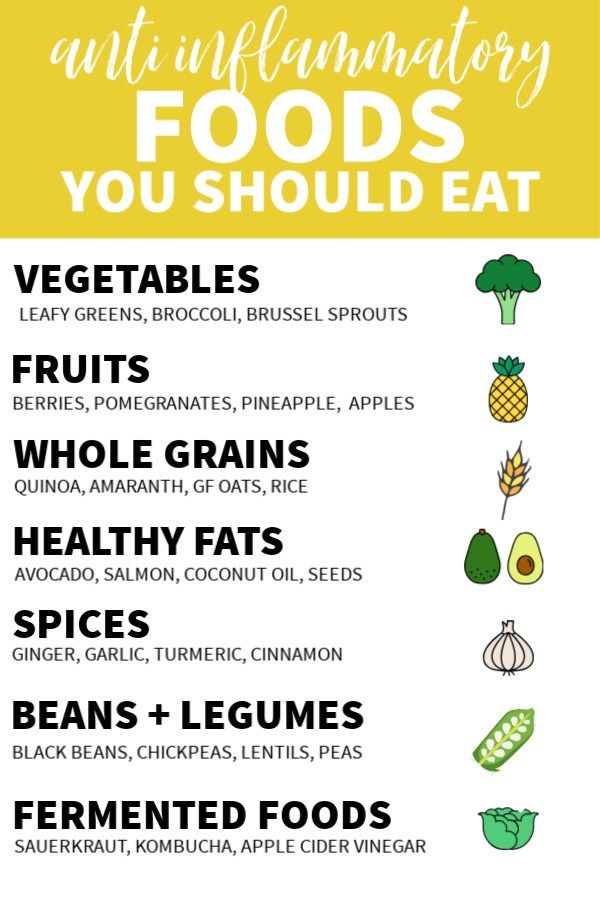
A healthy new YEAR’S RESOLUTION is simple; TRY THE MEDITERRANEAN DIET – a diet pattern that offers variety as well as many health benefits and a great way to begin the year.
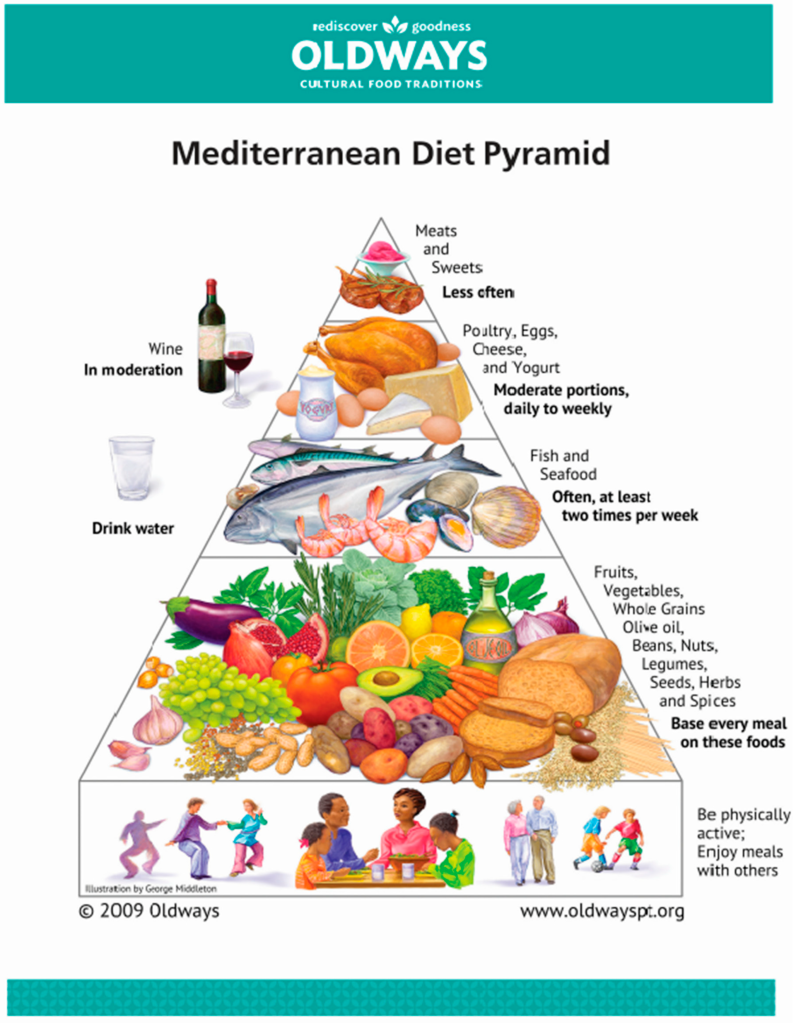
Highlights of the Mediterranean diet – source Life Extension, Dec. 2021 Michael Ozner, MD
There is no one Mediterranean diet. In thousands of studies, the Med diet has been reported to be one of the best lifestyle strategies for extending longevity and avoiding the common disorders of aging, including heart disease and cancer.
In 1990s, the first Mediterranean Pyramid was created by a non-profit group called the Oldways Preservation Trust, in cooperation with the Harvard School of Public Health and the World Health Organization. It was based on food patterns seen in the Mediterranean areas of the olive-growing countries surrounding the Mediterranean Sea, Spain and southern France in the 1960’s.
A clinical trial showed that those who adhered most closely to a traditional Med diet appeared less likely to suffer sudden cardiac death than those who at least had a better chance of healthy aging, defined as living to 70 years or older with no major physical or mental impairments. For diet details, search this blog as Mediterranean Diet.
Components of the Med Diet to show proven health benefits:
Extra Virgin Olive Oil
Omega-3 Fatty acids
Vegetables and fruits
Whole Grains
Clinical trials and observational studies have found particularly strong evidence that the Med Diet protects the heart and lowers the risk of heart attacks, strokes, and cardiovascular death.
However, this diet pattern is beginning to show that the diet can reduce the risk for other chronic diseases associated with aging.
Metabolic Syndrome
A meta analysis of 50 studies including nearly 535 people found that following the Med Diet was associated with a reduced risk of metabolic syndrome. The metabolic syndrome is a cluster of symptoms associated with heart disease that include:
Decreased HDL (“good cholesterol”)
Increased waist circumference
Increased blood pressure
High glucose levels
Increased triglyceride levels
Diabetes type 2
Another study of subjects with a high cardiovascular risk showed that a Med Diet compared to a low fat diet reduced the risk of developing diabetes type 2 by 52% .
Alzheimer’s Disease
In a study lasting four years, in patients showing no signs of dementia at baseline, greater adherence to the Med Diet was associated with a significant reduction in risk of developing Alzheimer’s disease.
Cancer
In a meta-analysis of 83 studies that included 2, 130, 753 subjects, the highest adherence to a Med diet was associated with the lowest rates of many cancers, including colon, breast, stomach, liver, and prostate and a lowest risk of cancer mortality. The diet’s benefits were attributed to a higher intake of fruits, vegetables, and whole grains, i.e. a plant based diet.
Longevity
Several studies have specifically shown that the Med Diet increases longevity.
One study analyzed the diets of 10,670 women in mid-life with a median age of 59 years. Greater adherence to the Med Diet was related to 46% greater odds of surviving to 70 years or older with no major impairments in physical function or mental health.
Another study of adults 65 and over also found that closer adherence to the Med Diet was associated with prolonged survival. Many components of the Med Diet including omega-3 fatty acids from fish oil and polyphenols from fruits and vegetables have been shown to reduce chronic inflammation. Be sure and search Food, Facts, and Fads for diet and disease as well as the Mediterranean diet for more details about this powerful message.




 FOOD, FACTS and FADS