Crime and Nourishment???

We have all heard about the rising crime rates occurring in the U.S. Our first inclination is to wonder what could be going on in our country to cause this – or at least what is contributing to this disturbing shift of behavior?

“The issues of diet and criminal behavior are limited but intriguing. If you’ve ever found yourself in front of the TV after a bad day, mindlessly digging ice cream out of the container with a spoon, you know that mood and food are sometimes linked. But while stress eating is a verified phenomenon, the relationship between food and actual mood disorders, depression and even behavior needs some attention. Can dietary changes potentially improve our mental health.? What do the studies say?

Scientists looking for answers – Hints of a Link

Before, we jump into the science (research), some basics:

As we all know, our behavior is mostly controlled by our brain. Every organ in the human body requires nutrition to function properly and when it doesn’t get what it needs it functions abnormally. So, is there any reason that the brain should be an exception? The brain is a complex organ so that alone should be enough to assume that if it does not get the proper nutrition, it might just not work as well as it should.

Recent research offers a viewpoint that the brain and the gut “talk to each other” through the presence of the microbiome – the community of microorganisms that lives inside our digestive tract.  When this communication channel is “out of whack” or missing essential nutrition, major health problems can crop up in both the mind and body, enabling food sensitivities, allergies, digestive disorders, obesity, depression, anxiety, and fatigue.

“A study indicated that when levels of the brain chemical serotonin decrease from stress or not eating, it affects the brain regions regulating anger, potentially resulting in “a whirlwind of uncontrollable emotions”. 

“Prison studies suggest that many inmates have poor blood sugar control, compounded by a high-sugar diet. We all know how it feels when blood sugar drops – we feel moody, foggy. Apply that to someone from a disturbed backgound.”

In a randomized, placebo-controlled trial,  Oxford criminologist Bernard Gesch found that giving prison inmates a multivitamin and fatty acid supplement led to violent offenses dropping 37% compared to 10% for those who were given a placebo – findings that were confirmed by a later Dutch study.

“In a large study of prison diets, Stephen Schoenthaler, Professor of Criminology and Sociology at California State University found that prisoner’s eating habits could be used to predict future violent behavior. Normally, past violent behavior is considered the best prediction of future violence. But professor Schoenthaler found that a poor diet is an even better predictor of violent behavior.”

He also found that that in a study of young offenders in California, young adult men receiving vitamin supplements showed a 38% drop in serious behavior problems.

The types of problems associated with poor diet, such as aggression, attention deficits and hyperactivity can make impulsive behavior more likely. Low levels of iron, magnesium and zinc can lead to increased anxiety, low mood, and poor concentration, leading to attention deficits and sleep disturbances. Omega-3 fatty acids, are often deficient in the U.S. diet and needed to improve cognitive functioning.

“No one blames a poor diet as a cause of crime, nor is it the only solution. But if better nutrition in general can bring about a substantial reduction in violent crime in and out of prisons, that would be something to cheer about. For isn’t a good diet, made up of good food, a better and less expensive solution than just hiring more police and building more prisons?”

Needless to say, The Standard American Diet (SAD) needs more attention for all of us, not just in our prison population. Simply, with the input of nutrition scientists, education of the consumer, and cooperation of the food industry, we desperately need more healthy food choices for our personal health and that of our food culture.

Schoenthaler, S.J., Ames, S. Dorax, W., et al (1997)

The effect of randomized vitamin mineral supplementation on violent and non-violent antisocial behavior among incarcerated juveniles. Journal of Nutritional and Environmental Medicine, 7:343-352.

The Conversation: Crime and Punishment – the link between food and offending behavior. Hazel Flight, John Marsden, Sean Creaney. 2018

The Guardian. Can Food Make You Angry? Rebecca Hardy. Wed.24 Apr 2013.

C. Bernard Gesch, Sean M. Hammond, Sarah E. Hampson, Anita Eves, and Martin J. Crowder

Influence of supplementary vitamins, minerals and essential fatty acids on the antisocial behavior of young adult prisoners. British Journal of Psychiatry 2002, 181, 22-28
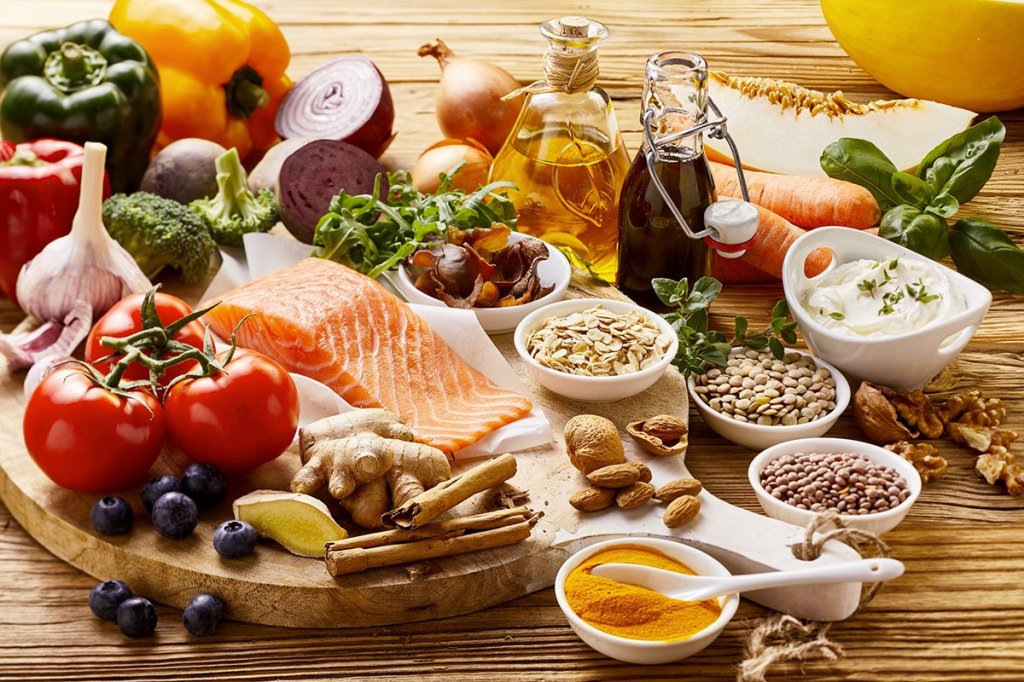
How to Live the Mediterranean Way

How to Live the Mediterranean Way and How to Feed Your Microbiome.

Each country around the Mediterranean Sea offers a rich bounty of delicious ingredients. Many authors have written about the Mediterranean Diet in terms of the health benefits that have been shown by an exhaustive array of scientific studies on its merits. The diet is now recognized as an “intangible cultural heritage” in Italy by the United Nations Educational, Scientific and Cultural Organization (UNESCO). It is a way of life and a way of eating, which the Italians call “Cucina genuina” or “cuisine of the poor”.  This is the diet of those who work the land and feed themselves using seasonal ingredients grown in their small plots outside the kitchen”.

The following characteristics attempt to describe the “Americanized” version of how to live and eat the Mediterranean way – it is not just a diet but a gift to a healthier lifestyle.”

DIET: Eat food, not too much, mostly plants. (Micheal Pollan). Whole grains, unprocessed foods, fruits, and vegetables

Eat meat in moderation. Limit your saturated fat, sugar and salt intake. Snack on nuts. Reduces inflammatory foods

Practice mindfulness, smaller servings, early light dinners.

Try yogurt, beans, chickpeas (hummus (fermentable foods) like sauerkraut – diversifies microbiome

Maintain a healthy Body Mass Index (BMI) 19.0 – 25.0

Drink plenty of water

EXERCISE:

Take a walk. Enjoy the sunshine.

Stay active. Get gardening.

Exercise improves cognition and stress reduction

BEHAVIORAL, SOCIAL

1-2 Glasses of red wine (daily): Optional (if you don’t drink wine, don’t start) 

Have a purpose in life (a reason to get up in the morning).

Laugh with friends.

Keep your brain active (read, puzzles, learn a language) card games

Focus on family, God, camaraderie, nature

Reduce stress and avoid eating when angry or sad.

Enjoy the secret pleasures and social aspect of foods.  Become more expert at listening to your gut feelings.(mind/body).  

Citations: 

Diane Phillps, The Mediterranean Slow Cooker Cookbook, Chronicle Books, 2012.

Emeran Mayer, MD. The Mind-Gut Connection, Harper Collins, 2016.

Dan Buettner The Blue Zones Challenge, National Geographic, 2021.

Olive Oil and Health?

Adding more olive oil to your diet may help prevent an early death.?

A recent study from the researchers at the Harvard T.H. Chan School of Public Health was published online Jan. 10, 2022 by the Journal of the American College of Cardiology. Data from 90,000 men and women, free of cardiovascular disease and cancer were asked to complete a dietary questionnaire every four years. At the end of the data collecting, 36,856 of the participants had died.

From the diet questionnaires, it was found that those who routinely consumed the most olive oil – averaging more than one half a tablespoon a day – had the lowest risk of dying during the 28 – year old follow-up period compared with people who rarely or never consumed olive oil.

The Olive Oil comsumers had:

A 19% lower overall risk of death

A 19% lower risk of cardiovascular disease

A 17% lower risk of cancer-related disease

A 29% lower risk of death related to a neurodegenerative condition

A  18% lower risk of death related to a respiratory disease

This may explain why olive oil as a major component of the Mediterranean diet has consistently shown health benefits in numerous studies. The results also suggest that when used as a substitute for products containing animal fat such as butter, we see the same benefits.

Bon appetit!

In the News: Vitamin D and Fish Oil

Can vitamin D and fish oil prevent autoimmune disease.? Autoimmune diseases are a category of conditions where an individual’s immune system acts abnormally, often attacking and destroying healthy tissues by mistake. Many triggers can cause an individual’s body to start making components referred to as antibodies. Usually, antibodies help the body fight off infections. However, in patients with an autoimmune disease, attack the body’s healthy tissues instead. These diseases include diabetes type 1, rheumatoid arthritis, lupus, psoriasis, or thyroid disease to name a few (possibly 80 of them) and usually affect women more than men. Symptoms vary, but can include pain, fatigue, skin problems, and other chronic conditions.

Study Methods

The study called the VITAL study was published Jan 26, 2022 in the BMJ was a randomized controlled trial included 25,871 racially diverse people over the age of 50 who were split into two groups. One group took 2,000 IU of vitamin D3 each day; those in another group took 1000 mg of fish oil and a third group took both. Another group took two placebos. The study was blinded – i.e. no one knew which group they were in.

Results

“During a five-year follow-up, participants reported any diagnoses of any autoimmune disease that were verified with medical records.

Compared with a placebo, vitamin D supplementation was associated with a 22% reduced risk of autoimmune disease overall. The improvement was greater (39%) after the first two years of treatment. Fish oil alone showed less robust results, but still showed fewer participants with confirmed autoimmune diagnoses compared with placebo.”

Toxicity

Both vitamin D and fish oil may have some effects due to the ability of each to regulate or tame the inflammatory response that “drive autoimmune disorders.” It is too soon based on one study to make recommendations that people take either vitamin D or fish oil supplements – but those with a strong family history should consult with their primary health care provider about these decisions. The vitamin D dose used in the study is more than twice the recommended daily intake of 600 IU or 800 IU for people 71 and older. WARNING: The consequences of overdoses or toxicity can occur at 10,000 IU daily. It is not necessary to take megadoses of any supplement unless your doctor approves it.

Harvard Women’s Health Watch, Volume 29, Number 10 June 2022.

A new study: Vitamin D, Fish Oil and Autoimmune Disease

Autoimmune diseases are a category of conditions where an individual’s immune system acts abnormally, often attacking and destroying healthy tissues by mistake. Many triggers can cause an individual’s body to start making components referred to as antibodies. Usually, antibodies help the body fight off infections. However, in patients with an autoimmune disease, they attack the body’s healthy tissues instead. These diseases include rheumatoid arthritis, lupus, psoriasis, or thyroid disease to name a few (possibly 80 of them) and usually affect women more than men. Symptoms vary, but can include pain, fatigue, skin problems, and other chronic conditions. A new study suggests that vitamin D and fish oil supplements may offer over 50 protection.

Study Methods

The study called the VITAL study was published Jan 26, 2022 in the BMJ and was a randomized controlled trial that included 25,871 racially diverse people over the age of 50 who were split into two groups. One group took 2,000 IU of vitamin D3 each day; those in another group took 1000 mg of fish oil and a third group took both. Another group took two placebos. The study was blinded – i.e. no one knew which group they were in.

Results

“During a five-year follow-up, participants reported any diagnoses of any autoimmune disease that were verified with medical records.

Compared with a placebo, vitamin D supplementation was associated with a 22% reduced risk of autoimmune disease overall. The improvement was greater (39%) after the first two years of treatment. Fish oil alone showed less robust results, but still showed fewer participants with confirmed autoimmune diagnoses compared with placebo.”

Toxicity

Both vitamin D and fish oil may have some effects due to the ability of each to regulate or tame the inflammatory response that “drive autoimmune disorders.” It is too soon based on one study to make recommendations that people take either vitamin D or fish oil supplements – but those with a strong family history should consult with their primary health care provider about these decisions. The vitamin D dose used in the study is more than twice the recommended daily intake of 600 IU or 800 IU for people 71 and older. The consequences of overdoses or toxicity can occur at 10,000 IU daily.

Harvard Women’s Health Watch, Volume 29, Number 10 June 2022.

Olive Oil and Longevity?

Adding more olive oil to your diet may help prevent an early death.

A recent study from the researchers at the Harvard T.H. Chan School of Public Health was published online Jan. 10, 2022 by the Journal of the American College of Cardiology. Data from 90,000 men and women, free of cardiovascular disease and cancer were asked to complete a dietary questionnaire every four years. At the end of the data collecting, 36,856 of the participants had died.

From the diet questionnaires, it was found that those who routinely consumed the most olive oil – averaging more than one half a tablespoon a day – had the lowest risk of dying during the 28 – year old follow-up period compared with people who rarely or never consumed olive oil.

Olive oil consumers had :

A 19% lower overall risk of death

A 19% lower risk of cardiovascular disease

A 17% lower risk of cancer-related disease

A 29% lower risk of death related to a neurodegenerative condition

A  18% lower risk of death related to a respiratory disease

This may explain why olive oil as a major component of the Mediterranean diet has consistently shown health benefits in numerous studies. The results also suggest that when used as a substitute for products containing animal fat such as butter, we see the same healthy benefits. Bon appetit!!

PROS AND CONS OF TAKING PROBIOTICS

Probiotics and or prebiotics seem to be the hot new nutrition topic. Every supplement company and the yogurt industry is offering their own proprietary probiotic guaranteed to “fix “your microbiome. We don’t know why we have “sick” microbes, but we often do. Processed foods can be suspect – antibiotics, artificial sweeteners, emulsifiers, hormones, preservatives for long shelf lives are not ideal environments for keeping them healthy and happy. Just read an ingredient label and you will find a plethora of other candidates.

CLICK HERE.

CLICK HERE.

Species of bacteria found in Culturelle: Lactobacillus rhamnosus plus inulin (a prebiotic – not a bacteria)

Species of bacteria found in Align: Bifidobacterium longum

Also can find species on most yogurt products.

Warning; These products are quite expensive and as all dietary supplements have not met any regulation standards from the FDA. Please consult your physician before taking any probiotic or any other dietary supplement. Often, they are not what they claim.

Is Your Liver Fat?

Most people have never heard of NAFLD, a.k.a. non-alcoholic fatty liver disease, HOWEVER, nearly one in four adults in the U.S. has NAFLD. NAFLD is more common in obesity and diabetes type 2.

In the long term, NAFLD can cause fibrosis (scarring) of the liver that eventually can cause impairment of normal liver function. Advanced scarring can lead to cirrhosis, an irreversible condition that can lead to liver failure. The only long-term treatment is a liver transplant. No drugs are currently approved to treat it.

The emphasis should then be on prevention with the usual recommendations: Eat less processed foods, lose a little weight if necessary, and more exercise comes to mind – healthier lifestyles in general, e.g. less alcohol.

Normally most of the blood draining from the GI tract (gut) travels directly to the liver before entering general circulation. This exposes the liver to toxins that may cause oxidative stress and chronic inflammation.

There are new clinical trials on subjects diagnosed with NAFLD to investigate the influence of probiotics on the microbiome residing in the GI tract. These findings suggest that the probiotic – prebiotic blends can stop the progression of liver disease, liver damage and liver inflammation when compared to a placebo. Interesting???

Richard Moore. Life Extension: The Science of a Healthier Life, May, 2022.

CLICK HERE.

The Gut Microbiome

All About Probiotics

SHOULD YOU TAKE A PROBIOTIC?

Lately there’s a lot of buzz about taking probiotics that is becoming a household word on food labels; everyone wants to get in on the claims made to benefit them and the microbiome with a simple pill.

First of all what is the microbiome ? Everyone has one that is individual to them. It refers to our personal colony of micro -organisms, mostly bacteria, in our body that outnumbers our human cells. It is crucial to our digestion and integrity of the intestinal lining; it determines how and when and where things are absorbed into the bloodstream, participates in our metabolism and plays a role in our immune defenses. In the gastrointestinal tract the bacteria in the microbiome digest things we couldn’t digest otherwise like high fiber foods.

Mark Bittman and David L. Katz, MD – How to Eat: All Your Food and Diet Questions Answered. 2020 

Eat probiotic foods along with prebiotic foods since rebiotics are the food that bacteria eat and what sustains good bacteria long-term. They include foods like oatmeal, bananas, berries, asparagus and beans.

Carrie Daniel-MacDougall, Ph.D, M.P.H., a nutritional epidemiologist at MD Anderson who studies diet and the microbiome says:

“Unless your doctor is prescribing probiotics for a specific person purpose, stick to getting them from foods like yogurt that may have other nutrients like calcium.”

In some cases, probiotics from food or supplements may help individuals with irritable bowel syndrome or Crohn’s disease. There is also potential for harm if used improperly or in combination with other medications. Your doctor or a certified nutritionist can help you find the one that’s right for you. Sometimes the probiotic could even disrupt or displaced some of the good bacteria you already have. McDougall says.

Omega-3 fatty acids and Cancer

Omega -3 fats were found to have no significant effect on total tumor burden or affect latency period, tumor weight, or tumor regression. (Sally J. Feltner. Influence of type and level of dietary polyunsaturated fat on incidence of chemically -induced mammary tumors and on selected immune responses in rats. (Unpublished dissertation, 1988)

These were the results of my dissertation a couple of decades ago; however a new study wakes us up to the possibility that omega 3 fish oils (EPA and DHA) may have an positive effect (less growth) of tumors when fed fish oils as an adjunct to immunotherapy in mice.

CLICK HERE.

What happened here?

In my study there were no effects on tumor incidence; the new study found that omega -3 fatty acids may have a positive benefit if they are used with certain cancer treatments with the ultimate suppression of tumor growth. In my study, however, “the animals fed a high or low fish oil diet (omega 3)) produced a significantly higher antibody titer in response to sheep red blood cells than those fed the low or high corn (omega 6) oil diet.” This indicates a positive effect on the immune system at least in animals.

Study results of omega-3/6 fatty acids can be complex resulting in conflicting results in both human and animal studies.

This may be due to the imbalance of intake between the 3’s and the 6’s. in the Standard American diet. The optimal ratio of omega-3 fats in the diet is in a range of 2:1 to 4:1 (6s to 3s). The typical ratio in the U.S. diet is 16:1 – that is bad!! This means that inflammation can “run rampant”, increasing your risk of heart disease, diabetes, and arthritis. We simply eat too many omega-6 and not enough omega-3 fatty acids. Additional studies are planned. Very interesting.!