“Ketones (or ketone bodies) are molecules formed in the liver when there is not sufficient carbohydrate to completely metabolize the two carbon units produced from fat breakdown.”
It always has been claimed by many doctors and nutritionists to “eat a balanced diet”. Is this healthy? Why is the ketogenic diet so unbalanced? I
The ketogenic diet has gained in popularity due to many adherents on the internet and magazine covers in the supermarkets to this way of eating. It appears that weight loss is achieved a little faster than following the outdated low fat diet; however, after time, both diets in most studies produced approximately the same weight loss (e.g. after a year). “The ketogenic diet is not a diet for life. It is highly restricted in calories and types of food allowed. The ketogenic diet is high in fat and protein and low in carbs; eliminates fruit, grains, and beans, many vegetables high in meat and low in plant foods.
“That makes it the opposite of what we know constitutes a healthy diet”.
Healthy carbohydrates have been the mainstay of many healthy diets from food cultures around the world, e.g. many of the Asian diets and those countries around the Mediterranean area, thus the Okinawan and/or the Mediterranean Diet.
Source: Mark Bittman and David L. Katz, MD. How to Eat: All Your Food Questions Answered, 2020
The Japanese diet is one of the world’s lowest in fat. Other attributes include fish as a mainstay and soy foods. The Japanese also care about appearance and think of food as an art – resulting in more appetizing and satisfying foods. Do these characteristics contribute to the Japanese record of low rates of major chronic diseases and the fact that they boast the world’s highest life expectancy – age 76 for men and 82 for women?
In contrast, in 1980, 30 percent of U .S. adult population were affected by at least one chronic condition. Today it’s 60 percent. The percentage of those affected by two or more chronic diseases has grown from 16 percent to 42 percent. What and how do the Japanese eat? Often, it is Interesting to study lifestyles, in particular what and how other cultures eat to gain some insights as to what exactly is a healthy diet. No one expects the typical American to start munching on seaweed but the study indicates that what and how we eat can affect our overall health and longevity.
Can we do something to address the obesity/diabesity epidemic in the U.S.? Maybe. The government has a way of promoting the very foods that help contribute to the problem. How about helping to contribute to healthy foods for a change? Interesting article. Could it work? Too bad, Coca Cola.
“Indeed, the already booming nut-milk industry is projected to see continuous growth. Much of this is driven by beliefs about health, with ads claiming “dairy free” as a virtue that resonates for nebulous reasons—many stemming from an earlier scare over saturated fat—among consumers lactose intolerant and tolerant alike.”
Snacking has become a popular habit among children and teenagers At the same time, overweight and obesity have reached huge proportions, affecting young individuals. Snacking has been considered one of the main contributors to overweight because of the increased consumption of energy-dense, high-sugar, high-fat foods.
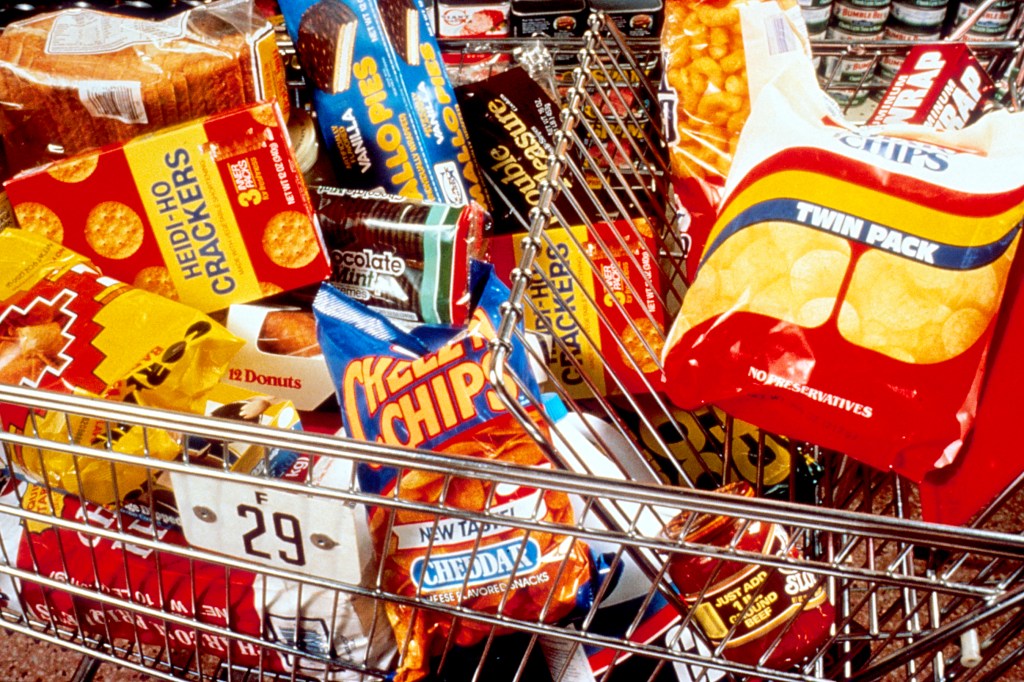
Snacking is promoted by food ads to children and adolescents and one look at our supermarket foods completes the picture. When I taught nutrition courses at the college level, most of my students would come to class with their favorite bag of snacks in hand. Ironically, the class objectives were hopefully to learn about healthy diets. It was hard to compete against the influences of the “big food” industry ubiquitous in our food environment.
No wonder we have an obesity problem. Don’t count on the latest Dietary Guidelines 2020 for help. Enough said?
The last I checked, the U.S. is still facing another raging epidemic other than Covid -19 – one that is been in some degree affecting a large percentage of the population (40%) for quite some time – obesity. Obesity has even been named as a risk factor for the Covid pandemic.
A feature of this month’s issue of Nutrition Action Health Letter titled Why We Overeat by Bonnie Liebman should be important for al of us who eat the food found in the Standard American Diet (SAD).
As a researcher at the National Institutes of Health, Kevin Hall explains: “We’re trying to understand the properties of our food environment that regulate appetite and cause people to overeat and gain body fat”. Based on several well designed studies, his group found “only one diet led people to gain weight and gain body fat, Hall says, and that diet is the ultra-processed-food diet.”. Examples of ultra-processed foods include breakfast cereals, pizza, soda, chips and other salty/sweet/savory snacks, packaged baked goods, microwaveable frozen meals, instant soups and sauces,
History tells us that during the first decades of food production, processed foods became more plentiful than had ever been offered the food consumer. This processing began in the early 1950’snd has taken over the food industry ever since then.
“Companies are all about maximizing the allure of their products” says Michael Moss, a prize winning former New York Times reporter whose recent book is titled: Hooked,Food, Free Will, and How the Food Giants Exploit Our Addictions. It all begins with three major ingredients: Salt, Sugar, and Fat.
“The industry came up with the term “bliss point” to describe the perfect amount of sugar in a drink or food that would please most Americans. Not too little, not too much”
“In snack foods like potato chips, 50% of the calories typically come from fat which gives them that melt in your mouth phenomenon, which so much ultra processed food has. You hardly even have to chew it.”
“Salt is the flavor burst because it’s often on the surface of the food and the first thing that touches the tongue”.
But wait! There are other factors.
“Fat plus carbs foods with high concentrations of both fat and refined carbohydrates like chocolate, ice cream French fries, pizza, cookies and chips are the foods that most people find most irresistible”, says Ashley Gearhardt, associate professor of psychology at the University of Michigan.
Other factors that aid in making the consumer choose ultra-processed foods can include:
Variety, speed (unprocessed food often takes more chewing), advertising (especially TV ads),
Cost. The food industry goal is to make their products as inexpensive as possible for the consumer.
Snacking: “The food industry has developed more and more products that can act as the fourth meal of the day.” Just look at the abundance in the snack aisles.
What To Do
One way is to concentrate more on nutrient dense foods then on calorie dense foods — of course this increase requires adding fruits and vegetables.
Another good source on how to curb your ultra processed food intake is presented by Barbara Rolls, director of the Laboratory for the Study of Human Ingestive Behavior at Penn State, who wrote the Ultimate Volumetrics Diet.
A study in 2017 by Rolls randomly assigned women with obesity to either eat less fat or eat less fat and eat more fruits and vegetables for a year. After a year, the fruit and vegetable eaters had lost more weight (17 pounds) than the other group (14 pounds), and they reported being less hungry.
“We eat with our eyes and our brain, If we see a big portion, that sets us up to feel more satisfied. If a plate looks half empty, that sets us up to feel hungry”, says Rolls.
All in all, be aware and mindful of what you eat. Mindless eating can be habit forming as usually we pay little attention to what and how much food we are eating. Studies show that we eat more macaroni and cheese while watching TV than while listening to music.
Lays potato chips dares us with the challenge: “bet you
can’t eat just one”.
“Stay away from the gigantic calorie counts in most restaurant food, whether it’s sit down or fast food. Cook your own food whenever possible. Stick with water, coffee, tea, or other calorie free drinks.”
Don’t let multinational corporations dictate your diet and your health. It’s up to you to make those choices.
Sources
Bonnie Liebman. Nutrition Action Healthletter, Center for Science in the Public Interest, April, 2021.
Michael Moss. Salt Sugar Fat: How the Food Giants Hooked Us. Random House, 2014.
UNHEALTHY PROCESSED FOOD AND SNACKS CAN LEAD TO OBESITY
● New research paints a picture in which the population of large mammals declined resulting in an increase in human brain size.
● Evolution, the theory argues, favored large brain humans who could successfully hunt smaller, faster animals for food.
● Brain size has grown significantly over the past 2 million years, but there is controversy over why this is the case. Some say the increase was the result of many small environmental changes over time. Others argue there might have been one major change, like this one.
THE MEDITERRANEAN DIET SHOPPING LIST – Eating Well Magazine
A great body of evidence shows that this way of eating plant-based foods, healthy fats, lean proteins, whole grains in modern amounts of wine may help you live longer and stave off chronic disease such as heart disease and diabetes. One key component of the Mediterranean diet is the emphasis on foods that may thwart inflammation and oxidative stress which is at the root of many chronic diseases. These foods include omega-3 rich fish, fruits, and vegetables, nuts and seeds and healthy oils. The dietary pattern is particularly rich in monounsaturated fats which can help decrease bad LDL cholesterol and raise good HDL cholesterol – a win win for the cardiovascular system plus, the heightened emphasis on plant-based foods ensures a bounty of fiber and phyto- nutrients.
EXTRA VIRGIN OLIVE OIL is at the core of the Med Diet. It is rich in tocopherols (vitamin E), carotenoids (vitamin A), and polyphenols. Alternatives include avocado oil and walnut oil.
FRUITS AND VEGETABLES) (from any source – fresh, frozen, canned). Emphasize kale, beet greens, mustard greens, collard greens, artichokes, beets, broccoli, cucumber, eggplant, mushrooms, onions. Garlic is a mainstay in cooking.
Common fruits include apples, apricots, avocados, berries, citrus, dates, figs, stone fruit and pomegranate. Lemons are often used.
FRESH HERBS AND SPICES are staples. Their use reduces the need to add excess salt plus provide many antioxidants. Most common are parsley basil, oregano coriander, bay leaves.
FRESH AND CANNED SEAFOOD provide necessary protein and healthy fats. Omega-3 rich fish such as tuna, sardines, and salmon as well as mussels, clams and shrimp. Consumption is encouraged about twice a week.
WHOLE GRAINS. Wheat is the most common, but other grains like farro, bulgur, couscous, and barley are also favorites. Look for the term “whole” or “whole grain” that should be the first ingredient listed on the ingredient label.
LEGUMES. One of the most prevalent pulses in Mediterranean cuisine is the chickpea, which is often whipped into hummus, formed in falafel and tossed into salads. Lentils are also commonly used in soups and stews. Other meals can include black Eyed Peas, kidney beans and cannellini beans that often are tossed into salads.
NUTS AND SEEDS are enjoyed as a satisfying snack thanks to their fiber, protein, and fat content. A common condiment on the coastline of the Mediterranean is tahini , which is made from ground sesame seeds . Most famously used in hummus this versatile condiment can be used in sauces or dressings to spoon over roasted veggies or grain bowls.
OLIVES AND CAPERS are enjoyed as a simple snack and are among the most popular as Kalamata olives often tossed into Greek salads and pasta or into a tapenade. Olives are rich sources of antioxidant polyphenols and heart healthy fats. Brined or dried, capers are praised for their briny bite and the way they effortlessly punch up the flavor of pasta, baked fish and dressings.
CANNED TOMATOES Whole, diced, stewed or concentrated into a paste, both canned and fresh tomatoes are everyday staples in the Mediterranean . Canned tomato products are particularly rich in lycopene due to the heating process which may help protect against certain cancers. A few tomato centric staples in the Mediterranean include stuffed tomatoes, baked fish with tomatoes and of course, marinara sauce.
GREEK YOGURT AND ARTISANAL CHEESES The Mediterranean diet encourages savoring small amounts of full fat dairy, in addition to providing extra protein. Yogurt can provide healthy probiotics for the microbiome. Be sure to watch the labels and avoid those with a lot of added sugars. The Mediterranean regions spotlights traditionally cultured cheeses made from milk and natural cultures as to some of the more processed varieties (Velveeta) commonly available in the US. The French are famous for their love of hard cheeses eaten in moderation (not added to fast foods). They offer cheese with fruit as a dinner course.
Beyond being used in the classic Greek salad, feta cheese often accompanies stews and fish dishes. Halloumi cheese is known for its firm texture, which makes it suitable for grilling and frying. Harder cheeses like Pecorino Romano and Parmegiano Reggiano are often grated into pasta., while manchego can be baked into egg dishes.
RED WINE. Vine is a common accompaniment to Mediterranean meals, but it’s generally consumed in moderation (a five ounce pour is the standard.) Red wine, in particular, contains antioxidant polyphenols and the flavonoid resveratrol , which will help increase HDL cholesterol (good) and decrease LDL (bad) cholesterol levels.
Obesity is in the news (as usual) again this week with the estimate that by 2030, 42% of Americans will be obese (not just overweight, but obese). Compare that to our current U.S. rate of 36%. For months now nutrition “experts” are diligently trying to determine the cause of our national eating disorder and suggestions have been made smaller from portion sizes, too much fat, too many carbs, obesogens (chemicals in the food), processed and fast food, sugar-sweetened drinks, not enough sleep, not enough calcium, bacteria in the gut, and even viral infections. The list goes on and it still may be seen that all these factors may be contributory along with those still remaining to be studied.
The old long-held paradigm of calories in, calories out has been questioned. This advice works for some people, but for others it just doesn’t apply as we struggle with calorie restriction and increased exercise. The weight often creeps back even though some food and exercise habits have improved.
Studying food in different cultures allows us to look at the different ways people view food and how their diets affect their obesity and chronic disease rates. One culture stands out above all – the French, as they have a fairly high fat diet with low rates of obesity and heart disease. This is often called the “French Paradox”. How do they do it, we ask? The French, especially those residing in the northern and central regions, traditionally enjoyed cakes, pastries, and cheese that would make our arteries slam shut and pounds creep onto our waistlines.
So what are the facts about the traditional diets (around 10 years ago) of the French that kept them healthy and slim?
The French diet was high in saturated fat – 35-38% of total calories came from fat compared to around 34% in the U.S.
According to one study with French participants, only 14% derived less than 30% of their energy from fat, and only 4% derived less than 10% of their energy from saturated fat.
Their heart protective HDL-cholesterol and rates of hypertension were about the same as they are in North America, but the total serum cholesterol levels were higher.
They also smoked.
So tally these factors up and you would think that the French would have had at least a higher risk of heart attacks that North Americans. But the opposite was true.
According to the American Heart Association, out of thirty-five selected countries, France reported deaths from heart disease that were among the lowest in the world – second only to Japan.
In addition, they were better at combating cancer. For example, they reported incidence rates of breast cancer that were 50% lower, on average, than in the U.S. Also, their rates of colon and prostate cancers were roughly 30 and 60% lower, respectively, than those in the U.S.
Were they obese? Of course not. They were leaner – back in the late 1990’s, only 8% qualified as obese. How much of this is genetic? Probably not much since when the French moved to Montreal and began to consume a more U.S-style diet, “they gained weight and their heart disease rates began to resemble those of the U.S.
French Diet Secrets at a Glance:
Moderate drinking. The French have always mastered the art of moderate drinking. Their tempered one-to-two drinks-a-day habit may be what kept their hearts healthier despite their traditional high fat diet. And the French rarely drank alcohol without food. Think – no Happy Hours.
Lots of fruits and vegetables (no surprise). Even though the diet was high in fat, the French ate traditionally on average, four or more servings of vegetables a day.
No snacking. This is where the traditional French diet so differed from the U.S. typical dietary habits. Americans reported snacking on average three snacks a day contributing about 20% of day’s total calorie intake, the French did not usually partake of this between-meal ritual. Think of our supermarket aisles laden with snack foods.
They also did not eat pastries every day – they considered these as treats for special occasions. What’s for dessert? Mostly fruit after dinner.
A Megameal Lunch. A study showed that the French had consumed about 60% of their daily calories by 2:00 p.m. each day compared with an American group taking in only 40% of their calories by 2:00 p.m. then having a snack a couple of hours later and ate the largest meal at dinner.
Curtail Dieting. The French rarely take dieting to extremes. Prepackage meals and diet foods were considered an “insult” to their palates. Instead, they made small changes like limiting butter or cutting down on cheeses to lose extra pounds that may creep on.
More is Not Better. When the French visit the U.S. they are appalled at the quantity of food served. They find taking home leftovers or “doggy” bags comical. since they never serve you that much in the first place. If you overindulge, just cut down the next meal or day to compensate and constantly be aware of the amount served. So enjoy in Moderation.
The French have an attitude about food- they savor it. To quote Julia Child “If you’re afraid of butter, use cream.”
Hooked on Food: A Battle in the Brain? The Reality of Food Addiction
Our brains maintain a healthy body weight by signaling when to eat and when to stop. Hormones regulate feeding circuits that control appetite and satiety, but fatty sugary foods can motivate some people to overeat. The more they have the more they want, a sensation common in drug addiction.
Sugar in the form of glucose provides the body with quick energy. But lately, we’ve gone way beyond the Call of Duty. 200 years ago, the average American ate about 2 pounds of sugar per year. Today we each eat about 152 pounds a year according to the US Department of Health and Human Services. This sharp increase in the consumption of sugar is no mystery. Sugar is cheap, plentiful, and it tastes great.
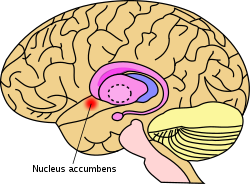
Some doctors and researchers classify sugar as an addictive drug because this refined white crystal triggers the pleasure and reward centers in our brain much like a drug does. It was already well established that sugar consumption will light up the nucleus accumbens and other areas of the brain that are collectively known as the reward centers, generating intense feelings of pleasure when we engage in acts like eating. Doctors are trying to curb our out-of-control sweets habit. The American Heart Association recommends that adult men consume no more than 38 grams or 9 teaspoons of sugar daily, women only 6 teaspoons, and children even less. The latest 2025 dietary guidelines recommends even smaller amounts for daily consumption: no more than 30 grams of added sugar a day for an adult male. However, these numbers fall far below what a typical American actually consumes. An average soda is 39 grams and a bowl of cereal is 20 grams and that’s without dumping more spoonfuls of sugar on top of it.
Is Sugar Addictive?
A recent study showed that rats can be addicted to foods, too. Actually, these foods sound very similar to those found in the Standard American Diet. The researchers gave rats unlimited access to standard chow as well as to a mini cafeteria full of appetizing high calorie foods: sausage, cheesecake, chocolate. The rats decreased their intake of the healthy but bland items and switched to eating the cafeteria food almost exclusively. They gained weight. They became obese.
The research then warned the rats as they were eating by flashing a light that they would receive a nasty foot shock. Rats eating the bland chow would quickly stop and scramble away, but time and again the obese rats continued to devour the rich food, ignoring the warning that they had been trained to fear. Their hedonic desire overruled their basic sense of self preservation.
“We now have the evidence for just how easy this is. People eating ultra processed, palatable foods are likely to eat more calories and no surprise, gain weight. We know this from a clinical trial run by Kevin Hall and his colleagues at the National Institutes of Health. They managed to convince 20 adults to live in a controlled metabolic ward for a month period. They gave the volunteers one of two diets unprocessed or ultra processed that were matched for calories, fats , carbohydrates, protein, and fiber. For two weeks the volunteers could eat as much as they wanted of the assigned diet; they then could eat as much as they wanted of the other diet for two weeks. The results were stunningly clear. On the ultra processed diet, the volunteers consumed many more calories – 500 — more a day than when eating the unprocessed diet. They also gained a pound week.
This experiment tells us that there is something about sweet, salty, and fatty foods that makes us want to eat more of them and to be unaware of how much more we’re eating. Salads and fruits do not trigger this kind of response.” Source: Marion Nestle. Let’s Ask Marion: What you need to know about the politics of food, nutrition, and health. California Study in Food and Culture. 2020.
Did they become “hooked on food”? An inability to suppress a behavior, despite the negative consequences, is common in addiction. Scientists are finding similar compulsiveness in certain people. Almost all obese individuals say they want to consume less, yet they consume or continue to overeat even though they know that doing so can have shockingly negative health or social consequences. Studies show that overeating juices up the reward systems in our brain so much so in some people that it overpowers the brain’s ability to tell them to stop eating when they have had enough. As with alcoholics and drug addicts, the more they eat the more they want. Whether or not overeating is technically an addiction if it stimulates the same brain circles as drug use in the same way, people also can possibly be “addicted to food.”
What to Do? Protein to the Rescue
Many peoples’ relationship with sugar typically starts when they wake up in the morning. Many start the day with a sweet bowl of cereal or a muffin (at 600 calories) for breakfast. But this pattern can set you up to fail, so many nutritionists recommend to focus more on protein.
Protein helps stabilize blood sugar which helps keep you out of fight or flight reactions and protein also provides the building blocks for your brain neurotransmitters including serotonin and dopamine. Many nutritionists advise their patients to eat protein such as eggs, cheese, nuts, peas, beans, and or even a protein shake at least an hour after they get up, and with every meal. If you snack before bed, make sure that it has protein too. Even if we strive to avoid sugar, it is often ubiquitous in our food culture appearing in many processed foods. If you have trouble saying no to sweets, it is recommended to eat protein proactively to keep temptations in check. This way you can help to avoid another binge on your favorite indulgence promoted by the American food industry and your brain, which is actually in on the hijacking, by the way.




 FOOD, FACTS and FADS