Walnuts May Extend Life ?

HARVARD STUDY: EATING WALNUTS MAY EXTEND YOUR LIFE

By Michael Downey

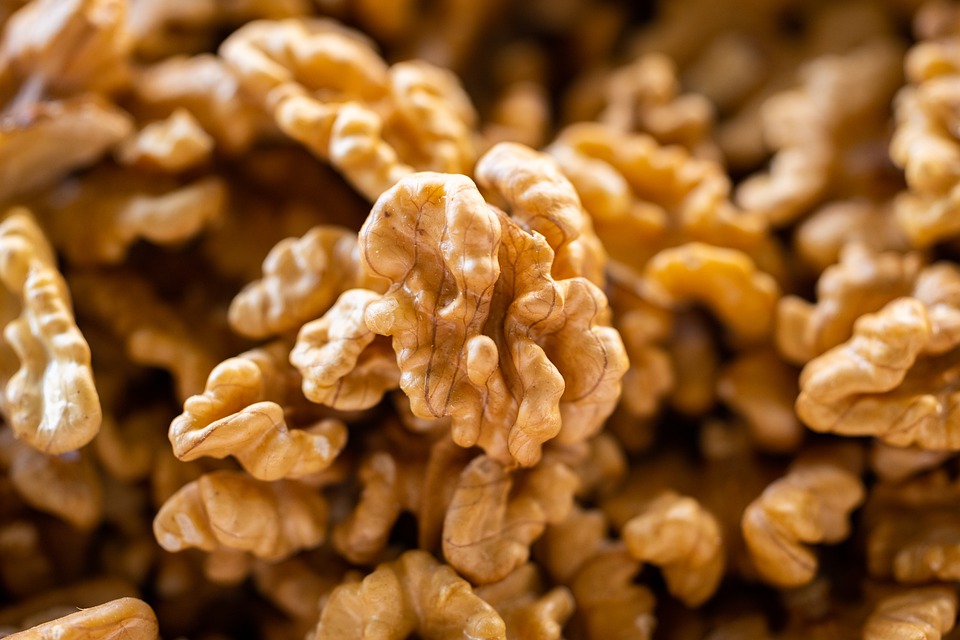
Walnuts once had a bad rap because they have a high calorie and fat content. However, recently it has been found that these assumptions are false. These nuts are packed with healthy fats, vitamins, antioxidants, protein, fiber, and trace minerals. These nuts also have a small amount of sodium, are free of cholesterol, and contain polyunsaturated or good fats.

“Walnuts provide an array of health benefits shown by an observational study that spanned almost 20 years of follow-up data. The study was published in the journal, Nutrients in 2021. Compared to people who never ate walnuts, people who consumed five one ounce serving of walnuts per week resulting in an approximate 1.3 year increase in life expectancy for 60 –year olds and:

A 14% lower risk of death from any cause

A 25% lower risk of dying from cardiovascular disease”.

Walnuts contain healthy fats, fiber and other nutrients. One ounce contains 4 grams of protein, 2 grams of fiber, and 45 mg of the mineral magnesium. They also contain ALA

 (alpha – linolenic acid, an omega-3 found in plants. ALA may improve blood lipids as well as the function of endothelial cells that line the arteries. ALA is also associated with a lower risk of oxidative stress.

Heart Protection

Walnuts are believed to reduce the risk of cardiovascular disease since regular intake is associated with blood pressure reduction. Also, regular intake can reduce blood levels of LDL, triglycerides which that increase heart disease risk. A clinical trial of healthy adults between 63 and 79 years old showed that eating about two ounces of walnuts daily for two years.

Help Controlling Diabetes

Type 2 diabetes has the potential for complications that include: heart disease, chronic kidney disease, nerve damage, vision problems and cognitive impairment. Some studies have shown that walnuts may help lower blood glucose and help to reduce these health risks. A human trial showed that consumption of walnut oil daily for three months lowered blood sugar levels and three-month HbA1c glycemic control. Fasting blood glucose should be <85mg/dL and a A1c less than 5.0%.

Brain Health

Lab and animal studies indicate that walnuts reduce oxidative damage and inflammation in brain cells. In an animal model of Alzheimer’s disease, mice were fed walnuts for 10 months and when compared to mice fed no walnuts, showed improvements in memory-learning ability.

Other studies found in Parkinson’s, depression, or stroke, walnuts lowered the progression of these diseases.

Summary:

Try to use walnuts on salads and as snacks by the handful.

Source: Life Extension: The Science of a Healthier Life, April 2022.
Feeding Your Gut Microbiome

“There’s been a lot of buzz recently about the need to eat probiotics — -living microorganisms found in foods such as yogurt and fermented vegetables. Probiotics add to your gut microbiota, the collection of 100 trillion or so bacteria and other critters living in your gut. Having a healthy microbiota may help foster a healthy immune system and reduce damaging inflammation in the body. Eating probiotics regularly may also help to prevent the intestinal environment from being overrun by unhealthy bacteria, which have been linked to everything from mood disorders and obesity to diabetes and neurodegenerative diseases.”

How to Feed your Microbiome 

Aim to maximize gut microbial diversity (a good thing) by maximizing regular intake of naturally fermented foods and probiotics.

Reduce the inflammatory potential of your gut microbiota by:  Cutting down on animal fat in your diet. Try to increase your intake of omega-3 fats and cutting down on omega-6 fats.

Avoid whenever possible, mass-produced processed food, and select organically grown food.

It’s not all diet, but behavioral aspects are important too.

Eat smaller servings at meals.

Be mindful of prenatal nutrition (if applicable).  

Reduce stress and practice mindfulness.

Avoid eating when you are stressed, angry, or sad.

Enjoy the secret pleasures and social aspects of food.

Become more expert in listening to your gut feelings.

Practice regular exercise. Aerobic is well documented that it reduces thickness of the cerebral cortex, improves cognitive function, and reduces stress responsiveness.

Emeran MAYER, MD. The Mind-Gut Connection: How the Hidden Conversation Within Our Bodies Impacts Our Mood, Our Choices, and Our Overall Health. 2016

https://med.stanford.edu/news/all-news/2021/07/fermented-food-diet-increases-microbiome-diversity-lowers-inflammation

Highlights of the Med Diet

Highlights of the Mediterranean diet – source Life Extension, Dec. 2021 Michael Ozner, MD

 In thousands of studies, the Med diet has been reported to be one of the best lifestyle strategies for extending longevity and avoiding the common disorders of aging, including heart disease and cancer.

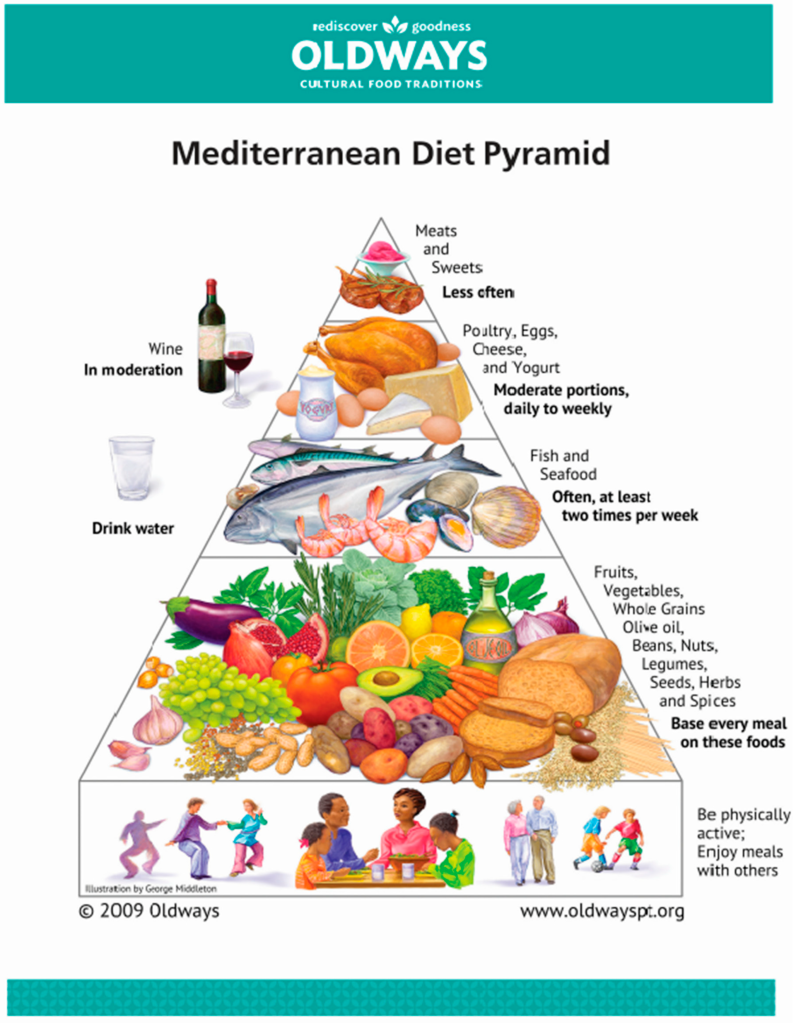
In 1990s, the first Mediterranean Pyramid was created by a non-profit group called the Oldways Preservation Trust, in cooperation with the Harvard School of Public Health and the World Health Organization. It was based on food patterns seen in  the Mediterranean island including Greece (especially the island of Crete and southern Italy in the 1960’s.

A clinical trial showed that those who adhered most closely to a traditional Med diet appeared less likely to suffer sudden cardiac death than those who at least had a better chance of healthy aging, defined as living to 70 years or older with no major physical or mental impairments. For more diet details, search this blog key words: Mediterranean Diet.

Components of the Med Diet to show proven health benefits:

Extra Virgin Olive Oil 

Omega-3 Fatty acids

 Vegetables and fruits

Whole Grains

Clinical trials and observational studies have found particularly strong evidence that the Med Diet protects the heart and lowers the risk of heart attacks, strokes, and cardiovascular death.

However, this diet pattern is beginning to show that the diet can reduce the risk for other chronic diseases associated with aging.

Metabolic Syndrome

A meta analysis of 50 studies including nearly 535 people found that following the Med Diet was associated with a reduced risk of metabolic syndrome. The metabolic syndrome is a cluster of symptoms associated with heart disease that include:

  • Decreased HDL (“good cholesterol”)
  • Increased waist circumference
  • Increased blood pressure
  • High glucose levels
  • Increased triglyceride levels

Diabetes type 2

Another study of subjects with a high cardiovascular risk showed that a Med Diet compared to a low fat diet reduced the risk of developing diabetes type 2 by 52% .

Alzheimer’s Disease

In a study lasting four years, in patients showing no signs of dementia at baseline, greater adherence to the Med Diet was associated with a significant reduction in risk of developing Alzheimer’s disease.

Cancer

In a meta-analysis of 83 studies that included 2, 130, 753 subjects, the highest adherence to a Med diet was associated with the lowest rates of many cancers, including colon, breast, stomach, liver, and prostate and a lowest risk of cancer mortality. The diet’s benefits were attributed to a higher intake of fruits, vegetables, and whole grains, i.e. a plant based diet.

 Longevity

Several studies have specifically shown that the Med Diet increases longevity.

One study analyzed the diets of 10,670 women in mid-life with a median age of 59 years. Greater adherence to the Med Diet was related to 46% greater odds of surviving to 70 years or older with no major impairments in physical function or mental health.

Another study of adults 65 and over also found that closer adherence to the Med Diet was associated with prolonged survival. Many components of the Med Diet including omega-3 fatty acids from fish oil and polyphenols from fruits and vegetables have been shown to reduce chronic inflammation. Be sure and search Food, Facts, and Fads for diet and disease as well as the Mediterranean diet for more details about this powerful diet and its benefits.

In the News: Updates

In the News: Updates

Mediterranean Diet Can Lower Risk Of Sudden Death by 25-26%.

Either a Mediterranean Diet (vegetables, fruits, legumes, cereals, and fish) or a U.S. Southern Diet pattern (added fats, fried food, eggs, organ meats, processed meats, and sugar-sweetened beverages) was given to 21, 069 men and women 45 years and older and compared for adherence to each diet using diet scores.

The results showed that 402 sudden cardiac deaths occurred during an average of 9.8 years of follow-up. People whose Mediterranean scores placed them among the top third of participants had a 25-26% lower risk of sudden cardiac deaths than subjects whose scores were among the lowest third. People whose Southern dietary pattern scores was among the top quarter of participants had a 46% higher risk of sudden cardiac than those among the lowest quarter.

J. Am Heart Association 2021 July 6;10:e019158.

At a Glance

  • A study found that a diet high in added fats, fried foods, processed meats, and sugary drinks was associated with a greater risk of sudden cardiac death, while a Mediterranean diet was associated with a lower risk.
  • The findings provide evidence that adopting a healthier diet may decrease the risk of sudden cardiac death.

Can We Reverse Aging?

Biological Age Reversed with Diet, Lifestyle

An 8 – week diet and lifestyle treatment that measures DNA methylation age (DNAmAge test) was given to 18  men, aged 50 to  72. The diet was a plant-based, low carbohydrate diet with limited animal proteins. The diet was supplemented with a vegetable and fruit powder and a probiotic.

The lifestyle group was advised to do a minimum of 30 minutes of physical exercise daily and to perform breathing exercises twice daily to reduce stress.

Note: DNA methylation is a chemical reaction that takes place when a methyl group attaches to DNA, changing the expression of a gene to which it is attached. The DNAmage test is considered the most accurate method to assess whether an intervention (s) is slowing or reversing biological aging.

The healthy diet/lifestyle group had scores averaging 1.96 years younger at the end of the program than at the beginning, while control participants averaged 1.27 years older at the end. It was not reported what treatment if any was given to the control group. The difference between the healthy diet/lifestyle group and the controls was 3.23 biological years. The results showed us that diet and other lifestyle factors (exercise, stress reduction) can affect human health and lifespan. This supports the science of epigenetics and that nature and nurture interact to affect many aspects of our lives. For more on DNA methylation, SEARCH THIS BLOG FOR DNA, METHYLATION, EPIGENETICS, GENE EXPRESSION.

Aging (Albany NY). 2021 Apr 12;13(7):9419-9432

You Are What Your Grandparents Ate: What You Need to Know About Nutrition, Experience, Epigenetics & the Origins of Chronic Disease.

More About Garlic?

I am not a promoter of supplements except in situations when you don’t want to smell like a raw garlic bulb every day.

More Good News for Garlic Lovers

Editors Note: Metabolic syndrome is becoming a marker for good health especially in the older population; however its presence can occur even in younger people. It is diagnosed as having three of the following disorders: high triglycerides, high blood pressure, elevated blood sugar and low levels of HDL cholesterol. These disorders collectively are thought to contribute to a higher risk of developing diabetes and/or heart disease

A randomized clinical trial included 90 men and women with metabolic syndrome were supplemented with tablets containing 1600 mg of garlic powder daily for three months, or a placebo.

Garlic supplementation Improves metabolic syndrome. Phytother Res. 2021, May 11.

In the garlic group, results were as follows:

All parameters were reduced along with appetite, fatty liver index,and waist circumference. Additionally,  beneficial HDL cholesterol was significantly higher than at the beginning of the study compared to the placebo group. 

The Power of Plant-Based Nutrients. Life Extension, October, 2021.

“Then, there is cancer. Compounds in garlic have been shown in many laboratory studies to be chemoprotecive. Epidemiological studies shows a decreased risk in stomach and colon cancer in areas where consumption of garlic is high. An article In the Journal of Nutrition stated that “evidence continues to point to the anticancer properties of fresh garlic extracts, aged garlic, garlic oil.”

Source: Jonny Bowden, Ph.D., CNS. The 150 Healthiest Foods on Earth. 2007.

What Does Organic actually Mean?

Organic Foods

  • What does any label that says “organic” mean? What are the criteria for organic certification?

USDA rules for qualifying as organic. 

Plants:

  • Must be grown in soils not treated with synthetic fertilizers, pesticides, and herbicides for at least three years
  • Cannot be fertilized with sewer sludge
  • Cannot be treated with radiation
  • Cannot be grown from genetically modified seeds or contain genetic modified ingredients

Animals:

  • Cannot be raised in “factory-like” confinement conditions
  • Cannot be given antibiotics or hormones to prevent disease or promote growth.
  • Must be given feed products that are 100% organic.

Omega 6 and Omega 3 Fatty Acids: The Good and the Bad

Sally Feltner MS, PhD's avatarFOOD, FACTS and FADS

by foodworksblogLeave a comment

Fat is a key nutrient in our diet and is often the first thing you may note on a food label. Most foods contain a mixture of many different types of fat: the commonest are saturated, monounsaturated, polyunsaturated and trans fats. Polyunsaturated fats are divided into two major families: omega-6 and omega-3’s. Are some good and some bad.? This conundrum is often debated among nutritionists and still a definitive answer remains elusive.

What exactly are the omega-6 and omega 3 fats?

We have to begin with the polyunsaturated essential fatty acids, linoleic (omega-6) (LA) and alpha linolenic acids (omega-three) (ALA). They are called essential because they cannot be made in the body and must be acquired from the diet.

Linoleic acid (LA) is required for growth, healthy skin and normal functioning of the reproductive system and is a structural part of cell membranes. Foods high…

View original post 1,192 more words

A Lesson from the “Limeys”

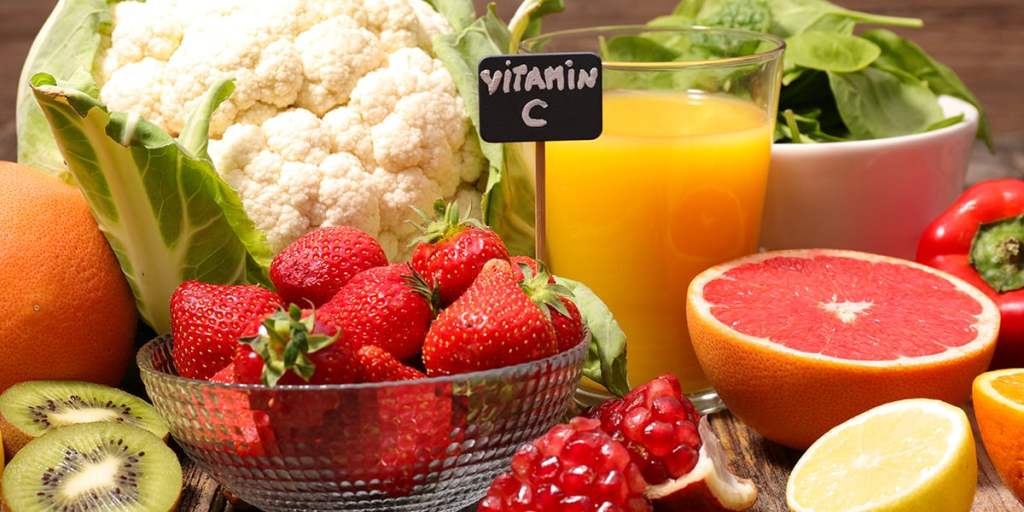
A Brief History of Vitamin C

The vitamin C deficiency disease, scurvy,  was the scourge of armies, navies, and explorers throughout history. It particularly affected those sailors on long voyages who had little access to fresh fruits and vegetables (high in Vitamin C). Despite some recommendations of transporting these foods on their voyages, 10,000 British sailors died of scurvy in 1594. A Scottish physician, James Lind serving in the British Navy had an idea and developed a “crude”experiment on an upcoming long voyage.

To set the stage for this experiment, a historic account is given us from a 16th century surgeon who describes the scourges of scurvy:

It rotted all my gums, which gave out a black and putrid blood. My thighs and lower legs were black and gangrenous, and I was forced to use my knife each day to cut into the flesh in order to release this black and foul blood. I also used my knife on my gums, which were livid and growing over my teeth…

William Faloon. Misconeptions about Vitamin C, Life Extension: The Science of a Healthier Life, November 2021

James Lind did his clinical trial aboard HMS Salisbury in 1847.  He took 6 groups of two sailors with scurvy and gave the following treatments:

Group 1: A quart of hard cider a day

Group 2: 25 drops of vitriol (sulphuric acid)

Group 3: Six spoonful’s of vinegar

Group 4: Half a pint of seawater

Group 5: Two oranges and a lemon (ran out of fruit in a week) but recovered from scurvy in six days. There were no signs of scurvy prevention in any of the other groups (to my knowledge).

Group 6: Spice blend

(The cure of scurvy should have been obvious but Lind wanted to fit his observation into the prevailing ideas of the model of humors as the basic model of disease (described above).   This idea of humors had been around since the Ancient Greeks and taught that the body contains four fluids (the humors – phlegm, blood, yellow bile, black bile) associated with certain personalities (phlegmatics, sanguine, choleric and melancholy). Lind thought that scurvy was associated with the build up of black bile due to blocked sweat ducts and downplayed the power of his discovery to a paragraph buried in the middle of a long book. Despite this the British Navy progressively eliminated  scurvy over the remainder of the century using lime juice and were called “limeys”. The rest  of the world did not heed the lesson of  the limeys. In the mid—19th century, during the U.S. Civil War, scurvy was rampant.  Science moves very slowly. (SJF)

“In the original timeline (OTL, our world), germ theory wasn’t even on the radar until 1847, when Ignaz Semmelweis made the connection between puerperal fever and doctor hygiene (or lack thereof). This was the first strong proof for germs being the cause of disease, but his theory was ridiculed by the scientific community. It took over ( at least) 30 years before the germ theory was accepted as fact.” Wikipedia.

Go for the Garlic

First cultivated over 5000 years ago, this Central Asia native has a reputation as a culinary and medicinal star in traditional medicine for centuries.  Ancient cultures used garlic to aid the heart and digestion, as well as improved physical strength. And don’t forget its famous ability to ward off vampires and even Dracula himself. (Just kidding). This potent powerhouse enlivens the flavor and nutrition of any dish, leaving a lasting impact on the palate as well as the breath.

It’s a good source of vitamins minerals and anti-antioxidants-  one small bulb packs 7% DV based on 2000 calories per day of heart healthy vitamin B6 and 23% DV and 15% DV respectively of manganese and vitamin C, known to protect against damaging free radicals. That comes with 1 bulb with 42 calories.

“Wild garlic has been widely touted for its heart protection, the research on proven benefits is conflicting. However a recent meta analysis of more than 100 studies provided consistent evidence that garlic powder reduces total cholesterol, LDL cholesterol, fasting blood glucose, and blood pressure. Garlic also has been linked to the fight against some cancers. A study in Molecular Nutrition and Food Research found that high intake of allium (the active ingredient) vegetables is likely to reduce the risk of cancer, though more research is needed to confirm this effect.”

“When using fresh garlic bulbs choose tight, firm bulbs with dry, unbroken skin. Keep it uncovered in a dark dry place and it will stay fresh for about a month. Chopping, mincing, and smashing activate garlic’s healthful properties. Enjoy fresh raw garlic pureed into creamy hummus or other healthy dips; roasted releases its creamy sweetness;  spread on crackers or mix with steamed vegetables or add minced to salad dressings.”

Source:

Lori Zanteson. Environmental Nutrition, Volume: EN20-DGGENSC

Garlic Bulbs in Bangkok