Grass-fed Beef: Is It Safer?

by foodworksblog 15 Comments

A typical feedlot

Grass-fed beef comes from cattle that eat only grass and other foraged foods. Usually, beef and dairy cows eat a diet of processed grain, such as corn.  There has been an increased interest in grass-fed or pastured beef because of its health claims when compared to cattle from commercial feedlots.  Grass-fed beef may have some heart-health benefits that other types of beef don’t have. When compared with other types of beef, grass-fed beef may have:

  • Less total fat
  • Higher levels of heart-healthy omega-3 fatty acids
  • Higher levels of another type of fat (conjugated linoleic acid) that’s thought to reduce heart disease and cancer risks
  • Lower levels of a dangerous strain of E. coli bacteria

Due to the almost continuous news of recalls of beef contaminated with a dangerous strain of E. coli 0157:H7 or often just called O157 bacteria, grass-fed beef purveyors have often promoted the idea of safer beef than conventionally-grown or grain-fed beef.  What does the science say?

Work conducted at Cornell University by Russell and Diez-Gonzalez in the late 1990s showed that cattle that were fed hay had far fewer E. coli concentrations than when they were fed a standard feedlot diet based on grain. (Microbes Infect 2, No. 1 (2000): 45-53.)  However, earlier studies did not look at the levels of the dangerous strain 0157 apart from other strains.

The researchers hypothesized that when grain is fed to cattle, their digestive tracts become more acidic.  Over time, the E. coli in their intestines become resistant to this acid environment.  When we ingest them, a high percentage will survive the high acid content of our digestive juices and increase the risk of E. coli food poisoning.  Theoretically few E. coli from grass-fed cattle will survive because they have not become acid-resistant.

Since this original work, other researchers have explored the link between cattle feed and E. coli with more attention paid to the presence of 0157:H7.  Some have confirmed the work by Russell and Diez-Gonzalez but the majority has disputed the finding.  For example, in 2003, at the University of Idaho, a study found no difference in the levels of E. coli 0157:H7 in grass-fed and grain-fed.  In both cases, acid resistance was high.  Other studies have come to the same conclusion.

Grass-fed growers point out that even if there is not much evidence that diet can affect the number and acidity of E. coli in the intestines of cattle, grass-fed beef may be safer in the long run than feedlot beef.  Simply, grass-fed cattle are cleaner at time of slaughter.

Feedlot animals often stand all day in dirt and manure and careless and dangerous practices in the slaughterhouses increases the risk of manure contamination of the meat.  For a graphic depiction of slaughterhouse practices, read “Fast Food Nation” by Eric Schlosser. A cleaner animal upon entering the facility will lessen this possibility.  In the magazine Meat Marketing and Technology, the associate editor stated: “pasture-raised animals are much easier to clean because they come form smaller herds raised in relatively cleaner pastures.”

From the www.onlygrassfed.com webpage:

“It (grass-fed) is usually processed in a small local meat processing operation by skilled butchers who are careful to avoid fecal contamination of the beef.  When you buy grass fed ground beef from a reputable local farmer, you can be assured it is not “frankenbeef.”  In fact, the ground beef probably came from one cow.  Rest assured, it was processed from quality, uncontaminated ingredients.”

In 2009, there were 4,643 cases of Shiga-toxin producing 0157:H7 E. coli illnesses; In 2010, the number rose to 4, 757.  Fortunately there were few deaths, but this strain can cause a condition known as hemolytic uremic syndrome (HUS) often with lasting kidney damage for a lifetime.

Choosing whether to buy grass-fed or grain-fed beef is a personal decision based on taste, price, ethical and environmental issues.  Some grass-fed beef purveyors will say that it is OK to consume the beef raw as in steak tartar, for example based on the myth of less E. coli contamination.  If you choose grass-fed beef it is important to realize that you should practice all the safe-handling techniques recommended for grain-fed beef based on the current scientific evidence.

Related article

:

“Hurrah” for the Pumpkin Pie

by foodworksblog Leave a comment

When you think of Thanksgiving, the pumpkin pie (aside from the turkey) first comes to mind. In fact, when else do you make a pumpkin pie even though canned pumpkin is available all year around?

In Medieval times, squash, gourds, and other fruits were stewed with sugar, spices, and cream wrapped in pastry. During the Colombian Exchange in the 16th century “new world” foods that included pumpkins, potatoes, tomatoes, peanuts, and corn were introduced into European cookery. Pumpkins became a favorite almost immediately whereas most other foods took several generations to be totally accepted. This was more than likely due to their similarity to “old world” gourds and squashes and they were easy to cultivate. They were called pompions, after French “pompon.”

Pumpkins were first cultivated in Central America around 5,500 B.C. The Northeastern Indians used squash more than other Indians in early America and did favor pumpkin the most. They baked them by putting them in the embers of a fire, then moistened them with maple syrup or honey or some type of fat and then turned it into a soup. It was likely that pumpkin was on the first Thanksgiving table in some form. By the 1700’s, it became a popular item to celebrate the holiday. In 1705, the town of Colchester, Connecticut postponed the holiday for a week due to a molasses shortage to make the pies.

Pumpkins have been in American history for centuries and recipes for its preparation began appearing in cookbooks. The first known American cookbook was American Cookery by Amelia Simmons in 1796 that included a recipe for “pompkin” pie. She made two versions. Both had pumpkin, ginger, and eggs. One used cream and sugar with Old World spices, mace and nutmeg; the other used milk and molasses with New World allspice.

Later in 1805, a recipe for pumpkin pie appeared in the Art of Cookery Made Plain and Simple by Mrs. Hannah Glasse.

“Take the pumpkin and peel the rind off, then stew it till is quite soft and put thereto one pint of pumpkin, one pint of milk, one glass of malaga wine one glass of rose-water, if you like, seven eggs, half a pound of fresh butter, one small nutmeg, and sugar and salt to your taste:”

By the 1800’s, pumpkin pie was a necessity at most Thanksgiving celebrations. If you have ever heard the famous poem about Thanksgiving by Lydia Maria Child in 1842:

“Over the river and through the wood, to grandfather’s house we go” ends with “Hurrah for the pumpkin pie”.

In 1929, Libby’s meat-canning industry made pumpkin preparation easier by offering its famous canned pumpkin with its traditional recipe on the label. My mother would have appreciated the Libby’s version. I remember her talking about making her first pumpkin pie and neglecting to strain the stringy pulp from the pumpkin itself. Needless to say it was a disaster. Next time you open a can, please think kindly of her and in her day, there may not have been canned pumpkin.

The only problem is the sugar content found in pies – as for my pumpkin disaster, I forgot the sugar one year and it was awful. But who is counting sugar grams on Thanksgiving?  No one. (for the few that are – 1 serving has 253 cals, 3 grams of fiber, 32 grams of carbohydrate and about 19.7 grams of sugar (5 tsp). Pumpkin is also loaded wtih vitamin A in the form of beta-carotene (a powerful antioxidant).

Eating in America: A History, Waverly Root & Richard de Rochemont William Morrow, New York 1976, (p. 41).

The Art of Cookery Made Plain and Easy, Mrs. Hannah Glasse, 1805 .

Cuisine and Culture: A History of Food and People, Linda Civitello, 2nd Edition, Wiley

Living in a Blue Zone

By Sally J. Feltner, M.S.,  Ph.D


Ponce de Leon began his quest for the fountain of youth in 1531 and humans have been seeking magical solutions for keeping us younger and living our later years in relatively good health.

In 2009 with the backing of the University of Minnesota School of Public Health, AARP and the National Geographic, Dan Buettner established the Blue Zone Project and authored The Blue Zones: 9 Lessons for Living Longer from the people who lived the longest, He interviewed those who were either centenarians or those in their later years and began to investigate what factors may have contributed to these long lives. He identified five regions that for various reasons had populations meeting this criteria:

  • Sardinia in Italy with the highest concentration of centenarian men.
  • Seventh Day Adventists in Loma Linda, California, where some residents live ten more healthy years than the average American.
  • The Nicoya Peninsula in Costa Rica that has the world’s lowest rates of middle-age mortality and the second highest concentration of male centenarians.
  • Ikaria, Greece that has one of the world’s lowest rates of middle age mortality and lowest rates of dementia. Only 20 percent of people over 80 showed any signs of dementia, whereas a similar study of long-lived people near Athens showed an almost 50 percent rate of dementia.
  • Okinawa, Japan home to the world’s longest living women.


Remarkably, all the regions had common characteristics that included family and purpose, community and spirituality, stress reduction and physical activity..

One major practice was that all their diets, though not vegan, were predominantly based on plants. Meat and other animal products were either the exception or used as a condiment. Okinawans, practice a philosophy called hara-hachi bu regarding food; they only eat until they are 80% full.

In the Costa Rican Zone, everyone feels like they have a plan de vida or life plan. Even at ages above 60 and 70, inhabitants don’t stop living. They keep themselves busy; they love to work. It provides them a “reason to waking up in the morning” called ikigai. There is no word for “retirement” in Okinawa.

The book introduces some very interesting longevity “superstars.”

  • Marge Jones, at 100 years old from Loma Linda begins every day with a mile walk, a stationary bicycle ride, and some weight lifting. “I’m for anything that has to do with health”, she says.
  • Kamada Nakazitam, 102 years old from Okinawa says “To be healthy enough to embrace my great – great grandchild is bliss.”
  • Ellsworh Wareham, age 91 from Loma Linda, assists during heart surgery procedures, something he does about two or three times a week.
  • Abuela Panchita, 100 year old Costa Rican woman whose 80 year old son, Tommy bicycles to see her every day, spends every day cooking, splitting logs and using a machine to clear brush from her yard.
  • The notion of moai in Okinawa stands for “a social support network. Says 77 year old Klazuko Mann, “each member knows that her friends count on her as much as she counts on her friends.”
  • Tonino Tola, 75 said that “Sardinian men can shed stress by often joking at the expense of one another.” Science tells us a belly laugh a day may reduce stress and actually keep the doctor away.

The final chapters of the book boil it all down into nine lessons and a cultural distillation of the worlds’ best practices in longevity. Beuttner provides credible information available for adding “years to your life and life to your years.”

However, there is a downside. From the author: “Sardinians today have already taken on the trappings of modern life. For example, junk foods are replacing whole-grain breads and fresh vegetables traditionally consumed here. Young people are fatter, less inclined to follow tradition, and more outwardly focused.”

From the author: “I once pressed a 101-year-old woman in Ikaria, Greece to tell why she thought people there lived so long. ‘We just forget to die,’ she said with a shrug. None of them went on a diet, joined a gym, or took supplements. They didn’t pursue longevity – it simply ensued”

Since the first book, Mr. Buettner has published two other books that continue to describe the lifestyles of these regions. They include The Blue Zones Solution and The Blue Zones of Happiness. I’ve enjoyed these books immensely and have often referred to them in various tweets and posts. The first book concludes with a chapter on Your Personal Blue Zone. Other books give us more explicit ways to establish Blue Zones in other areas in the U.S.

From the back cover of The Blue Zones Solution – “Propagating the Blue Zones would not only prevent a rise in the prevalence of diabetes (and other such misfortunes); it would allow us to eliminate more than 80 percent of the burden we have now. That’s revolutionary.”

David Katz, M.D., Director of the Yale-Griffin Prevention Research Center

All these books are highly recommended, in my opinion. They not only teach us valuable information to remain healthy in our later years, i.e. a longer lifespan of optimal health,  but they also present a relatively comprehensive and colorful glimpse of their individual lives and culture.

Working for an extension of a Healthy Lifespan

Extra Virgin Olive Oil Benefits

Large Human Trial Demonstrates Extra Virgin Olive Oil Reduces Cardiovascular and Breast Cancer Risks

Results of a large clinical trial published in two prestigious medical journals JAMA an the New England Journal of Medicine demonstrate that a diet supplemented with extra Virgin olive oil provides health benefits.

The PREDIMED study enrolled adults age 55 to 80 who are considered at high risk for cardiovascular disease based on various factors.

Participant participants were assigned to a Mediterranean diet, one with supplemental extra virgin olive oil at least 4 tablespoons and the other supplemented with mixed nuts. The third group was assigned to a control, low fat diet.

Over almost five years of follow-up, cardiovascular outcomes including heart attack, stroke, and death from any cardiovascular cause, were noted. The Mediterranean diet groups had a significantly lower rate of negative cardiovascular outcomes. This association was particularly strong for the supplemental extra virgin olive oil group, which had a 31 percent reduction in risk for cardiovascular disease outcomes compared to the control diet group.

The researchers also observed data of new breast cancer in the women enrolled. Here too, the diet supplemented with extra virgin olive oil was most protective, reducing rates of breast cancer by nearly 70% compared to the control diet. Interesting, the group that supplemented with mixed nuts did not show a significant benefit in terms of breast cancer risk. The study’s authors report that this was the first human trial to find a beneficial effect of a dietary intervention on breast cancer risk. Together, these results suggest that a Mediterranean diet with supplemental extra virgin olive oil is protective against both cardiovascular disease and breast cancer in older adults with existing risk factors

The American Plate: Dining in the 70’s

Updated 10/2/2020

West Coast Cuisine: Alice Waters

The 1970’s ushered in many new innovations in the world of food. In 1971, Alice Waters opened Chez Panisse restaurant in Berkley, California and changed the definition of salad. Instead of the old iceburg lettuce wedge of previous times, she used everything from fresh mixed greens to goat cheese. A three-course meal costs less than $8.00.

She also had a passion for Mediterranean cooking, not yet popular in the U.S. She went against the previous decades of prepackaged foods and her mantra was fresh foods, simply prepared. She promoted a new concept dubbed “California Cuisine” which spread through the rest of the country. She shunned factory farms, and promoted food that come from the farm to the table as quickly as possible. This philosophy is growing currently as a national movement.

A standard at health food restaurants across the country, carrot cake was ubiquitous, Grated carrots made it  a nutritious choice, or so the thinking went.

Another landmark in food in 1971 began when three friends opened a coffee house in Seattle, Washington. They named it after a character in Herman Melville’s 19th century novel, Moby Dick – Starbucks, the chief mate on the Pequod, a whaling ship .

Fat Attack and Veganism

In 1977, an American committee of the U.S. senate led by George McGovern published the first Dietary Goals For The United States in order to reverse the epidemic of heart disease in the country at the time. The trend still exists in that heart disease still is the number one “killer” in the U.S. The guidelines generally suggested that fat was the culprit in our diets; soon food manufacturers began removing the fat and when that happens, sugar is added. So carbs were in and fat was out.

A young doctor named Dean Ornish recommended that heart attack patients change their diets drastically and promoted “heart-healthy” recipes. The American Heart Association adopted these recommendations and soon restaurants were soon displaying heart symbols on menu items that were approved to be healthy. Dr. Ornish stressed a change in lifestyle approach to treat and prevent coronary artery disease (CAD).  Beginning in 1977, he conducted clinical research studies showing that lifestyle changes could not only stop the progression of CAD but could actually reverse it. These lifestyle changes included plant-based diet, smoking cessation, moderate exercise, stress management techniques including yoga and meditation, and psycho-social support.

In 1973, the Moosewood Restaurant, a collectively owned vegetarian restaurant opened in Ithaca, New York. It featured vegetarian cooking that was spicy, ethnic and exciting. Cookbooks such as The Moosewood Cookbook and The Enchanted Broccoli Forest soon followed. These new innovations gave vegetarianism a new life since its first boost of energy at the end of the 19th century.

For meat eaters, one very popular dish of this decade was Beef Wellington, a fillet of beef tenderloin coated with pate de foie gras and a duxelles of mushrooms all wrapped up in a puff pastry crust. Dinner parties with friends featured more complicated menus and Wellington was considered the most difficult because of its preparation.

heirloom

The War of the Diet Books and a Murder

The weight loss craze was in full swing and the “diet wars”and books  began to appear in earnest. In 1972, Dr. Atkins introduces his “Diet Revolution” featuring a high protein, high fat, low carbohydrate diet. The anti-fat gurus were appalled.  In 1978, Dr. Herman Tarnover introduces the “Complete Scarsdale Medical Diet”, another version of the high protein low carb diet. “The book would have been quickly forgotten if Tarnover hadn’t been shot four times and killed by his 56-year old female companion, Jean Harris on March 11, 1980, a few days before his 70th birthday”.  The murder became the subject of numerous books and two films.

“Harris was a headmistress of an exclusive school for girls and a summa cum laude graduate of Smith College. On February 25, 1981, a trial began that caused a media frenzy.  Harris was found guilty of second-degree murder and sentenced to 15 years in prison. At the time of his death, Tarnover had just begun outlining a new book about how to achieve and enjoy longevity.” All he would have had to say was,  “Stay clear of zealous  jealous mistresses” seeking revenge. (note from me who saw one of the films).

SOURCE: The Hundred Year Diet: America’s Voracious Appetite for Losing Weight, Susan Yager. As of this writing,  Yager is a adjunct instructor in the Department of Nutrition, Food Studies, and Public Health at New York University.

Potpourri

The decade of the 70’s was also time for indulging our tastes with eclectic appetites. We indulged in Buffalo chicken wings, Pasta Primavera to goat cheese salads to Crock-Pot Chili in the course of a week. Brunches with quiches became Sunday morning fare, but soon men rebelled by saying “real men don’t each quiche.” We worked our way through the Vietnam War, rampant inflation, Watergate, and President Richard Nixon’s resignation. Jerry Ford became the President.

New At the Market

Hamburger Helper, Redenbacher’s Gourmet Popping Corn, Celestial Seasoning Herbal Teas, Snapple fruit juices, Cup O’ Noodles, Stove Top Stuffing, Miller Light, Yoplait Yogurt, Perrier, Ben and Jerry’ s Ice Cream, Resses’s Pieces

Trivia Timeline:

1970 The first overseas Dunkin’ Donuts opens in Japan. Later, MacDonald’s opens its first international site in Tokyo.

1970  Resealable plastic bags and Reynolds Oven Bags are introduced.

1970  Morton introduces Salt Substitute and, in 1973, brings out Lite Salt.

1971  The nation’s first salad bar is laid out at R.J. Grunts, a singles bar and Chicago restaurant. Wendy’s hamburger chain introduces salad bars in 1979.

1971  Rival trademarks the Crock – Pot.

1972  “He likes it! Hey Mikey!” Two older brothers get Mikey to try the family’s new cereal, Life, in a commercial that ran for 12 years on TV.

1973  MacDonald’s introduces the Egg McMuffin, the first fast-food breakfast item.

1973  When introducing the expensive ($140) Cuisinart food processor, it was viewed as an indulgence. It soon became mandatory equipment for anyone who considered themselves a good cook. The product becomes so hot during  the 1976 Christmas season that retailers sell empty boxes as promises for future delivery.

1975 American consumption of soft drinks surpasses that of coffee.

1976  Tom Wolfe calls the 1970s the “Me Decade” and Burger King follows with the “have it your way” campaign.

1977  The term “comfort food” first appears in the Washington Post magazine. The author uses the term in reference to grits, but by 1980, the food has grown to encompass the food of childhood such as meatloaf, mashed potatoes, macaroni and cheese, and gelatin dessert.

1977  The plastic grocery bag is introduced to the supermarket industry. It is now an environmental nightmare.

1978  General electric offers the first over the range microwave oven, the SpaceMaker.

1978  For the first time, more women then men enter college.

How to Eat (most of the time)

Leave a comment

Do you feel guilty if you do not eat healthy foods? Most of us don’t but there are people who now comprise a group exhibiting a new eating disorder called orthorexia. 
The following article by Mark Bittman may put this eating pattern in a reasonable perspective. The Bottom Line? Enjoy food but make healthy choices (most of the time). This philosophy as stated by Bittman is refreshing – Seems to resemble the traditional diet of the French – the Good Life Savored.

“Eating well is an integral part of their national heritage. To say the French know their food is an understatement and it has been said that even their children are serious “foodies” with two-hour multi course lunches (not uncommon in France)” – all this without guilt. Contrast that with the typical American with a quick drive-through grabbing a burger with fries and eating them in the car with some snacking throughout the day.  The French also maintain their weight with little dieting, calorie counting or snacking.” They simply say: If you eat too much one day, cut back the next day. Pretty simple advice but it seems to work (at least for them).

Source: 30 Secrets of the World’s Healthiest Cuisines. by Steven Jonas, M.D, and Sandra Gordon.

Note: Obesity rates in France are among the lowest in Europe, but have been increasing steadily. The increase has been attributed to an increased adoption of the Western diet or Standard American Diet.

In France, almost 40% are overweight (including obese). You can contrast that with the U.S. at 70% (overweight and obese).

CLICK HERE.

The Nutritional State of the Nation: Does it Affect Covid-19?

A number of diseases and disorders share common risk factors of low intakes of vegetables, fruits, and whole grains, excess calorie intake, body fat, and high animal fat intake. These risk factors are associated with the development of chronic inflammation and oxidative stress, conditions that are strongly related to the development of heart disease, diabetes, osteoporosis, Alzheimer’s disease, cancer and other chronic diseases that include stroke, osteoporosis, and obesity.

Metabolic syndrome is a cluster of at least three of five conditions: hypertension, high blood sugar, obesity, high triglycerides, and low HDL cholesterol that increase the risk for cardiovascular disease. These diseases are all related to our diets and other lifestyle factors – namely exercise and smoking habits.

A new study in the journal Diabetes Care is the first to look at the impact of metabolic syndrome on outcomes for Covid-19 patients. “Together, obesity, diabetes and prediabetes, high blood pressure and abnormal cholesterol levels are all predictors of higher incidences of death in these patients and were more than three times more likely to die from the disease.

“The more of these diagnoses that you have, the worse the outcomes”, says lead author Joshua Denson , assistant professor of medicine and pulmonary and critical care medicine physician at Tulane University of Medicine.

“The underlying inflammation that is seen with metabolic syndrome may be the driver that is leading to these more severe cases.” Dr. Denson adds.  In this study, the most common conditions were hypertension (80%), obesity (65%), diabetes (54%), and low HDL (39%.)

Dr. Denson would advise anyone who meets the criteria for metabolic syndrome to be vigilant in taking measures to reduce risk or exposure to the coronavirus.  “It doesn’t matter if you’re young or old, we took that into account” he says.


.

Is Dieting Dead?

A Diet History Timeline

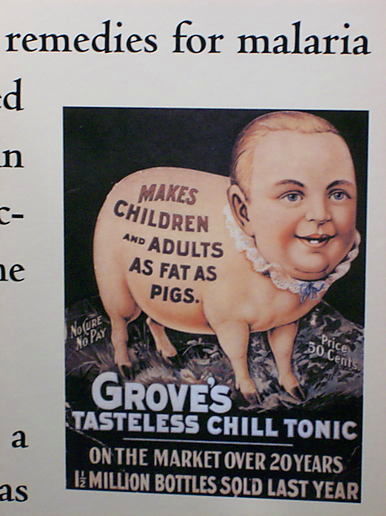
The picture above is an ad from the early 1900’s attempting to promote the effectiveness of a tonic “that not only cures everything, but adds heft to the figure.” Ironically, a full figure in those times represented wealth and prosperity.

I love timelines – they tell us where we have been and how we evolved to where we are now.   This is a fun timeline on the History of Dieting.  Where can we go from here?

According to the latest issue of Eating Well magazine, October 2020, it is predicting in the future that dieting will be done for good. “We will finally wake up to the fact that following a regimen of temporary deprivation to achieve health or aesthetic goals is an exercise in futility – and that healthy eating is for life and  building ongoing habits, not quick fixes.”

AMEN!!! But first, what is our dieting history?

1850

In England, William Banting consulted Dr. William Harvey for weight loss who recommended he cut most sugar and starch from his diet since foods containing those substances tend to create body fat.  He lost 50 pounds and wrote the first diet book, “Letter on Corpulence Addressed to the Public” in 1862. It was a best seller!

1898

Horace Fletcher loses 42 pounds by advocating that we need to chew food about 32 to 80 times before being swallowed and it should be in liquid form. He later became known as “The Great  Masticator”.

1918

Dr. Lulu Hunt Peters writes the first best selling diet book, “Diet and Health with a Key to the Calorie”.   She promoted calorie counting over our entire life.

1919

The Continental Scale Company produces the first bathroom scale called the “Health O Meter”.

1929

A cigarette advertisement tells women to “reach for a Lucky instead of a sweet”.  Another slogan says:  “Light a Lucky and you’ll never miss sweets that make you fat”.

1930

The “grapefruit diet” also known as “The Hollywood Diet” is promoted which involves eating only 585 calories a day for 18 days with boiled eggs, green vegetables and Melba toast.

1936

Self-proclaimed diet guru Victor Lindlahr reaches thousands via the radio to produce his regular broadcasts entitled “reducing party”. He wrote the book You Are What You Eat, one of the earliest texts of the health food movement in the United States, which sold over half a million copies.

1942

The Metropolitan Life Insurance Company published standard weight tables for “ideal weight”.  The charts used weight, height, frame size, and gender but only used data from life insurance policyholders which biased the conclusions.

1948

Amphetamines were first prescribed for some obese patients but later research determined that these were dangerous.  Amphetamine –like drugs are still used today in a limited fashion.

1958

Saccharin, the first manufactured artificial sweetener is produced and becomes a popular sugar substitute.  It is still used today after years of research that absolved critical reports of its cancer connection. Some doubts still linger.

1961

Weight Watchers was born as a result of Jean Nidetch and several friends who met in her apartment to offer each other support about dieting. Weight Watchers and other diet programs like Nutrisystem and Jenny Craig has turned weight loss into a multi-billion dollar industry. However, the results are dismal. In 1993, the Federal Trade Commission charged that five weight loss programs (including the above) made false and unsubstantiated claims about the effectiveness of their products. To settle the charges, the companies were required to add dislaimers, like “For many dieters, weight loss is temporary.” By 2002, the FTC released a report suggesting that little had changed.

1967

Twiggy, 5’7” and weighing about 92 pounds becomes a supermodel and icon for the slender female.

1972

Dr. Atkins introduced his first “Diet Revolution”, a high protein, high fat, low carbohydrate diet.

Richard Simmons opens Ruffage and the Anatomy Asylum, a Beverly Hills restaurant and exercise studio.  He quickly becomes known as a fitness and diet guru.

1978

Dr. Herman Tarnover introduces the “Complete Scarsdale Medical Diet”, another version of the high protein, low-carb diet.

1979

The Pritikin Diet answers the trend of the high protein, low – carb diets with a high fiber, very low fat diet.  The system was originally designed for heart patients but became popular for those who followed the newer trend of the low –fat diet approach.

1981

The Beverly Hills Diet is introduced – it recommends eating nothing but fruit for the first 10 days.

1982

Aspartame is introduced as another alternative sugar substitute. It was marketed as NutraSweet and is still used today in many products.

Liposuction is performed in the U.S. for the first time and now becomes a popular cosmetic procedure for the obese.

1983 

Jenny Craig is formed which sells their own line of diet foods and offers diet counseling.   Nutrisystem soon followed.

1988

Oprah Winfrey loses 67 pounds on the liquid diet Optifast.

1993

The Federal Trade Commission charged that five weight loss programs, including Weight Watchers, Nutrisystem and Jenny Craig) made false and unsubstantiated claims about the effectiveness of their products. To settle the charges, the companies were required to add disclaimers, like “For many dieters, weight loss is temporary.” By 2002, the FTC released a report suggesting that little had changed.

1994

The FDA mandates that food labels must include detailed information about calories, fat, and fiber. We must thank Dr. Lulu Hunt Peters for this.

1995

“The Zone Diet” is introduced by Dr. Barry Sears. He promotes eating lots of fruits and vegetables and protein, while cutting back on breads and pastas.

1996

It is reported that 40% of nine and ten-year-olds are dieting and trying to lose weight.

2000

Experts are stating that there is now a global epidemic of obesity and that for the first time in history, this number of overweight people equals the number of underfed and undernourished.

2002

Dr. Atkins introduces his second diet book, the “New Diet Revolution” to a new generation of dieters. The Low-carb diet is back after multitudes of diet books promoting low fat diets.

2013

It appears we may have come full circle – we are now promoting cutting sugars and counting calories (again).  We have progressed from low carbohydrate, low fat, and low carbohydrate diets again along with some pretty scary schemes, e.g. the Tapeworm Diet.  Many weight loss books, gimmicks and pills have come and gone over and over again and many still exist, but with no real breakthroughs.

2020 “if dieting makes us fat, what should we do instead to stay healthy and reduce the risk of diabetes, heart disease, and other obesity-related conditions?,” asks Dr. Sandra Aamodt, PhD?  She is the author of  Why Diets Make us Fat” and coauthor of “Welcome to Your Brain”and earned her doctorate in Neuroscience from the University of Rochester.

New concepts in weight loss and management are beginning to emerge like mindful eating, weight acceptance, and a different mindset about healthy weights. A new field of genetics called epigenetics may provide some answers that includes how the environment can influence gene expression. A new field of lifestyle medicine focuses not on weight alone but eating for health during a lifetime.

More effort and focus should be made on weight gain prevention and weight loss maintenance if we are finally going to declare dieting “dead”.


The Glycemic Response: Sugar and Your Body

Blood sugar control is the goal of people who are either prediabetic or diabetic (type 1 or 2).

Why are high blood sugar levels bad for you? Glucose is precious fuel for all the cells in your body when it’s present at normal levels. But it can behave like a slow-acting poison and become a “silent killer.” when the normal rises.

  • High sugar levels slowly erode the ability of cells in your pancreas to make insulin. The organ overcompensates and insulin levels stay too high. Over time, the pancreas is permanently damaged. Insulin resistance may ensue.
  • High levels of blood sugar can cause changes that lead to a hardening of the blood vessels, what doctors call atherosclerosis.

Almost any part of your body can be harmed by too much sugar. Damaged blood vessels cause problems such as:

  • Kidney disease or kidney failure, requiring dialysis
  • Strokes
  • Heart attacks
  • Vision loss or blindness
  • Weakened immune system, with a greater risk of infections
  • Erectile dysfunction
  • Nerve damage, also called neuropathy, that causes tingling, pain, or less sensation in your feet, legs, and hands
  • Poor circulation to the legs and feet
  • Slow wound-healing and the potential for amputation in rare cases

Keep your blood sugar levels close to normal to avoid many of these complications.

What is the Glycemic Response?

The glycemic response is the rate, magnitude, and duration of the rise in blood glucose that occurs after a particular food or meal is consumed. It is affected by both amount and type of carbohydrate eaten and the amount of fat and protein in that food or meal.

Refined sugars and starches generally cause a greater glycemic response than refined carbohydrates that contain fiber. This is because sugar and starches alone leave the stomach quickly and are rapidly digested and absorbed, causing a sharp, swift rise in blood sugar. For example, when you drink a can of soda or eat a slice of white bread on an empty stomach your blood sugar increases within minutes. Eating a high fiber food causes a slower, lower increase in blood sugar. The presence of fat and protein also slows stomach emptying, and therefore foods high in these macro- nutrients generally causes smaller glycemic response than foods containing sugar or starch alone. For example , ice cream is high in sugar but also contains fat and some protein , so it causes a smaller rise in blood glucose than sorbet which contains sugar but no fat or protein. In fact, the GI for a baked potato is higher than for a serving of ice cream (due to the fat and sugar).

What is the Glycemic Index? (GI) 

Glycemic index is its ranking of how a certain food effects blood glucose compared to the response of an equivalent amount of carbohydrate from a reference food such as, white bread or pure glucose. The reference food is assigned a value of 100 and the values for other foods are expressed relative to this. Foods that have a glycemic index of 70 or more compared to glucose are considered high glycemic index foods those with an index of less than 55 are considered a low glycemic index food.

What is the Glycemic Load? (GL)

Glycemic load (GL) is a method of assessing glycemic response that takes into account both the glycemic index of the food and the amount of carbohydrate in a typical portion. To calculate glycemic load, the grams of carbohydrate in a serving of food are multiplied by that foods glycemic index expressed as a percentage.  A glycemic load of 20 or more is considered high, where a value of less than 11 is considered low.

For example: A raw carrot provides about 7 grams of carbohydrate and has a glycemic index of 47. It’s glycemic load (GL) is calculated as:

7 X 47 = 329.

329 / 100 = 3.29

Glycemic load = 3.29 

Bottom Line: Some high-GI foods, such as baked potatoes and French bread, are good sources of a number of nutrients. Just because a food has a high glycemic index doesn’t mean it should not be used as part of a balanced diet. Adjusting food choices toward selection of mainly  low GI foods is most helpful for people attempting to prevent or control type 2 diabetes.

Type 2 diabetes is usually diagnosed using the: Glycated hemoglobin (A1C) test. This blood test indicates your average blood sugar level for the past two to three months. Normal levels are below 5.7 percent, and a result between 5.7 and 6.4 percent is considered prediabetes. It is important to see your physician who then may refer you to a certified diabetes educator or registered dietitian. Weight and carbohydrate control appears to be the best approach to deal with or even prevent diabetes type 2.  

The following links can further discuss the glycemic response as well as provide a table of the glycemic index and glycemic load of 100 foods tested.

CLICK HERE. and HERE

Source:

The American Diabetes Association

Nutrition. Smolin and Grosvenor, Wiley, 3rd Edition

Nutrition Now. Judith E. Brown, Wadsworth Centage Learning, 7th Edition


Chronic Inflammation: Understanding the “Cytokine Storm”

The leading causes of death among Americans are slow developing, lifestyle-related chronic diseases. This includes diabetes, heart disease,  stroke, cancer, hypertension or high cholesterol levels. Diet can often be (but not always) the underlying condition reflected as obesity.  Obesity is now considered to be a major risk factor for complications of COVID-19 infections.

A previous post  explains the role of diet in this occurrence. The post was written before the  co-morbidities   (underlying conditions) were associated with inflammation and severe COVID infections. The following well written article was initially published in The Conversation and succinctly explains how the role of inflammation can contribute to severe COVID and death often described as the “cytokine storm”.

CLICK HERE.