
“Obesity is an extremely complex, multifactorial disease, with many of its most harmful effects arising from hormonal stimulation. Adipose tissue is an endocrine organ, and more than a hundred different hormones are produced by fat cells. As the cells expand with weight gain, production increases. Some of these hormones cause inflammation or trigger blood-clotting mechanisms, while others raise blood pressure or lead to insulin resistance, for example. Obesity affects virtually every body system and is associated with more than 200 medical conditions.”
Category: Obesity/Diabetes
diebetes prevwntion
Healthy Food Stamps: A New Concept?
Can we do something to address the obesity/diabesity epidemic in the U.S.? Maybe. The government has a way of promoting the very foods that help contribute to the problem. How about helping to contribute to healthy foods for a change? Interesting article. Could it work? Too bad, Coca Cola.

When the Prescription is a Recipe?
“Let food be thy medicine, and let medicine be thy food.” This famous quote is often attributed to Hippocrates. But, as research by Diana Cardenas in 2013 shows, this quote can not be found anywhere in Hippocrates’ writings. Diana Cardenas discovered that the quote started to emerge from 1926 on and really started to get popular in the 1970s.
There are good reasons for the quote to go round, though. Hippocrates considered nutrition one of the main tools that a doctor can use. More than that, dietary measures play a lead part in the original oath of Hippocrates. I
But the original Greek oath, literally translated, says: “I will apply dietetic and lifestyle measures to help the sick to my best ability and judgment; I will protect them from harm and injustice.”
The dietetic and lifestyle measures are just one word in Greek, διαιτήμασί (pronounce as “deaytimasy”). You may recognize the word “diet” in there. It means as much as a lifestyle regime, with a focus on diet. Exercise is also part of it. Sometimes it is just translated as: dietetic measures.
“Recently, some medical doctors and communities have taken this idea literally and have brought the nutrition to the patient. Sprawling across 2,658 square feet, three stories up Boston Medical Center’s rooftop farm produces more than 25 varieties of crops and houses three beehives to aid in pollination. From collards and chard to radishes, carrots, bok choy and more, the farm supplies the hospital with 5,000 to 6,000 pounds of fresh produce during the brief Massachusetts growing season. More than half goes to the Boston Preventive Food Pantry, which now serves more than 22,000 families annually. The rest is used in hospital meals and the on-site teaching kitchen that offers free culinary classes for staff, patients and their families.” Source: Farming at New Heights, by Pooja Makhijani. Eating Well, June, 2021.
The goal of these innovative programs is to get nutritious food to people who maybe cannot afford or have access to them to ultimately help to prevent chronic diseases such as heart disease and diabetes.
For more CLICK HERE.

Snacking and the Dietary Guidelines
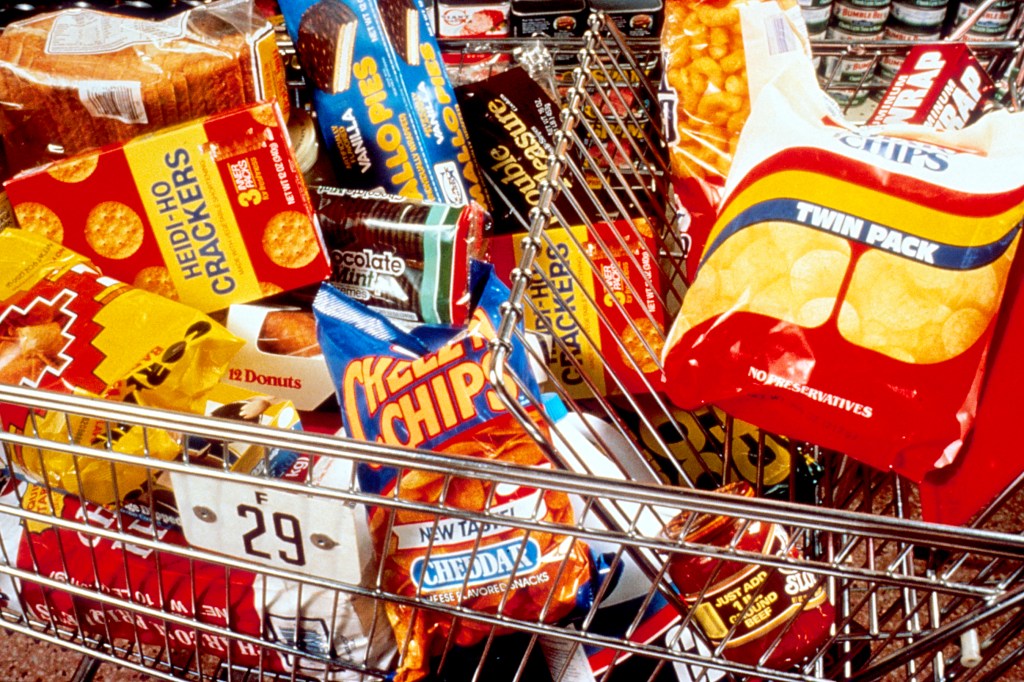
Snacking has become a popular habit among children and teenagers At the same time, overweight and obesity have reached huge proportions, affecting young individuals. Snacking has been considered one of the main contributors to overweight because of the increased consumption of energy-dense, high-sugar, high-fat foods.
Snacking is promoted by food ads to children and adolescents and one look at our supermarket foods completes the picture. When I taught nutrition courses at the college level, most of my students would come to class with their favorite bag of snacks in hand. Ironically, the class objectives were hopefully to learn about healthy diets. It was hard to compete against the influences of the “big food” industry ubiquitous in our food environment.
No wonder we have an obesity problem. Don’t count on the latest Dietary Guidelines 2020 for help. Enough said?
In the News – Pre-Diabetes
Pre diabetes linked to cognitive decline
“People with higher than normal blood sugar called prediabetes, are more likely to experience cognitive decline and vascular dementia according to a study published in Diabetes, Metabolism, and Obesity.
Researchers analyzed UK biobank data from almost 450,000 people averaging 58 years old who underwent an HB A1C test, which determines average blood sugar levels over the past two to three months.
Based on these results, they were divided into one of five groups: low normal blood sugar, normal blood sugar, pre diabetes, undiagnosed diabetes, and diabetes. Pre diabetes was classified as having a hemoglobin A1C blood test reading of 6.0% – 6.5% %. Ideal A1C levels are under 5.5%
Results show that people with above normal sugar levels were:
42% more likely to experience cognitive decline over four years and 54% were more likely to develop vascular dementia over eight years. Vascular dementia is caused by reduced blood flow to the brain.
People with prediabetes and diabetes had similar rates of cognitive decline 42% and 39% respectively.
MRI brain scans revealed that pre diabetes was associated with a smaller hippocampus in the brain and more strongly associated with having lesions on the brain, both of which are associated with age related cognitive impairment.”
Editor’s note: ‘Previous research has found a link between poor cognitive outcomes and diabetes, but our study is the first to investigate how having blood sugar levels that are relatively high but do not yet constitute diabetes – may affect our brain health”
Source: Diabetes Obes Metab. 2021; 1-10.
Life Extension, May 2021
Food Additives and Obesity
“Artificial preservatives used in many processed foods could increase the risk of inflammatory bowel diseases and metabolic disorders, according to research published on 25 February in Nature1. In a study done in mice, chemicals known as emulsifiers were found to alter the make-up of bacteria in the colon — the first time that these additives have been shown to affect health directly.”
The search continues for what factors in the Standard American diet (SAD) can be implicated beyond the amount alone that people consume, that are causative of the current obesity/diabesity epidemic.
Researchers continue to look at the lengthy ingredient lists on ultra-processed foods. As Western-type diet are utilized more and more globally, their obesity rates continue to rise. Is there a connection?
The Other Pandemic: Obesity
The last I checked, the U.S. is still facing an epidemic other than Covid -19 – one that has been in some degree affecting a large percentage of the population (40%) for quite some time – obesity. Obesity has even been named as a risk factor for the Covid pandemic. About 70% of us are overweight with about 40% classified as obese. One in 10 have diabetes type 2. Type 2 diabetes most often develops in people over age 45, but more and more children, teens, and young adults are also developing it.
Prediabetes is a serious health condition where blood sugar levels are higher than normal, but not high enough yet to be diagnosed as type 2 diabetes. Approximately 88 million American adults—more than 1 in 3—have prediabetes. Of those with prediabetes, more than 84% don’t know they have it.
A feature of this month’s issue of Nutrition Action Health Letter titled Why We Overeat by Bonnie Liebman should be important for all of us who eat food found in the Standard American Diet (SAD). It will ultimately affect all of us with increased health care costs.
As a researcher at the National Institutes of Health, Kevin Hall explains: “We’re trying to understand the properties of our food environment that regulate appetite and cause people to overeat and gain body fat”. Based on several well designed studies, his group found “only one diet led people to gain weight and gain body fat, Hall says, and that diet is the ultra-processed-food diet.”. Examples of ultra-processed foods include breakfast cereals, pizza, soda, chips and other salty/sweet/savory snacks, packaged baked goods, microwaveable frozen meals, instant soups and sauces.
“Companies are all about maximizing the allure of their products” says Michael Moss, a prize winning former New York Times reporter whose recent book is titled: Hooked, Food, Free Will, and How the Food Giants Exploit Our Addictions. It all begins with three major ingredients: Salt, Sugar, and Fat, also by Moss.
“The industry came up with the term “bliss point” to describe the perfect amount of sugar in a drink or food that would please most Americans. Not too little, not too much”
“In snack foods like potato chips, 50% of the calories typically come from fat which gives them that melt in your mouth phenomenon, which so much ultra processed food has. You hardly even have to chew it.”
“Salt is the flavor burst because it’s often on the surface of the food and the first thing that touches the tongue”.
But wait! There are other factors.
“Fat plus carb foods with high concentrations of both fat and refined carbohydrates like chocolate, ice cream French fries, pizza, cookies and chips are the foods that most people find most irresistible”, says Ashley Gearhardt, associate professor of psychology at the University of Michigan.
Other factors that aid in making the consumer choose ultra-processed foods can include:
Variety, speed (unprocessed food often takes more chewing), advertising (especially TV ads),
Cost. The food industry goal is to make their products as inexpensive as possible for the consumer.
Snacking: “The food industry has developed more and more products that can act as the fourth meal of the day.” Just look at the abundance in the snack aisles.
What To Do
One way is to concentrate more on nutrient dense foods then on calorie dense foods — of course this increase requires adding fruits and vegetables.
Another good source on how to curb your ultra processed food intake is presented by Barbara Rolls, director of the Laboratory for the Study of Human Ingestive Behavior at Penn State, who wrote the Ultimate Volumetrics Diet.
A study in 2017 by Rolls randomly assigned women with obesity to either eat less fat or eat less fat and eat more fruits and vegetables for a year. After a year, the fruit and vegetable eaters had lost more weight (17 pounds) than the other group (14 pounds), and they reported being less hungry.
“We eat with our eyes and our brain, If we see a big portion, that sets us up to feel more satisfied. If a plate looks half empty, that sets us up to feel hungry”, says Rolls.
All in all, be aware and mindful of what you eat. Mindless eating can be habit forming as usually we pay little attention to what and how much food we are eating. Studies show that we eat more macaroni and cheese while watching TV than while listening to music.
Lays potato chips dares us with the challenge: “bet you
can’t eat just one”.
“Stay away from the gigantic calorie counts in most restaurant food, whether it’s sit down or fast food. Cook your own food whenever possible. Stick with water, coffee, tea, or other calorie free drinks.”
“Don’t let multinational corporations dictate your diet and your health.” It’s up to you to make those choices.
Sources
Bonnie Liebman. Nutrition Action Healthletter, Center for Science in the Public Interest, April, 2021.
Michael Moss. Salt Sugar Fat: How the Food Giants Hooked Us. Random House, 2014.
Heart Disease on the Rise?
“There’s good news and bad news. Although Americans are suffering fewer heart attacks as a whole, the rate of heart attacks for people under 40 is increasing.
For the last several decades, aging has been established as one of the biggest risk factors for heart attacks, typically affecting men 50+ and women 65+. Now, people in their 20s, 30s and 40s are more often falling victim to these cardiovascular attacks.” Healthessentials; Cleveland Clinic, April 26, 2019
Prevention is so important – and a healthy lifestyle is the key.
Ultra-Processed Food and Obesity
The last I checked, the U.S. is still facing another raging epidemic other than Covid -19 – one that is been in some degree affecting a large percentage of the population (40%) for quite some time – obesity. Obesity has even been named as a risk factor for the Covid pandemic.
A feature of this month’s issue of Nutrition Action Health Letter titled Why We Overeat by Bonnie Liebman should be important for al of us who eat the food found in the Standard American Diet (SAD).
As a researcher at the National Institutes of Health, Kevin Hall explains: “We’re trying to understand the properties of our food environment that regulate appetite and cause people to overeat and gain body fat”. Based on several well designed studies, his group found “only one diet led people to gain weight and gain body fat, Hall says, and that diet is the ultra-processed-food diet.”. Examples of ultra-processed foods include breakfast cereals, pizza, soda, chips and other salty/sweet/savory snacks, packaged baked goods, microwaveable frozen meals, instant soups and sauces,
History tells us that during the first decades of food production, processed foods became more plentiful than had ever been offered the food consumer. This processing began in the early 1950’snd has taken over the food industry ever since then.
“Companies are all about maximizing the allure of their products” says Michael Moss, a prize winning former New York Times reporter whose recent book is titled: Hooked, Food, Free Will, and How the Food Giants Exploit Our Addictions. It all begins with three major ingredients: Salt, Sugar, and Fat.
“The industry came up with the term “bliss point” to describe the perfect amount of sugar in a drink or food that would please most Americans. Not too little, not too much”
“In snack foods like potato chips, 50% of the calories typically come from fat which gives them that melt in your mouth phenomenon, which so much ultra processed food has. You hardly even have to chew it.”
“Salt is the flavor burst because it’s often on the surface of the food and the first thing that touches the tongue”.
But wait! There are other factors.
“Fat plus carbs foods with high concentrations of both fat and refined carbohydrates like chocolate, ice cream French fries, pizza, cookies and chips are the foods that most people find most irresistible”, says Ashley Gearhardt, associate professor of psychology at the University of Michigan.
Other factors that aid in making the consumer choose ultra-processed foods can include:
Variety, speed (unprocessed food often takes more chewing), advertising (especially TV ads),
Cost. The food industry goal is to make their products as inexpensive as possible for the consumer.
Snacking: “The food industry has developed more and more products that can act as the fourth meal of the day.” Just look at the abundance in the snack aisles.
What To Do
One way is to concentrate more on nutrient dense foods then on calorie dense foods — of course this increase requires adding fruits and vegetables.
Another good source on how to curb your ultra processed food intake is presented by Barbara Rolls, director of the Laboratory for the Study of Human Ingestive Behavior at Penn State, who wrote the Ultimate Volumetrics Diet.
A study in 2017 by Rolls randomly assigned women with obesity to either eat less fat or eat less fat and eat more fruits and vegetables for a year. After a year, the fruit and vegetable eaters had lost more weight (17 pounds) than the other group (14 pounds), and they reported being less hungry.
“We eat with our eyes and our brain, If we see a big portion, that sets us up to feel more satisfied. If a plate looks half empty, that sets us up to feel hungry”, says Rolls.
All in all, be aware and mindful of what you eat. Mindless eating can be habit forming as usually we pay little attention to what and how much food we are eating. Studies show that we eat more macaroni and cheese while watching TV than while listening to music.
Lays potato chips dares us with the challenge: “bet you
can’t eat just one”.
“Stay away from the gigantic calorie counts in most restaurant food, whether it’s sit down or fast food. Cook your own food whenever possible. Stick with water, coffee, tea, or other calorie free drinks.”
Don’t let multinational corporations dictate your diet and your health. It’s up to you to make those choices.
Sources
Bonnie Liebman. Nutrition Action Healthletter, Center for Science in the Public Interest, April, 2021.
Michael Moss. Salt Sugar Fat: How the Food Giants Hooked Us. Random House, 2014.
The Med Diet and Inflammation
Believe it or not inflammation starts as a good thing. It happens when your immune system sends white blood cells and compounds like eicosanoids to attack invading viruses, bacteria and toxins. This can result in a classic example of totally normal inflammation: Pain, heat, redness and swelling around a wound or an injury.
According to Barry Sears, PhD, creator of the Zone diet, “there’s a separate response called resolution that is the first phase of inflammation that causes cellular destruction and the second phase resolution that begins cellular repair. As long as those phases are balanced, you stay well. But for more and more of us, balance never happens. That’s because sugar, refined grains and saturated fat can also trigger an inflammatory immune response and the typical US standard diet is packed with them, meaning every time we eat, we are inflaming our bodies over and over. Meanwhile, the average American gets way too little of fruits and non-starchy veggies which are packed with antioxidants that help cool things down as well as fatty fish with omega-3 fats that can reduce the intensity of the initial inflammatory response and can help move your body into the second phase of resolution (cellular repair).
But the plan with the most research behind it is the traditional Mediterranean diet. Several large studies have found that people who follow a Mediterranean pattern of eating have lower levels of the inflammatory markers, C reactive protein and interleukin 6, in their blood compared with those who don’t. “This may be one of the reasons the Mediterranean diet is linked to so many health benefits, from keeping weight down to slashing heart and stroke risks, says Frank Hu, MD , professor of Nutrition and Epidemiology at the Harvard TH Chan School of Public Health.
“Air pollution and environmental toxins also trigger your immune system this way but most of the chronic, extra inflammation in our bodies is diet related” says Sears “in arteries chronic inflammation can lead to heart disease, in the brain it’s linked to anxiety and depression, in your joints, it causes swelling and pain, in the gut inflammation throws off balance of helpful bacteria and causes direct damage to the lining of the intestines.”
“You don’t have to follow any specific anti-inflammatory (AI ) diet to make a big difference; a healthy body is built to handle the occasional onslaught of inflammation; It’s the regular, consistent consumption and over-consumption of inflammatory foods like sugar and saturated fat that’s linked to serious disease” says Sonya Angelone, RDN, a spokesperson for the Academy of Nutrition and Dietetics.
A 2012 study of nearly 2000 people, for example, found that those who ate the most sweets over two years had significantly higher levels of interleukin-6 (an inflammatory marker) than people who ate more veggies fruits and whole grains.
Follow these guidelines on most days
Limit added sugar and sweet drinks. A small study in 2005, people who were fed a high-sugar diet for 10 weeks compared to controls had significantly elevated blood levels of an inflammatory marker that in high concentrations is associated with diabetes, heart attack, stroke, and obesity.
Aim for half to 2/3 of your plate to be non-starchy vegetables as they are packed with gut balancing fiber and powerful antioxidants.
Eat fatty fish (salmon, tuna) or take omega-3 supplements (at least 1000 milligrams daily).
“Cut out white flour and limit flour-based foods. Focus on whole grains like quinoa, brown rice, and bulgur wheat. Even 100% whole grain flour will cause a spike in blood sugar that exacerbates inflammation, especially for people with insulin resistance, metabolic syndrome, prediabetes, or diabetes,” Dr. Sears says.
Choose fats carefully. Limit saturated fats like butter and skip vegetable oils that are high in omega-6 fats, such as safflower oil and corn oils. (Read ingredient labels). Go for olive oil, avocado oil, or walnut oil instead.
NOTE: Americans came to consume more than 18 billion pounds of soybean oil by 2001 – more than 80 percent of all oils eaten in the U.S – and most of that soybean oil was partially hydrogenated, containing a hefty load of trans fat (not heart healthy). It is mainly used in processed foods. Source: Nina Teicholz. “The Big Fat Surprise,” 2014, page 237-238.

 FOOD, FACTS and FADS