I am not a promoter of supplements except in situations when you don’t want to smell like a raw garlic bulb every day.
More Good News for Garlic Lovers
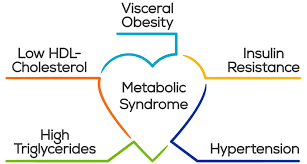
Editors Note: Metabolic syndrome is becoming a marker for good health especially in the older population; however its presence can occur even in younger people. It is diagnosed as having three of the following disorders: high triglycerides, high blood pressure, elevated blood sugar and low levels of HDL cholesterol. These disorders collectively are thought to contribute to a higher risk of developing diabetes and/or heart disease
A randomized clinical trial included 90 men and women with metabolic syndrome were supplemented with tablets containing 1600 mg of garlic powder daily for three months, or a placebo.
Garlic supplementation Improves metabolic syndrome. Phytother Res. 2021, May 11.
In the garlic group, results were as follows:
All parameters were reduced along with appetite, fatty liver index,and waist circumference. Additionally, beneficial HDL cholesterol was significantly higher than at the beginning of the study compared to the placebo group.
The Power of Plant-Based Nutrients. Life Extension, October, 2021.
“Then, there is cancer. Compounds in garlic have been shown in many laboratory studies to be chemoprotecive. Epidemiological studies shows a decreased risk in stomach and colon cancer in areas where consumption of garlic is high. An article In the Journal of Nutrition stated that “evidence continues to point to the anticancer properties of fresh garlic extracts, aged garlic, garlic oil.”
Source: Jonny Bowden, Ph.D., CNS. The 150 Healthiest Foods on Earth. 2007.
Fat is a key nutrient in our diet and is often the first thing you may note on a food label. Most foods contain a mixture of many different types of fat: the commonest are saturated, monounsaturated, polyunsaturated and trans fats. Polyunsaturated fats are divided into two major families: omega-6 and omega-3’s. Are some good and some bad.? This conundrum is often debated among nutritionists and still a definitive answer remains elusive.
What exactly are the omega-6 and omega 3 fats?
We have to begin with the polyunsaturated essential fatty acids, linoleic (omega-6) (LA) and alpha linolenic acids (omega-three) (ALA). They are called essential because they cannot be made in the body and must be acquired from the diet.
Linoleic acid (LA) is required for growth, healthy skin and normal functioning of the reproductive system and is a structural part of cell membranes. Foods high…
Does food affect our minds and bodies? According to a new self-imposed study, it sure does. The article is interesting and makes one wonder how different behaviors would be if more people were aware of this and changed their diets to a healthier approach.
In America today, even when food is abundant, fast-paced lifestyle and poor food choices made available through modern technology can contribute to a diet that contains too much of some nutrients and too little of others.
A collection of health risks, including high blood pressure, altered blood lipids, high blood glucose and a large waist circumference, that increases the chance of developing heart disease, stroke, and diabetes. The condition is also called insulin resistance.
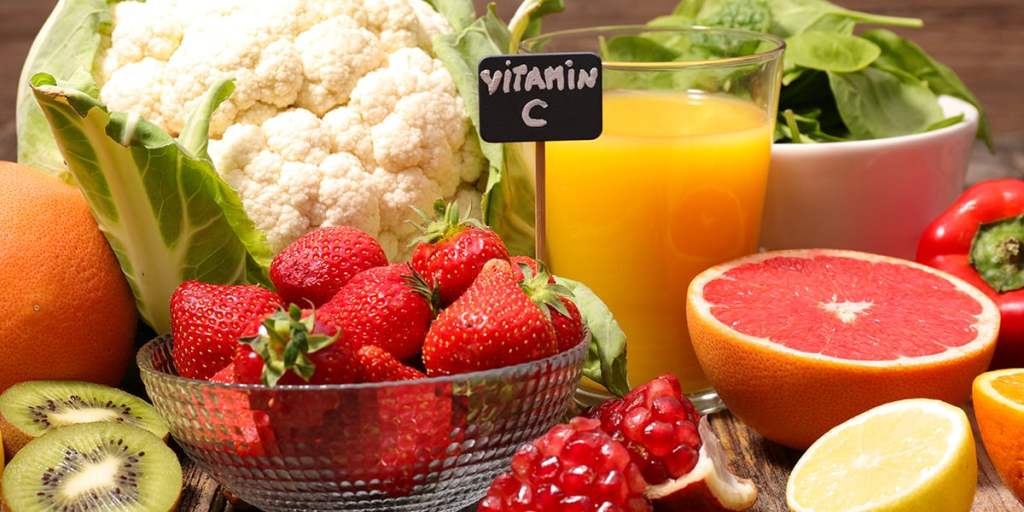
The vitamin C deficiency disease, scurvy, was the scourge of armies, navies, and explorers throughout history. It particularly affected those sailors on long voyages who had little access to fresh fruits and vegetables (high in Vitamin C). Despite some recommendations of transporting these foods on their voyages, 10,000 British sailors died of scurvy in 1594. A Scottish physician, James Lind serving in the British Navy had an idea and developed a “crude”experiment on an upcoming long voyage.
To set the stage for this experiment, a historic account is given us from a 16th century surgeon who describes the scourges of scurvy:
It rotted all my gums, which gave out a black and putrid blood. My thighs and lower legs were black and gangrenous, and I was forced to use my knife each day to cut into the flesh in order to release this black and foul blood. I also used my knife on my gums, which were livid and growing over my teeth…
William Faloon. Misconeptions about Vitamin C, Life Extension: The Science of a Healthier Life, November 2021
James Lind did his clinical trial aboard HMS Salisbury in 1847. He took 6 groups of two sailors with scurvy and gave the following treatments:
Group 1: A quart of hard cider a day
Group 2: 25 drops of vitriol (sulphuric acid)
Group 3: Six spoonful’s of vinegar
Group 4: Half a pint of seawater
Group 5: Two oranges and a lemon (ran out of fruit in a week) but recovered from scurvy in six days. There were no signs of scurvy prevention in any of the other groups (to my knowledge).
Group 6: Spice blend
(The cure of scurvy should have been obvious but Lind wanted to fit his observation into the prevailing ideas of the model of humors as the basic model of disease (described above). This idea of humors had been around since the Ancient Greeks and taught that the body contains four fluids (the humors – phlegm, blood, yellow bile, black bile) associated with certain personalities (phlegmatics, sanguine, choleric and melancholy). Lind thought that scurvy was associated with the build up of black bile due to blocked sweat ducts and downplayed the power of his discovery to a paragraph buried in the middle of a long book. Despite this the British Navy progressively eliminated scurvy over the remainder of the century using lime juice and were called “limeys”. The rest of the world did not heed the lesson of the limeys. In the mid—19th century, during the U.S. Civil War, scurvy was rampant. Science moves very slowly. (SJF)
“In the original timeline (OTL, our world), germ theory wasn’t even on the radar until 1847, when Ignaz Semmelweis made the connection between puerperal fever and doctor hygiene (or lack thereof). This was the first strong proof for germs being the cause of disease, but his theory was ridiculed by the scientific community. It took over ( at least) 30 years before the germ theory was accepted as fact.” Wikipedia.
To safeguard one’s health at the cost of too strict a diet is a tiresome illness indeed.
Francois Duc de La Rochefoucauld (1613 – 1680’s) French writer and moralist
“In a study of four countries, food psychologist Paul Rozin at the University of Pennsylvania found the following:
The French are the most food-pleasure oriented and the least health-oriented. In contrast, Americans had the worst of both worlds: They had the greatest worry over their health and had greater dissatisfaction with what they ate. Americans scored the highest on worrying about the fattening effects of food.
Interestingly, Rozin concluded that the negative impact of worry and stress over healthy eating may have a more profound effect on health than the actual food consumed. Indeed, it is widely accepted that stress triggers a biological chemical assault in our bodies, which is harmful to our health.”
“More information about the French reveals that the US currently has twice the incidence of overweight people compared to France for both adults and children. The French have a longer life expectancy, take less medication, and have a markedly lower rate of heart disease. Yet the French eat a diet that appears to be less healthy this is popularly known as the French paradox. Notably, France has the highest per capita dairy fat consumption up of any industrial nation (think cream, butter and cheese.)
Just as important, the French have fewer eating disorders and don’t engage in dieting as much as Americans. It has been speculated that wine consumption and eating smaller portions of food may explain the French paradox, we believe it could be the relationship that the French have with food the French have a more positive attitude toward eating dash it is viewed as one of life’s pleasures not his poison. Food is something to be revered.
Even when the French eat fast food, they take more time to eat compared to the eating pace of Americans.
“According to the calorie control council, 43% of dieters in the United states say that they that snacking too much is the reason they haven’t sustained their desired weight. Unlike north Americans who typically consume as many as three snacks a day, the French don’t usually partake in this between meal ritual this non habit may contribute to the comparatively higher proportion of slimmer figures found in France.
“French children may have an after-school snack which can be a croissant with a hidden dollop of dark chocolate to tide them over until dinner, but regular snacking just isn’t part of the adult French culture. Their substantial lunch often usurps the need for an afternoon snack. Snacks are a novelty in France where in America snacks appear to be a necessity.”
Sources: Steven Jonas, M.D., Sandra Gordon. 30 Secrets of the World’s Healthiest Cuisines, 2000.
Intuitive Eating: A Revolutionary Program That Works, 2012.
NOTE: Although this data may seem a bit dated, the numbers reflect how the French ate a few decades ago. Unfortunately, many of the younger French population has been influenced by a more current French Diet that has incorporated many characteristics of the Standard American Diet leading to a loss of some of original health benefits. For example:
Obesity rates in France are among the lowest in the OECD , but have been increasing steadily. About 1 in 10 people is obese in France, and almost 40% are overweight (including obese). OECD projections indicate that overweight rates will increase by a further 10% within ten years.
Have we learned anything from Covid-19? I would hope so and that some good will come of it – although it’s hard to believe that it will happen at times as we are still fighting its many battles.
In his latest book, Metabolical, Dr. Robert H. Lustig, MD, MSL, author of the best selling book, ‘Fat Chance, “insists that if we do not change the way we eat, we will continue to court chronic disease, bankrupt our health care, and threaten the planet. But there is hope.” Metabolical: The Lure and Lies of Processed Food, Nutrition, and Modern Medicine. 2021.
The Bottom Line: If (and it’s a big IF), we change our ways even in small steps that reflect a healthier body, we may be able to better withstand the consequences of an infectious disease like COVID. Make sense???
It may surprise no one that the foods we eat (and don’t eat) affect the way our digestive system functions. For example, too much bread and not enough fiber can lead to constipation rather quickly. If your diet has consistently been undersupplied of certain proteins, minerals, or other needed nutrients, it can create disorder in your system. This isn’t just a problem for your digestive system; it can also cause problems with your skin, immune system, and respiratory system.
Common causes of gastrointestinal (GI) disorders are inappropriate diets, a lack of exercise and inflammation anywhere along the length of the digestive tract. In addition to gastroesophageal reflux disease (GERD), one of the most common GI disorders is irritable bowel syndrome (IBS). It’s a chronic condition that causes a variety of signs and symptoms, from mild to severe. While there’s no cure for IBS, dietary and lifestyle changes such as avoiding certain foods and decreasing stress levels can ease symptoms. These may include bloating, diarrhea, constipation, heartburn, acid reflux, and nausea.
Because there are so many possible causes of GI disorders, they can be difficult to treat.
How Do Processed Foods Impair the GI Tract?
Processed foods are bad to eat for a number of reasons, including that they can contribute to GI disorders. The problems associated with processed foods include:
Low-fiber content that could unsettle digestion and aggravate existing GI symptoms
High levels of trans fats, which raises bad (LDL) cholesterol levels and increases gut inflammation
Additives like preservatives, sweeteners, bleaches or colorants, which can alter the balance of the microbiome of the gut, causing disease and dysfunction
Fiber is Your Friend
Fiber assists in the movement of materials through the digestive system. Processed foods are very low in fiber – so a diet high in processed foods can greatly increase your risk for GI disorders.
Consuming a high-fiber diet is an easy way to help avoid GI disorders or manage the symptoms of one. A diet with sufficient quantities of fiber – 25 to 30 grams a day is recommended to help normalize the digestive process, increasing the size of bowel movements and softening it.
This reduces the risk of hemorrhoids and small pouches in your colon (diverticulosis). The type of fiber found in foods like beans, bran, and oats (soluble fiber) helps to reduce bad LDL cholesterol levels. In people with diabetes, soluble fiber has shown to slow the absorption of sugar and help improve blood sugar levels. Fiber may also improve heart health by helping to reduce blood pressure and inflammation.
Foods that are high in fiber are more filling. You can eat less and stay satisfied longer, making it easier to obtain or maintain a healthy weight.




 FOOD, FACTS and FADS