Alternative Medicine?

Complementary and Alternative Medicine Practices

Consumer interest in alternative medical practices has been around for several decades – the last known data acknowledges that at least 34% of people recently surveyed in the U.S. used some type of alternative, complementary and integrative medicine in the past year. This resulted in about $30 billion generated to this industry. (2016 Data)

Most alternative medicine consumers have illnesses for which conventional medicine cannot offer a cure, such as arthritis, terminal stages of AIDS, and stress-related conditions. The mind is a powerful component of many of the treatments, which is proven in many trials as a placebo effect. There are lots of possible reasons that something like a folk medicine or a homeopathic preparation may work. In addition to belief of the mind-body effects of the “medication” as well as the normal ups and downs of symptoms, the remission of the disease, the denial of symptoms or misrepresentation of effectiveness by people who believe the remedy is effective. The body can be a powerful healer under the right conditions.

Many clients wish physicians would take the time to explain (in simple terms) the nature of the problem, to acknowledge nutritional influences on health, rather than just recommend drugs and surgery as the only approaches for treating illness; to answer questions about dietary supplements, be sensitive to mind-body interactions, and to respect questions about alternative therapies. My Granddaughter is in her second year of medical school – I will be anxious to hear how and if she receives any of these practices in her training.

To date, few alternative therapies have been subjected to scientific scrutiny, and many of the practices are based on presumptions that are unconvincing at best, yet some, e.g. acupuncture and chiropractic show promise in certain conditions.

Herbal medicine.   By definition, an herb is a plant or any of its parts that is used primarily for medicinal purposes. This includes aromatherapy. Dosage forms include capsules, tablets, extracts, or tinctures, powders, teas, creams, and ointments. In March 1999, FDA established regulations that require the labels of such supplements to include name, quantity, dosage per day, and ingredient amounts.

Fraudulent claims for diet-and health related remedies have always been a part of our culture. It is important to scrutinize the credentials and motives of anyone providing medical or health advice. “Let the buyer beware.” Unfortunately, if it sounds too good to be true, it probably is.

Reference: Gordon M. Wardlaw. Contemporary Nutrition, Issues, and Insights. Fifth Edition.

Poor Diets = Standard American Diet

“Poor diets in the US are a national security threat” – CNN

By Gisela Crespo, CNN ! Updated 2:43 PM ET, Mon July 20, 2020
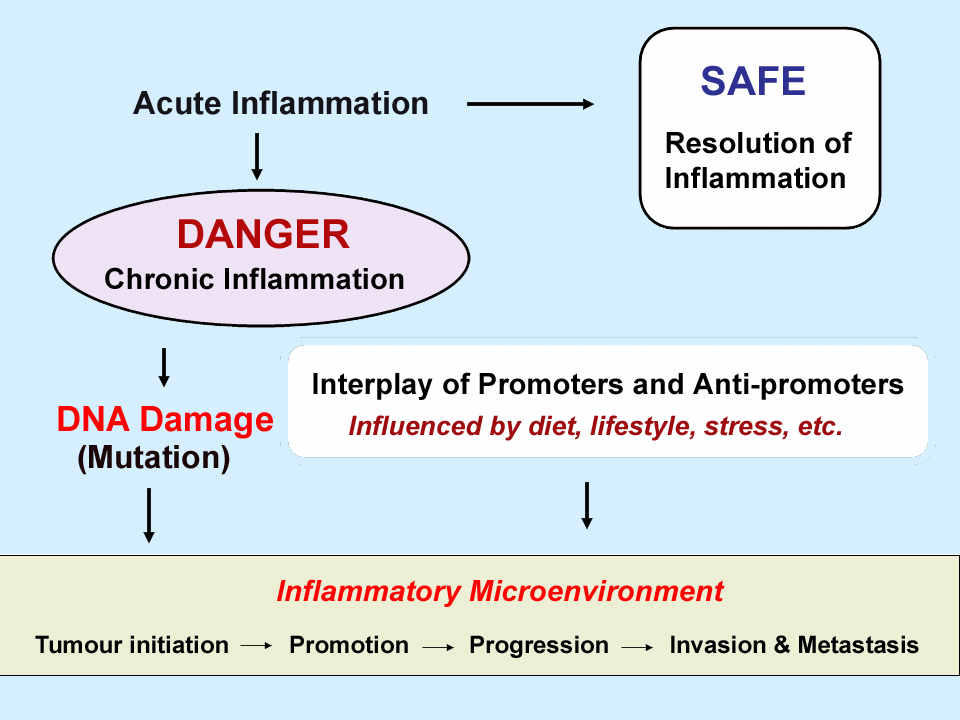
(CNN) — America’s poor diet isn’t just bad for us. It’s now considered a threat to national security. Diet-related illnesses are a growing burden on the United States economy, worsening health disparities and impacting national security, according to a white paper published Monday in the American Journal of Clinical Nutrition. Poor nutrition is the leading cause of illnesses in the US, with unhealthy diets killing more than half a million people each year, a group of experts who have formed the Federal Nutrition Research Advisory Group wrote in the paper. About 46% of adults in the country have an overall poor-quality diet, and this number goes up to 56% for children, according to the paper. Related Article: Add fruit, veggies and grains to diet to reduce type 2 diabetes risk by 25%, studies say for the most vulnerable Americans.” Meanwhile, US healthcare spending has nearly tripled from 1979 to 2018, from 6.9% to 17.7% of the gross domestic product. These increases in health spending, the advisory group said, affect government budgets, the competitiveness of the US private sector and workers’ wages. Diet-related health disparities affect minority, rural and low- income communities. “While social and economic factors such as lower education, poverty, bias, and reduced opportunities are major contributors to population disparities, they are likewise major barriers to healthy food access and proper nutrition,” the paper reads. “Poor diets lead to a harsh cycle of lower academic achievement in school, lost productivity at work, increased chronic disease risk, increased out-of-pocket health costs,

The paper’s authors called for the expansion of federal investment in nutrition science by creating a new Office of the National Director of Food and Nutrition or a new US Task Force on Federal Nutrition Research, with the goal of improving coordination within the agencies that budget for research in this topic.

The paper also called for “accelerating and strengthening” nutrition research within the National Institutes of Health by creating a new National Institute of Nutrition.

“Every day, our country suffers massive health, social, and economic costs of poor diets,” said Dr. Dariush MozaWarian, co-author of the paper and dean and Jean Mayer Professor of Nutrition at the Friedman School of Nutrition Science and Policy at Tufts University.

Fruit and Vegetables: Disease Fighters!

Phytochemicals: What They Do for Health?

Cruciferous Vegetables

You can’t go wrong with increasing your intake of plants from the Brassica family – broccoli, cabbage, kale, cauliflower, and Brussels sprouts. There are many studies that even help to prevent cancer and heart disease. What makes them so powerful?  They are high in dietary fiber, polyphenols (phytochemicals) and provide over 40 phenolic compounds labeled “cruciferous” meaning their leaves grow in a cross-pattern.  There is some extensive research that reports that cruciferous vegetables, especially broccoli, an anticancer phytochemical named isothiocyanates fights breast cancer in particular. By the way, use the stalks and leafy greenss from the plant since they also contain a good amount of nutrients.

Anthocyanins

The red color of many cruciferous vegetables is significant. Anthocyanins are pigments that cause the red and purple coloring of many kales, cabbage, and other colorful vegetables . They can lower blood cholesterol.  One study found that healthy volunteers a fed a beverage of primarily broccoli and cabbage two times a day for three weeks showed a significant decrease in the so-called ‘bad” cholesterol, LDL. Follow up studies produced the same results.

What Other Foods Lower Blood Pressure? One important group is those who contain polyphenols – such as berries. They are a large family of phytochemicals particularly in cardiovascular health. Lycopene in tomatoes has been reported to fight prostate cancer.

Benefits come from their antioxidant, anti-inflammatory, blood vessel dilating properties, and immune system functions. All fruits and vegetables contain polyphenols, but certain ones like berries, cocoa, tea, pomegranate, olives, and grapes contain especially high amounts. All work together so it’s best to consume them that way and in their natural forms.

Phytochemicals: What Do They Do for Health.

Cruciferous Vegetables

You can’t go wrong with increasing your intake of plants from the Brassica family – broccoli, cabbage, kale, cauliflower, and Brussels sprouts. There are many studies that even help to prevent cancer and heart disease. What makes them so powerful?  They are high in dietary fiber, polyphenols (phytochemicals) and provide over 40 phenolic compounds labeled “cruciferous” meaning their leaves grow in a cross-pattern.  There is some extensive research that reports that cruciferous vegetables, especially broccoli, an anticancer phytochemical named isothiocyanates fights breast cancer in particular.

Anthocyanins

The red color of many cruciferous vegetables is significant. Anthocyanins are pigments that cause the red and purple coloring of many kales, cabbage, and other colorful vegetables. They can lower blood cholesterol.  One study found that healthy volunteers a fed a beverage of primarily broccoli and cabbage two times a day for three weeks showed a significant decrease in the so-called ‘bad” cholesterol, LDL. Follow up studies produced the same results.

What Other Foods Lower Blood Pressure? One important group is those who contain polyphenols – such as berries. They are a large family of phytochemicals particularly in cardiovascular health. Their benefits come from their antioxidant, anti-inflammatory, blood vessel dilating properties, and immune system functions. Certain ones like berries, cocoa, tea, pomegranate, olives, and grapes contain especially high amounts. However, all work in synergy so try to combine them together as much as possible. This action is what makes a plant-based diet easier to follow.

Source: Judith E. Brown Nutrition Now, 7th Edition

In the News: Keto diets and cancer?

Medical News Today:

New research explores the benefits of keto diets for reversing colorectal cancer in mice.

“Colorectal cancer (CRC) is reported to be the third most common cancer diagnosed in the United States. Studies have shown that high-sugar diets, and excessive consumption of animal protein — especially red meat — increase CRC risk.

On the other hand, studies show that diets involving fasting and caloric restriction are against intestinal tumors in animal models. Whether they may translate over to humans remains unknown.

Recently, researchers conducted a series of mouse studies investigating the underlying protective mechanisms behind a low-carb diet for CRC. A new study demonstrated in a mice model that it prevents colorectal cancer by activating a growth slowing receptor which is found in the lining of the bowel. This receptor may play an important role in preventing cell growth within the intestine,”

Understanding more about the mechanisms underlying the effects of various diets on tumor growth could help researchers develop treatments and preventative options for CRC.

The new study was published in.

Dmitrieva-Posocco, O., Wong, A.C., Lundgren, P. et al. β-Hydroxybutyrate suppresses colorectal cancer. Nature 605, 160–165 (2022). https://doi.org/10.1038/s41586-022-04649-6

Lifestyle and Longevity

Does chronological age always match biological age? According to a recent study, 1500 elderly women aged 64 to 95 years who sit for more than 10 hours a day have cells that are biologically older by 8 years compared to women who are more active. These women had shorter telomeres which are found on the ends of DNA strands. These structures protect chromosomes from degradation and normally shorten with age but more progressively with unhealthy lifestyles such as obesity or smoking.

Aladdin Shadyab. Lead author. Department of Family Medicine and Public Health at UC San Diego School of Medicine.

The research was partly funded by the National Institute on Aging.

Living in a Blue Zone

Longevity appears to not just be due to diet. Lifestyle in general is so important. No one says we have to eat rice and beans every day as they traditionally did in the Blue Zone of Costa Rica. However, there were other factors like keeping active and being social with friends and family. Why not search for the benefits of the Mediterranean diet, to try a more delicious fare?

A DAY of the life of living in a Blue Zone:: Costa Rica

“Aged 94, Saturnino “Sato” Lopez rises early each day, chops wood and takes long walks in a part of Costa Rica that’s a global oddity: like him, people there tend to live a very long time.

Home for Sato is the Nicoya Peninsula, where 1,010 people aged 90 or older live in a so-called “Blue Zone” — five areas around the world where life expectancy is particularly high.

And these people did not move to the peninsula, located in the northwest of Costa Rica. Rather, they have always lived there.

“At my age, I feel well because the Lord gives me strength to walk at ease. I go out, walk maybe a kilometer (around half a mile), or four kilometers, and I return, no problem,” said Lopez.

His house is in a village called Dulce Nombre — Sweet Name — is a sort of nature refuge.

The village’s wood, concrete and stick-and-mud houses are surrounded by vegetation and cicadas drone non-stop. The Covid-19 pandemic has gone easy on this village.

“During the day if I have to sweep the patio, I sweep. If I have to chop wood, I chop, also. A bit of everything,” said Lopez.

Blue Zones –

In the late 20th century, demographer Michel Poulain and a physician named Gianni Pes used a blue marker to highlight on a map the Barbalia region of Sardinia, Italy, where they found people lived a very long time.

In 2005, an American author and National Geographic fellow named Dan Buettner discovered similar characteristics in Loma Linda, California; Ikaria, Greece; Okinawa, Japan, and Nicoya.

So what is their secret?

“The main food is rice and beans. A bit of meat, fruit, avocado. That is what you eat. They say this is good food,” said Lopez.

His neighbors Clementina Espinoza, 91, and her husband Agustin, 100, follow a similar diet.

Espinoza has outlived six of her 18 children. She walks slowly but steadily, and still tosses corn to her chickens, prepares meals and washes up afterward.

Clementina Espinoza, 91, tends to her garden in Nicoya. She exhibits robust energy in a country where the life expectancy is a mere 80. For the world in general it is 72, the World Health Organization says.

“Out in the countryside, life is quieter,” said Espinoza, insisting that diet is key. “You are more relaxed and there is not so much danger.”

– Having purpose is key –

Having goals is critical to aging well, said Aleyda Obando, who works in the social security administration in Nicoya.

“They thank God for being alive and they make plans, to plant something or go see friends,” said Obando. “It is a combination of factors that makes these people last longer.”

It also helps to have a social support network, exercise, eat healthy food and minimize stress.

“We grew corn, rice, beans, everything. “We grew what we ate,” said Clementina. Now, her daughter Maria looks after her.

Agustin, one of 53 people in the area who are 100 or older, is blind now and suffered a stroke.

– Back in the saddle –

Jose Villegas is another centenarian, who lives in the neighboring village of San Juan de Quebrada Honda, with one of his eight daughters.

He is hoping that when he turns 105 on May 4 he can once again ride a horse — he used to make his living on horseback, herding livestock. But sometimes he has trouble with his legs.

Being 104, he says, “is a big deal because God has given me a lot of life. It was not fantastic but it was not bad, either,” said Villegas, sitting in the house he was born in.

“Now, lifestyles have changed. It is not the same as before. Things used to be healthier, and people loved each other a little bit more,” said Villegas, who became a widower seven years ago and spends his evenings listening to folk music.

Gilbert Brenes, a demographer at the University of Costa Rica, said the Blue Zone’s elderly population may peak in the next 20 or 30 years and then decline.

Younger generations have different diets and suffer more from diseases like obesity and diabetes. And fewer and fewer people grow what they eat.

But Saturnino Lopez, a father of nine, remains active.

“My children say to me, ‘you no longer work. We have to work to support you.’ But I don’t like that, because I know what keeps me going,” he said, referring to physical activity like cutting wood.

“Even if it is just a couple of blows with the machete, that’s enough.”

Weight Loss: The Good News

CLICK HERE.

The Metabolic syndrome may not be a household phrase, but it should be. It’s been estimated that more than 30% of the U.S. population may have this disorder. It is defined as a cluster of symptoms that include excess fat around the waist, high blood sugar, high blood pressure, low levels of HDL and high triglyceride (blood fat levels). Diagnosis involves having at least three of these conditions.

The good news is that even a small weight loss (at least 10% of your current weight) may have a positive effect on your health.

The American Plate: 1900’s

Oysters and Champagne For A New World Power

“When the decade started, America was recognized for the first time as a world power. “The Wright Brothers took flight, Henry Ford took to the road, travelers took the rails aboard luxury trains, and those who had one listened to the radio. The first feature film (The Great Train Robbery) provided entertainment, and Einstein provided a relative theory. “

There was not much progress in the home kitchen. Housewives still slaved over a hot stove fueled by wood, coal or petroleum. Restaurants (both low and high end) often segregated their rooms by sex and/or race, and boasted they were fireproof. Restaurants ranged from oyster houses to exclusive dining rooms that offered both French and English cooking that often only included high society gentlemen.

Fine Dining

In 1902, Horn & Hardart, the first automat was introduced as the first “automatic restaurant” concept in the U.S. along with cafeterias and soda fountains that launched the fast-food industry, “a whole new style of “eating out”. Train dining was an elegant affair in its early years. Airline food would only appear three decades later.

Meet Me in St. Louis: The World’s Fair

Peanut butter, ice cream cone, the hamburger, and iced tea had not been on the American Plate in 1904 until introduced at the St. Louis World’s Fair that ushered in a new era in American dining.

Novelist, Upton Sinclair, whose 1905 best seller, The Jungle covered, among other topics, the unsavory practices of American meat-packers. The book was so shocking that Congress passed the Meat Inspection Act of 1906.

Diamond Jim and Lillian Russell

Financier, Jim Brady, aka Diamond Jim lived a life with food abundance along with his companion, actress Lillian Russell. It was considered at the time that being overweight was a sign of affluence and success. Dinner, his main event featured three dozen oysters, a dozen crabs, six or seven lobsters, terrapin soup, a steak, coffee, a tray of pastries and two pounds of candy. He died at 56, his stomach was said to be six times larger than the average.  Lillian was known to match Brady “ forkful for forkful.” The fair Lillian was hefty (considered the ideal for the times.)  She was reported to have smoked 500 cigars a month. Grove’s Tasteless Chili Tonic made in St. Louis not only claimed to cure everything, but also adds much-admired heft to the figure.

In 1912 “Immigrants pour into the country ” – between 1910 and 1924, 12 million come through Ellis Island. All are screened for communicable diseases and overall health status. This event began the beginning of a myriad of ethnic restaurants.

Cognitive Fitness and Diet

Eat Right to Maintain Cognitive Fitness

Your brain is fed by the same blood vessels that keep your heart pumping – so it makes sense that when they become unhealthy or your blood pressure is too high, the damage can affect both your heart and mind.

So what foods are heart healthy are also brain healthy? Two diets that have gained positive attention are elements of the Mediterranean Diet and the DASH diet have been shown by a plethora of research to help reduce the risk of Alzheimer’s disease and other forms of dementia. It is thought that these two dietary patterns help the brain by keeping blood flowing efficiently and reducing damaging inflammation. Both are low in saturated fat and recommend a diet heavy on plant foods and healthy fats with a low consumption of red meat, sugar, and processed foods.

There are certain components of healthy diets that can be top choices on what makes these diets stand out with healthy benefits:  

Omega-3 fatty Fish Oils and Brain Health

Protecting Brain Structure: Myelin

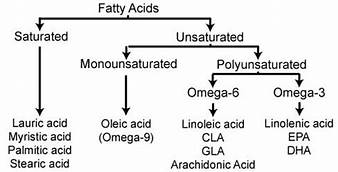
The BASICS:  Most all cells contain omega3s (EPA, DHA) and omega-6s in their cell membranes. Most nerve signals cannot be conducted without a special sheath called myelin and fatty  acids like EPA and DHA are necessary for cell membrane structure.  Myelin insulates the nerve fibers of nerve cells.

Brain cells are susceptible to damaging neurotoxins. Long-chain omega-3 fats, EPA and DHA are important for brain development, production of hormones and checking inflammation. Research has also shown that they lower blood triglyceride levels resulting in decreasing cardiovascular risks.  A  meta-analysis found that people with the highest consumption of omega-3, EPA and DHA have an association with a 14% risk reduction of death from any cause when compared to people who consume less.  A new area of research has suggested that fish oils as EPA and DHA are involved in brain health. This is important since there is evidence that omega-3s can protect against neurotoxins that damage the nervous system including the brain.

For example:

1300 elderly women underwent MRIs of the brain to assess how much exposure they had to a type of air pollution called PM for three years prior to the MRI.  PM  pollution is known to have neurotoxic effects known to be linked to strokes, cognitive decline, and dementia. The new study was published in the journal, Neurology,

Results showed that “women with higher levels blood levels of fish oils (omega-3s) had significantly greater volumes in the brain areas (hippocampus) associated with cognition, and memory, and white matter which contains nerve fibers that connect brain cells. The results indicated that women with higher levels of omega-3s were protected against the brain-damaging effects of PM exposure”.

Improved Depression Symptoms

A meta-analysis published in Translational Psychiatry, researchers reported that relatively high dose supplements with a high concentration of EPA to DHA significantly improved the symptoms of mild to moderate depression (mood, sleep disturbances, and fatigue) in pregnant and postpartum women. Higher doses need to be given by primary care physicians.

The U.S. diet is sadly abundant in omega-6 fatty acids; however, on the other hand, sadly deficient in omega-3 fats —-but that’s another story.

Omega-3 fats contain antioxidants that help protect our cells from damage including the heart and brain. A study published in the June 2020 issue of Alzheimer’s & Dementia found that people who closely followed a Mediterranean Diet had a lower risk of developing cognitive impairment in the following 10 years, compared with those who did not follow that eating pattern. But people who ate the most fish had both a reduced risk of cognitive impairment and also slower cognitive decline when compared to those who ate less fish.

Plant Oils

Substituting healthy plant oils like olive oil, sesame oil or canola oil for saturated fat such as butter, helps keep your mind healthy. These simple changes help to keep your blood vessels clear of damaging plaques. Extra-virgin olive oil is particularly rich in antioxidants.

Nuts

Nuts are great as snacks since they are rich in fiber and protein.  The least processed are the best choice.

Some nuts like walnuts, pecans, and chestnuts, contain high amounts of antioxidants. Also, walnuts are rich in a type of plant-based omega-3 fats called alpha linolenic acid which helps fight inflammation and cellular damage.

Coffee

While not a part of the Mediterranean or DASH diets, plain coffee can provide a good source of antioxidants. However don’t over do it and hold the sugar and cream – two cups a day of black coffee is probably enough, research says.

Courtesy of Best Foods for Women’s Health, Women’s Health Guide, Harvard Medical School