How to Avoid Overeating During the Coronovirus “Break”

Many of you are now working at home for the first time.  It becomes very easy to realize that when that happens,  food is not that far away and I am sure that avoiding snacking and even binge-eating is not that easy.  One sign, is that bag of chips always open and at your desk?  Before you buy that Peleton or tape the doors to the kitchen cabinets shut, try to exercise a little scheduling and practice the art of mindful eating.

Here is HELP:


The Rise in Comfort Foods

Interesting observation on what type of foods we choose when in a state of crisis – makes common sense. The focus on healthy eating for now may have to take a backseat for awhile due to the restrictions from the coronvirus invasion.

Keep safe – to keep your immune system “healthy” get plenty of sleep, eat as well as you can, stay hydrated and most of all stay away from crowds. Wash hands often and after bringing in merchandise from outside, e.g. grocery bags, disinfect your kitchen counters, handles, and knobs on appliances with antiseptic wipes, bleach solutions or disinfectant sprays. It all can help.

CLICK HERE.

Nutrition News in Brief


Drinking Tea and Healthy Brains

Tea has been a popular beverage since antiquity dating back to the dynasty of Shen Nong (2700 BC). Drinking tea has become increasingly popular in western countries today. It is assumed that the types of tea were both black and green teas; however, this was not designated in the abstract below.

A study from the journal Aging reported that drinking tea was associated with a healthy brain.

Method: The current study compared 15 tea drinkers aged 60 and older to 21 people in the same age group who did not regularly consume tea.

The researchers gave neuropsychological tests to the participants that evaluated cognitive function and used magnetic resonance imaging (MRI) to assess brain connectivity.

Results and Conclusion

The tea-drinking group had better organized brain regions and cognitive functions compared to those in the group who were not tea drinkers.

The authors stated: “Our results offer the first evidence of positive contribution of tea drinking to brain structure and suggest that drinking tea regularly has a protective effect against age-related decline in brain organization.”

__________________________________________________________________________________________________________________________

Blueberry Intake May Reduce Cardiovascular Risk

A study reported in the American Journal of Clinical Nutrition found a lower risk of cardiovascular disease among men and women with metabolic syndrome who consumed the equivalent of a cup of blueberries daily for six months. Metabolic syndrome is a collection of health risks, including high blood pressure, altered blood lipids, high blood glucose and a large waist circumference, that increases the chance of developing heart disease, stroke and diabetes type 2.

Method: A total of 138 individuals were randomized into groups that were given either 26 grams of powdered blueberries  (equivalent to a cup of fresh blueberries), 13 grams of powdered blueberries plus 1/2 cup of a mock blueberry placebo, or 26 grams of the placebo.

Insulin resistance, flow mediated dilatation (a measure of endothelial function), augmentation index (which measures artery stiffness), cholesterol and other factors were measured before and after the intervention. Endothelium refers to the cells that line the interior surface of blood vessels in the body as well as the lymphatic vessels

Results: The researchers observed an improvement in endothelial function and arterial stiffness in the group that received 26 grams of blueberry powder.

Conclusion: The authors stated: “The simple and attainable message to consume one cup of blueberries daily to consume one cup of blueberries daily should be given to those aiming to improve their cardiovascular health.”


.


Pandemics? A History

An excellent essay from the New England Journal of Medicine (March 13, 2020).

“Epidemics eventually resolve, whether succumbing  to societal action or having exhausted the supply of susceptible victims”. Viruses depend on us living to stay “alive”.

If history repeats itself, other pandemics can show us that Covid-19 will most likely follow the same paths. However, there are no magic bullets – it takes time.

CLICK HERE.

How to Boost Your Immune System

In our current environment of the coronavirus, we are told to stay healthy and take precautions such as hand washing, avoiding large crowds, cleaning surfaces, eating a healthy diet, getting enough sleep, etc. No one seems to mention that  every second of every day the body is working to protect us from armies of hostile bacteria, fungi and viruses that swarm on our skin; yet we usually remain amazingly healthy most of the time.

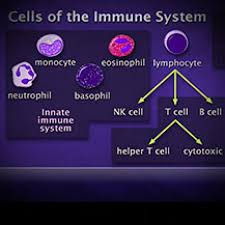
The body has evolved to approach these foes – if you’re  not with us – you’re against us! So the components of the immune system work together to destroy any foreign invader. To implement that stance, it relies on two built-in defense systems, the innate defense system and the adaptive defense system that act both independently and cooperatively. However, it is extremely important to support this system with a healthy lifestyle for optimum functioning and its ability to keep us well. 

Innate defenses include:

Surface barriers (skin, mucous membranes)

Internal defenses (phagocytes, natural killer cells, inflammation, antimicrobial proteins, fever

Adaptive defenses include:

Humoral immunity (B cells, plasma cells, antibodies, memory cells)

Cellular immunity (Helper T cells, cytotoxic T-cells, memory cells)

These two systems are deeply intertwined and when operating effectively, they protect us from most infectious microorganisms, cancer cells, and (unfortunately) organ transplants and grafts.

CLICK HERE.

COVID-19: A Perspective

The following article puts the disease risks from the coronavirus into play and compares it to other diseases and their health risks (heart disease, diabetes, influenza, e.g.).

Please keep in mind that a lot of numbers are quoted in the article and of course this changes almost every day. Dr. Katz states that he is writing on 2/28/20, and of course numbers of cases and deaths change constantly since then and will continue to do so.

However, the points are well stated. We should learn by now that headlines from the media tell us little and often are exaggerated to get our attention.

Despite the seriousness of infectious diseases, we often miss the total picture of a “sick” society – the ongoing epidemic of obesity, diabetes, and other more subtle health risks as a result of a poor diet , that affects us day after day and year after year.

Hopefully, this too shall pass (as most viral epidemics do) so we can restore our sanity and return to solving the ongoing problems of chronic disease.

CLICK HERE


Where’s the Protein?

Ever since  the advent of plant-based diets, one of the first questions that may come to mind is “how do I get enough protein in my diet?” The following post discusses some protein basics and provides an interesting article on some sources you may not have thought of.

Nearly all people in the United States get enough protein in a balanced macro-nutrient diet each day.  The average intake of protein by adults is 98 grams/day, about twice the recommended dietary allowance (RDA) which is for men (56 grams) and for women (46 grams).

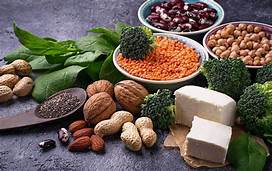
The ability of proteins to support tissue construction in the body varies depending on their content of essential amino acids (must be provided by the diet, we cannot make them). Proteins of high quality contain all nine of the essential amino acids and are called complete proteins and include all animal proteins (meat, milk, eggs, and milk products (dairy) and soy (for adults). Incomplete proteins are deficient in one or more amino acids and include plant sources such as seeds, beans, nuts, grains. Fruits do not contain any significant amounts of protein.

You can obtain all the essential amino acids by practicing protein complementation which is the process of combining proteins from different sources so that collectively they provide the proportions of amino acids required to meet the body’s needs. For example, beans combined with rice become together a complete protein by providing all nine of the amino acids.

CLICK HERE.

Blue Zones Cities USA

Dan Buettner’s groundbreaking ambitious Blue Zone project is beginning to transform American cities into Blue Zone cities  and has so far helped thousands of people lose weight, reverse disease, and increase life satisfaction by changing in part the way they eat, live, and connect.

The original Blue Zones areas helped shape these transformations. Practically speaking, Americans cannot be expected to eat the same foods as the Blue Zone inhabitants did. That would be impossible in the U.S. food environment. However, lots of lessons can be learned from their way of life that led them to longevity and health in their older years than anyone could have imagined. Get a brief glimpse of how one city (Ft. Worth, TX) transformed themselves into better health outcomes. Small changes can make a difference over time.


CLICK ON THE VIDEO.

How to Like Vegetables?


Americans need all the help they can get in eating more vegetables (nutrient dense, low in calories, loaded with fiber).  If you have children, It’s even more important  My personal advice?

Roast them – they caramelize and take on a whole new flavor and texture. Add a little honey and/or butter for more appeal. And it’s so easy on a foil-lined baking pan. Easy clean-up, too. – yes it can be done.

Enjoy the advice and bon appetit.

CLICK HERE.