Probiotics and or prebiotics seem to be the hot new nutrition topic. Every supplement company and the yogurt industry is offering their own proprietary probiotic guaranteed to “fix “your microbiome. We don’t know why we have “sick” microbes, but we often do. Processed foods can be suspect – antibiotics, artificial sweeteners, emulsifiers, hormones, preservatives for long shelf lives are not ideal environments for keeping them healthy and happy. Just read an ingredient label and you will find a plethora of other candidates.
Species of bacteria found in Culturelle: Lactobacillus rhamnosus plus inulin (a prebiotic – not a bacteria)
Species of bacteria found in Align: Bifidobacterium longum
Also can find species on most yogurt products.
Warning; These products are quite expensive and as all dietary supplements have not met any regulation standards from the FDA. Please consult your physician before taking any probiotic or any other dietary supplement. Often, they are not what they claim.
Michael Pollan started it – “Eat food, not too much, mostly plants”. In Defense of Food: An Eater’s Manifesto and The Omnivore’s Dilemma.
Many people are taking more of an interest in plant-based diets. People are switching for various reasons – weight control, sustainability, the environment in general, health reasons, media hype. Food companies load their products fortified with grams and grams of protein in order to “make up” for an alleged protein deficit – however, there are plenty of non-meat sources of protein found in plant foods. Most Americans get enough protein. “Protein is not the key for weight loss and animal protein is not the healthiest food we can eat. Carbs are not the enemy – they are a source of energy, and are staples in the diets of the longest-living people in the world.” Garth Davis, M.D. Proteinaholic: How Our Obsession with Meat is Killing Us and What We Can Do About It. 2015
High amounts of protein are not needed by most consumers unless there is a medical reason. The adult RDA or Daily Value is about 50 grams for most adults. That amount can be found in only 3-4 ounces of most meats – or a portion about the size of a deck of cards.
People have tried a number of diets – Paleo and Keto are of the low carb genre resulting in high protein and high fat diets. Since then, weight gain has taken over with an obesity rate higher than ever along with its companion- diabetes type 2.
Michael Pollan refers to the American diet as ‘the “American paradox” – the more we worry about nutrition, the less healthy we seem to become”.
Most people have never heard of NAFLD, a.k.a. non-alcoholic fatty liver disease, HOWEVER, nearly one in four adults in the U.S. has NAFLD. NAFLD is more common in obesity and diabetes type 2.
In the long term, NAFLD can cause fibrosis (scarring) of the liver that eventually can cause impairment of normal liver function. Advanced scarring can lead to cirrhosis, an irreversible condition that can lead to liver failure. The only long-term treatment is a liver transplant. No drugs are currently approved to treat it.
The emphasis should then be on prevention with the usual recommendations: Eat less processed foods, lose a little weight if necessary, and more exercise comes to mind – healthier lifestyles in general, e.g. less alcohol.
Normally most of the blood draining from the GI tract (gut) travels directly to the liver before entering general circulation. This exposes the liver to toxins that may cause oxidative stress and chronic inflammation.
There are new clinical trials on subjects diagnosed with NAFLD to investigate the influence of probiotics on the microbiome residing in the GI tract. These findings suggest that the probiotic – prebiotic blends can stop the progression of liver disease, liver damage and liver inflammation when compared to a placebo. Interesting???
Richard Moore. Life Extension: The Science of a Healthier Life, May, 2022.
The obesity epidemic rages on with no end in sight. Unfortunately, as we focus more on weight control and body size, more people are affected by being the victims of fat shaming. Even health professionals are often guilty by not addressing the weight problem with their patients – patients become ashamed due to the lack of help they experience from their physicians or the professionals themselves may be victims of the epidemic. They may be crying out for help for weight loss advice and interpret the silence as a shameful topic. This can result in more cases of body dissatisfaction, more dieting attempts like yo-yo dieting and/or avoidance of reporting eating disorder symptoms such as bulimia and anorexia.
There is an alternative approach – Health at Every Size (HAES). This concept focuses more on healthy weights rather than how much a person weighs. A study in 2011 called the Succeed Foundation conducted a Body Image Survey that aimed to improve body image and prevent eating disorders. The survey revealed the following:
“30 percent of women say would trade at least one year of their life to achieve their ideal weight and shape.
46% of the women say have been ridiculed or bullied because of their appearance.”
“ HAES approach briefly states:
Accepting and respecting the natural diversity of body sizes and shapes.
Eating in a flexible manner that values pleasure and honors internal cues of hunger and satiety.
Finding the joy in moving one’s body and becoming more physically active.
We’re Number One: In Morbidity, Mortality, and Expense
“U.S. has the best doctors, hospitals, and medical technologies, the most innovative surgery, the newest drugs and spends the most per capita on healthcare of all the countries on the globe.”
Are Americans healthier? Do we enjoy better healthcare? Do we live longer? The answer to each of these questions is an unequivocal NO. In fact, it’s quite the opposite. Americans have the worst health out comes of any country of the 37 richest countries – the Organization for Economic Cooperation and Development (OECD). In several of the most lethal chronic diseases, Americans rank amount the worst of the developed countries in the world: #1 in diabetes, #2 in Alzheimer’s disease, #5 in cancer, and #6 in cardiovascular disease.
What is metabolic (met) syndrome?
It started to “rear” its head in the 1980’s – every one is at risk for three noncommunicable diseases associated with the met syndrome – hypertension, diabetes and heart disease are due to abnormal metabolism in different cells in different organs.
For example: What about diabetes –in 1976, diabetes was rare; only 5% of people in the US over age 65 had it, and the prevalence in the general population was 2.5%. By 2000, estimates said 151 million diabetics were walking the planet and the prediction was, by 2010, there would be 221 million. In fact there were 285 million. By 2014, 422 million, 2019, 463 million- predictions 568 million by 2030.
Lustig, Robert, MD, MSL Metabolical: The Lure and the Lies of Processed Food, Nutrition, and Modern Medicine, 2021
How are we doing? Not so well. Metabolical is a wonderful book to begin to understand why diet with its predominance on processed foods makes a difference in our quest for heath.
“Aspartame intake was associated with increased breast and obesity-related cancers.”
Soft drinks accounted for more than half of their artificial sweetener intake, while table-top sweeteners represented 29 per cent and yoghurt or cottage cheese 8 per cent.
The researchers then compared consumption of these sweeteners to the rate of cancer in participants, while adjusting for other possible factors such as age, body mass index, smoking, poor diet, physical activity and family history of cancer.
The participants who consumed the largest amount of sweeteners had an increased cancer risk of 13 per cent compared to non-consumers, the study found.
“More specifically, aspartame intake was associated with increased breast and obesity-related cancers,” it said. Needless to say: This study need replication since it has been implicated in cancer studies since its role in the food supply began a few decades ago. Additionally, since this study is observational, it only suggests an association, not causation.
An Anti-InflammatoryDiet May Protect Against Dementia.
A study published in the journal, Neurology found greater adherence to an anti-inflammatory diet resulted in a lower risk of dementia. The study included 1,059 people with an average age of 73 and free from dementia .They completed a diet questionnaire from the previous month that included food groups that constituted a diet score. A pro-inflammatory diet reflected high scores and included foods that were cooked at high temperature and excess consumption of omega-6 fats in relation to omega-3 fats. An anti-inflammatory diet included fruits, vegetables, legumes, coffee, tea. for lower diet scores. Safe low temperature ways to cook foods included poaching, boiling, stewing, steaming while dangerous methods included frying, grilling barbecuing, and roasting.
Results: “After a three year followup, 6% of the participants developed dementia. It was determined that one-point increase in the dietary score was associated with a 21% increase in dementia, and that participants with the highest third of dietary scores had a three times greater risk of dementia compared to participants whose scores were among the lowest third.”
Neurology. Dec 2021, 97(24)e2381-e2391.
Life Extension: The Science of a Healthier Life. May 2022.
Omega -3 fats were found to have no significant effect on total tumor burden or affect latency period, tumor weight, or tumor regression. (Sally J. Feltner. Influence of type and level of dietary polyunsaturated fat on incidence of chemically -induced mammary tumors and on selected immune responses in rats. (Unpublished dissertation, 1988)
These were the results of my dissertation a couple of decades ago; however a new study wakes us up to the possibility that omega 3 fish oils (EPA and DHA) may have an positive effect (less growth) of tumors when fed fish oils as an adjunct to immunotherapy in mice.
In my study there were no effects on tumor incidence; the new study found that omega -3 fatty acids may have a positive benefit if they are used with certain cancer treatments with the ultimate suppression of tumor growth. In my study, however, “the animals fed a high or low fish oil diet (omega 3)) produced a significantly higher antibody titer in response to sheep red blood cells than those fed the low or high corn (omega 6) oil diet.” This indicates a positive effect on the immune system at least in animals.
Study results of omega-3/6 fatty acids can be complex resulting in conflicting results in both human and animal studies.
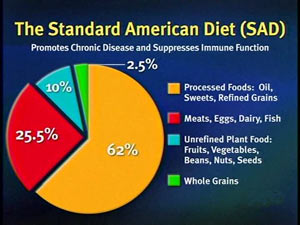
This may be due to the imbalance of intake between the 3’s and the 6’s. in the Standard American diet. The optimal ratio of omega-3 fats in the diet is in a range of 2:1 to 4:1 (6s to 3s). The typical ratio in the U.S. diet is 16:1 – that is bad!! This means that inflammation can “run rampant”, increasing your risk of heart disease, diabetes, and arthritis. We simply eat too many omega-6 and not enough omega-3 fatty acids. Additional studies are planned. Very interesting.!
Lifestyles can interact with the epigenome, defined as the network of compounds around our genes that are capable of altering gene expression in response to environmental influences. The ultimate action can result in cancer prevention.
DIET MODIFICATIONS
The general risk factors of cancer include obesity, physical inactivity, alcohol consumption and/or poor nutrition. These factors have the potential to determine if a cancer will result or in the opposite case, be suppressed.
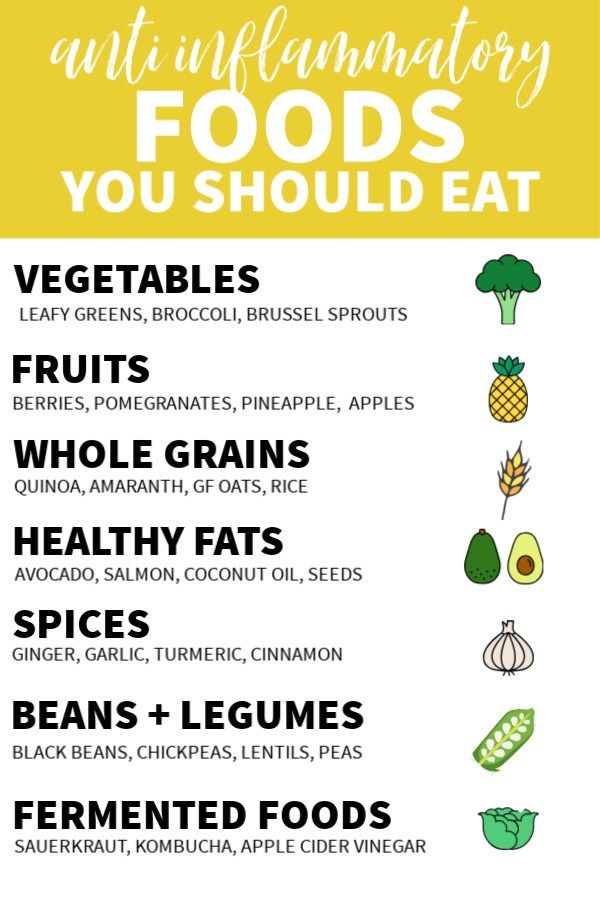
Consume a nutrient dense, whole-foods diet that predominantly includes plant foods. As Michael Pollan puts it, “Eat food, not too much, mostly plants.” Plant foods are rich in nutrients and phytochemicals that work synergistically to prevent many chronic diseases, primarily heart disease and cancer. Evidence exists that up to 45% of colon cancer cases could be avoided through diet and lifestyle changes alone.
Limit your consumption of high-calorie foods, primarily in the form of ultra-processed foods that are major contributors to weight gain leading to type 2 diabetes, or insulin resistance.
Cancers of the liver, pancreas, endometrium, colon, rectum, breast, and bladder are at higher risks for developing in obesity. Being overweight also raises the risk of developing non-Hodgkin’s lymphoma, multiple myeloma and gallbladder, liver, cervical, ovarian, and aggressive prostate cancers.
Be as lean as possible without becoming underweight. It may be helpful to be able to calculate your own weight status by using the Body Mass Index (BMI).
You simply divide your weight in pounds by your height in inches squared X 703.
For example: BMI =140 pounds divided by 64 inches squared (4096) X 703 = 24.0. A healthy BMI is 20 – 24. Being underweight is considered a BMI of less than 19.0.
Limit your consumption of red meat (including beef, pork and lamb). There are several reasons:
The International Agency for Research on Cancer (IARC) classifies red meat as a “probably carcinogen”. You don’t need to give up meat; however, an intake of up to 18 ounces a week can be safely consumed without too much concern. BTW, 4 oz. is about the size of a deck of cards.
Another factor that raises cancer risk is the overcooking of red meat that produces charred areas of the meat – goodbye grill marks?). These create carcinogenic heterocyclic amines (HCAs) that have been linked to pancreatic and colon cancers.
Another carcinogenic compound comes from burning the fat from meat when grilling that produce polycyclic aromatic hydrocarbons (PAHs), linked to stomach cancer.
Hint: Both compounds can be lessened by using a marinade on the meat.
Highly processed meats such as bacon, hot dogs, and lunch meats are known for their nitrite and nitrate content used as preservatives. Smoking meats can lead to the formation of N-nitroso compounds which are considered carcinogenic.
Avoid deep-fried foods. When cooked in this manner, foods are exposed to a chemical called acrylamide that increases the risk of prostate cancer.
There are other lifestyle factors that can influence epigenetically the risk of any chronic disease. Alcohol intake, for example is important due to the carcinogenic effects of alcohol itself.
“Chronic inflammation, which is strongly associated with being overweight, can increase the risk of developing cancer. Excess belly fat produces hormones that can raise levels of insulin, estrogen and leptin, all of which have been linked to cancer development.” (Finlayson, 2019).
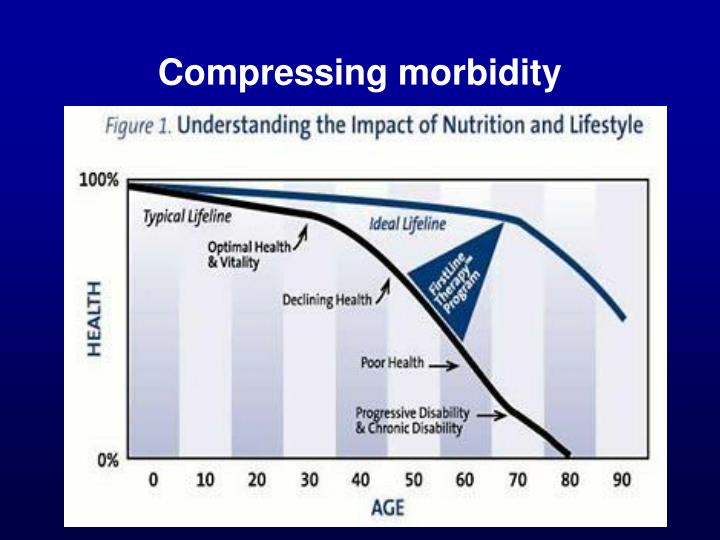
The interconnected factors that trigger chronic diseases are vast and subject to manipulation by the body as well as our microbial environment. It would be wise to attempt to take the best care of your body as you possibly can and begin at an early age. Aging as you know itself becomes a central factor in the development of any chronic disease. In 1980, Dr. James Fries, Professor of Medicine, Stanford University introduced the compression of morbidity theory. This theory states that “most illness was chronic and occurred in later life and postulated that the lifetime burden of illness could be reduced if the onset of chronic illness could be postponed and if this postponement could be greater than increases in life expectancy.” That theory tells it all. (Unknown source). SJF
Source: Judith Finlayson. You Are What Your Grandparents Ate: What You Need to Know About Nutrition, Experience, Epigenetics & the Origins of Chronic Disease, 2019
A Mediterranean-style diet could protect against memory loss and dementia, according to a study published in the journal, Neurology.
The 512 participants, with an average age of 70, completed food frequency questionnaires and then given brain scans to determine brain volume, and neurological tests to examine their cognitive abilities and biomarkers for beta amyloid and tau proteins that are thought to characterize Alzheimer’s disease.
People who ate an unhealthy diet (not identified in abstract) had higher markers of amyloid beta and tau proteins in their cerebrospinal fluid, compared to those who followed a Mediterranean diet.
The unhealthy –diet eaters also performed worse on memory tests than those who ate healthy foods.
Editor’s Note:
Participants who did not eat a healthy, Med-style diet were also found to have a smaller hippocampus volume (the area of brain responsible for thinking and memory) than those who did. The hippocampus is known to atrophy (shrink) in those with Alzheimer’s disease.
Source:
Life Extension, September, 2021
Eating Fish for Brain Health
A study published in Neurology found that 1623 people over the age of 65 who eat more fish have lower risks of brain disease like vascular dementia, stroke, and a lower incidence of brain vessel damage. The researchers analyzed MRI brain scans and completed a diet questionnaire. Note: This association was strongest in people ages, 65-69, compared to older participants in the study.
Neurology, 2021.
Diabetes Screening Age Lowered from 40 to 35 for Overweight and Obese People.
The U.S. Preventive Services Task Force has lowered the age at which overweight and obese people should begin screening for diabetes from 40 to 35. According to the Task Force, there is a spike in the prevalence of both diabetes and prediabetes around age 35. Lowering the screening age could help identify or prevent diabetes by adopting a healthier diet, exercise more, and lose weight.
Note: Diabetes is the leading cause of kidney failure and new cases of blindness among adults in the U.S.
Mediterranean Diet Can Lower Risk Of Sudden Death by 25-26%.
Either a Mediterranean Diet (vegetables, fruits, legumes, cereals, and fish) or U.S. Southern Diet pattern (added fats, fried food, eggs, organ meats, processed meats, and sugar-sweetened beverages) was given to 21, 069 men and women 45 years and older and compared for adherence to each diet using diet scores.
The results showed that 402 sudden cardiac deaths occurred during an average of 9.8 years of follow-up. People whose Mediterranean scores placed them among the top third of participants had a 25-26% lower risk of sudden cardiac deaths than subjects whose scores were among the lowest third. People whose Southern dietary pattern scores was among the top quarter of participants had a 46% higher risk of sudden cardiac death than those among the lowest quarter.
J. Am Heart Association 2021 July 6;10:e019158.
At a Glance
A study found that a diet high in added fats, fried foods, processed meats, and sugary drinks was associated with a greater risk of sudden cardiac death, while a Mediterranean diet was associated with a lower risk.
The findings provide evidence that adopting a healthier diet may decrease the risk of sudden cardiac death.
What Do We Know About Diet and Prevention of Alzheimer’sDisease?
Changes in the brain can occur years before the first symptoms of Alzheimer’s disease occur. It also should be noted that the focus of diet factors on diseases should be the prevention or delay of the disease in question and not a “cure.” Unlike other risk factors for Alzheimer’s that we cannot change such as age and genetics, the current thought is that with lifestyle choices such as diet, exercise and cognitive training, many chronic diseases can possibly be avoided adding health to our lifespans.
How could our diet affect our brains?
“It’s possible that certain diet patterns affects biological mechanisms, such as oxidative stress and inflammation that underlie many chronic diseases. Or perhaps diet works indirectly by affecting other disease risks, such as diabetes, obesity, and heart disease. A new avenue of research focuses on the relationship between gut microbes in the digestive system and aging-related processes that lead to Alzheimer’s.”
Reference: National Institute on Aging
Several diet patterns show some promise. One is the Mediterranean Diet or its variations, the MIND diet (Mediterranean-DASH Intervention for Neurodegenerative Delay) or the DASH diet. (Dietary Approaches to Stop Hypertension), a risk factor for Alzheimer’s disease. All are based on leafy green vegetables and colorful vegetables, berries, fish, poultry, beans, nuts, wine (1 glass a day), whole grains and preferably olive oil.
“For example, two recent studies suggest that, as part of the Mediterranean diet, eating fish may be the strongest factor influencing higher cognitive function and slower cognitive decline. In contrast, the typical Western diet increases cardiovascular disease risk, possibly contributing to faster brain aging.”
The problem with the research is that most is called observational (subject to recall from the participants). To rectify this, several organizations like National Institute of Aging are conducting clinical trials (considered the gold standard of medical proof to shed more light on any cause and effect.
What About Supplements?
Clinical trials in humans have had mixed results, some with positive effects, others with negative results. These types of studies often attempt to measure the effects of omega-3 fatty acids in the diet. However, at this time: despite early findings of possible benefits for brain health, no vitamin or supplement has been proven to work in people. Overall, evidence is weak as many studies were too small or too short to be conclusive.
Note: A deficiency in vitamin B12 or folate due to aging or strictly following a vegan diet may cause memory problems that are reversible with proper treatment. Please consult with your physician. If you are over 65, it may be prudent to have your Vitamin B12 status checked. Sometimes, the deficiency may be due to problems with absorption of the vitamin, not the intake. Also, healthy humans are equipped with a number of adaptive mechanisms that partially protect the body from poor health due to fluctuations in dietary intake. Vitamin B12 can be stored within body tissues for later use. Meats and seafood are good sources
Omega-3, Omega 6 and Breast Cancer
Note: I personally conducted animal research using high or low omega-3 or omega-6 diets on breast cancer incidence. The study was repeated two times and no significant differences in breast cancer incidence, tumor weight or immune system parameters were found between the study groups. This content is partly provided by the NIH National Institute on Aging (NIA) scientists and other experts review this content, so it is accurate and up to date. This content was reviewed November 27, 2019.
Influence of Type and Level of Dietary Polyunsaturated Fat on Incidence of Chemically-induced Mammary Tumors and on Selected Immune Responses in Rats. Sally J. Feltner, June, 1988.





 FOOD, FACTS and FADS