“Hurrah” for the Pumpkin Pie

by foodworksblog Leave a comment

When you think of Thanksgiving, the pumpkin pie (aside from the turkey) first comes to mind. In fact, when else do you make a pumpkin pie even though canned pumpkin is available all year around?

In Medieval times, squash, gourds, and other fruits were stewed with sugar, spices, and cream wrapped in pastry. During the Colombian Exchange in the 16th century “new world” foods that included pumpkins, potatoes, tomatoes, peanuts, and corn were introduced into European cookery. Pumpkins became a favorite almost immediately whereas most other foods took several generations to be totally accepted. This was more than likely due to their similarity to “old world” gourds and squashes and they were easy to cultivate. They were called pompions, after French “pompon.”

Pumpkins were first cultivated in Central America around 5,500 B.C. The Northeastern Indians used squash more than other Indians in early America and did favor pumpkin the most. They baked them by putting them in the embers of a fire, then moistened them with maple syrup or honey or some type of fat and then turned it into a soup. It was likely that pumpkin was on the first Thanksgiving table in some form. By the 1700’s, it became a popular item to celebrate the holiday. In 1705, the town of Colchester, Connecticut postponed the holiday for a week due to a molasses shortage to make the pies.

Pumpkins have been in American history for centuries and recipes for its preparation began appearing in cookbooks. The first known American cookbook was American Cookery by Amelia Simmons in 1796 that included a recipe for “pompkin” pie. She made two versions. Both had pumpkin, ginger, and eggs. One used cream and sugar with Old World spices, mace and nutmeg; the other used milk and molasses with New World allspice.

Later in 1805, a recipe for pumpkin pie appeared in the Art of Cookery Made Plain and Simple by Mrs. Hannah Glasse.

“Take the pumpkin and peel the rind off, then stew it till is quite soft and put thereto one pint of pumpkin, one pint of milk, one glass of malaga wine one glass of rose-water, if you like, seven eggs, half a pound of fresh butter, one small nutmeg, and sugar and salt to your taste:”

By the 1800’s, pumpkin pie was a necessity at most Thanksgiving celebrations. If you have ever heard the famous poem about Thanksgiving by Lydia Maria Child in 1842:

“Over the river and through the wood, to grandfather’s house we go” ends with “Hurrah for the pumpkin pie”.

In 1929, Libby’s meat-canning industry made pumpkin preparation easier by offering its famous canned pumpkin with its traditional recipe on the label. My mother would have appreciated the Libby’s version. I remember her talking about making her first pumpkin pie and neglecting to strain the stringy pulp from the pumpkin itself. Needless to say it was a disaster. Next time you open a can, please think kindly of her and in her day, there may not have been canned pumpkin.

The only problem is the sugar content found in pies – as for my pumpkin disaster, I forgot the sugar one year and it was awful. But who is counting sugar grams on Thanksgiving?  No one. (for the few that are – 1 serving has 253 cals, 3 grams of fiber, 32 grams of carbohydrate and about 19.7 grams of sugar (5 tsp). Pumpkin is also loaded wtih vitamin A in the form of beta-carotene (a powerful antioxidant).

Eating in America: A History, Waverly Root & Richard de Rochemont William Morrow, New York 1976, (p. 41).

The Art of Cookery Made Plain and Easy, Mrs. Hannah Glasse, 1805 .

Cuisine and Culture: A History of Food and People, Linda Civitello, 2nd Edition, Wiley

Living in a Blue Zone

By Sally J. Feltner, M.S.,  Ph.D


Ponce de Leon began his quest for the fountain of youth in 1531 and humans have been seeking magical solutions for keeping us younger and living our later years in relatively good health.

In 2009 with the backing of the University of Minnesota School of Public Health, AARP and the National Geographic, Dan Buettner established the Blue Zone Project and authored The Blue Zones: 9 Lessons for Living Longer from the people who lived the longest, He interviewed those who were either centenarians or those in their later years and began to investigate what factors may have contributed to these long lives. He identified five regions that for various reasons had populations meeting this criteria:

  • Sardinia in Italy with the highest concentration of centenarian men.
  • Seventh Day Adventists in Loma Linda, California, where some residents live ten more healthy years than the average American.
  • The Nicoya Peninsula in Costa Rica that has the world’s lowest rates of middle-age mortality and the second highest concentration of male centenarians.
  • Ikaria, Greece that has one of the world’s lowest rates of middle age mortality and lowest rates of dementia. Only 20 percent of people over 80 showed any signs of dementia, whereas a similar study of long-lived people near Athens showed an almost 50 percent rate of dementia.
  • Okinawa, Japan home to the world’s longest living women.


Remarkably, all the regions had common characteristics that included family and purpose, community and spirituality, stress reduction and physical activity..

One major practice was that all their diets, though not vegan, were predominantly based on plants. Meat and other animal products were either the exception or used as a condiment. Okinawans, practice a philosophy called hara-hachi bu regarding food; they only eat until they are 80% full.

In the Costa Rican Zone, everyone feels like they have a plan de vida or life plan. Even at ages above 60 and 70, inhabitants don’t stop living. They keep themselves busy; they love to work. It provides them a “reason to waking up in the morning” called ikigai. There is no word for “retirement” in Okinawa.

The book introduces some very interesting longevity “superstars.”

  • Marge Jones, at 100 years old from Loma Linda begins every day with a mile walk, a stationary bicycle ride, and some weight lifting. “I’m for anything that has to do with health”, she says.
  • Kamada Nakazitam, 102 years old from Okinawa says “To be healthy enough to embrace my great – great grandchild is bliss.”
  • Ellsworh Wareham, age 91 from Loma Linda, assists during heart surgery procedures, something he does about two or three times a week.
  • Abuela Panchita, 100 year old Costa Rican woman whose 80 year old son, Tommy bicycles to see her every day, spends every day cooking, splitting logs and using a machine to clear brush from her yard.
  • The notion of moai in Okinawa stands for “a social support network. Says 77 year old Klazuko Mann, “each member knows that her friends count on her as much as she counts on her friends.”
  • Tonino Tola, 75 said that “Sardinian men can shed stress by often joking at the expense of one another.” Science tells us a belly laugh a day may reduce stress and actually keep the doctor away.

The final chapters of the book boil it all down into nine lessons and a cultural distillation of the worlds’ best practices in longevity. Beuttner provides credible information available for adding “years to your life and life to your years.”

However, there is a downside. From the author: “Sardinians today have already taken on the trappings of modern life. For example, junk foods are replacing whole-grain breads and fresh vegetables traditionally consumed here. Young people are fatter, less inclined to follow tradition, and more outwardly focused.”

From the author: “I once pressed a 101-year-old woman in Ikaria, Greece to tell why she thought people there lived so long. ‘We just forget to die,’ she said with a shrug. None of them went on a diet, joined a gym, or took supplements. They didn’t pursue longevity – it simply ensued”

Since the first book, Mr. Buettner has published two other books that continue to describe the lifestyles of these regions. They include The Blue Zones Solution and The Blue Zones of Happiness. I’ve enjoyed these books immensely and have often referred to them in various tweets and posts. The first book concludes with a chapter on Your Personal Blue Zone. Other books give us more explicit ways to establish Blue Zones in other areas in the U.S.

From the back cover of The Blue Zones Solution – “Propagating the Blue Zones would not only prevent a rise in the prevalence of diabetes (and other such misfortunes); it would allow us to eliminate more than 80 percent of the burden we have now. That’s revolutionary.”

David Katz, M.D., Director of the Yale-Griffin Prevention Research Center

All these books are highly recommended, in my opinion. They not only teach us valuable information to remain healthy in our later years, i.e. a longer lifespan of optimal health,  but they also present a relatively comprehensive and colorful glimpse of their individual lives and culture.

Working for an extension of a Healthy Lifespan

Vitamin D: An Update At A Glance

Several posts have explained the role of vitamin D in immunity and and thus the Covid virus – (can search on this blog under Infectious Disease). This post is simply an update about the expanded role of vitamin D status.

WHAT You Need to Know Vitamin’s Immune Benefits

More than 70% of Americans have insufficient blood levels of vitamin D.

Vitamin D supports the immune system’s response to illnesses of all kinds which may include COVID-19.

Past studies show that low levels of vitamin D are associated with increased rates and severity of viral infections.

Clinical trials have shown that vitamin D has a protective effect against respiratory tract infections.

Vitamin D and Viral Illness

Vital respiratory tract infections, such as flu, are more common during winter. One of the reasons for this may be seasonal variations in our vitamin D levels. During winter, we get less sun, leading to lower vitamin D production. That puts us at increased risk for viral infection. Low vitamin D is also a risk for more severe lung disease called acute respiratory distress syndrome (ARDS). This condition can lead to what is called a cytokine storm with hyper- production of inflammatory factors that can lead to death.

Vitamin D’s Protective Action

Vitamin D contributes to many functions that help shield the body from infections and lessen their severity. Maintaing adequate levels of vitamin D:

Interferes with the ability of viruses to replicate and produce more viral particles.

Helps support and repair heathly cellular linings in the body, including the airways of the lungs.

Increases production of proteins that shield against bacteria and viruses, enhancing the ability of cells to protect themselves from infection.

Improves the ability of immune cells to mount an effective attack against specific viruses.

Helps prevent the immune system from going overboard and producing excessive pro-inflammatory compounds in the lungs.

Summary:

Unfortunately, vitamin D is found naturally in few foods in the diet. These are fish and seafood, fortified breakfast cereals, orange juice, regular milk, rice milk, soy milk, yogurt, and margarine Therefore, an oral supplement may be necessary. If you think you may not get enough D in your diet, please see your physician to discuss the benefits and side effects of vitamin D supplementation. There is a common blood test that he/she may suggest to indicate your blood level of this fat-soluble vitamin.

The Upper Limit is 100 mcg or 4,000 UL if you choose to take a supplement. Consequences of overdose may include: mental retardation in young children, abnormal bone growth and formation, nausea, diarrhea, irritability, weight loss, calcium deposition in organs such as kidneys, liver, and heart, toxicity is possible with long-term use of 10,000 daily.

Nutrition Now, Judith E. Brown, 7th Edition, 2013

Life Extension November, 2020

Extra Virgin Olive Oil Benefits

Large Human Trial Demonstrates Extra Virgin Olive Oil Reduces Cardiovascular and Breast Cancer Risks

Results of a large clinical trial published in two prestigious medical journals JAMA an the New England Journal of Medicine demonstrate that a diet supplemented with extra Virgin olive oil provides health benefits.

The PREDIMED study enrolled adults age 55 to 80 who are considered at high risk for cardiovascular disease based on various factors.

Participant participants were assigned to a Mediterranean diet, one with supplemental extra virgin olive oil at least 4 tablespoons and the other supplemented with mixed nuts. The third group was assigned to a control, low fat diet.

Over almost five years of follow-up, cardiovascular outcomes including heart attack, stroke, and death from any cardiovascular cause, were noted. The Mediterranean diet groups had a significantly lower rate of negative cardiovascular outcomes. This association was particularly strong for the supplemental extra virgin olive oil group, which had a 31 percent reduction in risk for cardiovascular disease outcomes compared to the control diet group.

The researchers also observed data of new breast cancer in the women enrolled. Here too, the diet supplemented with extra virgin olive oil was most protective, reducing rates of breast cancer by nearly 70% compared to the control diet. Interesting, the group that supplemented with mixed nuts did not show a significant benefit in terms of breast cancer risk. The study’s authors report that this was the first human trial to find a beneficial effect of a dietary intervention on breast cancer risk. Together, these results suggest that a Mediterranean diet with supplemental extra virgin olive oil is protective against both cardiovascular disease and breast cancer in older adults with existing risk factors

The American Plate: Dining in the 70’s

Updated 10/2/2020

West Coast Cuisine: Alice Waters

The 1970’s ushered in many new innovations in the world of food. In 1971, Alice Waters opened Chez Panisse restaurant in Berkley, California and changed the definition of salad. Instead of the old iceburg lettuce wedge of previous times, she used everything from fresh mixed greens to goat cheese. A three-course meal costs less than $8.00.

She also had a passion for Mediterranean cooking, not yet popular in the U.S. She went against the previous decades of prepackaged foods and her mantra was fresh foods, simply prepared. She promoted a new concept dubbed “California Cuisine” which spread through the rest of the country. She shunned factory farms, and promoted food that come from the farm to the table as quickly as possible. This philosophy is growing currently as a national movement.

A standard at health food restaurants across the country, carrot cake was ubiquitous, Grated carrots made it  a nutritious choice, or so the thinking went.

Another landmark in food in 1971 began when three friends opened a coffee house in Seattle, Washington. They named it after a character in Herman Melville’s 19th century novel, Moby Dick – Starbucks, the chief mate on the Pequod, a whaling ship .

Fat Attack and Veganism

In 1977, an American committee of the U.S. senate led by George McGovern published the first Dietary Goals For The United States in order to reverse the epidemic of heart disease in the country at the time. The trend still exists in that heart disease still is the number one “killer” in the U.S. The guidelines generally suggested that fat was the culprit in our diets; soon food manufacturers began removing the fat and when that happens, sugar is added. So carbs were in and fat was out.

A young doctor named Dean Ornish recommended that heart attack patients change their diets drastically and promoted “heart-healthy” recipes. The American Heart Association adopted these recommendations and soon restaurants were soon displaying heart symbols on menu items that were approved to be healthy. Dr. Ornish stressed a change in lifestyle approach to treat and prevent coronary artery disease (CAD).  Beginning in 1977, he conducted clinical research studies showing that lifestyle changes could not only stop the progression of CAD but could actually reverse it. These lifestyle changes included plant-based diet, smoking cessation, moderate exercise, stress management techniques including yoga and meditation, and psycho-social support.

In 1973, the Moosewood Restaurant, a collectively owned vegetarian restaurant opened in Ithaca, New York. It featured vegetarian cooking that was spicy, ethnic and exciting. Cookbooks such as The Moosewood Cookbook and The Enchanted Broccoli Forest soon followed. These new innovations gave vegetarianism a new life since its first boost of energy at the end of the 19th century.

For meat eaters, one very popular dish of this decade was Beef Wellington, a fillet of beef tenderloin coated with pate de foie gras and a duxelles of mushrooms all wrapped up in a puff pastry crust. Dinner parties with friends featured more complicated menus and Wellington was considered the most difficult because of its preparation.

heirloom

The War of the Diet Books and a Murder

The weight loss craze was in full swing and the “diet wars”and books  began to appear in earnest. In 1972, Dr. Atkins introduces his “Diet Revolution” featuring a high protein, high fat, low carbohydrate diet. The anti-fat gurus were appalled.  In 1978, Dr. Herman Tarnover introduces the “Complete Scarsdale Medical Diet”, another version of the high protein low carb diet. “The book would have been quickly forgotten if Tarnover hadn’t been shot four times and killed by his 56-year old female companion, Jean Harris on March 11, 1980, a few days before his 70th birthday”.  The murder became the subject of numerous books and two films.

“Harris was a headmistress of an exclusive school for girls and a summa cum laude graduate of Smith College. On February 25, 1981, a trial began that caused a media frenzy.  Harris was found guilty of second-degree murder and sentenced to 15 years in prison. At the time of his death, Tarnover had just begun outlining a new book about how to achieve and enjoy longevity.” All he would have had to say was,  “Stay clear of zealous  jealous mistresses” seeking revenge. (note from me who saw one of the films).

SOURCE: The Hundred Year Diet: America’s Voracious Appetite for Losing Weight, Susan Yager. As of this writing,  Yager is a adjunct instructor in the Department of Nutrition, Food Studies, and Public Health at New York University.

Potpourri

The decade of the 70’s was also time for indulging our tastes with eclectic appetites. We indulged in Buffalo chicken wings, Pasta Primavera to goat cheese salads to Crock-Pot Chili in the course of a week. Brunches with quiches became Sunday morning fare, but soon men rebelled by saying “real men don’t each quiche.” We worked our way through the Vietnam War, rampant inflation, Watergate, and President Richard Nixon’s resignation. Jerry Ford became the President.

New At the Market

Hamburger Helper, Redenbacher’s Gourmet Popping Corn, Celestial Seasoning Herbal Teas, Snapple fruit juices, Cup O’ Noodles, Stove Top Stuffing, Miller Light, Yoplait Yogurt, Perrier, Ben and Jerry’ s Ice Cream, Resses’s Pieces

Trivia Timeline:

1970 The first overseas Dunkin’ Donuts opens in Japan. Later, MacDonald’s opens its first international site in Tokyo.

1970  Resealable plastic bags and Reynolds Oven Bags are introduced.

1970  Morton introduces Salt Substitute and, in 1973, brings out Lite Salt.

1971  The nation’s first salad bar is laid out at R.J. Grunts, a singles bar and Chicago restaurant. Wendy’s hamburger chain introduces salad bars in 1979.

1971  Rival trademarks the Crock – Pot.

1972  “He likes it! Hey Mikey!” Two older brothers get Mikey to try the family’s new cereal, Life, in a commercial that ran for 12 years on TV.

1973  MacDonald’s introduces the Egg McMuffin, the first fast-food breakfast item.

1973  When introducing the expensive ($140) Cuisinart food processor, it was viewed as an indulgence. It soon became mandatory equipment for anyone who considered themselves a good cook. The product becomes so hot during  the 1976 Christmas season that retailers sell empty boxes as promises for future delivery.

1975 American consumption of soft drinks surpasses that of coffee.

1976  Tom Wolfe calls the 1970s the “Me Decade” and Burger King follows with the “have it your way” campaign.

1977  The term “comfort food” first appears in the Washington Post magazine. The author uses the term in reference to grits, but by 1980, the food has grown to encompass the food of childhood such as meatloaf, mashed potatoes, macaroni and cheese, and gelatin dessert.

1977  The plastic grocery bag is introduced to the supermarket industry. It is now an environmental nightmare.

1978  General electric offers the first over the range microwave oven, the SpaceMaker.

1978  For the first time, more women then men enter college.

The First Dietary Guidelines 1980

The Old, The New, The Truth

Soon, The Dietary Guidelines for 2020  are due to be released.  As usual, there will be a flurry of discussions, debates, praise and criticisms somewhat dependent on what sections of the food industry are happy and those who are not.  The Dietary Guidelines, in my opinion, reflect who won the battle for the food industry’s interests this time around, to make sure their profit margins are kept intact. Little else new is gained from them and little attention is paid to them after their endlessly repeated advice based on lobbyists and politics. Who will win out this time?  In the past few decades, the advice has lacked conviction, e.g. what is moderation,  and has been so diluted, it plays little role in how our food supply affects our health.  Enjoy a little history of past advice and forgive me for the cynicism.

CLICK HERE.

How to Eat (most of the time)

Leave a comment

Do you feel guilty if you do not eat healthy foods? Most of us don’t but there are people who now comprise a group exhibiting a new eating disorder called orthorexia. 
The following article by Mark Bittman may put this eating pattern in a reasonable perspective. The Bottom Line? Enjoy food but make healthy choices (most of the time). This philosophy as stated by Bittman is refreshing – Seems to resemble the traditional diet of the French – the Good Life Savored.

“Eating well is an integral part of their national heritage. To say the French know their food is an understatement and it has been said that even their children are serious “foodies” with two-hour multi course lunches (not uncommon in France)” – all this without guilt. Contrast that with the typical American with a quick drive-through grabbing a burger with fries and eating them in the car with some snacking throughout the day.  The French also maintain their weight with little dieting, calorie counting or snacking.” They simply say: If you eat too much one day, cut back the next day. Pretty simple advice but it seems to work (at least for them).

Source: 30 Secrets of the World’s Healthiest Cuisines. by Steven Jonas, M.D, and Sandra Gordon.

Note: Obesity rates in France are among the lowest in Europe, but have been increasing steadily. The increase has been attributed to an increased adoption of the Western diet or Standard American Diet.

In France, almost 40% are overweight (including obese). You can contrast that with the U.S. at 70% (overweight and obese).

CLICK HERE.

The Nutritional State of the Nation: Does it Affect Covid-19?

A number of diseases and disorders share common risk factors of low intakes of vegetables, fruits, and whole grains, excess calorie intake, body fat, and high animal fat intake. These risk factors are associated with the development of chronic inflammation and oxidative stress, conditions that are strongly related to the development of heart disease, diabetes, osteoporosis, Alzheimer’s disease, cancer and other chronic diseases that include stroke, osteoporosis, and obesity.

Metabolic syndrome is a cluster of at least three of five conditions: hypertension, high blood sugar, obesity, high triglycerides, and low HDL cholesterol that increase the risk for cardiovascular disease. These diseases are all related to our diets and other lifestyle factors – namely exercise and smoking habits.

A new study in the journal Diabetes Care is the first to look at the impact of metabolic syndrome on outcomes for Covid-19 patients. “Together, obesity, diabetes and prediabetes, high blood pressure and abnormal cholesterol levels are all predictors of higher incidences of death in these patients and were more than three times more likely to die from the disease.

“The more of these diagnoses that you have, the worse the outcomes”, says lead author Joshua Denson , assistant professor of medicine and pulmonary and critical care medicine physician at Tulane University of Medicine.

“The underlying inflammation that is seen with metabolic syndrome may be the driver that is leading to these more severe cases.” Dr. Denson adds.  In this study, the most common conditions were hypertension (80%), obesity (65%), diabetes (54%), and low HDL (39%.)

Dr. Denson would advise anyone who meets the criteria for metabolic syndrome to be vigilant in taking measures to reduce risk or exposure to the coronavirus.  “It doesn’t matter if you’re young or old, we took that into account” he says.


.

Dieting in America: An Ongoing Issue

After 150 years of becoming a nation obsessed with weight loss, we still have not grasped the true experience of how difficult it is to lose and more importantly maintain that loss (if it occurs) so many still seek the “quick fix” Of course, the obesity industry likes it that way – success does not help them obtain more business and appears to keep their customers coming back for more promises and sometimes unhealthy claims.

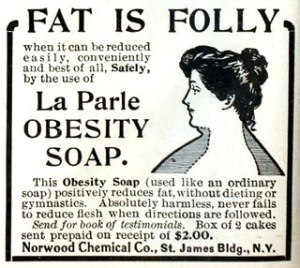
This post addresses with more detail a previous post on a diet time line, tilted Is Dieting Deadfrom Banting to weight loss surgery for the morbidly obese. The obese get blamed for their dilemma which adds to their guilt, whereas, the emphasis should be more focused on not only how hard weight loss is, but keeping it off avoiding the Yo-Yo dieting phenomenon.  This leaves the obesity industry even more gleeful as their customers keep returning. From Obesity Soap in 1903 to the dangerous Tape Worm Diet, the Drinking Man’s Diet, and eating disorders,  the quest furthers our national obsession with weight. An excellent book,The Hundred Year Diet:  America’s Voracious Appetite for Losing Weight, by Susan Yager aptly addresses this issue.


← Back

Thank you for your response. ✨

CLICK HERE.

The Tumultuous Sixties: The American Plate 1960 – 1969

Sally J. Feltner, M.S.,PhD

The French Chef

In 1945, an American woman went to Paris with her husband. While there, she attended the Cordon Bleu cooking school and became very fascinated with French cooking. She was eager to share her fascination with others back in America, so when she returned she ended up writing a cookbook. In 1961, Mastering the Art of French Cooking by Julia Child was heralded by critics and housewives alike. But her TV show, The French Chef, which aired from 1963 to 1967, made her America’s first true celebrity chef. She inspired a generation to see the act of cooking as a joy and an art
In the United States. She alone is credited with restoring our culinary culture after a decade in the 50’s of processed food and a trend away from home cooking. She introduced us to the luxuries of butter, cream and cognac. The newly affluent were eager to try to attain culture and she made it very approachable. We were introduced to Cog au Vin, Boeuf Bourguignon, Mousse au Chocolate and Duck a l’Orange.  The 1960s decade was  stormy,  shaped by the clash of conforming tradition and radical change. WWII rationing was a distant memory; 50s casseroles were old & boring. The late 60’s brought social unrest with growing frustration over the Vietnam War, assassinations of a President (JFK), a civil rights leader (Martin Luther King), and a political candidate (Robert Kennedy).

The New York World’s Fair: 1964


“In 1964, international cuisine was scarce in the United States , and few Americans had tasted Indian, Korean or Middle Eastern food. At the 1964 New York World’s Fair they got their chance. With 140 pavilions representing 37 countries on a concourse of nearly 650 acres, taking in the entire fare was difficult with 112 restaurants to choose from, deciding where to eat was even tougher. The exhibition boasted regional foods from Japan and Lebanon, Africa and Spain, Hawaii and Belgium. The Indian pavilion served tandoori and paratha; The Korean pavilion featured kimchi and other garlicky specialties. Jordan’s restaurant offered hummus and shwarma and the Hawaiian pavilion had a luau. Spain’s stunning pavilion complete with an art gallery displaying original works by Goya, Valezquez, El Greco, Miro and Picasso, offered authentic Spanish fare at three restaurants.  the Belgium village had a 1500 seat beer Hall and a breakfast house that introduced the Belgium waffle to America. The fat,  fluffy treat piled high with strawberries and whipped cream was, without a doubt, the fair’s biggest food sensation.”  Bon Appetit, September, 1999.

‘Eggo waffles were invented in San Jose, California, by Frank Dorsa, who developed a process by which waffles could be cooked, frozen, and packaged for consumers. In 1953, Dorsa, along with younger brothers Anthony and Sam, introduced Eggo frozen waffles to supermarkets throughout the United States. Because of the egg flavor, customers called them “Eggos”. Eventually the name became synonymous with the product and, in 1955, the Dorsa brothers officially changed the name to “Eggo”. In 1968, as a means of diversification, the Kellogg Company purchased Eggo.[4] Their advertising slogan—”L’eggo my Eggo”—developed by Leo Burnett in 1972 is well known through their television commercials.” WIkipedia

White House Style: The Kennedy Years

“From the moment Jacqueline and John F Kennedy moved into the White House in 1961, the world could see that a new generation had arrived. With their keen interest in history, literature, the arts, food and entertaining, the youthful, scholarly charismatic Kennedy’s roused stodgy Washington by setting new standards in everything from clothing to table decor and cuisine. The first lady, an avid recipe collector who loved French food, hired French chef Rene Verdon from New York’s Carlyle hotel to serve as executive chef at the mansion.  The Kennedys hosted legendary dinners with dance, concerts, poetry readings, performances of Shakespeare, and other entertainment that showcased the best America had to offer.”

Bon Appetit, September, 1999.

The Revolutions

Millions of people in the world were starving. Technology’s answer was food that was genetically engineered like soy and dwarf rice that had a short growing time, a phenomenal yield and would grow anywhere in Asia. It could produce two crops a year and yielded more rice per plant. This was the beginning of the Green Revolution. People began to eat more consciously after the book by Rachel Carson, Silent Spring was published. Her book spoke of the consequences of using pesticides which led people to be more aware about where food comes,

The Blue Revolution involved aquaculture or fish farming. Both these revolutions have pros and cons, critics and proponents. Aquaculture nevertheless is probably the world’s fastest growing form of food production and some believe that by 2030, aquaculture will supply most the fish people eat.

greenrevolution

Counterculture Cuisine – Hippie Food

Some people took it a few steps further by growing their own fruits, vegetables and herbs, milked farm animals and revolted against white foods – Minute Rice, Cool Whip, instant potatoes, white sugar, white bread. Hippies dominated the culture and brought with them a return to unprocessed foods. They baked their own bread, made peanut butter tahini and hummus and ate brown rice and brown eggs. They brought to our attention cooperatives, vegetarianism, and fresh food markets and health food stores. Food quickly evolved from French cooking to “back to the earth” attitude.

In the 1960’s overabundance, fast foods and processed foods led to the beginnings of the obesity problem in America.  On the diet front, Jean Nidetch and several friends met in her apartment in 1961 to counsel each other about dieting. Her support group eventually became Weight Watchers. The sugar free soft drink Tab is introduced in 1963. In 1967, Twiggy, 5’7” and weighing just 92 pounds becomes a supermodel and influenced thousands of young women to rethink their body image to try to meet her standards. The slogan “thin is in” quite possibly led to a resurgence of eating disorders like anorexia nervosa, bulimia, and binge-eating that saw its roots in the Victorian days of the 19th century.


newton-stewart-health-foods

Sources:  Linda Cvitello, Cuisine and Culture: A History of Food and People, 2nd Edition.

SPAGHETTIOS

Tackling strands of spaghetti on a fork is a formidable challenge for a toddler which requires a bottle of “Mr. Clean” on hand. So in 1965, Franco-American came up with a solution by inventing a kid-friendly spaghetti for babies. Original shapes were discussed using stars, cowboy shapes, spacemen, but eventually it was decided to use four different sized circles while making the sauce sweeter and cheesier than adult canned pasta for adults.

The pasta was put in a can decorated with a childish drawing of a face with two pasta rings for eyes which appealed to both kids and parents. The ad campaign featured the song, “Uh, oh” Spaghettios” jingle sung by a pop singer, Jimmie Rodgers. Often today’s baby boomers can sing the whole song from memory.

To clarify the Jimmy Rodgers thing – there was a country singer named James Charles “Jimmie” Rodgers who died in 1933. However, the Spaghettios singer was born James Frederick “Jimmie” Rodgers who was born in 1933.

Carolyn Wyman, Better Than Homemade: Amazing Foods That Changed the Way We Eat

A Trivia Timeline

1960 About 35% of all women work outside the home and they average 60 cents for every dollar earned by men.

1960  The civil rights movement begins with lunch-counter sit-ins in Greensboro, N.C.

1961   Sprite hits the market.

1962   John Glenn says that his first meal in space, applesauce through a tube, is nothing to write home about.

1963    Kenner develops the Easy Bake Oven “toy”.  The working oven is introduced at the 1964 toy fair and more than 500,000 are sold the first year at a price of $15.99.

1964   The first Coke in a can appears.

1965    The immigration Act of 1965 begins the influx of millions of people from China, Hong Kong, Taiwan, Japan, Korea, Thailand, Eastern Europe, the Philippines, India, the Middle East, Africa, Mexico and Central and South America.

1966    Doritos, the first tortilla chips, are launched nationally.

1967    Campbell Soup Co. acquires Godiva Chocolate and begins to supply the U.S. from its Reading, Pa. plant.

1967    The National Football League adopts Gatorade as its official drink.

1969   Dave Thomas opens the first Wendy’s in Columbus, Ohio. He has already made $1 million by taking over Kentucky Fried Chicken restaurants.  Wendy’s is named for his daughter.

1969   Pringles potato chips are introduced.

Source: The Century in Food: America’s Fads and Favorites, Beverly Bundy