The Rising Rate of Obesity and Its Consequences

“The headlines this week broadcast the following research:  Doctors at NYU Langone Health center conducted the largest study so far of US hospital admissions for COVID-19, focused on New York City. They found obesity, along with age, was the biggest deciding factor in hospital admissions, which may suggest the role of hyper-inflammatory reactions that can happen in those with the disease.”

Just what are the latest facts and implications about our obesity epidemic in the U.S.?

This data is from the U.S. Centers of Disease Control and Prevention in February 2020 and presented in Life Extension Magazine, May 2020.

  • A startling result is that 42.4% of adults are obese. Additionally, 31.8% were overweight.
  • This situation is expected to not improve statistically. A study in the New England Journal of Medicine estimates that by 2030, the percentage of obese American adults will rise to 48.9%. These percentages reflect a total of $446 billion dollars of medical costs annually.
  • Women, African Americans, and those with a low socioeconomic status are affected at a significantly higher rate.

What are the medical implications?

  • Excess body weight increases the risk of developing and dying from a broad spectrum of cardiovascular diseases, cognitive disorders (e.g. Alzheimer’s) and at least 13 different types of cancers.
  • Obesity has been determined to be the underlying cause of approximately 20% of deaths in the United States.
  • An analysis of 57 studies encompassing 900,000 individuals published in Lancet found that for every 5 point increment in Body Mass Index was associated with a 30% increased mortality risk.
  • Additional negative effects of excess weight include fatty liver disease, sleep apnea, chronic pain syndromes like low back pain, IBS, osteoarthtis, depression, negative pregnancy outcomes, and chronic inflammation.

Foods that Kill

There are many factors that contribute to the rise in obesity rates; however, diet and lifestyle have recently been identified and collectively referred to as components of the Standard American Diet (SAD). One of these is processed food.

  • Processed foods tend to be high in added sugar, salt, oil and unhealthy fats are often mentioned as well as ultra-processed foods that are so altered that they hardly resemble their original whole-food state.
  • The food industry refers to them as an “industrial product” loaded with additives that attempt to enhance the food’s characteristics such as food stability, shelf life, textures, colors, and flavors. They are often referred to as emulsifiers, humectants, and sequestrants or others that have barely recognizable names.  Ultra-processed foods are often ready-to-eat, require minimal preparation and are highly marketed. Ultra-processed foods account for more than 60% of dietary energy in the U.S.
  • Populations that have the lowest intake of processed foods exist and have been recently studied and known as the Blue Zones. These are groups of individuals that live an average of 10 years longer than those in cultures who consume the SAD, otherwise known as the Western diet. These areas are found around the globe in Sardinia, Italy, Ikaria, Greece, Okinawa, Loma Linda, California, and Nicoya, Costa Rica.
  • An observational study of Spanish university graduates followed participants for a median of 10.4 years. Consumption of an average of 5.3 servings of ultra-processed food per day, compared to an average of less than 1.5 servings per day, was associated with a 62% increase for all-cause mortality. For each additional serving, this risk increased by 18%.

What Is the Optimal Diet?
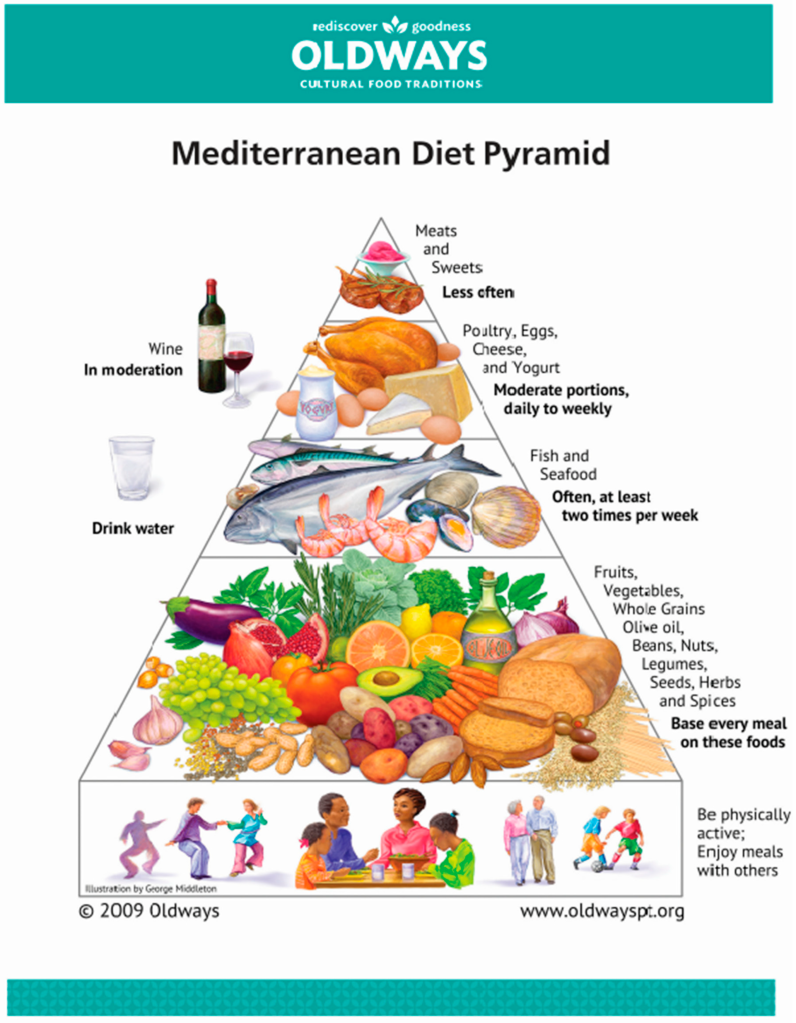
There are numerable reports on the health benefits of vegan, vegetarian, or plant-based diets. However, there is one diet that has been studied extensively for its healthy effects called the Mediterranean Diet. There is no one Mediterranean diet; however, it is usually associated with the intake of vegetables, fruits, whole grains, beans, nuts and seeds, extra-virgin olive oil, fish, seafood, moderate amounts of poultry, eggs, and dairy products. Red meat and sweets are limited as well as a low intake of processed foods.  A moderate intake of wine is acceptable. (moderate = 1-2 glasses).

Conclusions:
A possible molecular explanation for why overweight is harmful has been discovered by researchers. They suggest that overeating increases the immune response. This response causes the body to generate excessive inflammation  during the COVID-19 infection and that inflammation is at the core of many other chronic diseases.
University of Oslo. “Being overweight causes hazardous inflammations.” ScienceDaily, 25, August 2014.
If current trends continue and we find that 50% of our population is in the obese weight category, there will be alarming rates of catastrophic health consequences. Our health care costs will become unsustainable. It is a common belief that as long as you are not obese, you can be overweight and still be healthy. This is not always true. Many studies have found that a higher weight was associated with a higher risk of dying; however, this has remained  a major debate issue among obesity experts.

How much sugar?

We know in times like these, our sugar intake is the last concern on our minds. In fact, we may be eating more of it due  to stress and discontent of our current environment.   But when this horrible pandemic is over, we have to try to get back to improving our diets as much as possible to make up for lost time. Here is a good article about sugar intake that is in reality reasonable and informative in general about the glycemic index, fructose, and artificial sweeteners and processed foods.

CLICK HERE.

The French Diet vs. the Standard American Diet (SAD)

Savor Variety with the French Cuisine

To safeguard one’s heath at the cost of too strict a diet is a tiresome illness indeed.

— Francois Duc de La Rochefoucauld (1613-1680) French writer and moralist.

The French have long known that eating well is a integral part of the whole of French culture. This is reflected in their custom of a set of what is called “global” secrets from an engaging book entitled 30 Secrets of the World’s Healthiest Cuisines by Steven Jonas, M.D. and Sandra Gordon. In addition, the French attachment to the finer foods in life has resulted in them being some of the healthiest, leanest,  and perhaps most guilt-free people in the world.

France At A Glance:

  • Moderate drinking – of course moderation is the key. Everyone knows the hazards of excess drinking. The French drink only with food – no happy hours!!!
  • Lots of fruits and vegetables
  • No snacking or dieting – this is important since the typical American eater often binges on snacks when on a very restrictive diet. Chronic dieting has been shown to increase weight gain in some people.
  • They eat large lunches and often extend and enjoy the lunch hour – no grabbing a carton of yogurt at your desk or going through the drive-thru or visiting the vending machine  like  the typical American eater.
  • They resize the supersize. “There is no such thing as a doggie bag in France, since restaurants never give you enough to put anything in it,” one says.
  • They don’t feel guilty about food. One of their reminders about food – “If you eat too much, the next day you eat less,” they say.  They weigh themselves about once a month – if that. However, scale weight can be used as a red flag when weight begins to creep upward.
  • Take the time to cook properly and use fresh, quality ingredients. You don’t need  to be Julia Child, but butter and cream are revered (in moderation, of course). Microwave ovens and can openers are not staple kitchen items.

CLICK HERE.

Nutrition News in Brief


Drinking Tea and Healthy Brains

Tea has been a popular beverage since antiquity dating back to the dynasty of Shen Nong (2700 BC). Drinking tea has become increasingly popular in western countries today. It is assumed that the types of tea were both black and green teas; however, this was not designated in the abstract below.

A study from the journal Aging reported that drinking tea was associated with a healthy brain.

Method: The current study compared 15 tea drinkers aged 60 and older to 21 people in the same age group who did not regularly consume tea.

The researchers gave neuropsychological tests to the participants that evaluated cognitive function and used magnetic resonance imaging (MRI) to assess brain connectivity.

Results and Conclusion

The tea-drinking group had better organized brain regions and cognitive functions compared to those in the group who were not tea drinkers.

The authors stated: “Our results offer the first evidence of positive contribution of tea drinking to brain structure and suggest that drinking tea regularly has a protective effect against age-related decline in brain organization.”

__________________________________________________________________________________________________________________________

Blueberry Intake May Reduce Cardiovascular Risk

A study reported in the American Journal of Clinical Nutrition found a lower risk of cardiovascular disease among men and women with metabolic syndrome who consumed the equivalent of a cup of blueberries daily for six months. Metabolic syndrome is a collection of health risks, including high blood pressure, altered blood lipids, high blood glucose and a large waist circumference, that increases the chance of developing heart disease, stroke and diabetes type 2.

Method: A total of 138 individuals were randomized into groups that were given either 26 grams of powdered blueberries  (equivalent to a cup of fresh blueberries), 13 grams of powdered blueberries plus 1/2 cup of a mock blueberry placebo, or 26 grams of the placebo.

Insulin resistance, flow mediated dilatation (a measure of endothelial function), augmentation index (which measures artery stiffness), cholesterol and other factors were measured before and after the intervention. Endothelium refers to the cells that line the interior surface of blood vessels in the body as well as the lymphatic vessels

Results: The researchers observed an improvement in endothelial function and arterial stiffness in the group that received 26 grams of blueberry powder.

Conclusion: The authors stated: “The simple and attainable message to consume one cup of blueberries daily to consume one cup of blueberries daily should be given to those aiming to improve their cardiovascular health.”


.


Eat Less for a Longer Life?

Calorie restriction has been shown to extend lifespan in many animal species. Even though the following article is an animal (rat) study, it is very interesting since it goes further than most studies by examining the effects on the body cells themselves of a calorie restricted diet versus a control group with no calorie restriction.

Some people find this easier to do with the practice of intermittent fasting (or time-restricted) eating patterns. It is suggested that you consult your physician with any restrictive diet (e.g., Keto) since it is imperative we still get all the proper nutrients we need for optimum health.

An alternative could be is to consult a certified nutritionist or health coach.  Be careful who you might choose for nutrition information. Unfortunately, some practitioners in the nutrition community offer services that are highly questionable and appear to be outside the legitimate scope of evidence-based nutrition.  Even advanced degrees can be purchased from what used to be called “diploma mills”.  There are a lot of crazy schemes (mostly for weight loss) on the internet – question and check on the  credentials of any person who call themselves a “nutritionist.”  Also if a plan or a supplement sounds too good to be true, it probably is. Stephen Barrett, MD, a long-time crusader against nutrition and health fraud, recommends steering clear of:

  • Anyone who suggests  that large doses of vitamins are effective against a large number of diseases and conditions. That is simply untrue. On the contrary, mega doses can sometimes be harmful.
  • Anyone who suggests hair analysis is a basis for determining the body’s nutritional state and then recommending large numbers of dietary supplements are not reliable for this purpose.
  • Anyone who claims that a wide variety of symptoms and diseases are caused by “hidden food allergies”. There are legitimate food intolerances that are different from true allergies.
  • Anyone who uses a computer-scored “nutrient deficiency test” as the basis of prescribing dietary supplements. There are more valid ways of assessing diets.
  • All practitioners – licensed or not – who sells vitamins and minerals in their offices. Evidence-based nutritionists  do not sell supplements.
  • Practitioners who seem to favor a certain food brand or supplement. There is a lot of research that is supportive of the food industry and research on that particular brand is often biased.

Source: Quack Watch, Where  to Get Professional Nutrition Advice, Stephen Barrett, MD.

CLICK HERE.

The Standard American Diet: SAD Realities

The American Plate

When the truth is addressed, we really do not know much about nutrition science,  especially its physiological influences on our health. This dilemma results in the ongoing debates about just what is a healthy diet. In reality, nutrition is an infant science that has been ignored by some who feel  it is relatively an unimportant  factor on our health issues.

Doctors do not help the situation – most will admit that they never received much education about how the diet can affect heath parameters. My own doctor never mentioned the fact that even though I had lost 20 pounds intentionally since my last visit, he never asked me any particulars about the diet that got me there. One would think that he might have inquired if  the weight loss was not intentional, therefore indicating a health problem. He also never mentioned the resulting  lab value changes, primarily total cholesterol, LDL, HDL, triglyceride, blood glucose, blood pressure values that had improved with the dietary changes I had made on my own.

But most people are not aware of how diet can affect our heath (the emphasis has been only on weight loss).  When doctors don’t  mention it, patients do not receive the        proper information on diet interventions. For example, if their total cholesterol is too high, they are told to eat a low cholesterol, low fat diet (outdated advice) and/or placed on a statin drug.  Nutrition science has come a long way since those days from a couple of decades ago. The prudent way would be to give diet a chance. Diet advice is abundant on the internet. However, you should be careful about some of it – look for help from certified nutritionists (Registered dietitians or others with certification from a health coach program, for example.)

The following article written by Reinoud Schuijers explains quite well the problems with the Standard American Diet (SAD)  as the three “assassins” – refined vegetable oils, sugar and grains. He seems to follow a keto-type diet; however, research has not yet fully investigated the long-term effects of this highly restrictive plan.

Take charge of your own heath and encourage your doctor to help you take the path to healthy lifestyles. The internet is teeming with diet advice, but use it wisely. In my opinion (contrary to the following article) it may help to consult with a certified dietitian or certified health coach). But you don’t need to follow complicated meal plans – the best diet is one you form based on your lifestyle and food preferences. Say away from highly restrictive plans, fads and detoxification schemes as well as diet pills.

CLICK HERE.

Who Lives Longer? Why?

A flag concept of a dinner plate with the flag of France on it.

More lessons are to be learned from the French culture. They just keep giving and we (the U.S) just keep ignoring their clues reflected by their lower disease rates (some of the lowest on the globe).

For example, the cardiovascular disease rate: 86.89 deaths in U.S per 100,000 population; 43.25 in France. The obesity rates are much higher in the U.S. than in France. However the lower rates are climbing in France due to less adherence to their traditional diets and their higher intake of Westernized fast and processed foods.

The dietary lessons are relatively simple suggestions(in my opinion). The  French generally do not diet or snack. They enjoy food and eat sensibly when it comes to portions. There may be others that are more complex. Please check out the table and graph in the article.

CLICK HERE.

The Simple Way to Eat?

Was a new diet part of your 2020 resolutions?  Great, but forget the new fads, diet pills, and starvation deprivation. There are many of the old diets still around- keto, paleo, Whole 30, NutriSystem, Jenny Craig to mention a few.  Just look at the magazine covers at the supermarket checkout – keto seems to have taken over all the others. The keto diet is quite restrictive, difficult to maintain and the long-term effects are not known. There is little evidence that  this type of restriction, although shown to be effective for weight loss, may not be a lifestyle choice for most people. Is there a better way? In my opinion, yes. The best diet is one you can live with and with a few adjustments compatible with the foods you choose. The best diet is one that with a little guidance and knowledge, is decided by you.

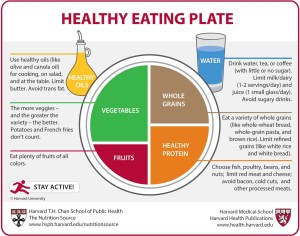
The following article is worth looking at if you want a simple approach.  All you need is a plate, a bottle of water, real food and of course, your commitment. And even better, this plan lets you be in control in following a reasonable and evidence-based plan that can fit easily into your lifestyle.

The article speaks for itself and provides a few links to add to the basics, i.e. some things you need to know like a guide to non-starchy vegetables. Oh, you may have to give up fast food and processed foods for a while. But, you may be glad when you realize that you will feel a lot better (and healthier) and the effort will be well worth it.

Don’t get me wrong – I don’t want to say that weight loss itself is easy – it ‘s hard work but worth it when your goals are either weight loss or just changing to a healthier lifestyle.    That is why this plan is appealing. it is straightforward and makes sense.

So join the new “non-diet” approach that will help you lose some pounds but even better, eating for health. That is what eating should be about, not body image, eating disorders and food restriction. Learning how to eat rather than  just what to eat  is the answer (my opinion). ENJOY!!

One more thing – Always consult a registered dietitian, certified nutritionist, and your primary physician to discuss any dietary change to make sure it is nutrient dense. Also make sure you have no underlying medical problems like high cholesterol, hypertension, pre-diabetes, diabetes or digestive issues, for example.

CLICK HERE.

Portion Distortion: Then and Now?

Portions are out of control in the Standard American Diet. Do you know how much food you ate yesterday? If you had meat what size of serving of meat? Whatever happened to the single burger?  Few people are aware of how much food they eat. Portion sizes of today’s food tends to exceed standard serving sizes due to our past experiences at family meals, the size of servings at restaurants, supersize meals, large bakery products and larger cups of soft drinks all contribute to the problem.

Typical portion sizes and calorie content of foods in the marketplace versus calorie content and portion sizes 25 years ago.

Food Portion size

Calories 25 years ago

Marketplace portion sizes

Calories now

Bagel 3- inch diameter, 140 calories 6 -inch diameter. 350 calories
Cheeseburger 4.3 ounces, 343 calories 7.1 ounces, 535 calories
French fries  2.4 ounces, 210 calories 6.9 ounces, 610 calories
Soft drink 6.5 ounces, 85 calories 20 ounces, 820 calories
Muffin 1.5 ounce, 167 calories 6.5 ounce, 724 calories

CLICK HERE


The Mediterranean Diet? Olive Oil and Longevity

The Mediterranean Diet has gained fame and much has been written about it since its debut circa 1960. Actually, there is no one Mediterranean diet, the diets of southern France, Italy, Spain, and Greece share several characteristics that make this healthy diet what it is today.

What makes this diet so important for our health? Disease statistics and incidence rates show that countries eating the Mediterranean way for centuries have traditionally been on the good side. These countries have reported statistics that have significantly lower death rates from cardiovascular disease than does the United States. Each of these countries also shows only a fraction of the U.S. rates for breast, prostate, lung and colon cancers. Furthermore, on average, the people of the Mediterranean live about a year longer than U.S. citizens.

What is this diet all about?

CLICK HERE.