Food and Mood? Neuronutrients

Good Mood Foods: How Diet Affects Happiness

Lani Muelrath is a bestselling author, speaker, and TV host known for her expertise in plant-based, active, and mindful living. This article is adapted from her newest book,  The Mindful Vegan, a 30-day plan for shedding old thinking patterns and living more joyfully with food.

If you are presently piling plenty of colorful plants on your plate, you are already at a better mood advantage. Research tells us that plant-based diets are associated with healthier mood states. The more fruits and vegetables people eat, the happier, less depressed, and more satisfied they are with their lives. Today, we’ll focus on how, grounded in your biochemistry, eating more plants and eliminating animals and their products from your diet creates greater mental well-being and resilience.

Plantified Plate = Mood Elevator Up

A recent study of nearly 1,000 men and women examined the mood impact of obtaining dietary antioxidants. Antioxidants are health- and disease-protective bioactive chemical compounds produced by plants. In the study, those who ate three or more servings of fruits and vegetables a day reported significantly greater optimism than those who ate less. Eating lots of veggies also bumps up the B vitamins in your diet, positively affecting mood states.

Another recent, large-population, multi-wave study — taking place five times over the course of nine years — focused on the impact of fruit and vegetable intake on depression, anxiety, and mental health disorders.

Results were consistent across all five waves: greater fruit and vegetable consumption was positively associated with reduced depression, less psychological distress, fewer mood and anxiety problems, and improved perceived mental health.

Study after study corroborates. A large Swiss survey reported significant associations between higher fruit and vegetable consumption and reduced distress levels. People who ate less than the five-servings-a-day recommendation had a higher likelihood of reporting stress and anxiety than those who didn’t. A recent study on women’s health from Australia followed over 6,000 women. The findings? Reduced depression among women who simply ate more than two pieces of fruit a day. And the benefit increased when accompanied by higher intakes of vegetables.

Can Cutting Meat Improve Your Mood?

We get it — eating more plants boosts your mood. What if we look at it another way — cutting out the meat? How might that affect your state of mind? As it turns out, emotional resiliency and elevated mood states arise for more reasons than simply because you know you are doing the right thing. There’s a deeper biochemical component that underpins well-being that comes with veganizing your plate.

According to research, reduced intake of animals and their products has mood benefits in addition to those that come with a robust daily intake of fruits and vegetables. Avoiding meat, fish, and poultry leads to more frequent reports of positive states of mind. And vegans report lower anxiety and less stress than omnivores.

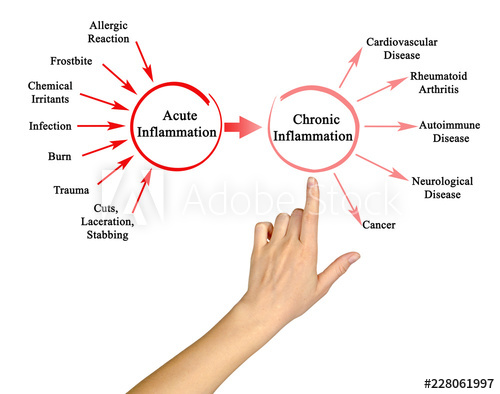
Inflammation and Increased Risk of Depression

Putting it all together, the Western diet — characterized by scanty consumption of plant foods, yet heavy on the animal products — is associated with increased risk of depression. Depression is related to inflammation in the body. Arachidonic acid, found only in animal products, is a precursor to inflammation. Research shows that high intakes of arachidonic acid promote changes in the brain that can disturb mood.

Here’s how it works. By eating chicken, eggs, and other animal products high in arachidonic acid, a series of chemical reactions is triggered in your body that results in inflammation. When inflammation reaches the brain, feelings of anxiety, stress, hopelessness, and depression follow. No wonder people who avoid animal flesh and products report a happier, more positive mood. And plant foods — to the rescue, once again — naturally lower inflammation due to their naturally high antioxidant content, antioxidants being one of nature’s most powerful anti-inflammatory agents.

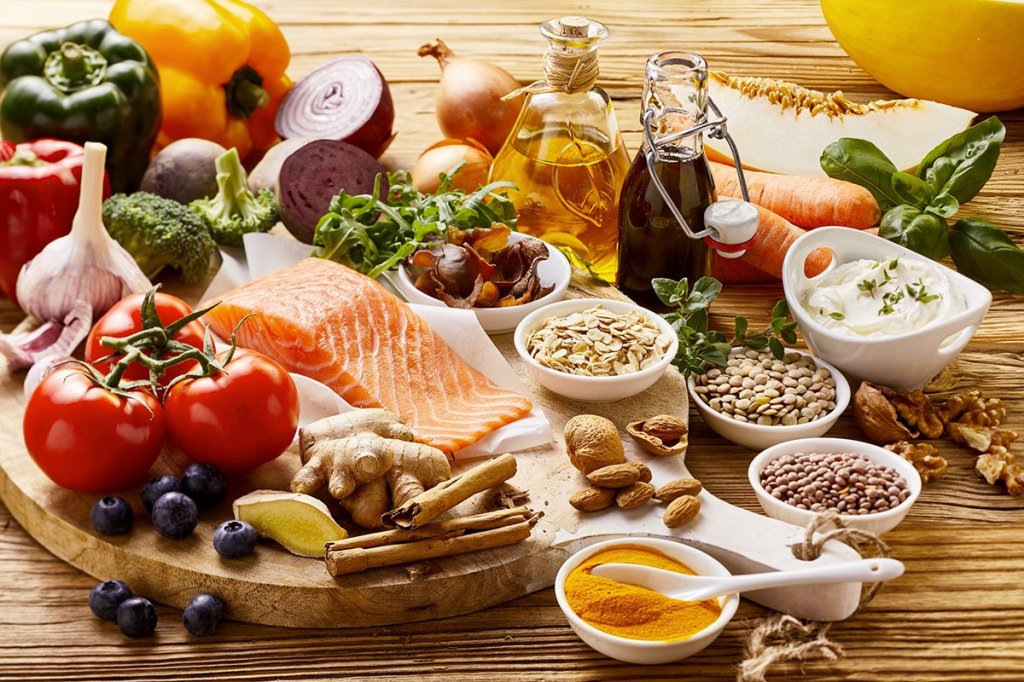
Nutrients provide the biological building blocks for neurotransmitters — the chemicals in your brain that deeply affect how you think and feel. When you aren’t eating enough vitamins, minerals, antioxidants, polyphenols, and related nutrients found in plants — known in this context as neuronutrients — you can’t make adequate mood-enhancing transmitters. These gems of plant nutrition, by the way, are the same goodies proved to be brain protective against Alzheimer’s disease and other forms of dementia.

Diets rich in the kind of saturated fats that are abundant in animal products — and deficient in antioxidants and vitamins — appear to promote the onset of the disease, whereas diets rich in plant-plentiful vitamins, antioxidants, and polyphenols suppress its onset. All the colors plants bring to your plate are evidence of the nutrients your brain needs for better disposition. No wonder just seeing your luncheon salad makes your mood brighten.

Author Sources:

1. Bonnie L. Beezhold, Carol S. Johnston, and Deanna R. Daigle, “Vegetarian Diets Are Associated with Healthy Mood States: A Cross-Sectional Study in Seventh Day Adventist Adults,” Nutrition Journal 9, no. 26 (2010), doi:10.1186/1475-2891-9-26.
2. Ciara Rooney, Michelle C. McKinley, and Jayne V. Woodside, “The Potential Role of Fruit and Vegetables in Aspects of Psychological Well-Being: A Review of the Literature and Future Directions,” Proceedings of the Nutrition Society 72, no. 4 (2013): 420–32, http://www.ncbi.nlm.nih.gov/pubmed/24020691.
3. Juila Boehm et al., “Association between Optimism and Serum Antioxidants in the Midlife in the United States Study,” Psychosomatic Medicine 75, no. 1 (2013): 2–10, http://aging.wisc.edu/pdfs/3006.pdf.
4. Ulka Agarwal, “A Multicenter Randomized Controlled Trial of a Nutrition Intervention Program in a Multiethnic Adult Population in the Corporate Setting Reduces Depression and Anxiety and Improves Quality of Life: The GEICO Study,” American Journal of Health Promotion 29, no. 4 (2015), http://www.ncbi.nlm.nih.gov/pubmed/24524383.
5. Seanna E. McMartin, Felice N. Jacka, and Ian Colman, “The Association between Fruit and Vegetable Consumption and Mental Health Disorders: Evidence from Five Waves of a National Survey of Canadians,” Preventative Medicine 56, no. 3–4 (2013): 225–30, doi:10.1016/j.ypmed.2012.12.016.
6. Aline Richard et al., “Associations between Fruit and Vegetable Consumption and Psychological Distress: Results from a Population-Based Study,” BMC Psychiatry
endnotes 15, no. 213 (2015), http://bmcpsychiatry.biomedcentral.com/articles/10.1186/s12888-015-0597-4.
7. S. Mihrshahi, A. J. Dobson, and G. D. Mishra, “Fruit and Vegetable Consumption and Prevalence and Incidence of Depressive Symptoms in Mid-age Women: Results from the Australian Longitudinal Study on Women’s Health,” European Journal of Clinical Nutrition 69, no. 5 (2014): 585–91, http://www.ncbi.nlm.nih.gov/pubmed/25351653.
8. Tamlin S. Conner, et al., “On Carrots and Curiosity: Eating Fruit and Vegetables Is Associated with Greater Flourishing in Daily Life,” British Journal of Health Psychology 20, no. 2 (2015): 413–27, http://www.ncbi.nlm.nih.gov/pubmed/25080035.
9. Bonnie L. Beezhold et al., “Vegans Report Less Stress and Anxiety Than Omnivores,” Nutritional Neuroscience 18, no. 7 (2014),

Does Diet affect the immune system?

An excerpt from an article on diets and the human immune system – Both most recently becoming important in our medical culture since the onset of /or prevention of Covid- 19.

Benefits of a vegan versus ketogenic diet

Investigators recruited 20 individuals for the study, which included both men and women, individuals of different ethnicity and body size based on BMI calculationTrusted Source. During the first two weeks, the participants would eat only one type of diet, either vegan or ketogenic, and then switch to the other diet for an additional two weeks.

Both diets included non-starchy vegetables and minimum amounts of highly processed food.

However, that is about where the similarities ended.

A vegan diet is entirely plant-based, excluding all animal products, including meat, fish, milk, and eggs. It includes staples like legumes, rice, root vegetables, whole grains, soy products, fruits, and vegetables On the other hand, the ketogenic or “keto” diet, as it is popularly known, embraces meat and fat, generally derived from animal products.

The difference in the diets also extended to more than the makeup of specific foods.

Those on the vegan diet got the majority of their calories from carbohydrates and almost none from fat — 75% carbs and 10% fat. While the ketogenic was the complete opposite, deriving 75% of calories from fat and 10% from carbohydrates.

Although in both diets participants were able to eat freely, those on the vegan diet tended to eat fewer calories overall.

During the study, researchers collected and analyzed samples, including urine, blood, and stool, to look for biological changes caused by the diets. The samples were investigated using advanced fields of study, including:

  • Proteomics: the study of proteins and their cellular activities
  • Metabolomics: the study of metabolites and molecules resulting from metabolic functioning
  • Transcriptomics: The study of all RNA molecules

https://8cb85b29c191a05b35813853887fffb6.safeframe.googlesyndication.com/safeframe/1-0-40/html/container.html

How does diet affect immunity?

Diet is known to affect the microbiome, which results in downstream effects on the immune system and disease risk. The significance of the NIH’s finding is that it helps to shine some light on the complex relationship between diet, microbiome, and immunity.

Despite knowing that diet affects the microbiome and that the microbiome affects immunity, the direct mechanisms between diet and immunity still aren’t clear.

“Microbiomes are organisms (bacteria, viruses, fungi, parasites) present throughout our body, with the largest composition in the GI tract (small and large intestines)…The co-existence of these microorganisms in the body helps produce immunity by exposing, conditioning, and training the body to numerous organisms since birth,” said Dr. Roopa NaikTrusted Source, MD, who spoke with Healthline about the study and has previously published on the impactTrusted Source of vegan diets on health.

Dr. Akiko Iwasaki, PhD, a Professor of Immunobiology at Yale School of Medicine, told Healthline that the NIH research indicates, “We’re coming full circle in terms of trying to understand how diet can impact immunity. It seems that both types of diets are able to help the host cope with viral infection.”

Healthline. Eating Vegan, Keto Diets May Help Improve Your Immune System in 2 weeks. Feb.2, 2024

Written by: Gigan Mammoser

Edited by: Jase Peeples

Fact Checked By: Amanda Ward.

The Blue Zone

A look inside the United States’ first-ever certified “Blue Zone” located in Minnesota

By Erin Hassanzadeh

Updated on: December 1, 2023 / 12:45 PM CST / CBS Minnesota

ALBERT LEA, Minn.  — Living to 100 may seem like a major feat, but there are communities around the world where it’s common — they’re called “Blue Zones.”

Minnesota native Dan Buettner is one of the foremost experts on how they work. Buettner’s new Netflix documentary and New York Times bestsellers reveal the secret recipe to longevity.

“It’s really what they’re not doing. They’re not doing anything consciously, and there’s where we get it wrong,” Buettner said. “We think we can resolve to get on the right diet, the right exercise program, supplement plan, superfoods, and get healthier. But it never works.”

Buettner said that the “superagers” are often walking outside, having spontaneous conversations with the people they bump into, having a smaller dinner, and eating mostly a whole food, plant-centric diet.

Several years ago, a Minnesota community decided it wanted families to follow his guidance. Albert Lea made headlines in 2016 when it became the first community in the country to be a certified Blue Zones community.

READ MORE: Longevity-prone geographic “Blue Zones” hold clues for how to live longer, healthier lives

“I came to Albert Lea in 2008 with this crazy idea of doing this pilot project to help us live longer and better,” Cathy Malakowsy said.

Neighbors like Mary Jo Volkman hopped on the bandwagon, living the Blue Zone life — with more movement, socializing and healthy eating habits.

“I remember people getting together and walking all the time and going to people’s homes to have meals together,” Volkman said. 

The community added more events, healthier school lunches and community spaces like dog parks— encouraging people to get together and get moving,

The Mayo Clinic in Albert Lea hopped on board as the largest employer in town with similar values.

“Getting people on board was easy. I think our challenge has been keeping it alive over this time. With anything, it’s going to ebb and flow,” Tricia Dahl with the Mayo Clinic said.

Part of the blue zone build-out was constructing a walkway along the highway in Albert Lea so it allows residents to walk to the local Walmart and do their errands if they want. It’s also safer for pedestrians and cuts down on emissions from cars, moving them closer to their climate action goals.

“We’ve added almost 13 new miles of sidewalks and user trails in town,” Malakowsy said.

Employers like Arcadian Bank keep Blue Zones alive with their healthy vending options. They also have break rooms for nursing moms and workout spaces for movement and respite throughout the workday.

“That’s what we’re trying to do is just make healthy habits available to people,” Jessica Tomschin said.

According to the results of a self-reported survey, residents’ overall well-being, sense of community and sense of purpose is up.

“So many people report that they are thriving. Albert Lea has really dropped in the percentages of people with high blood pressure, same with high cholesterol. For some reason we’re lagging with exercise,” Malakowsy said. “Our tobacco use has dropped down.”

Of course, there are headwinds too.

“Food continues to be our big challenge — access to food on our south side of town,” Malakowsy said.

But community leaders say trying to make life better for everyone brings the “it” factor to Albert Lea.

“We figured out we’re a Blue Zones community, which is all about being a great place to live,” Malakowsy said.

Your Gut and Immune System

YOUR GUT Supports Immune Defenses

Eighty percent of your immune system is in your gut, so it makes sense that a well functioning gut is critical for a clean bill of health. An essential job of the gut is to arm the digestive tract against inflammatory and other harmful disease causing substances, for example in inflammatory bowel disease (IBD). When there is a breakdown in the microbial lining that in banding together kept the lining strong, a loss of that strength is said to create a “leaky” gut that starts a whole inflammatory response to create chronic disease such as diabetes, heart disease, fatty liver, obesity, cognitive disorders and depression.

Your Gut Influences your weight and weight maintenance.

A 2021 study published in Scientific Reports tested the effects of a probiotic (“good” bacteria”) on weight loss in 70 subjects who were all overweight. 35 adults took probiotics and the remaining 35 took a placebo. After nine months with no exercise or diet interventions, 40% of the probiotic group had lost a clinically significant amount of weight compared with 3 percent in the placebo.

Dietary fiber is associated with promoting weight loss. In the body, fiber is fermented in the intestine creating short-chain fatty acids thatt help promote healthy metaboilisms. A healthy blood sugar balance and fat storage is also reported that affects weight maintenance that is so important in weight loss. Short-chain fatty acids (SCFA’s) also help alleviate or lessen inflammation by acting on hormonal and satiety receptors.

“Whole person health starts in the gut, says Supriya Rao, M.D., managing partner at integrative Gastroenterolgy Consultants, Rao explains the importance of getting enough exercise to improve gut health. Being sedentary or sitting is the new smoking” he says. Your gut health will thank you.”

The Brain-Gut Connection?

YOUR GUT Supports Immune Defenses

Eighty percent of your immune system is in your gut. An essential job of the gut is to arm the digestive tract against inflammatory and other harmful disease causing substances, for example, in inflammatory bowel disease (IBD). When there is a breakdown in the microbial lining that in banding together kept the lining strong, a loss of that strength is said to create a so-called “leaky” gut that starts a whole inflammatory response to create chronic disease such as diabetes, heart disease, fatty liver, obesity, cognitive disorders and depression.

Your Gut Influences your weight and weight maintenance.

A 2021 study published in Scientific Reports tested the effects of a probiotic (“good” bacteria”) on weight loss in 70 subjects who were all overweight. 35 adults took probiotics and the remaining 35 took a placebo. “After nine months with no exercise or diet interventions, 40% of the probiotic group had lost a clinically significant amount of weight compared with 3 percent in the placebo.”

Dietary fiber is associated with promoting weight loss. In the body, fiber is fermented in the intestine creating short-chain fatty acids (SCFAs) that help promote healthy metabolisms. A healthy blood sugar balance and fat storage is also reported that affects weight maintenance that is so important in weight loss. It is futile to lose weight, then regain it back which establishes a pattern of what is called Yo-Yo Dieting. Short-chain fatty acids also help alleviate or lessen inflammation by acting on hormonal and satiety receptors in the body.

“Whole person health starts in the gut, says Supriya Rao, M.D., managing partner at Integrative Gastroenterology Consultants. He explains the importance of getting enough exercise to improve gut health. “Being sedentary or sitting is the new smoking” he says”,

A 2021 study published in Scientific Reports tested the effects of a probiotic (“good” bacteria”) on weight loss in 70 subjects who were all overweight. 35 adults took probiotics and the remaining 35 took a placebo. “After nine months with no exercise or diet interventions, 40% of the probiotic group had lost a clinically significant amount of weight compared with 3 percent in the placebo.”

Dietary fiber is associated with promoting weight loss. In the body, fiber is fermented in the intestine creating short-chain fatty acids (SCFAs) that help promote healthy metabolisms. A healthy blood sugar balance and fat storage is also reported that affects weight maintenance that is so important in weight loss. It is futile to lose weight, then regain it back which establishes a pattern of what is called Yo-Yo Dieting. Short-chain fatty acids also help alleviate or lessen inflammation by acting on hormonal and satiety receptors in the body.

“Whole person health starts in the gut, says Supriya Rao, M.D., managing partner at Integrative Gastroenterology Consultants. He explains the importance of getting enough exercise to improve gut health. “Being sedentary or sitting is the new smoking” he says”,

Crime and Nourishment???

We have all heard about the rising crime rates occurring in the U.S. Our first inclination is to wonder what could be going on in our country to cause this – or at least what is contributing to this disturbing shift of behavior?

“The issues of diet and criminal behavior are limited but intriguing. If you’ve ever found yourself in front of the TV after a bad day, mindlessly digging ice cream out of the container with a spoon, you know that mood and food are sometimes linked. But while stress eating is a verified phenomenon, the relationship between food and actual mood disorders, depression and even behavior needs some attention. Can dietary changes potentially improve our mental health.? What do the studies say?

Scientists looking for answers – Hints of a Link

Before, we jump into the science (research), some basics:

As we all know, our behavior is mostly controlled by our brain. Every organ in the human body requires nutrition to function properly and when it doesn’t get what it needs it functions abnormally. So, is there any reason that the brain should be an exception? The brain is a complex organ so that alone should be enough to assume that if it does not get the proper nutrition, it might just not work as well as it should.

Recent research offers a viewpoint that the brain and the gut “talk to each other” through the presence of the microbiome – the community of microorganisms that lives inside our digestive tract.  When this communication channel is “out of whack” or missing essential nutrition, major health problems can crop up in both the mind and body, enabling food sensitivities, allergies, digestive disorders, obesity, depression, anxiety, and fatigue.

“A study indicated that when levels of the brain chemical serotonin decrease from stress or not eating, it affects the brain regions regulating anger, potentially resulting in “a whirlwind of uncontrollable emotions”. 

“Prison studies suggest that many inmates have poor blood sugar control, compounded by a high-sugar diet. We all know how it feels when blood sugar drops – we feel moody, foggy. Apply that to someone from a disturbed backgound.”

In a randomized, placebo-controlled trial,  Oxford criminologist Bernard Gesch found that giving prison inmates a multivitamin and fatty acid supplement led to violent offenses dropping 37% compared to 10% for those who were given a placebo – findings that were confirmed by a later Dutch study.

“In a large study of prison diets, Stephen Schoenthaler, Professor of Criminology and Sociology at California State University found that prisoner’s eating habits could be used to predict future violent behavior. Normally, past violent behavior is considered the best prediction of future violence. But professor Schoenthaler found that a poor diet is an even better predictor of violent behavior.”

He also found that that in a study of young offenders in California, young adult men receiving vitamin supplements showed a 38% drop in serious behavior problems.

The types of problems associated with poor diet, such as aggression, attention deficits and hyperactivity can make impulsive behavior more likely. Low levels of iron, magnesium and zinc can lead to increased anxiety, low mood, and poor concentration, leading to attention deficits and sleep disturbances. Omega-3 fatty acids, are often deficient in the U.S. diet and needed to improve cognitive functioning.

“No one blames a poor diet as a cause of crime, nor is it the only solution. But if better nutrition in general can bring about a substantial reduction in violent crime in and out of prisons, that would be something to cheer about. For isn’t a good diet, made up of good food, a better and less expensive solution than just hiring more police and building more prisons?”

Needless to say, The Standard American Diet (SAD) needs more attention for all of us, not just in our prison population. Simply, with the input of nutrition scientists, education of the consumer, and cooperation of the food industry, we desperately need more healthy food choices for our personal health and that of our food culture.

Schoenthaler, S.J., Ames, S. Dorax, W., et al (1997)

The effect of randomized vitamin mineral supplementation on violent and non-violent antisocial behavior among incarcerated juveniles. Journal of Nutritional and Environmental Medicine, 7:343-352.

The Conversation: Crime and Punishment – the link between food and offending behavior. Hazel Flight, John Marsden, Sean Creaney. 2018

The Guardian. Can Food Make You Angry? Rebecca Hardy. Wed.24 Apr 2013.

C. Bernard Gesch, Sean M. Hammond, Sarah E. Hampson, Anita Eves, and Martin J. Crowder

Influence of supplementary vitamins, minerals and essential fatty acids on the antisocial behavior of young adult prisoners. British Journal of Psychiatry 2002, 181, 22-28

How to Live the Mediterranean Way

How to Live the Mediterranean Way and How to Feed Your Microbiome.

Each country around the Mediterranean Sea offers a rich bounty of delicious ingredients. Many authors have written about the Mediterranean Diet in terms of the health benefits that have been shown by an exhaustive array of scientific studies on its merits. The diet is now recognized as an “intangible cultural heritage” in Italy by the United Nations Educational, Scientific and Cultural Organization (UNESCO). It is a way of life and a way of eating, which the Italians call “Cucina genuina” or “cuisine of the poor”.  This is the diet of those who work the land and feed themselves using seasonal ingredients grown in their small plots outside the kitchen”.

The following characteristics attempt to describe the “Americanized” version of how to live and eat the Mediterranean way – it is not just a diet but a gift to a healthier lifestyle.”

DIET: Eat food, not too much, mostly plants. (Micheal Pollan). Whole grains, unprocessed foods, fruits, and vegetables

Eat meat in moderation. Limit your saturated fat, sugar and salt intake. Snack on nuts. Reduces inflammatory foods

Practice mindfulness, smaller servings, early light dinners.

Try yogurt, beans, chickpeas (hummus (fermentable foods) like sauerkraut – diversifies microbiome

Maintain a healthy Body Mass Index (BMI) 19.0 – 25.0

Drink plenty of water

EXERCISE:

Take a walk. Enjoy the sunshine.

Stay active. Get gardening.

Exercise improves cognition and stress reduction

BEHAVIORAL, SOCIAL

1-2 Glasses of red wine (daily): Optional (if you don’t drink wine, don’t start) 

Have a purpose in life (a reason to get up in the morning).

Laugh with friends.

Keep your brain active (read, puzzles, learn a language) card games

Focus on family, God, camaraderie, nature

Reduce stress and avoid eating when angry or sad.

Enjoy the secret pleasures and social aspect of foods.  Become more expert at listening to your gut feelings.(mind/body).  

Citations: 

Diane Phillps, The Mediterranean Slow Cooker Cookbook, Chronicle Books, 2012.

Emeran Mayer, MD. The Mind-Gut Connection, Harper Collins, 2016.

Dan Buettner The Blue Zones Challenge, National Geographic, 2021.

What’s Wrong With the American Diet?

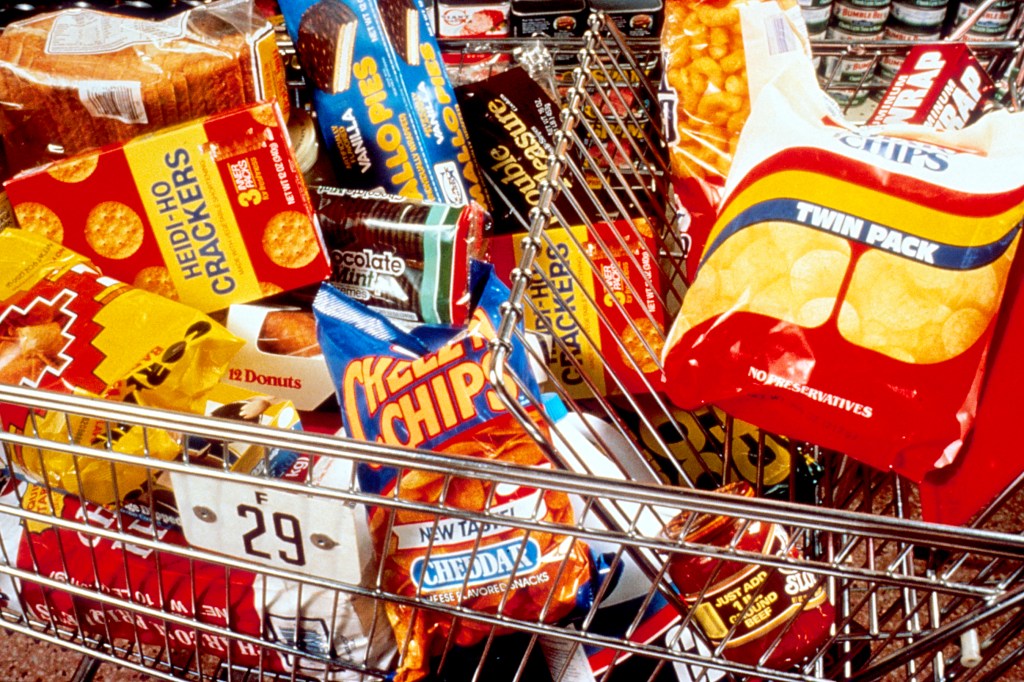
For one thing – it’s too many calories and processed food. Twenty five years ago, the average American consumed about 1850 calories each day. Since then, our daily diet has grown by 304 calories (roughly the equivalent of two cans of soda. That’s theoretically enough to add an extra 31 pounds to each person every year; judging from the ongoing obesity epidemic, many Americans are gaining those pounds — and then some. Obese children who carry the weight into adulthood (1 in 5 young people (ages 6-19) have a higher likelihood of developing hypertension, severe kidney and heart disease, and type 2 diabetes as well as mobility and self esteem issues. What has gone wrong? One thing is the takeover by the food industry of processed convenience food – our snack foods are often breakfast, lunch and even sometimes dinner for a lot of us. These foods are loaded with inflammatory compounds that eventually lead to chronic diseases.

CLICK HERE.

UNHEALTHY PROCESSED FOOD AND SNACKS CAN LEAD TO OBESITY

PROS AND CONS OF TAKING PROBIOTICS

Probiotics and or prebiotics seem to be the hot new nutrition topic. Every supplement company and the yogurt industry is offering their own proprietary probiotic guaranteed to “fix “your microbiome. We don’t know why we have “sick” microbes, but we often do. Processed foods can be suspect – antibiotics, artificial sweeteners, emulsifiers, hormones, preservatives for long shelf lives are not ideal environments for keeping them healthy and happy. Just read an ingredient label and you will find a plethora of other candidates.

CLICK HERE.

CLICK HERE.

Species of bacteria found in Culturelle: Lactobacillus rhamnosus plus inulin (a prebiotic – not a bacteria)

Species of bacteria found in Align: Bifidobacterium longum

Also can find species on most yogurt products.

Warning; These products are quite expensive and as all dietary supplements have not met any regulation standards from the FDA. Please consult your physician before taking any probiotic or any other dietary supplement. Often, they are not what they claim.

All About Probiotics

SHOULD YOU TAKE A PROBIOTIC?

Lately there’s a lot of buzz about taking probiotics that is becoming a household word on food labels; everyone wants to get in on the claims made to benefit them and the microbiome with a simple pill.

First of all what is the microbiome ? Everyone has one that is individual to them. It refers to our personal colony of micro -organisms, mostly bacteria, in our body that outnumbers our human cells. It is crucial to our digestion and integrity of the intestinal lining; it determines how and when and where things are absorbed into the bloodstream, participates in our metabolism and plays a role in our immune defenses. In the gastrointestinal tract the bacteria in the microbiome digest things we couldn’t digest otherwise like high fiber foods.

Mark Bittman and David L. Katz, MD – How to Eat: All Your Food and Diet Questions Answered. 2020 

Eat probiotic foods along with prebiotic foods since rebiotics are the food that bacteria eat and what sustains good bacteria long-term. They include foods like oatmeal, bananas, berries, asparagus and beans.

Carrie Daniel-MacDougall, Ph.D, M.P.H., a nutritional epidemiologist at MD Anderson who studies diet and the microbiome says:

“Unless your doctor is prescribing probiotics for a specific person purpose, stick to getting them from foods like yogurt that may have other nutrients like calcium.”

In some cases, probiotics from food or supplements may help individuals with irritable bowel syndrome or Crohn’s disease. There is also potential for harm if used improperly or in combination with other medications. Your doctor or a certified nutritionist can help you find the one that’s right for you. Sometimes the probiotic could even disrupt or displaced some of the good bacteria you already have. McDougall says.