Food Additives and the Metabolic Syndrome


What is the metabolic syndrome?

The metabolic syndrome is cluster of conditions that increase the risk of heart disease, stroke, and diabetes.

Metabolic syndrome includes high blood pressure, high blood sugar, excess body fat around the waist, and abnormal cholesterol levels. The syndrome increases a person’s risk for heart attack and stroke. Weight loss, exercise, a healthy diet, and smoking cessation can help. Medications may also be prescribed.

In the current study presented, the results support the emerging concept that perturbed host–microbiome interactions resulting in low-grade inflammation can promote obesity and its associated metabolic effects. Moreover, they suggest that the broad use of emulsifying agents might be contributing to an increased societal incidence of obesity/metabolic syndrome and other chronic inflammatory diseases.

Emulsifiers as a food additive act as detergents to  reduce stickiness, control crystallization and prevent separation. They are commonly used in many processed foods such as mayonnaise, ice cream, peanut butter, chocolate, salad dressings to create a smooth texture, prevent separation and extend shelf life.

Commonly used emulsifiers in modern food production include mustard, soy and egg lecithin, mono-and diglycerides, polysorbates, carrageenan, guar gum and canola oil. Lecithin in egg yolks is one of the most powerful and oldest forms of an animal-derived emulsifier used to stabilize oil in water. These ingredients are required by law to be included on a food’s ingredient label. Emulsifiers can disrupt the tight seal called tight junctions formed by the intestinal tract lining, enabling gut bacteria to cross and gain access to nearby immune cells, promoting metabolic toxemia.

Even though these ingredients are on the Generally Recognized As Safe (GRAS) list , many have not been thoroughly tested. Testing can occur if an ingredient is found to causes a health problem.

Conclusions:
The mice study presented below was concluded by the co-author, Andrew Gewirtz, PhD, as saying, “We suspect some emulsifiers act like detergents, upsetting the friendly bacteria in the microbiota, which triggers low-grade inflammation and causes excess  eating and weight gain”. A follow-up study suggested the changes in gut bacteria from emulsifiers could trigger bowel cancer;  however, more recent findings confirmed that emulsifiers remained safe at the estimated exposure levels. However, based on the study, the use of these emulsifiers may need some revision.

Bottom Line:  The current use of emulsifiers in the food production system may affect the health of the microbiome and parameters of the metabolic syndrome. This in turn can contribute to a higher risk of several chronic diseases, namely obesity and/or diabetes type 2. Consumers are encouraged to read labels and consume less highly processed foods and substitute more minimally processed foods to prevent these occurrences.

UPDATE: Source: Medical News Today, August, 2020

A new study has found that people with metabolic syndrome, which refers to a cluster of conditions that increase a person’s risk of cardiovascular issues, are more likely to have worse COVID-19 outcomes — including requiring ventilation and death.

The research, which appears in the journal Diabetes Care, August, 2020, provides further information on the underlying risk factors that affect the severity of COVID-19.

CLICK HERE.

Do we need to take obesity more seriously?


By now, most people understand that the elderly are especially vulnerable to COVID-19. But studies of COVID-19 patients in France, Italy, China and the United States have also identified chronic conditions that place even younger patients at risk. Near the top of the list: obesity.

The resulting diseases of obesity such as hypertension and diabetes type 2 are often found in the most serious cases of COVID-19 and are thought to contribute to the death rates from the infection.  Childhood overweight and obesity now affects 1 in 5 children and adolescents in the United States. Overweight children tend to be overweight adults. Prevention is the key. The earlier the intervention – the better.

CLICK HERE.

Ancel Keys – Big Fat Confusion ?

Leave a comment

An early picture of Ancel Keys, This image is ...

An early picture of Ancel Keys, (Photo credit: Wikipedia)

Time Magazine 1961. Ancel Keys appears on the cover to claim that saturated fat in the diet clogged arteries and caused heart disease.

Time Magazine, 2014. Eat Butter. Scientists were wrong about saturated fat. They don’t cause heart disease.

How did the low saturated fat message begin?  How, when and why did this confusion begin?

Ancel Benjamin Keys was born in 1904 in Colorado Springs, Colorado to teenage parents. In his younger years he had various jobs including a clerk in a Woolworth store. He finished college in 3 years with Honors at Berkeley and earned a MS in Biology followed by a PhD from the Scripps Institute of Oceanography. In 1930 he traveled to Copenhagen to work with Nobel laureate, August Krogh where he studied the ability of eels to survive in both fresh and salt-water environments. He then went to Cambridge and obtained a second PhD in animal physiology from King’s College.

What made Keys famous was his Seven Countries Study, a study that remains controversial to this day. He initially observed that heart disease rates dropped in countries forced to alter their high fat diets because of the war rationing and reversed to higher rates when these diets returned.

He suspected dietary factors, particularly saturated fat, that might play a key role in atherosclerosis. After conducting some well-designed studies to support his theory, “he formulated an equation that simply showed a 2.7% mg/dl rise in cholesterol for every 1% of calories derived from saturated fat. The equation also suggested that polyunsaturated fat lowered serum cholesterol and dietary cholesterol raised serum cholesterol but to a lesser extent than saturated fat. “ Journal of Clinical Lipidology, page 435

Keys had based his theory on when he had previously visited Italy and Spain. He observed in Naples, Italy that only heart disease patients in hospitals were wealthy men. In Madrid, Spain he took blood samples from some men in one of the poorer districts where heart disease was rare and compared them to samples of more well-off patients with heart disease. What he found were differences in their serum cholesterol values with the higher levels in the wealthy and lower values in the poorer population. The diets of the two groups also differed with the poorer diets lower in fat than those of the wealthy. These observations were central to his theory that saturated fat or animal fat and dietary cholesterol contributed to heart disease.  Levenstein, Harvey, Junk Science Week: Lipophobia and the Bad Science Diet, Financial Post, June 11,2012.

The theory gained some steam when in 1955, President Dwight David Eisenhower had a heart attack at age 64, “ Over the next six weeks, twice-daily press conferences were held on his condition. After his attack, he dieted religiously with a low-fat diet and had his cholesterol measured ten times a year (it had been 165 mg initially)”. Taubes, Gary. Good Calories, Bad Calories, page 1-4.   The low-fat diet had little effect and his cholesterol continued to rise as well as his weight.

Between 1955 and 1958, Keys began to study the male population aged 40 to 59 in rural areas in certain countries. He used electrocardiograph data to detect heart abnormalities and cardiovascular disease. The countries included Yugoslavia, Italy, Greece, Finland, the Netherlands, the U.S. and Japan. The countries he had chosen represented varied intakes of saturated or animal fat; lower levels were found in some populations in Yugoslavia, Italy, Greece, and Japan. Finland, the Netherlands, and the U.S. represented higher levels of animal fat in their diets. Five and ten years later, the researchers returned to identify those who had experienced heart attacks. The lowest rates were found in Crete and Japan with the lowest levels of animal fat; the highest was found in East Finland and the U. S. with the highest levels of animal fat. All in all, Keys studied nearly 13,000 men.  From this study, he concluded that “saturated fats as a percentage of calories was the most powerful lifestyle predictor of heart disease. “Blood cholesterol was the important physiological variable. “ Journal of Clinical Lipidology, page 437.

In 1961 Keys appeared on the cover of Time magaine with the Seven Countries Study’s alleged link between fat, cholesterol and heart disease that fueled the fear of dietary fat in America. Two weeks later the American Heart Association (AHA) endorsed the theory.  With this announcement, the vegetable oil producers could not get their advertisements out fast enough. Wesson Oil said: “polyunsaturated Wesson is unsurpassed by any leading oil in its ability to reduce blood cholesterol.” Nutrition scientists jumped on the bandwagon. For example, Harvard nutritionist, Frederick Stare advised swallowing three tablespoons of polyunsaturated oil each day. Lipophobia had begun in earnest. Levenstein, Harvey, Lipophobia and the bad science.

Consumption of margarine doubled from 1950 to 1972 and that of vegetable oil rose by over 50% in the 10 years from 1966 to 1976. Ironically, based on the thesis of Keys that saturated fat was the culprit, the AHA and other agencies had urged food processors to use trans fats to replace the alleged deadly saturated fat. Ironically, the most common source of trans fats turned out to be the very margarine they had promoted as heart healthy. From 1956 to 1976, per-capita butter consumption fell by over half.

Key’s hypothesis strengthened in 1977 with Senator George McGovern’s publication of the First Dietary Goals for the U.S., which was the first time that any government group had told Americans to eat less fat and cholesterol to improve health. The document became gospel and had a tremendous impact on consumers and the food industry. In 1980, Hegsted and McGinnis produced the USDA Dietary Guidelines for Americans that concurred with “avoiding too much fat and cholesterol and eating more foods with adequate starch and fiber.”

However, three major studies failed in their support for Key’s hypothesis and without going into the details, each one raised doubts about the  hypothesis.

The Key’s Seven Countries Study, so pivotal in lipophobia has been debunked by many, particularly those who favor the idea of eating meat.. On the other hand, vegans favor the thesis. Here is what the critics of the study say: First, Keys did not randomly choose countries but is accused of picking those countries most likely to support his theory. He excluded France whose diet has been notoriously rich in saturated fat along with a low heart disease rate (The French Paradox). He also excluded Switzerland, Sweden, and West Germany with the similar higher saturated fat intakes but with lower rates of heart disease. He originally gathered data from 22 countries.   However, some point out that even when all 22 countries are analyzed, the trend that fat intake is associated with heart disease still weakly exists.

Ancel Keys died in November of 2004 at the age of 100 years old.

Key’s thesis is still hotly debated to this day because of its limitations and lack of  conclusive support from the research community. There are still adherents of the efficacy of the low fat diet, particularly in its effects on atherosclerosis regression or prevention.  The debate has now switched to which diet is heart healthy – a low-fat or a low-carbohydrate diet. However, that is another story.

I truly don’t know if Keys was right or wrong. The purpose of this post is to point out that his legacy remains as one of the leading food crusaders that changed the American plate.  Is the low fat craze finally coming to an end?  Has this national experiment failed?  Will the low carbohydrate diet help curb the obesity epidemic or prevent heart disease?  Sounds like a “soap opera, doesn’t it?  One thing is certain – atherosclerosis is a complicated disorder and until its origin and pathology is conclusively determined, no one will know who was right.


The Pros and Cons of the Paleolithic Diet

The Paleolithic diet has been around for a few years and in my opinion is a pretty good diet, but alas as with every restrictive diet, there are caveats.

The following article comprehensively covers the pros and cons of this eating pattern. It is based on the facts (as we know them) that our ancestors only had access to certain foods and that our genetic development is presumed to have evolved from inclusion and exclusion of these foods into our current dietary pattern. Evidence for this is presumed to be accurate – however, we truly do not know what our Paleo ancestors really ate.  Our ancestors lived in diverse environments; therefore, their diets were dependent on the foods found there. There is a great deal of controversy about the possibility that some ate a diverse plant-based diet, e.g. hunting was not so reliable.

Most evidence is based on our contemporary hunter-gatherer societies which exhibit less chronic disease than those populations that follow the current American diet. For example, there are no Hadza adults diagnosed with diabetes in Tanzania, while the Tsimané people in Bolivia have an 80 percent lower rate of atherosclerosis compared to people in the U.S. The Maasai community in Kenya that relies on red meat, blood and milk is also known for little to none cardiovascular diseases.

The Pros and Cons

Our ancestors and modern-day hunter-gatherers ate more animal-based foods, which contain good amounts of high-quality protein, calcium, iron, omega-3 fatty acids and vitamins B12 and K2. Such nutrients are commonly found in seafood, red meat, pastured eggs and liver.

An ancestral diet removes refined sugar, grains and seed oils from one’s daily meals. Avoiding these modern products helps reduce markers of inflammation, leading to improvements in blood pressure, waist circumference and lipid profiles, components of the metabolic syndrome.

One study showed that people who consumed less added sugar, refined grains and processed foods could significantly reduce weight in 12 months. The ancestral diets provide foods that are more satiating, which help people consume fewer calories.

The Paleo diet excludes extremely calorie dense foods (starchy foods) as well as many processed and snack foods.

However the diet eliminates two major food groups (dairy and grains (enriched or whole).  This puts at risk adequate vitamin D and calcium levels as well as the other nutrients found within these foods.

The Paleo diet provides some essential nutrients and may appeal to some people that are not interested in a total plant based eating pattern, i.e., dedicated carnivores.

CLICK HERE.


The Pima Indians: A Study of Lifestyle and Obesity

By Sally J. Feltner, MS, Ph.D

The Pima Indians of Arizona have the highest rates of diabetes and obesity in North America. An estimated 50 percent of Pima adults are obese, and of those, 95% have diabetes type 2.

WHAT HAPPENED?

The story is not new – it more than likely began in the 1500’s when the Spanish explorers made contact with them in the New World. They and most Native tribes of that time were hunter-gatherers. They were lean, active and healthy people.

Pima Indians are believed to be descendants of people who crossed the Bering Strait from Asia to the Americas. Their traditional diet included meals made from the crops they cultivated including corn (maize), kidney beans, sunflower seeds, pumpkins and squash.  Small game such as rabbit, was a staple part of their diet together with meat from their livestock such as sheep and goats. Larger game was also available such as deer, elk and bear. As they were in close proximity to rivers, fish, duck and many different types of shellfish were major elements of their diet, which was also supplemented with herbs, acorns and roots. Sadly, as the years went on, the Arizona group met with some unavoidable circumstances that changed their way of life considerably – especially their traditional diets, economics, and well-being.

  • In 1859, the Arizona Pimas’ land along the Gila River was taken away by the U.S. government which left them to live on what land was left known as the Gila Reservation.
  • In 1866, new settlers began to populate the Pima region and diverted the water from the Gila River for their own use.
  • By 1869, the river had dried up and the Arizona Pimas were left with no water and less land to grow their food and crops resulting in an on – and – off – 40-year-old famine. As a result, the government exacerbated the problem again by providing subsidized foods to the tribe consisting of white flour, sugar, lard and canned goods, a far cry from their traditional diets of corn, beans and squash.

The timing of these significant changes in lifestyle and livelihood of the Arizona Pima population coincides with their development of diabetes type 2.  At the turn of the nineteenth century, studies recorded only one case on the Gila River Reservation. In 1937, a study documented twenty-one persons with diabetes. By the 1950’s, however, the prevalence had increased ten-fold and a study initiated in 1965 documented in the Arizona Pima Indians the highest prevalence of diabetes ever recorded.

THE PIMA INDIANS IN MEXICO

The Pima Indians who had settled in Mexico resided in the small town of Maycoba. For decades they had been isolated until 1991 when a paved access to the town was constructed.  Before that they grew a majority of their own food and still adhered primarily to their traditional diet that was similar to the Arizona tribe. Since they are genetically similar to the Arizona Pima, they present an opportunity to study and compare the two-lifestyle patterns of both tribes (diet and exercise) on their health statistics.

What Has Been Learned from Various Studies of these two Populations?

An Abstract from one study in 1994 that compared the two groups gives us the following details:

OBJECTIVE The Pima Indians of Arizona have the highest reported prevalence of obesity and diabetes type 2 In parallel with abrupt changes in lifestyle and the incidence in Arizona Pimas have increased to epidemic proportions during the past decades. To assess the possible impact of the environment on the prevalence of obesity and diabetes type 2, data were collected on members of a population of Pima ancestry living in a remote mountainous location in northwestern Mexico, with a lifestyle contrasting markedly with that in Arizona.

RESULTS  The Mexican Pimas were significantly lighter and shorter with a lower Body Mass Index. They also had a significantly lower plasma total cholesterol level than the Arizona Pimas. Even more startling was that diabetes type 2 was less prevalent with only 2 women (11%) and 1 man (6%) in the Mexican group compared with a prevalence of 37% and 54% in male and female Arizona Pima Indians respectively.

CONCLUSIONS This preliminary investigation shows that obesity, and perhaps type 2 diabetes is less prevalent among people of Pima heritage living a “traditional” lifestyle than among Pimas living in an “affluent” environment. These findings suggest that, despite a similar potential genetic predisposition to these conditions, a traditional lifestyle, characterized by a diet including less animal fat and more complex carbohydrates and by greater energy expenditure in physical labor, may protect against the development of cardiovascular disease risk factors, obesity, and diabetes type 2.

DISCUSSION:

These results indicate that a more traditional lifestyle of the Mexican Pimas protects the group against obesity, diabetes and kidney disease, even though they may have a genetic predisposition for such health problems.

What explains the results of experiences of the Arizona Pima?  One popular theory is one thing that drives obesity is a switch to a diet of highly refined carbohydrates that are so common in the Standard American Diet (SAD). When the Pima replaced traditional, unrefined carbohydrates with refined (sugar and flour), they became obese. It may not be the amount of food we eat but what kinds or quality we consume.

The lessons learned here support the theory that lifestyle factors appear to significantly influence the prevalence of obesity and diabetes type 2 in a population predisposed genetically to these conditions. Their story gives us all the opportunity to reassess our own current diets and lifestyle factors that may lead to healthier food environments and ultimately prevent our current situation of the diabesity dilemma.

SOURCES

Stephen Guyenet, Lessons From the Pima Indians. Whole Heath Source: Nutrition and Health Science.

Leslie O Schulz, PhD, Lisa S. Chaudhari, PhD. High-Risk Populations: The Pimas of Arizona and Mexico. Curr Obes Rep. 2015 March 1; 4(1): 92-98

Ravussin, et al. Effects of a Traditional Lifestyle on Obesity in Pima Indians, Diabetes Care 1994 September 17(9): 1067-1074

Obesity on the Rise – Some Solutions?

Leave a comment

The Obesity/Diabesity Pandemic

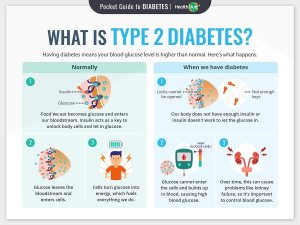
Obesity is a major risk factor for the development of  type 2 diabetes mellitus, so much so that the epidemic is often called diabesity. It has been described as one of the most important crises that has invaded our public health system.

Global Statistics,  Source: Lancet

  • Since 1980, the number of adults with diabetes worldwide has quadrupled from 108 million to 422 million in 2014.
  • Diabetes is fast becoming a major problem in low and middle-income countries.
  • From 1980 to 2014, the prevalence of diabetes more than doubles for men in India and China.
  • Half of adults worldwide with diabetes in 2014 lived in five countries: China, India, USA, Brazil and Indonesia.

So what are some solutions?  

The standard American diet is in much need of an overhaul and our national food systems need to change if we wish to reverse or at least slow down this trend. Many say that it would take the same determination as the campaigns to change behaviors that were utilized during the campaigns against smoking. .

Prevention awareness should be first on the front lines of treating the people with prediabetes that can often be reversible using lifestyle modifications. There are already some prevention models in the community; however, these should be expanded so that they become more easily accessible to more people. The Diabetes Prevention Program (DPP) uses intensive behavioral therapy to help people lose a little bit of weight (typically 5-10%). When this program is followed, the number of people progressing to have diabetes comes down by more than half. In people over 60, the reduction was 70%.

Nutrition education should be incorporated into the school system in the early years to help young children understand the importance of knowing where our food comes from and why nutritious foods are the best choice. They can be taught about balanced eating, calories, reading labels and grocery shopping. Nutrition education can also be offered at the middle and high schools levels by returning to a revamped and modernized home economics course in the curriculum. 

A lingering problem has existed for many primary care physicians for many years in that they say they were never adequately prepared in nutrition principles in medical schools. In a survey of family physicians (2009), two thirds said that dealing with extremely obese patients is “frustrating “and one-half said treatments are often ineffective. This is reflected by a lack off obesity training.

Shockingly, another survey in 2010 of 140 doctors revealed that nearly one-third were not even familiar with the American Diabetes Association (ADA) prediabetes guidelines. Only 6 percent were able to identify all 11 risk factors and on average, the doctors could only identify just eight of the warning signs. Only 17 percent knew the correct laboratory values for blood glucose and only 11 percent said they would refer a patient to a behavioral weight loss program..

There should be an increased access to professional treatments.  Physicians in reality do not have the time to directly counsel their patients on the myriad of diets designed for healthy weights. Medical professionals not trained in obesity management should refer their patients to outside providers such as dietitians, exercise trainers, behavior therapists, psychologists, or a new concept of health coaches. These providers should be trained, certified, and credentialed to protect the public from unscrupulous treatments and to provide quality care. Reimbursement of qualified health professionals needs to be enhanced to keep out of pocket expenses reasonable for patients.

However, doctors can act as “cheerleaders” and in a  support role encourage their patients to practice lifestyle behaviors (diet included) that can overall prevent the onset of chronic diseases that make up the leading causes of death. This new paradigm of medical practice has abeen recently called “lifestyle medicine”.

We have become a nation of non-cooks and prefer to have our meals prepared by someone else. Encourage home cooking and home kit meals to help to counter using fast foods and packaged highly processed meals loaded with calories, fat, sugar and salt.

Educate the public on food labeling including ingredient lists. Beware of food companies that promote products with a “health halo” meaning exaggerated claims are made that appear to make unhealthy foods seem healthy because of an added nutrient or ingredient. Corporations also mislead consumers with their labeling so they include four different types of sugar to keep sugar from being listed as the first ingredient. This is misleading to the consumer when attempting to make wise food choices.

Stop corporate-government partnerships and diminish lobbying.
The Academy of Nutrition and Dietetics (formerly the American Dietetic Association) is funded by a myriad of food companies such as Coca-Cola, PepsiCo and Kellogg’s. The dairy industry has a long history of influencing the food pyramid and Dietary Guidelines. A good example is the placing of a glass of milk on the MyPlate Logo.

Another health organization guilty of taking in millions from food companies is the American Heart Association. They offer a “Heart – Check logo for a price: $5, 490 to $7,500 that is renewable for another fee annually. The product has to be low in fat, saturated fat and cholesterol to gain this “honor.” However, some products such as Boar’s Head processed meats have the logo and still may still contain high levels of sodium. If the AHA were sincere in their efforts to help consumers choose healthier foods to rein in obesity/diabetes, they would realize that research has shown that a 1.8 oz. daily serving of processed meat raised the risk of diabetes by 19 percent and heart disease by 42 percent. Most current dietary recommendations emphasize a reduction in processed meats (my emphasis).

There is bad news on rising obesity rates – read about them HERE.

It will take a concerted effort from government, politics, industry, communities,consumers and the perpetrators of our obesigenic culture to begin to change this trend.


The Rising Rate of Obesity and Its Consequences

“The headlines this week broadcast the following research:  Doctors at NYU Langone Health center conducted the largest study so far of US hospital admissions for COVID-19, focused on New York City. They found obesity, along with age, was the biggest deciding factor in hospital admissions, which may suggest the role of hyper-inflammatory reactions that can happen in those with the disease.”

Just what are the latest facts and implications about our obesity epidemic in the U.S.?

This data is from the U.S. Centers of Disease Control and Prevention in February 2020 and presented in Life Extension Magazine, May 2020.

  • A startling result is that 42.4% of adults are obese. Additionally, 31.8% were overweight.
  • This situation is expected to not improve statistically. A study in the New England Journal of Medicine estimates that by 2030, the percentage of obese American adults will rise to 48.9%. These percentages reflect a total of $446 billion dollars of medical costs annually.
  • Women, African Americans, and those with a low socioeconomic status are affected at a significantly higher rate.

What are the medical implications?

  • Excess body weight increases the risk of developing and dying from a broad spectrum of cardiovascular diseases, cognitive disorders (e.g. Alzheimer’s) and at least 13 different types of cancers.
  • Obesity has been determined to be the underlying cause of approximately 20% of deaths in the United States.
  • An analysis of 57 studies encompassing 900,000 individuals published in Lancet found that for every 5 point increment in Body Mass Index was associated with a 30% increased mortality risk.
  • Additional negative effects of excess weight include fatty liver disease, sleep apnea, chronic pain syndromes like low back pain, IBS, osteoarthtis, depression, negative pregnancy outcomes, and chronic inflammation.

Foods that Kill

There are many factors that contribute to the rise in obesity rates; however, diet and lifestyle have recently been identified and collectively referred to as components of the Standard American Diet (SAD). One of these is processed food.

  • Processed foods tend to be high in added sugar, salt, oil and unhealthy fats are often mentioned as well as ultra-processed foods that are so altered that they hardly resemble their original whole-food state.
  • The food industry refers to them as an “industrial product” loaded with additives that attempt to enhance the food’s characteristics such as food stability, shelf life, textures, colors, and flavors. They are often referred to as emulsifiers, humectants, and sequestrants or others that have barely recognizable names.  Ultra-processed foods are often ready-to-eat, require minimal preparation and are highly marketed. Ultra-processed foods account for more than 60% of dietary energy in the U.S.
  • Populations that have the lowest intake of processed foods exist and have been recently studied and known as the Blue Zones. These are groups of individuals that live an average of 10 years longer than those in cultures who consume the SAD, otherwise known as the Western diet. These areas are found around the globe in Sardinia, Italy, Ikaria, Greece, Okinawa, Loma Linda, California, and Nicoya, Costa Rica.
  • An observational study of Spanish university graduates followed participants for a median of 10.4 years. Consumption of an average of 5.3 servings of ultra-processed food per day, compared to an average of less than 1.5 servings per day, was associated with a 62% increase for all-cause mortality. For each additional serving, this risk increased by 18%.

What Is the Optimal Diet?

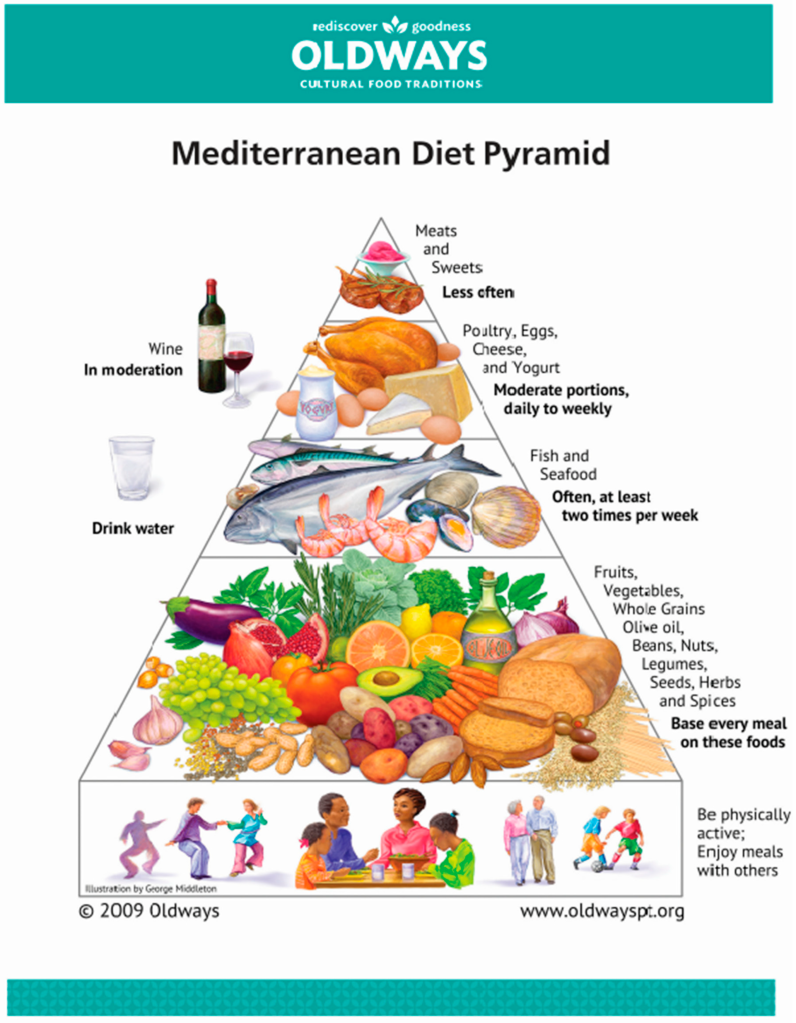
There are numerable reports on the health benefits of vegan, vegetarian, or plant-based diets. However, there is one diet that has been studied extensively for its healthy effects called the Mediterranean Diet. There is no one Mediterranean diet; however, it is usually associated with the intake of vegetables, fruits, whole grains, beans, nuts and seeds, extra-virgin olive oil, fish, seafood, moderate amounts of poultry, eggs, and dairy products. Red meat and sweets are limited as well as a low intake of processed foods.  A moderate intake of wine is acceptable. (moderate = 1-2 glasses).

Conclusions:
A possible molecular explanation for why overweight is harmful has been discovered by researchers. They suggest that overeating increases the immune response. This response causes the body to generate excessive inflammation  during the COVID-19 infection and that inflammation is at the core of many other chronic diseases.
University of Oslo. “Being overweight causes hazardous inflammations.” ScienceDaily, 25, August 2014.
If current trends continue and we find that 50% of our population is in the obese weight category, there will be alarming rates of catastrophic health consequences. Our health care costs will become unsustainable. It is a common belief that as long as you are not obese, you can be overweight and still be healthy. This is not always true. Many studies have found that a higher weight was associated with a higher risk of dying; however, this has remained  a major debate issue among obesity experts.

How to Avoid Overeating During the Coronovirus “Break”

Many of you are now working at home for the first time.  It becomes very easy to realize that when that happens,  food is not that far away and I am sure that avoiding snacking and even binge-eating is not that easy.  One sign, is that bag of chips always open and at your desk?  Before you buy that Peleton or tape the doors to the kitchen cabinets shut, try to exercise a little scheduling and practice the art of mindful eating.

Here is HELP:


Fiber: The Basis of a Plant-based Diet?


Such an important nutrient, but never the talk of the town. Actually it gets little attention on the large scale of “most talked about nutrition issues list”.  What is low in calories, prevents constipation, may lower the risk of heart disease, obesity and diabetes, and is generally underconsumed by people on the Standard American Diet (SAD)?  The answer? Fiber!!

Total fiber intake in U.S. children and adults is about 15 grams a day. When teaching nutrition, most students in my classes after diet analyses, were lucky if they went over 9 grams a day. The recommendation is 28 grams a day for women and 35 grams a day for men.

It was thought that fiber contributed little caloric value since it is not broken down by human digestive enzymes. Recent studies suggest that bacteria in the colon are able to break down many types of fibers to some extent (2 calories/gram). They excrete fatty acids as a waste product and then used as an energy source by the colon and the rest of the body. When you think about it, fiber may be responsible to a great extent for the health benefits of a plant-based diet.

There are two major classifications of dietary fiber – soluble and insoluble. Soluble fibers slow down glucose absorption and reduces fat and cholesterol absorption. They are found in oats, barley, fruit pulp, dried beans and psyllium.  They are fibers that are not fibrous.

Insoluble fibers are particularly beneficial for preventing constipation. They are found more in wheat bran,  legumes, seeds, and the skin on fruits and vegetables.

CLICK HERE.

How to Like Vegetables?


Americans need all the help they can get in eating more vegetables (nutrient dense, low in calories, loaded with fiber).  If you have children, It’s even more important  My personal advice?

Roast them – they caramelize and take on a whole new flavor and texture. Add a little honey and/or butter for more appeal. And it’s so easy on a foil-lined baking pan. Easy clean-up, too. – yes it can be done.

Enjoy the advice and bon appetit.

CLICK HERE.