Diet and Cancer: What We Know

Cancer, Diet and Lifestyle

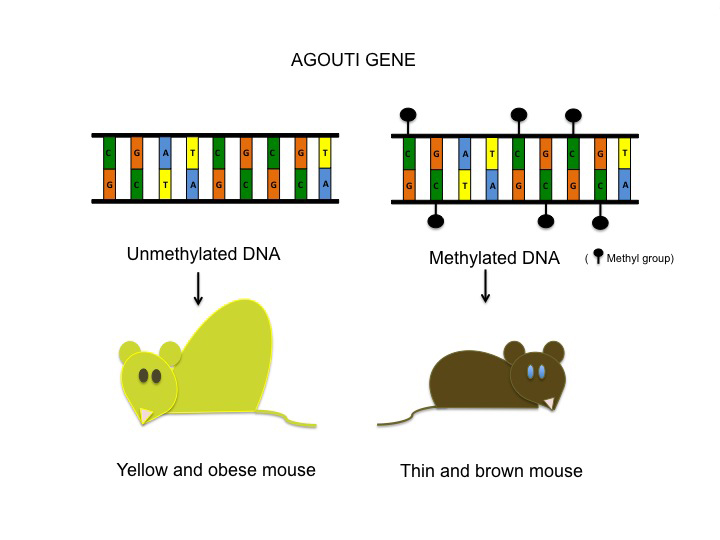
Lifestyles can interact with the epigenome, defined as the network of compounds around our genes that are capable of altering gene expression in response to environmental influences. The ultimate action can result in cancer prevention.

DIET MODIFICATIONS

The general risk factors of cancer include obesity, physical inactivity, alcohol consumption and/or poor nutrition. These factors have the potential to determine if a cancer will result or in the opposite case, be suppressed.

Consume a nutrient dense, whole-foods diet that predominantly includes plant foods. As Michael Pollan puts it, “Eat food, not too much, mostly plants.” Plant foods are rich in nutrients and phytochemicals that work synergistically to prevent many chronic diseases, primarily heart disease and cancer. Evidence exists that up to 45% of colon cancer cases could be avoided through diet and lifestyle changes alone.

Limit your consumption of high-calorie foods, primarily in the form of ultra-processed foods that are major contributors to weight gain leading to type 2 diabetes, or insulin resistance.

Cancers of the liver, pancreas, endometrium, colon, rectum, breast, and bladder are at higher risks for developing in obesity. Being overweight also raises the risk of developing non-Hodgkin’s lymphoma, multiple myeloma and gallbladder, liver, cervical, ovarian, and aggressive prostate cancers.

Be as lean as possible without becoming underweight. It may be helpful to be able to calculate your own weight status by using the Body Mass Index (BMI).

You simply divide your weight in pounds by your height in inches squared X 703.

For example: BMI =140 pounds divided by 64 inches squared (4096) X 703 = 24.0. A healthy BMI is 20 – 24. Being underweight is considered a BMI of less than 19.0.

Limit your consumption of red meat (including beef, pork and lamb).  There are several reasons:

The International Agency for Research on Cancer (IARC) classifies red meat as a “probably carcinogen”.  You don’t need to give up meat; however, an intake of up to 18 ounces a week can be safely consumed without too much concern. BTW, 4 oz. is about the size of a deck of cards.

Another factor that raises cancer risk is the overcooking of red meat that produces charred areas of the meat – goodbye grill marks?). These create carcinogenic heterocyclic amines (HCAs) that have been linked to pancreatic and colon cancers.

Another carcinogenic compound comes from burning the fat from meat when grilling that produce polycyclic aromatic hydrocarbons (PAHs), linked to stomach cancer.

Hint: Both compounds can be lessened by using a marinade on the meat.

Highly processed meats such as bacon, hot dogs, and lunch meats are known for their nitrite and nitrate content used as preservatives.  Smoking meats can lead to the formation of N-nitroso compounds which are considered carcinogenic.

Avoid deep-fried foods. When cooked in this manner, foods are exposed to a chemical called acrylamide that increases the risk of prostate cancer.

There are other lifestyle factors that can influence epigenetically the risk of any chronic disease. Alcohol intake, for example is important due to the carcinogenic effects of alcohol itself. 

“Chronic inflammation, which is strongly associated with being overweight, can increase the risk of developing cancer.  Excess belly fat produces hormones that can raise levels of insulin, estrogen and leptin, all of which have been linked to cancer development.” (Finlayson, 2019). 

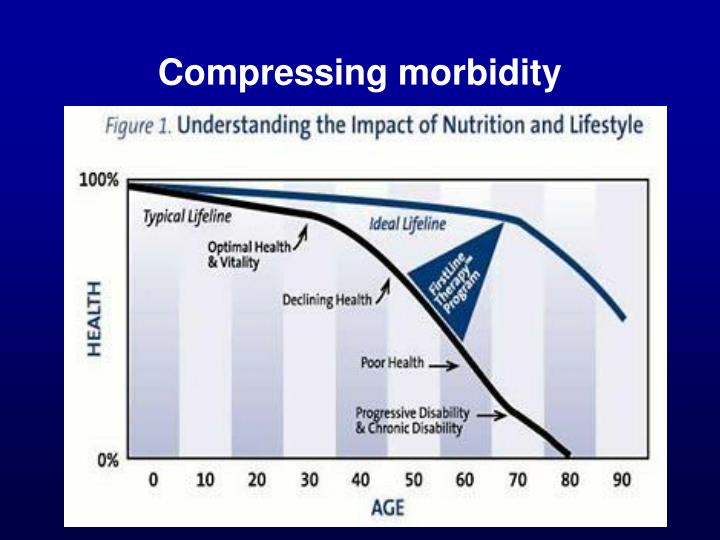
The interconnected factors that trigger chronic diseases are vast and subject to manipulation by the body as well as our microbial environment. It would be wise to attempt to take the best care of your body as you possibly can and begin at an early age.  Aging as you know itself becomes a central factor in the development of any chronic disease. In 1980, Dr. James Fries, Professor of Medicine, Stanford University introduced the compression of morbidity theory. This theory states that “most illness was chronic and occurred in later life and postulated that the lifetime burden of illness could be reduced if the onset of chronic illness could be postponed and if this postponement could be greater than increases in life expectancy.” That theory tells it all. (Unknown source). SJF

Source: Judith Finlayson. You Are What Your Grandparents Ate: What You Need to Know About Nutrition, Experience, Epigenetics & the Origins of Chronic Disease, 2019
Working for an extension of a Healthy Lifespan

In the News

Hippocampus

Memory Loss, Dementia, Mediterranean Diet

A Mediterranean-style diet could protect against memory loss and dementia, according to a study published in the journal, Neurology.

The 512 participants, with an average age of 70, completed food frequency questionnaires and then given brain scans to determine brain volume, and neurological tests to examine their cognitive abilities and biomarkers for beta amyloid and tau  proteins that are thought to characterize Alzheimer’s disease.

People who ate an unhealthy diet (not identified in abstract) had higher markers of amyloid beta and tau proteins in their cerebrospinal fluid, compared to those who followed a Mediterranean diet.

The unhealthy –diet eaters also performed worse on memory tests than those who ate healthy foods.

Editor’s Note:

Participants who did not eat a healthy, Med-style diet were also found to have a smaller hippocampus volume (the area of brain responsible for thinking and memory) than those who did. The hippocampus is known to atrophy (shrink) in those with Alzheimer’s disease.

Source:

Life Extension, September, 2021

Eating Fish for Brain Health

A study published in Neurology found that 1623 people over the age of 65 who eat more fish have lower risks of brain disease like vascular dementia, stroke, and a lower incidence of brain vessel damage. The researchers analyzed MRI brain scans and completed a diet questionnaire. Note: This association was strongest in people ages, 65-69, compared to older participants in the study.

Neurology, 2021.

Diabetes Screening Age Lowered from 40 to 35 for Overweight and Obese People.

The U.S. Preventive Services Task Force has lowered the age at which overweight and obese people should begin screening for diabetes from 40 to 35. According to the Task Force, there is a spike in the prevalence of both diabetes and prediabetes around age 35. Lowering the screening age could help identify or prevent diabetes by adopting a healthier diet, exercise more, and lose weight.

Note: Diabetes is the leading cause of kidney failure and new cases of blindness among adults in the U.S.

JAMA, 2021; 326 (8):736-743

In the News

In the News: Updates

Mediterranean Diet Can Lower Risk Of Sudden Death by 25-26%.

Either a Mediterranean Diet (vegetables, fruits, legumes, cereals, and fish) or U.S. Southern Diet pattern (added fats, fried food, eggs, organ meats, processed meats, and sugar-sweetened beverages) was given to 21, 069 men and women 45 years and older and compared for adherence to each diet using diet scores.

The results showed that 402 sudden cardiac deaths occurred during an average of 9.8 years of follow-up. People whose Mediterranean scores placed them among the top third of participants had a 25-26% lower risk of sudden cardiac deaths than subjects whose scores were among the lowest third. People whose Southern dietary pattern scores was among the top quarter of participants had a 46% higher risk of sudden cardiac death than those among the lowest quarter.

J. Am Heart Association 2021 July 6;10:e019158.

At a Glance

  • A study found that a diet high in added fats, fried foods, processed meats, and sugary drinks was associated with a greater risk of sudden cardiac death, while a Mediterranean diet was associated with a lower risk.
  • The findings provide evidence that adopting a healthier diet may decrease the risk of sudden cardiac death.

What Do We Know About Diet and Prevention of Alzheimer’s Disease?

Changes in the brain can occur years before the first symptoms of Alzheimer’s disease occur.  It also should be noted that the focus of diet factors on diseases should be the prevention or delay of the disease in question and not a “cure.” Unlike other risk factors for Alzheimer’s that we cannot change such as age and genetics, the current thought is that with lifestyle choices such as diet, exercise and cognitive training, many chronic diseases can possibly be avoided adding health to our lifespans.

How could our diet affect our brains?

“It’s possible that certain diet patterns affects biological mechanisms, such as oxidative stress and inflammation that underlie many chronic diseases. Or perhaps diet works indirectly by affecting other disease risks, such as diabetes, obesity, and heart disease. A new avenue of research focuses on the relationship between gut microbes in the digestive system and aging-related processes that lead to Alzheimer’s.”

Reference: National Institute on Aging

Several diet patterns show some promise. One is the Mediterranean Diet or its variations, the MIND diet (Mediterranean-DASH Intervention for Neurodegenerative Delay) or the DASH diet. (Dietary Approaches to Stop Hypertension), a risk factor for Alzheimer’s disease. All are based on leafy green vegetables and colorful vegetables, berries, fish, poultry, beans, nuts, wine (1 glass a day), whole grains and preferably olive oil.

“For example, two recent studies suggest that, as part of the Mediterranean diet, eating fish may be the strongest factor influencing higher cognitive function and slower cognitive decline. In contrast, the typical Western diet increases cardiovascular disease risk, possibly contributing to faster brain aging.”

The problem with the research is that most is called observational (subject to recall from the participants). To rectify this, several organizations like National Institute of Aging are conducting clinical trials (considered the gold standard of medical proof to shed more light on any cause and effect.

What About Supplements?

Clinical trials in humans have had mixed results, some with positive effects, others with negative results. These types of studies often attempt to measure the effects of omega-3 fatty acids in the diet. However, at this time: despite early findings of possible benefits for brain health, no vitamin or supplement has been proven to work in people. Overall, evidence is weak as many studies were too small or too short to be conclusive.

Note: A deficiency in vitamin B12 or folate due to aging or strictly following a vegan diet may cause memory problems that are reversible with proper treatment. Please consult with your physician. If you are over 65, it may be prudent to have your Vitamin B12 status checked. Sometimes, the deficiency may be due to problems with absorption of the vitamin, not the intake. Also, healthy humans are equipped with a number of adaptive mechanisms that partially protect the body from poor health due to fluctuations in dietary intake. Vitamin B12 can be stored within body tissues for later use. Meats and seafood are good sources

Omega-3, Omega 6 and Breast Cancer

Note: I personally conducted animal research using high or low omega-3 or omega-6 diets on breast cancer incidence. The study was repeated two times and no significant differences in breast cancer incidence, tumor weight or immune system parameters were found between the study groups. This content is partly provided by the NIH National Institute on Aging (NIA) scientists and other experts review this content, so it is accurate and up to date. This content was reviewed November 27, 2019.

Influence of Type and Level of Dietary Polyunsaturated Fat on Incidence of Chemically-induced Mammary Tumors and on Selected Immune Responses in Rats. Sally J. Feltner, June, 1988.

NEW RESEARCH ON CALORIE RESTRICTION

“QUESTION: Humans aren’t genetically designed to eat three meals a day?

“In the Stone Age, people would eat what they could find when they could find it. Sometimes they couldn’t find much of anything.

We have good reason to believe that intermittent feast (and famine) was native to the human condition. We are actually quite well adapted to periods of fasting.

A word of warning: Fasting is not safe for everyone, especially those on medication, e.g. insulin or blood pressure meds”,

Check with your doctor when you change your diet or take any supplements. The supplements are not regulated by the FDA. (SJF).

Mark Bittman, and David Katz, MD. “How to Eat: All Your Food and Diet Questions Answered. 2020.

CLICK HERE

What is Nutrigenomics? What is epigenetics?

Nutrigenomics is the scientific study of the way specific genes and bioactive food components interact. It provides a basis for understanding how the health consequences of eating behaviors may vary across individuals. This information is key to a personalized approach to nutrition in a clinical environment. Because epigenetic events such as methylation can be changed, they offer another explanation for how environmental factors such as diet, can influence biological processes and phenotypes. Search Food,FactsandFads for more on Epigenetics.

CLICK HERE.

What is epigenetics? “Think of this way: Epigenetics is the on-off switch to the dimmer on your dining-room chandelier. The gene is the lightbulb, the epigene is the

light switch. If the lightbulb is defunct or the switch is frozen in the “off” position, the dimmer function is useless. Likewise, epigenes control the effect to which the gene turns on.

Altered nutrition also appears to be the primary driver of altered epigenetics. For example, the vitamin, folate is a necessary cofactor for the enzymes called DNA methyltransferases, which add a methyl group to DNA to alter whether genes are being activated. Folic acid is so important to normal fetal development in order to prevent the occurrence of spina bifida that the FDA and mandated to be added to store – bought bread.

Other nutrients at work here – vitamin B12, B complex vitamins, retinoic acid (vitamin A). circumin, sulforaphane, and polyphenols and others that moderate this process.”

Source: Lustig, Robert, H. MD. Metabolical, 2021, Page 120.

The Omega’s: 6 and 3

Are They Inflammatory?

Sally Feltner MS, PhD

Diet and Health, Diet Supplements, General February 23, 2021 5 Minutes

by foodworksblog Leave a comment

Fat is a key nutrient in our diet and is often the first thing you may note on a food label. Most foods contain a mixture of many different types of fat: the commonest are saturated, monounsaturated, polyunsaturated and trans fats. Polyunsaturated fats are divided into two major families: omega-6 and omega-3’s. Are some good and some bad.? This conundrum is often debated among nutritionists and still a definitive answer remains elusive.

What exactly are the omega-6 and omega 3 fats?

We have to begin with the polyunsaturated essential fatty acids, linoleic (omega-6) (LA)  and alpha linolenic acids (omega-three) (ALA). They are called essential because they cannot be made in the body and must be acquired from the diet.

Linoleic acid (LA) is required for growth, healthy skin and normal functioning of the reproductive system and is a structural part of cell membranes.  Foods high in omega 6 fats include unhealthy foods like processed snacks, fast foods, cakes, fatty meats, and cured meats. Other omega 6 foods are healthy including tofu, walnuts, and peanut butter. They are also prevalent in vegetable oils, like corn oil, safflower, sunflower and soybean oils. Linoleic acid is converted in the body to another fatty acid called arachidonic acid (AA). Food sources of AA include meat, poultry, and eggs. The adequate daily intake (AI) for omega 6 foods is 17000 mg per day.

Alpha linolenic acid (ALA) is also a structural compound of cell membranes and found in high amounts in the brain. Alpha linolenic acid is found in walnuts, dark, leafy green vegetables, flaxseed and chia seeds, canola and soybean oils.

ALA is converted in the body to two more fatty acids called eicosapentaenoic acid (EPA) and docosapentaenoic acid (DHA) which is what you find on fish oil supplement labels. This conversion rate of ALA to EPA can be slow and may depend on many factors, one being the ratio of omega-6 to omega-3 fatty acids.

EPA and DHA are found in fish, krill, and algae oil capsules as well as in fatty fish like salmon, tuna, sardines, mackerel, herring and trout. The AI for omega-3 fatty acids is 1.6 grams (men) and 1.1 g (women).

Arachidonic acid and EPA are necessary for making hormone-like compounds called eicosanoids, hormone-like compounds that participate in regulation of blood pressure, blood clotting, inflammation, and a host of other important body functions.

So, the major players so far are: LA, ALA, AA, EPA, and DHA.

What is the omega-6/omega-3 ratio?

It is not enough to consume adequate levels of omega-3 fats but to avoid over-consumption of omega-6 fatty acids. Most modern diets contain excessive amounts of omega-6s and insufficient amounts of omega-3s. Americans regularly eat vegetable oils but eat fish infrequently, so we end up in the SAD with many more omega-6s and fewer omega-3s. i

The optimal 6 to 3 ratio approaches 4:1 that may be difficult for some people in our current food environment to achieve, so we try for 4:1 in hopes of realistically attaining less than 10:1. On average in the U.S., the omega-6 to omega-3 ratio is a disastrous 16:1. Soybean oil, an omega-6 is so ubiquitous in the food supply that an astounding percent of calories from fat in the American diet (especially processed foods) are estimated to come from this single omega-6 source.

How Do Eicosanoids Affect Health?

Omega-6 fatty acids produce eicosanoids that tend to favor higher blood pressure, more blood clotting, and inflammatory compounds in the body.  They are often referred to as “bad” eicosanoids.

Omega-3 fatty acids produce eicosanoids with opposing healthier effects, i.e., lower blood pressure, less blood clotting, and anti-inflammatory effects.  They are often referred to a “good” eicosanoids.

Eicosanoids from omega-3 EPA can diminish the effects of the “bad” eicosanoids by producing opposing compounds that will help tip the ratio back to a more favorable eicosanoid environment in the cell.

Another way to improve the fatty acid ratio is to help block excess arachidonic acid formation. By making sure your body has an adequate amount of EPA that acts as an inhibitor of the enzyme that can produces the “bad” eicosanoids.   The higher the EPA in the diet, the more the enzyme is inhibited, and the less “bad” eicosanoids are produced.

The problem with vegetable oils

“Vegetable oils that turn rancid easily have been used since lard was designated as having a high saturated fat content when the low-fat craze to prevent heart disease was in full swing. The troubled history of these oils has never been resolved.  In a series of workshops in the 1980’s, it was observed that using diets high in soybean oil showed subjects dying of cancer at very high rates. Gallstones were also associated with diets high in vegetable oils. Subsequent research demonstrated that these oils that are high in omega-6, compete with the healthier omega-3’s found in fish virtually at important spots in every cell membrane throughout the body, including those in the brain.” (Nina Teicholz, The Big Fat Surprise).

The vast amount of omega-6 that has entered our food supply via vegetable oils appear to have literally swamped the omega-3’s (the supply of which has remained relatively constant over the past century. (Teicholz,  page 275-6). Conversely, the American Heart Association encourages Americans to eat more vegetable oils due to their ability to lower LDL-cholesterol (the bad cholesterol.)

Nonetheless, excessive intake of polyunsaturated fatty acids, including omega-3 and omega-6, has several risks. The double bonds in the fatty acid molecules are very reactive. They tend to react with oxygen, forming chain reactions of free radicals. These free radicals can cause cell damage, which is one of the mechanisms behind aging and the onset of cancer.

If you want to improve your ratio of omega-6 to omega-3, it’s probably a bad idea to eat a lot of omega-3 to compensate. Having a relatively low, balanced amount of each is best. Using olive oil in salad dressings and coconut oil for cooking is recommended. Olive oil contains monounsaturated fat and coconut oil is more stable since it has more saturated fat content. Neither are part of the omega-6 or omega-3 families.

What to Take Away from all this:

Linoleic acid (LA), an omega-6 fatty acid, and α-linolenic acid (ALA), an omega-3 fatty acid, are considered essential fatty acids because they cannot be made in the body by humans.

Both omega-6 and omega-3 fatty acids are important structural components of cell membranes, serve as precursors to eicosanoids and provide a source of energy. Long-chain omega-3 polyunsaturated fatty acids in particular exert anti-inflammatory effects; it is recommended to increase their presence in the diet.

The long-chain omega-3 fatty acids, eicosapentaenoic acid (EPA) and docosahexaenoic acid (DHA), can be synthesized from ALA, but due to low conversion efficiency, it is recommended to consume foods rich in EPA and DHA or consume fewer omega-6 foods.

Some but not all observational studies using supplements have found fish intake to be associated with lower risks of cognitive deterioration and Alzheimer’s disease, but it is not yet clear whether supplementation with marine-derived omega-3 PUFA can help prevent cognitive decline. There is a great need for intervention studies, especially with DHA to determine if improvements in brain health will occur. The Rancho Bernardo Study of Healthy Aging found a protective effect of DHA from diet on various aspects of cognitive decline and/or dementia.

Best to cut down on omega-6 foods (processed and junk foods), add a couple of fish meals a week, use olive oil for salads, coconut oil for cooking.

Top 10 Foods with the Highest Omega 3 to Omega 6 Ratio

FoodRatio of Three to Six 
Snow crab (3 oz)61:1
Atlantic cod (6 oz)29:1
Tuna (6 oz)25 :1 
Mussels (3 oz)25:1
Broccoli Rabe (1 cup)7:1
Spinach (1 cup)5:1 
Flax seeds (1 oz) 4:1
Mangos (1 cup)3;1
Lettuce (1 cup)2:1
Kidney beans (1 cup)2:1

Sources:

Judith E. Brown. Nutrition Now Seventh Edition, 2013.

Life Extension, October 2019

Linus Pauling Institute, Oregon State University

FYI: What does certified organic actually mean?

Organic Foods– From the USDA

Organically grown and produced foods can be labeled four ways:

“100% Organic” if they contain entirely organic produced ingredients.

“Organic” if they contain at least 93% organic ingredients.

“Made with organic ingredients” if they contain at least 70% organic ingredients.

“Some Organic ingredients” if the products contain less than 70% organic ingredients.

What does any label that says “organic” mean? What are the criteria for organic certification?

USDA rules for qualifying as organic. 

Plants:

Must be grown in soils not treated with synthetic fertilizers, pesticides, and herbicides for at least three years

Cannot be fertilized with sewer sludge

Cannot be treated with radiation

Cannot be grown from genetically modified seeds or contain genetic modified ingredients

Animals:

 Cannot be raised in “factory-like” confinement conditions

Cannot be given antibiotics or hormones to prevent disease or promote growth.

Must be given feed products that are 100% organic.

Or you can make your own sign - not recommended.
Or you can make your own sign – not recommended

Looking for a New Resolution?

A healthy new YEAR’S RESOLUTION is simple; TRY THE MEDITERRANEAN DIET – a diet pattern that offers variety as well as many health benefits and a great way to begin the year.

Highlights of the Mediterranean diet – source Life Extension, Dec. 2021 Michael Ozner, MD

There is no one Mediterranean diet. In thousands of studies, the Med diet has been reported to be one of the best lifestyle strategies for extending longevity and avoiding the common disorders of aging, including heart disease and cancer.

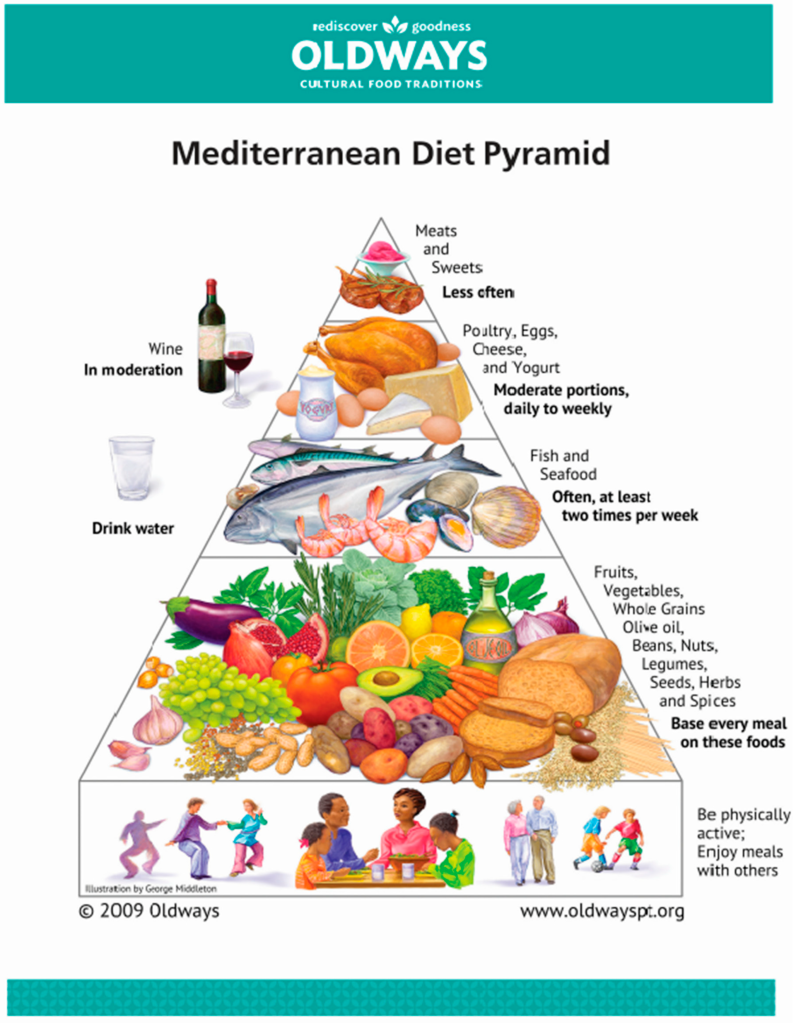
In 1990s, the first Mediterranean Pyramid was created by a non-profit group called the Oldways Preservation Trust, in cooperation with the Harvard School of Public Health and the World Health Organization. It was based on food patterns seen in  the Mediterranean areas of the olive-growing countries surrounding the Mediterranean Sea, Spain and southern France in the 1960’s.

A clinical trial showed that those who adhered most closely to a traditional Med diet appeared less likely to suffer sudden cardiac death than those who at least had a better chance of healthy aging, defined as living to 70 years or older with no major physical or mental impairments. For diet details, search this blog as Mediterranean Diet.

Components of the Med Diet to show proven health benefits:

Extra Virgin Olive Oil 

Omega-3 Fatty acids

 Vegetables and fruits

Whole Grains

Clinical trials and observational studies have found particularly strong evidence that the Med Diet protects the heart and lowers the risk of heart attacks, strokes, and cardiovascular death.

However, this diet pattern is beginning to show that the diet can reduce the risk for other chronic diseases associated with aging.

Metabolic Syndrome

A meta analysis of 50 studies including nearly 535 people found that following the Med Diet was associated with a reduced risk of metabolic syndrome. The metabolic syndrome is a cluster of symptoms associated with heart disease that include:

  • Decreased HDL (“good cholesterol”)
  • Increased waist circumference
  • Increased blood pressure
  • High glucose levels
  • Increased triglyceride levels

Diabetes type 2

Another study of subjects with a high cardiovascular risk showed that a Med Diet compared to a low fat diet reduced the risk of developing diabetes type 2 by 52% .

Alzheimer’s Disease

In a study lasting four years, in patients showing no signs of dementia at baseline, greater adherence to the Med Diet was associated with a significant reduction in risk of developing Alzheimer’s disease.

Cancer

In a meta-analysis of 83 studies that included 2, 130, 753 subjects, the highest adherence to a Med diet was associated with the lowest rates of many cancers, including colon, breast, stomach, liver, and prostate and a lowest risk of cancer mortality. The diet’s benefits were attributed to a higher intake of fruits, vegetables, and whole grains, i.e. a plant based diet.

 Longevity

Several studies have specifically shown that the Med Diet increases longevity.

One study analyzed the diets of 10,670 women in mid-life with a median age of 59 years. Greater adherence to the Med Diet was related to 46% greater odds of surviving to 70 years or older with no major impairments in physical function or mental health.

Another study of adults 65 and over also found that closer adherence to the Med Diet was associated with prolonged survival. Many components of the Med Diet including omega-3 fatty acids from fish oil and polyphenols from fruits and vegetables have been shown to reduce chronic inflammation. Be sure and search Food, Facts, and Fads for diet and disease as well as the Mediterranean diet for more details about this powerful message.

More About Garlic?

I am not a promoter of supplements except in situations when you don’t want to smell like a raw garlic bulb every day.

More Good News for Garlic Lovers

Editors Note: Metabolic syndrome is becoming a marker for good health especially in the older population; however its presence can occur even in younger people. It is diagnosed as having three of the following disorders: high triglycerides, high blood pressure, elevated blood sugar and low levels of HDL cholesterol. These disorders collectively are thought to contribute to a higher risk of developing diabetes and/or heart disease

A randomized clinical trial included 90 men and women with metabolic syndrome were supplemented with tablets containing 1600 mg of garlic powder daily for three months, or a placebo.

Garlic supplementation Improves metabolic syndrome. Phytother Res. 2021, May 11.

In the garlic group, results were as follows:

All parameters were reduced along with appetite, fatty liver index,and waist circumference. Additionally,  beneficial HDL cholesterol was significantly higher than at the beginning of the study compared to the placebo group. 

The Power of Plant-Based Nutrients. Life Extension, October, 2021.

“Then, there is cancer. Compounds in garlic have been shown in many laboratory studies to be chemoprotecive. Epidemiological studies shows a decreased risk in stomach and colon cancer in areas where consumption of garlic is high. An article In the Journal of Nutrition stated that “evidence continues to point to the anticancer properties of fresh garlic extracts, aged garlic, garlic oil.”

Source: Jonny Bowden, Ph.D., CNS. The 150 Healthiest Foods on Earth. 2007.

In The NEWS

Aging, Activity and Telomeres

Researchers analyzed data from nearly 1500 women, ages from 64 to 95. Results reported that elderly women with less than 40 minutes of moderate-to-vigorous physical activity per day, and who remain sedentary for more than 10 hours a day, have shorter telomeres – tiny caps on the ends of chromosomes of DNA strands.

Telomeres protect chromosomes from deterioration and progressively shorten with age. As a cell ages, its telomeres naturally shorter and fray, but unhealthy lifestyles such as obesity and smoking may accelerate this process. Shortened telomeres are associated with heart disease, diabetes and major cancers. This study was funded, in part, by the National Institute on Aging and conducted at the University of California San Diego School of Medicine.

Tea May Protect Against Coronary Artery Disease

A review of randomized trials published in the journal Clinical Nutrition ESPEN, concluded that regular intake of green tea may help reduce the risk of cardiovascular disease.

Regular tea consumption was associated with lower blood pressure and enhanced bioavailability of nitric oxide, which indicate a beneficial effect for tea on endothelial function. In some studies, tea was associated lower markers of oxidative stress and inflammation (C-reactive protein and oxidized low -density lipoprotein (LDL).

NOTE: ENDOTHELIAL= the tissue which forms a single layer of cells lining various organs and cavities of the body, especially the blood vessels, heart, and lymphatic vessels.

Clin Nutr ESPEN. 2021 Feb;41:77-87.

More Good News for Garlic Lover

Garlic supplementation Improves metabolic syndrome. Phytother Res. 2021, May 11.

I am not a promoter of supplements except in situations when you don’t want to smell like a raw garlic bulb every day.

Editors Note: Metabolic syndrome is becoming a marker for good health especially in the older population; however its presence can occur even in younger people. It is diagnosed as having three of the following disorders: high triglycerides, high blood pressure, elevated blood sugar and low levels of HDL cholesterol. These disorders collectively are thought to contribute to a higher risk of developing diabetes and/or heart disease

A randomized clinical trial included 90 men and women with metabolic syndrome were supplemented with tablets containing 1600 mg of garlic powder daily for three months, or a placebo.

In the garlic group, results were as follows:

All parameters were reduced along with appetite, fatty liver index,and waist circumference. Additionally,  beneficial HDL cholesterol was significantly higher than at the beginning of the study compared to the placebo group. 

“Then, there is cancer. Compounds in garlic have been shown in many laboratory studies to be chemoprotecive. Epidemiological studies shows a decreased risk in stomach and colon cancer in areas where consumption of garlic is high. An article In the Journal of Nutrition stated that “evidence continues to point to the anticancer properties of fresh garlic extracts, aged garlic, garlic oil.”

Source: Jonny Bowden, Ph.D., CNS. The 150 Healthiest Foods on Earth. 2007.