The MIND diet (Mediterranean-DASH Diet Intervention for Neurodegenerative Delay) is a combination of the Mediterranean diet and the DASH diet (Dietary Approaches to Stop Hypertension). It focuses more on the weekly consumption of foods like beans, berries, nuts, whole grains, leafy veggies, and recommends low-fat and fat-free dairy foods.
Both diet patterns encourage physical activity and support heart health and the prevention of hypertension.
The patterns are also high in antioxidants and are considered anti-inflammatory. Both diets protect against oxidative damage to blood vessels, which may help reduce the risk of dementia. It appears to “be the best of both worlds” in the healthy diet world.
“WINSTON-SALEM, N.C. — Could the secret to a sharp brain in old age be as simple as taking a daily multivitamin? New joint research from Wake Forest University and Brigham and Women’s Hospital suggests as much. Scientists conclude that multivitamins can improve thinking skills in older individuals and help stave off cognitive decline.
Study authors note that the findings are still preliminary and require further confirmation before any concrete health recommendations can be made. Nonetheless, establishing a new, affordable such as taking a daily multivitamin way to fight cognitive decline and dementia in old age could potentially benefit millions. Today, over 6.5 million Americans are living with Alzheimer’s disease (the most common form of dementia), and a staggering one in three senior citizens pass away with Alzheimer’s or another form of dementia.
“There’s an urgent need for safe and affordable interventions to protect cognition against decline in older adults,” says Dr. Laura D. Baker, a professor of gerontology and geriatric medicine at Wake Forest University School of Medicine and co-principal investigator of the trial, in a statement. Baker worked alongside Dr. Mark Espeland, also a professor of gerontology and geriatric medicine at Wake Forest.
Multivitamins versus cocoa extract
This project, named the COcoa Supplement and Multivitamin Outcomes Study for the Mind (COSMOS-Mind), was funded by the National Institute on Aging of the National Institutes of Health. Participants include 21,442 men and women living all over the United States.
Researchers investigated if taking either a daily cocoa extract supplement or a daily multivitamin-mineral supplement would influence health outcomes and risk profiles in relation to heart disease, stroke, cancer, and other health issues. Why cocoa extract? Prof. Baker explains cocoa extract is rich in compounds known as flavanols. Prior research suggests flavanols may have a positive influence on cognition. Moreover, deficiencies in several essential micronutrients and minerals among older adults may increase the risk for cognitive decline and dementia.
The research team tested the daily intake of a placebo versus a cocoa extract supplement, as well as the daily intake of a multivitamin-mineral versus a placebo. Over 2,200 participants, all aged 65 years and older, were tracked for a period of three years. Additionally, subjects completed memory and cognition tests over the phone at baseline and on an annual basis.
‘First evidence of cognitive benefit in large longer-term study’
“Our study showed that although cocoa extract did not affect cognition, daily multivitamin-mineral supplementation resulted in statistically significant cognitive improvement,” Prof. Baker explains. “This is the first evidence of cognitive benefit in a large longer-term study of multivitamin supplementation in older adults.”
Study authors estimate taking a multivitamin for three years roughly translates to a “60 percent slowing of cognitive decline (about 1.8 years)”. They also note the benefits were especially pronounced among those with significant cardiovascular disease.
“It’s too early to recommend daily multivitamin supplementation to prevent cognitive decline,” Baker concludes. “While these preliminary findings are promising, additional research is needed in a larger and more diverse group of people. Also, we still have work to do to better understand why the multivitamin might benefit cognition in older adults.”
The study is published in Alzheimer’s & Dementia: The Journal of the Alzheimer’s Association.
In 2016 a large study confirmed findings from 21 cohort studies (181,000 people)that supported that fish consumption was protective against the risk of dementia and Alzheimer’s disease. It was published in the American Journal of Clinical Nutrition and recommended “fishery products” for a lower risk of cognitive impairment.
Source: Y. Zhang, et al., “Intakes of Fish and Polyunsaturated Fatty Acids and Mild-to-Severe Cognitive Impairment Risks: A Dose-Response Meta-Analysis of 21 Cohort Studies, American Journal of Clinical Nutrition 103, no 2 (2016):330-40.
In a study of 105, 159 adults over a period of 5 years, it was found that “even a 10% increase in the consumption of ultra-processed foods was associated with a higher risk of heart disease and stroke, the development of some cancers, and type 2 diabetes. In addition, some increased exposure to harmful chemicals from food packages was reported.” Source: Medical News Today, 2019.
“A good predictor of who will gain weight is who says they plan to lose some. Last year, 108 million Americans went on diets. Long-term studies of dieters find that they’re more likely to end up gaining weight in the next two to fifteen years than people who don’t diet.” Sandra Aamodt, Ph.D. Why Diets Make Us Fat. 2016.
Rebound’ Weight Gain: A Disconnect Between Brain and Gut May Be a Factor
Healthline. By Christopher Curley, September 15, 2022
Fact Checked: Jennifer Chesak
“Experts say weight gain after weight loss is common among adults and children.
Researchers say a new study indicates that a disconnect between the brain and the gut may be a reason that people tend to gain weight after initially losing weight.
They say in many people who have lost weight their gut will tell them they’re full after eating a meal, but their brain will try to tell them they’re still hungry.
Experts say the disconnect may be due to the body’s attempt to store fat during weight loss.
Nearly halfTrusted Source of adults in the United States try to lose weight each year, but many will not keep that weight off long-term.
In fact, only about one in five people who are overweight can maintain weight loss for a year or longer, research showsTrusted Source.
While there are many competing theories about why that is, ranging from psychological to biological, a new study of children with obesity suggests the answer might lie in a disconnect between gut hormones and brain signals.
Researchers at Seattle Children’s Hospital in Washington put children with obesity on a 24-week weight loss program, monitoring their brain activity and gut hormone responses before and after the trial.
At the end of the weight loss program, the researchers reported that after eating a meal the children’s gut showed normal levels of regulatory hormones indicating that they were full and satisfied.
Their brains, however, showed levels of activity signaling that they were still hungry.
The researchers also found that the more weight a child lost, the more likely they were to react to food cues after completing a meal —their brain essentially telling them they were still hungry while their gut was telling them the reverse.
“Our results imply that during weight loss intervention, your body acts to conserve fat through maintaining hunger responses in the brain and that this needs to be addressed,” Dr. Christian Roth, a lead study author and professor at Seattle Children’s Hospital, said in a press release.
Roth said larger, more extensive studies would be required to confirm these findings.
“It would also be useful to investigate how long the disconnect between central and local appetite regulation persists after maintained weight loss, to guide intervention plans,” he added.
“This is a very interesting study and I think that a lot of these findings are applicable to adults as well,” said Dr. Mir Ali, a bariatric surgeon and medical director of MemorialCare Surgical Weight Loss Center at Orange Coast Medical Center in California.
“I see in my patients that they feel the need to eat, even if their stomach feels full,” Ali told Healthline. “There is certainly a strong psychological component to eating behavior that surgery and medications cannot always address completely.”
“I feel this research is on the right track and we need to find a way to satisfy the brain as well as the gut,” he added. “This will require extensive research in both children and adults to find the right solution.”
One of the more notable aspects of the study is how it complicates our understanding of how hormones affect appetite and rebound weight gain.
Previous studies have shown that an increase in appetite hormones after weight loss might be a key driver of these rebound gains.
The results of this study paint a more nuanced picture where even if gut hormones are normal, the brain is out of sync.
“The study underscores our understanding of obesity and weight homeostasis as a chronic disease of the brain,” said Dr. Mert Erogul, an attending physician at Maimonides Medical Center in New York.
“The regulation of appetite is enormously complex and layered,” he told Healthline. “From the digestive tract, there are hormones that signal fullness, such as leptin, CCK, and peptide YY. There are also hormones that signal hunger, such as ghrelin. These are in constant interplay with seemingly subjective feelings that come from the brain such as food preference and liking as well as motivation to eat.”
Ultimately, experts say this may require a holistic approach to weight loss and maintaining a healthy weight.
“Rebound weight gain is very common and happens for many physiological, behavioral, and psychological reasons,” said Dr, Steve Patching, a medical director of bariatric surgery at Sutter Hospital in Sacramento, California.
“Believe it or not, weight loss actually sets up your body for weight gain,” he told Healthline. “This is because the body always strives for symbiosis. This is why we often still feel hungry or even starving after we eat a ‘normally satiating’ meal. It is also why correct weight loss should be done slower than we often want.”
Weight loss needs to occur in the context of a durable commitment to changes in diet and lifestyle,” he said. “Even then, obesity medicine specialists recognize that people who are overweight often need lifelong therapy with medications to maintain weight loss.”
New research explores the benefits of keto diets for reversing colorectal cancer in mice.
“Colorectal cancer (CRC) is reported to be the third most common cancer diagnosed in the United States. Studies have shown that high-sugar diets, and excessive consumption of animal protein — especially red meat — increase CRC risk.
On the other hand, studies show that diets involving fasting and caloric restriction are against intestinal tumors in animal models. Whether they may translate over to humans remains unknown.
Recently, researchers conducted a series of mouse studies investigating the underlying protective mechanisms behind a low-carb diet for CRC. A new study demonstrated in a mice model that it prevents colorectal cancer by activating a growth slowing receptor which is found in the lining of the bowel. This receptor may play an important role in preventing cell growth within the intestine,”
Understanding more about the mechanisms underlying the effects of various diets on tumor growth could help researchers develop treatments and preventative options for CRC.“
The new study was published in.
Dmitrieva-Posocco, O., Wong, A.C., Lundgren, P. et al. β-Hydroxybutyrate suppresses colorectal cancer. Nature605, 160–165 (2022). https://doi.org/10.1038/s41586-022-04649-6
Your brain is fed by the same blood vessels that keep your heart pumping – so it makes sense that when they become unhealthy or your blood pressure is too high, the damage can affect both your heart and mind.
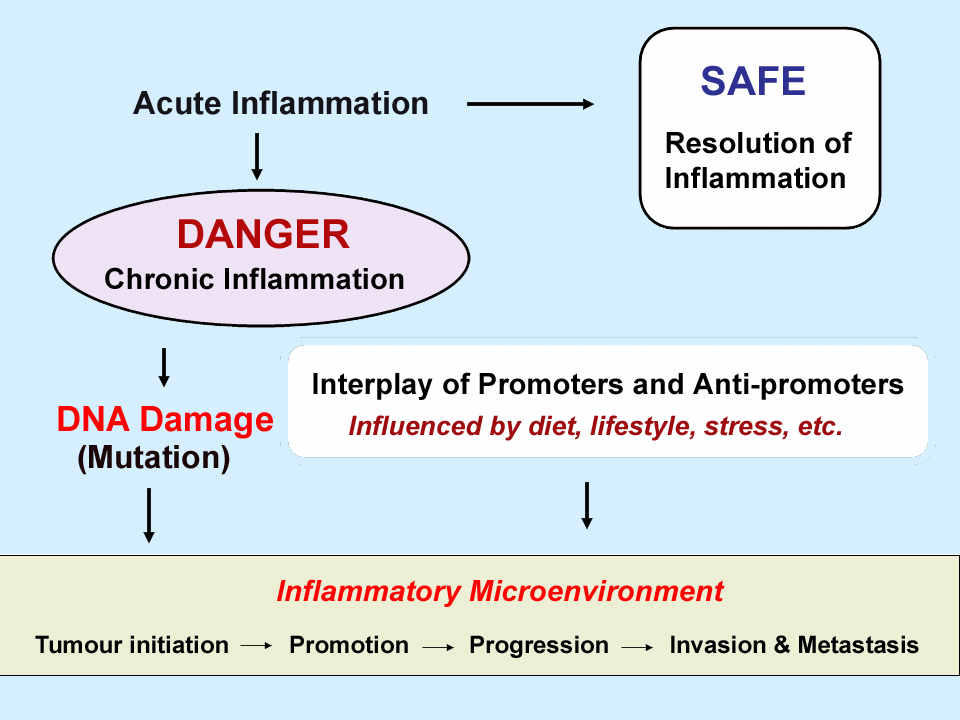
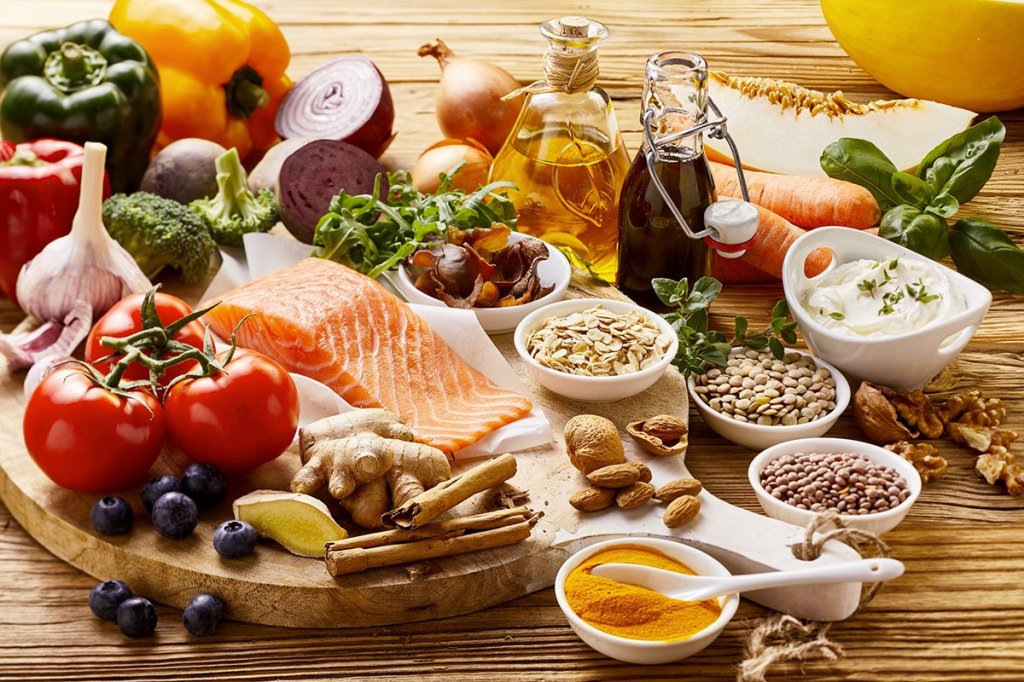
So what foods are heart healthy are also brain healthy? Two diets that have gained positive attention are elements of the Mediterranean Diet and the DASH diet have been shown by a plethora of research to help reduce the risk of Alzheimer’s disease and other forms of dementia. It is thought that these two dietary patterns help the brain by keeping blood flowing efficiently and reducing damaging inflammation. Both are low in saturated fat and recommend a diet heavy on plant foods and healthy fats with a low consumption of red meat, sugar, and processed foods.
There are certain components of healthy diets that can be top choices on what makes these diets stand out with healthy benefits:
Omega-3 fatty Fish Oils and Brain Health
Protecting Brain Structure: Myelin
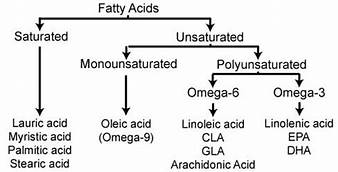
The BASICS: Most all cells contain omega3s (EPA, DHA) and omega-6s in their cell membranes. Most nerve signals cannot be conducted without a special sheath called myelin and fatty acids like EPA and DHA are necessary for cell membrane structure. Myelin insulates the nerve fibers of nerve cells.
Brain cells are susceptible to damaging neurotoxins. Long-chain omega-3 fats, EPA and DHA are important for brain development, production of hormones and checking inflammation. Research has also shown that they lower blood triglyceride levels resulting in decreasing cardiovascular risks. A meta-analysis found that people with the highest consumption of omega-3, EPA and DHA have an association with a 14% risk reduction of death from any cause when compared to people who consume less. A new area of research has suggested that fish oils as EPA and DHA are involved in brain health. This is important since there is evidence that omega-3s can protect against neurotoxins that damage the nervous system including the brain.
For example:
1300 elderly women underwent MRIs of the brain to assess how much exposure they had to a type of air pollution called PM for three years prior to the MRI. PM pollution is known to have neurotoxic effects known to be linked to strokes, cognitive decline, and dementia. The new study was published in the journal, Neurology,
Results showed that “women with higher levels blood levels of fish oils (omega-3s) had significantly greater volumes in the brain areas (hippocampus) associated with cognition, and memory, and white matter which contains nerve fibers that connect brain cells. The results indicated that women with higher levels of omega-3s were protected against the brain-damaging effects of PM exposure”.
Improved Depression Symptoms
A meta-analysis published in Translational Psychiatry, researchers reported that relatively high dose supplements with a high concentration of EPA to DHA significantly improved the symptoms of mild to moderate depression (mood, sleep disturbances, and fatigue) in pregnant and postpartum women. Higher doses need to be given by primary care physicians.
The U.S. diet is sadly abundant in omega-6 fatty acids; however, on the other hand, sadly deficient in omega-3 fats —-but that’s another story.
Omega-3 fats contain antioxidants that help protect our cells from damage including the heart and brain. A study published in the June 2020 issue of Alzheimer’s & Dementia found that people who closely followed a Mediterranean Diet had a lower risk of developing cognitive impairment in the following 10 years, compared with those who did not follow that eating pattern. But people who ate the most fish had both a reduced risk of cognitive impairment and also slower cognitive decline when compared to those who ate less fish.
Plant Oils
Substituting healthy plant oils like olive oil, sesame oil or canola oil for saturated fat such as butter, helps keep your mind healthy. These simple changes help to keep your blood vessels clear of damaging plaques. Extra-virgin olive oil is particularly rich in antioxidants.
Nuts
Nuts are great as snacks since they are rich in fiber and protein. The least processed are the best choice.
Some nuts like walnuts, pecans, and chestnuts, contain high amounts of antioxidants. Also, walnuts are rich in a type of plant-based omega-3 fats called alpha linolenic acid which helps fight inflammation and cellular damage.
Coffee
While not a part of the Mediterranean or DASH diets, plain coffee can provide a good source of antioxidants. However don’t over do it and hold the sugar and cream – two cups a day of black coffee is probably enough, research says.
Courtesy of Best Foods for Women’s Health, Women’s Health Guide, Harvard Medical School
Obesity is a chronic condition characterized by excess body fat. Its origins are mulfifactorial including heredity, behavior and environment. Obese people are at risk of developing many diseases. In fact, obesity is the second most important predictor of cancer, preceded only by tobacco use.
Epigenetics refers to those elements of the genetic code that you are able to change without altering your DNA sequence. It includes which genes you express, to what degree and at what time. Consequently, epigenetic processes determine whether a specific gene is active or not at any given time. In the absence of further studies. Genes can be expressed or not expressed.
Your epigenetics develop in the uterus and continues to change throughout your life. A study in the Netherlands during the famine period of 1944-1945 demonstrated how genetics affects obesity. Fetuses of mothers exposed to extreme hunger experienced more glucose intolerance, dyslipidemia, early coronary heart disease, and obesity. Therefore, starving could cause some of the diseases that are prevalent in society today. These genes can be transmitted from generation to generation. Unlike the genome (the complete set of genes in a cell), the epigenome is reversible. Epigenetic marks can be modified throughout life. However, modificationss at critical periods of prenatal development have greater effects on the results. So DNA is not your destiny!!
Lead a healthy lifestyle prior to conceiving a baby, especially the mother; however, there are some indications that the father’s lifestyle can also be influential. Ideally, both expectant parents and the offspring should maintain good lifestyle habits to include healthy diets, physical activity, adequate sleep, stress reduction, and avoidance of inflammation.
We have all heard about the rising crime rates occurring in the U.S. Our first inclination is to wonder what could be going on in our country to cause this – or at least what is contributing to this disturbing shift of behavior?
“The issues of diet and criminal behavior are limited but intriguing. If you’ve ever found yourself in front of the TV after a bad day, mindlessly digging ice cream out of the container with a spoon, you know that mood and food are sometimes linked. But while stress eating is a verified phenomenon, the relationship between food and actual mood disorders, depression and even behavior needs some attention. Can dietary changes potentially improve our mental health.? What do the studies say?
Scientists looking for answers – Hints of a Link
Before, we jump into the science (research), some basics:
As we all know, our behavior is mostly controlled by our brain. Every organ in the human body requires nutrition to function properly and when it doesn’t get what it needs it functions abnormally. So, is there any reason that the brain should be an exception? The brain is a complex organ so that alone should be enough to assume that if it does not get the proper nutrition, it might just not work as well as it should.
Recent research offers a viewpoint that the brain and the gut “talk to each other” through the presence of the microbiome – the community of microorganisms that lives inside our digestive tract. When this communication channel is “out of whack” or missing essential nutrition, major health problems can crop up in both the mind and body, enabling food sensitivities, allergies, digestive disorders, obesity, depression, anxiety, and fatigue.
“A study indicated that when levels of the brain chemical serotonin decrease from stress or not eating, it affects the brain regions regulating anger, potentially resulting in “a whirlwind of uncontrollable emotions”.
“Prison studies suggest that many inmates have poor blood sugar control, compounded by a high-sugar diet. We all know how it feels when blood sugar drops – we feel moody, foggy. Apply that to someone from a disturbed backgound.”
In a randomized, placebo-controlled trial, Oxford criminologist Bernard Gesch found that giving prison inmates a multivitamin and fatty acid supplement led to violent offenses dropping 37% compared to 10% for those who were given a placebo – findings that were confirmed by a later Dutch study.
“In a large study of prison diets, Stephen Schoenthaler, Professor of Criminology and Sociology at California State University found that prisoner’s eating habits could be used to predict future violent behavior. Normally, past violent behavior is considered the best prediction of future violence. But professor Schoenthaler found that a poor diet is an even better predictor of violent behavior.”
He also found that that in a study of young offenders in California, young adult men receiving vitamin supplements showed a 38% drop in serious behavior problems.
The types of problems associated with poor diet, such as aggression, attention deficits and hyperactivity can make impulsive behavior more likely. Low levels of iron, magnesium and zinc can lead to increased anxiety, low mood, and poor concentration, leading to attention deficits and sleep disturbances. Omega-3 fatty acids, are often deficient in the U.S. diet and needed to improve cognitive functioning.
“No one blames a poor diet as a cause of crime, nor is it the only solution. But if better nutrition in general can bring about a substantial reduction in violent crime in and out of prisons, that would be something to cheer about. For isn’t a good diet, made up of good food, a better and less expensive solution than just hiring more police and building more prisons?”
Needless to say, The Standard American Diet (SAD) needs more attention for all of us, not just in our prison population. Simply, with the input of nutrition scientists, education of the consumer, and cooperation of the food industry, we desperately need more healthy food choices for our personal health and that of our food culture.
Schoenthaler, S.J., Ames, S. Dorax, W., et al (1997)
The effect of randomized vitamin mineral supplementation on violent and non-violent antisocial behavior among incarcerated juveniles. Journal of Nutritional and Environmental Medicine, 7:343-352.
The Conversation: Crime and Punishment – the link between food and offending behavior. Hazel Flight, John Marsden, Sean Creaney. 2018
The Guardian. Can Food Make You Angry? Rebecca Hardy. Wed.24 Apr 2013.
C. Bernard Gesch, Sean M. Hammond, Sarah E. Hampson, Anita Eves, and Martin J. Crowder
Influence of supplementary vitamins, minerals and essential fatty acids on the antisocial behavior of young adult prisoners.British Journal of Psychiatry 2002, 181, 22-28
“Most grocery stores and butcher shops don’t want to sell genetically modified fish and food animals.” We have seen the rising interest of consumers of “Impossible Burgers” and “Beyond Burgers” now available in supermarkets; however, their success is not widely advertised.
The development of genetically engineered food animals or their products soon to be available like goats, pigs, cattle, and salmon (some already approved by the FDA will likely increase because GMO’s represent greater profits for big meat producers… “





 FOOD, FACTS and FADS