“It was the 1980’s. The average weight of Americans increased by fifteen to 20 pounds between 1980 and 2000. Clothing sizes grew bigger to accommodate bigger people: waistbands became elastic. How did this happen? The following article discusses the health implications of the “other epidemic” – that resulted by the time COVID struck an obese population in 2020.
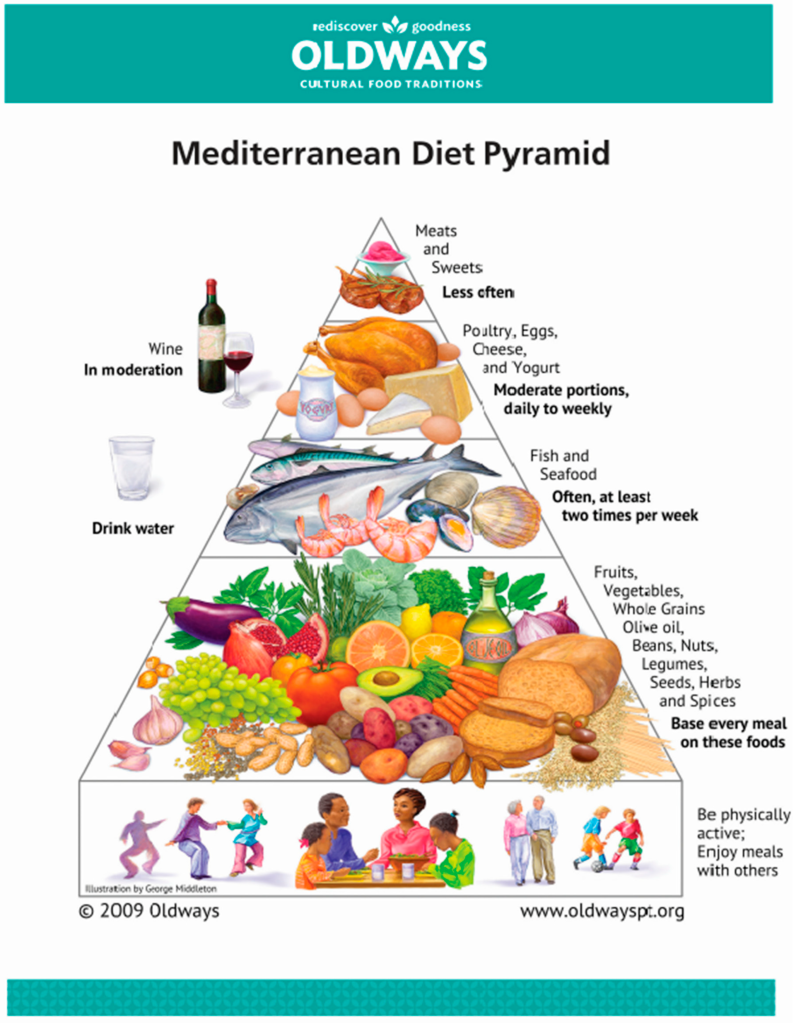
A healthy new YEAR’S RESOLUTION is simple; TRY THE MEDITERRANEAN DIET – a diet pattern that offers variety as well as many health benefits and a great way to begin the year.
Highlights of the Mediterranean diet – source Life Extension, Dec. 2021 Michael Ozner, MD
There is no one Mediterranean diet. In thousands of studies, the Med diet has been reported to be one of the best lifestyle strategies for extending longevity and avoiding the common disorders of aging, including heart disease and cancer.
In 1990s, the first Mediterranean Pyramid was created by a non-profit group called the Oldways Preservation Trust, in cooperation with the Harvard School of Public Health and the World Health Organization. It was based on food patterns seen in the Mediterranean areas of the olive-growing countries surrounding the Mediterranean Sea, Spain and southern France in the 1960’s.
A clinical trial showed that those who adhered most closely to a traditional Med diet appeared less likely to suffer sudden cardiac death than those who at least had a better chance of healthy aging, defined as living to 70 years or older with no major physical or mental impairments. For diet details, search this blog as Mediterranean Diet.
Components of the Med Diet to show proven health benefits:
Extra Virgin Olive Oil
Omega-3 Fatty acids
Vegetables and fruits
Whole Grains
Clinical trials and observational studies have found particularly strong evidence that the Med Diet protects the heart and lowers the risk of heart attacks, strokes, and cardiovascular death.
However, this diet pattern is beginning to show that the diet can reduce the risk for other chronic diseases associated with aging.
Metabolic Syndrome
A meta analysis of 50 studies including nearly 535 people found that following the Med Diet was associated with a reduced risk of metabolic syndrome. The metabolic syndrome is a cluster of symptoms associated with heart disease that include:
Decreased HDL (“good cholesterol”)
Increased waist circumference
Increased blood pressure
High glucose levels
Increased triglyceride levels
Diabetes type 2
Another study of subjects with a high cardiovascular risk showed that a Med Diet compared to a low fat diet reduced the risk of developing diabetes type 2 by 52% .
Alzheimer’s Disease
In a study lasting four years, in patients showing no signs of dementia at baseline, greater adherence to the Med Diet was associated with a significant reduction in risk of developing Alzheimer’s disease.
Cancer
In a meta-analysis of 83 studies that included 2, 130, 753 subjects, the highest adherence to a Med diet was associated with the lowest rates of many cancers, including colon, breast, stomach, liver, and prostate and a lowest risk of cancer mortality. The diet’s benefits were attributed to a higher intake of fruits, vegetables, and whole grains, i.e. a plant based diet.
Longevity
Several studies have specifically shown that the Med Diet increases longevity.
One study analyzed the diets of 10,670 women in mid-life with a median age of 59 years. Greater adherence to the Med Diet was related to 46% greater odds of surviving to 70 years or older with no major impairments in physical function or mental health.
Another study of adults 65 and over also found that closer adherence to the Med Diet was associated with prolonged survival. Many components of the Med Diet including omega-3 fatty acids from fish oil and polyphenols from fruits and vegetables have been shown to reduce chronic inflammation. Be sure and search Food, Facts, and Fads for diet and disease as well as the Mediterranean diet for more details about this powerful message.
“So many people are confused about food; the eating plan of the moment changes and suddenly there are new rules to follow. But with plant-based eating, there is [more] freedom to eat what you want.” —Cassidy Gundersen, holistic nutritionist.
This article is quite long but worth reading to reflect on what type of food culture may be waiting for the future. Interesting topic!!
I am not a promoter of supplements except in situations when you don’t want to smell like a raw garlic bulb every day.
More Good News for Garlic Lovers
Editors Note: Metabolic syndrome is becoming a marker for good health especially in the older population; however its presence can occur even in younger people. It is diagnosed as having three of the following disorders: high triglycerides, high blood pressure, elevated blood sugar and low levels of HDL cholesterol. These disorders collectively are thought to contribute to a higher risk of developing diabetes and/or heart disease
A randomized clinical trial included 90 men and women with metabolic syndrome were supplemented with tablets containing 1600 mg of garlic powder daily for three months, or a placebo.
Garlic supplementation Improves metabolic syndrome. Phytother Res. 2021, May 11.
In the garlic group, results were as follows:
All parameters were reduced along with appetite, fatty liver index,and waist circumference. Additionally, beneficial HDL cholesterol was significantly higher than at the beginning of the study compared to the placebo group.
The Power of Plant-Based Nutrients. Life Extension, October, 2021.
“Then, there is cancer. Compounds in garlic have been shown in many laboratory studies to be chemoprotecive. Epidemiological studies shows a decreased risk in stomach and colon cancer in areas where consumption of garlic is high. An article In the Journal of Nutrition stated that “evidence continues to point to the anticancer properties of fresh garlic extracts, aged garlic, garlic oil.”
Source: Jonny Bowden, Ph.D., CNS. The 150 Healthiest Foods on Earth. 2007.
“Most people try to do the best they can, given their circumstances,” Nestle adds, but there are lots of factors that shape our eating habits: “Education is an issue, but so is relentless food marketing.”
Does food affect our minds and bodies? According to a new self-imposed study, it sure does. The article is interesting and makes one wonder how different behaviors would be if more people were aware of this and changed their diets to a healthier approach.
In America today, even when food is abundant, fast-paced lifestyle and poor food choices made available through modern technology can contribute to a diet that contains too much of some nutrients and too little of others.
It’s Pumpkin time!! By the 1800’s, pumpkin pie was a necessity at most Thanksgiving celebrations. If you have ever heard the famous poem about Thanksgiving by Lydia Maria Child in 1842:
“Over the river and through the wood, to grandfather’s house we go” ends with “Hurrah for the pumpkin pie”.
Northeastern Indians used squash more than other Indians in early America and did favor pumpkin the most. They baked them by putting them in the embers of a fire, then moistened them with maple syrup or honey or some type of fat and then turned it into a soup. In 1705, the town of Colchester, Connecticut postponed the holiday for a week due to a molasses shortage to make the pies.
The first known American cookbook was American Cookery by Amelia Simmons in 1796 that included a recipe for “pompkin” pie. Later in 1805, a recipe for pumpkin pie appeared in the Art of Cookery Made Plain and Simple by Mrs. Hannah Glasse.
“Take the pumpkin and peel the rind off, then stew it till is quite soft and put thereto one pint of pumpkin, one pint of milk, one glass of malaga wine one glass of rose-water, if you like, seven eggs, half a pound of fresh butter, one small nutmeg, and sugar and salt to your taste:”
In 1929, Libby’s meat-canning industry made pumpkin preparation easier by offering its famous canned pumpkin with its traditional recipe on the label. My mother would have appreciated the Libby’s version. I remember her talking about making her first pumpkin pie and neglecting to strain the stringy pulp from the pumpkin itself. Next time you open a can, please think kindly of her and in her day, there may not have been canned pumpkin. Her first pie was probably around 1924.
The only problem is the sugar content found in pies – as for my pumpkin disaster, I forgot the sugar one year and it was awful. But who is counting sugar grams on Thanksgiving? For the few that are – 1 serving has 253 cals, 3 grams of fiber, 32 grams of carbohydrate and about 19.7 grams of sugar (5 tsp). Pumpkin is also loaded with vitamin A in the form of beta-carotene (a powerful antioxidant). Happy Holiday!!!
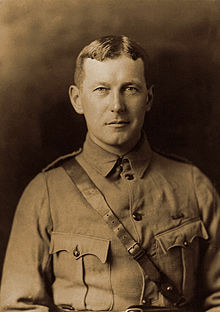
In Flanders Fields by John McCrae was first published in England’s Punch magazine in December 1915 . Within months, this poem came to symbolize the sacrifices of all who were fighting in the First World War. Today, the poem continues to be a part of Remembrance Day ceremonies in Canada and other countries throughout the world.
For some reason, I have remembered this great tribute and we thank all our veterans for their service.
“Flanders Fields ” is a poem about remembrance, a call for those living to not forget the dead who are buried in a foreign land. It demands that the living remember why the fallen died, so that they did not die in vain. Thus, it became one of the most famous poems of the First World War.”
In Flanders Fields and Other Poems, a 1919 collection of McCrae’s works, contains two versions of the poem: a printed text as below and a handwritten copy where the first line ends with “grow” instead of “blow”, as discussed under Publication:[9] Wikipedia
In Flanders Fields In Flanders Fields, the poppies blow Between the crosses, row on row, That mark our place; and in the sky The larks, still bravely singing, fly Scarce heard amid the guns below.
We are the dead. Short days ago We lived, felt dawn, saw sunset glow, Loved and were loved, and now we lie, In Flanders fields.
Take up our quarrel with the foe: To you from failing hands we throw The torch; be yours to hold it high. If ye break faith with us who die We shall not sleep, though poppies grow In Flanders fields.




 FOOD, FACTS and FADS

