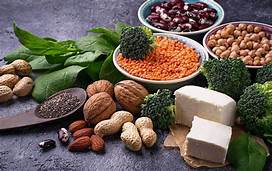
Restricted Eating Can Improve the Metabolic Syndrome

What is Restricted Eating?

Time-restricted eating is a type of intermittent fasting, a topic found in abundance lately in reference to health and/or weight loss interventions. Often weight loss appears to be the primary outcome of diets; however, there important health benefits associated with consuming an optimum diet, not just weight loss alone.

This time-frame of eating can vary according to the person’s preference and the plan they choose to follow. Typically, though, the eating window in time-restricted programs ranges from 6–12 hours a day.

Outside of this period, a person consumes no calories. They should, however, drink water or no-calorie beverages to remain hydrated. In some time-restricted diet plans, people may also consume unsweetened coffee or tea with no cream.

Although time-restricted eating will not work for everyone, those who have their doctor’s approval may find it beneficial. Some recent studies have shown that it can aid weight loss and may lower the risk of metabolic diseases, such as diabetes.

What is the Metabolic Syndrome?

Metabolic syndrome is a collection of health risks, including elevated blood pressure, altered blood lipids, high blood glucose, insulin resistance, and a large waist circumference that increases the chance of developing heart disease, stroke and diabetes.

A group of researchers from the U. of California, San Diego and the Salk Institute for Biological Studies looked at 19 participants, 13 men and 6 women who had been diagnosed with metabolic syndrome.  For a 12 -week period, their eating was restricted to a maximum of 10 hours a day, during which time they could eat anything they wanted, and in whatever quantities they wished.

The study defined at baseline the eating window as the interval which 95% of calories were consumed and in this case was about 15 hours every day. At the end of the study, a 29% reduction in the eating interval to 10 hours a day resulted in a 3% reduction in weight, BMI and percent body fat and a 4% reduction in waist circumference.. Patients also reported that they had a more restful sleep and many saw a reduction in cholesterol and blood sugar levels.

The authors concluded: Time-restricted eating is a powerfully potential lifestyle intervention that can be added to standard medical practice to treat metabolic syndrome.

The study was published in the journal Cell Metabolism.


Eating Leafy Greens Safely

EATING Leafy Greens Safely from Consumer Report, March 2020

Many nutritionists declare that eating leafy greens are one of the hallmarks of eating a healthy diet.  This is true, but due to various environmental events this advice has been questioned.  The main culprit in this story is romaine lettuce that has too many times been implicated with outbreaks of food borne illnesses caused by a bacterium called E. coli.

Take the case of Cheryl in 1992.

Her mother, Susan knew something was wrong when she found her 6-year old daughter, Cheryl doubled up in pain and moaning. Her husband, Tom took her to the hospital after they realized Cheryl was also suffering from severe bloody diarrhea.  Susan and Tom spent the rest of the day wondering what was going on. Appendicitis was mentioned as a possibility.  By the morning, Cheryl was transferred to the ICU and given powerful painkillers. The next afternoon more tests  showed that Cheryl did not have appendicitis. Now what? New tubes were connected to Cheryl’s body, but her condition only worsened as the day wore on.

Cheryl continued to get worse which resulted in a heart attack and she was eventually put on life support; the damage to her heart and brain and kidneys were irreversible. The time had come to remove her ventilator. Susan sat there holding her six-year old daughter who five days previous had stayed home from school with a stomachache. Now she was gone.

The cause still remained a medical mystery until one physician had listed as a possible cause hemolytic-uremic syndrome (HUS), a rare disease leading to anemia and kidney failure. He had read that research identified E. coli as the primary cause of HUS. Most E. coli strains are harmless to humans, but one strain E. coli 0157:H7 can be deadly since  this bacterium manufactures a toxin that attacks red blood cells.  Stool cultures from Cheryl confirmed the presence of the E.coli O157:H7.

Soon other children had been infected and presented to emergency rooms over the Northwest U.S. “The headlines read: At least 45 people in Western Washington, most of them children, have fallen ill from an outbreak of a bacterial illness commonly linked to under-cooked beef, the state Department of Health officials said yesterday” The bacterium was identified as E. coli 0157:H7 and identified the source was hamburger meat served at a Jack in the Box restaurant that resulted in the death of four children and over seven hundred others who were gravely ill.  These potentially lethal outbreaks have forever changed America’s relationship with food. Previously, most consumers thought of food poisoning as a short-lived nuisance, if they thought of it at all. Now it has become more of a threat to the public and the produce industry in addition to the meat-industry.

Outbreaks Continue:  Consumer Reports, A Safety Guide to Leafy Greens, March 2020.

“According to the CDC, from 2006 and 2019 romaine and other leafy greens, such as bags of spinach and spring mix, have been involved in at least 46 multistate E. coli outbreaks. Some research shows that greens cause more cases of food poisoning than any other food, including beef.” According to the Centers for Disease Control and Prevention, 73,000 Americans become infected with this strain from all sources each year and about 60 people die as a result.

“Many victims of these outbreaks have had their lives seriously disrupted. Many have needed kidney transplants and hundreds of thousands of dollars in medical expenses because they chose to eat a presumably healthy food,” says Bill Marler, a food safety lawyer in Seattle who negotiated settlements for many victims.

For every reported case, there are many, many more cases that are not reported, says the CDC. Something has gone wrong with the processing practices we now employ and can occur during any of the steps required to grow, harvest, and package salad greens. Salad greens in the U.S. are primarily grown in two main areas: Salinas Valley, California and Yuma, Arizona, depending on the season.

However, leafy greens, especially romaine lettuce have consistently been found to be the culprit in a great majority of cases from all causes. Sales of romaine have plummeted from sales of $563 million in 2017 to $465 million presently. Still, growers are trying to figure out at what stage of the plant’s growth, a potentially deadly bacteria finds its way into and onto lettuce leaves. As bacteria are killed in products that are consumed after cooking, salads are usually eaten raw. In raw foods, this final “kill” step of cooking simply does not exist making it more difficult to contain any outbreaks. Even more simply, consumer demand for salad greens has increased significantly. Romaine became the trendy lettuce and popular for salads, burritos, wraps. Even most mixed greens bags contain some romaine.

How Greens Become Contaminated

Growing the Seeds

Bacteria such as E. coli are found in animal feces from cattle and sheep and the leaves of the growing plants can take up the microbes into their roots and thus the leaves.  Many of these lettuce farms are unfortunately found close to animal feedlots and the runoff from the feedlot waste ends up into the water used to irrigate the growing crops. It also may be carried by the wind from feedlots onto the adjacent growing plants. Wild animals or birds can deposit bacteria onto the fields. One major outbreak was attributed to the presence of wild boar contaminating the fields.

Harvesting the Fields

Machinery that helps to harvest may carry bacteria onto the fields.  Workers may not practice proper hand washing when harvesting crops (this is hard to maintain in the field setting. When plant leaves are cut during harvesting, the ends provide a reservoir of nutrients for the bacteria to thrive on and bacteria to enter the leaves.

Processing Plants

For bagged greens, plants from many sources are mixed together. If there is even one contaminated leaf in the mix, the rest will soon become contaminated as well. Equipment is not sanitized properly, and workers do not practice adequate hand washing procedures. Greens are washed in a sanitizing solution that may be recycled.

Triple-washed Greens

Most consumers feel reassured when buying bagged greens that state on the label, “Triple-washed, Ready to Eat. This creates a false sense of security since most bacteria are almost impossible to remove. It only takes 10 microscopic bacterial cells of E. coli, for example, to be considered an infectious dose. Therefore, this process may cut bacterial contamination, but it does not guarantee all the bacteria are “killed.”

Fifty-six percent of Americans rinse their lettuce before eating it, but mere water does little to remove harmful bacteria. Bagged lettuce contains greens from many farms and the leaves have all been cut. ” According to the results from a 2006 spinach outbreak, the tainted greens were eventually traced to one small section of just one small section of just one growers’ field.”

Prevention

Prevention is a complicated problem. More regulations are needed, but growers say they have already made most of the changes that are known to improve food safety.  “There’s no such thing as zero risk” according to Channah Rock, Ph.D., a researcher.  People need to be alerted to outbreaks and recalls more quickly to stop the contaminated food from reaching the market. In my opinion, feedlots should not be allowed to operate so close to produce fields – and stricter water testing is needed. As with all regulations, delays are inevitable. For example, stricter rules were implemented to take place in 2018. Now they have been pushed out to at least 2022.  Delays like this are unacceptable when consumers’ lives are involved.

The Safest Ways to Eat Salad

Even though there are problems, in my opinion, consumers should know the facts of the hazards and make their own decisions as to whether to eat raw salad greens or not. 25% of Americans say they eat lettuce less often now than before. I personally avoid raw salads but find this unfortunate due to their high nutrient density and recommendations to eat more fruits and vegetables. Here Is what you can do until the industry can make greens less risky.

  • Cook sturdier greens until wilted: Use spinach, kale, collards, Swiss chard, bok choy
  • Consider buying whole head lettuce, not bagged. The heads are less processed, cut, and easier to wash before eating. Their inner leaves are more protected and are less likely to meet with sources of contamination.
  • Keep packaged lettuce cold and eat it soon. Bacteria grow more quickly at room temperatures. Watch the expiration dates. Do not use damaged or bruised leaves.
  • Look for hydroponic or green-house grown greens. These are more protected against animal droppings in soil or water. Cleanliness depends on the water source and hand hygiene of the workers.
  • Soak greens in white vinegar for 10 minutes, then rinse. This will only reduce bacteria levels, not kill all bacteria. Forget salad rinses that only will clean off dirt or chemicals. They do not kill bacteria.
  • Stay informed. You can follow recalls at FDAfood and USDAFoodSafety. On either sites, you can sign up for email alerts.

The Standard American Diet: SAD Realities

The American Plate

When the truth is addressed, we really do not know much about nutrition science,  especially its physiological influences on our health. This dilemma results in the ongoing debates about just what is a healthy diet. In reality, nutrition is an infant science that has been ignored by some who feel  it is relatively an unimportant  factor on our health issues.

Doctors do not help the situation – most will admit that they never received much education about how the diet can affect heath parameters. My own doctor never mentioned the fact that even though I had lost 20 pounds intentionally since my last visit, he never asked me any particulars about the diet that got me there. One would think that he might have inquired if  the weight loss was not intentional, therefore indicating a health problem. He also never mentioned the resulting  lab value changes, primarily total cholesterol, LDL, HDL, triglyceride, blood glucose, blood pressure values that had improved with the dietary changes I had made on my own.

But most people are not aware of how diet can affect our heath (the emphasis has been only on weight loss).  When doctors don’t  mention it, patients do not receive the        proper information on diet interventions. For example, if their total cholesterol is too high, they are told to eat a low cholesterol, low fat diet (outdated advice) and/or placed on a statin drug.  Nutrition science has come a long way since those days from a couple of decades ago. The prudent way would be to give diet a chance. Diet advice is abundant on the internet. However, you should be careful about some of it – look for help from certified nutritionists (Registered dietitians or others with certification from a health coach program, for example.)

The following article written by Reinoud Schuijers explains quite well the problems with the Standard American Diet (SAD)  as the three “assassins” – refined vegetable oils, sugar and grains. He seems to follow a keto-type diet; however, research has not yet fully investigated the long-term effects of this highly restrictive plan.

Take charge of your own heath and encourage your doctor to help you take the path to healthy lifestyles. The internet is teeming with diet advice, but use it wisely. In my opinion (contrary to the following article) it may help to consult with a certified dietitian or certified health coach). But you don’t need to follow complicated meal plans – the best diet is one you form based on your lifestyle and food preferences. Say away from highly restrictive plans, fads and detoxification schemes as well as diet pills.

CLICK HERE.

Where’s the Protein?

Ever since  the advent of plant-based diets, one of the first questions that may come to mind is “how do I get enough protein in my diet?” The following post discusses some protein basics and provides an interesting article on some sources you may not have thought of.

Nearly all people in the United States get enough protein in a balanced macro-nutrient diet each day.  The average intake of protein by adults is 98 grams/day, about twice the recommended dietary allowance (RDA) which is for men (56 grams) and for women (46 grams).

The ability of proteins to support tissue construction in the body varies depending on their content of essential amino acids (must be provided by the diet, we cannot make them). Proteins of high quality contain all nine of the essential amino acids and are called complete proteins and include all animal proteins (meat, milk, eggs, and milk products (dairy) and soy (for adults). Incomplete proteins are deficient in one or more amino acids and include plant sources such as seeds, beans, nuts, grains. Fruits do not contain any significant amounts of protein.

You can obtain all the essential amino acids by practicing protein complementation which is the process of combining proteins from different sources so that collectively they provide the proportions of amino acids required to meet the body’s needs. For example, beans combined with rice become together a complete protein by providing all nine of the amino acids.

CLICK HERE.

Processed Food: How Much Do We Really Eat?


According to a study carried out by researchers at the University of Sao Paolo, almost 60% of the calories Americans consume each day comes from ultra-processed food.
All foods are processed to some extent. The main problem in the Standard American Diet (SAD), is the high percentage of ultra-processed foods.

What is an ultra-processed food?  It’s foods that contain additives like food coloring, synthetic coloring, artificial sweeteners, preservatives, chemicals that give food texture, as well as taboo additives like partially hydrogenated oils. Ultra-processed foods are also typically high in sodium, sugar, and calories. Just  read the ingredient list on the food labels (if you have time) and you will soon realize many of these additives are currently in our food supply.

CLICK HERE.

Antioxidant Supplements: Do We Need Them?

Antioxidant Foods

Antioxidants and Free Radicals

All cells face constant threats from what are known as free radicals.  We obtain these potential scoundrels from the metabolism of the food we eat, the air we breathe and from sunlight’s action. Free radicals are in varying chemical states, but their main danger lies in their need for obtaining electrons for stability. In order to do this, they “steal” electrons from nearby substances such as body cells and DNA, causing potential damage and destruction. They may damage the instructions in a DNA strand creating a harmful mutation or create  low-density lipoproteins (LDL) that could increase heart disease risk in an artery of the heart, or alter a cell membrane that could affect what enters or leaves a body cell. The body also uses free radicals in a necessary way as part of the immune system to help destroy foreign invaders such as bacteria, viruses, and toxins.

Antioxidants are found naturally in the body such as glutathione, coenzyme Q10, superoxide dismutase among other systems. We obtain many from various foods in the form of vitamins (C, E, beta-carotene and related carotenoids), minerals (selenium, manganese) and various phytonutrients such as flavonoids, phenols, polyphenols, phytoestrogens, and many more found in many plant foods.

Antioxidants probably number in the hundreds or thousands of different substances. Their main function is to act as an electron donor to help squelch the actions of harmful free radicals. Some antioxidants in certain situations can be called prooxidants – electron grabbers. This is likely to be the method found in the defense of the body (e.g. immune system)  Nevertheless, they are all considered to be unique with different roles. “So, no single antioxidant can do the work of the whole crowd.” We obviously need a variety of foods to provide as many as we need to get the job done.

Health Benefits of Antioxidants – What’s the Hype?

Antioxidants came into attention when the research suggested that free radical damage may be involved in chronic diseases such as heart disease, cancer, and vision loss. Studies initially indicated that people who ate the most fruits and vegetables had lower risk of these diseases than people who ate lesser amounts. Clinical trials began to test individual nutrients found in fruits and vegetables that were known antioxidants (vitamin C, E, and beta-carotene) to test their efficacy against these diseases. This took the food and supplement industry and media by storm for a long time with proclaiming protection against diseases by consuming large amounts of antioxidants provided by their products.

However, despite these results and disappointments, antioxidant supplements represent a $500 million-dollar industry that continues to grow. Antioxidants continue to be added to cereals, sports and energy bars and drinks, and other processed foods. Lately, however, the hype appears to have abated somewhat due to the reports of no effects of these vitamins and minerals, and phytochemicals (my opinion).

Heart Disease and Antioxidants

In the Women’s Health Study, 39,876 women took 600 IU of natural vitamin E or a placebo every other day for 10 years. The results? At the end, the rates of major cardiovascular events and cancer were no lower among those taking vitamin E than they were among those taking the placebo.  One large study (the HOPE Trial) found that those taking Vitamin E versus a placebo showed no benefits vs the placebo and vitamin E and that those in the Vitamin E group actually had higher risks of heart failure and hospitalization for heart failure.  Not all trials were negative, however. In a recent trial of vitamin E in Israel, there was a market reduction in coronary heart disease among people with type 2 diabetes.

In the Women’s Antioxidant Cardiovascular Study, vitamin E, vitamin C and/or beta-carotene had much the same effect as a placebo on myocardial infarction, stroke, coronary revascularization, or cardiovascular death, although there was a modest and significant benefit for vitamin E among women with existing cardiovascular disease.

Age-Related Eye Disease and Antioxidants

Some good news for  antioxidant supplements was found in a six-year trial, the Age-Related Eye Disease Study (AREDS). The results were that a combination of vitamin C, vitamin E, beta-carotene, and zinc offered some protection against the onset of advanced age-related macular degeneration in people who were high risk for the disease.

Potential Hazards of Antioxidants

Several studies have raised some concerns about supplemental beta-carotene.  One study even found that when smokers were fed beta-carotene supplements, the chances of developing lung cancer were increased.  Follow-up studies reported the same results. Another possible caution: In the SU.VI.MAX Trial, rates of skin cancer were higher in women assigned to take vitamin C, vitamin E, beta-carotene, selenium, and zinc supplements.

The studies so far have been inconclusive and are far from providing strong evidence that supplementation with antioxidants have much impact on chronic disease prevention. There was some positive benefits of beta-carotene on cognitive function in the Physicians’ Health Study after 18 years of follow-up; however most studies are of shorter duration, so few comparisons can be made.

What to do? There is abundant evidence that the first observations of fruit, vegetable and whole grain consumption were correct since subsequent studies have supported the fact that consumption of antioxidants via eating natural whole foods provides protection against many of our common chronic diseases.

Bottom Line: Get your antioxidants from whole, natural foods, not supplements. Research is still limited and results are not conclusive, but supplement companies still claim benefits even though more evidence of safety and efficacy is sorely needed.

Weight Loss and Fitness: An Opinion

The following article by Shannon Hilson writing on Medium is one of the best weight loss experiences ever This article is written by a real person in a real life situation, not by some so-called diet expert. Some experts tend to  espouse nutrition platitudes, leaving the reader feeling guilty, depressed and tired of hearing the same thing over and over again. (my opinion).

This article can pertain to not only dieting (aka as torture), but weight management (staying at your desired weight goal).

The bottom line: Dieting is just not a pleasant state of mind or body – no matter how easy a Nutrisystem commercial may seem – “just eat the food….”

For a sensible approach:

CLICK HERE.

Who Lives Longer? Why?

A flag concept of a dinner plate with the flag of France on it.

More lessons are to be learned from the French culture. They just keep giving and we (the U.S) just keep ignoring their clues reflected by their lower disease rates (some of the lowest on the globe).

For example, the cardiovascular disease rate: 86.89 deaths in U.S per 100,000 population; 43.25 in France. The obesity rates are much higher in the U.S. than in France. However the lower rates are climbing in France due to less adherence to their traditional diets and their higher intake of Westernized fast and processed foods.

The dietary lessons are relatively simple suggestions(in my opinion). The  French generally do not diet or snack. They enjoy food and eat sensibly when it comes to portions. There may be others that are more complex. Please check out the table and graph in the article.

CLICK HERE.

The Simple Way to Eat?

Was a new diet part of your 2020 resolutions?  Great, but forget the new fads, diet pills, and starvation deprivation. There are many of the old diets still around- keto, paleo, Whole 30, NutriSystem, Jenny Craig to mention a few.  Just look at the magazine covers at the supermarket checkout – keto seems to have taken over all the others. The keto diet is quite restrictive, difficult to maintain and the long-term effects are not known. There is little evidence that  this type of restriction, although shown to be effective for weight loss, may not be a lifestyle choice for most people. Is there a better way? In my opinion, yes. The best diet is one you can live with and with a few adjustments compatible with the foods you choose. The best diet is one that with a little guidance and knowledge, is decided by you.

The following article is worth looking at if you want a simple approach.  All you need is a plate, a bottle of water, real food and of course, your commitment. And even better, this plan lets you be in control in following a reasonable and evidence-based plan that can fit easily into your lifestyle.

The article speaks for itself and provides a few links to add to the basics, i.e. some things you need to know like a guide to non-starchy vegetables. Oh, you may have to give up fast food and processed foods for a while. But, you may be glad when you realize that you will feel a lot better (and healthier) and the effort will be well worth it.

Don’t get me wrong – I don’t want to say that weight loss itself is easy – it ‘s hard work but worth it when your goals are either weight loss or just changing to a healthier lifestyle.    That is why this plan is appealing. it is straightforward and makes sense.

So join the new “non-diet” approach that will help you lose some pounds but even better, eating for health. That is what eating should be about, not body image, eating disorders and food restriction. Learning how to eat rather than  just what to eat  is the answer (my opinion). ENJOY!!

One more thing – Always consult a registered dietitian, certified nutritionist, and your primary physician to discuss any dietary change to make sure it is nutrient dense. Also make sure you have no underlying medical problems like high cholesterol, hypertension, pre-diabetes, diabetes or digestive issues, for example.

CLICK HERE.

Blue Zones Cities USA

Dan Buettner’s groundbreaking ambitious Blue Zone project is beginning to transform American cities into Blue Zone cities  and has so far helped thousands of people lose weight, reverse disease, and increase life satisfaction by changing in part the way they eat, live, and connect.

The original Blue Zones areas helped shape these transformations. Practically speaking, Americans cannot be expected to eat the same foods as the Blue Zone inhabitants did. That would be impossible in the U.S. food environment. However, lots of lessons can be learned from their way of life that led them to longevity and health in their older years than anyone could have imagined. Get a brief glimpse of how one city (Ft. Worth, TX) transformed themselves into better health outcomes. Small changes can make a difference over time.


CLICK ON THE VIDEO.