The Obesity Burden?

The Burden of Obesity Is Not Carried Equally

— Misconceptions are hurting the fight for health equity in communities of color

by David Satcher, MD, PhD August 26, 2022

UNHEALTHY PROCESSED FOOD AND SNACKS CAN LEAD TO OBESITY

“Since leaving my post in 2002 as the U.S. Surgeon General, the nation’s leading public health role, America has made great strides in battling public health crises. From reducing tobacco use and improving maternal and child health, to most recently advancing vaccine technology to fight the COVID-19 pandemic. Yet, another epidemic has gained strength, debilitating and killing millions of people on its deadly upward trajectory. The chronic disease of obesity is a misunderstood condition impacting millions of Americans from every demographic group living in every corner of the country. Unfortunately, obesity and comorbid diseases disproportionately impact communities of color in nearly incalculable ways.

In the early 2000s, the national adult obesity rate was 30.5% and we had made progress on achieving many health goals related to heart disease, type 2 diabetes, cancer, and multiple other chronic health challenges. Back then, my office released “The Surgeon General’s Call to Action to Prevent and Decrease Overweight and Obesity,” which underscored the increasing severity of obesity’s impact on our collective health and outlined a vision for the future. Today, the adult obesity rate has climbed to 42.4% and is projected to reach nearly 50% by 2030.

Disparities in obesity rates between racial and ethnic groups are stark. The latest data show that non-Hispanic Black adults have the highest age-adjusted prevalence of obesity in the country at 49.6%, followed by Hispanic adults at 44.8%, and non-Hispanic white adults at 42.2%. Obesity is also a significant health challenge among American Indians and Alaskan Natives, with adults in those communities 50% more likely to have obesity than white adults. Furthermore, a projection of obesity rates found that “severe obesity” will become the most common BMI category among non-Hispanic Black adults (31.7%) — as well as among women (27.6%) and low-income adults (31.7%) — by 2030.

Despite researchers making significant advances in the last 2 decades, obesity is too often myopically viewed as the result of an individual’s lifestyle choices around diet and exercise. Viewing the disease through this lens omits that body weight is determined by a combination of genetic, metabolic, behavioral, environmental, cultural, and socioeconomic factors. In fact, we know that a significant proportion of obesity can be influenced by genetics.

While recent scientific discoveries have greatly improved obesity care options, our collective effort to stem the tide of the disease has fallen short. Obesity is a public health crisis deserving maximum effort from policymakers, healthcare providers, insurers, and community partners working in concert to dramatically reduce the burden of this disease.

Our politicians and policymakers must focus on the core causes and dire consequences of unchecked increases in obesity rates among the people they serve. It is imperative that updated federal, state, and local policies grant equitable access to the full continuum of obesity care. Healthcare providers must seek continuing education on advances in metabolic science and the availability of pharmacotherapies that are proven to safely reduce disease prevalence and the impact of comorbid diseases. Insurers must take a long view of obesity care, taking immediate action to close coverage gaps that block access to obesity trained physicians, consultation with nutritionists, physical therapists, and prescriptions for FDA-approved metabolic therapies. Our community leaders must advocate for healthcare equality and equitable access to obesity care to lift the physical, mental, and financial burden of the disease on all Americans, especially Black and brown people.

I believe generating coordinated, sustained solutions for a positive impact on obesity in America will come from the hard work of public health stewards, policymakers, healthcare providers, and community leaders at the intersection of health equity and policy. I am making a renewed call to action for the challenging situation we find ourselves in. Every one of us deserves the opportunity to live our healthiest life. It is time we remove the impediments to health equity through access, and promote a path that eliminates the obesity epidemic persisting in communities of color across our nation.”

David Satcher, MD, PhD, is the 16th U.S. Surgeon General and the founder of the Satcher Health Leadership Institute.

Those interested should also read the book by Sandra Aamodt, Ph.D., Why Diets Make Us Fat: The Unintended Consequences of Our Obsession with Weight Loss. More emphasis should be placed on the development of how to control or manage damaging weight regain after endless weight loss attempts. Sally Feltner, M.S, Ph.D.
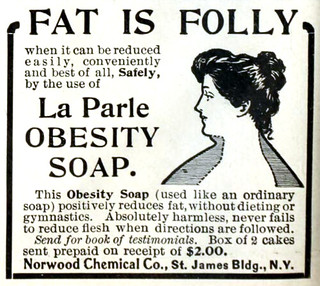
A Brief Look at Diet Culture

Soure: Social and Health Research Center

Written by: Timandra Rowan

April 21, 2022

Diet culture has a long history of fads and facts. In the U.S., there have been multitudes of “diets” designed for health with more emphasis on weight loss than in other countries over the last century. Why is our national obsession on the relationship of dietary fat been the prominent discourse? A little history may help.

CLICK HERE.

One in two US adults have diabetes or prediabetes

In the latest edition of Nutrition Action from Center for Science in the Public Interest, December 2022, there is a very comprehensive article on Diabetes type 2. Here are the important takeaways. The article was written by Bonnie Liebman.

“Fifteen percent of U.S. adults have diabetes. Another 38% have prediabetes (and 8 out of 10 of them don’t know it). The good news: Many cases can be prevented and, in some people, even reversed.”

        Prevention is the key with the practice of lifestyle changes in diet and exercise.

The Bottom Line:


“The best way to dodge prediabetes is to lose (or not gain) extra pounds.

Cutting carbs –  especially white flour, potatoes, juice and sugary drinks- may help lower blood sugar even if you don’t lose weight.

Replace unhealthy carbs with unsaturated fats like olive oil or canola oil, nuts, avocado, and fatty fish.

Fill half of your plate with nonstarchy vegetables.

Aim for at last 30 minutes of brisk walking or other aerobic exercise daily.

If you have type 2 diabetes, don’t try a very-low-calorie or a low-carb diet without a doctor’s or dietitian’s help. They may cause dangerously low blood sugar, and your doctor may need to adjust your medications.

If you have prediabetes, find a CDC-recognized-in-person or online Diabetes Prevention Program. (Go to cdc.gov/diabetes/prevention.)”

Source: Nutrition Action\ December 2022.

Happy Thanksgiving – Bon apetit.

English: “The First Thanksgiving at Plymouth” (1914) By Jennie A. Brownscombe (Photo credit: Wikipedia)

“ The turkey is certainly one of the most delightful presents which the New World has made to the Old.”  Brillat Savarin.

Most of the traditional Thanksgiving foods we now eat on this holiday are foods that originated or were Native to the Americas. The word for turkey in French is dinde, short for poulet d’inde since they thought that the turkey came from the West Indies of Columbus days.  The turkey was popular in England before the Pilgrims came in 1620.

Turkeys don’t migrate so they were some of the first Native Americans and were available all year.  Turkeys are easy to hunt – when one is shot, the others freeze in place.  Don’t get me wrong – I don’t encourage shooting turkeys – we have lots of wild turkeys here in Western North Carolina. Many times I’ve had to stop and wait until they cross the road.  I once encountered a few hens walking in the woods, followed by a male who wanted to impress them by making a racket and spreading his tail feathers – of course, the “girls” totally ignored him and went on without a nod – I kind of felt sorry for him

Potatoes had reached Europe early in the Columbian Exchange (thanks to Christopher Columbus).  Potatoes had an interesting history – they were native to Peru, a Spanish colony and enemy of England, and went from Peru to Europe and then returned to New Hampshire with Scottish-Irish settlers in 1723.  It is thought that the idea of mashing them with butter and milk also came form Scottish-Irish influence.

Cranberries were native to New England. Cranberries and blueberries were mashed with sour milk and used as paint as well as for food.  To this day, these colors or variations of these colors are used in New England colonial homes.

Many types of squash had reached Europe, but pumpkin was unknown at that time. Pumpkin was used in the early colonies, but did not appear in cookbooks until Amelia Simmons in 1796 wrote the first printed American cookbook.  She referred to it as “pomkin”.  You may prefer pecan pie – and these are also of American origin.  Originating in central and eastern North America and the river valleys of Mexico, pecans were widely used by pre-colonial residents.

Cornbread and sweet potatoes (both being native to the Americas) round out our traditional Thanksgiving fare. Archaeological studies indicate that corn was cultivated in the Americas at least 5600 years ago and American Indians were growing corn long before Europeans landed here. The probable center off origin is the Central American and Mexico region but since the plant is found only under cultivation, no one can be sure.

The sweet potato has a rich history and interesting origin. It is one of the oldest vegetables known to mankind. Scientists believe that the sweet potato was domesticated thousands of years ago in Central America. Christopher Columbus took sweet potatoes back home to Europe after his first 1492 voyage. Sweet potatoes spread through Asia and Africa after being introduced in China in the late 16th century.

So as you enjoy your Thanksgiving this year, give thanks to the Americas for our traditional foods that are truly “made in America”.

BTW –Many of the foods we find on our Thanksgiving table today, weren’t  available back when the colonists celebrated the First Thanksgiving in Plymouth.  The first historical descriptions of the first Thanksgiving do not mention turkey – only “wild fowl” (not identified) and five deer.  The party was in 1621 with fifty-one Pilgrim men, women, and children hosting ninety men of the Wampanoag tribe and their chief, Massasoit.  It was in the fall to celebrate the good harvest of corn (wheat and barley weren’t as successful) and lasted three days.

Have a great Thanksgiving Day from Food, Facts & Fads and STAY SAFE.  SJF

Ultra Processed Foods: A Study from Brazil

Every year, the average American eats 33 pounds of cheese and 70 pounds of sugar. Every day, we ingest 8,500 milligrams of salt, double the recommended amount, almost none of which comes from shakers on our table. It comes from processed food, an industry that hauls in $1 trillion in annual sales.

Michael Moss, Salt, Sugar, Fat: How the Food Giants Hooked Us.

CLICK HERE.

A Very Short Guide to Live the Mediterranean Way

How to Live the Mediterranean Way and How to Feed Your Microbiome: Rules to Live By:  

“Each country around the Mediterranean Sea offers a rich bounty of delicious ingredients. Many authors have written about the Mediterranean Diet in terms of the health benefits that have been shown by an exhaustive array of scientific studies on its merits. The diet is now recognized as an “intangible cultural heritage” in Italy by the United Nations Educational, Scientific and Cultural Organization (UNESCO). It is a way of life and a way of eating, which the Italians call “Cucina genuine” or “cuisine of the poor”.  This is the diet of those who work the land and feed themselves using seasonal ingredients grown in their small plots outside the kitchen”.

The following characteristics attempt to describe the “Americanized” version of how to live and eat the Mediterranean way – it is not just a diet but a gift to a healthier lifestyle.”

DIET: Eat food, not too much, mostly plants. (Michael Pollan). Whole grains, unprocessed foods, fruits, and vegetables. It is not a diet but a lifestyle.

Eat meat in moderation. Limit your saturated fat, sugar and salt intake. Snack on nuts. Reduces inflammatory foods

Practice mindfulness, smaller servings, early light dinners.

Try yogurt, beans, chickpeas (hummus (fermentable foods) like sauerkraut – gives us a diverse microenvironment

Maintain a healthy Body Mass Index (BMI) 19.0 – 25.0

Drink plenty of water

EXERCISE:

Take a walk. Enjoy the sunshine.

Stay active. Get gardening.

Exercise improves cognition and stress reduction

BEHAVIORAL, SOCIAL

1-2 Glasses of red wine (daily): Optional (if you don’t drink wine, don’t start) 

Have a purpose in life (a reason to get up in the morning).

Laugh with friends.

Keep your brain active (read, puzzles, learn a language) card games

Focus on family, God, camaraderie, nature

Reduce stress and avoid eating when angry or sad.

Enjoy the secret pleasures and social aspect of foods.  Become more expert at listening to your gut feelings. (mind/body).  

Citations: 

Diane Phillps, The Mediterranean Slow Cooker Cookbook, Chronicle Books, 2012.

Emeran Mayer, MD. The Mind-Gut Connection, Harper Collins, 2016.

Dan Buettner The Blue Zones Challenge, National Geographic, 2021.

All about omega-3 fats and the Brain : Source: Medical News Today

The following study presents an interesting connection between omega-3 fats, brain function and cognitive decline.

Erica Watts, Oct 7, 2022

Fact Checked by Alexandra Sanfins, PhD.

  • Omega-3 fatty acids have many benefits and play a role in heart health and cognitive functioning.
  • A new study demonstrates that there may be a connection between consuming omega-3 and an increase in brain functioning for people in midlife.
  • The cross-sectional study analyzed the omega-3 blood levels of people in their midlife and assessed their MRIs and thinking skills to see whether there was a difference in people with higher or lower omega-3 levels.

“According to the new study published in Neurology, the medical journal of the American Academy of Neurology, people who have higher omega-3 levels in their middle ages may have an edge over people who take in lower levels of omega-3.

The study was led by researchers at the University of Texas Health at San Antonio, TX, who were concerned about the lack of research on how omega-3 can impact people in their midlife.

Omega-3: Things to know

According to the National Institutes of Health (NIH)Trusted Source, omega-3 fatty acids “are a group of polyunsaturated fatty acids that are important for a number of functions in the body.” In addition to playing a role in heart health and cognitive functioning, omega-3 fatty acids are also part of the cell membraneTrusted Source and affect cell functioning.

As Professor Stuart Phillips noted during a Live Long and Master Aging podcast, “Some fats that we ingest, and particularly the omega-3 or long-chain polyunsaturated fatty acids are actually what we refer to as essential fats. We need to have them in our diet because we don’t have the ability to make them ourselves.”

Prof. Phillips is the director of the Physical Activity Center of Excellence at McMaster University in Ontario, Canada.

The NIHTrusted Source lists three types of omega-3 fatty acids: alpha-linolenic acid (ALA), eicosapentaenoic acid (EPA), and docosahexaenoic acid (DHA)..

While people can take omega-3 supplements, it is also in a number of foods. Some good sources of omega-3 include fish (such as salmon and tuna) nuts and seeds (chia seeds and flax seeds).

Studying Omega-3’s effect

The researchers studied 2,183 men and women with an average age of 46. They excluded people who had dementia or a history of having a stroke from their participant pool.

Omega-3s are present in the brain, particularly in the hippocampus. The hippocampus plays a role in learning and memory, and a reduction in the volume can point to possible dementiaTrusted Source.

The participants also underwent a neurological assessment. The tests measured the participants’ abstract thinking, processing speed, executive function, and delayed episodic memory.

Omega-3 and brain health 

Using blood samples, the researchers analyzed the fatty acid composition (omega-3’s) of each participant. The participants also consented to having their brains scanned using MRI technology. The researchers were also interested in the volumes of gray and white matter.

The researchers placed approximately 25% of the participants in the low group where the participants had omega-3 fatty acids blood levels falling under 4%. This group had an average count of 3.4%.

The rest of the participants were put into the high group; their average omega-3 level was 5.2%.

Comparing the blood samples, MRI results, and neurological assessments, the study authors determined that higher levels of omega-3 fatty acids correlate to a higher hippocampus volume and better abstract reasoning.

Researchers observed that the people in the high group also had higher gray matter volumes, better reading scores, and slightly higher logical reasoning scores.

In contrast, the people in the low group tended to be less likely to have a college degree and more likely to be smokers and have diabetes compared to the higher group.

“This exploratory study suggests that higher [omega-3 blood levels] are associated with larger hippocampal volumes and better performance in abstract reasoning, even in cognitively healthy middle-aged adults from the community, suggesting a possible role in improving cognitive resilience,” write the authors.

“These results need to be confirmed with additional research, but it’s exciting that omega-3 levels could play a role in improving cognitive resilience, even in middle-aged people,” said study author Prof. Claudia L. Satizabal, Ph.D.

Prof. Satizabal is an assistant professor at the Department of Population Health Sciences at UT Health San Antonio, TX.

Diet and brain health 

The authors noted that other researchers have conducted similar studies in older populations but believe that it is necessary to see what impacts omega-3 supplements have on people in their midlife because they start experiencing cognitive decline.

According to the authors, “One of the main challenges for some of these studies may be that dietary interventions are carried out perhaps too late for significant improvements in symptomatic participants, as cognitive changes may be well established over the previous 15 to 20 years.”

“Improving our diet is one way to promote our brain health. If people could improve their cognitive resilience and potentially ward off dementia with some simple changes to their diet, that could have a large impact on public health.”

– Prof. Satizabal

Dr. Natalie King, a neuroscientist and founder of Florae Beauty, not involved in the study, spoke with Medical News Today and discussed the importance of diets on brain health.

“Everything we do and consume affects our brain, and there have been numerous studies, including the one shared, that highlight the effects of food and drink on overall brain health and function,” said Dr. King.

“Omega-3 fatty acids, in particular, have been found to be beneficial when it comes to improving mental function as well as supporting an overall wellness plan when considering disease pathologies like mood disorders and others affecting learning and memory,” Dr. King continued.”

Until we know how much omega-3 fats are needed to improve optimal brain function in the meantime, adequate EPA and DHA dosage is often obtained by consuming 8 ounces of fatty fish weekly. Deep fried fish have been found to be a poorer source of EPA and DHA than baked or broiled fish. The top sources include: salmon, farmed and wild, anchovies, herring, whitefish, mackerel, and sardines. Tuna (light) canned in oil only provides lower amounts.

Judith E. Brown, Nutrition Now, 7th Edition.

Supplements are plentiful on the market; however, consult your physician for dosage and any conflicts with other medications such as blood thinners. It is important to remember that dietary supplements are produced and marketed with few regulations as to safety, quality or efficacy.