Detox? A Lot of Pseudoscience

Before you dust off that juicer, you should take a long hard look at the latest fad – detoxing your body from alleged accumulated toxins from environmental chemicals that supposedly lead to illness. When searching Amazon, detox, natural, and hygiene is frequently mentioned in the titles of the latest diet books, not to mention the myriad of products from tablets, massages, tinctures and tea bags that promise to cleanse your body of these impurities and your hard earned money. You can go on two-day to seven-day detox diets which promise cleansing and weight loss. You may lose weight, but that is more than likely due to starvation rather than the diet itself. These toxins are never identified by the manufacturers of these products. When asked to provide some scientific evidence that support their claims, no one seems to be able to provide evidence that “detoxification” is not a bogus treatment.   Despite this, the detox industry has become a huge business with a little help from some celebrities like Ann Hathaway and Gwyneth Paltrow. If toxins build up in the body with no way to excrete them, we would die or need serious medical intervention. However, we have kidneys, a liver, a colon, skin and lungs that physiologically are designed to rid our bodies of any unnecessary substances we don’t need.

Detox is actually not a new concept.  Health reform began in earnest in the 19th century in America. During that time, there had to be a great deal of food anxiety; food often was adulterated with chemicals in order to make it palatable. As Upton Sinclair in 1909 writes of the meatpacking industry in his famous book, The Jungle: “And then there was “potted game” and ‘potted grouse’ and ‘potted ham’ made out of the waste ends of smoked beef… and also tripe, dyed with chemicals so that it would not show white… and potatoes, skins and all, and finally the hard, cartilaginous gullets of beef… All this was ground up and flavored with spices to make it taste like something.” Ronald Deutsch, The New Nuts Among the Berries: How Nutrition Nonsense Captured America, Bull Publishing, 1977.

Food preservation was crude and foodborne illnesses were rampant. People had little resources to turn to in dealing with even the common diseases of society. Whom did they have to rely on for medical advice on how to remain healthy in an age of so much misinformation and confusion? People were vulnerable to just about any ideas from anyone medical or nonmedical that would help them to maintain health and avoid disease.

In the 1848 edition of Buchan’s Domestic Medicine was listed the general causes of illness: “diseased parents, night air, sedentary habits, anger, wet feet and abrupt changes of temperature.” “The causes of fever included injury, bad air, violent emotion, irregular bowels and extremes of heat and cold.” I’m going with the “diseased parent theory.
Cholera, shortly to be epidemic in many British cities, was caused by rancid or putrid food, by ‘cold fruits’ such as cucumbers and melons, and by passionate fear or rage.” William Buchan, Domestic Medicine, 1848: A Treatise on the Prevention and Cure of Diseases; Google eBook .

There are two major ideas that flourished and dominated  the 19th century that led to the premise that toxins must be removed from the body by detoxification – auto-intoxication and the natural hygiene theory..

AUTO-INTOXICATION

During the 19th century, people were told that constipation was at the root of most diseases and the term, autointoxication, became the mantra of the medical community. In 1852, a publication called The People’s Medical Lighthouse, a series of popular scientific essays on nature, uses and diseases of the lung, heart, liver, stomach, kidney, womb and blood had this to say about this common digestive problem: “daily evacuation of the bowels is of utmost importance to the maintenance of health”; without the daily movement, the entire system will become deranged and corrupted.” People’s Medicine Lighthouse, Lecture 71. Harmon Knox Root, A.M, M.D. 1852.

The term auto-intoxication was coined by Charles Bouchard, a French physician. Other physicians further defined the theory by describing the phenomenon as caused by the putrefaction or decay of proteins in the intestine generating offending toxins. This theory dominated a major part of the 19th century and has survived to this day

The obsession with the auto-intoxication theory led to the marketing and sales of a myriad of bowel cleansing products along with laxatives, enema and colonic irrigation equipment. These gimmicks are still available today. Although doctors prescribe colon cleansing as preparation for medical procedures such as colonoscopy, most do not recommend colon cleansing for detoxification. Their reasoning is simple: Your digestive system and bowel naturally eliminate waste material and bacteria; your body does not need colon cleansing to do so.

In fact, colon cleansing can sometimes be harmful. Colon cleansing can cause side effects, such as cramping, bloating, nausea, and vomiting. More serious concerns with colon cleansing are that it can increase your risk of dehydration, lead to bowel perforations, increase the risk of infection, and cause changes in electrolytes. Civilisation and the colon: constipation as the “disease of diseases. James Whorton BMJ 2000; 321: 1586-9

According to Quackwatch In 2009, “Dr. Edzard Ernst tabulated the therapeutic claims he found on the Web sites of six “professional organizations of colonic irrigations.” The themes he found included detoxification, normalization of intestinal function, treatment of inflammatory bowel disease, and weight loss. He also found claims elated to asthma, menstrual irregularities, circulatory disorders, skin problems, and improvements in energy levels. Searching Medline and Embase, he was unable to find a single controlled clinical trial that substantiated any of these claims.   Quackwatch, Gastrointestinal Quackery: Colonics, Laxatives, and More, Stephen Barrett, MD. August 4, 2010 www.quackwatch.com

My own investigations of the online “yellow pages” in searching for “Colon Cleansing” revealed that there were about twelve establishments advertising this service in my city of Asheville, North Carolina as of this writing.

NATURAL HYGIENE

Isaac Jennings, MD put forth the original ideas of natural hygiene in 1822 and became known as “The Father of Natural Hygiene.” He helped to developed a healing system called “Orthopathy” that claimed that Nature knows better than the most learned physicians of the time. That could be true – my opinion. Among earliest promoter of natural remedies was Samuel Thompson, a New Hampshire farmer who prepared “botanics”, as they were called, made from native herbs. In 1835, Dr. William Alcott, a graduate of Yale Medical school mixed part time farming with his medical practice. Other professors from Dartmouth and Amherst followed. A popular health cure came in the form of water cures. In 1849, the Water Cure Journal, Physiology, Hydropathy and the Laws of Life, edited by Dr. Russell Trall entered the health reform movement. By 1850, the Journal had 20,000 subscribers. Dr. Trall is quoted as saying: Typhoid and pneumonia are neither more nor less than a cleansing process – a struggle of the vital powers to relieve the system of its accumulated impurities”. http://www.whale.to/v/trall2.html.

A vulnerable public eagerly received their proclamations due to limited information and confusion on the causes of disease. Other proponents among many included Arnold Ehret, a German author of several books on diet, detoxification, fruitarianism, fasting, food combining, naturopathy, physical culture and vitalism. There was also Herbert M. Shelton who opened schools in Natural Hygiene and founded the American Society of Natural Hygienists Universal Healing, wwwuniversalhealingbelize.com/Brief- history- of –naturalhygiene.

In a previous post, the misguided principles of detoxification were supported and practiced by Dr. John Harvey Kellogg .  Detoxification still is alive and thriving in the form of a pseudo-medical concept..  The bottom line:  Detoxification is  primarily designed to “sell you something”.  If you want to “detox”, do not smoke, do exercise and eat a healthy balanced diet.


Ultra Processed Foods to Avoid

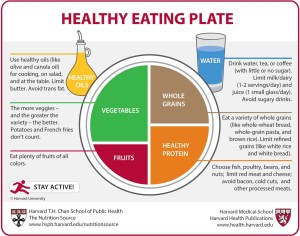
Ultra-processed foods are often thought as the nemesis of healthy eating. However, they are so ubiquitous in our food supply, it is so difficult to avoid them in the supermarket (they are displayed for our convenience and capture our cravings for sugar, salt, and fat as well.)  The problem: If we tried to avoid all processed foods, there would be few choices in the supermarket. The best way for starters is to try to cut down on snack foods — they are highly processed and offer few nutrients.

CLICK HERE.


What Else is in Your Food?

Twenty five years ago, It was largely assumed that health benefits came from the vitamin and mineral content of fruits and vegetables. That conclusion turned out to be incorrect because supplementation with specific vitamins and minerals failed to yield the same health benefits as did diets rich in fruits and vegetables. In addition, use of individual vitamin and mineral supplements was found to increase health risks in some studies, but not all. So, what else is in our foods?

Now nutrition and other scientists are investigating the effects of thousands of other substances in food on health.  The subjects of many current studies are plant chemicals known as phytochemicals or phytonutrients.   Phytochemicals are not considered essential nutrients because deficiency diseases do not develop when we fail to consume them. They are considered to be nutrients however because they are biologically active and perform health promoting functions in the body. Most bioactive food constituents are derived from plants.

Phytochemicals play a variety of roles for plants as they provide protection for the plant against bacterial, viral, and fungal infections; ward off insects; and prevent tissue damage due to oxidation. Some operate as plant hormones or participate in the regulation of gene function, while others provide plants with flavor and color.

More than 2000 types of phytochemicals, that act as pigments, have been identified and give plants a wide variety of colors. Some of these phytochemicals have been identified: beta-carotene (orange), lycopene (red), anthocyanins (blue to purple), allicin (white), and lutein (yellow-green). Many of them function as antioxidants in the human body as well as help us to fight against many chronic diseases in other ways.

The following are examples of vegetables you can buy or plant in the garden (organic not necessary) that provide some specific human health benefits that are thought to be due to either established nutrients or phytochemicals. Keep in mind that some have more research behind their claims; however, many do not and simply rely on presumed health benefits.

  1. Kale is a member of the cabbage family and is known to contain vitamins A, K, and C, as well as essential minerals like potassium, calcium, and magnesium. It is also rich in fiber and acts as a prebiotic that increases nutrient absorption in the gut. Kale also contains antioxidants that protect against oxidative damage and other aspects of chronic disease. Its nutrient density exceeds that of other vegetables like carrots, sweet potatoes, or those of the onion family.
  2. Onions have been known for their healing properties for centuries. One study compared wound healing results after the daily application of onion gel and found that scars were significantly less noticeable after just four weeks of use. Recent research has suggested that onions also contain compounds useful for the treatment and prevention of cardiovascular disease, high blood pressure, diabetes and inflammatory diseases. Most of these benefits can be traced to onion’s high concentration of sulfur amino acids, phytochemicals such as flavonoids, phytosterols, and saponins – compounds that have anticancer, antibiotic, and antithrombotic activity.
  3. Potatoes are a rich source of potassium, fiber, vitamin C. Little attention is paid to potatoes recently due to their high calorie density and their relationship with obesity and diabetes. If they are eaten in whole form and not as French fries or chips, they can be healthy due to their high potassium content. Often, they are the only source of potassium for many people including children. Adequate potassium can protect us from hypertension.
  4. Tomatoes contain the phytochemical, lycopene, the carotenoid responsible for its red color and acts as an strong antioxidant. An increased intake has been associated with a decreased risk of prostate and breast cancers.
  5. Cauliflower in both forms, white or purple are high in phenolic compounds (a phytochemical) and antioxidants. Purple cauliflower is especially high in anthocyanins that is a potent anti-inflammatory and antiviral compound.
  6. Bell Peppers contain antioxidants that may protect against Alzheimer’s disease. Green, yellow, and red peppers are all high in phenolic compounds and vitamin C.

Bottom Line: As you can see, antioxidant activity can collectively have a powerful effect against free radical damage. This is enhanced by the many phytochemicals associated with a variety of vegetables and fruits, not just reliance on one or two of them in the diet.


The Best Advice on Eating Red Meat

The Red Meat Debate: Use Some Common Sense


For the past decade or so red and processed meats (beef in particular) has been associated with a higher risk of heart disease and certain cancers. Two NYT articles are presented here to that addresses this issue and helps to clarify how to deal with this ongoing issue.

The red meat debate continues as we wake up  this morning to the news that consumption of red and processed meats are of little risk to our health.

CLICK HERE.

November 5, 2015

Back in 2015, an article appeared to agree with the current assessment about red and processed meat and in addition tells us how to deal with the disturbing reports about red and processed meat and heart disease and cancer.

So what can we really believe? The following article first appeared in 2015 and seems to me to take a common sense approach to the debate that never ceases. Hint: Life is a risk.

CLICK HERE.

Dining Through the Decades: 1940

American Factory Workers

After a brief recovery from the Great Depression (some wondered what was so great about it), and no jobs, American was again forced to endure other hardships due to the horrors of World War II. The men marched off to Europe and later the South Pacific and the women marched out of the kitchen and into factories.

Food Rationing and Victory Gardens

The government restricted each American to 28 ounces of meat per week plus limited the amounts of sugar, butter, milk, cheese, eggs and coffee permitted. As a result, sales of convenience and prepared foods increased. Margarine replaced butter. In fact, margarine was a relatively new product to many and to make it look like butter, coloring was artificially added. Rationing, substitutions, and making do with less dominated most of this decade. Home cooks made sugarless cookies, eggless cakes, and meatless meals. Food was prioritized to the troops and farmers and manufacturers were obligated to supply military needs that created food shortages for consumers. Posters proclaimed: “Do with less, so they’ll have enough”. Food rationing using ration cards was introduced in 1942 and ended in 1947 The government restricted each American to 28 ounces of meat a week plus limited amounts of sugar, gasoline, butter, milk, cheese, eggs and coffee. The production and sales of convenience foods soared while the use of margarine replaced the restricted butter. The Victory Gardens provided vegetables helped to fill out dinner menus since canned goods, frozen fruits and vegetables were also rationed. Ground beef became popular; hamburger was only seven rationing points as compared with 12 for a T-bone steak.

The government encouraged Americans to plant Victory Gardens similar to what they had done in World War I.  Reflecting the times, women’s magazines of the day featured recipes for fresh vegetables, while the vegetable sections of popular cookbooks grew larger. Home canning became a necessity to not waste the precious harvests of fresh produce from garden cooperatives.

On the Home Front

After the war, many new products were introduced to the American public. These “convenience foods” (dehydrated juice, instant coffee, cake mixes, etc.) came about because of the military interest and research in using these products for the troops. Many people could not afford to “eat out”; thus, many restaurants closed for good. People entertained differently with pot luck suppers and progressive dinners becoming popular. Neighbors pooled their rationing points to help the cause. Vitamins were recommended to help with the nation’s nutritional needs. This more than likely helped fuel a burgeoning supplement industry that we experience today.

Uncle Spam

Even though Spam had been introduced to the American palate a decade before, it played a major role in a convenient form of meat to the American table. The troops soon tired of their main course of rations – Spam. During the war, the U.S. government bought 98% of Hormel’s products – Chile Con Carne, Dinty Moore Beef Stew and canned hams and of course, Spam. Soldiers called Uncle Sam, “Uncle Spam”. Americans did not go on vacations due a rubber shortage for tires. But they did go to the movies, so popcorn consumption soared.

Starvation Overseas

World War II was extremely hard on those living in Europe. In July, 1943, a great tank battle occurred in the Ukraine between the Germans and the Russians with the Russians emerging as the victor. Some historians consider this a turning point for the war. In Leningrad, starving people ate anything they could find – leather shoes, briefcases; they stripped wallpaper off and ate the paste. In India, the British took rice to feed their troops and almost six million Indians starved or died from malnutrition. In the Netherlands, Anne Frank wrote in her diary about the bland diet that included slimy, very old cabbage. In Leningrad, people resorted to cannibilism. The siege ended in 1944 with the death toll from starvation at about 1 million people.

Ancel Keys, K Rations and a Starvation Experiment

Ancel Benjamin Keys (January 26, 1904 – November 20, 2004) was an American scientist who studied the influence of diet on health. When it appeared that the U.S. would be in World War II, Keys went to the Quartermaster Food and Container Institute in Chicago to inquire about emergency rations. After some frustration and lack of interest from the Institute, he eventually worked on the development of the K ration for military troops in the field.  The initial ingredients of the K-ration were procured at a local Minneapolis grocery store—hard biscuits, dry sausage, hard candy, and chocolate. The final product was different from Keys’ original ingredients, but most of Keys initial suggestions did make it to the final product. The small container weighed only 28 oz. but provided 3200 calories a day.

Keys was not finished yet. Interest was building about how to treat mass starvation and how-to bring people back to normal nourishment afterwards in the best possible way to avoid metabolic complications. 1944 Keys carried out a starvation study with 36 conscientious objectors. The participants were eventually placed on a reduced 1800 calories/day for 6 months.

After and during the starvation period, the Keyes subjects exhibited a psychiatric syndrome, called semi-starvation neurosis. They dreamed and fantasized about food; they were anxious and depressed; they hid their food in their rooms; they often binged. Participants exhibited a preoccupation with food, both during the starvation period and the rehabilitation phase. Sexual interest was drastically reduced, and the volunteers showed signs of social withdrawal and isolation. Is this what happens in a less serious way to people who become chronic dieters?

TIDBITS AND TRIVIA

1941 McDonald’s opened their first hamburger drive-in near Pasadena, California.

1941 Cheerios breakfast food was introduced by General Mills contained 2.2 percent sugar.

1942 Americans struggled to find wartime food easy to prepare and at the same time lose household help. A new cookbook, entitled How to Cook A Wolf by M.F.K. Fisher was published to help these shortages. The Chapter headings told the story: “How to Be Sage without Hemlock: How Not to Boil an Egg”; “How to Keep Alive”; How to Be Cheerful Though Starving”; “How to Practice True Economy”.

1942 H.B. Resse decides to concentrate his marketing of his peanut butter cup which he sells primarily to the military. He charges a nickel for one cup which then led to a larger one in an orange, yellow and brown wrapper as we can recognize today.

1943 Spam is still with us after its introduction 6 years ago and again becomes all too familiar to GIs. In Britain civilians and troops consider it a luxury and vast shipments are also made to Russian troops.

1945 U.S. food rationing on all items except sugar ends but food remains scarce in most of the world. Black markets exist throughout Europe.

1947 The first commercial microwave oven is introduced by the Ratheon Co. of Waltham, Mass. Ratheon’s $3,000 Radarrange used an electronic tube called a magneton that cooks quickly, but the reults are unappetizing.

1948 V-8 Cocktail Vegetable Juice introduced by Campbell Soup Co. is a mixture of tomato, carrot, celery, beet, parsley, lettuce, watercress, and spinach juices.

1949 The average American steel worker has $3,000 per year to spend after taxes, the average social worker $3,500, a high-school teacher $4700, s car salesman $8,000, a dentist $10.000.  Typical food prices: pork 57 cents/lb,, lamb chops, $1.15/lb; Coca-Cola 5 cents/7 oz bottle; milk 21 cents/qt; bread 15 cents/lb.; eggs 80 cents/dozen.

1949 General Mills and Pillsbury introduce prepared cake mixes, initially in chocolate, gold and white varieties.

1949 Sara Lee Cheesecakes are introduced by Chicago baker, Charles Lubin whose refrigerated cream cheese product will make his Kitchens of Sara Lee (named after his 9-year old daughter) one of the world’s largest bakeries.

Source: 

Cuisine and Culture: A History of Food and People, Second Edition, Linda Civitello.

The Oxford Companion to American Food and Drink, Andrew F. Smith, Editor

Living Longer

The Blue Zones: A Book Review

By Sally J. Feltner, MS, Ph.D.

Ponce de Leon began his quest for the fountain of youth in 1531 and humans have been seeking magical solutions for keeping us younger and living our later years in relatively good health.

In 2009 with the backing of the University of Minnesota School of Public Health, AARP and the National Geographic, Dan Buettner established the Blue Zone Project and authored The Blue Zones: 9 Lessons for Living Longer from the people who lived the longest, He interviewed those who were either centenarians or those in their later years and began to investigate what factors may have contributed to five regions of longevity hotspots in the world that included:

  • Sardinia in Italy with the highest concentration of centenarian men.
  • Seventh Day Adventists in Loma Linda, California, where some residents live ten more healthy years than the average American.
  • The Nicoya Peninsula in Costa Rica that has the world’s lowest rates of middle-age mortality and the second highest concentration of male centenarians.
  • Ikaria, Greece that has one of the world’s lowest rates of middle age mortality and lowest rates of dementia. Only 20 percent of people over 80 showed any signs of dementia, whereas a similar study of long-lived people near Athens showed an almost 50 percent rate of dementia- a rate similar to that for older Americans.”
  • Okinawa, Japan home to the world’s longest living women.

Remarkably, all the regions had common characteristics that included family and purpose, community and spirituality, stress reduction and physical activity. Mr. Buettner later published The Blue Zones Solution and coauthored with Ed Diener, The Blue Zones of Happiness.

One major practice was that all their diets, though not vegan, were predominantly based on plants. Meat and other animal products are either the exception or used as a condiment. Additionally, Okinawans, practice a philosophy called hara-hachi bu regarding food; they only eat until they are 80% full.

In the Costa Rican Zone, everyone feels like they have a plan “de vida” or life plan. Even at ages above 60 and 70, inhabitants don’t stop living. They keep themselves busy; they love to work. It provides them a “reason to waking up in the morning” called ikigai. There is no word for “retirement” in Okinawa.

The book introduces some very interesting longevity “superstars.”

  • Marge Jones, at 100 years old from Loma Linda begins every day with a mile walk, a stationary bicycle ride, and some weight lifting. “I’m for anything that has to do with health”, she says
  • Kamada Nakazitam, 102 years old from Okinawa says “To be healthy enough to embrace my great – great grandchild is bliss.”
  • Ellsworh Wareham, age 91 from Loma Linda, assists during heart surgery procedures, something he does about two or three times a week
  • Abuela Panchita, 100 year old Costa Rican woman whose 80 year old son, Tommy bicycles to see her every day, spends every day cooking, splitting logs and using a machine to clear brush from her garden.
  • The notion of moai in Okinawa stands for “a social support network. Says 77 year old Klazuko Mann, “each member knows that her friends count on her as much as she counts on her friends.”
  • From the author: “I once pressed a 101-year-old woman in Ikaria, Greece to tell why she thought people there lived so long. ‘We just forget to die,’ she said with a shrug. None of them went on a diet, joined a gym, or took supplements. They didn’t pursue longevity – it simply ensued”

The final chapters in the first book boil it all down into nine lessons and a cultural distillation of the worlds’ best practices in longevity a and how they can be applied to the American food culture.

However, there is a downside that is currently happening. From the Author: “Sardinians today have already taken on the trappings of modern life. For example, junk foods are replacing whole-grain breads and fresh vegetables traditionally consumed here. Young people are fatter, less inclined to follow tradition, and more outwardly focused.”

I’ve enjoyed these books immensely and have often referred to them in various tweets and posts. The first book concludes with a chapter on Your Personal Blue Zone. Other books such as “the Blue]Zones Solution” give us more explicit ways to establish Blue Zones in other areas such as the U.S.

From the back cover of The Blue Zones Solution – “Propagating the Blue Zones would not only prevent a rise in the prevalence of diabetes (and other misfortunes) it would allow us to eliminate more than 80 percent of the burden we have now. That’s revolutionary.” David Katz, M.D., Director of the Yale-Griffin Prevention Research Center

The Blue Zones are lessons in how lifestyles can affect our health and longevity. Prevention of chronic disease as we age is the primary goal.  More attention needs to be paid to improve the American diet in order to “add years to your life and life to your years.”


There’s A Supplement for That!!

By Sally J. Feltner, M.S.,Ph.D

In 1994, Congress passed the Dietary Supplement Health and Education Act that loosened the regulation requirements that ultimately favored the manufacturers and led to an explosion of the dietary supplement market.
As a result, the FDA now has minimal regulation over testing prior to marketing concerning the safety or effectiveness of any supplement. Any testing is the responsibility of the manufacturer so it becomes difficult to “prove” any safety issues that may be present.

Since 1994, the FDA has taken action against many products because they contain prescription drugs or contaminants. Most of the products under scrutiny were labeled for use as sexual enhancement, body building, and weight loss.

Dietary Supplement Labeling:

Fortunately, what goes on the label is regulated. Structure/function claims can advertise  how the product affects normal body structures (such as “helps maintain strong bones”) or functions. Claims such as “improves circulation”, “prevents wrinkles” “supports the immune system”, and “helps maintain mental health” can be used, whereas “prevents heart disease”, “cures depression” cannot be.

If a function claim is made, the labeling has this warning: “This statement has not been evaluated by the FDA. This product is not intended to diagnose, treat, cure, or prevent any disease.” So who needs them?

Take the Case of Robert
Robert is 70 years old and has always been healthy. Recently, he experienced a few episodes of forgetfulness but thought nothing of it and attributed it to old age. Then he began feeling tired and having tingling in his hands and feet, difficulty walking, and diarrhea. He finally made a doctor’s appointment.

His blood test revealed he had a vitamin B12 deficiency and after a diet history, the doctor noticed he ate very little meat or dairy.  Due to his age, the doctor explained the deficiency could be caused by a condition common in older adults that reduces the ability to absorb  the vitamin and suggested he start to take a daily supplement containing the vitamin. He also gave him an injection of vitamin B12 in case the vitamin was not being adequately absorbed by Robert.

Who may benefit from vitamin and mineral supplements? 

  • People with a diagnosed vitamin and/or mineral deficiencies
  • Newborns (vitamin K)
  • Vegans (vitamin B12 and D)
  • Pregnant women (folate and iron)
  • Elderly persons on limited diets (multivitamin/minerals)
  • People on restricted diets (multivitamins/minerals)
  • People at risk for osteoporosis (calcium, vitamin D)
  • People with alcoholism (multivitamin/minerals)
  • Elderly people diagnosed with vitamin B12, vitamin D and/or folate deficit

Guidelines for Using Vitamin and Mineral Supplements
Purchase products with USP (U.S. Pharmacopeia or the CL symbol (Consumer Laboratories) – tested for purity, ingredients, and dose.
Choose supplements containing 100% of the Daily Value or less.
Take supplements with meals.
Tell your health care provider about the supplements you take. Some may affect your prescription medications.

Nonvitamin NonMineral Supplements

Fatty Acids: Omega-3’s, fish oils, DHA and EPA, flaxseeds

Claims: To reduce heart disease and enhance brain function. This claim has recently been disputed and needs further research as to its effectiveness.

Omega-3s compete with omega-6s (vegetable oils like corn oil, soybean oil, safflower seed oil) for conversion to eicosanoids that help regulate blood clotting, inflammation, and blood pressure in the body.
Problem: We have far more 6’s in the food supply than we have 3’s. They work best at a ratio of 4:1 but instead we have 20:1 in favor of 6’s.

Flaxseeds contain alpha-linolenic fatty acid that can be be converted to EPA and DHA in the body; but this is not very efficient in humans and decreases as we age. EPA and DHA are the active forms which can lower inflammation and blood clotting factors. That is why we should eat EPA and DHA directly from fish instead of relying on their conversion in the body from alpha-linolenic acid.

Bottom Line:

  • Found to not be very effective in reducing heart attacks in supplement form.
    Best to get them eating fatty fish 2-3 times a week. (salmon, trout, tuna)
    Possible problems with mercury and contaminants in fish (farmed and wild-caught
    Fish oil supplements not recommended for anyone taking blood thinner medications.

Enzyme Supplements

Enzymes are proteins that are  broken down in the small intestine to amino acids; thus, the original enzyme and its functions are not intact – so little if any effect can be gained from taking them in their enzyme form.

One exception: Some are made to work in the digestive tract before they are broken down. For example, lactase breaks down lactose and is helpful to people who are lactose intolerant.

So, if these are not specially coated to protect them as they are in cystic fibrosis, most enzyme supplements are totally useless to the body.  Healthy people make their own digestive enzymes in the pancreas and small intestine.

Hormone Supplements
Many marketed to athletes to replace the desirable steroid hormones that enhance muscle growth and strength and can be dangerous, like growth hormones. Again, without putting them to the test, there is no way to measure their safety or effectiveness.

Melatonin:
Not a protein, but a steroid hormone made in the pineal gland in the brain.
Marketed as a sleep aid and help with jet lag.
Claimed to improve sleep duration and quality
Somewhat effective
Dose is important – start low.

Coenzyme Supplements:
Coenzymes are enzyme helpers, such as coenzyme Q10.
Needed as an electron carrier in the final steps of energy (ATP) production
Are often claimed to be needed when statins are taken. .
This can cause side effects of statins of muscle pain and weakness.
Some studies show benefits of reduced pain – but not all

Herbal Remedies
As with all supplements, they are only as good if they are effective and safe (some are not). Human studies with herbal remedies have helped identify which herbals and supplements lack beneficial effects or have adverse effects. Some can pose a health risk. Results of most studies are mixed.

Guidelines for Herbal Use

  • Don’t use for serious, self-diagnosed conditions.
    Let your doctor know what herbals you take.
    Clear the use of herbal remedies with your doctor if you take prescription meds.
    Do not use if attempting or are pregnant.
    Don’t mix herbal remedies.
    If you are allergic to certain plants, make sure the same is not true of the chosen herbal supplement.
    Buy herbs with the USP label or have the CL label.

Functional Foods
Generally taken to mean food or food ingredients that may provide a health benefit beyond the effects of traditional nutrients it contains

Examples of functional foods with proposed health benefits include:

  • Stanol and sterol fortified margarines, psyllium fiber, whole oat products – reduced blood levels of LDL cholesterol
  • Omega-3 acids – reduce blood triglycerides – must be in high doses
  • Cranberry juice extracts – decreased urinary tract infections
  • Folic-Acid fortified breads and cereals – decreased neural tube defects
  • Probiotics – decreased risk of infections, lactose intolerance, diarrhea

DISCUSSION:

According to Marion Nestle, author of Unsavory Truths, and Food Politics – Paulette Goddard Professor of Nutrition, Food Studies, and Public Health, emerita, at New York University, Visiting Professor of Nutritional Sciences at Cornell:

“I wrote extensively about the paucity of evidence for the value of dietary supplements for anyone who eats enough of a reasonably varied diet. The supplement industry funds many studies that demonstrate health benefits from taking one supplement or another, but studies funded independently usually do not – and sometimes suggest that taking nutrients in pill form can be harmful.”

Don’t be fooled by the claims made by the purveyors of dietary supplements – In my opinion, most are more than likely no better than the remedies peddled by our ancestors, i.e., the snake oil salesmen. Lately some supplements have become very expensive (my opinion) and the consumer has the right to know whether to spend hard earned money on these products or not. To put it simply – Buyer Beware,


The Pros and Cons of the Paleolithic Diet

The Paleolithic diet has been around for a few years and in my opinion is a pretty good diet, but alas as with every restrictive diet, there are caveats.

The following article comprehensively covers the pros and cons of this eating pattern. It is based on the facts (as we know them) that our ancestors only had access to certain foods and that our genetic development is presumed to have evolved from inclusion and exclusion of these foods into our current dietary pattern. Evidence for this is presumed to be accurate – however, we truly do not know what our Paleo ancestors really ate.  Our ancestors lived in diverse environments; therefore, their diets were dependent on the foods found there. There is a great deal of controversy about the possibility that some ate a diverse plant-based diet, e.g. hunting was not so reliable.

Most evidence is based on our contemporary hunter-gatherer societies which exhibit less chronic disease than those populations that follow the current American diet. For example, there are no Hadza adults diagnosed with diabetes in Tanzania, while the Tsimané people in Bolivia have an 80 percent lower rate of atherosclerosis compared to people in the U.S. The Maasai community in Kenya that relies on red meat, blood and milk is also known for little to none cardiovascular diseases.

The Pros and Cons

Our ancestors and modern-day hunter-gatherers ate more animal-based foods, which contain good amounts of high-quality protein, calcium, iron, omega-3 fatty acids and vitamins B12 and K2. Such nutrients are commonly found in seafood, red meat, pastured eggs and liver.

An ancestral diet removes refined sugar, grains and seed oils from one’s daily meals. Avoiding these modern products helps reduce markers of inflammation, leading to improvements in blood pressure, waist circumference and lipid profiles, components of the metabolic syndrome.

One study showed that people who consumed less added sugar, refined grains and processed foods could significantly reduce weight in 12 months. The ancestral diets provide foods that are more satiating, which help people consume fewer calories.

The Paleo diet excludes extremely calorie dense foods (starchy foods) as well as many processed and snack foods.

However the diet eliminates two major food groups (dairy and grains (enriched or whole).  This puts at risk adequate vitamin D and calcium levels as well as the other nutrients found within these foods.

The Paleo diet provides some essential nutrients and may appeal to some people that are not interested in a total plant based eating pattern, i.e., dedicated carnivores.

CLICK HERE.


Trying a Plant-Based Diet?

The new trend is to switch your eating habits to a more plant-based diet for health and the environment. Sounds good, however, there are some considerations to be aware of when it comes to obtaining the nutrients we need for optimum health.  One of the most important is getting enough protein. Proteins are made up primarily of amino acids necessary for making body tissues, some hormones, and enzymes.

Animal products such as meat, eggs, and milk provide all the nine essential acids in sufficient quantity to qualify as complete sources of protein. Plant products such as quinoa and soy may also qualify. But most plant foods only provide some of the essential amino acids, but not all.  Since these nine amino acids are not made by  the body, they must be provided in the diet.  If  they are not available for protein synthesis, protein tissue synthesis ceases or is limited. They are not stored in the body for long so are used for energy instead.

Vegans eating no animal products can meet these needs by combining plant foods to yield complete protein. The goal is to eat a variety of plant foods regularly to provide all the nine essential amino acids necessary. Sources for protein for vegans include beans, peas, nuts, grains and soy products. Combinations to provide complementary amino acids to make a complete protein may include rice and black beans, hummus and bread, tofu and rice, a tortilla with refried beans (a burrito) and pea soup and bread.

Due to the rise in the recent marketing of plant-based burgers, here is the scoop from Harvard Health Publishing.

CLICK HERE.

The Pima Indians: A Study of Lifestyle and Obesity

By Sally J. Feltner, MS, Ph.D

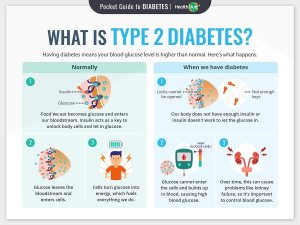
The Pima Indians of Arizona have the highest rates of diabetes and obesity in North America. An estimated 50 percent of Pima adults are obese, and of those, 95% have diabetes type 2.

WHAT HAPPENED?

The story is not new – it more than likely began in the 1500’s when the Spanish explorers made contact with them in the New World. They and most Native tribes of that time were hunter-gatherers. They were lean, active and healthy people.

Pima Indians are believed to be descendants of people who crossed the Bering Strait from Asia to the Americas. Their traditional diet included meals made from the crops they cultivated including corn (maize), kidney beans, sunflower seeds, pumpkins and squash.  Small game such as rabbit, was a staple part of their diet together with meat from their livestock such as sheep and goats. Larger game was also available such as deer, elk and bear. As they were in close proximity to rivers, fish, duck and many different types of shellfish were major elements of their diet, which was also supplemented with herbs, acorns and roots. Sadly, as the years went on, the Arizona group met with some unavoidable circumstances that changed their way of life considerably – especially their traditional diets, economics, and well-being.

  • In 1859, the Arizona Pimas’ land along the Gila River was taken away by the U.S. government which left them to live on what land was left known as the Gila Reservation.
  • In 1866, new settlers began to populate the Pima region and diverted the water from the Gila River for their own use.
  • By 1869, the river had dried up and the Arizona Pimas were left with no water and less land to grow their food and crops resulting in an on – and – off – 40-year-old famine. As a result, the government exacerbated the problem again by providing subsidized foods to the tribe consisting of white flour, sugar, lard and canned goods, a far cry from their traditional diets of corn, beans and squash.

The timing of these significant changes in lifestyle and livelihood of the Arizona Pima population coincides with their development of diabetes type 2.  At the turn of the nineteenth century, studies recorded only one case on the Gila River Reservation. In 1937, a study documented twenty-one persons with diabetes. By the 1950’s, however, the prevalence had increased ten-fold and a study initiated in 1965 documented in the Arizona Pima Indians the highest prevalence of diabetes ever recorded.

THE PIMA INDIANS IN MEXICO

The Pima Indians who had settled in Mexico resided in the small town of Maycoba. For decades they had been isolated until 1991 when a paved access to the town was constructed.  Before that they grew a majority of their own food and still adhered primarily to their traditional diet that was similar to the Arizona tribe. Since they are genetically similar to the Arizona Pima, they present an opportunity to study and compare the two-lifestyle patterns of both tribes (diet and exercise) on their health statistics.

What Has Been Learned from Various Studies of these two Populations?

An Abstract from one study in 1994 that compared the two groups gives us the following details:

OBJECTIVE The Pima Indians of Arizona have the highest reported prevalence of obesity and diabetes type 2 In parallel with abrupt changes in lifestyle and the incidence in Arizona Pimas have increased to epidemic proportions during the past decades. To assess the possible impact of the environment on the prevalence of obesity and diabetes type 2, data were collected on members of a population of Pima ancestry living in a remote mountainous location in northwestern Mexico, with a lifestyle contrasting markedly with that in Arizona.

RESULTS  The Mexican Pimas were significantly lighter and shorter with a lower Body Mass Index. They also had a significantly lower plasma total cholesterol level than the Arizona Pimas. Even more startling was that diabetes type 2 was less prevalent with only 2 women (11%) and 1 man (6%) in the Mexican group compared with a prevalence of 37% and 54% in male and female Arizona Pima Indians respectively.

CONCLUSIONS This preliminary investigation shows that obesity, and perhaps type 2 diabetes is less prevalent among people of Pima heritage living a “traditional” lifestyle than among Pimas living in an “affluent” environment. These findings suggest that, despite a similar potential genetic predisposition to these conditions, a traditional lifestyle, characterized by a diet including less animal fat and more complex carbohydrates and by greater energy expenditure in physical labor, may protect against the development of cardiovascular disease risk factors, obesity, and diabetes type 2.

DISCUSSION:

These results indicate that a more traditional lifestyle of the Mexican Pimas protects the group against obesity, diabetes and kidney disease, even though they may have a genetic predisposition for such health problems.

What explains the results of experiences of the Arizona Pima?  One popular theory is one thing that drives obesity is a switch to a diet of highly refined carbohydrates that are so common in the Standard American Diet (SAD). When the Pima replaced traditional, unrefined carbohydrates with refined (sugar and flour), they became obese. It may not be the amount of food we eat but what kinds or quality we consume.

The lessons learned here support the theory that lifestyle factors appear to significantly influence the prevalence of obesity and diabetes type 2 in a population predisposed genetically to these conditions. Their story gives us all the opportunity to reassess our own current diets and lifestyle factors that may lead to healthier food environments and ultimately prevent our current situation of the diabesity dilemma.

SOURCES

Stephen Guyenet, Lessons From the Pima Indians. Whole Heath Source: Nutrition and Health Science.

Leslie O Schulz, PhD, Lisa S. Chaudhari, PhD. High-Risk Populations: The Pimas of Arizona and Mexico. Curr Obes Rep. 2015 March 1; 4(1): 92-98

Ravussin, et al. Effects of a Traditional Lifestyle on Obesity in Pima Indians, Diabetes Care 1994 September 17(9): 1067-1074