Biochemistry and Jazz: What ???

To Live Past 100, Mangia a Lot Less: Italian Expert’s Ideas on Aging

March 25, 2024

in News

To Live Past 100, Mangia a Lot Less: Italian Expert’s Ideas on Aging

Share on FacebookShare on Twitter

Most members of the band subscribed to a live-fast-die-young lifestyle. But as they partook in the drinking and drugging endemic to the 1990s grunge scene after shows at the Whiskey a Go Go, Roxy and other West Coast clubs, the band’s guitarist, Valter Longo, a nutrition-obsessed Italian Ph.D. student, wrestled with a lifelong addiction to longevity.

Now, decades after Dr. Longo dropped his grunge-era band, DOT, for a career in biochemistry, the Italian professor stands with his floppy rocker hair and lab coat at the nexus of Italy’s eating and aging obsessions.

“For studying aging, Italy is just incredible,” said Dr. Longo, a youthful 56, at the lab he runs at a cancer institute in Milan, where he will speak at an aging conference later this month. Italy has one of the world’s oldest populations, including multiple pockets of centenarians who tantalize researchers searching for the fountain of youth. “It’s nirvana.”

Dr. Longo, who is also a professor of gerontology and director of the U.S.C. Longevity Institute in California, has long advocated longer and better living through eating Lite Italian, one of a global explosion of Road to Perpetual Wellville theories about how to stay young in a field that is itself still in its adolescence.

In addition to identifying genes that regulate aging, he has created a plant and nut-based diet with supplements and kale crackers that mimics fasting to, he argues, allow cells to shed harmful baggage and rejuvenate, without the down side of actually starving. He has patented and sold his ProLon diet kits; published best-selling books (“The Longevity Diet”); and been called an influential “Fasting Evangelist” by Time magazine.

Last month, he published a new study based on clinical trials of hundreds of older people — including in the Calabria town from which his family hails — that he said suggests that periodic cycles of his own faux-fasting approach could reduce biological age and stave off illnesses associated with aging.

His private foundation, also based in Milan, tailors diets for cancer patients, but also consults for Italian companies and schools, promoting a Mediterranean diet that is actually foreign to most Italians today.

“Almost nobody in Italy eats the Mediterranean diet,” said Dr. Longo, who has a breezy California manner and Italian accent. He added that many Italian children, especially in the country’s south, are obese, bloated on what he calls the poisonous five Ps — pizza, pasta, protein, potatoes and pane (or bread).

At the foundation recently, the resident nutritionist, Dr. Romina Cervigni, sat amid pictures on the wall showing Dr. Longo playing guitar with centenarians, and shelves of his longevity diet books, translated into many languages and filled with recipes.

“It’s very similar to the original Mediterranean diet, not the present one,” she said, pointing at photographs on the wall of a bowl of ancient legumes similar to the chickpea, and of a Calabrian green bean pod prized by Dr. Longo. “His favorite.”

Dr. Longo, who has split his time between California and Italy for the past decade, once occupied a niche field. But in recent years, Silicon Valley billionaires who hope to be forever young have funded secretive labs. Wellness articles have conquered newspaper home pages and Fountains-of-Youth workout and diet ads featuring insanely fit middle-aged people teem on the social media feeds of not insanely fit middle-aged people.

But even as concepts like longevity, intermittent fasting and biological age — you’re only as old as your cells feel! — have gained momentum, governments like Italy’s are fretting over a creakier future in which booming populations of old people drain resources from the dwindling young.

And yet many scientists, nutritionists and longevity fanatics the world over continue to stare longingly toward Italy, seeking in its deep pockets of centenarians a secret ingredient to long life.

Probably they kept breeding between cousins and relatives,” Dr. Longo offered, referring to the sometimes close relations in little Italian hill towns. “At some point, we suspect it sort of generated the super-longevity genome.”

The genetic drawbacks of incest, he hypothesized, slowly vanished because those mutations either killed their carriers before they could reproduce or because the town noticed a monstrous ailment — like early onset Alzheimer’s — in a particular family line and steered clear. “You’re in a little town, you’re probably going to get tagged.”

Dr. Longo wonders whether Italy’s centenarians had been protected from later disease by a starvation period and old-fashioned Mediterranean diet early in life, during rural Italy’s abject war-era poverty. Then a boost of proteins and fats and modern medicine after Italy’s postwar economic miracle protected them from frailty as they got older and kept them alive.

It could, he said, be a “historical coincidence that you’ll never see again.”

The mysteries of aging seized Dr. Longo at a young age.

He grew up in the northeastern port of Genoa but visited his grandparents back in Molochio, Calabria, a town known for its centenarians, every summer. When he was 5, he stood in a room as his grandfather, in his 70s, died.

“Probably something very much preventable,” Dr. Longo said.

At age 16, he moved to Chicago to live with relatives and couldn’t help notice that his middle-aged aunts and uncles fed on the “Chicago diet” of sausages and sugary drinks suffered diabetes and cardiovascular disease that their relatives back in Calabria did not.

“This was like the ’80s,” he said, “just like the nightmare diet.”

While in Chicago, he often went downtown to plug in his guitar at any blues club that would let him play. He enrolled in the renowned jazz guitar program at the University of North Texas.

“Even worse,” he said. “Tex-Mex.”

He ultimately ran afoul of the music program when he refused to direct the marching band, so he shifted his focus to his other passion.

“Aging,” he said, “it was in my head.”

He eventually earned his Ph.D in biochemistry at U.C.L.A. and did his postdoctoral training in the neurobiology of aging at U.S.C. He overcame early skepticism about the field to publish in top journals and became a zealous evangelizer for the age-reversing effects of his diet. About 10 years ago, eager to be closer to his aging parents in Genoa, he took a second job at the IFOM oncology institute in Milan.

He found a fount of inspiration in the pescatarian-heavy diet around Genoa and all the legumes down in Calabria.

“Genes and nutrition,” he said of Italy as an aging lab, “it’s just unbelievable.”

But he also found the modern Italian diet — the cured meats, layers of lasagna and fried vegetables the world hungered for — horrendous and a source of disease. And like other Italian aging researchers who are seeking the cause for aging in inflammation or hoping to zap senescent cells with targeted drugs, he said Italy’s lack of investment in research was a disgrace.

“Italy’s got such incredible history and a wealth of information about aging,” he said. “But spends virtually nothing.”

Back at his lab — where colleagues prepared the fasting-mimicking diet “broth mix” for mice — he passed a photograph on a shelf depicting a broken wall and reading, “We’re slowly falling apart.” He talked about how he and others had identified an important regulator of aging in yeast, and how he has investigated whether the same pathway was at work in all organisms. He said his research benefited from his past life of musical improvisation, because it opened his mind to unexpected possibilities, including using his diet to starve cells afflicted with cancer and other diseases.

Dr. Longo said he thinks of his mission as extending youth and health, not simply putting more years on the clock, a goal he said could lead to a “scary world,” in which only the rich could afford to live for centuries, potentially forcing caps on having children.

A more likely short-term scenario, he said, was division between two populations. The first would live as we do now and reach about 80 or longer through medical advancements. But Italians would be saddled with long — and, given the drop in the birthrate, potentially lonely — years burdened by horrible diseases. The other population would follow fasting diets and scientific breakthroughs and live to 100 and perhaps 110 in relative good health.

A practitioner of what he preaches, Dr. Longo envisioned himself in the latter category.

“I want to live to 120, 130. It really makes you paranoid now because everybody’s like, ‘Yeah, of course you got at least to get to 100,’” he said. “You don’t realize how hard it is to get to 100.”

The post To Live Past 100, Mangia a Lot Less: Italian Expert’s Ideas on Aging appeared first on New York Times.

Weight Gain and Inflammation

“Researchers have found a possible explanation for why being overweight is harmful. This new knowledge may provide new drugs for heart attack, stroke, cancer and chronic intestinal inflammation.”

Weight control programs based on lifestyle changes that focus on behavioral strategies for caloric intake and increasing physical activity have been demonstrated to be successful.

CLICK HERE.

Obesity on the Rise?

UNHEALTHY PROCESSED FOOD AND SNACKS CAN LEAD TO OBESITY

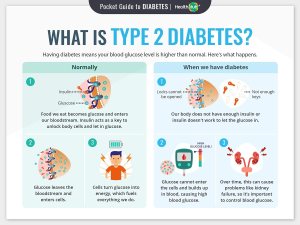
The obesity news just keeps getting worse. Along with obesity, many people suffer from diabetes type 2 or pre-diabetes. Type 2 diabetes accounts for 95% of all cases in the United States. It occurs when the body cells lose their sensitivity to insulin, a condition called insulin resistance, or when the amount of insulin secreted is reduced.

Type 2 is considered to be a result of genetic and lifestyle factors such as a diet high in refined carbohydrates or when a person follows a sedentary lifestyle. The incidence is higher among some minority groups. Type 2 may also occur as part of a combination of conditions called metabolic syndrome that includes obesity, elevated blood pressure, altered blood lipid levels (HDL LDL triglyerides). These factors increase the chance of developing heart disease, stroke, and diabetes.

Often, diabetes type 2 can be prevented if caught early in the disease and with the proper lifestyle modifications. There is a great need in the U.S. for this type of intervention. Ask your doctor for any available information on Prevention Programs in your area or medical community, for example, a certified diabetes educator(CDE), registered dietitian (RD) or a certified health coach.

Source: Smolin and Grosvenor. Nutrition: Science and Applications, 3rd Edition.

CLICK HERE.

Fighting Cancer With A Fork

Approximately 1.8 million Americans will be diagnosed with cancer this year, and more than 600,000 will die from it. But there are ways to protect yourself. American Cancer Society researchers estimate that at least 42% of new cancer cases may be avoidable , with 18% being related to lifestyle factors like diet and physical activity.

Foods contain a variety of vitamins and minerals, as well as fiber and phyto- chemicals that help prevent DNA damage or assist in its repair. These substances are particularly found in plant foods and appear to work together in ways that provide the protection from certain cancers.  

Attempt to prevent cancer by giving large groups of people vitamin supplements or phytochemical extracts thought to account for the plants beneficial effects on cancer development have not been successful. In fact, a number of studies have noted that more harm than good results from the use of high amounts of individual supplements such as vitamin C, beta carotene, and vitamin E. Particular types of food clearly provide greater levels protection against cancer than supplements.

One major role plant foods play in reducing cancer risk appears to be related to the antioxidant function of certain vitamins and chemicals. These antioxidants in food neutralize reactive oxygen and other molecules to prevent them from damaging the DNA and also to repair DNA when necessary. Many brightly colored vegetables and fruits contain phyto – chemicals that act as antioxidants, and their consumption is being encouraged. Taking antioxidants as supplements have not been shown to have the same beneficial effects as those found in foods. It is thought that these chemicals work best synergistically.

There are other ways that some phytochemicals help to fight cancer formation. Vegetables from the cruciferous family for example broccoli, Brussels sprouts, cabbage, and cauliflower, appear to turn off genes that help produce proteins that increase the ability of cancer cells to grow blood vessels that support the continued spread of cancer. Substances in food that reduce inflammation may also decrease cancer risk by reducing the number of oxidized particles in cells that can damage DNA.

Dietary patterns and lifestyles related to reduced cancer risk

  • Consume a plant-based diet that includes five plus servings of a variety of vegetables and fruits daily, including those that are dark green, orange, and red.
  • Consume 3 plus whole grain products daily.
  • Regularly consume dried beans nuts and seeds.
  • Include fish and seafood lean beef, chicken, pork and other meats.
  • Avoid alcohol in excess.
  • Include 30 minutes 5 plus days a week of physical activity.
  • Maintain normal weight.

What does recent research say? From Eating Well Magazine, Nov. 2020

Consume more soy.  Studies have shown that flavonoids in plants like soy can alter certain aspects of cells related to tumor growth.  These flavonoids may protect against hormone related cancers like breast cancer. One recent analysis in the International Journal of Cancer looked at data from Chinese women enrolled in the Shanghai Women’s Health study and found that those who reported eating high amounts of soy in adulthood had a lower chance of both pre and post-menopausal breast cancer than those who rarely ate this nutrient packed legume.

Eat red and purple. The antioxidant called anthocyanin found in red, blue, and purple fruits and vegetables may also have anti cancer properties. One trial in Cancer Prevention Research had 25 colo rectal cancer patients ingest varying levels of anthocyanins before their surgery dates. The scientists found a 7% drop in tumor proliferation in patients with the higher anthocyanin consumption doses.   

Increase the Fiber. A systematic review and meta analysis published earlier this year in the journal Cancer found that participants in the US who ate the most fiber had a 8% lower risk of breast cancer than those who consume the least. The researchers noted that fiber rich foods like whole grains, fruits, veggies, legumes, nuts and seeds as part of an overall healthy diet may protect against the disease by leveling post meal blood glucose spikes and improving insulin sensitivity. Fiber also increases the activity of compounds that lower circulating estrogen levels in the body. Another reason is that the nutrient has been linked to a reduced risk of colon cancer.

More About Diet and Cancer Relationships

Specific characteristics of diets that have been linked to the development of cancer include low vegetable and fruits intake and a lack of variety of vegetables and fruits excess alcohol intake, or more than one drink a day by women 2 drinks a day by men is associated with the development of a number of cancers of the digestive system. Diets routinely low in whole grain products and fiber appear to promote the development of colorectal cancer. Regular intake of charred meats or the black charred outer parts of high fat meats cooked at high temperatures may also promote DNA damage and cancer development. Other major risk factors for many types of cancer include smoking, physical inactivity, and excess body fat.

Frequent consumption of certain types of foods is sometimes more strongly related to particular cancers than to other types. For example, regular consumption of tomato products is related in particular to decreased risk of prostate cancer, and regular intake of black and green tea appears to reduce the risk of breast and ovarian cancer.

Bogus cancer treatments

Unorthodox, purported cancer cures such as macro- biotic diets, hydrogen peroxide ingestion; laetrile tablets, vitamin, mineral and herbal supplements, and animal gland therapy have not been shown to be effective treatments for cancer. Such remedies have been promoted since the early 1900s. They still exist, although not proven to work, they offer some cancer patients a last ray of hope. They should not be used as a substitute for conventional cancer treatments.

Chronic Inflammation: Understanding the “Cytokine Storm”

The leading causes of death among Americans are slow developing, lifestyle-related chronic diseases. This includes diabetes, heart disease,  stroke, cancer, hypertension or high cholesterol levels. Diet can often be (but not always) the underlying condition reflected as obesity.  Obesity is now considered to be a major risk factor for complications of COVID-19 infections.

A previous post  explains the role of diet in this occurrence. The post was written before the  co-morbidities   (underlying conditions) were associated with inflammation and severe COVID infections. The following well written article was initially published in The Conversation and succinctly explains how the role of inflammation can contribute to severe COVID and death often described as the “cytokine storm”.

CLICK HERE.


The Blue Zone: A Book Review

Leave a comment

By Sally J. Feltner, M.S., Ph.D.

Ponce de Leon began his quest for the fountain of youth in 1531 and humans have been seeking magical solutions for keeping us younger and living our later years in relatively good health.

In 2009 with the backing of the University of Minnesota School of Public Health, AARP and the National Geographic, Dan Buettner established the Blue Zone Project and authored The Blue Zones: 9 Lessons for Living Longer from the people who lived the longest, He interviewed those who were either centenarians or those in their later years and began to investigate what factors may have contributed to five regions of longevity hot spots in the world that included:

  • Sardinia in Italy with the highest concentration of centenarian men.
  • Seventh Day Adventists in Loma Linda, California, where some residents live ten more healthy years than the average American.
  • The Nicoya Peninsula in Costa Rica that has the world’s lowest rates of middle-age mortality and the second highest concentration of male centenarians.
  • Ikaria, Greece that has one of the world’s lowest rates of middle age mortality and lowest rates of dementia. Only 20 percent of people over 80 showed any signs of dementia, whereas a similar study of long-lived people near Athens showed an almost 50 percent rate of dementia- a rate similar to that for older Americans.”
  • Okinawa, Japan home to the world’s longest living women.

Remarkably, all the regions had common characteristics that included family and purpose, community and spirituality, stress reduction and physical activity. Mr. Buettner later published The Blue Zones Solution and coauthored with Ed Diener, The Blue Zones of Happiness.

One major practice was that all their diets, though not vegan, were predominantly based on plants. Meat and other animal products are either the exception or used as a condiment. Okinawans, practice a philosophy called hara-hachi bu regarding food; they only eat until they are 80% full

In the Costa Rican Zone, everyone feels like they have a plan de vida or life plan. Even at ages above 60 and 70, inhabitants don’t stop living. They keep themselves busy; they love to work. It provides them a “reason to waking up in the morning” called ikigai. There is no word for “retirement” in Okinawa.

The book introduces some very interesting longevity “superstars.”

  • Marge Jones, at 100 years old from Loma Linda begins every day with a mile walk, a stationary bicycle ride, and some weight lifting. “I’m for anything that has to do with health”, she says
  • Kamada Nakazitam, 102 years old from Okinawa says “To be healthy enough to embrace my great – great grandchild is bliss.”
  • Ellsworh Wareham, age 91 from Loma Linda, assists during heart surgery procedures, something he does about two or three times a week
  • Abuela Panchita, 100 year old Costa Rican woman whose 80 year old son, Tommy bicycles to see her every day, spends every day cooking, splitting logs and using a machine to clear brush from her
  • The notion of moai in Okinawa stands for “a social support network. Says 77 year old Klazuko Mann, “each member knows that her friends count on her as much as she counts on her friends.”
  • From the author: “I once pressed a 101-year-old woman in Ikaria, Greece to tell why she thought people there lived so long. ‘We just forget to die,’ she said with a shrug. None of them went on a diet, joined a gym, or took supplements. They didn’t pursue longevity – it simply ensued”

The final chapters in the first book boil it all down into nine lessons and a cultural distillation of the worlds’ best practices in longevity. Buettner provides credible information available for “adding years to your life and life to your years.”

However, there is a downside that is currently happening. From the Author: “Sardinians today have already taken on the trappings of modern life. For example, junk foods are replacing whole-grain breads and fresh vegetables traditionally consumed here. Young people are fatter, less inclined to follow tradition, and more outwardly focused.”

The first book concludes with a chapter on Your Personal Blue Zone. Other books give us more explicit ways to establish Blue Zones in other areas such as the U.S.

From the back cover of The Blue Zones Solution – “Propagating the Blue Zones would not only prevent a rise in the prevalence of diabetes (and other misfortunes) it would allow us to eliminate more than 80 percent of the burden we have now. That’s revolutionary.”

David Katz, M.D., Director of the Yale-Griffin Prevention Research Center


Are Our Diets Killing Us?

The Corona Virus

The importance of lifestyle enters into the debate about the coronavirus pandemic and its consequences. Many reports of viral deaths are attributed loosely to underlying conditions exemplified  by the presence of hypertension, heart disease, diabetes/prediabetes, and obesity which is surmised to increase  the mortality risks of the virus. These are the leading causes of death in the U.S. and are collectively referred to as chronic diseases.

“Poor diet, a lifestyle factor among others, is the leading cause of mortality in the United States, causing more than half a million deaths per year. Just 10 dietary factors are estimated to cause nearly 1,000 deaths every day from heart disease, stroke and diabetes alone. These conditions are dizzyingly expensive. Cardiovascular disease costs $351 billion annually in health care spending and lost productivity, while diabetes costs $327 billion annually. The total economic cost of obesity is estimated at $1.72 trillion per year, or 9.3 percent of gross domestic product.” NYT.

CLICK HERE

Chronic Disease: Can Your Lifestyle Make a Difference?


Lately in the literature, lifestyle medicine has been mentioned as an effective practice that influences our overall health and risk of diseases in general. Many of the  leading causes of death in developed countries have been referred to as chronic diseases and ways to prevent these diseases is to practice a “healthy lifestyle”. But what does that exactly mean? Some research has suggested that our susceptibility to Covid-19 may even be altered by our lifestyles, obesity being named a risk factor.

In 1999, a Harvard-trained cardiologist, James E. Rippe published a textbook entitled Lifestyle Medicine in which he expressed his hope for a “new emphasis in medicine related to the links between daily behaviors and outcomes”. The idea slowly took root. In 2006, Loma Linda University School of Medicine, a Seventh Day Adventist institution in California, debuted the country’s first lifestyle medicine education program. A few years later the School of Medicine Greenville at the University of South Carolina went a step further, integrating lifestyle medicine into every facet of the curriculum and requiring prospective physicians in medical schools to spend 50 hours over two years covering the ways in which diet, nutrition and exercise impact the various organs and systems. Several other medical school programs have followed, that have been dedicated to the principals that healthy food, rich in nutrients, healthy fats, and lean protein, can be a potent weapon in the doctor’s bag.”

“How much a role does nutrition play in health? “It is the thing, says Jennifer Trilik , an associate professor at USC Greenville who directs the schools lifestyle medicine program. “if we’re talking about obesity, cardiovascular disease,  cancer, there’s so much evidence that saturated fat and trans-fat cause chronic inflammation, damaged the DNA and create growths in an adult body that shouldn’t be there. On the other hand, apples and blueberries have so many healthy antioxidants. We were made to eat whole foods and plant based foods, not processed ones out of a bag.

CLICK HERE.

The Pima Indians: A Study of Lifestyle and Obesity

By Sally J. Feltner, MS, Ph.D

The Pima Indians of Arizona have the highest rates of diabetes and obesity in North America. An estimated 50 percent of Pima adults are obese, and of those, 95% have diabetes type 2.

WHAT HAPPENED?

The story is not new – it more than likely began in the 1500’s when the Spanish explorers made contact with them in the New World. They and most Native tribes of that time were hunter-gatherers. They were lean, active and healthy people.

Pima Indians are believed to be descendants of people who crossed the Bering Strait from Asia to the Americas. Their traditional diet included meals made from the crops they cultivated including corn (maize), kidney beans, sunflower seeds, pumpkins and squash.  Small game such as rabbit, was a staple part of their diet together with meat from their livestock such as sheep and goats. Larger game was also available such as deer, elk and bear. As they were in close proximity to rivers, fish, duck and many different types of shellfish were major elements of their diet, which was also supplemented with herbs, acorns and roots. Sadly, as the years went on, the Arizona group met with some unavoidable circumstances that changed their way of life considerably – especially their traditional diets, economics, and well-being.

  • In 1859, the Arizona Pimas’ land along the Gila River was taken away by the U.S. government which left them to live on what land was left known as the Gila Reservation.
  • In 1866, new settlers began to populate the Pima region and diverted the water from the Gila River for their own use.
  • By 1869, the river had dried up and the Arizona Pimas were left with no water and less land to grow their food and crops resulting in an on – and – off – 40-year-old famine. As a result, the government exacerbated the problem again by providing subsidized foods to the tribe consisting of white flour, sugar, lard and canned goods, a far cry from their traditional diets of corn, beans and squash.

The timing of these significant changes in lifestyle and livelihood of the Arizona Pima population coincides with their development of diabetes type 2.  At the turn of the nineteenth century, studies recorded only one case on the Gila River Reservation. In 1937, a study documented twenty-one persons with diabetes. By the 1950’s, however, the prevalence had increased ten-fold and a study initiated in 1965 documented in the Arizona Pima Indians the highest prevalence of diabetes ever recorded.

THE PIMA INDIANS IN MEXICO

The Pima Indians who had settled in Mexico resided in the small town of Maycoba. For decades they had been isolated until 1991 when a paved access to the town was constructed.  Before that they grew a majority of their own food and still adhered primarily to their traditional diet that was similar to the Arizona tribe. Since they are genetically similar to the Arizona Pima, they present an opportunity to study and compare the two-lifestyle patterns of both tribes (diet and exercise) on their health statistics.

What Has Been Learned from Various Studies of these two Populations?

An Abstract from one study in 1994 that compared the two groups gives us the following details:

OBJECTIVE The Pima Indians of Arizona have the highest reported prevalence of obesity and diabetes type 2 In parallel with abrupt changes in lifestyle and the incidence in Arizona Pimas have increased to epidemic proportions during the past decades. To assess the possible impact of the environment on the prevalence of obesity and diabetes type 2, data were collected on members of a population of Pima ancestry living in a remote mountainous location in northwestern Mexico, with a lifestyle contrasting markedly with that in Arizona.

RESULTS  The Mexican Pimas were significantly lighter and shorter with a lower Body Mass Index. They also had a significantly lower plasma total cholesterol level than the Arizona Pimas. Even more startling was that diabetes type 2 was less prevalent with only 2 women (11%) and 1 man (6%) in the Mexican group compared with a prevalence of 37% and 54% in male and female Arizona Pima Indians respectively.

CONCLUSIONS This preliminary investigation shows that obesity, and perhaps type 2 diabetes is less prevalent among people of Pima heritage living a “traditional” lifestyle than among Pimas living in an “affluent” environment. These findings suggest that, despite a similar potential genetic predisposition to these conditions, a traditional lifestyle, characterized by a diet including less animal fat and more complex carbohydrates and by greater energy expenditure in physical labor, may protect against the development of cardiovascular disease risk factors, obesity, and diabetes type 2.

DISCUSSION:

These results indicate that a more traditional lifestyle of the Mexican Pimas protects the group against obesity, diabetes and kidney disease, even though they may have a genetic predisposition for such health problems.

What explains the results of experiences of the Arizona Pima?  One popular theory is one thing that drives obesity is a switch to a diet of highly refined carbohydrates that are so common in the Standard American Diet (SAD). When the Pima replaced traditional, unrefined carbohydrates with refined (sugar and flour), they became obese. It may not be the amount of food we eat but what kinds or quality we consume.

The lessons learned here support the theory that lifestyle factors appear to significantly influence the prevalence of obesity and diabetes type 2 in a population predisposed genetically to these conditions. Their story gives us all the opportunity to reassess our own current diets and lifestyle factors that may lead to healthier food environments and ultimately prevent our current situation of the diabesity dilemma.

SOURCES

Stephen Guyenet, Lessons From the Pima Indians. Whole Heath Source: Nutrition and Health Science.

Leslie O Schulz, PhD, Lisa S. Chaudhari, PhD. High-Risk Populations: The Pimas of Arizona and Mexico. Curr Obes Rep. 2015 March 1; 4(1): 92-98

Ravussin, et al. Effects of a Traditional Lifestyle on Obesity in Pima Indians, Diabetes Care 1994 September 17(9): 1067-1074

All About Diabetes Type 2 in the U.S.

We may be approaching another healthcare crisis other than the pandemic.  In both crises, the numbers keep rising and no one really seems  to earnestly do much about it. Both can be frustrating and prevention can be a key factor.  Prevention always is the best medical advice but it’s difficult to find help due to a lack of interest or funding.  In my opinion, many cases of diabetes type 2 can be prevented if enough attention is paid to understanding certain aspects of the disease. Studies of previous prevention programs have shown to make a difference. One particular study compared lifestyle  modifications with the anti-diabetes drug, metformin and found that lifestyle modifications were just as effective as taking the drug. This finding is an important result in that it suggests that lifestyle can influence our health and help to prevent some of the chronic diseases that have become leading causes of death in the U.S.

Even weight loss of 5-10% of body weight  is the first line of defense against diabetes type 2 as well as learning about which foods you eat can help control blood glucose levels thus resulting in insulin secretion and/or insulin resistance.

CLICK HERE.

You can find the complete study HERE.