The Pros and Cons of the Paleolithic Diet

The Paleolithic diet has been around for a few years and in my opinion is a pretty good diet, but alas as with every restrictive diet, there are caveats.

The following article comprehensively covers the pros and cons of this eating pattern. It is based on the facts (as we know them) that our ancestors only had access to certain foods and that our genetic development is presumed to have evolved from inclusion and exclusion of these foods into our current dietary pattern. Evidence for this is presumed to be accurate – however, we truly do not know what our Paleo ancestors really ate.  Our ancestors lived in diverse environments; therefore, their diets were dependent on the foods found there. There is a great deal of controversy about the possibility that some ate a diverse plant-based diet, e.g. hunting was not so reliable.

Most evidence is based on our contemporary hunter-gatherer societies which exhibit less chronic disease than those populations that follow the current American diet. For example, there are no Hadza adults diagnosed with diabetes in Tanzania, while the Tsimané people in Bolivia have an 80 percent lower rate of atherosclerosis compared to people in the U.S. The Maasai community in Kenya that relies on red meat, blood and milk is also known for little to none cardiovascular diseases.

The Pros and Cons

Our ancestors and modern-day hunter-gatherers ate more animal-based foods, which contain good amounts of high-quality protein, calcium, iron, omega-3 fatty acids and vitamins B12 and K2. Such nutrients are commonly found in seafood, red meat, pastured eggs and liver.

An ancestral diet removes refined sugar, grains and seed oils from one’s daily meals. Avoiding these modern products helps reduce markers of inflammation, leading to improvements in blood pressure, waist circumference and lipid profiles, components of the metabolic syndrome.

One study showed that people who consumed less added sugar, refined grains and processed foods could significantly reduce weight in 12 months. The ancestral diets provide foods that are more satiating, which help people consume fewer calories.

The Paleo diet excludes extremely calorie dense foods (starchy foods) as well as many processed and snack foods.

However the diet eliminates two major food groups (dairy and grains (enriched or whole).  This puts at risk adequate vitamin D and calcium levels as well as the other nutrients found within these foods.

The Paleo diet provides some essential nutrients and may appeal to some people that are not interested in a total plant based eating pattern, i.e., dedicated carnivores.

CLICK HERE.


FAD DIETS: A TIMELINE

Fad diets have in the distant past have embraced some of the most bizarre activitir with most built on gimmicks. Included in an entertaining book titled Calories & Corsets, our ancestors relied on recommendations that included “suspending themselves in weighing chairs or lukewarm baths, drinking vinegar and eating carbolic soup in the hopes of shedding unwanted pounds.”

A rice diet was designed in the 1940s to lower blood pressure; now it has resurfaced as a Weight Loss Diet. The first phase consists of eating only rice and fruit until you can’t stand them any longer. Another novelty diet is the egg diet, on which you eat all the eggs you want. On the Beverly Hills diet, you eat mostly fruit.

The most bizarre of the novelty diets proposes that food gets stuck in your body. A common supposition from the 1800’s is that food gets stuck in the intestine, putrefies, and creates toxins, which invade the blood and cause disease. This leads to the headlines proclaiming the latest detox formula of strange concoctions of foods that if consumed promise to “cleanse” the blood.  This is utter nonsense.

How to recognize a fad diet.

  • They promote quick weight loss. This primarily results from glycogen, sodium, and lean muscle mass depletion. All lead to a loss of body water.
  • They limit food selection and dictate specific rituals, such as eating only fruit for breakfast or cabbage soup every day.
  • They use testimonials from famous people and bill themselves as cure-alls. They often recommend expensive supplements.
  • Probably the cruelest characteristic of fad diets is that they essentially guarantee failure for the dieter since these diets are not designed for permanent weight loss. Habits are not changed, and the food selection is so limited that the person cannot follow the diet in the long run.
  • The dieter appears to have failed, when actually the diet has failed. This whole scenario can add more blame and guilt, challenging the self-worth of the dieter.  If someone needs help losing weight, professional help is advised.
  • It should be noted that some “fad” diets can work for weight loss due to their highly restrictive nature but should not be considered a healthy diet since their long term effects are not usually known.  A good example is the current ketogenic (keto) diet.

FAD DIET TIMELINE

Slimming down through the ages through fad diets has been around for centuries from President Taft to Victoria Beckham. Here’s a look at some of the most famous and infamous moments in diet fad history.

1820 Lord Byron brings people the once popular vinegar and water diet which entails drinking water mixed with apple cider vinegar.

1903 President William Howard Taft pledges to slim down after getting allegedly getting stuck in the White House bathtub.

1925 Lucky Strike cigarette brand launches the “reach for a Lucky” instead of a sweet” campaign capitalizing on its nicotine content.

1930s The Grapefruit Diet also known as the Hollywood diet is born. The popular plan calls for eating grapefruit with every meal. Grapefruit is claimed to have fat burning capabilities.

1950s the Cabbage Soup Diet promises you can lose 10 to 15 pounds a week by eating a limited diet including cabbage soup every day.

Mid-1950 Urban legend has it that opera singer Maria Callas dropped 65 pounds on the Tapeworm Diet by swallowing a the tapeworm parasite in a pill.

1963 Weight Watchers is founded by Jean Nidetch “a self-described overweight housewife obsessed with cookies.”

1969 Jazzercise founded by professional dancer Judi Sheppard Missett, is a combination of aerobics exercise and dance.

1970 Sleeping Beauty Diet which involves drug sedation is rumored to have been tried by Elvis Presley.

1975 A Florida doctor. creates the Cookie Diet, a plan where you eat cookies made with a blend of amino acids Hollywood eats it up.

1977 A Slim Fast shake for breakfast, a shake for lunch, then a sensible dinner becomes a diet staple.

1978 Dr. Herman Tarnower, a cardiologist publishes the Complete Scarsdale Medical Diet. Two years later he is shot by his girlfriend, a headmistress of a girl’s school, Jean Harris. (not related to a diet).

1979 Dexatrim, a pill  containing phenylpropanolamine (PPA), appears on drugstore shelves. It’s formula changes after PPA is linked to an increased risk of stroke in 2000.

1980s A popular appetite suppressant candy called Ayds is taken off the market after the AIDS crisis hits.

1982 The aerobics craze sweeps into high gear when Jane Fonda launches her first exercise video work- out starring herself.  Her catchphrase “no pain no gain.”

1985 Harvey and Marilyn Diamond publish Fit for Life, which prohibits complex carbs and proteins from being eaten during the same meal.

1987 in her memoir/self-help book Elizabeth Takes Off, actress Elizabeth Taylor advises dieters to eat veggies and dip each day at 3 PM.

1988 Wearing a pair of size 10 Calvin Klein jeans, Oprah walks onto the stage pulling a wagon full of fat to represent the 67 pounds she lost on a liquid diet.

1991 Americans are still obsessed with  low fat food like McDonald’s Mclean Deluxe burger. The recipe called for seaweed extract called carrageenan. Beef made up only 90 percent of the patty, and water and carrageenan made up the remaining 10 percent.  Despite the addition of “natural” beef flavor additives, the result was a dry failure of a burger that was later called “the McFlopper”. Johnnie Carson made many jokes about it.

1994 The guide to nutrition labeling and education act requires food companies to include nutritional info on nearly all packing packaging.

1995 The Zone Diet called for a specific ratio of carbs, fat and protein in each meal and begins to attract celeb fans.

1996  Could your blood type determine how much weight you could lose? That’s the idea behind the Blood Type Diet, created by naturopath Peter J. D’Adamo.  He claims that the foods you eat react chemically with your blood type. If you follow a properly designed diet for your type,  your body will digest food more efficiently and you will lose weight and be healthier.

1997 Robert C. Atkins, MD publishes Dr. Atkins New Diet Revolution, A high protein low carb plan. A previous book was published as Dr. Atkins Diet Revolution in 1972. It took the diet world by storm, since its primary goal was to eat fat, not avoid it. Fat-starved people loved it.

2000 Gwyneth Paltrow lends her support for the macrobiotic diet, a very restrictive Japanese plan based on whole grains and veggies.

2001 Renee Zellweger packs on nearly 30 pounds to play Bridget Jones.

2003 Miami Dr. Arthur Agatston adds fuel to the low carb craze by publishing the South Beach diet, seen as a more moderate version of Atkins.

Early 2000 The FDA bans the sale of diet drugs containing ephedrine after it’s linked to heart attacks.

Late 2000 The Biggest Loser makes its debut on TV, turning weight loss into a reality show. All but one contestant regained all their weight loss back after the show ended.

2006 Beyoncé admits to using the Master Cleanse, a concoction of hot water lemon juice maple syrup and Cayenne pepper to shed 20 pounds for “Dream Girls.”

2007 Alli hits the market. The non-prescription drug is taken with meals to keep your body from absorbing some of the fat a you eat. The drug was not popular due to unpleasant gastrointestinal side effects.

2010 Jennifer Hudson loses a jaw-dropping 80 pounds on Weight Watchers.

2011 The hCG diet combines a fertility drug with a strict 500 to 800 calorie a day regimen that invites interest and criticism. The FDA has called this diet dangerous, illegal and fraudulent.

2012 Jessica Simpson loses 60 pounds of baby weight on Weight Watchers.

NOTE: In our current virus centered world, hope these fad diets bring a few smiles to your face.

Nutrition Timeline: How the U.S. Diet Evolved

Nutrition Timeline:

Obviously, a lot has happened in nutrition since the first Thanksgiving in America. Many scientific discoveries have given us a better idea how foods can contribute to health and disease. At first, little was known about nutrition science and there is still a lot to know. Knowing our progression helps us to know how we got from there to here.  The bottom Line: After all the science, we often still ponder on “what’s for dinner?”and “how do we lose weight”?

Note: Those events in Bold type tell the story of how our current food patterns evolved and have affected our present health status.

1621 First Thanksgiving Feast at Plymouth Colony

1702 First coffeehouse in America opens in Philadelphia

1734 Scurvy recognized

1744 First record of ice cream in America

Lind publishes “Treatise on Scurvy”and citrus is identified as cure.

Sandwich invented by the Earl of Sandwich

Potato heralded as famine food

Americans drink more coffee in protest over Britain’s tea tax

1775 Lavoisier (“the father of nutrition science) discovers the energy property of food (calories)

1816 Protein and amino acids identified followed by carbohydrates and fats

1833 Beaumont’s experiment on a wounded man’s stomach greatly expand knowledge about digestion

1862 U.S. Department of Agriculture founded by authorization of President Lincoln

1871 Proteins, carbohydrates, and fats determined to be insufficient alone to support life, there are other “essential” compounds in foods

First milk station providing children with un-contaminated milk opens in New York City

Pure Food and Drug Act passed by President Theodore Roosevelt to protect consumers against contaminated foods

Pasteurized milk introduced

Funk suggests scurvy, beriberi, and pellagra caused by deficiency of “vitamines” in the diet

1913 First vitamin discovered (vitamin A)

1914 Goldberger identifies the cause of pellagra (niacin deficiency) in poor children to be a missing component of the diet rather than a germ as others believed

1916 First dietary guidance material produced for the public released: Title is Food for Young Children

1917 First food groups published for the Five Food Groups: Milk and Meat, Vegetables and Fruits, Cereals, Fats and Fat Foods, Sugars and Sugary Foods. (Imagine: Sugar is a food group).

1921 First fortified food produced: iodized salt needed to prevent widespread iodine deficiency goiter in many parts of the U.S.

1929 Essential fatty acids identified

1930’s Vitamin C identified in 1932, followed by pantothenic acid and riboflavin in 1933 and vitamin K in 1934

1937 Pellagra found to be due to the deficiency of niacin.

1938 Health Canada issues nutrient intake standards

1941 First refined grain enrichment standards developed (Niacin, riboflavin,  and iron added)

First Recommended Dietary Allowances (RDAs) announced by President Franklin Roosevelt on the radio

1946 National School Lunch Act passed

1947 Vitamin B12 identified

1953 Double helix structure of DNA discovered

1956 Basic Four Food Groups released by the U.S. Department of Agriculture

1958 The Seven Countries Study was conceived by Ancel Keys, a Minnesota physiologist, who brought together researchers from all over the world. It became a collective effort to study questions about heart and vascular diseases among countries having varied traditional eating patterns and lifestyles. This alone changed the U.S. food supply dramatically to emphasize low fat diets high carbohydrate foods that continued to dominate until around 1983.

1965 Food Stamp Act passed. Food Stamp program established

1966 Child Nutrition Act adds school breakfast to the National School Lunch Program

1968 First National nutrition survey in U.S. launched. (The Ten State Nutrition Survey)

1970 First Canadian national nutrition survey launched (Nutrition Canada National Survey)

1972 The “Atkins Diet” by Dr. Robert Atkins started as a fad, but quickly became a counter-conventional movement that reset people’s thinking of nutrition and weight loss, and its link to health. It promoted a low carbohydrate, high fat diet to replace and challenge  the current conventional thinking that a low fat, high carbohydrate diet promoted by Keys was heart healthy.

1977 Dietary Goals for the U.S. issued  

1978 First Health Objectives for the Nation released

1989 First national scientific consensus report on diet and chronic disease published

1992 The Food Guide Pyramid is released by the USDA that contained a food group recommending 6-11 servings a day from the Bread, Cereal, Rice, Pasta Group (High carbohydrate foods).

1994 The nutritional food label was put into effect by the Nutrition Labeling and Education Act.

1997 RDAs expanded to Dietary Reference Intakes (DRI’s)

1998 Folic acid fortification of refined grain products begins

2003 Sequencing of DNA in the human genome completed; marks beginning of new era of research in nutrient-gene interactions

2015 – 2020 The current  U.S.Dietary Guidelines include the following:

  • Follow a healthy eating pattern across the lifespan. Eating patterns are the combination of foods and drinks that a person eats over time.
  • Focus on variety, nutrient-dense foods, and amount.
  • Limit calories from added sugars and saturated fats, and reduce sodium intake.
  • Shift to healthier food and beverage choices.
  • Support healthy eating patterns for all.

2020  Obesity and diabetes have become global epidemics/pandemics with the highest rates in the U.S. The custom is for them to be revised every five years.  The latest U.S. Dietary Guidelines are due to be published sometime in 2020 or early 2021.


The Rising Rate of Obesity and Its Consequences

“The headlines this week broadcast the following research:  Doctors at NYU Langone Health center conducted the largest study so far of US hospital admissions for COVID-19, focused on New York City. They found obesity, along with age, was the biggest deciding factor in hospital admissions, which may suggest the role of hyper-inflammatory reactions that can happen in those with the disease.”

Just what are the latest facts and implications about our obesity epidemic in the U.S.?

This data is from the U.S. Centers of Disease Control and Prevention in February 2020 and presented in Life Extension Magazine, May 2020.

  • A startling result is that 42.4% of adults are obese. Additionally, 31.8% were overweight.
  • This situation is expected to not improve statistically. A study in the New England Journal of Medicine estimates that by 2030, the percentage of obese American adults will rise to 48.9%. These percentages reflect a total of $446 billion dollars of medical costs annually.
  • Women, African Americans, and those with a low socioeconomic status are affected at a significantly higher rate.

What are the medical implications?

  • Excess body weight increases the risk of developing and dying from a broad spectrum of cardiovascular diseases, cognitive disorders (e.g. Alzheimer’s) and at least 13 different types of cancers.
  • Obesity has been determined to be the underlying cause of approximately 20% of deaths in the United States.
  • An analysis of 57 studies encompassing 900,000 individuals published in Lancet found that for every 5 point increment in Body Mass Index was associated with a 30% increased mortality risk.
  • Additional negative effects of excess weight include fatty liver disease, sleep apnea, chronic pain syndromes like low back pain, IBS, osteoarthtis, depression, negative pregnancy outcomes, and chronic inflammation.

Foods that Kill

There are many factors that contribute to the rise in obesity rates; however, diet and lifestyle have recently been identified and collectively referred to as components of the Standard American Diet (SAD). One of these is processed food.

  • Processed foods tend to be high in added sugar, salt, oil and unhealthy fats are often mentioned as well as ultra-processed foods that are so altered that they hardly resemble their original whole-food state.
  • The food industry refers to them as an “industrial product” loaded with additives that attempt to enhance the food’s characteristics such as food stability, shelf life, textures, colors, and flavors. They are often referred to as emulsifiers, humectants, and sequestrants or others that have barely recognizable names.  Ultra-processed foods are often ready-to-eat, require minimal preparation and are highly marketed. Ultra-processed foods account for more than 60% of dietary energy in the U.S.
  • Populations that have the lowest intake of processed foods exist and have been recently studied and known as the Blue Zones. These are groups of individuals that live an average of 10 years longer than those in cultures who consume the SAD, otherwise known as the Western diet. These areas are found around the globe in Sardinia, Italy, Ikaria, Greece, Okinawa, Loma Linda, California, and Nicoya, Costa Rica.
  • An observational study of Spanish university graduates followed participants for a median of 10.4 years. Consumption of an average of 5.3 servings of ultra-processed food per day, compared to an average of less than 1.5 servings per day, was associated with a 62% increase for all-cause mortality. For each additional serving, this risk increased by 18%.

What Is the Optimal Diet?

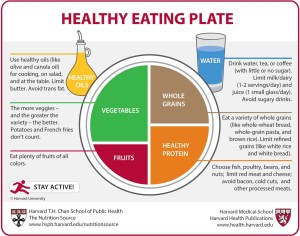
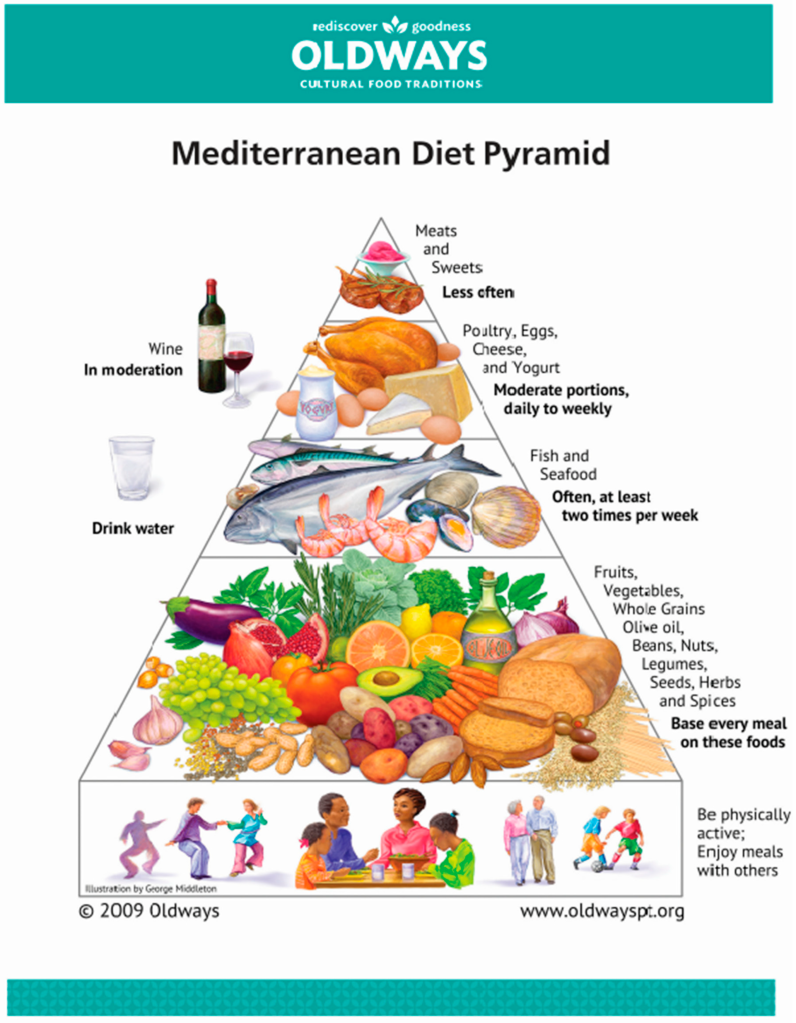
There are numerable reports on the health benefits of vegan, vegetarian, or plant-based diets. However, there is one diet that has been studied extensively for its healthy effects called the Mediterranean Diet. There is no one Mediterranean diet; however, it is usually associated with the intake of vegetables, fruits, whole grains, beans, nuts and seeds, extra-virgin olive oil, fish, seafood, moderate amounts of poultry, eggs, and dairy products. Red meat and sweets are limited as well as a low intake of processed foods.  A moderate intake of wine is acceptable. (moderate = 1-2 glasses).

Conclusions:
A possible molecular explanation for why overweight is harmful has been discovered by researchers. They suggest that overeating increases the immune response. This response causes the body to generate excessive inflammation  during the COVID-19 infection and that inflammation is at the core of many other chronic diseases.
University of Oslo. “Being overweight causes hazardous inflammations.” ScienceDaily, 25, August 2014.
If current trends continue and we find that 50% of our population is in the obese weight category, there will be alarming rates of catastrophic health consequences. Our health care costs will become unsustainable. It is a common belief that as long as you are not obese, you can be overweight and still be healthy. This is not always true. Many studies have found that a higher weight was associated with a higher risk of dying; however, this has remained  a major debate issue among obesity experts.

Food for Thought?

Reliable nutrition research is hard to find – at least the kind of studies that have no obvious conflicts of interest or bias from the food industry. Here are two recent studies that I found that appeared to have some legitimacy and no conflicts of interest. Source: Life Extension

Weight Loss and Breast Cancer Risk

It has been known for some time that excess body weight raises the risk of breast cancer.

Study Method: A large study that included 180,000 female subjects over 50 years of age had their weight assessed three times in 10 years by researchers from the American Cancer Society, the Harvard T.H. Chan School of Public Health, and others. They found that women who lost about 4.4 lbs to 10 lbs. had a 13% lower risk, women who lost 10 lbs to 20 lbs had a 16% lower risk, and those who lost 20 lbs or more had a 25% lower risk.

Women who lost weight, and then regained some of it back, also had a reduced risk of breast cancer compared to women whose weight remained stable.

Conclusions/Authors: “Our results suggest that even a modest sustained weight loss is associated with lower breast cancer risk for women over 50. These findings may be a strong motivator for the two-thirds of women who are overweight to lose some of that weight, one author said.

Source: Journal of the National Cancer Institute, 2019 Dec.

Blueberries and Metabolic Syndrome

Researchers evaluated the effects of blueberry consumption on indicators of oxidative stress (free radicals) and inflammation in patients with metabolic syndrome. Oxidative stress occurs when cells are exposed to more oxidizing molecules (free radicals) than to antioxidant molecules that neutralize them. Over time, it increases the risk of heart disease, type 2 diabetes, cancer and other diseases. Blueberries have been found to have antioxidant functions as a result  of phytochemicals called polyphenols.

Metabolic syndrome is a cluster of conditions that includes some combination of high blood pressure, abdominal obesity, high blood sugar, and abnormal lipid profiles (HDL, LDL, trigycerides, total cholesterol). The syndrome is associated with a highly pro-inflammatory environment in the body and a sharp increase of risk for heart disease, stroke, and diabetes.

Method: For the study, one group of patients received a smoothie containing 22.5 grams of freeze-dried blueberries, (about 2 cups of fresh blueberries.) The other group received a placebo smoothie twice a day.

Results: After six weeks, blueberry supplementation markedly decreased oxidative stress in whole blood and monocytes (white blood cells as part of the immune system). Supplemented patients also had a reduced expression of inflammatory markers in the monocytes.

The researchers noted that to their knowledge, this was the first study to yield significant improvements in oxidative and inflammatory parameters in patients with metabolic syndrome just after six weeks of blueberry consumption.

Note: As with all research, one study is not sufficient to form conclusions – the study results need to be replicated.

Looking for more reasons to eat blueberries? A University of Illinois study tested different fruits for the presence of a particular polyphenol that inhibits a cancer-promoting enzyme. Of all the fruits tested, wild blueberries showed the greatest anticancer activity.

Throw them on a salad, in blender with a protein powder, eat them frozen with a dollop of yogurt. Put them on your morning cereal.


I


How much sugar?

We know in times like these, our sugar intake is the last concern on our minds. In fact, we may be eating more of it due  to stress and discontent of our current environment.   But when this horrible pandemic is over, we have to try to get back to improving our diets as much as possible to make up for lost time. Here is a good article about sugar intake that is in reality reasonable and informative in general about the glycemic index, fructose, and artificial sweeteners and processed foods.

CLICK HERE.

The Rise in Comfort Foods

Interesting observation on what type of foods we choose when in a state of crisis – makes common sense. The focus on healthy eating for now may have to take a backseat for awhile due to the restrictions from the coronvirus invasion.

Keep safe – to keep your immune system “healthy” get plenty of sleep, eat as well as you can, stay hydrated and most of all stay away from crowds. Wash hands often and after bringing in merchandise from outside, e.g. grocery bags, disinfect your kitchen counters, handles, and knobs on appliances with antiseptic wipes, bleach solutions or disinfectant sprays. It all can help.

CLICK HERE.

How to Boost Your Immune System

In our current environment of the coronavirus, we are told to stay healthy and take precautions such as hand washing, avoiding large crowds, cleaning surfaces, eating a healthy diet, getting enough sleep, etc. No one seems to mention that  every second of every day the body is working to protect us from armies of hostile bacteria, fungi and viruses that swarm on our skin; yet we usually remain amazingly healthy most of the time.

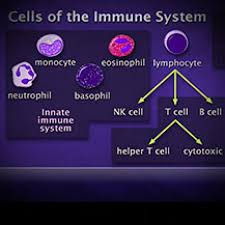
The body has evolved to approach these foes – if you’re  not with us – you’re against us! So the components of the immune system work together to destroy any foreign invader. To implement that stance, it relies on two built-in defense systems, the innate defense system and the adaptive defense system that act both independently and cooperatively. However, it is extremely important to support this system with a healthy lifestyle for optimum functioning and its ability to keep us well. 

Innate defenses include:

Surface barriers (skin, mucous membranes)

Internal defenses (phagocytes, natural killer cells, inflammation, antimicrobial proteins, fever

Adaptive defenses include:

Humoral immunity (B cells, plasma cells, antibodies, memory cells)

Cellular immunity (Helper T cells, cytotoxic T-cells, memory cells)

These two systems are deeply intertwined and when operating effectively, they protect us from most infectious microorganisms, cancer cells, and (unfortunately) organ transplants and grafts.

CLICK HERE.

The Standard American Diet: SAD Realities

The American Plate

When the truth is addressed, we really do not know much about nutrition science,  especially its physiological influences on our health. This dilemma results in the ongoing debates about just what is a healthy diet. In reality, nutrition is an infant science that has been ignored by some who feel  it is relatively an unimportant  factor on our health issues.

Doctors do not help the situation – most will admit that they never received much education about how the diet can affect heath parameters. My own doctor never mentioned the fact that even though I had lost 20 pounds intentionally since my last visit, he never asked me any particulars about the diet that got me there. One would think that he might have inquired if  the weight loss was not intentional, therefore indicating a health problem. He also never mentioned the resulting  lab value changes, primarily total cholesterol, LDL, HDL, triglyceride, blood glucose, blood pressure values that had improved with the dietary changes I had made on my own.

But most people are not aware of how diet can affect our heath (the emphasis has been only on weight loss).  When doctors don’t  mention it, patients do not receive the        proper information on diet interventions. For example, if their total cholesterol is too high, they are told to eat a low cholesterol, low fat diet (outdated advice) and/or placed on a statin drug.  Nutrition science has come a long way since those days from a couple of decades ago. The prudent way would be to give diet a chance. Diet advice is abundant on the internet. However, you should be careful about some of it – look for help from certified nutritionists (Registered dietitians or others with certification from a health coach program, for example.)

The following article written by Reinoud Schuijers explains quite well the problems with the Standard American Diet (SAD)  as the three “assassins” – refined vegetable oils, sugar and grains. He seems to follow a keto-type diet; however, research has not yet fully investigated the long-term effects of this highly restrictive plan.

Take charge of your own heath and encourage your doctor to help you take the path to healthy lifestyles. The internet is teeming with diet advice, but use it wisely. In my opinion (contrary to the following article) it may help to consult with a certified dietitian or certified health coach). But you don’t need to follow complicated meal plans – the best diet is one you form based on your lifestyle and food preferences. Say away from highly restrictive plans, fads and detoxification schemes as well as diet pills.

CLICK HERE.

Antioxidant Supplements: Do We Need Them?

Antioxidant Foods

Antioxidants and Free Radicals

All cells face constant threats from what are known as free radicals.  We obtain these potential scoundrels from the metabolism of the food we eat, the air we breathe and from sunlight’s action. Free radicals are in varying chemical states, but their main danger lies in their need for obtaining electrons for stability. In order to do this, they “steal” electrons from nearby substances such as body cells and DNA, causing potential damage and destruction. They may damage the instructions in a DNA strand creating a harmful mutation or create  low-density lipoproteins (LDL) that could increase heart disease risk in an artery of the heart, or alter a cell membrane that could affect what enters or leaves a body cell. The body also uses free radicals in a necessary way as part of the immune system to help destroy foreign invaders such as bacteria, viruses, and toxins.

Antioxidants are found naturally in the body such as glutathione, coenzyme Q10, superoxide dismutase among other systems. We obtain many from various foods in the form of vitamins (C, E, beta-carotene and related carotenoids), minerals (selenium, manganese) and various phytonutrients such as flavonoids, phenols, polyphenols, phytoestrogens, and many more found in many plant foods.

Antioxidants probably number in the hundreds or thousands of different substances. Their main function is to act as an electron donor to help squelch the actions of harmful free radicals. Some antioxidants in certain situations can be called prooxidants – electron grabbers. This is likely to be the method found in the defense of the body (e.g. immune system)  Nevertheless, they are all considered to be unique with different roles. “So, no single antioxidant can do the work of the whole crowd.” We obviously need a variety of foods to provide as many as we need to get the job done.

Health Benefits of Antioxidants – What’s the Hype?

Antioxidants came into attention when the research suggested that free radical damage may be involved in chronic diseases such as heart disease, cancer, and vision loss. Studies initially indicated that people who ate the most fruits and vegetables had lower risk of these diseases than people who ate lesser amounts. Clinical trials began to test individual nutrients found in fruits and vegetables that were known antioxidants (vitamin C, E, and beta-carotene) to test their efficacy against these diseases. This took the food and supplement industry and media by storm for a long time with proclaiming protection against diseases by consuming large amounts of antioxidants provided by their products.

However, despite these results and disappointments, antioxidant supplements represent a $500 million-dollar industry that continues to grow. Antioxidants continue to be added to cereals, sports and energy bars and drinks, and other processed foods. Lately, however, the hype appears to have abated somewhat due to the reports of no effects of these vitamins and minerals, and phytochemicals (my opinion).

Heart Disease and Antioxidants

In the Women’s Health Study, 39,876 women took 600 IU of natural vitamin E or a placebo every other day for 10 years. The results? At the end, the rates of major cardiovascular events and cancer were no lower among those taking vitamin E than they were among those taking the placebo.  One large study (the HOPE Trial) found that those taking Vitamin E versus a placebo showed no benefits vs the placebo and vitamin E and that those in the Vitamin E group actually had higher risks of heart failure and hospitalization for heart failure.  Not all trials were negative, however. In a recent trial of vitamin E in Israel, there was a market reduction in coronary heart disease among people with type 2 diabetes.

In the Women’s Antioxidant Cardiovascular Study, vitamin E, vitamin C and/or beta-carotene had much the same effect as a placebo on myocardial infarction, stroke, coronary revascularization, or cardiovascular death, although there was a modest and significant benefit for vitamin E among women with existing cardiovascular disease.

Age-Related Eye Disease and Antioxidants

Some good news for  antioxidant supplements was found in a six-year trial, the Age-Related Eye Disease Study (AREDS). The results were that a combination of vitamin C, vitamin E, beta-carotene, and zinc offered some protection against the onset of advanced age-related macular degeneration in people who were high risk for the disease.

Potential Hazards of Antioxidants

Several studies have raised some concerns about supplemental beta-carotene.  One study even found that when smokers were fed beta-carotene supplements, the chances of developing lung cancer were increased.  Follow-up studies reported the same results. Another possible caution: In the SU.VI.MAX Trial, rates of skin cancer were higher in women assigned to take vitamin C, vitamin E, beta-carotene, selenium, and zinc supplements.

The studies so far have been inconclusive and are far from providing strong evidence that supplementation with antioxidants have much impact on chronic disease prevention. There was some positive benefits of beta-carotene on cognitive function in the Physicians’ Health Study after 18 years of follow-up; however most studies are of shorter duration, so few comparisons can be made.

What to do? There is abundant evidence that the first observations of fruit, vegetable and whole grain consumption were correct since subsequent studies have supported the fact that consumption of antioxidants via eating natural whole foods provides protection against many of our common chronic diseases.

Bottom Line: Get your antioxidants from whole, natural foods, not supplements. Research is still limited and results are not conclusive, but supplement companies still claim benefits even though more evidence of safety and efficacy is sorely needed.