Blue Zones in America?

Dan Buettner, author of The Blue Zones and The Blue Zones Solution has revealed that the world’s longest living people have lived lifestyles over the past 100 years that help them and others lead healthier and more fulfilling lives.

One of these lifestyles includes their diets.  Buettner’s teams have helped thousands of people lose weight and reverse disease by changing the way they live, eat, and connect with each other. Ultimately, these changes can transform your health and help you live longer.

The basis of this diet at a glance:

  • Rich in “healthy” fats including olive oil and omega-3 fatty acids.
  • Vegetables abound; meat is minor.
  • Loads of beneficial herbs.
  • Moderate drinking.
  • Practice of a slower pace of life with a strong social connection.

FYI: There is a new book by Dan Buettner called The Blue Zones Kitchen: 100 recipes to live to 100. The information is priceless and the photographs are stunning (provided by David McLain and National Geographic).

CLICK HERE.

The 2020 Dietary Guidelines: A Sneak Peak?

“Good” Carbohydrates

Every five years the Dietary Guidelines for Americans are reassessed with the hope that the information for the consumer is based on the latest scientific evidence.Sometime In 2020 we shall see the results of the  current Dietary Guideline’s Committee conclusions (we hope the conclusions are based on sound science and free of the influence of the food industry.)

A disturbing possibility is that we may not find this happening – more than half of the DG Committee is reported to compose of members from the food industry. Also, the list of issues has been restricted as to what types of foods can be Included. If this is true, we may have to ignore the new Guidelines and rely more on the recommendations from the past (i.e. the 2015 Guidelines that may be less corrupted by bias.)

We shall see. Stay tuned. Let’s give them a chance before we criticize or praise them too much. In my opinion, we need to have guidelines we can trust to be the latest ones we know or think we know based on good science – it looks like global obesity is on the rise.

CLICK HERE.

Vegetarians: It’s Not Just Vitamin B12

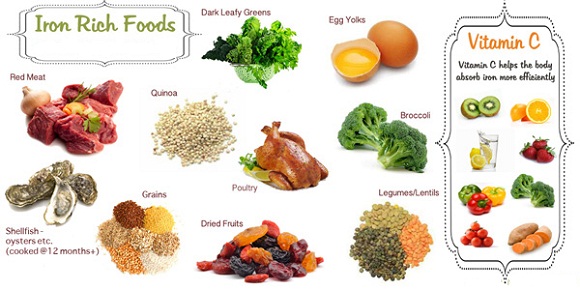
We so often warn vegetarians that they need to find a reliable source of vitamin B12. However, iron is a nutrient that is assumed to be adequate in the vegan diet, but due to its bioavailability issues, it is often not enough to prevent an iron deficiency, especially in women and children. Iron deficiency is a disorder that results from a depletion of iron stores in the body. It is characterized by weakness, fatigue, short attention span, poor appetite, increased susceptibility to infection, and irritability.

How does  iron function in the body?

  1. Oxygen enters the lungs.
  2. Oxygen attaches to iron in hemoglobin and myoglobin (found in red blood cells and muscle cells.
  3. Oxygenated hemoglobin transported in blood to body cells, drops off oxygen.
  4. Iron in hemoglobin then picks up carbon dioxide from cells and transports it to the lungs.
  5. Carbon dioxide is released from iron in hemoglobin
  6. Carbon dioxide is exhaled from the lungs.

This function of iron operates smoothly when the body’s supply of iron is sufficient. Unfortunately, that is often not the case. For example, a 3-ounce hamburger and a cup of asparagus both contain approximately 3 milligrams of iron, but 20 times more iron can be absorbed from the hamburger than from  the asparagus. See the following article for why  this occurs and what to do about it. Souce: Judith E. Brown, Nutrition Now, 7th edition

CLICK HERE.


The Microbiome: What We Know

Friendly Bacteria

The microbiome is one of the hot topics in the world of diet and nutrition science. Many claims are being made that attempt to associate “healthy” and “unheathy” microbes in the gut with certain diseases, e.g. Parkinson’s,  depression and even autism.

Here are some facts:

The gut microbiome is the most complex ecosystem in the world.

Diversity in the microbiome leads to health and is governed by our diet.

Seventy percent of Americans have digestive related symptoms or disease.

Diets can change the biome in 24 hours; however, usually this change is temporary.

Probiotics are not the only answer. Prebiotics may play more of a  role in feeding the microbiome and keeping it healthy. Short chain fatty acids called butyrate and other metabolites can be  the fuel for intestinal bacteria. It may be protective against the dangerous low-grade inflammation thought to be caused by a high-fat /high sugar diet or artificial sweeteners.

Prebiotic Foods: 

Jerusalem artichokes Sauerkraut
Onions Maple Syrup
Chickory root (inulin) Peas
Garlic Legumes
Leeks Eggplant
Bananas Honey
Fruit Green Tea
Soybeans Yogurt, cottage cheese, kefir

Best Advice: EAT YOUR VEGETABLES!

The composition of the microbiome can help to shape a healthy immune system.

In my opinion, we still are in the infancy stage in knowing just what microbes are helpful or harmful and how they affect our health.  We do know that treatment with fecal transplants can help to treat a persistent condition called Clostridium difficle or C. diff that can occur after using antibiotics or being in the hospital. Just recently, a friend of mine says she had the disease without taking antibiotics or being hospitalized; therefore, it may occur in the community as well.

The following article provides some common sense knowledge about this topic with some advice on dealing with the issue of diet, prebiotics and probiotics for our health.

CLICK HERE.

Red Meat: Use Some Common Sense

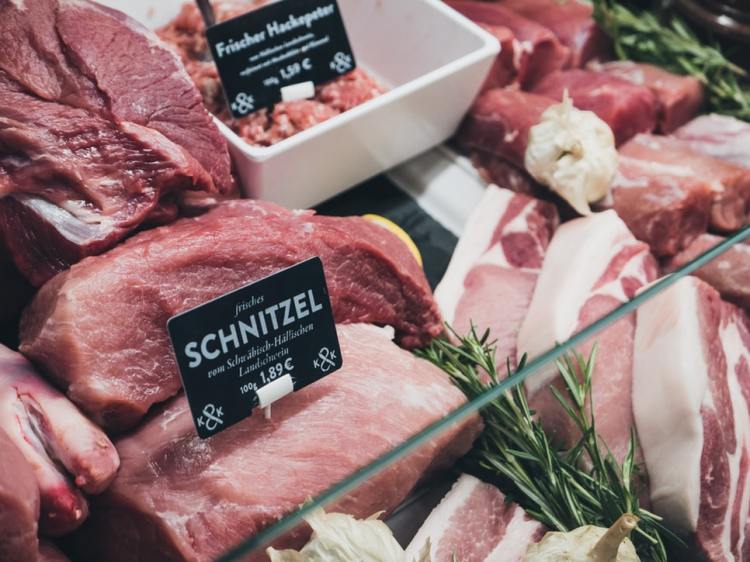
This debate still continues to capture the headlines – is red meat healthy or not for us or the planet? Food, Facts and Fads will continue to follow the research and attempt to offer some reasonable advice about this issue. Best approach? Be reasonable with your red meat consumption until further notice, but don’t panic. Americans are avid meat eaters and it’s difficult to know who to trust due to the biases of each side. For the latest CLICK HERE.

In the Beginning: Origins

The Standard American Diet has its beginnings in our early history.  Many food historians refer to the traditional diets of many cultures; however the  traditional American food culture remains elusive and difficult to define.  One thinks of hot dogs,  hamburgers, meat, potatoes that have more recently evolved into fast foods, packaged, processed foods loaded with sugar, salt, and fat along with a list of ingredients that often take up most of the food label.

The following article gives us insights on how it all began especially with gender issues about foods. It’s a fascinating look at the early origins of “feminine” or “masculine” foods and their effects on how we still operate to a degree from these stereotypes.

One important contribution to our food culture has also been the food of the diverse immigration movement early in the 20th century. Thus, the traditional American diet has its  roots primarily from other cultures as well as our own beginnings  – thus, Mexican, Chinese, Italian food primarily.

CLICK HERE.

THE STANDARD AMERICAN DIET (AKA SAD)

A 2010 report from the National Cancer Institute on the status of the American diet found that three out of four Americans don’t eat a single piece of fruit in a given day, and nearly nine out of ten don’t reach the minimum recommended daily intake of vegetables. On a weekly basis, 96 percent of Americans don’t reach the minimum for greens or beans (three servings a week for adults), 98 percent don’t reach the minimum for orange vegetables (two servings a week), and 99 percent don’t reach the minimum for whole grains (about three to four ounces a day). “In conclusion,” the researchers wrote, “nearly the entire U.S. population consumes a diet that is not on par with recommendations. These findings add another piece to the rather disturbing picture that is emerging of a nation’s diet in crisis.”

A dietary quality index was developed reflecting the percentage of calories people derive from nutrient-rich, unprocessed plant foods on a scale of 0 to 100. The higher people score, the more body fat they tend to lose over time and the lower their risk appears to be of abdominal obesity, high blood pressure, high cholesterol, and high triglycerides. Sadly, it appears most Americans hardly make it past a score of ten. The standard American diet reportedly rates 11 out of 100. According to U.S. Department of Agriculture estimates, 32 percent of our calories comes from animal foods, 57 percent from processed plant foods, and only 11 percent from whole grains, beans, fruits, vegetables, and nuts. That means on a scale of one to ten, the American diet would rate about a one.

Adhering to just four simple healthy lifestyle factors may have a strong impact on chronic disease prevention: not smoking, not being obese, getting a daily half hour of exercise, and eating healthier—defined as consuming more fruits, veggies, and whole grains, and less meat. Those four factors alone were found to account for 78 percent of chronic disease risk. If we ticked off all four, we may be able to wipe out more than 90 percent of our risk of developing diabetes, more than 80 percent of our heart attack risk, halve our risk of stroke, and reduce our overall cancer risk by more than one-third.

That is what this blog is about – how the SAD diet affects our food culture positively and negatively. There is much work to do about our lifestyles that can help change the course of the health of our bodies as well as the health of our environment – and the sooner the better. Let’s get started.