Weight Gain and Inflammation

“Researchers have found a possible explanation for why being overweight is harmful. This new knowledge may provide new drugs for heart attack, stroke, cancer and chronic intestinal inflammation.”

Weight control programs based on lifestyle changes that focus on behavioral strategies for caloric intake and increasing physical activity have been demonstrated to be successful.

CLICK HERE.

Diet and Lifestyle in Diabetes Control

Notes: Sally Feltner, M.S., Ph.D.

Diabetes blood sugar control is getting worse for U.S. adults. By Bobbie Berman, June 14, 2021 .

The study was published in The New England Journal of Medicine, Fang, Michael, Ph.D., et al. Trends in Diabetes Treatment and Control in U.S. Adults. 2021; 384; 2219-2228, 

After scanning the original article in NEJM for any mention of the role of diet in the control of glycemic parameters, I found none.

In the article above by Mr. Berman, there is only a mention of diet in the following manner:

“A person with diabetes can still eat the foods that they enjoy, just less frequently or in smaller portions.

Follow the advice of a doctor or dietitian, eat a varied meal plan that includes foods from all groups, and stick to the recommended amounts.

Some people with diabetes should eat at the same time each day, while others have a little more flexibility when it comes to the timings of meals. Portion size is also very important in people with diabetes. Speak to a dietitian about the best way to manage this.”

Finally, someone gave it at least an after thought. I had a close relative with diabetes type 2 who when asked if he had ever seen a certified diabetic educator (CDE, often a dietitian,) or spoken about diet with his physician. He always said “No”. 

Perhaps if doctors were more educated about the effects of diet on diabetes control, patients would be more compliant with these recommendations. I am not a certified diabetic educator, but am retired as a registered dietitian. I strongly recommend that if you are diabetic, consult with your primary care physician and try to see someone with the proper credentials about diabetes care. (Sally Feltner)

Take a look at the following article on a study done to compare lifestyle factors vs. metformin ( a common compound taken by diabetic patients for glucose control) Spoiler Alert: LIFESTYLE FACTORS WIN OUT OVER METFORMIN and prevention is the key.

CLICK HERE.

What Healthy Eating Means Now

After years of research on the subject, the consensus appears to be that there is no single diet that’s right for all of us. However, we have learned that we have a better idea of what healthy eating looks like.

The key is your overall eating pattern, not so much how many grams of carbohydrate, fat or protein you eat, or whether it is animal or plant protein. The choices are many: vegetarian?, vegan?, low fat?, low carb? Or perhaps flexetarian ( a little of both?)

The general healthiest pattern is emerging that consists mostly of nutrient dense whole foods that come from nature and includes few, if any highly processed foods. A closer look at this pattern recommends lots of vegetables and avoid sugar and refined grains.

When assessed for weight control, studies show that when individuals are divided into two major groups either low fat or low carbohydrate ,both groups lost weight – an average of 12 pounds, though some lost as much as 50 pounds. The participants also ate healthier and greatly improved their risk factors for heart disease and diabetes: body fat, waist size, blood sugar, blood pressure, cholesterol and insulin levels all of which can contribute to heart disease and diabetes.

A most important recent finding is that eating healthy can make a difference in how well your immune system functions, so important now as it is greatly needed to fight COVID-19. 70 percent of our immune system resides in the gut; therefore we must become more aware of providing nutrients that feed these gut bacteria. Packaged foods create inflammation and hamper immunity. These include not only sweetened drinks, but breakfast cereals, refined bread and pasta. Look more toward whole grains. “A poor-quality diet loaded with sugar, saturated fat, salt, and chemicals is second to only to smoking in terms of its negative effects on health and lifespan,” says, Dr. Steven Heymsfield, professor at the Pennington Biomedical Research Center at Louisiana State University in Baton Rouge, who was part of the development of the 2020 USDA Dietary Guidelines.

The best diet is the one that you choose after looking at the evidence that provides healthy benefits. Dr. Heymsfield says: “You could even try a diet for several weeks while keeping track of how it affects your weight, level of hunger and fullness, your mood, blood pressure and level of energy. Then try another for a few weeks and compare the results.”

Source: Nutrition: Your Healthiest Diet, Special Health Edition. 2021

Big Food?

“Robert Goldstein, a hedge fund manager in New York, was getting huge cravings for sweets when he came across a tropical plant called Gymnema sylvestre that works a little like methadone for heroin addicts.” What does that have to do with “big food”? Too much, I’m afraid.

CLICK HERE.

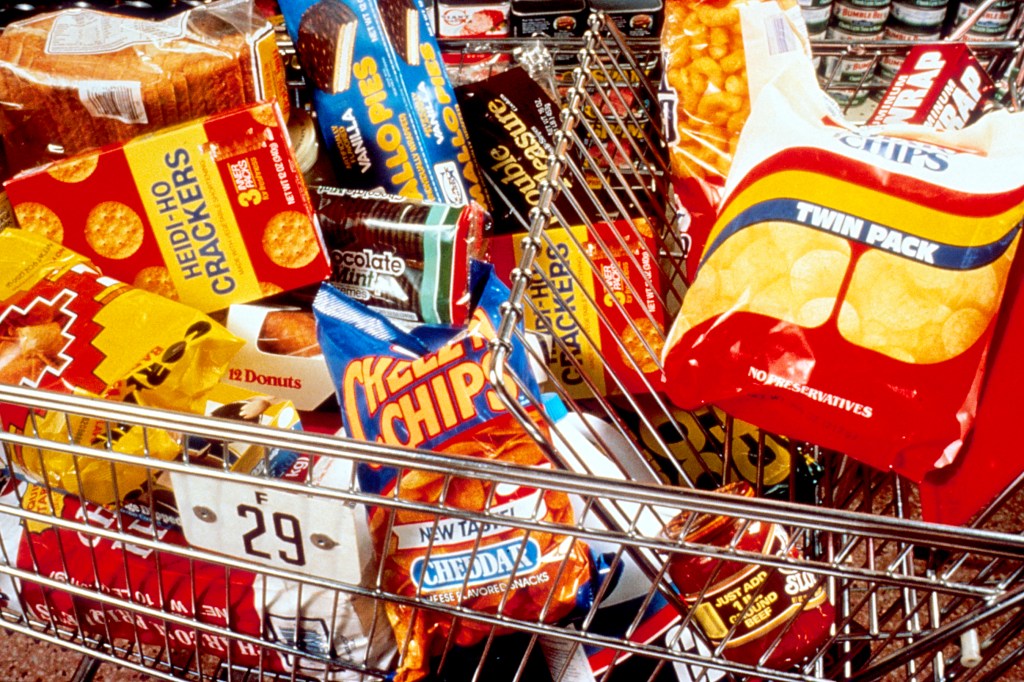
UNHEALTHY PROCESSED FOOD AND SNACKS CAN LEAD TO OBESITY

Diary of a Dieter

How does the Human Body Regulate Food intake and Body Weight?

Body weight remains fairly constant for long periods of time. To regulate weight and fatness at a constant level, the body must be able to respond both to changes in food intake over the short term and to changes in the amount of stored body fat that occur in the long term. We have hunger and satiety signals that act over the short-term time frame (meal to meal) whereas signals from the fat tissue trigger the brain to adjust both food intake and energy expenditure for long term regulation. Sounds simple, right? That’s what some weight loss plans keep telling us (especially if we are following their claims).  Here is partly the reason why it is NOT easy.

For example, there are two major hormones that participate in this process. The first one is called ghrelin which is a hormone produced by the stomach that stimulates food intake (often called the “hunger hormone”).

The second one is called leptin which is a hormone produced by fat cells that signals information about the amount of body fat.  I will spare the details, but it is important to keep in mind that weight regulation is determined by the body in conjunction with the brain and is It is actually not simple but very complex. And keeping the lost weight off is a special challenge that requires a great deal of mindfulness and vigilance. The body tends to not want us to starve for obvious reasons.

The following article presents us with a realistic experience that many people are forced to take on when they finally address their repeated weight gains and suggests ways that must be followed to make this time a success (for health, not vanity).  There is a lot of wisdom in her article.  In my opinion, she finally gets it. I wish her success fighting the dueling hormones, ghrelin and leptin.

It’s Time To Diet Again, Dangit

For health, not hopes of hotness.

By Cheney Meaghan

Jul 19, 2018 · 3 min read

I’ve lost count of how many times in my life I’ve been on a diet, and now it’s time to do it again.

I hate dieting.

Dieting consumes my entire life.

To track what I eat, to count calories, to more thoughtful food shopping, to prepping food, meal planning, tracking weight — all of it — I hate it.

But today I went to the doctor because I have been having more knee pain than usual and my right foot has been swelling every day for a week, and even before lab work returns, the news is not good.

I’ve gained thirty pounds in the last six months, my blood pressure is a steady 140/100ish (I’ve been checking it at home for two weeks), the doctor is worried that the swelling is due to hypertension, she’s testing me for diabetes, and she’s sure that the crunching and squishing and pain I am feeling in my right knee is bone on bone arthritis.

Basically, I’m turning into my mother, and quickly falling apart as I spread across the couch one pound at a time.

I guess this time, the dieting really matters.

All the extra weight isn’t good for my knee, and, well, all the extra weight just isn’t good, period.

But did I mention I hate dieting?

When you weigh as much as I do (over 250 pounds now, and holy s… I can’t believe I just admitted that on the internet) losing weight isn’t just a small shift in eating healthier and getting more exercise.

It means scrutinizing every morsel you put into your mouth and weighing (ha!) in your mind whether that bite is worth it compared to all the other bites left you have that day.

It means weighing and measuring your food to make sure you stay under your calorie goal, it means fewer meals out with friends, it means less ice cream.

I hate dieting.

But, like, I’m kind of dying.

My doctor looks like she weighs around the same amount as I do and joked with me during the appointment about how hard it is to get healthy.

When she mentioned that I should give up coffee with cream and sugar, which happens to be one of my only remaining addictions, I wanted to cry, but she said it was her favorite thing in the world and the thing she had the hardest time giving up, too.

It’s hard, I know it’s hard, I have a hard time doing it myself, obviously, she told me as we laughed and groaned over the benefits of dieting to prevent diabetes and the pain of cutting back on sugary treats.

She also shook her head and talked about how crazy it is that America is such a fat country in general. She said it was because we’d become such a busy society focused on getting stuff done, we’ve stopped focusing on taking the time to rest, eat healthy, and do good things for our bodies and lives like so many Europeans do.

It’s harder in America to be healthy than it is in a lot of other places in the world, and “they say” that over half of Americans are overweight now, and yet I can’t take any comfort in being on the side of the majority here.

Now I wait for results to see how things are — my thyroid, my sugar levels, my cholesterol and all that fun stuff — oh, and my creaky, decrepit knee.

Meanwhile, I’ll be updating my new weight and goals on the MyFitnessPal app and start logging everything I put into my body — my own personal science experiment as I try to shrink and not disappear.

Obesity and Covid

“Obesity is an extremely complex, multifactorial disease, with many of its most harmful effects arising from hormonal stimulation. Adipose tissue is an endocrine organ, and more than a hundred different hormones are produced by fat cells. As the cells expand with weight gain, production increases. Some of these hormones cause inflammation or trigger blood-clotting mechanisms, while others raise blood pressure or lead to insulin resistance, for example. Obesity affects virtually every body system and is associated with more than 200 medical conditions.”

CLICK HERE.

The Other Pandemic: Obesity

The last I checked, the U.S. is still facing an epidemic other than Covid -19 – one that has been in some degree affecting a large percentage of the population (40%) for quite some time – obesity. Obesity has even been named as a risk factor for the Covid pandemic. About 70% of us are overweight with about 40% classified as obese. One in 10 have diabetes type 2. Type 2 diabetes most often develops in people over age 45, but more and more children, teens, and young adults are also developing it.

Prediabetes is a serious health condition where blood sugar levels are higher than normal, but not high enough yet to be diagnosed as type 2 diabetes. Approximately 88 million American adults—more than 1 in 3—have prediabetes. Of those with prediabetes, more than 84% don’t know they have it.

A feature of this month’s issue of Nutrition Action Health Letter titled Why We Overeat by Bonnie Liebman should be important for all of us who eat food found in the Standard American Diet (SAD). It will ultimately affect all of us with increased health care costs.

As a researcher at the National Institutes of Health, Kevin Hall explains: “We’re trying to understand the properties of our food environment that regulate appetite and cause people to overeat and gain body fat”. Based on several well designed studies, his group found “only one diet led people to gain weight and gain body fat, Hall says, and that diet is the ultra-processed-food diet.”. Examples of ultra-processed foods include breakfast cereals, pizza, soda, chips and other salty/sweet/savory snacks, packaged baked goods, microwaveable frozen meals, instant soups and sauces.

“Companies are all about maximizing the allure of their products” says Michael Moss, a prize winning former New York Times reporter whose recent book is titled: Hooked, Food, Free Will, and How the Food Giants Exploit Our Addictions.  It all begins with three major ingredients: Salt, Sugar, and Fat, also by Moss.

“The industry came up with the term “bliss point” to describe the perfect amount of sugar in a drink or food that would please most Americans. Not too little, not too much”

“In snack foods like potato chips, 50% of the calories typically come from fat which gives them that melt in your mouth phenomenon, which so much ultra processed food has. You hardly even have to chew it.”

“Salt is the flavor burst because it’s often on the surface of the food and the first thing that touches the tongue”.

But wait! There are other factors.

“Fat plus carb foods with high concentrations of both fat and refined carbohydrates like chocolate, ice cream French fries, pizza, cookies and chips are the foods that most people find most irresistible”, says Ashley Gearhardt, associate professor of psychology at the University of Michigan.

Other factors that aid in making the consumer choose ultra-processed foods can include:

Variety, speed (unprocessed food often takes more chewing), advertising (especially TV ads),

Cost. The food industry goal is to make their products as inexpensive as possible for the consumer.

Snacking: “The food industry has developed more and more products that can act as the fourth meal of the day.” Just look at the abundance in the snack aisles.

What To Do

One way is to concentrate more on nutrient dense foods then on calorie dense foods — of course this increase requires adding fruits and vegetables.

Another good source on how to curb your ultra processed food intake is presented by Barbara Rolls, director of the Laboratory for the Study of Human Ingestive Behavior at Penn State, who wrote the Ultimate Volumetrics Diet. 

A study in 2017 by Rolls randomly assigned women with obesity to either eat less fat or eat less fat and eat more fruits and vegetables for a year. After a year, the fruit and vegetable eaters had lost more weight (17 pounds) than the other group (14 pounds), and they reported being less hungry.

“We eat with our eyes and our brain, If we see a big portion, that sets us up to feel more satisfied. If a plate looks half empty, that sets us up to feel hungry”, says Rolls.

All in all, be aware and mindful of what you eat. Mindless eating can be habit forming as usually we pay little attention to what and how much food we are eating. Studies show that we eat more macaroni and cheese while watching TV than while listening to music.

Lays potato chips dares us with the challenge: “bet you

can’t eat just one”.

“Stay away from the gigantic calorie counts in most restaurant food, whether it’s sit down or fast food. Cook your own food whenever possible. Stick with water, coffee, tea, or other calorie free drinks.”

“Don’t let multinational corporations dictate your diet and your health.” It’s up to you to make those choices.

Sources

Bonnie Liebman. Nutrition Action Healthletter, Center for Science in the Public Interest, April, 2021.

Michael Moss. Salt Sugar Fat: How the Food Giants Hooked Us. Random House, 2014.

Intermittent Fasting and Protein – Not for Body Builders?


Intermittent fasting is becoming a hot topic for weight loss and/or practicing calorie restriction that is limited to a certain amount of time every day, e.g. 16 hours of fasting with an 8 hour time frame of eating your daily calories..

The problem does arise as to whether people can obtain their protein requirement with that eating pattern. This pattern usually results in eating only two meals a day. The following article explains the issues. The bottom line: This  type of diet may not be practical for those who want to build muscle; however, weight training does appear to help to preserve lean body mass when eaten with sufficient amounts of protein.

CLICK HERE.

Dieting in America: An Ongoing Issue

After 150 years of becoming a nation obsessed with weight loss, we still have not grasped the true experience of how difficult it is to lose and more importantly maintain that loss (if it occurs) so many still seek the “quick fix” Of course, the obesity industry likes it that way – success does not help them obtain more business and appears to keep their customers coming back for more promises and sometimes unhealthy claims.

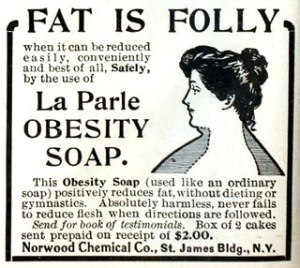
This post addresses with more detail a previous post on a diet time line, tilted Is Dieting Deadfrom Banting to weight loss surgery for the morbidly obese. The obese get blamed for their dilemma which adds to their guilt, whereas, the emphasis should be more focused on not only how hard weight loss is, but keeping it off avoiding the Yo-Yo dieting phenomenon.  This leaves the obesity industry even more gleeful as their customers keep returning. From Obesity Soap in 1903 to the dangerous Tape Worm Diet, the Drinking Man’s Diet, and eating disorders,  the quest furthers our national obsession with weight. An excellent book,The Hundred Year Diet:  America’s Voracious Appetite for Losing Weight, by Susan Yager aptly addresses this issue.


Go back

Your message has been sent

Warning
Warning
Warning
Warning

Warning.

CLICK HERE.

Is Dieting Dead?

A Diet History Timeline
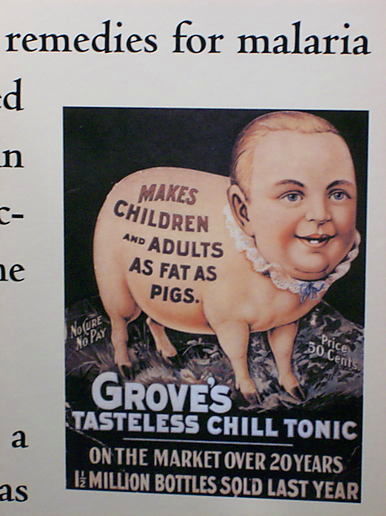
The picture above is an ad from the early 1900’s attempting to promote the effectiveness of a tonic “that not only cures everything, but adds heft to the figure.” Ironically, a full figure in those times represented wealth and prosperity.

I love timelines – they tell us where we have been and how we evolved to where we are now.   This is a fun timeline on the History of Dieting.  Where can we go from here?

According to the latest issue of Eating Well magazine, October 2020, it is predicting in the future that dieting will be done for good. “We will finally wake up to the fact that following a regimen of temporary deprivation to achieve health or aesthetic goals is an exercise in futility – and that healthy eating is for life and  building ongoing habits, not quick fixes.”

AMEN!!! But first, what is our dieting history?

1850

In England, William Banting consulted Dr. William Harvey for weight loss who recommended he cut most sugar and starch from his diet since foods containing those substances tend to create body fat.  He lost 50 pounds and wrote the first diet book, “Letter on Corpulence Addressed to the Public” in 1862. It was a best seller!

1898

Horace Fletcher loses 42 pounds by advocating that we need to chew food about 32 to 80 times before being swallowed and it should be in liquid form. He later became known as “The Great  Masticator”.

1918

Dr. Lulu Hunt Peters writes the first best selling diet book, “Diet and Health with a Key to the Calorie”.   She promoted calorie counting over our entire life.

1919

The Continental Scale Company produces the first bathroom scale called the “Health O Meter”.

1929

A cigarette advertisement tells women to “reach for a Lucky instead of a sweet”.  Another slogan says:  “Light a Lucky and you’ll never miss sweets that make you fat”.

1930

The “grapefruit diet” also known as “The Hollywood Diet” is promoted which involves eating only 585 calories a day for 18 days with boiled eggs, green vegetables and Melba toast.

1936

Self-proclaimed diet guru Victor Lindlahr reaches thousands via the radio to produce his regular broadcasts entitled “reducing party”. He wrote the book You Are What You Eat, one of the earliest texts of the health food movement in the United States, which sold over half a million copies.

1942

The Metropolitan Life Insurance Company published standard weight tables for “ideal weight”.  The charts used weight, height, frame size, and gender but only used data from life insurance policyholders which biased the conclusions.

1948

Amphetamines were first prescribed for some obese patients but later research determined that these were dangerous.  Amphetamine –like drugs are still used today in a limited fashion.

1958

Saccharin, the first manufactured artificial sweetener is produced and becomes a popular sugar substitute.  It is still used today after years of research that absolved critical reports of its cancer connection. Some doubts still linger.

1961

Weight Watchers was born as a result of Jean Nidetch and several friends who met in her apartment to offer each other support about dieting. Weight Watchers and other diet programs like Nutrisystem and Jenny Craig has turned weight loss into a multi-billion dollar industry. However, the results are dismal. In 1993, the Federal Trade Commission charged that five weight loss programs (including the above) made false and unsubstantiated claims about the effectiveness of their products. To settle the charges, the companies were required to add dislaimers, like “For many dieters, weight loss is temporary.” By 2002, the FTC released a report suggesting that little had changed.

1967

Twiggy, 5’7” and weighing about 92 pounds becomes a supermodel and icon for the slender female.

1972

Dr. Atkins introduced his first “Diet Revolution”, a high protein, high fat, low carbohydrate diet.

Richard Simmons opens Ruffage and the Anatomy Asylum, a Beverly Hills restaurant and exercise studio.  He quickly becomes known as a fitness and diet guru.

1978

Dr. Herman Tarnover introduces the “Complete Scarsdale Medical Diet”, another version of the high protein, low-carb diet.

1979

The Pritikin Diet answers the trend of the high protein, low – carb diets with a high fiber, very low fat diet.  The system was originally designed for heart patients but became popular for those who followed the newer trend of the low –fat diet approach.

1981

The Beverly Hills Diet is introduced – it recommends eating nothing but fruit for the first 10 days.

1982

Aspartame is introduced as another alternative sugar substitute. It was marketed as NutraSweet and is still used today in many products.

Liposuction is performed in the U.S. for the first time and now becomes a popular cosmetic procedure for the obese.

1983 

Jenny Craig is formed which sells their own line of diet foods and offers diet counseling.   Nutrisystem soon followed.

1988

Oprah Winfrey loses 67 pounds on the liquid diet Optifast.

1993

The Federal Trade Commission charged that five weight loss programs, including Weight Watchers, Nutrisystem and Jenny Craig) made false and unsubstantiated claims about the effectiveness of their products. To settle the charges, the companies were required to add disclaimers, like “For many dieters, weight loss is temporary.” By 2002, the FTC released a report suggesting that little had changed.

1994

The FDA mandates that food labels must include detailed information about calories, fat, and fiber. We must thank Dr. Lulu Hunt Peters for this.

1995

“The Zone Diet” is introduced by Dr. Barry Sears. He promotes eating lots of fruits and vegetables and protein, while cutting back on breads and pastas.

1996

It is reported that 40% of nine and ten-year-olds are dieting and trying to lose weight.

2000

Experts are stating that there is now a global epidemic of obesity and that for the first time in history, this number of overweight people equals the number of underfed and undernourished.

2002

Dr. Atkins introduces his second diet book, the “New Diet Revolution” to a new generation of dieters. The Low-carb diet is back after multitudes of diet books promoting low fat diets.

2013

It appears we may have come full circle – we are now promoting cutting sugars and counting calories (again).  We have progressed from low carbohydrate, low fat, and low carbohydrate diets again along with some pretty scary schemes, e.g. the Tapeworm Diet.  Many weight loss books, gimmicks and pills have come and gone over and over again and many still exist, but with no real breakthroughs.

2020 “if dieting makes us fat, what should we do instead to stay healthy and reduce the risk of diabetes, heart disease, and other obesity-related conditions?,” asks Dr. Sandra Aamodt, PhD?  She is the author of  Why Diets Make us Fat” and coauthor of “Welcome to Your Brain”and earned her doctorate in Neuroscience from the University of Rochester.

New concepts in weight loss and management are beginning to emerge like mindful eating, weight acceptance, and a different mindset about healthy weights. A new field of genetics called epigenetics may provide some answers that includes how the environment can influence gene expression. A new field of lifestyle medicine focuses not on weight alone but eating for health during a lifetime.

More effort and focus should be made on weight gain prevention and weight loss maintenance if we are finally going to declare dieting “dead”.