The Blue Zone Way to Healthy Diets

Micronutrient Needs of Older Adults

Source: Smolin and Grosvenor. Nutrition: Science and Applications, Third Addition

Changes in digestion, absorption, and metabolism affect micronutrient status and may contribute to the development of some of the disorders that are common in older adults.    

This may be a concern especially for the B vitamins, and vitamin D, iron, and zinc.

B vitamins 

The only B vitamins for which recommendations differ between older adults and younger adults are vitamins B6 and B12. The  RDA for B6 is greater to maintain levels while the RDA for vitamin B12 is not increased, but is a nutrient of concern because of both reduced absorption and low dietary intakes among some groups like vegans. Also as we age, many people develop a condition called atrophic gastritis from a lack of acid in the stomach necessary for the absorption of vitamin B12. Eating fortified foods or taking a supplement under the guidance of a physician are the best way to counter this situation. 

Folate is another B vitamin of concern. Low folate along with inadequate levels of B6 and B12 may result in an elevated homocysteine level which increases the risks of cardiovascular disease. The fortification in grain products began in 1998 has increased the intake of this vitamin, however, when folate is consumed in excess, it can mask signs of a vitamin B12 deficiency and go untreated. Again, consuming any vitamin is unnecessary in excess and should be supervised by your primary care doctor or a trained dietitian.

 Vitamin D 

Vitamin D is necessary for adequate absorption of calcium which is also a concern in elderly people.  Intake is often low and synthesis  in the skin is reduced due to limited exposure of sunlight and because the capacity to synthesize vitamin D in the skin decreases with age. 

Iron 

The iron needs in women decline sharply at menopause when blood loss has ceased.The iron needs of men do not change., Nonetheless, iron-deficiency anemia is common in the elderly often due to chronic blood loss from disease and medications and poor absorption due to low stomach acid and antacid use. 

Zinc 

The RDA for zinc has not changed in older adults, but low energy intakes as well as absorption, stress,  trauma, muscle wasting  and OTC medications can all contribute  to poor zinc status. The consequences can  contribute to malnutrition by reducing food intake, Reduction in immune function and wound healing increases the risk of infection, which can also impair  nutritional status.

Food Guidelines: The Blue Zones Way
Fast Food and Dementia ?

 Is Eating Fast Food a Dementia Risk? 

The health risks of eating ultraprocessed foods —including sausages and burgers as well as pizza and ice cream — are well documented. They have been shown to raise the risk of obesity, diabetes, and cancer among other chronic ailments. (CNN.com). 

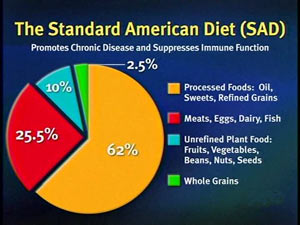
In a new study, researchers followed more than 10,000 Brazilians with an average age of 51 for more than 10 years. They found that people who consumed more than 20% of their daily calories from ultra processed foods had a 28% faster cognitive decline compared with those whose intake was less than 20%.  Unfortunately, that 20% is not a high threshold: just 400 calories out of the 2000 calorie diet. And most Americans are well over that, getting on average a whopping 58% of their calories from ultraprocessed foods.

 “The sample size is substantial and the followup extensive,” says Dr. David Katz, a nutrition specialist who was not involved in the study. While short of proof, this is robust enough that we should conclude ultraprocessed foods are probably bad for our brains,” 

Source: The Week. December 23, 2022, Volume 22, Issue 110.

Is Processed Food “Junk Food?”

Plant based diets are increasingly becoming the new trend in nutrition these days.  Plant based diets are also currently thought of as being environmentally friendly with increased attention paid to animal welfare, lower levels of greenhouse gases, land degradation and less water use that are also thought as having a myriad of health benefits. However, some foods are what many people call “junk” foods or ultra—processed foods and not considered “products of nature”.

“All foods according to some standards or sold in supermarkets would be classified as “processed.” The USDA defines a processed food as one that has undergone any changes to its natural state, e.g. cutting or washing. The NOVA classification assigns a group to food products based on how much processing they have been through: Group 1 – Unprocessed or minimally processed foods Group 2 – Processed culinary ingredients Group 3 – Processed foods Group 4 might include ultra-processed foods.” The Institute of Food Technologists includes additional processing terms like storing, filtering, fermenting, extracting, concentrating, microwaving, and packaging.”

“Ultra- processed foods,” contain minimal whole foods, are high in calories, added sugar, salt and fats. They offer little nutritional value” and have been processed with a list of additives that are difficult to pronounce and would not be recognized as food by our ancestors. The NOVA classification often used to determine the extent of industrial processes as mentioned above may include the following:

  • Commercially produced breads, pastries, cakes, and cookies
  • Carbonated beverages
  • Sugar-sweetened beverages
  • Pre-packaged snacks 
  • Flavored dairy drinks
  • Breakfast cereals
  • Energy bars
  • Instant soups , noodles, and desserts
  • Convenience foods

A study in 2019 followed 105,159 adults for 5 years. They reported that even a 10% increase in the consumption of ultra–processed foods was associated with a negative health outcome like higher risks of heart disease, stroke, type 2 diabetes and some cancers. (Associations do not reflect causes). The associations found showed that some vegans and vegetarians often have lower levels of iron, vitamin B 12, calcium, vitamin D and omega-3 fats.

Plant-based diets still may have a health advantage. This can occur if the diet in question also provides the needed nutrients for nutritional health such as adequate fruits and vegetables, non- starchy vegetables, eggs, plant protein, seafood and whole grains (fiber) on a regular basis. However, on the other hand, the bottom line is that a bag of potato chips although plant based, provides few nutrients and should be limited on a healthier plant based diet.

Helpful Hints:

  • Be sure to read nutrition labels to become aware of the calories, added sugars, salt saturated fats, trans fats and other essential nutrients in one serving.
  • Monitor fiber and carbohydrate portions. Be sure to check the fiber content of many cereal products.
  • Focus on proteins, meat substitutions -peas, beans, nuts, seeds, tofu, tempeh, eggs, milk, cheese, yogurt, and seafood. 
  • If possible, anyone beginning a new eating pattern should consult a dietitian or physician with nutrition knowledge.
  • Limit your intake of processed foods in general, especially ultra-processed.

As Michael Pollan says in his book, In Defense of Food. “Because most of what we’re consuming today is not food, and how we’re consuming it…in the car, in front of the TV — is not really eating. Instead of food, we’re consuming “edible foodlike substances” – no longer the products of nature but of food science.”

Source: Medical News Today.

What are epigenetics and why do we care?

What are epigenetics?

“With its prefix from the Greek word epi, which means “in addition to,” this word relates to factors in addition to DNA base sequence that influence the function of genes” 

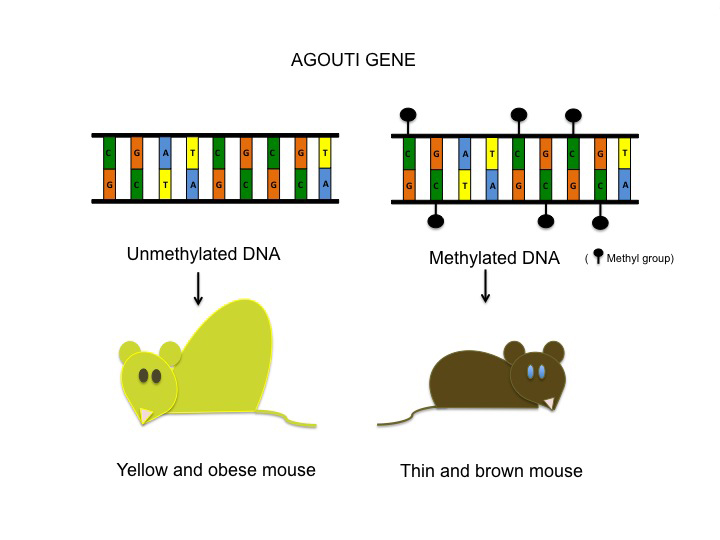
Epigenetic tags are chemical tags, e.g. methyl groups,  added to DNA that record the effects of experience, changing the gene expression.

“DNA sequencing is the order in which the four nucleotides (A,   C. T, or  G) are strung together on the DNA molecule.”

Epigenetics is a hot topic right now and appears more in news articles as science makes further associations. It is becoming more obvious that our lifestyle and experiences can affect our genes and can be passed down to our children and grandchildren through genetic pathways.

DNA is the blueprint for the instructions for the entire body, but chemical tags called methyl groups make up what is called the epigenome to decide which genes are active – this is called methylation or gene expression. It is often referred to as an “on and off switch” that turns on or off certain genes. It is what makes identical twins different over time. Although our DNA code does not change, the epigenome is flexible and reacts to our environment. Our experiences help shape how genes are expressed.

DNA methylation works by adding a chemical group to specific places on the DNA as “tags” where it blocks the proteins that attach to the DNA to “read the gene”. This chemical group can be removed through a process called demethylation. Typically, methylations turn genes “off” and demethylation turns genes “on”.

Women are not solely responsible for the health of their future children. Science is finding that the health of a man’s unborn children can be affected by things like the man’s diet, life experiences and trauma, exposure to toxins and how old he is at conception.

 Citation:

Why Should I Care About Epigenetics? Utah Valley Pediatrics, September 30, 2013

What Healthy Eating Means Now

Sally Feltner MS, PhD's avatarFOOD, FACTS and FADS

After years of research on the subject, the consensus appears to be that there is no single diet that’s right for all of us. However, we have learned that we have a better idea of what healthy eating looks like.

The key is your overall eating pattern, not so much how many grams of carbohydrate, fat or protein you eat, or whether it is animal or plant protein. The choices are many: vegetarian?, vegan?, low fat?, low carb? Or perhaps flexetarian ( a little of both?)

The general healthiest pattern is emerging that consists mostly of nutrient dense whole foods that come from nature and includes few, if any highly processed foods. A closer look at this pattern recommends lots of vegetables and avoid sugar and refined grains.

When assessed for weight control, studies show that when individuals are divided into two major groups either low fat or low carbohydrate…

View original post 265 more words

Alzheimer’s Disease Prevention?

What Do We Know About Diet and Prevention of Alzheimer’s Disease?

Changes in the brain can occur years before the first symptoms of Alzheimer’s disease occur.  It also should be noted that the focus of diet factors on diseases should be the prevention or delay of the disease in question and not a “cure.” Unlike other risk factors for Alzheimer’s that we cannot change such as age and genetics, the current thought is that with lifestyle choices such as diet, exercise and cognitive training, many chronic diseases can possibly be avoided adding health to our lifespans.

How could our diet affect our brains?

“It’s possible that certain diet patterns affects biological mechanisms, such as oxidative stress and inflammation that underlie many chronic diseases. Or perhaps diet works indirectly by affecting other disease risks, such as diabetes, obesity, and heart disease. A new avenue of research focuses on the relationship between gut microbes in the digestive system and aging-related processes that lead to Alzheimer’s.”

Several diet patterns show some promise. One is the Mediterranean Diet or its variations, the MIND diet (Mediterranean-DASH Intervention for Neurodegenerative Delay) or the DASH diet. (Dietary Approaches to Stop Hypertension), a risk factor for Alzheimer’s disease. All are based on leafy green vegetables and colorful vegetables, berries, fish, poultry, beans, nuts, wine (1 glass a day), whole grains and preferably olive oil.

“For example, two recent studies suggest that, as part of the Mediterranean diet, eating fish may be the strongest factor influencing higher cognitive function and slower cognitive decline. In contrast, the typical Western diet increases cardiovascular disease risk, possibly contributing to faster brain aging.”

The problem with the research is that most is called observational (subject to recall from the participants). To rectify this, several organizations like National Institute of Aging are conducting clinical trials (considered the gold standard of medical proof to shed more light on any cause and effect.

What About Supplements?

Clinical trials in humans have had mixed results, some with positive effects, others with negative results. These types of studies often attempt to measure the effects of omega-3 fatty acids in the diet. However, at this time:

Despite early findings of possible benefits for brain health, no vitamin or supplement has been proven to work in people. Overall, evidence is weak as many studies were too small or too short to be conclusive.

Note: I personally conducted animal research using high or low omega-3 or omega-6 diets on breast cancer incidence. The study was repeated two times and no significant differences in breast cancer incidence, tumor weight or immune system parameters were found between the study groups. (SJF)  

Note: A deficiency in vitamin B12 or folate due to aging or strictly following a vegan diet may cause memory problems that are reversible with proper treatment. Please consult with your physician.

Reference: National Institute on Aging

This content is partly provided by the NIH National Institute on Aging (NIA) scientists and other experts review this content, so it is accurate and up to date. This content was reviewed November 27, 2019.

Vegans, Longevity, Weight

Vegans, Longevity, Weight LOSS

Sally Feltner MS, PhD Aging and Lifestyle, Diet and Health, Food and Culture, Nutrition Research, The American Plate, Vegetarianism, Weight Loss June 9, 2022 2 Minutes

Lose weight and live longer on a vegetarian diet.? From the Harvard Medical School Health Guides

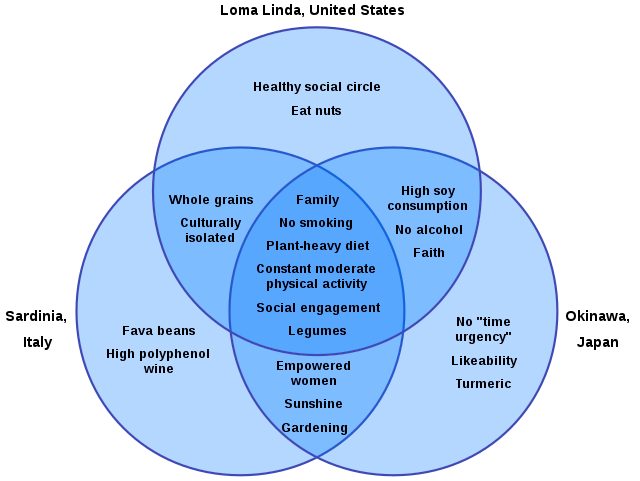
There is a lot of attention being paid to switching to a plant-based diet. There are many published articles on plant-based diets to achieve a lower body mass index, lower blood pressure, and reduced risks for heart disease, diabetes type 2, cancer, and longevity. Plenty of attention is being paid to the health benefits of those centenarians living in the Blue Zones, particularly ones that live with a vegan diet as well as those with a modified vegetarian approach.

The predominant American Blue Zone is represented by the Seventh – Day Adventists in Loma Linda, California. “The first Adventist Health Study (AHS-1) was funded by the National Institutes of Health followed 34,000 Adventists in California for 14 years. It was found that the Adventists who most strictly followed the religions’ teachings lived about 10 years longer than people who did not.

“The practices most likely to yield that longevity were narrowed down to five, each adding about two years to life expectancy.” Dan Buettner, The Blue Zones Solution: Eating and Living Like the World’s Healthiest People.

  • Eating a plant-based diet with only small amounts of dairy or fish
  • Not smoking
  • Maintaining a medium body weight
  • Eating a handful of nuts four to five times a week
  • Doing regular physical activity

Diet Options:

  • A flexitarian diet – meat is limited as a condiment and not considered the main attraction. Use vegetables, appetizers instead.
  • Semi vegetarian diet (no red meat)
  • Pescetarian – avoid meat and poultry but eat fish and seafood.
  • Lacto -ovo -vegetarian – skip all meat, fish, and poultry but include dairy and eggs in your diet.

If you’re trying to lose weight -go heavy on fruits, vegetables, and whole grains but limit foods high in saturated fats (ice cream, whole milk, and cheese.)

An important aspect of losing weight is often not what you eat – but how much you eat to keep daily calories in check.  

Our meals and snacks are taking on gargantuan proportions. The food industry decided they had to make portions larger to stay competitive and people got used to larger sizes very quickly. “Today, normal sizes seem skimpy,” says Marion Nestle,PhD, MPH, Professor of Nutrition and Food Studies at New York University.

When eating out, the transition to a plant-based diet is easier than thought. Fill your plate with vegetables – cooked, raw, or in a salad. Check out the sides that are offered. Then gradually introduce all vegetarian meals once or twice a week and if you like, increase it until you are as “vegan” as you want to be.