
As cultures tend to mingle and assimilate throughout the world they blend with the so called American diet (cheeseburgers) and bring with them their ethnic uniqueness, for example, about 25% of all restaurants in the U.S. have an ethnic theme. To study these inflences, we need to be aware of the nature of their traditional diiets as well as how they have changed within the cultures due to migration to the new way of eating,
Native American Influences
“Studies have lshown that the diseases that affected these societies differed signifantly from the diseases in North American societies today. For example, Alaskan natives who sill eat the traditional diet have cardiovascular diisease rates lower than those in the general North American population. Younger generations of Alaskan natives, however, who usually do not eat the traditional diet have developed cardiovascular diseases at rates similar to North American in general. This diet is often also called the “Western Diet”. It is also true of the Pima Indian tribe in Arizona compared to their counterparts in living in Mexico.” You can search Pima Indians on this blog from Food, Facts, and Fads.
Hispanic Influences
“Mexican cuisine today shows regional variety. In Southern Mexico, savory sauces and stews and corn tortillas reflect the native heritage. Yucatan cuisine follows Mayan tradition, with fresh produce adding color, flavor and nutrition to authenic Mexican dining. Traditional Mexican is healthful in that is high in complex carbs, beans, fruits and vegetables, particularly rich in vitamins A and C.”
Today true Mexican cooking bears little resemblance to the dishes usually found in “Mexican restaurants in North America. Usually it is based primarily on rice and beans. Restaurant Mexican foods tend to use large portions of meat as well as added portions of high-fat sour cream, guacamole, and Cheese to many dishes.”
Northern European Influences
Immigrants from Western Europe are responsible for the “meat-and-potatoes traditional manner of home cooking. This group contained large groups from The English, French, and Germans. A sizable portion of meat arranged with vegetables and potatoes that could be a dinner plate of boiled, mashed vegetables, sauerkraut, boiled or mashed still is the favorite of many Northern European diners.
The traditional pattern provides abundant protein, starch, and dairy nutrients. However, the protein contains insufficient amounts of whole grains, vegetables and fruits or whole grains. Many people from these cultures eat less than healthy dishes combined with high-fat versions that contribute to the high rates of heart disease and obesity and cancers.
African Influences
The “soul food” of African Americans is the basis of the regional cuisines of the southern U.S. African American women. The combination of these foodways with Native America, Spanish and French traditions produced Cajun and Creole cuisines enjoyed today in Louisiana and through out the nation. Pork and corn products were the basis of soul food. Today we all enjoy it as barbecued meat since many enjoy the foods brought from Africa as well as yams, African sweet potatoes, okra, and peanuts. Corn was ground for cornbread, greens like collards, mustard, and turnip and kale. were usually cooked with a small portion of smoked pork as well as black-eyed peas. This diet is obviously high in unhealthy components as well as increased heart disease and cancer. For example, the South east states of the typical American or “Western’ diet” is often called “The Stroke Belt? indicating diets high in calories and/or sodium.
Asian Influences
More than 200 different vegetables are used in the Chinese cuisine, bok choy and other forms of Chinese cabbage are perhaps the most widely eaten vegetable in the world. Rice is the core of the diet in southern China, home to the Cantonese culture whereas in Northern China wheat is used to make noodles. China is the original home of pasta, bread, and dumplings. Stir fried includes hot pot stews containing many vegetable mixtures and protein sources like legumes, nuts and seeds.
Chinese migration to North America began with the California gold rush in the middle of the 19th century. Chinese workers brought with them food preparation that tended [o to contain nutrients, as well as a variety of sauces and seasoning, used today in Chinese cookery.
North American restaurant versions of Chinese dishes are generally not authentic. Such food is often prepared with far more fat than true Chinese cooking which tends to use flavorful but fat free sauces and seasonings. The restaurant versions of Chinese dishes also contain much larger portions of protein.
Ethnic food shows us how our attitudes, practices and rituals around food reflect our most basic beliefs about our world and ourselves. The meaning of food sheds light on who we are as Americans. “We do not sit at a table only to eat, but to eat together. — Plutarch


 1 big thing: Fake meat fad combusts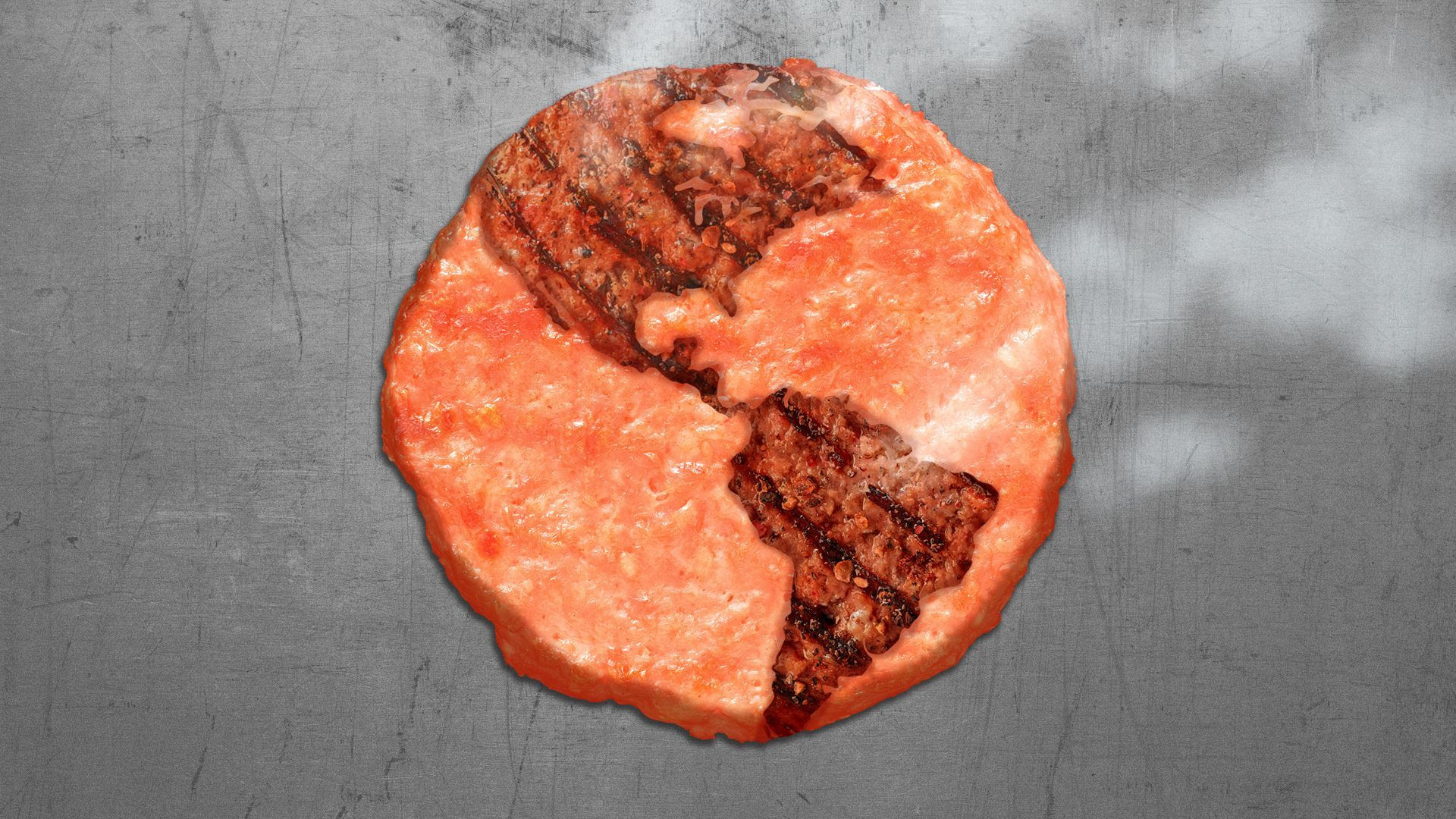
 The big picture: Impossible Foods and Beyond Meat captured headlines — and plenty of legitimate interest from consumers — with their plant-based “hamburgers.”Both companies’ plant-based burgers were a hit — the “meat” looked and tasted similar enough to beef that many diners couldn’t notice the difference.The meats were so popular that fast food giant Burger King noticed and added an Impossible Whopper to its menu.
 But now, sales are collapsing.Impossible Foods plans to lay off roughly 20% of its workforce amid falling sales, per a Bloomberg
  What we’re watching: Impossible Foods and Beyond Meat use a process called high-moisture extrusion, which effectively pre-cooks the protein prior to sale.The technique works well with ground meat that doesn’t require a uniform texture or a single cut of meat.A new set of
  FOOD, FACTS and FADS