There have been several studies in the past that promote lifestyle factors and compare them to drug treatments like metformin. For diabetes type 2 including pre-diabetes – here is another one – too bad more physicians are not “prescribing” this intervention instead of putting their patients on one drug after another to control diabetes type 2.
“Researchers randomly assigned 100 sedentary adults aged 65 to 85 with type 2 diabetes and overweight or obesity to either an intensive lifestyle intervention or a control group that only had monthly sessions about a healthy diet.
A dietitian helped the intensive group consume a diet with sufficient protein, vegetables, fruits, and whole grains and 500 to 750 fewer calories a day. The group also did 90 minutes of aerobic and resistance training three times a week.
After a year, the intensive group had lost 18 pounds and the control group lost virtually zero. The intensive group also gained more strength and fitness and had lower hemoglobin A1c (a long-term measure of blood glucose) and better insulin sensitivity.
The authors recommended that if you have diabetes type 2, Medicare covers behavioral therapy for obesity, and some Medicare Advantage plans offer gym memberships.”
— Misconceptions are hurting the fight for health equity in communities of color
by David Satcher, MD, PhD August 26, 2022
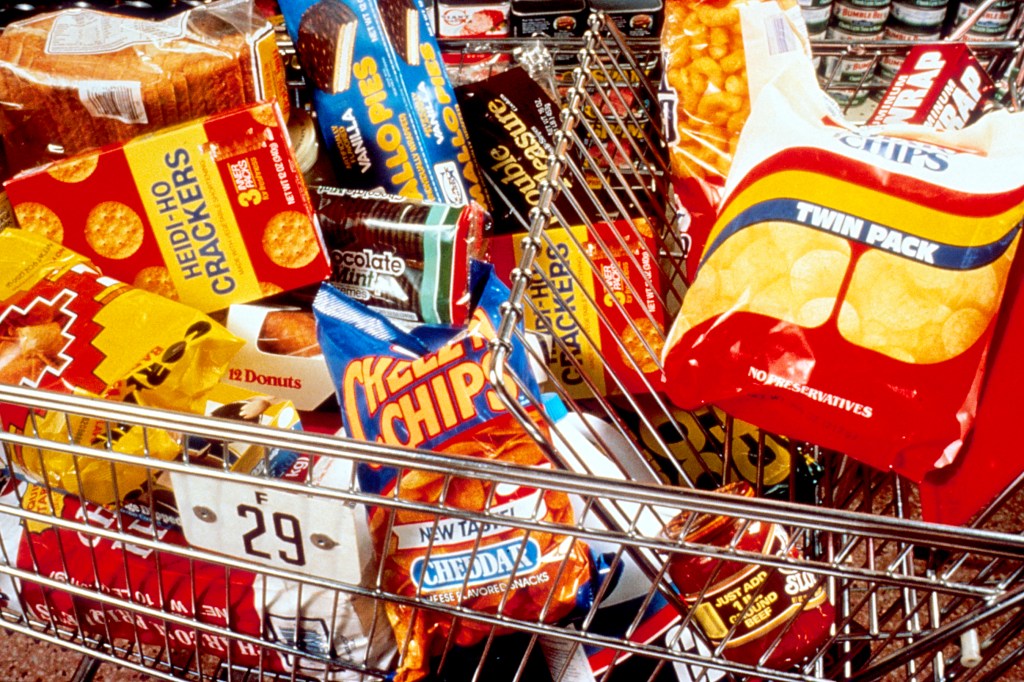
UNHEALTHY PROCESSED FOOD AND SNACKS CAN LEAD TO OBESITY
“Since leaving my post in 2002 as the U.S. Surgeon General, the nation’s leading public health role, America has made great strides in battling public health crises. From reducing tobacco use and improving maternal and child health, to most recently advancing vaccine technology to fight the COVID-19 pandemic. Yet, another epidemic has gained strength, debilitating and killing millions of people on its deadly upward trajectory. The chronic disease of obesity is a misunderstood condition impacting millions of Americans from every demographic group living in every corner of the country. Unfortunately, obesity and comorbid diseases disproportionately impact communities of color in nearly incalculable ways.
In the early 2000s, the national adult obesity rate was 30.5% and we had made progress on achieving many health goals related to heart disease, type 2 diabetes, cancer, and multiple other chronic health challenges. Back then, my office released “The Surgeon General’s Call to Action to Prevent and Decrease Overweight and Obesity,” which underscored the increasing severity of obesity’s impact on our collective health and outlined a vision for the future. Today, the adult obesity rate has climbed to 42.4% and is projected to reach nearly 50% by 2030.
Disparities in obesity rates between racial and ethnic groups are stark. The latest data show that non-Hispanic Black adults have the highest age-adjusted prevalence of obesity in the country at 49.6%, followed by Hispanic adults at 44.8%, and non-Hispanic white adults at 42.2%. Obesity is also a significant health challenge among American Indians and Alaskan Natives, with adults in those communities 50% more likely to have obesity than white adults. Furthermore, a projection of obesity rates found that “severe obesity” will become the most common BMI category among non-Hispanic Black adults (31.7%) — as well as among women (27.6%) and low-income adults (31.7%) — by 2030.
Despite researchers making significant advances in the last 2 decades, obesity is too often myopically viewed as the result of an individual’s lifestyle choices around diet and exercise. Viewing the disease through this lens omits that body weight is determined by a combination of genetic, metabolic, behavioral, environmental, cultural, and socioeconomic factors. In fact, we know that a significant proportion of obesity can be influenced by genetics.
While recent scientific discoveries have greatly improved obesity care options, our collective effort to stem the tide of the disease has fallen short. Obesity is a public health crisis deserving maximum effort from policymakers, healthcare providers, insurers, and community partners working in concert to dramatically reduce the burden of this disease.
Our politicians and policymakers must focus on the core causes and dire consequences of unchecked increases in obesity rates among the people they serve. It is imperative that updated federal, state, and local policies grant equitable access to the full continuum of obesity care. Healthcare providers must seek continuing education on advances in metabolic science and the availability of pharmacotherapies that are proven to safely reduce disease prevalence and the impact of comorbid diseases. Insurers must take a long view of obesity care, taking immediate action to close coverage gaps that block access to obesity trained physicians, consultation with nutritionists, physical therapists, and prescriptions for FDA-approved metabolic therapies. Our community leaders must advocate for healthcare equality and equitable access to obesity care to lift the physical, mental, and financial burden of the disease on all Americans, especially Black and brown people.
I believe generating coordinated, sustained solutions for a positive impact on obesity in America will come from the hard work of public health stewards, policymakers, healthcare providers, and community leaders at the intersection of health equity and policy. I am making a renewed call to action for the challenging situation we find ourselves in. Every one of us deserves the opportunity to live our healthiest life. It is time we remove the impediments to health equity through access, and promote a path that eliminates the obesity epidemic persisting in communities of color across our nation.”
Those interested should also read the book by Sandra Aamodt, Ph.D., Why Diets Make Us Fat: The Unintended Consequences of Our Obsession with Weight Loss. More emphasis should be placed on the development of how to control or manage damaging weight regain after endless weight loss attempts. Sally Feltner, M.S, Ph.D.
In the latest edition of Nutrition Action from Center for Science in the Public Interest, December 2022, there is a very comprehensive article on Diabetes type 2. Here are the important takeaways. The article was written by Bonnie Liebman.
“Fifteen percent of U.S. adults have diabetes. Another 38% have prediabetes (and 8 out of 10 of them don’t know it). The good news: Many cases can be prevented and, in some people, even reversed.”
Prevention is the key with the practice of lifestyle changes in diet and exercise.
The Bottom Line:
“The best way to dodge prediabetes is to lose (or not gain) extra pounds.
Cutting carbs – especially white flour, potatoes, juice and sugary drinks- may help lower blood sugar even if you don’t lose weight.
Replace unhealthy carbs with unsaturated fats like olive oil or canola oil, nuts, avocado, and fatty fish.
Fill half of your plate with nonstarchy vegetables.
Aim for at last 30 minutes of brisk walking or other aerobic exercise daily.
If you have type 2 diabetes, don’t try a very-low-calorie or a low-carb diet without a doctor’s or dietitian’s help. They may cause dangerously low blood sugar, and your doctor may need to adjust your medications.
If you have prediabetes, find a CDC-recognized-in-person or online Diabetes Prevention Program. (Go to cdc.gov/diabetes/prevention.)”
Every year, the average American eats 33 pounds of cheese and 70 pounds of sugar. Every day, we ingest 8,500 milligrams of salt, double the recommended amount, almost none of which comes from shakers on our table. It comes from processed food, an industry that hauls in $1 trillion in annual sales.
Michael Moss, Salt, Sugar, Fat: How the Food Giants Hooked Us.
Plant based diets are increasingly becoming the new trend in nutrition these days. Plant based diets are also currently thought of as being environmentally friendly with increased attention paid to animal welfare, lower levels of greenhouse gases, land degradation and less water use that are also thought as having a myriad of health benefits. However, some foods are what many people call “junk” foods or ultra—processed foods and not considered “products of nature”.
“All foods according to some standards or sold in supermarkets would be classified as “processed.” The USDA defines a processed food as one that has undergone any changes to its natural state, e.g. cutting or washing. The NOVA classification assigns a group to food products based on how much processing they have been through: Group 1 – Unprocessed or minimally processed foods Group 2 – Processed culinary ingredients Group 3 – Processed foods Group 4 might include ultra-processed foods.” The Institute of Food Technologists includes additional processing terms like storing, filtering, fermenting, extracting, concentrating, microwaving, and packaging.”
“Ultra- processed foods,” contain minimal whole foods, are high in calories, added sugar, salt and fats. They offer little nutritional value” and have been processed with a list of additives that are difficult to pronounce and would not be recognized as food by our ancestors. The NOVA classification often used to determine the extent of industrial processes as mentioned above may include the following:
Commercially produced breads, pastries, cakes, and cookies
Carbonated beverages
Sugar-sweetened beverages
Pre-packaged snacks
Flavored dairy drinks
Breakfast cereals
Energy bars
Instant soups , noodles, and desserts
Convenience foods
A study in 2019 followed 105,159 adults for 5 years. They reported that even a 10% increase in the consumption of ultra–processed foods was associated with a negative health outcome like higher risks of heart disease, stroke, type 2 diabetes and some cancers. (Associations do not reflect causes). The associations found showed that some vegans and vegetarians often have lower levels of iron, vitamin B 12, calcium, vitamin D and omega-3 fats.
Plant-based diets still may have a health advantage. This can occur if the diet in question also provides the needed nutrients for nutritional health such as adequate fruits and vegetables, non- starchy vegetables, eggs, plant protein, seafood and whole grains (fiber) on a regular basis. However, on the other hand, the bottom line is that a bag of potato chips although plant based, provides few nutrients and should be limited on a healthier plant based diet.
Helpful Hints:
Be sure to read nutrition labels to become aware of the calories, added sugars, salt saturated fats, trans fats and other essential nutrients in one serving.
Monitor fiber and carbohydrate portions. Be sure to check the fiber content of many cereal products.
Focus on proteins, meat substitutions -peas, beans, nuts, seeds, tofu, tempeh, eggs, milk, cheese, yogurt, and seafood.
If possible, anyone beginning a new eating pattern should consult a dietitian or physician with nutrition knowledge.
Limit your intake of processed foods in general, especially ultra-processed.
As Michael Pollan says in his book, In Defense of Food. “Because most of what we’re consuming today is not food, and how we’re consuming it…in the car, in front of the TV — is not really eating. Instead of food, we’re consuming “edible foodlike substances” – no longer the products of nature but of food science.”
What caused the obesity epidemic? What are the consequences?
HOUSTON – When it comes to the childhood obesity epidemic, the prevailing narrative is that overweight children — and their parents — lack the collective will power to put down the potato chips, pick up a jump rope and work at losing weight.
“… doctors specializing in obesity and weight loss say certain scientific and societal factors — including genetics, the rise of processed foods that include soybean oil and national overconsumption of sugar-sweetened beverages — are more likely to blame for childhood obesity than lazy kids or indulgent parents.
“Obesity is a disorder which, like venereal disease, is blamed upon the patient,” says obesity researcher Dr. George Bray, the opening lecturer at the first annual U.S. News Combating Childhood Obesity summit, held at Texas Children’s Hospital.
It’s the blame issue that stands in the way of progress in fighting obesity as a disease, when larger factors that can’t be controlled may be at the heart of the issue, says Bray, professor emeritus of the Pennington Biomedical Research Center at Louisiana State University, who has been studying obesity among children for several decades.
“Obesity isn’t a disease of willpower — it’s a biological problem,” he says. “Genes load the gun, and environment pulls the trigger.”
In a panel analyzing why weight is difficult to lose, Kevin Hall, an obesity and diabetes researcher, says a new study he co-produced points the finger at highly processed food.
His study, published Thursday in the medical journal Cell Metabolism, showed that patients who ate minimally-processed food with easily identifiable ingredients ate less, and lost weight without trying, when compared with a group that had highly-processed, prepackaged, ready-to-eat food, even though the diets prepared for both groups had the same number of calories and macronutrients.
“What we saw, on average, was that people consumed 500 calories more” on the processed-food diet than those who ate food that didn’t go through a factory, says Hall, chief of the integrated physiology section at the National Institute of Diabetes and Digestive and Kidney Diseases. “The ones on the unprocessed diet — they spontaneously lost weight.” It has been proposed that eating a diet for health (whole, “real” foods) can cause weight loss and maintenance of the loss compared to those who primary goal was simply weight loss alone.
In opening the summit, presenters tackled a question doctors and obesity researchers have grappled with a difficult question in fighting the disease: How did we get here?
Bray says studies trace the epidemic back to the ’60s and ’70s, when U.S consumption of soybean oil, most likely through processed-food production, spiked and, around the same time, Americans, including children, started to weigh more. Fats found in soybean oil, he says, were found in breast milk samples from the era.
“The fats in our food supply may well be playing a part in our inability to regulate” food intake, Bray says. However, this is just the tip of the iceburg. Likewise food portions have been shown graphically to double the size of those served beginning inn the 1970’s.
Meanwhile, the consumption of sugary soft drinks like Coke and Pepsi increased from just a few gallons per person per year to more than triple that by the end of the century. The rise of soft drink consumption between 1950 and 2000, he says, paralleled the increase in obesity; pregnant women who drank sugary soft drinks, Bray added, ended up passing the sugar on to their unborn children.
“It’s kind of maternal abuse of the fetus” where “the child has no control, only the mother has,” he says.
The U.S. News Combating Obesity summit convened top medical experts, hospital executives, pediatricians, community health leaders, advocates to exchange ideas and share practices that are helping to combat the nationwide obesity epidemic.
The percentage of children and adolescents affected by obesity “has more than tripled since the 1970s,” according to the Centers for Disease Control and Prevention. According to data from 2015-2016, the CDC reports, “nearly 1 in 5 school age children and young people (6 to 19 years) in the United States has obesity.”
Experts say the epidemic has long-term ramifications: Obese children who carry the weight can exhibit heart disease and type 2 diabetes as well as mobility and self-esteem issues. Unfortunately in order to reverse this trend, cultural changes will be required at many levels, to say the least. Can it happen?
U.S. News and World Report
Joseph P. Williams, Senior Editor
May 16, 2109
Scientific, Societal Factors to Blame for the Obesity Epidemic
“A good predictor of who will gain weight is who says they plan to lose some. Last year, 108 million Americans went on diets. Long-term studies of dieters find that they’re more likely to end up gaining weight in the next two to fifteen years than people who don’t diet.” Sandra Aamodt, Ph.D. Why Diets Make Us Fat. 2016.
Rebound’ Weight Gain: A Disconnect Between Brain and Gut May Be a Factor
Healthline. By Christopher Curley, September 15, 2022
Fact Checked: Jennifer Chesak
“Experts say weight gain after weight loss is common among adults and children.
Researchers say a new study indicates that a disconnect between the brain and the gut may be a reason that people tend to gain weight after initially losing weight.
They say in many people who have lost weight their gut will tell them they’re full after eating a meal, but their brain will try to tell them they’re still hungry.
Experts say the disconnect may be due to the body’s attempt to store fat during weight loss.
Nearly halfTrusted Source of adults in the United States try to lose weight each year, but many will not keep that weight off long-term.
In fact, only about one in five people who are overweight can maintain weight loss for a year or longer, research showsTrusted Source.
While there are many competing theories about why that is, ranging from psychological to biological, a new study of children with obesity suggests the answer might lie in a disconnect between gut hormones and brain signals.
Researchers at Seattle Children’s Hospital in Washington put children with obesity on a 24-week weight loss program, monitoring their brain activity and gut hormone responses before and after the trial.
At the end of the weight loss program, the researchers reported that after eating a meal the children’s gut showed normal levels of regulatory hormones indicating that they were full and satisfied.
Their brains, however, showed levels of activity signaling that they were still hungry.
The researchers also found that the more weight a child lost, the more likely they were to react to food cues after completing a meal —their brain essentially telling them they were still hungry while their gut was telling them the reverse.
“Our results imply that during weight loss intervention, your body acts to conserve fat through maintaining hunger responses in the brain and that this needs to be addressed,” Dr. Christian Roth, a lead study author and professor at Seattle Children’s Hospital, said in a press release.
Roth said larger, more extensive studies would be required to confirm these findings.
“It would also be useful to investigate how long the disconnect between central and local appetite regulation persists after maintained weight loss, to guide intervention plans,” he added.
“This is a very interesting study and I think that a lot of these findings are applicable to adults as well,” said Dr. Mir Ali, a bariatric surgeon and medical director of MemorialCare Surgical Weight Loss Center at Orange Coast Medical Center in California.
“I see in my patients that they feel the need to eat, even if their stomach feels full,” Ali told Healthline. “There is certainly a strong psychological component to eating behavior that surgery and medications cannot always address completely.”
“I feel this research is on the right track and we need to find a way to satisfy the brain as well as the gut,” he added. “This will require extensive research in both children and adults to find the right solution.”
One of the more notable aspects of the study is how it complicates our understanding of how hormones affect appetite and rebound weight gain.
Previous studies have shown that an increase in appetite hormones after weight loss might be a key driver of these rebound gains.
The results of this study paint a more nuanced picture where even if gut hormones are normal, the brain is out of sync.
“The study underscores our understanding of obesity and weight homeostasis as a chronic disease of the brain,” said Dr. Mert Erogul, an attending physician at Maimonides Medical Center in New York.
“The regulation of appetite is enormously complex and layered,” he told Healthline. “From the digestive tract, there are hormones that signal fullness, such as leptin, CCK, and peptide YY. There are also hormones that signal hunger, such as ghrelin. These are in constant interplay with seemingly subjective feelings that come from the brain such as food preference and liking as well as motivation to eat.”
Ultimately, experts say this may require a holistic approach to weight loss and maintaining a healthy weight.
“Rebound weight gain is very common and happens for many physiological, behavioral, and psychological reasons,” said Dr, Steve Patching, a medical director of bariatric surgery at Sutter Hospital in Sacramento, California.
“Believe it or not, weight loss actually sets up your body for weight gain,” he told Healthline. “This is because the body always strives for symbiosis. This is why we often still feel hungry or even starving after we eat a ‘normally satiating’ meal. It is also why correct weight loss should be done slower than we often want.”
Weight loss needs to occur in the context of a durable commitment to changes in diet and lifestyle,” he said. “Even then, obesity medicine specialists recognize that people who are overweight often need lifelong therapy with medications to maintain weight loss.”




 FOOD, FACTS and FADS