Weight Loss?

Intermittent fasting and traditional calorie counting about equal for weight loss

A shadow on a tablecloth of a fork in a hand
Researchers report that intermittent fasting as well as calorie counting are both effective in weight reduction. meredith adelaide/Stocksy
  • In a new study, researchers say intermittent fasting and calorie counting were both effective in helping people lose weight.
  • They added that fasting did seem to produce better results for insulin sensitivity.
  • Experts say diets affect each person differently, so it’s important to figure out which method works best for you.
  • Weight loss should include a diet that is one that you can follow and be comfortable with. No one else can tell you what to eat – with some education, you can decide what is the best for you.

Intermittent fasting has become a popular weight loss strategy, but a new study suggests that whether you prefer that or traditional calorie counting methods, both may be equally effective.

Looking at a group of 90 adults with obesity divided into two study groups and a control group, researchers from the University of Illinois Chicago reported that those who engaged in time-restricted eating — also known as “intermittent fasting” — lost an average of 10 more pounds than the control group after a year and consumed an average of 425 fewer calories per day after one year.

The second group, which participated in calorie-restricted eating via calorie counting, lost around 12 more pounds than the control and ate 405 fewer calories daily.

The intermittent fasting and calorie counting groups also received regular consultations with a dietician, whereas the control group did not.

The new research was published in the Annals of Internal Medicine.

“This novel research is immensely encouraging,” said Kelsey Costa, a registered dietitian and health research specialist with the National Coalition on Healthcare, who was not involved in the study. “It highlights that comparable results could be achieved with intermittent fasting or caloric restriction, improving adherence and long-term outcomes. This information is empowering and transformative for those seeking to improve their health and wellness.”

“Calorie counting is not the only way to lose weight and is difficult to sustain long-term,” Dr. Florence Comite, an endocrinologist and founder of the Center for Precision Medicine and Health in New York City who also was not involved in the study, told Medical News Today. “Restricting eating during a shorter ‘eating window’ versus unrestricted eating throughout the day is effective as an alternative. The latter approach may also contribute to optimizing metabolism and hormone regulation through sleep. That’s good news as those outcomes will contribute to optimizing fat loss and muscle gain, with a positive impact on sleep and future weight loss.”

One metabolic difference the study did find with the intermittent fasting group compared to the calorie-restriction group was increased insulin sensitivity, a positive effect of intermittent fasting affirmed by several previous studies.

Study limitations 

Experts noted some limitations to this study, mostly having to do with its small size — less than 100 participants — and the fact that it wasn’t a double-blind study, meaning participants knew which weight loss group they were in.

“That does influence outcomes and could introduce bias,” Comite said. “A larger sample size would also provide more statistical power and enhance the findings. Additionally, the duration of the study followed participants for one year, which is a relatively short-term period for evaluating the long-term effectiveness and sustainability of weight loss interventions.”

Which weight loss method should you choose? 

Experts say one of the benefits of this research is that if the results hold, people don’t have to take a “one-size-fits-all” strategy toward weight loss.

“This is an important consideration,” Comite said. “We are all unique individuals, even identical twins are not the same. A diet or weight loss strategy for one person may not work for another.”

Costa agreed.

“Calorie counting has some strengths regarding aiding weight management, as it allows for precise quantification of calorie intake. By tracking calories, people can ensure they stay within their recommended caloric intake while still getting sufficient nutrition from all food groups,” she explained. “However, the main limitation of calorie counting is that it requires much effort and attention to maintain accuracy in tracking food intake and energy expenditure. Accurately estimating calorie intake can be difficult without specialized food-tracking apps or other tools. This type of precision can be challenging to maintain over extended periods.”

Intermittent fasting, on the other hand, “can produce similar levels of weight loss to that seen with caloric restriction while making adherence easier due to reduced meal frequency, thus providing a more sustainable approach for long-term weight management,” she added.

Having options is good, she said. But having a support network is even better.

Approaching weight loss from an overall health perspective and focusing on positive lifestyle changes is the best way to ensure long-term success,” Costa said. “Building a support system of friends, family, and healthcare professionals who can help you stay motivated and offer guidance and advice when needed is essential, as is setting realistic goals that are specific and measurable will help you keep track of your progress and provide the motivation to stay on track.”

Eating Processed Food?

 Is Eating Fast Food a Dementia Risk? 

The health risks of eating ultraprocessed foods —including sausages and burgers as well as pizza and ice cream — are well documented. They have been shown to raise the risk of obesity, diabetes, and cancer among other ailments. (CNN.com). 

In a new study, researchers followed more than 10,000 Brazilians with an average age of 51 for more than 10 years. They found that people who consumed more than 20% of their daily calories from ultra processed foods had a 28% faster cognitive decline compared with those whose intake was less than 20%.  Unfortunately, that 20% is not a high threshold: just 400 calories out of the 2000 calorie diet. And most Americans are well over that, getting on average a whopping 58% of their calories from ultraprocessed foods.

 “The sample size is substantial and the followup extensive,” says Dr. David Katz, a nutrition specialist who was not involved in the study. While short of proof, this is robust enough that we should conclude ultraprocessed foods are probably bad for our brains,” 

Source: The Week. December 23, 2022, Volume 22, Issue 110.

Try the Mediterranean Way

“The Mediterranean Diet is often referred to as “the best diet in the world.” The Mediterranean diet is not a diet in the fad sense, but a traditional way of living — the same can be said for the “diets” practiced by the countries that make up the “Blue Zones” that work for health and often longevity. (Mark Bittman and David L. Katz, MD. How to Eat: All your Food and Diet Questions answered.)

History gives us clues about the development of the cuisines of the Mediterranean. European explorers would bring back spices and foods from their travels to Asia in the East and the New World, introducing them into their native countries. Conquering armies from Rome, France, Spain and Britain brought their own foods and cooking techniques with them, leaving marks on the cuisines of their Mediterranean neighbors. Today, although you will find McDonalds’s in Mediterranean countries, native cuisines are still apparent as you walk through the markets still selling local spices, produce, meats, cheeses, and seafood. For many, it becomes necessary for some people to shop daily for ingredients due to lack of refrigeration and is a way of life for them.

This is the way people work the land and feed themselves with seasonal ingredients grown in their small plots outside the kitchen. Again, this is the back to basic cuisine and the basis of many of the “diets” of the countries of the Blue Zone and Mediterranean regions. It is more than a diet, and is shown to be worthy of saying “it is a way of life”. The best advice for Americans is to buy a basic Mediterranean cookbook and try its many foods that emulate this way of living and hopefully – Skip the fast food!!!!

Try this very simple recipe.

Tomatoes with Olive Oil
As with the all foods found as part of the Mediterranean diet, a tomato is no exception. These bright and juicy fruits are often categorized as a vegetable. The science is back and forth of these gems but the fact remains is that they are a healthy addition to the Mediterranean diet. For extra health, make a basic salad dressing with a tablespoon or two of extra virgin olive oil with a little garlic to your tastes.

A serving (1 cup of raw, cut up tomatoes) provides us with 2 grams of fiber and relatively little calories. In addition to that, they are a great source of vitamins, minerals and antioxidants. Just by eating a single serving, you’ll be getting –25% of your daily Vitamin C. Vitamin C is needed to form blood vessels, muscles, and collagen in bones; It helps the body absorb iron, and is involved in the healing process.

10 % of potassium – a mineral and electrolyte that helps kidneys remove excess sodium, helps muscles contract and your heartbeat regularly.

In addition, tomatoes are chock full of powerful antioxidants like lycopene, beta carotene, and lutein.

These antioxidants may protect your arteries from atherosclerosis and other cardiovascular diseases, decreases blood pressure and reduces the risk of prostate cancer in men. What a nutrition bargain!!

Animal Welfare: Prop 12?

PROPOSITION 12

In 2018, Californians overwhelmingly voted Prop 12 into law.

Proposition 12 would impose new minimum requirements on farmers to provide more space for egg‐laying hens, breeding pigs, and calves raised for veal. It would ban the sale of meat and eggs from animals confined in ways that do not meet those requirements.

On October, 4, Mercy for Animals released a groundbreaking undercover investigation exposing the heart breaking conditions pregnant pigs suffer at factory farms, and how the meat industry is seeking to silence those voters by challenging the law before the Supreme Court of the United States.

“ Footage from the investigation showed:
Days-old piglets who survived the acts of cruelty had their testicles and tails cut off without pain relief; their mothers helpless to do anything but watch. Some babies were stolen from their mothers just a few weeks after birth and the mama pigs immediately forced back into restrictive crates to continue the cycle of cruelty.

The footage also showed baby pigs violently smashed against the ground and were brutally struck, stabbed with sharp objects and thrown bloody and wounded and left to suffer. One day, more than 100 piglets were discovered dead.”

Please visit AnimalsUnderAttack.com to take action.
Source:
Compassionate Living, Winter 2023

“The love for all creatures is the most noble attribute of man.” Charles Darwin.

Are Keto and Paleo Diets Heart Healthy?

Popular keto and paleo diets aren’t helping your heart, report says
An analysis of various diets gave low marks to some of the most popular ones for straying from heart-healthy eating guidelines

By Anahad O’Connor
April 27, 2023 at 5:00 a.m. EDT

Washington Post:

Ketogenic and paleo diets may be trendy, but they won’t do your heart any favors.
That’s the conclusion of a report from the American Heart Association, which analyzed many of the most popular diets and ranked them based on which approaches to eating are best and worst for your heart.

The authors said one of the purposes of their report was to counter widespread misinformation about nutrition promoted by diet books, blogs and people on TikTok, Instagram and Twitter — where posts promoting keto and paleo eating plans have surged in recent years.

The amount of misinformation that has flourished on social media sites has reached “critical levels,” said Christopher D. Gardner, the director of nutrition studies at the Stanford Prevention Research Center and chair of the committee that wrote the report.

“The public and many health-care professionals are likely confused about heart-healthy eating, and rightfully so,” he added. “Many of them likely feel that they don’t have the training or the time to evaluate the important features of the different diets.”
Ranking diets for heart health
The report, published Thursday in the journal Circulation, was drafted by a team of nutrition scientists, cardiologists, dietitians, and other health experts, who analyzed a variety of dietary patterns.
The diets were evaluated to see how closely they aligned with guidelines for heart-healthy eating, which are based on evidence from decades of randomized controlled trials, epidemiological research and other studies. The report also took into account factors like whether the diets allowed flexibility so that people could tailor them based on their cultural and personal preferences and budgetary constraints

The include advice to eat a wide variety of fruits and vegetables, whole grains like brown rice, bulgur, and steel cut oats, as well as lean cuts of meat and foods like olive oil, vegetable oils and seafood, which is high in protein and heart-healthy omega-3 fatty acids.
The group recommends limiting foods that are salty, sugary, highly processed or made with white flour and other refined grains. These include things like soft drinks, white bread, white pasta, cookies, cakes, pastries and processed meats such as hot dogs, sausages and cold cuts.
As for alcohol, the evidence that it provides a cardiovascular benefit is questionable. The heart association says that people who don’t drink shouldn’t start, and that if you do drink, you should limit your intake.
Popular low-carb diets scored lowest
The heart association gave its lowest rankings, using a scale of 0 to 100, to some of the buzziest diets widely touted on social media. These included very-low-carb regimens like the Atkins and ketogenic diets (31 points) and the paleo diet (53 points).
Following such diets typically requires restricting your carbohydrate intake to less than 10 percent of daily calories. The diets are widely promoted for weight loss and endorsed by many celebrities.
“People are so carb-phobic, and that’s one of the things that you see on Instagram — that carbs are bad,” said Lisa Young, an adjunct professor of nutrition at New York University, who was not involved in the report. “But that’s misinformation. Fruits, vegetables, legumes and whole grains are good for you — these are healthy carbs. These foods are the cornerstone of a healthy diet.”
The report noted that the Atkins and keto diets have some beneficial features: They restrict sugar and refined grains, for example, and they encourage the consumption of non-starchy vegetables like broccoli, asparagus, leafy greens, and cauliflower. But they generally require limiting a lot of “healthy” carbs that align with the heart association’s dietary principles, like beans, whole grains, starchy veggies, and many fruits. And they typically include a high intake of fatty meats and foods rich in saturated fat.

Some studies have found that very-low-carb diets can help with weight loss and improve certain markers of metabolic health, like blood sugar and triglyceride levels. But the heart association’s report noted that these improvements tend to be short-lasting, and that very-low-carb diets often cause an increase in LDL cholesterol levels, which can heighten the risk of heart disease.
The report found similar problems with the paleo diet, which excludes grains, vegetable oils, most dairy products and legumes such as peanuts and soybeans. The theory behind the diet is that it allows foods like fruit and honey that our hunter-gatherer ancestors had access to but excludes grains and other foods associated with modern agriculture.
The diets have also been criticized for what is often interpreted as an all-you-can-eat stance toward red meat, from steaks and burgers to bacon and processed deli meats. TikTok’s “Liver King,” for instance, gained popularity advocating a controversial meat-heavy “ancestral” diet consisting largely of organ and muscle meats.
The low ranking for the ketogenic and paleo diets is expected to generate controversy. In 2019, three doctors published an essay in JAMA Internal Medicine cautioning that the enthusiasm for the ketogenic diet was outpacing the science. The research was polarizing, generating a flood of emails of both support and condemnation.
Colette Heimowitz, vice president of nutrition and education at Atkins, said that the new report failed to adequately describe the Atkins diet, which includes three approaches with different carbohydrate limits.
One approach, which is typically used on a short-term basis for weight loss, allows only 20 grams of carbs per day. Another version of Atkins allows 40 grams of carbs per day, and the third approach allows people to have up to 100 grams of carbs daily, including small amounts of fruit, starchy vegetables, beans and whole grains. “Evidence suggests that Americans have varying tolerances to carbohydrate loads,” Heimowitz said. “So carb-focused dietary patterns like Atkins have never been more relevant.”
The four winning heart diets
The heart association gave its highest mark — a score of 100 — to the DASH pattern of eating, which stands for “dietary approaches to stop hypertension.” Developed by researchers at the National Institutes of Health in the 1990s, the DASH diet is widely endorsed by doctors, dietitians and other nutrition experts.
But it’s not exactly buzzworthy among celebrities and social media influencers. The diet emphasizes vegetables, fruits, whole grains, beans, legumes, nuts, seeds and low-fat dairy, while encouraging people to limit their intake of salt, fatty meats, added sugars and refined grains.
The DASH diet and three others with high scores were grouped into what the heart association called Tier 1. The others in the Tier 1 group included the pescatarian diet (92 points), the Mediterranean diet (89 points) and the vegetarian diet (86 points).
While these diets have small differences, they also share some common denominators — promoting fresh produce, whole grains, beans and other plants and whole foods. The pescatarian diet is similar to the vegetarian diet, but it allows seafood. The Mediterranean diet promotes moderate drinking, while the DASH diet allows alcohol but doesn’t encourage it.
“The conclusion that we came away with between these diets is that they’re all fine and very consistent with a heart-healthy diet,” Gardner said.
Vegan and low-fat diets
Gardner emphasized that the report judged diets based on how they are “intended” to be followed, not necessarily on how some people actually follow or interpret them.
For instance, a vegetarian can drink Coca-Cola and eat potato chips and a McDonald’s Egg McMuffin without the meat for breakfast. It’s a vegetarian diet, but not exactly a heart-healthy vegetarian diet, Gardner said.
“That’s not what we have in mind when we say people should follow a plant-based diet,” he added. “I know from doing these studies that people don’t always follow diets as they’re intended: They follow them based on misinformation.”
The report included two other tiers of dietary patterns. Vegan and low-fat diets were grouped into the second tier because they encourage eating fiber-rich plants, fruits and veggies while limiting sugary foods and alcohol. But the report noted that they are quite restrictive and can be difficult for many people to follow. The vegan diet, in particular, can increase the risk of developing a vitamin B12 deficiency and other problems
The third tier of diets received the second-lowest range of scores. This group included low-carb approaches like the South Beach and Zone diets, which limit carbs to 30 or 40 percent of daily calories, as well as very-low-fat diet plans such as the Ornish, Esselstyn and Pritikin programs, which restrict fat intake to less than 10 percent of daily calories.
These diets received lower scores because they limit or eliminate a number of healthy foods, the report found. People on low-carb diets, for instance, tend to eat less fiber and more saturated fat, while people on very-low-fat diets have to cut back on all types of fat, including the healthy unsaturated fats found in olive oil, avocados, nuts and seeds.
Despite giving some diets low scores, the report did find that all of the diets across every tier had four positive things in common: They encouraged people to eat whole foods, more non-starchy vegetables, less added sugar and fewer refined grains.
“If we could get Americans to do those four things, that would go a long way toward everyone eating a healthy diet,” Gardner said.

Crime and Nourishment?

https://medicalxpress.com/news/2018-09-crime-nourishment-link-food-behaviour.html

“Poor nutrition can impact on concentration and learning and may result in episodes of violent or aggressive behavior. In prisons, a bad diet also contribute to increased rates of poor mental and physical health compared with the general population.”

A hypothesis: Could violence and crime be caused in some measure by nutritional deficiencies in general (a.k.a. The Standard American Diet – SAD? )

C. Bernard Gesch, Sean M.Hammond, Sarah E. Hampson, Anita Eves and Martin J. Crowder. Influence of supplementary vitamins, minerals and essential fatty acids on the antisocial behavior of young adult prisoners: A Randomised, placebo-controlled trial.

Very interesting paper discussing the link between increased crime and diet. Click the above citation.

Long COVID and Healthy Lifestyles

10 tips to keeping a healthy nutrition routine

Researchers have found that adhering to a healthy lifestyle in women may protect against Long Covid. These include: healthy body weight, not smoking, exercising, sleeping well, eating a healthy diet. Symptoms of long covid are defined as having fatigue, fever, respiratory, heart, neurological, and digestive issues four or more weeks after initial SARS-CoV-2 infection. Harvard T.H. Chan School of Public Health

Author: Mark A. Mahoney ( 10 Tips to keeping a healthy nutrition )

With the recent 50th anniversary of 2023 National Nutrition Month in March, it’s a good time to continue to focus on important messages and proactive actions.

Today’s column focuses on some healthful messages and actions that can be taken to help us achieve a better quality of life as well as a note on a diet that can provide us with many-varied benefits and also helps foster more environmental sustainability.

Some general overall health tips that are recommended follows:

1. Eat breakfast

Start your day with a healthy breakfast that includes lean protein, whole grains, fruits and vegetables.

2. Make half your plate fruits and vegetables

Fruits and veggies add color, flavor and texture plus vitamins, minerals and dietary fiber to your plate.

3. Watch portion sizes

Use half your plate for fruits and vegetables and the other half for grains and lean protein foods. Complete the meal with a serving of fat-free or low-fat milk or yogurt.

4. Be active

Regular physical activity has many health benefits. Start by doing what exercise you can. Children and teens should get 60 or more minutes of physical activity per day, and adults at least two hours and 30 minutes per week.

5. Get to know food labels

Reading the Nutrition Facts panel can help you choose foods and drinks to meet your nutrient needs.

6. Fix healthy snacks

Healthy snacks can sustain your energy levels between meals, especially when they include a combination of foods.

7. Consult an RDN

Whether you want to lose weight, lower your health-risks or manage a chronic disease, consult the experts! Registered dietitian nutritionists can help you by providing sound, easy-to-follow personalized nutrition advice.

8. Follow food safety guidelines

Reduce your chances of getting sick with proper food safety. This includes: regular hand washing, separating raw foods from ready-to-eat foods, cooking foods to the appropriate internal temperature, and refrigerating food promptly. Learn more about home food safety at eatright.org.

9. Drink more water

Quench your thirst with water instead of drinks with added sugars.

10. Make an effort to reduce food waste

Check out what foods you have on hand before stocking up at the grocery store. Plan meals based on leftovers and only buy perishable foods you will use or freeze within a couple of days.

Thanks to District 10s health department in Michigan for the tips provided above.

Eating with sustainability in mind focuses on nourishing ourselves during every phase of life while emphasizing the protection of the environment. Information on one evidenced-based diet that can contribute to one’s health follows.

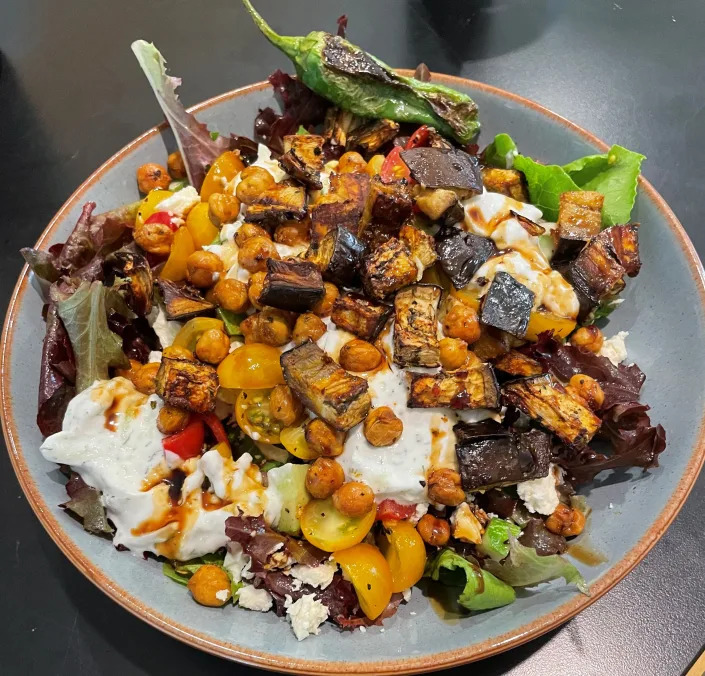
I Call This The Mediterranean Bowl Full Of Leafy Greens Roasted Chickpeas And Additional Vegetables Make This A Delicious Mediterranean Diet Meal

I Call This The Mediterranean Bowl Full Of Leafy Greens Roasted Chickpeas And Additional Vegetables Make This A Delicious Mediterranean Diet Meal

The Mediterranean diet

One diet that is very promising for achieving a more healthful lifestyle and also focuses on the theme of National Nutrition Month is the Mediterranean diet.

The Mediterranean Diet emphasizes plant-based foods and healthy fats. You eat mostly veggies, fruits and whole grains. Olive oil is the main source of fat. Research shows the Mediterranean Diet can lower your risk of cardiovascular disease and many other chronic conditions.

The Mediterranean Diet is also considered to be a potent intervention for reducing body weight. Several studies investigating this traditional diet have highlighted its importance in preventing and managing non-communicable diseases and mortality.

Improving our quality of life through living a healthy lifestyle is a process, not something that just magically appears. Taking good messages and messengers to “heart” are a key part of this approach. Good luck with taking a more proactive approach to better health in 2023 looking toward a life-long approach to a healthier you. Do it for yourself and your family.

Additional reference sites for science-based resources are provided at the end of this column including information on the Mediterranean diet.

Additional resources

Healthy eating for a healthy weight is available at the Centers for Disease Control and Prevention at cdc.gov/healthyweight.

A good resource for Information on the Mediterranean diet is available at the following site:my.clevelandclinic.org

New research on the health benefits of the Mediterranean diet for managing obesity is available at news-medical.net.

Are Our Diets Killing US?

https://www.peoplespharmacy.com/articles/you-are-what-you-eat-is-your-diet-killing-you

” A 2010 report from the National Cancer Institute on the status of the American diet found that three out of four Americans don’t eat a single piece of fruit in a given day, and nearly nine out of ten don’t reach the minimum recommended daily intake of vegetables. On a weekly basis, 96 percent of Americans don’t reach the minimum for greens or beans (three servings a week for adults), 98 percent don’t reach the minimum for orange vegetables (two servings a week), and 99 percent don’t reach the minimum for whole grains (about three to four ounces a day). “In conclusion,” the researchers wrote, “nearly the entire U.S. population consumes a diet that is not on par with recommendations. These findings add another piece to the rather disturbing picture that is emerging of a nation’s diet in crisis.” About this blog by Sally J. Feltner, MS, PhD.

What are Nitrates?

HEALTHLINE

Written by Kathleen M. Zelman, RD, LD, MPH

Medically Reviewed by Dan Brennan, MD on March 17, 2022

Beet juice may boost stamina to help you exercise longer, improve blood flow, and help lower blood pressure, some research shows.

Why? Beets are rich in natural chemicals called nitrates. Through a chain reaction, your body changes nitrates into nitric oxide, which helps with blood flow and blood pressure.

Nitric oxide plays a major role in the dilation of blood vessels thus increasing blood flow It is also vital for maintaining healthy blood pressure and platelet function.

Nitric oxide production in the body decreases with age. Low levels are associated with heart disease, cognitive decline, and dementia. This can result in endothelial dysfunction (inner walls of arteries). The vessels cannot dilate properly or widen, leading to or increasing blood pressure and sometimes atherosclerosis, heart attacks, abnormal clotting, strokes and sudden cardiac death.

Beet Juice Nutrition

One cup of raw beets has 58 calories and 13 grams of carbohydrates. A cup of beet juice is usually around 100 calories and 25 grams of carbohydrates.

Beets are good sources of folate, potassium, vitamin C, fiber, and antioxidants, as well as nitrates.

Other good food sources of nitrates include spinach, radishes, lettuce, celery, and Chinese cabbage.

Raw or cooked beetroot offers about 8–10% carbs.

Simple sugars — such as glucose and fructose — make up 70% and 80% of the carbs in raw and cooked beetroots, respectively.

Beetroots are also a source of fructans — short-chain carbs classified as FODMAPs. Some people cannot digest FODMAPs, causing unpleasant digestive symptoms.

Beetroots have a glycemic index (GI) score of 61, which is considered medium. The GI is a measure of how fast blood sugar levels rise after a meal.

On the other hand, the glycemic load of beetroots is only 5, which is very low.

This means that beetroots should not have a major effect on blood sugar levels because the total carb amount in each serving is low.

Fiber

Beetroots are high in fiber, providing about 2–3 grams in each 3/4-cup (100-gram) raw serving.

Dietary fiber is important as part of a healthy diet and linked to a reduced risk of various diseases .

Peanuts and Vascular Health

Here’s why eating peanuts is so important for good blood flow
March 28, 2023
by John Anderer
BARCELONA, Spain — When it comes to snacking, many studies already show peanuts are a healthy choice and great source of proteins, vitamins, and minerals. Now, new research out of Spain suggests people should be eating more peanuts and peanut butter — even if they’re young and healthy! Scientists from the University of Barcelona report that peanuts may have a beneficial impact on vascular health in young and healthy individuals.
Peanuts come from the leguminous plant Arachis hypogaea. They’re the most widely consumed nuts around the world. Peanuts are high in fatty acids, protein, fiber, and polyphenols — making them a convenient, accessible, and nutrient-rich snack that can contribute to a healthy lifestyle instead of hindering one’s fitness goals.

Traditionally, most nutritional studies focus on analyzing any and all significant differences among people with a high risk of suffering from a disease, especially older people. For this population profile, however, researchers say it is easier to observe potential beneficial effects by altering dietary patterns or introducing a healthy food into their usual diets.

This project included 63 healthy young people, all between ages of 18 and 33. They had to add a daily portion of peanut products to their regular diets for six months.
“In this study group, it is more difficult to see any effect of dietary changes on health,” says Professor Rosa M. Lamuela, from the UB Department of Nutrition, Food Science and Gastronomy, in a university release.

What do peanuts do for the blood?
This study is the first ever nutritional intervention to confirm that vascular markers improved in relation to both antithrombotic (reducing blood clots) and vasodilator (dilating blood vessels) effects among healthy young people after eating peanuts.
“The results reveal a significant increase in urinary levels of phenolic metabolites in those young people who had eaten a daily dose of peanuts and peanut butter compared to the control group, which had eaten a cream without fiber or polyphenols,” Prof. Lamuela explains. “Similarly, participants who ate peanuts or peanut butter also showed improved levels of prostacyclin I2 and the ratio between thromboxane A2 and prostacyclin I2, lipid molecules (eicosanoids) which are considered markers of vascular health.”

“Interestingly, some phenolic metabolites that increased significantly after the consumption of peanut products —especially hydroxycinnamic acids— also correlated with the improvement in both markers,” adds researcher Isabella Parilli-Moser (INSA-UB-CIBERobn), first author of the study.
These findings further reinforce a hypothesis often defended in scientific literature and previous studies by the research team regarding the protective effect of polyphenols on cardiovascular diseases in adults, as well as their effects on blood vessels. Polyphenols are the primary dietary antioxidants and anti-inflammatory compounds, according to the team.

Moreover, studies show eating nuts and peanuts has a link to a lower risk of developing both cardiovascular diseases and diabetes, especially due to the protective effect of the polyphenols in such foods. All in all, while this work suggests peanuts can benefit vascular health, more research is necessary before scientists can form a full understanding of all the factors at play.
“We need more studies to fully understand the mechanisms that explain the positive effects of peanut consumption on vascular health,” researchers conclude.
The findings appear in the journal Antioxidants.