Are you feeling the effects of aging? If so you may at some time be told to check your vitamin D level. Vitamin D has recently become a very popular vitamin as a cure-all supplement (until another takes it place.) I think of vitamin D as a nutrient looking for a disease. So, the two have yet to meet ( in my opinion). Vitamin D is associated with strength and bone health primarily for children. However, more research is needed.
This is what we think we know: In the field of nutrition, this may change overnight.
The precursors for vitamin D are reduced as we age. By age 70, our ability to produce vitamin D is about half of what it was at age 20. D is in scarce supply in our regular diets. Most milk and some juices, milk alternatives and cereals are fortified with D, but other dietary sources — fatty fish like mackerel and sardines, and some mushrooms — aren’t exactly a staple in most American diets. As a result, nearly 1 in 4 people in the U.S. have inadequate blood levels of vitamin D3, the most active form.
In one study of adults 50 and older, all of whom had recently fractured bones, 43 percent were deficient in both calcium and vitamin D. Presently the world has turned to taking supplements in “megadoses” to meet the recent claims that vitamin D can be the cure-all for all the recent diseases like Parkinson’s disease, cognitive decline, Alzheimer’s disease, heart disease – in other words, maybe vitamin D has found its disease. Not so fast!!
It is not necessary to take most vitamins at megadose levels (unless ordered by your doctor). But… How much do you really need? Before you pick up a vitamin D supplement, it makes sense to have a conversation with your doctor. Vitamin D can interact with heart medications, including statins and diuretics. Dietary guidelines call for 600 international units (IUs) daily of vitamin D3 (and at least 800 after age 70). So that’s a solid place to start. Look for vitamin D3, which is more efficiently utilized by the body than D2. The Tolerable Upper Intake is 4000 IU per day for adults. Many people are prescribed higher levels depending on a latest study they read from a headline in a supermarket magazine; however, please check with your doctor, health coach or registered dietitian. Since we also manufacture vitamin D from cholesterol and from the sun, we can count on that source somewhat depending on your exposure.
Ways to Improve Vitamin D Status – Source: Judith E Brown.Nutrition Now, 7th Edition Eat salmon once a week Choose a vitamin D-fortified orange juice when I buy juice Take a vitamin supplement (400-600 IU/day ) Exercise or walk in sunshine for 10 minutes three times a day with some direct skin exposure to the sun.
The United Kingdom Government published its Eatwell Guide in 2016 to help people follow a healthy, balanced diet. It outlines the importance of eating at least five portions of fruit and vegetables a day, reducing salt and saturated fat intake, and promotes the consumption of whole grains and pulses, alongside suggestions for portion size and caloric intake.
Despite this guide being published to ensure policy in the U.K. is developed in line with these dietary aims, research published in BMJ Open suggests that less than 0.1% of the country’s population follows a diet that adheres to the guide’s recommendations.
The U.K. Biobank is a database set up in 2006 that tracks the health of half a million people, aged between 40 and 69 years, and living in the U.K. The Biobank collects data on the diets of participants, as well as on their overall health.
A recent study by a team of researchers based at the University of Bergen, Norway analysed U.K. Biobank data from over 465,000 participants to determine the impact of adherence to the diet outlined in the Eatwell Guide on their life expectancy. Its results appear in Nature Food.
Dietary patterns of participants were assessed, with intake of all food groups split into five quin tiles, from lowest to highest. Dietary patterns associated with longevity were the quin-tiles for each food group with the lowest mortality risk.
Unhealthy dietary patterns were characterized by limited amounts of whole grains, vegetables and fruits, fish, and white meat, but a high intake of red and processed meats, eggs, refined grains and sugary drinks. Outcomes were also reported based on adherence to the dietary pattern recommended by the Eatwell Guide.
Researchers adjusted the data for factors including age, sex, area-based sociodemographic deprivation, smoking, alcohol consumption and physical activity level, and body mass index (BMI).
Their analysis indicated that a 40-year-old man changing his diet from an unhealthy diet to one following the Eatwell Guide dietary recommendations would add 8.9 years onto his life expectancy. For a woman of the same age, this change led to an 8.6-year increase in life expectancy.
For a 70-year-old man the change would correspond to a 4-year increase in life expectancy, and a 4.4-year increase for a woman of this age.
When these results were adjusted for BMI and energy consumption, the overall increase in life expectancy that could be attributed to improvements in diet dropped somewhat.
Lead author Prof. Lars Fadnes of the University of Bergen, research group leader at Haukeland University Hospital, told Medical News Today:
“Our analyses and other research indicate that what we eat is linked to the risk of obesity, which again is a contributing risk factor to premature deaths. Our analyses could indicate that the risk for premature deaths related to overweight/obesity was about a quarter of the dietary increased risk from unhealthy eating and mortality.”
Researchers also looked at which foods had the greatest impact on decreasing the overall mortality risk.
They found that consuming more whole grains and nuts and less red meat and sugary drinks was associated with the biggest improvements in life expectancy.
The health risks of eating ultra-processed foods _________ including sausages and burgers as well as pizza and ice cream ____________ are well documented. They have been shown to raise the risk of obesity, diabetes, and cancer among other ailments. (CNN.com )
In a new study, researchers followed more than 10,000 Brazilians with an average age of 51 for more than 10 years. They found that people who consumed more than 20% of their daily calories from ultra-processed foods had a 28% faster cognitive decline compared to those with less than 20%. Unfortunately, that 20% is not a high threshold; just 400 calories out of the 2000 calorie diet. And most Americans are well over that, getting on average a whopping 58% of their calories from ultra-processed foods.
“The sample size is substantial and the follow-up extensive, Dr. David Katz, a nutrition specialist who was not involved in the study. While short of proof, this is robust enough that we should conclude ultra-processed foods are probably bad for our brains.”
Source: The Week. December 23, 2022, Volume 22, Issue 110.
Is canola oil a healthy fat? Rightfully so since it had a bad reputation for awhile due to its association with a toxic acid called eurucic acid. More currently due to newer breeding processes reulted in its removal of this acid, making canola on the list of what is now called “healthy fats.” It is primarily an unsaturated fat and very low in omega-6 (fat and contain the same type of oil found in olive oil. However, Americans are awash in omega-6 fats and should be attempting to increase their intake of omega-3 fats instead.
But to its credit, it has a very mild flavor (unlike olive oil) and has been called a “neutral” oil so its very versatile for cooking and stands up fairly well to heat. Bittman, Mark and Katz, David L., M.D. How to Eat” All your Food and Diet Questioned Answered.
Roasting Vegetables
Roasting has become a cooking favorite lately, but questions do arise due to the higher temperatures (400 degrees) needed for best results. Many people wonder if this type of cooking can destroy some nutrients, especially in some originally healthy vegetables? This may help.
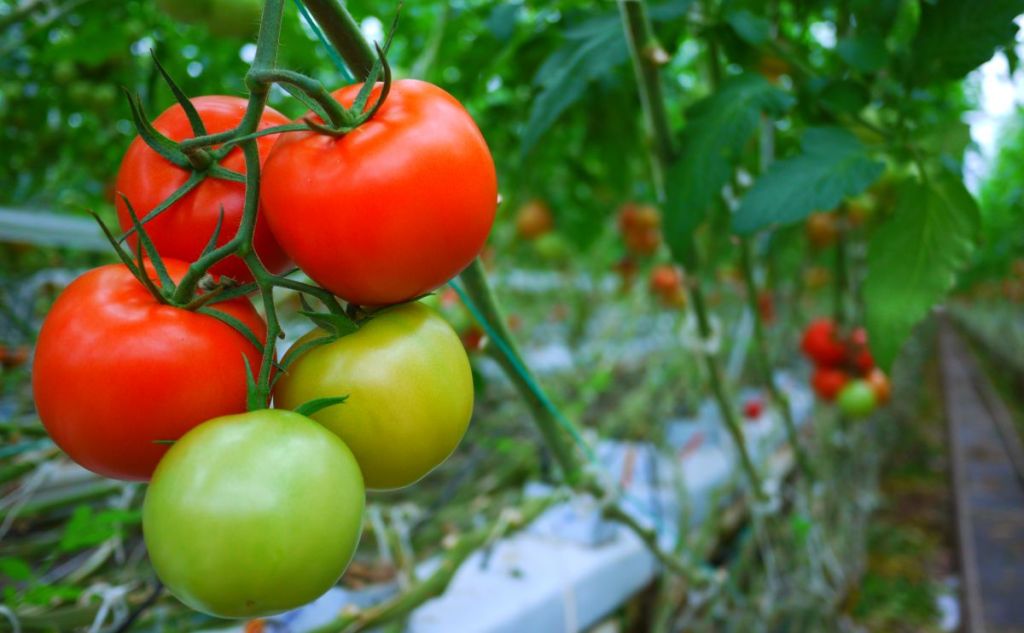
All forms of cooking can destroy some nutrients. It’s impossible to avoid. However, there is some good news since cooking actually helps by releasing the nutrients from plant cell walls. These include lycopene (iin tomatoes), red peppers and beta-carotene in carrots, spinach, and kale. Therefore, eating cooked tomaotes as a sauce or juice should be the preferred way for optimum health. Mushrooms, asparagus, and cabbage all supply more antioxidants when cooked.
Vitamin B6 and folate in broccoli and the polyphenols in onions that help protect against cancer and heart disease are better eaten as raw vegetables. Sharon Palmer, RDN, author of Plant-Powered for Life, Duate, California. SharonPalmer.com
Organic foods have shown lesser interest but still have outpaced conventional foods while still racking up more than 50 billion dollars in annual revenues, according to the Organic Trade Association. Almost 1/2 of U.S. adults believe that organic produce is healthier than non organic. But is it?
In a French study in 2018 published in JAMA Internal Medicine, a survey of 70,000 adults, organic consumers presented 25% fewer cancers than those who never ate organic. And a meta-analysis in the British Journal of Nutrition found that organic meat and milk provide 50% more omega 3 fatty acids than non-organic products. In addition, more organic farming is better for the environment, generating fewer chemicals that leach into soil and water. Organic foods generally cost more than conventional ones and still can carry traces of pesticides.
One way to compare which organics are worth the added costs is to consult the Environmental Working Group’s annual lists of the “Dirty Dozen List “- conventional produce that have shown higher rates of pesticide residue (strawberries, spinach, e.g. There is also a “Clean Fifteen List”- that typically includes thicker skinned fruits such as avocados that are first on the list and have cleaner pulp.”to be part of a plant-based diet. The vitamins and phytochemicals in the Dirty Fifteen can still provide the needed nutrients necessary for a healthy diet. All produce should be washed thoroughly. The differences between organic and non-organic are negligible.
Aging is defined as the progressive decline in physiological functions which leads to increased vulnerability to diseases and death [1]. This is a universal process underlying by many mechanisms and different pathways, whose burden rises to three different phenotypes: normal aging, accelerated aging and successful aging [2]. Despite variability among definitions, “successful aging” is as a multidimensional process encompassing major chronic diseases, major impairments in cognitive, in physical function and sustained engagement in social and productive activities [2,3]. However, reaching old age in good health is not just a “fate effect” but the result of a complex interweaving between environmental and genetic factors [4]. Studies conducted in twins have estimated that approximately 20-30% of an individual’s lifespan is related to genetics, while the rest is due to individual behaviors and environmental factors [5,6]. In this contest, nutrition and lifestyle are the most important contributors to longevity and healthy aging [7–11]. Follow a diet rich in vegetables, fruits, nuts, olive oil, fish, a small amount of red wine and exercise at least 20 minutes a day three times a week, avoiding obesity, smoke and alcohol, represents the working recipe for long and healthy life. Many mechanisms and pathways underlie nutrition, lifestyle and longevity including telomere length modulation [12–15].
Telomeres are long sequences of nucleotides at the end of our chromosomes, forming with specific proteins complex, an “end caps” which preserve genome stability and lead a cell to correctly divide [16–18]. Telomeres have been compared with the plastic tips on shoelaces, since they are able to keep chromosome ends from fraying and fusion to each other, which would destroy or interfere genetic information. At each cell division or replication event, telomeres lose some of their length and when they get too short, the cell is no longer able to divide becoming “senescent” [19]. This shortening process triggers a sustaining damage response scrambling with cell health leading to disease risk and cell death [20]. In 1962, Leonard Hayflick revolutionized cell biology when he developed a telomere theory known as the “Hayflick limit”, which places the maximum potential lifespan of humans at 120 years, the time at which too many cells with extremely short telomeres can no longer replicate and divide [21,22]. Fifty years later, new science came out opening the door to maximizing our genetic potential. In fact, published data suggested that extremely short or dysfunctional telomeres can be repaired by the enzyme “telomerase”, which working as a reverse transcriptase, adds nucleotides at the end of each chromosome promoting its stability [22,23]. In 2009, Blackburn, Greider and Szostak received the Nobel Prize for the discovery of “how chromosomes are protected by telomeres and the enzyme telomerase”. These discoveries had a great impact within the scientific community, supporting that aging can be potentially delayed by telomerase activation and telomere erosion rate reduction.
In contrast to stem cells which constitutively express low levels of telomerase, normal somatic human cells repress its expression immediately after birth [24–27]. Thus, for a long time, telomere length has been considered as an indicator of cellular senescence, and a potential biomarker of human aging, but studies supporting this role are still contradictory and inconclusive [22,28,29]. More recent genetic studies in animal models have demonstrated that short telomeres rather than average telomere length are associated with age-related diseases and, their rescue by telomerase is sufficient to restore cell and organismal viability [30,31]. In humans, circulating telomerase activity rather than telomeres length is inversely associated with the major cardiovascular disease risk factors [32]. Thus, another concept is coming up, the “telomere stability”, a quite different concept from telomere length. For example, patients with Alzheimer’s disease do not invariably have shorter telomeres, but their telomeres have significant signs of dysfunction [33–38]. Improving the activity of telomerase enzyme -that can add length back to shorter telomeres, and, in the meantime, protect longer telomeres to ensure stability- seems a way to actually turn back the biological clock. Telomerase has also extra-telomeric functions influencing various essential cellular processes, such as gene expression, signaling pathways, mitochondrial function as well as cell survival and stress resistance [40,41]. Therefore, the presence of active telomerase in stem cells, and potentially in all cells, may be helpful for longevity and good health.
Lifestyle factors known to modulate aging and age-related diseases might also affect telomerase activity. Obesity [42], insulin resistance [43,44], and cardio-vascular disease processes [45,46], which are related to oxidative stress and inflammation, have all been linked to shorter telomeres. Smoking, exposure to pollution, lower physical activity, psychological stress, and unhealthy diet significantly increase the oxidative burden and the rate of telomere shortening [47–53]. So, what a better way to counteract the “biological clock” by reactivating telomerase trough diet and lifestyle interventions? There is a recent paper showing that with intensive lifestyle modification, with a low fat diet, regular physical activity, and mental stress reduction (by yoga and meditation), telomerase activity increases significantly in peripheral blood mononuclear cell (PBMC) [54]. Again, people living in the Mediterranean countries have longer and healthier life as compared with people living in other industrialized countries, and we previously demonstrated that they have also claim longer telomeres and higher telomerase activity in PBMC [55]. It is still unclear if there is a single nutrient or a factor responsible of Mediterranean diet anti-aging properties or the whole, single ingredient foods and lifestyle are the key to “healthspan”.
Today, researchers are struggling to find a compound or an “elixir” for long life, while common people are taking dietary supplements with the intent to preserve mental, physical, and emotional health into old age. Most dietary supplement programs include combinations of vitamins, antioxidants, and other constituents, some of which have been shown to have significant health benefits in controlled clinical studies. Specific nutrients provide all the necessary building blocks to support telomere health and extend lifespan. This is the case of folate [56,57], vitamins (B, D, E, C) [58] zinc [59] and polyphenol compounds such as resveratrol [60], grape seed extract and curcumin [61]. Several foods -such as tuna, salmon, herring, mackerel, halibut, anchovies, cat-fish, grouper, flounder, flax seeds, sesame seeds, kiwi, black raspberries, green tea, broccoli, sprouts, red grapes, tomatoes, olive fruit- are a good source of antioxidants. These, combined with a Mediterranean type of diet containing fruits, vegetables and whole grains would help protect our chromosome ends [62–70].
In conclusion, what we eat, how we eat and how much we eat, together with lifestyle significantly, can affect our telomerase/telomere system with a great impact on healthspan. “Similes cum similibus curantur” and in nature is still hidden the secret of healthy and long life whereas telomerase could represent the distinctive target.
Nutrition and Lifestyle in healthy aging: the telomerase challenge
Virginia Boccardi, Gluseppe Paolisso, and Patricia Mecocci. Aging, January 2016, Vol.8 No 1
Eighty percent of your immune system is in your gut. An essential job of the gut is to arm the digestive tract against inflammatory and other harmful disease causing substances, for example, in inflammatory bowel disease (IBD). When there is a breakdown in the microbial lining that in banding together kept the lining strong, a loss of that strength is said to create a so-called “leaky” gut that starts a whole inflammatory response to create chronic disease such as diabetes, heart disease, fatty liver, obesity, cognitive disorders and depression.
Your Gut Influences your weight and weight maintenance.
A 2021 study published in Scientific Reports tested the effects of a probiotic (“good” bacteria”) on weight loss in 70 subjects who were all overweight. 35 adults took probiotics and the remaining 35 took a placebo. “After nine months with no exercise or diet interventions, 40% of the probiotic group had lost a clinically significant amount of weight compared with 3 percent in the placebo.”
Dietary fiber is associated with promoting weight loss. In the body, fiber is fermented in the intestine creating short-chain fatty acids (SCFAs) that help promote healthy metabolisms. A healthy blood sugar balance and fat storage is also reported that affects weight maintenance that is so important in weight loss. It is futile to lose weight, then regain it back which establishes a pattern of what is called Yo-Yo Dieting. Short-chain fatty acids also help alleviate or lessen inflammation by acting on hormonal and satiety receptors in the body.
“Whole person health starts in the gut, says Supriya Rao, M.D., managing partner at Integrative Gastroenterology Consultants. He explains the importance of getting enough exercise to improve gut health. “Being sedentary or sitting is the new smoking” he says”,
A 2021 study published in Scientific Reports tested the effects of a probiotic (“good” bacteria”) on weight loss in 70 subjects who were all overweight. 35 adults took probiotics and the remaining 35 took a placebo. “After nine months with no exercise or diet interventions, 40% of the probiotic group had lost a clinically significant amount of weight compared with 3 percent in the placebo.”
Dietary fiber is associated with promoting weight loss. In the body, fiber is fermented in the intestine creating short-chain fatty acids (SCFAs) that help promote healthy metabolisms. A healthy blood sugar balance and fat storage is also reported that affects weight maintenance that is so important in weight loss. It is futile to lose weight, then regain it back which establishes a pattern of what is called Yo-Yo Dieting. Short-chain fatty acids also help alleviate or lessen inflammation by acting on hormonal and satiety receptors in the body.
“Whole person health starts in the gut, says Supriya Rao, M.D., managing partner at Integrative Gastroenterology Consultants. He explains the importance of getting enough exercise to improve gut health. “Being sedentary or sitting is the new smoking” he says”,
FOOD AND CULTURE Ethic influences on the North American Diet
As cultures tend to mingle and assimilate throughout the world they blend with the so called American diet (cheeseburgers) and bring with them their ethnic uniqueness, for example, about 25% of all restaurants in the U.S. have an ethnic theme. To study these influences, we need to be aware of the nature of their traditional diets as well as how they have changed within the cultures due to migration to the new way of eating,
Native American Influences
“Studies have shown that the diseases that affected these societies differed significantly from the diseases in North American societies today. For example, Alaskan natives who sill eat the traditional diet have cardiovascular disease rates lower than those in the general North American population. Younger generations of Alaskan natives, however, who usually do not eat the traditional diet have developed cardiovascular diseases at rates similar to North American in general. This diet is often also called the “Western Diet”. It is also true of the Pima Indian tribe in Arizona compared to their counterparts in living in Mexico.” You can search Pima Indians on this blog from Food, Facts, and Fads. It’s a fascinating story of how cultural changes can affect an entire population.
Hispanic Influences
“Mexican cuisine today shows regional variety. In Southern Mexico, savory sauces and stews and corn tortillas reflect the native heritage. Yucatan cuisine follows Mayan tradition, with fresh produce adding color, flavor and nutrition to authentic Mexican dining. Traditional Mexican is healthful in that is high in complex carbs, beans, fruits and vegetables, particularly rich in vitamins A and C.”
Today true Mexican cooking bears little resemblance to the dishes usually found in Mexican restaurants in North America. Usually it is based primarily on rice and beans. Restaurant Mexican foods tend to use large portions of meat as well as added portions of high-fat sour cream, guacamole, and cheese to many dishes.”
Northern European Influences
“Immigrants from Western Europe are responsible for the “meat-and-potatoes” traditional manner of home cooking. This group contained large groups from The English, French, and Germans. A sizable portion of meat arranged with vegetables and potatoes that could be a dinner plate of boiled, mashed vegetables, sauerkraut, boiled or mashed still is the favorite of many Northern European dinners.”
The traditional pattern provides abundant protein, starch, and dairy nutrients. However, the protein contains insufficient amounts of whole grains, vegetables and fruits or whole grains. Many people from these cultures eat less than healthy dishes combined with high-fat versions that contribute to the high rates of heart disease and obesity and cancers.
African Influences
The “soul food” of African Americans is the basis of the regional cuisines of the southern U.S. African American women. The combination of these foodways with Native America, Spanish and French traditions produced Cajun and Creole cuisines enjoyed today in Louisiana and through out the nation. Pork and corn products were the basis of soul food. Today we all enjoy it as barbecued meat since many enjoy the foods brought from Africa as well as yams, African sweet potatoes, okra, and peanuts. Corn was ground for cornbread, greens, like collards, mustard, turnip and kale. were usually cooked with a small portion of smoked pork as well as black-eyed peas. This diet is obviously high in unhealthy components as well as increased heart disease and cancer. For example, the South east states of the typical American or “Western’ diet” is often called “The Stroke Belt” indicating diets high in calories and/or sodium.
Asian Influences More than 200 different vegetables are used in the Chinese cuisine, bok choy and other forms of Chinese cabbage are perhaps the most widely eaten vegetable in the world. Rice is the core of the diet in southern China, home to the Cantonese culture whereas in Northern China wheat is used to make noodles. China is the ordinal home of pasta, bread, and dumplings. Stir fried includes hot pot stews containing many vegetable mixtures and protein sources like legumes, nuts and seeds.
Chinese migration to North America began with the California gold rush in the middle of the century. Chinese workers brought with them food preparation that tend to preserve nutrients, as well as a variety of sauces and seasoning, used today in Chinese cookery. North American restaurant versions of Chinese dishes are generally not authentic. Such food is often prepared with far more fat than true Chinese cooking which tends to use flavorful but fat free sauces and seasonings. The restaurant versions of Chinese dishes also contain much larger portions of protein and sodium.
Italian Influences
Pasta is the heart of the Italian diet. Italians eat six times more of it than do North Americans. Although some components of the Italian diet contain substantial amounts of saturated fat, we now know that other components, such as pasta, olive oil, and vegetables contribute to healthy diets. Italian traditional diets do combine healthy food along with fat in the diets and seem to handle the diet just fine. Italians lean to a diet pattern called the Mediterranean Diet. This is a plan based on food choices like those traditionally found in the simple cuisine of Greece and Southern Italy. It now allows up to 35% of total calories. Northern Italy, the more affluent part of the country, is the principal producer of meat and dairy products, such as butter and cheese. Rice dishes such as risotto, are popular. Fish is more important in regions near the sea and lighter foods, such as fresh vegetables are prepared with herbs, garlic and olive oil, are characteristic. The poorer regions south of Rome, as well as the island of Sicily, have a diet rich in grains, vegetables, dried beans and fish, with little meat or oil. Olive oil is the preferred fat. Extra virgin olive oil is recommended since it now is called a “healthy fat” containing primarily monounsaturated fat and little saturated fat.
Note: “It is impossible to define a healthy diet with the space found in this post. However, it can be simply stated with the seven words from Micheal Pollan, author of “In Defense of Food: An Eater’s Manifesto:” Eat Food. Not too Much. Mostly Plants..” AMEN!!! (SJF)
Contemporary Nutrition, Issues and Insights . Fifth Edition
Higher Intake of Omega-3s Lowers Diabetics’ Mortality Risk
People with diabetes who had a higher intake of the omega-3 fatty acids, EPA and DHA had a lower risk of all-cause mortality compared to diabetics whose intake was lower, a study in Acta Diabetologica reported.
The clinical study included 4,854 diabetic participants in the National Health and Nutrition Examination Survey 1999-2014. Mortality data were obtained through 2015.
During the follow-up, 1102 deaths occurred. People whose intake of EPA and DHA was among the highest 20% of participants, at more than 122 mg per day, had a 25% lower risk of mortality from any cause compared to those whose intake of the fatty aids was among the lowest 20%, at 9.5 mg or less.
When the risks of all-cause mortality associated with EPA and DHA were analyzed separately, greater DHA intake emerged as significantly associated with lower mortality risk. As in all nutrition studies, more research is needed.
EPA = eicosapentaenoic acid (a long-chain fatty acid Omega-3) DHA = decosahexaenoic acid (a long-chain Omega 3)
Although life span has not changed, life expectancy has increased dramatically over the past century.
With rare exceptions, life expectancy has been on the rise in the U.S. It was 47 years in 1900, 68 years in 195v0, and by 2019i it had risen to nearly 79 years. But it fell to 77 in 2020 and dropped further to just over 76 in 2021. (can you think Covid?) Harvard Health.
The causes of aging are still a mystery.Most likely, aging results from an interaction of genetic and the changes listed in the table below: The science of epigenetics also can offer lifestyle factors to further influence the changes that normally occur with “normal aging”.
Aging occurs due when: Errors occur in copying the genetic blueprint (DNA) Connective tissue stiffens. Parallel muscle proteins cross link. Electron – seeking compounds (free radicals) damage cell. Hormone functions change. Blood glucose attaches to various blood and body proteins. Occurs in poorly controlled diabetes The immune system loses some efficiency and fails to recognize foreign substances. Autoimmunity develops. Immune function cells destroy “self”. Death is programmed into the cell, e.g. each cell can only divide about 50 times; after that the cell dies and succumbs. Excess energy intake speeds body breakdown and may even cause premature death. In research, underfed animals live longer by calorie restriction. Diet can slow down some of these processes? Source: Gordon M. Wardlaw. Contemporary Nutrition: Issues and Insights. Page 518-520. Edited for Food, Facts and Fads by: Sally J. Feltner, MS, PhD
WOW!!! What else could go wrong?
Healthy lifestyles may be found to alleviate some or all of these body processes.



 FOOD, FACTS and FADS