Long COVID and Healthy Lifestyles

10 tips to keeping a healthy nutrition routine

Researchers have found that adhering to a healthy lifestyle in women may protect against Long Covid. These include: healthy body weight, not smoking, exercising, sleeping well, eating a healthy diet. Symptoms of long covid are defined as having fatigue, fever, respiratory, heart, neurological, and digestive issues four or more weeks after initial SARS-CoV-2 infection. Harvard T.H. Chan School of Public Health

Author: Mark A. Mahoney ( 10 Tips to keeping a healthy nutrition )

With the recent 50th anniversary of 2023 National Nutrition Month in March, it’s a good time to continue to focus on important messages and proactive actions.

Today’s column focuses on some healthful messages and actions that can be taken to help us achieve a better quality of life as well as a note on a diet that can provide us with many-varied benefits and also helps foster more environmental sustainability.

Some general overall health tips that are recommended follows:

1. Eat breakfast

Start your day with a healthy breakfast that includes lean protein, whole grains, fruits and vegetables.

2. Make half your plate fruits and vegetables

Fruits and veggies add color, flavor and texture plus vitamins, minerals and dietary fiber to your plate.

3. Watch portion sizes

Use half your plate for fruits and vegetables and the other half for grains and lean protein foods. Complete the meal with a serving of fat-free or low-fat milk or yogurt.

4. Be active

Regular physical activity has many health benefits. Start by doing what exercise you can. Children and teens should get 60 or more minutes of physical activity per day, and adults at least two hours and 30 minutes per week.

5. Get to know food labels

Reading the Nutrition Facts panel can help you choose foods and drinks to meet your nutrient needs.

6. Fix healthy snacks

Healthy snacks can sustain your energy levels between meals, especially when they include a combination of foods.

7. Consult an RDN

Whether you want to lose weight, lower your health-risks or manage a chronic disease, consult the experts! Registered dietitian nutritionists can help you by providing sound, easy-to-follow personalized nutrition advice.

8. Follow food safety guidelines

Reduce your chances of getting sick with proper food safety. This includes: regular hand washing, separating raw foods from ready-to-eat foods, cooking foods to the appropriate internal temperature, and refrigerating food promptly. Learn more about home food safety at eatright.org.

9. Drink more water

Quench your thirst with water instead of drinks with added sugars.

10. Make an effort to reduce food waste

Check out what foods you have on hand before stocking up at the grocery store. Plan meals based on leftovers and only buy perishable foods you will use or freeze within a couple of days.

Thanks to District 10s health department in Michigan for the tips provided above.

Eating with sustainability in mind focuses on nourishing ourselves during every phase of life while emphasizing the protection of the environment. Information on one evidenced-based diet that can contribute to one’s health follows.
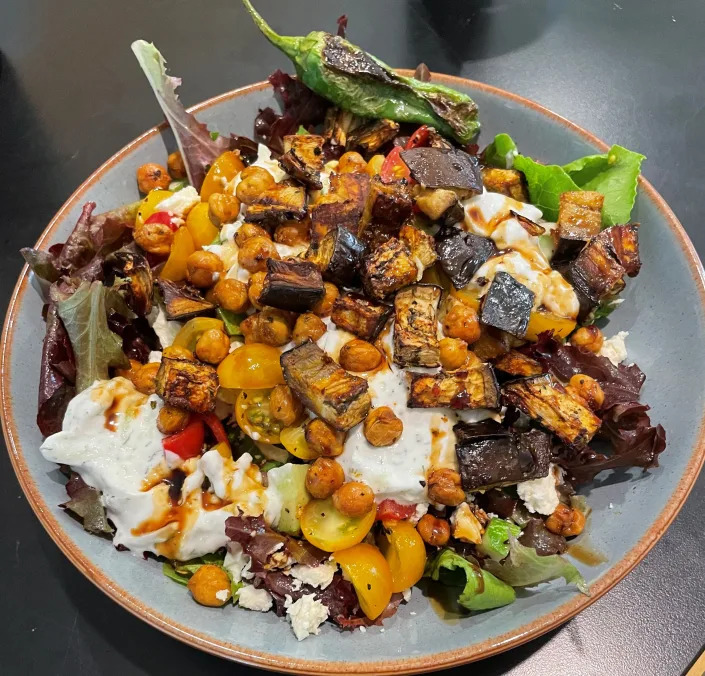
I Call This The Mediterranean Bowl Full Of Leafy Greens Roasted Chickpeas And Additional Vegetables Make This A Delicious Mediterranean Diet Meal

I Call This The Mediterranean Bowl Full Of Leafy Greens Roasted Chickpeas And Additional Vegetables Make This A Delicious Mediterranean Diet Meal

The Mediterranean diet

One diet that is very promising for achieving a more healthful lifestyle and also focuses on the theme of National Nutrition Month is the Mediterranean diet.

The Mediterranean Diet emphasizes plant-based foods and healthy fats. You eat mostly veggies, fruits and whole grains. Olive oil is the main source of fat. Research shows the Mediterranean Diet can lower your risk of cardiovascular disease and many other chronic conditions.

The Mediterranean Diet is also considered to be a potent intervention for reducing body weight. Several studies investigating this traditional diet have highlighted its importance in preventing and managing non-communicable diseases and mortality.

Improving our quality of life through living a healthy lifestyle is a process, not something that just magically appears. Taking good messages and messengers to “heart” are a key part of this approach. Good luck with taking a more proactive approach to better health in 2023 looking toward a life-long approach to a healthier you. Do it for yourself and your family.

Additional reference sites for science-based resources are provided at the end of this column including information on the Mediterranean diet.

Additional resources

Healthy eating for a healthy weight is available at the Centers for Disease Control and Prevention at cdc.gov/healthyweight.

A good resource for Information on the Mediterranean diet is available at the following site:my.clevelandclinic.org

New research on the health benefits of the Mediterranean diet for managing obesity is available at news-medical.net.
Why do some people get Covid more severely than others?

COVID-19 strikes with alarming inconsistency. Most recover quickly while others die. The disease devastates some communities and spares others. Understanding why and how COVID-19 preys on some and not others is essential to limiting its spread and mitigating its impact.

Prevention, averting, detecting, and restricting disease, is always better than even the most effective treatment. In the first place, We need answers to verify the findings of any new promising study.

Ever wonder why some places on the globe suffer from the virus so differently than others? Can the Blue Zones populations give us some answers?

https://www.bluezones.com/2020/05/why-covid-19-hits-some-people-and-places-differently/#

Eat Right to Fight Disease

The aging process usually does not cause malnutrition in healthy, active adults, but nutritional health can be complicated by physical changes that occur with age, the presence of disease(chronic and acute), economic, psychological and social circumstances. Malnutrition then exacerbates some of these factors, contributing to a downward health spiral from which it is difficult to recover.

CLICK HERE.

Immunity and Metabolic Syndrome

The Metabolic Syndrome and the Immune System

The metabolic syndrome is not a disease alone but is a cluster of related disorders that include:

  • Excess fat around the waist (>40 inches or more (men)and >35 inches or more for women).
  • Blood pressure of 130 /85 mmHg or higher, or being on blood pressure medication
  • Triglycerides above 150 mg/dl
  • Fasting blood glucose greater than 100 mg/dl, or being on glucose-lowering medications
  • High density lipoprotein (HDL) less than 40 mg/dl for men or less than 50 mg/dl for women.

A person can be considered to have metabolic syndrome if they have at least three of these conditions.

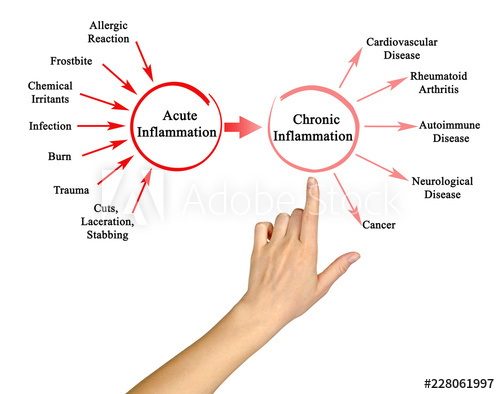
An important function of the immune system is to provide healthy, short-term (acute) inflammation that is normal in most situations. This is necessary for the immune function to battle injuries made from disease-causing bacteria, and viruses (antigens). What results is redness, swelling, heat, sometimes fever, and pain.

However, one of the unhealthiest conditions is paradoxically chronic inflammation that ultimately can result in complications, and even a greater risk of death. The greater overreaction of immune system components is often referred to a “cytokine storm”. Cytokines are small proteins that are used to convey information. I call them “messengers”. They play a crucial role in the development of diseases and how your cells are able to respond. In a sense, cytokines are the language of your immune system.

Chronic inflammation can come from the accumulation of belly fat as well as low levels of HDL cholesterol, which normally can have anti-inflammatory properties. (Scott Butsch, MD, Director of Obesity Medicine at the Bariatric and Metabolic Institute at Cleveland Clinic.)

“Those with metabolic syndrome typically have low levels of HDL and thus, have less of its beneficial properties to fight infection”, says Dr. Butsch. This can also occur with aging, poor diet, and other unhealthy practices.

How Does Obesity affect the Immune System?

“One of the many reasons obesity is such an unhealthy thing is that fat tissue produces loads of inflammatory cytokines. So even on a good day, an obese person has a lot of inflammatory biomarkers (signals) in their system. When infected by the coronavirus, for example, their starting point is already worse, they are already more inflamed than they should be. In any case, the coronavirus pandemic was a stark reminder of why your immune system is so incredibly important and why we should all benefit from understanding it better.” (Immune: A Journey into the Mysterious System that Keeps you Alive. Philipp Dettner. 2021).

According to Dr. Butsch, “obesity impairs the response of immune cells that “remember past viruses so you can attack that virus effectively the second time you may encounter it. This is why obesity is linked to an increased failure of vaccines”

How Can You Improve Immunity with Metabolic Syndrome?

“Losing weight is the key to improve your metabolic syndrome biomarkers as well as your immune system responses. When you lose some extra weight, your fat cells shrink and cause an improvement in systemic chronic inflammation,” Dr. Butsch says. Increasing your physical activity may also help. In this case, this is one time that eating less and moving more is primary to decreased inflammation, metabolic syndrome biomarkers and its complications from infectious diseases.

What Did We Learn from Covid?

Have we learned anything from Covid-19? I would hope so and that some good will come of it – although it’s hard to believe that it will happen at times as we are still fighting its many battles.

In his latest book, Metabolical, Dr. Robert H. Lustig, MD, MSL, author of the best selling book, ‘Fat Chance, “insists that if we do not change the way we eat, we will continue to court chronic disease, bankrupt our health care, and threaten the planet. But there is hope.” Metabolical: The Lure and Lies of Processed Food, Nutrition, and Modern Medicine. 2021.

The Bottom Line: If (and it’s a big IF), we change our ways even in small steps that reflect a healthier body, we may be able to better withstand the consequences of an infectious disease like COVID. Make sense???

CLICK HERE. https://www.aarp.org/health/healthy-living/info-2020/nutrition-after-age-50.html?intcmp=AE-FOD-DN-BB-ART

How’s Your Immune System?

Nutrition and Your Immune System 

The ability of the immune system to fight disease declines with age. As it does, the incidence of infections, cancers, and autoimmune diseases increase and the effectiveness of immunizations decline. In turn, the presence of infections and chronic disease contributes to malnutrition.

Nutrient deficiencies are common in older adults, including deficiencies of zinc, iron, beta-carotene, folic acid and vitamins B6, B12, C, D, and E. Supplements of some of these individual nutrients have been shown to increase certain aspects of the immune response, but have not been shown to reduce mortality from infections. High doses of some nutrients, including zinc, copper, and iron, depressed immune function, so supplement should not contain more than 100% of the daily value. There is little evidence that “megadoses” (over the Daily Value) of any vitamin or mineral is necessary for optimum health.

CLICK HERE.

IVERMECTIN: FACT OR FAD?

With so much information available on the Internet, it’s difficult to know what to do when we hear or read something about a medical “breakthrough” that may benefit us personally or perhaps help a friend or relative. How can you separate the sound information from the highly questionable?

Many people believe what they want to hear.

The products offer solutions to important problems that have few or no solutions in orthodox health care.

We all hope that these solutions will be the “one” that provides positive “cures” of the medical condition in question. In other words, we’re constantly searching for the “magic bullet”. Covid-19, fraught with controversy is no exception.

Ivermectin is a drug used to treat parasitic infections in animals and also is used to treat scabies and lice infestations in humans. Needless to say, it is questionable to use it as a treatment for Covid-19 infections.

CLICK HERE.