Processed Food and Gut Disorders?

October 12, 2018 By Yenny Rojas

It may surprise no one that the foods we eat (and don’t eat) affect the way our digestive system functions. For example, too much bread and not enough fiber can lead to constipation rather quickly. If your diet has consistently been undersupplied of certain proteins, minerals, or other needed nutrients, it can create disorder in your system. This isn’t just a problem for your digestive system; it can also cause problems with your skin, immune system, and respiratory system.

Common causes of gastrointestinal (GI) disorders are inappropriate diets, a lack of exercise and inflammation anywhere along the length of the digestive tract. In addition to gastroesophageal reflux disease (GERD), one of the most common GI disorders is irritable bowel syndrome (IBS). It’s a chronic condition that causes a variety of signs and symptoms, from mild to severe. While there’s no cure for IBS, dietary and lifestyle changes such as avoiding certain foods and decreasing stress levels can ease symptoms. These may include bloating, diarrhea, constipation, heartburn, acid reflux, and nausea.

Because there are so many possible causes of GI disorders, they can be difficult to treat.

How Do Processed Foods Impair the GI Tract?

Processed foods are bad to eat for a number of reasons, including that they can contribute to GI disorders. The problems associated with processed foods include:

  • Low-fiber content that could unsettle digestion and aggravate existing GI symptoms
  • High levels of trans fats, which raises bad (LDL) cholesterol levels and increases gut inflammation
  • Additives like preservatives, sweeteners, bleaches or colorants, which can alter the balance of the microbiome of the gut, causing disease and dysfunction

Fiber is Your Friend

Fiber assists in the movement of materials through the digestive system. Processed foods are very low in fiber – so a diet high in processed foods can greatly increase your risk for GI disorders.

Consuming a high-fiber diet is an easy way to help avoid GI disorders or manage the symptoms of one. A diet with sufficient quantities of fiber – 25 to 30 grams a day is recommended to help normalize the digestive process, increasing the size of bowel movements and softening it.

This reduces the risk of hemorrhoids and small pouches in your colon (diverticulosis). The type of fiber found in foods like beans, bran, and oats (soluble fiber) helps to reduce bad LDL cholesterol levels. In people with diabetes, soluble fiber has shown to slow the absorption of sugar and help improve blood sugar levels. Fiber may also improve heart health by helping to reduce blood pressure and inflammation.

Foods that are high in fiber are more filling. You can eat less and stay satisfied longer, making it easier to obtain or maintain a healthy weight.


CLICK HERE.

The Gut-Brain Connection: A New Concept?

CLICK HERE.

In the Mind-Gut Connection, Dr. Emeran Mayer, executive director of the Oppenheimer Center for Neurobiology of Stress and Resilience at UCLA, offers the cutting edge into this developing science, showing the full impact and complexity of how the brain, gut, and microbiome that lives inside the digestive tract communicate with one another. As he explains, the connection between the mind and the gut is bidirectional: the gut talks to the brain and the brain talks to the gut. When this communication is out of whack, major health problems can crop up in both the mind and the body, including food sensitivities and allergies, digestive disorders, obesity, depression, anxiety, and fatigue.”

Source: Emeran Mayer, MD. The Mind-Gut Connection: How the Hidden Conversation Within Our Bodies impacts our Mood, Our Choices, and our Overall Health, 2016.


All About Whole Grains: 101

Glossary:

Legumes: plants in the pea or bean family, which produce an elongated pod containing large starchy seeds. Examples: green peas, kidney beans, and peanuts.

Whole Grain: The entire kernel of grain including the bran layers, the germ, and the endosperm.

Bran: The protective outer layers of whole grains. It is a concentrated source of dietary fiber.

Germ: The embryo or sprouting portion of a kernel of grain. It contains oil, protein, fiber, and vitamins

Endosperm: The largest portion of a kernel of grain. It is primarily starch and serves as a food supply for the sprouting seed.

Added Sugar: Sugars and syrups that have been added to foods during processing or preparation

Fiber: A mixture of indigestible cabohydrates and lignins that is found in plants.

During refining and processing steps, many of the nutrients and other healthy components (phytochemicals) of the kernel are lost. The whole grain includes the bran, the germ, and the endosperm (starch). In the body during digestion and absorption all sources of foods containing sugars and starches are converted eventually to glucose, thereby affecting blood glucose. Fiber is not digested for the most part thereby providing no energy source for the cells. The current theory is that some fibers can be digested by the bacteria found in the microbiome.

Note: If the bran and germ are removed during processing, look how much fiber is removed from the whole grain (about 18.3 grams). That leaves 4 grams in the endosperm.

A Cardiologist’s Diet?

“I often tell my patients at the Ohio State University Wexner Medical Center that diet is key. A focus on a plant-based diet, reducing saturated fat, and increasing fiber with vegetables and whole grains, has been shown to reduce cholesterol levels with or without the use of statins. Those levels can drop further by incorporating supplements like soluble fiber products or plant sterols and stanols.” M. Wesley Milks, MD.

Taking a statin? Show your doctor this post to discuss diet prevention strategies. Patients need diet along with statin advice. Please check with your doctor before beginning any dietary change. Doctors opinions are invaluable sources of advice (my opinion).

CLICK HERE.

The Mediterranean Diet and Memory Loss

In the News

A Mediterranean-style diet could protect against memory loss and dementia, according to a study published in the journal, Neurology.

The 512 participants, with an average age of 70, completed food frequency questionnaires and then given brain scans to determine brain volume, and neurological tests to examine their cognitive abilities and biomarkers for beta amyloid and tau  proteins that are thought to characterize Alzheimer’s disease.

People who ate an unhealthy diet (not identified in abstract) had higher markers of amyloid beta and tau proteins in their cerebrospinal fluid, compared to those who followed a Mediterranean diet.

The unhealthy –diet eaters also performed worse on memory tests than those who ate healthy foods.

Editor’s Note:

Participants who did not eat a healthy, Med-style diet were also found to have a smaller hippocampus volume (the area of brain responsible for thinking and memory) than those who did. The hippocampus is known to atrophy (shrink) in those with Alzheimer’s disease.

Source:

Life Extension, September, 2021

Neurology. 2021; 96(24):e2920 – e32.

The Deadly Tomato?

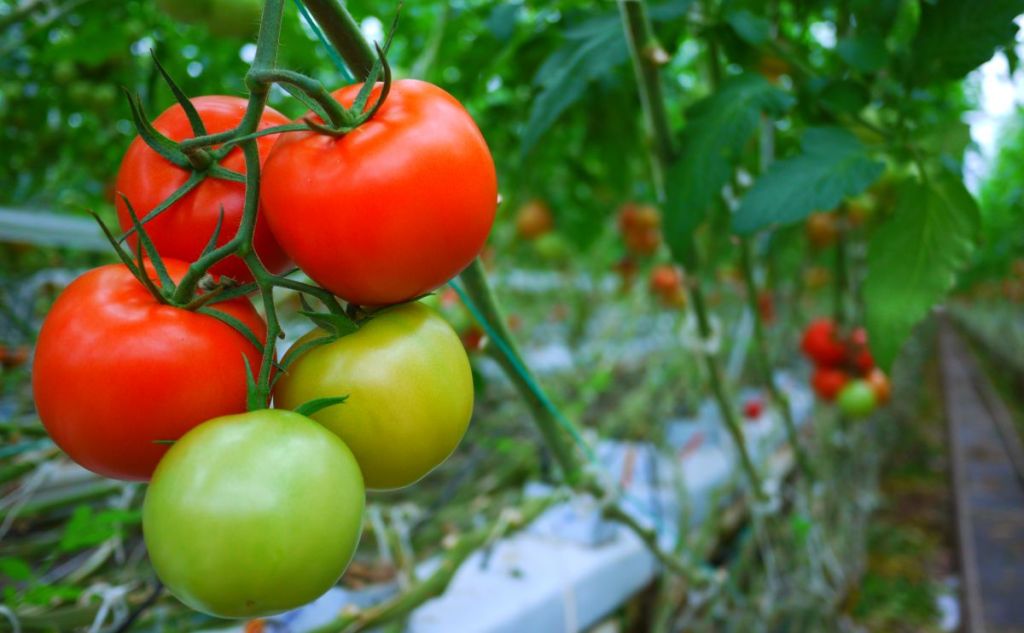
The Deadly, Deadly Tomato.

“Botanically speaking, tomatoes are a fruit; technically, they’re a berry and legally a vegetable. In 1893 a ruling of the U.S. Supreme Court, the tomato became legally classified as a vegetable because it’s used as one. More recently, tomato ketchup was named a vegetable in the school lunch program.”

In the late 1700’s, a large percentage of Europeans were afraid of the lowly tomato. It was literally called a “a poison apple” because the higher classes of consumers at the time and place were thought to have died from eating them. An explanation? Wealthy Europeans use pewter plates high in lead content and the tomato got all the blame.

Early herbalist and religious references botanically named it also a mandrake (AKA as an aphrodisiac) and classified it as a poisonous nightshade called Solanaceae thought to contain toxins called tropane alkaloids. Other foods in this classification include the eggplant. Currently, some people consider them a problem especially if you have arthritis pain – cutting nightshades out of your diet may be worth a try; however, there is no reliable evidence to support this claim.  

The best tomatoes are seasonal – many of you may remember waiting for them to be at their flavor peak in the late summers (dependent on what part of the country you lived in like the northeast and upper Midwest states.) There, the weather is ideal for tomato growth with hotter days and cooler nights. It is best to buy tomatoes from local farmers and getting vine-ripened whenever possible. They taste the best and their flavor is at peak time.

” The fruit’s origin began in the Americas and eaten by Aztecs as early as 700 AD where it was known as the “tomatl.” It wasn’t grown in Britain until the 1590’s. It was associated with hotter climates and for this reason in cooler climates was only used as ornamental instead of food.”

“The first known reference to tomato was in 1710 in the British North American colonies and places the tomato in the Carolinas where it began to be accepted even with its ominous background.  Recipes appeared in American cookery manuscripts, but fears and rumors lingered. Around 1880, the tomato grew in popularity in Europe due to the invention of the pizza. Presently, the United States has become the world’s largest tomato producer.

Nutritional Information

Tomatoes have considerable vitamin C and some vitamin A.

Tomatoes are claimed to be an anticancer weapon. It contains lycopene, the plant pigment makes the fruit red. It is particularly associated as a prostate cancer fighter. 

However, it is best consumed when heated with oil for this effect.

Tomatoes also have a compound called lutein that may help prevent macular degeneration, a leading cause of blindness in older people.

Source:

The Oxford Companion to American Food and Drink, Smith, 2007

The 150 Healthiest Foods on Earth, Jonny Bowden, Ph.D., C.N.S