U.S. Diets: (Sally J. Feltner)

Assessing the latest U.S. dietary guidelines: Will they be able to make a difference? Sally J. Feltner, MS.,Ph.D

Eric Rimm

January 20, 2021—Eric Rimm, professor in the Departments of Epidemiology and Nutrition at Harvard T.H. Chan School of Public Health, discussed the recently released 2020–2025 U.S. Dietary Guidelines. Rimm served on the Scientific Advisory Committee in 2010.

What’s your assessment of the new guidelines?

This is the first time that the guidelines include advice for children under two. They now actually address healthy eating across the lifespan. I think this is an important change because of the likely role that early diet plays in laying the foundation for healthy dietary habits and a lifetime of disease prevention. The government made a conscious effort to include more pediatricians on the advisory committee, including Elsie Tavares, who has an appointment in our Department of Nutrition. These guidelines will be used to inform government nutrition policy, so I think that was a good step forward.

What was disappointing to me was that the government decided to take a pass on changing recommendations for daily calories from added sugar. The scientific advisory committee had recommended lowering limits from 10% to 6%, but the official government guidelines kept the recommendation at the upper level.

However, I agreed with the decision to leave out the committee’s recommendation to lower alcohol guidelines for men from a maximum of two daily drinks to one. I was the alcohol expert in 2010, and I believe the science still supports what was in the previous guidelines in 2010 and 2015, that is, up to two drinks a day for men and one for women. I think it is important that if a government body is going to make a substantial change in policy statement about alcohol that it be as scientifically accurate as possible.

Going forward, we need to focus on understanding and promoting healthy drinking patterns. The guidelines are very clear on up to two drinks for men in any given day—not seven on Friday and seven on Saturday. With people drinking a lot more at home during the pandemic, it may be a good time to remind people that binge drinking is harmful.

How can the average person make sense of the guidelines and apply some of the recommendations in their own diets?

The guidelines are primarily aimed at policy makers and academics, so people may find some of the recommendations difficult to translate to their lives. Take counting calories, for example. If you give most people a plate of food and ask them how many calories it contains, they won’t know. I don’t blame them. It’s a really hard thing to think about when you’re making a meal.

I think a perhaps more helpful thing to focus on is eating whole foods instead of processed foods. We know that it’s better for you to eat food in its natural form. Highly processed grains like white bread, for example, strip all the good stuff out. Another important step is to choose healthier proteins—chicken and fish over red meat, or soy proteins over animal proteins.

Much of the guidelines do discuss healthy dietary patterns including the Mediterranean Diet or vegetarian diet. To help make them affordable, you can buy inexpensive proteins like dried beans, and also incorporate frozen fruits and vegetables into your diet.

What nutrition policy changes do you hope to see in the next few years?

In 2015, the advisory committee recommended incorporating sustainability into the dietary guidelines—for example, encouraging a more plant-based diet to lower the production of greenhouse gases. This was not included in the government’s official 2015 guidelines, and it did not improve in 2020. The 2020 guidelines were set up by the Departments of Agriculture and Health and Human Services with very specific parameters around what topics the scientists on the Advisory Committee could address, and sustainability was not listed. Recently, the EAT-Lancet report has really become the source for thinking about sustainability in the way we eat, but I think these conversations still have a place in the guidelines. I’m optimistic that they will eventually be included.

I’m also hopeful that standards around school meals set during the Obama administration, such as lowering amounts of saturated fat and sodium, will be restored. We’re essentially training kids’ palates for unhealthy food for life, which is so disheartening, especially since we know it’s possible to serve healthy school meals that kids will actually eat and enjoy.

Another important area is the federal Supplemental Nutrition Assistance Program (SNAP). Food insecure people in the program should be free to purchase what they want, but I think we are setting them up to fail. We need to provide incentives to help people on SNAP buy healthier food. There is robust evidence to show that if you do this, it works.

Amy Roeder

Share this:

GIFTS FROM THE SEA

GIFTS FROM THE SEA

SOURCES: Nutrition Now, Judith E. Brown, 7th Edition

Mary B. Grosvenor, Nutrition: Science and Applications, 2013.

On one hand, salt is a gift from the sea; on the other hand, it is a hazard to health when consumed in excess. Most of the salt consumed is joined with chloriide and travels around as sodium chloride or table salt.

Every 40 seconds someone in the U.S. suffers a stroke. Fortunately, about 80% are thought to be preventable. The average American eats about 8500 milligrams of salt, double the recommended amounts, almost none of which comes from the salt shaker. It comes from processed food, an industry that hauls in $ trillions in annual sales. Your brain and your heart are the organs most affected which occurs when oxygen and and nutrients cannot get to the brain. “Hypertension can then damage the blood vessesls and cholesterol and can cause a buildup of fatty deposits that narrows arteries”.
says cardiologist Phillip Ades, M.D., Eating Well Advisor.

The Role of the Sodium/Potassium Ratio

Sodium closely works with potassium and the two help to maintain water balance in the body. They both attract water nornally and each draws sufficinent water to the outside or inside of cells to maintain an optimal level of water in both places, Water balance and cell function are upset when there’s an imbalance in the body’s supply of sodium and potassium. High dietary intakes of sodium appear to play an important role in the development of hypertension (high blood pressure) in many people.

Risk Factors for Hypertension
Obesity is a major risk factor for hypertension and the most effective treatment is weight loss. Others are age, family history, high sodium/low potassium diet, excessive alcohol intake (>two glasses /day), smoking, frequent stress, and anxiety.

Restricting highly processed foods is very effective to improve your potassium intake. High salt processed meals, salad dressings, canned soups, ham, sausages and biscuits are often the culprits. Reading food labels are also an excellent way to beware of your high sodium inake.

If blood pressure remains elevated and lifestyle changes have been inplemented, or if blood pressure is quite high when diagnosed, anti-hypertensive drugs are usually prescribed. SEE YOUR DOCTOR OR LICENSED NUTRITIONIST.
Is Sea Salt a Better Choice Than Table Salt?

A survey by the American Heart Association of 1000 adults discovered that 6 out of 10 thought sea salt was a low sodium alternative to table salt. Equal amounts of sea salt and table salt contain the same amount of sodium (40%). Unlke table salt, sea salt as well as Kosher salt, is generally not fortified with iodine. Iodized table salt is a leading source of iodine in U.S. diet

How else can I decrease my intake of sodium? One way is to Increase your potassium-rich foods.

The primary functions of potaasium is the same as sodium — Needed to maintain the right acid-base balance in the body. Helps maintain an approprieate amount of water in blood and body tissues, needed for muscle and nerve activity. WARNING — it is not recommended to take potassium supplements. Consequences of overdose: irregular heartbeat, heart attack.

Contents of vegetables is often reduced in processed foods. Diuretics (water pills) and other antihypertension drugs may deplete potassium. Salt substitutes often contain potassium — See your doctor.

Primary food sources: Plant foods, potatoes, sqash lima beans, tomatoes, plantains, bananas, oranges, avocados, meats, milk and milk products, coffee

Snacking on some walnuts at least once a week was associated with a 17% lower risk of stroke, according to research at Brigham and Women’s Hospital and Harvard Medical School. Walnuts are a top source of heart-healthy alpha-linolenic acid (ALA), an omega-3 fatty acid. It can help improve blood vessel function and reduced inflammation which has been shown to damage arteries. All this together helps prevent blood clots and vascular weakening.

Food and Mood? Neuronutrients

Good Mood Foods: How Diet Affects Happiness

Lani Muelrath is a bestselling author, speaker, and TV host known for her expertise in plant-based, active, and mindful living. This article is adapted from her newest book,  The Mindful Vegan, a 30-day plan for shedding old thinking patterns and living more joyfully with food.

If you are presently piling plenty of colorful plants on your plate, you are already at a better mood advantage. Research tells us that plant-based diets are associated with healthier mood states. The more fruits and vegetables people eat, the happier, less depressed, and more satisfied they are with their lives. Today, we’ll focus on how, grounded in your biochemistry, eating more plants and eliminating animals and their products from your diet creates greater mental well-being and resilience.

Plantified Plate = Mood Elevator Up

A recent study of nearly 1,000 men and women examined the mood impact of obtaining dietary antioxidants. Antioxidants are health- and disease-protective bioactive chemical compounds produced by plants. In the study, those who ate three or more servings of fruits and vegetables a day reported significantly greater optimism than those who ate less. Eating lots of veggies also bumps up the B vitamins in your diet, positively affecting mood states.

Another recent, large-population, multi-wave study — taking place five times over the course of nine years — focused on the impact of fruit and vegetable intake on depression, anxiety, and mental health disorders.

Results were consistent across all five waves: greater fruit and vegetable consumption was positively associated with reduced depression, less psychological distress, fewer mood and anxiety problems, and improved perceived mental health.

Study after study corroborates. A large Swiss survey reported significant associations between higher fruit and vegetable consumption and reduced distress levels. People who ate less than the five-servings-a-day recommendation had a higher likelihood of reporting stress and anxiety than those who didn’t. A recent study on women’s health from Australia followed over 6,000 women. The findings? Reduced depression among women who simply ate more than two pieces of fruit a day. And the benefit increased when accompanied by higher intakes of vegetables.

Can Cutting Meat Improve Your Mood?

We get it — eating more plants boosts your mood. What if we look at it another way — cutting out the meat? How might that affect your state of mind? As it turns out, emotional resiliency and elevated mood states arise for more reasons than simply because you know you are doing the right thing. There’s a deeper biochemical component that underpins well-being that comes with veganizing your plate.

According to research, reduced intake of animals and their products has mood benefits in addition to those that come with a robust daily intake of fruits and vegetables. Avoiding meat, fish, and poultry leads to more frequent reports of positive states of mind. And vegans report lower anxiety and less stress than omnivores.

Inflammation and Increased Risk of Depression

Putting it all together, the Western diet — characterized by scanty consumption of plant foods, yet heavy on the animal products — is associated with increased risk of depression. Depression is related to inflammation in the body. Arachidonic acid, found only in animal products, is a precursor to inflammation. Research shows that high intakes of arachidonic acid promote changes in the brain that can disturb mood.

Here’s how it works. By eating chicken, eggs, and other animal products high in arachidonic acid, a series of chemical reactions is triggered in your body that results in inflammation. When inflammation reaches the brain, feelings of anxiety, stress, hopelessness, and depression follow. No wonder people who avoid animal flesh and products report a happier, more positive mood. And plant foods — to the rescue, once again — naturally lower inflammation due to their naturally high antioxidant content, antioxidants being one of nature’s most powerful anti-inflammatory agents.

Nutrients provide the biological building blocks for neurotransmitters — the chemicals in your brain that deeply affect how you think and feel. When you aren’t eating enough vitamins, minerals, antioxidants, polyphenols, and related nutrients found in plants — known in this context as neuronutrients — you can’t make adequate mood-enhancing transmitters. These gems of plant nutrition, by the way, are the same goodies proved to be brain protective against Alzheimer’s disease and other forms of dementia.

Diets rich in the kind of saturated fats that are abundant in animal products — and deficient in antioxidants and vitamins — appear to promote the onset of the disease, whereas diets rich in plant-plentiful vitamins, antioxidants, and polyphenols suppress its onset. All the colors plants bring to your plate are evidence of the nutrients your brain needs for better disposition. No wonder just seeing your luncheon salad makes your mood brighten.

Author Sources:

1. Bonnie L. Beezhold, Carol S. Johnston, and Deanna R. Daigle, “Vegetarian Diets Are Associated with Healthy Mood States: A Cross-Sectional Study in Seventh Day Adventist Adults,” Nutrition Journal 9, no. 26 (2010), doi:10.1186/1475-2891-9-26.
2. Ciara Rooney, Michelle C. McKinley, and Jayne V. Woodside, “The Potential Role of Fruit and Vegetables in Aspects of Psychological Well-Being: A Review of the Literature and Future Directions,” Proceedings of the Nutrition Society 72, no. 4 (2013): 420–32, http://www.ncbi.nlm.nih.gov/pubmed/24020691.
3. Juila Boehm et al., “Association between Optimism and Serum Antioxidants in the Midlife in the United States Study,” Psychosomatic Medicine 75, no. 1 (2013): 2–10, http://aging.wisc.edu/pdfs/3006.pdf.
4. Ulka Agarwal, “A Multicenter Randomized Controlled Trial of a Nutrition Intervention Program in a Multiethnic Adult Population in the Corporate Setting Reduces Depression and Anxiety and Improves Quality of Life: The GEICO Study,” American Journal of Health Promotion 29, no. 4 (2015), http://www.ncbi.nlm.nih.gov/pubmed/24524383.
5. Seanna E. McMartin, Felice N. Jacka, and Ian Colman, “The Association between Fruit and Vegetable Consumption and Mental Health Disorders: Evidence from Five Waves of a National Survey of Canadians,” Preventative Medicine 56, no. 3–4 (2013): 225–30, doi:10.1016/j.ypmed.2012.12.016.
6. Aline Richard et al., “Associations between Fruit and Vegetable Consumption and Psychological Distress: Results from a Population-Based Study,” BMC Psychiatry
endnotes 15, no. 213 (2015), http://bmcpsychiatry.biomedcentral.com/articles/10.1186/s12888-015-0597-4.
7. S. Mihrshahi, A. J. Dobson, and G. D. Mishra, “Fruit and Vegetable Consumption and Prevalence and Incidence of Depressive Symptoms in Mid-age Women: Results from the Australian Longitudinal Study on Women’s Health,” European Journal of Clinical Nutrition 69, no. 5 (2014): 585–91, http://www.ncbi.nlm.nih.gov/pubmed/25351653.
8. Tamlin S. Conner, et al., “On Carrots and Curiosity: Eating Fruit and Vegetables Is Associated with Greater Flourishing in Daily Life,” British Journal of Health Psychology 20, no. 2 (2015): 413–27, http://www.ncbi.nlm.nih.gov/pubmed/25080035.
9. Bonnie L. Beezhold et al., “Vegans Report Less Stress and Anxiety Than Omnivores,” Nutritional Neuroscience 18, no. 7 (2014),

What’s Cooking?

Canola Oil

Is canola oil a healthy fat? Rightfully so since it had a bad reputation for awhile due to its association with a toxic acid called eurucic acid. More currently due to newer breeding processes reulted in its removal of this acid, making canola on the list of what is now called “healthy fats.” It is primarily an unsaturated fat and very low in omega-6 (fat and contain the same type of oil found in olive oil. However, Americans are awash in omega-6 fats and should be attempting to increase their intake of omega-3 fats instead.

But to its credit, it has a very mild flavor (unlike olive oil) and has been called a “neutral” oil so its very versatile for cooking and stands up fairly well to heat.
Bittman, Mark and Katz, David L., M.D. How to Eat” All your Food and Diet Questioned Answered.

Roasting Vegetables

Roasting has become a cooking favorite lately, but questions do arise due to the higher temperatures (400 degrees) needed for best results. Many people wonder if this type of cooking can destroy some nutrients, especially in some originally healthy vegetables? This may help.

All forms of cooking can destroy some nutrients. It’s impossible to avoid. However, there is some good news since cooking actually helps by releasing the nutrients from plant cell walls. These include lycopene (iin tomatoes), red peppers and beta-carotene in carrots, spinach, and kale. Therefore, eating cooked tomaotes as a sauce or juice should be the preferred way for optimum health. Mushrooms, asparagus, and cabbage all supply more antioxidants when cooked.

Vitamin B6 and folate in broccoli and the polyphenols in onions that help protect against cancer and heart disease are better eaten as raw vegetables.
Sharon Palmer, RDN, author of Plant-Powered for Life, Duate, California. SharonPalmer.com

Food, Culture, and Health

FOOD AND CULTURE
Ethic influences on the North American Diet

As cultures tend to mingle and assimilate throughout the world they blend with the so called American diet (cheeseburgers) and bring with them their ethnic uniqueness, for example, about 25% of all restaurants in the U.S. have an ethnic theme. To study these influences, we need to be aware of the nature of their traditional diets as well as how they have changed within the cultures due to migration to the new way of eating,

Native American Influences

“Studies have shown that the diseases that affected these societies differed significantly from the diseases in North American societies today. For example, Alaskan natives who sill eat the traditional diet have cardiovascular disease rates lower than those in the general North American population. Younger generations of Alaskan natives, however, who usually do not eat the traditional diet have developed cardiovascular diseases at rates similar to North American in general. This diet is often also called the “Western Diet”. It is also true of the Pima Indian tribe in Arizona compared to their counterparts in living in Mexico.” You can search Pima Indians on this blog from Food, Facts, and Fads. It’s a fascinating story of how cultural changes can affect an entire population.

Hispanic Influences

“Mexican cuisine today shows regional variety. In Southern Mexico, savory sauces and stews and corn tortillas reflect the native heritage. Yucatan cuisine follows Mayan tradition, with fresh produce adding color, flavor and nutrition to authentic Mexican dining. Traditional Mexican is healthful in that is high in complex carbs, beans, fruits and vegetables, particularly rich in vitamins A and C.”

Today true Mexican cooking bears little resemblance to the dishes usually found in Mexican restaurants in North America. Usually it is based primarily on rice and beans. Restaurant Mexican foods tend to use large portions of meat as well as added portions of high-fat sour cream, guacamole, and cheese to many dishes.”

Northern European Influences

“Immigrants from Western Europe are responsible for the “meat-and-potatoes” traditional manner of home cooking. This group contained large groups from The English, French, and Germans. A sizable portion of meat arranged with vegetables and potatoes that could be a dinner plate of boiled, mashed vegetables, sauerkraut, boiled or mashed still is the favorite of many Northern European dinners.”

The traditional pattern provides abundant protein, starch, and dairy nutrients. However, the protein contains insufficient amounts of whole grains, vegetables and fruits or whole grains. Many people from these cultures eat less than healthy dishes combined with high-fat versions that contribute to the high rates of heart disease and obesity and cancers.

African Influences

The “soul food” of African Americans is the basis of the regional cuisines of the southern U.S. African American women. The combination of these foodways with Native America, Spanish and French traditions produced Cajun and Creole cuisines enjoyed today in Louisiana and through out the nation. Pork and corn products were the basis of soul food. Today we all enjoy it as barbecued meat since many enjoy the foods brought from Africa as well as yams, African sweet potatoes, okra, and peanuts. Corn was ground for cornbread, greens, like collards, mustard, turnip and kale. were usually cooked with a small portion of smoked pork as well as black-eyed peas. This diet is obviously high in unhealthy components as well as increased heart disease and cancer. For example, the South east states of the typical American or “Western’ diet” is often called “The Stroke Belt” indicating diets high in calories and/or sodium.

Asian Influences
More than 200 different vegetables are used in the Chinese cuisine, bok choy and other forms of Chinese cabbage are perhaps the most widely eaten vegetable in the world. Rice is the core of the diet in southern China, home to the Cantonese culture whereas in Northern China wheat is used to make noodles. China is the ordinal home of pasta, bread, and dumplings. Stir fried includes hot pot stews containing many vegetable mixtures and protein sources like legumes, nuts and seeds.

Chinese migration to North America began with the California gold rush in the middle of the century. Chinese workers brought with them food preparation that tend to preserve nutrients, as well as a variety of sauces and seasoning, used today in Chinese cookery.
North American restaurant versions of Chinese dishes are generally not authentic. Such food is often prepared with far more fat than true Chinese cooking which tends to use flavorful but fat free sauces and seasonings. The restaurant versions of Chinese dishes also contain much larger portions of protein and sodium.

Italian Influences

Pasta is the heart of the Italian diet. Italians eat six times more of it than do North Americans. Although some components of the Italian diet contain substantial amounts of saturated fat, we now know that other components, such as pasta, olive oil, and vegetables contribute to healthy diets. Italian traditional diets do combine healthy food along with fat in the diets and seem to handle the diet just fine. Italians lean to a diet pattern called the Mediterranean Diet. This is a plan based on food choices like those traditionally found in the simple cuisine of Greece and Southern Italy. It now allows up to 35% of total calories. Northern Italy, the more affluent part of the country, is the principal producer of meat and dairy products, such as butter and cheese. Rice dishes such as risotto, are popular. Fish is more important in regions near the sea and lighter foods, such as fresh vegetables are prepared with herbs, garlic and olive oil, are characteristic. The poorer regions south of Rome, as well as the island of Sicily, have a diet rich in grains, vegetables, dried beans and fish, with little meat or oil.
Olive oil is the preferred fat. Extra virgin olive oil is recommended since it now is called a “healthy fat” containing primarily monounsaturated fat and little saturated fat.

Note:
“It is impossible to define a healthy diet with the space found in this post. However, it can be simply stated with the seven words from Micheal Pollan, author of “In Defense of Food: An Eater’s Manifesto:”
Eat Food. Not too Much. Mostly Plants..”
AMEN!!! (SJF)

Contemporary Nutrition, Issues and Insights . Fifth Edition

How to Add Phyto – Chemicals for a Better diet:

I was looking through some old textbooks the other day and found these helpful tips (circa 2013) keys to better health for all of us – not just kids. And guess what – it still remains – most we have learned was that most of them are free radical antioxidants. Anyway here they are.

Focus on Phytochemicals

Phytochemicals are substances found in plant foods (phyto means plant) that are not essential nutrients but may have health-promoting properties.

Phytochemicals include hundreds, perhaps thousands of biologically active nonnutritive functions found in plants. For example, compounds found in onions and garlic are natural pesticides that protect them from insect infestation. Most plant chemicals have no effect on human health, but many promote health and a few can be toxic. For example, many are antioxidants that decrease the adverse effects of reactive molecules on normal physiological function. However, the phytos found in soy and teas have been shown to inhibit tumor growth.

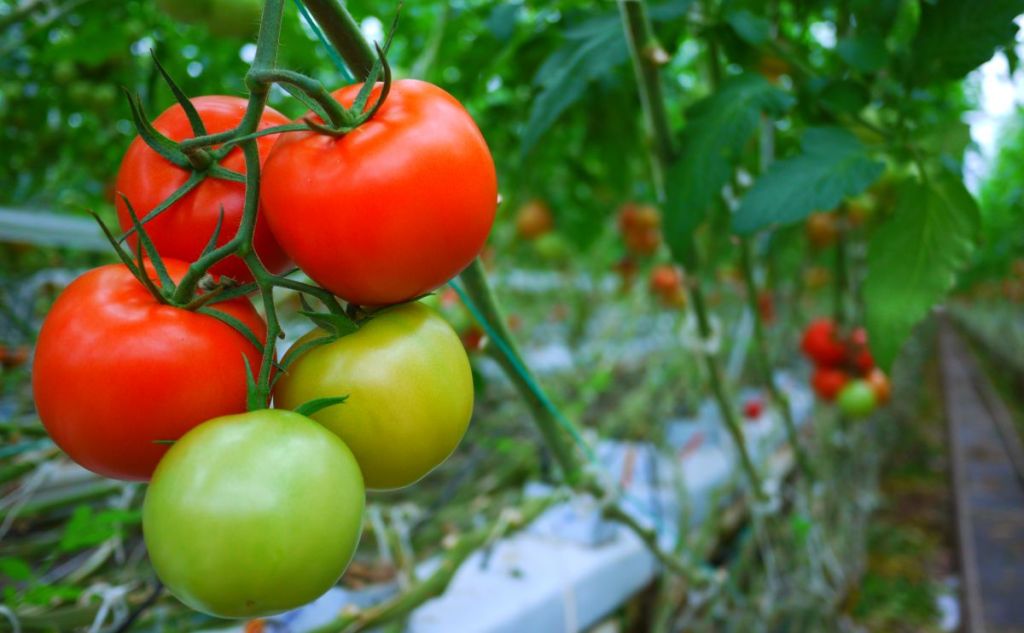
Cruciferous vegetables are named for the cross shape of their four petal flowers. They include broccoli, cabbage, Brussels sprouts, and kale among others and their consumption is linked with lower rates of cancer. The red pigment (color) in tomatoes is called lycopene which is a potent antioxidant and associated with a reduced risk of macular degeneration, the leading cause of blindness in older adults.

How to Choose Phytochemicals
Choose five different colors of fruits and vegetables
for each day.
Choose a new fruit or vegetable for each week.
Herbs and spices are great sources of phytochemicals.
Add vegetables to your favorite spaghetti sauces and casseroles.
Try baked or dried fruit for dessert.
Double your typical serving of vegetables.
Add pesto, spinach, artichokes or asparagus to pizza.
Buy small jars of chopped garlic, ginger and basil to make it easy to add to your cooking
Snack on whole-grain crackers.
Switch to whole wheat bread, brown rice, and whole-wheat pasta.
Add fruit to your cereal and vegetables to your eggs.
Dice up some tofu and add it to stir fry.
Include nuts to baked breads and salads (especially walnuts).
Sprinkle flaxseed in your oatmeal.

Omega 3s And Diabetes

In the News

Higher Intake of Omega-3s Lowers Diabetics’ Mortality Risk

People with diabetes who had a higher intake of the omega-3 fatty acids, EPA and DHA had a lower risk of all-cause mortality compared to diabetics whose intake was lower, a study in Acta Diabetologica reported.

The clinical study included 4,854 diabetic participants in the National Health and Nutrition Examination Survey 1999-2014. Mortality data were obtained through 2015.

During the follow-up, 1102 deaths occurred. People whose intake of EPA and DHA was among the highest 20% of participants, at more than 122 mg per day, had a 25% lower risk of mortality from any cause compared to those whose intake of the fatty aids was among the lowest 20%, at 9.5 mg or less.

When the risks of all-cause mortality associated with EPA and DHA were analyzed separately, greater DHA intake emerged as significantly associated with lower mortality risk.

EPA = eicosapentaenoic acid (a long-chain fatty acid )
DHA = decosahexaenoic acid (a long-chain fatty acid)

Acta Diabetol. 2023 Mar;60(3):353-362

Association of fish and long-chain 3 -omega fatty intakes with total and cause-specific mortality: prospective analysis of 421,309 individuals.

Association of fish and long-chain omega-3 fatty acids intakes with total and cause-specific mortality: prospective analysis of 421 309 individuals
Y Zhang  1 , P Zhuang  1 , W He  2 , J N Chen  1 , W Q Wang  3 , N D Freedman  4 , C C Abnet  4 , J B Wang  5 , J J Jiao  3

A study published in the Journal of Internal Medicine reported that both men and women who had a high intake of fish or long-chain omega 3 polyunsaturated fatty acids (PUFA) that included EPA, DHA, and DPA had lower risks of dying from any cause.

The study population included 240, 729 men and 180,580 women. They were given questionnaires concerning lifestyle and diet and followed up after 16 years.

Results (from Abstract)
“A total of 54 230 men and 30 882 women died during 6.07 million person-years of follow-up. Higher fish and LCn-3 PUFAs intakes were significantly associated with lower total mortality (P < 0.0001). Comparing the highest with lowest quintiles of fish intake,
men had 9% (95% confidence interval, 6–11%) lower total mortality, 10% (6–15%) lower cardiovascular disease (CVD) mortality, 6% (1–10%) lower cancer mortality, 20% (11–28%) lower respiratory disease mortality and 37% (17–53%) lower chronic liver disease mortality, while women had 8% (5–12%) lower total mortality, 10% (3–17%) lower CVD mortality and 38% (20–52%) lower Alzheimer’s disease mortality. Fried fish consumption was not related to mortality in men whereas positively associated with mortality from all causes (P = 0.011), CVD and respiratory disease in women. LCn-3 PUFAs intake was associated with 15% and 18% lower CVD mortality in men and women across extreme quintiles, respectively.”

Conclusion
“Consumption of fish and LCn-3 PUFAs was robustly associated with lower mortality from major causes. Our findings support current guidelines for fish consumption while advice on non-frying preparation methods is needed.
Discussion: “As the associations between long-chain omega-3 PUFAS intake and morality were similar to that of fish intake, the health benefits of fish is probably related to the abundant content of long-chain omega-3 PUFAS, which possess anti-inflammatory properties and may prevent the development of inflammation-driven disorders, including cardiovascular disease, cancer, and Alzlheimer’s disease,” Dr. Zhang and associates observed.”
“Overall, we provide new clinical evidence with which to address the role of fish and long-chain omega-3 PUFAs in overall health and contribute to updated dietary guidelines,” the authors concluded.”
A study reported on July 18, 2018 in the Journal of Internal Medicine reveals a lower risk of dying from any cause during a 16-year follow-up period among men and women who had a high intake of fish or long-chain omega-3 polyunsaturated fatty acids (PUFAs), which include EPA, DHA, and DPA.”

Keywords: AARP diet and health study; cardiovascular disease; long-chain omega-3 fatty acids; marine fish; mortality.
© 2018 The Association for the Publication of the Journal of Internal Medicine.

Before taking any PUFA supplement, check with your physician. Fish is better!!! SJF

From Eating Well:

The Bottom Line: “If you tend to eat a lot of fried food, the air fryer is definitely a good option for you. Still, the air fryer isn’t a magic machine that makes any food “healthy.” If you typically use the oven to cook food, the air fryer can be a great tool to add more variety to your cooking—start experimenting with our 30-Minute Recipes for Your Air Fryer! From Eating Well.”

Snacks: Try Walnuts?

Snacking has become a national pastime in the U.S. The snack aisles in the supermarkets have expanded to include major parts of the store that act as a huge vending machine from one end to another. Nuts have had the reputation of being unhealthy due to their fat content; now they are considered healthy for many reasons.

Although they are so many varieties, walnuts often stand out as an example of how nuts can be easily incorporated into a healthy diet.

Most nuts contain healthy antioxidant compounds called polyphenols, which improve cholesterol scores and help lower rates of oxidative stress and vascular disease. But of all nuts, walnuts pack the greatest punch of polyphenols according to a 2011 study from the Royal Society of Chemistry journal, Food and Function. Also, they come in first when it comes to their stores of polyunsaturated fatty acids, essential for improved metabolism, satiety, and prevention of Type 2 diabetes.

It is interesting to encourage walnut consumption when possible to support your brain, thanks to those antioxidants, various vitamins and other nutrients, and a type of plant-based omega-3 fat called alpha-linolenic acid.
In a recent published study, Lenore Arab, a professor of disease prevention at UCLA and her colleagues examined diet and lifestyle habits of thousands of adults. In terms of memory, concentration and “information processing speed”, the people who ate more walnuts signficantly outperformed their counterparts that eat less walnuts. These results held solid even after the results controlled for age, ethnicity, exercise and other lifestyle factors.

Note: I use chopped walnuts, dried cherries or cranberries on salads. There are two common kinds of walnuts – the English from California and the black walnut, which is native to America. They differ slightly in their nutrition – the English has slightly less protein and slightly more fat. Both are great! Time Special Edition, The Science of Nutrition)

Note: Walnuts are ironically shaped like a brain. Look carefully and you will see the resemblance (similar examples are “kidney beans are shaped like a kidney”. “The Doctor or Signatures is a concept in herbalism that’s been around for centuries based on the idea that God marked everything with a sign which was a signature or indication of the item’s purpose. In this particular case certain foods had a purpose and resembled the food itself.(The 150 Healthiest Foods on Earth, Jonny Bowden, PhD, CNS.)

Eating Processed Food

 Is Eating Fast Food a Dementia Risk? 

The health risks of eating ultraprocessed foods —including sausages and burgers as well as pizza and ice cream — are well documented. They have been shown to raise the risk of obesity, diabetes, and cancer among other ailments. (CNN.com). 

In a new study, researchers followed more than 10,000 Brazilians with an average age of 51 for more than 10 years. They found that people who consumed more than 20% of their daily calories from ultra processed foods had a 28% faster cognitive decline compared with those whose intake was less than 20%.  Unfortunately, that 20% is not a high threshold: just 400 calories out of the 2000 calorie diet. And most Americans are well over that, getting on average a whopping 58% of their calories from ultraprocessed foods.

 “The sample size is substantial and the followup extensive,” says Dr. David Katz, a nutrition specialist who was not involved in the study. While short of proof, this is robust enough that we should conclude ultraprocessed foods are probably bad for our brains,” 

Source: The Week. December 23, 2022, Volume 22, Issue 110.