Covid and Fish Oil?

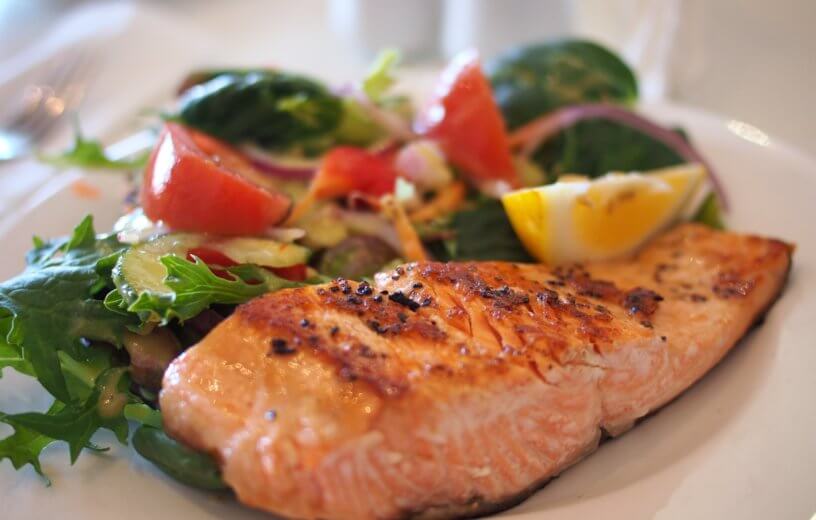
Salmon and vegetables on a dinner plate
Salmon and other seafood types are one of the best foods for protein.(Photo by cattalin on pixabay.com)

Covid-19 News

Still worried about COVID? Eating more oily fish may protect you

March 17, 2023

by Shyla Cadogan

SIOUX FALLS, S.D. — Oily fish are a part of many healthy diets, mainly because of the omega-3 fatty acids they carry. Studies show they have the ability to boost brain health and may even reduce the risk of heart disease. Now, there’s even more reason to add salmon or sardines to your diet. Scientists report that omega-3 fatty acids can also help protect against severe cases of COVID-19.

A team of researchers from the Fatty Acid Research Institute and the University of South Dakota designed a study that compared the risk for three COVID-19 scenarios: testing positive, hospitalization, and death as a function of baseline plasma DHA levels. DHA is an omega-3 fatty acid, which is abundant in fish like salmon. EPA is another fatty acid also found in oily fish. The team examined the implications of adding both to someone’s diet.

https://b5c290d7f3674d0d7b0e2b3e92ef07e7.safeframe.googlesyndication.com/safeframe/1-0-40/html/container.html

They measured the percent of total fatty acids (DHA levels) using Nuclear Magnetic Resonance (NMR) spectroscopy and converted them into an Omega-3 Index, which includes the percentages of red blood cell EPA and DHA for actual analysis. Their work included information from a sample of 110,584 people (COVID hospitalizations and deaths), as well as 26,595 individuals with just a positive test result, pulled from the UK Biobank. The outcomes were assessed from January 2020 to March 2021.

High omega-3 levels cut down COVID risk by a fifth

After fully adjusting their models to account for other variables that could affect the results, the team found that those with the highest omega-3 index were 21 percent less likely to test positive for COVID than those with the lowest levels. The risk for a positive test was actually eight percent lower for every standard deviation increase in plasma DHA percentage. Additionally, patients with the highest omega-3 index were 26 percent less likely to need hospitalization than those with the lowest.

https://b5c290d7f3674d0d7b0e2b3e92ef07e7.safeframe.googlesyndication.com/safeframe/1-0-40/html/container.html

Among patients who died of COVID-19, trends weren’t as significant. Risk of severe infection was lower in those with the second highest omega-3 index. In the highest bracket, the risk reduction was actually minimal and statistically insignificant.
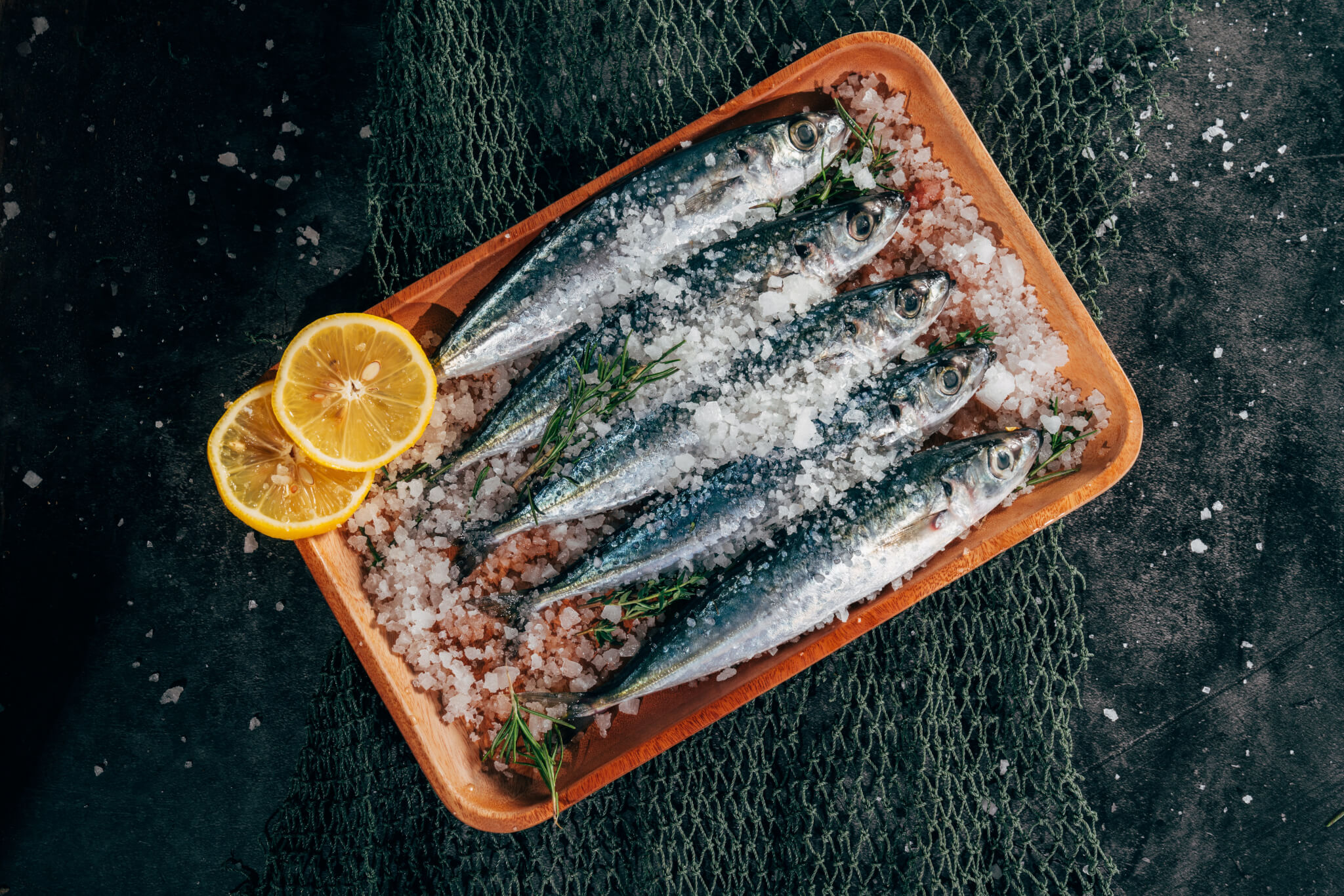
Sardines packaged on ice
(Photo by Harris Vo on Unsplash)

https://b5c290d7f3674d0d7b0e2b3e92ef07e7.safeframe.googlesyndication.com/safeframe/1-0-40/html/container.html

“This study confirms previous findings that low omega-3 status is associated with increased risk for hospitalization with COVID-19. We extended these findings by also showing reduced risk for testing positive with the infection and by providing evidence that the risk for death may also be reduced,” says Dr. William S. Harris, President of Fatty Acid Research Institute, in a media release. “Furthermore, we identified the Omega-3 Index levels associated with the least and greatest protection from COVID-19. Altogether these results support the practice of increasing consumption of oily fish like salmon or omega-3 fish oil supplements as a potential risk reduction strategy when it comes to COVID-19.”

Certain countries enjoy even great protection

The team adds that there seems to be a global pattern as well, as found in previous work. South Korea and Japan have both reported very low severity of COVID-19. Although these countries are very diligent about masking, social distancing, and other spread mitigation practices, there is a fascinating connection between Omega-3 Index values of healthy South Korean and Japanese individuals and COVID-19 outcomes. In these nations, indexes are about 8-12 percent and 7-11 percent respectively, which is significantly higher than the 4-5 percent in Western countries like the United States.

“A worldwide pattern linking higher omega-3 fatty acid intakes with lower rates of death with COVID-19 was documented by Vivar-Sierra et al. Although only suggestive, this observation adds further support for a potential role of omega-3s EPA and DHA in the prevention of fatal COVID-19 disease,” the study authors report.

https://b5c290d7f3674d0d7b0e2b3e92ef07e7.safeframe.googlesyndication.com/safeframe/1-0-40/html/container.html

These findings back the notion that including omega-3 fatty acids in your diet is essential for a well-rounded, healthy diet. However, they also show that by possibly reducing severe infections from COVID-19, there may be even more of an incentive to getting enough in your daily diet.

The findings are published in the American Journal of Clinical Nutrition.

Tags: coronavirus, COVID-19 symptoms, fish oil, oily fish, omega-3

Random ArticleNext Article

Leave a Comment

About the Author

Shyla Cadogan

Shyla Cadogan is a recent graduate from the University of Maryland, College Park with a Bachelor’s of Science in Nutrition and Food Science. She is on her way to becoming a Registered Dietitian, with next steps being completion of a dietetic internship at the University of Maryland Medical Center where she currently is gaining experience with various populations and areas of medical nutrition such as Pediatrics, Oncology, GI surgery, and liver and renal transplant. Shyla also has extensive research experience in food composition analysis and food resource management.

Why do some people get Covid more severely than others?

COVID-19 strikes with alarming inconsistency. Most recover quickly while others die. The disease devastates some communities and spares others. Understanding why and how COVID-19 preys on some and not others is essential to limiting its spread and mitigating its impact.

Prevention, averting, detecting, and restricting disease, is always better than even the most effective treatment. In the first place, We need answers to verify the findings of any new promising study.

Ever wonder why some places on the globe suffer from the virus so differently than others? Can the Blue Zones populations give us some answers?

https://www.bluezones.com/2020/05/why-covid-19-hits-some-people-and-places-differently/#

Can Ultraprocessed Food Contribute to Dementia?

 Is Eating Fast Food a Dementia Risk? 

The health risks of eating ultraprocessed foods —including sausages and burgers as well as pizza and ice cream — are well documented. They have been shown to raise the risk of obesity, diabetes, and cancer among other ailments. (CNN.com). 

In a new study, researchers followed more than 10,000 Brazilians with an average age of 51 for more than 10 years. They found that people who consumed more than 20% of their daily calories from ultra processed foods had a 28% faster cognitive decline compared with those whose intake was less than 20%.  Unfortunately, that 20% is not a high threshold: just 400 calories out of the 2000 calorie diet. And most Americans are well over that, getting on average a whopping 58% of their calories from ultraprocessed foods.

 “The sample size is substantial and the followup extensive,” says Dr. David Katz, a nutrition specialist who was not involved in the study. While short of proof, this is robust enough that we should conclude ultraprocessed foods are probably bad for our brains,” 

Source: The Week. December 23, 2022, Volume 22, Issue 110.

Four Surprising Foods That Can Give You Food Poisoning

Source: Partly Adapted from:

Bottom Line’s Breakthroughs in Health and Healing
Robert B. Gravani, PhD, CFS, is professor emeritus of food science at Cornell University, Ithica, New York. He is past president of the Institute of Food Technologists.

Fact Checked by Sally Feltner, PhD, MS, Publisher Food Facts and Fads

How can food make us sick? Food-borne illness is any illness that is related to the consumption of food or contaminants or toxins in food. The harm caused by contaminants in the food supply can occur where it is grown or produced, during processing, storage, or even in the home kitchen. The harm caused depends on the type of toxin, the dose, the length of time over which it is consumed, and the size and health status of the consumer. The more we know about how to prevent these illnesses, the better and food safety becomes imperative and even life-saving.

You may have become familiar with the following rules of food safety. For example: True or False?

Freezing causes most bacteria to cease multiplying, but does not kill them.
Smell is not a foolproof indicator of contamination. Bacteria that most commonly cause food-borne illnesses may not change the smell, taste, or appearance of foods.

Both of these statements are true. However, there may be other food safety practices to follow that are not as familiar for self protection.

  1. Melons and other fruits with thick skin (cantaloupe, mango, papaya and avocado. The risk for illness may occur as you cut into the fruit that can transfer the bacteria from the skin to the flesh. There have been several outbreaks blamed on cantaloupe. What to do? Wash fruits using water and a brush to get at nooks and crannies – soap is not necessary.
  1. Raw flour – who likes cookie dough or cake batter off the spoon? “Recently, there were dozens of the people in the U.S. that became ill by eating raw dough from flour contaminated with the E. coli bacterium. About 10 million pounds of flour were recalled because of these outbreaks.

3 .”Cooked packaged Meat A GENERAL RULE – TOSS ANYTHING THAT REMAINS FIVE DAYS AFTER YOU OPENED THE PACKAGE. For unopened packages, use the “Best Buy” date as a rule of thumb of when to toss.

Note: A bacteria called Listeria is particularly dangerous for any one with a compromised immune system (diabetes or cancer) or pregnant women. To be extra careful, heat deli meats and smoked food until they are steaming. Listeria is a troublesome bacteria in that it can grow on equipment in the kitchen and at refrigerator temps. Keep your fridge at less than 40 degrees F,


For rare or even medium-rare hamburgers a reliable meat thermometer should register greater than 160 degrees F. Also avoid burgers that appear pinkish – they are not fully cooked. Ground Meats especially should be cooked until there is no red seen and the juices run clear.

4.”Bagged Salad Greens have been the cause of many outbreaks – especially romaine lettuce for some reason? It is best to buy the whole head of lettuce and rinse thoroughly. No need for soap, but dry and refrigerate.”
Organic may make no difference. Look for brands that claim that it is harvested by “hands-free cultivation and appears to be locally grown. This may be the best – however, sometimes contamination occurs in the field that has been invaded by animals (prone to carry E. coli). Sprouts of any kind should not be eaten raw. If you see some on your salad or sandwich, politely discard them.

Is the Impossible impossible?

Good Saturday morning! Axios’ Erica Pandey is your host — reach her at erica@axios.com.Smart Brevity™ count: 971 words … 4 minutes. Edited by TuAnh Dam.
 
 
🍔 1 big thing: Fake meat fad combusts
Illustration of a burger patty on a flat top grill with grill marks in the shape of the Western hemisphere
Illustration: Sarah Grillo/Axios
 
Customers and investors alike are sticking a fork in fake meat.Why it matters: Plant-based meat was sold as a healthier, sustainable high-protein substitute for real meat. But after years of hype, the tide is turning against the first generation of plant-based protein makers, Axios Pro Climate Deals reporter Megan Hernbroth writes.🍽️ The big picture: Impossible Foods and Beyond Meat captured headlines — and plenty of legitimate interest from consumers — with their plant-based “hamburgers.”Both companies’ plant-based burgers were a hit — the “meat” looked and tasted similar enough to beef that many diners couldn’t notice the difference.The meats were so popular that fast food giant Burger King noticed and added an Impossible Whopper to its menu.📉 But now, sales are collapsing.Impossible Foods plans to lay off roughly 20% of its workforce amid falling sales, per a Bloomberg report.Beyond Meat also cut roughly 20% of its workers, and lost several executives, amid its own stock slump.What’s happening: “Some say the slowdown in sales is a product of food inflation, as consumers trade pricier plant-based meat for less-expensive animal meat. But others wonder if the companies have simply reached the maximum number of consumers willing to try or repeatedly purchase faux burgers and sausages,” The New York Times’ Julie Creswell notes.🔮 What we’re watching: Impossible Foods and Beyond Meat use a process called high-moisture extrusion, which effectively pre-cooks the protein prior to sale.The technique works well with ground meat that doesn’t require a uniform texture or a single cut of meat.A new set of startups is working on developing new techniques to create more types of plant-based proteins to replace large cuts of meat and fish.Share this story.

Organic – Fact or Fad?

U.S. government cracks down on scammy organic labels

Erica Pandey

Illustration of an apple wearing a joke Groucho Mark glasses
Illustration: Sarah Grillo/Axios

“The government has new rules to determine what’s really organic and what’s a sham.

Why it matters: The term “organic” has been stretched over the years as these foods become increasingly popular — and pricey. Products labeled organic that don’t meet government standards are hitting store shelves.

Case in point: The Justice Department recently charged several individuals in a multimillion-dollar scheme to sell ordinary soybeans from Eastern Europe as organic in the U.S.

  • Organic soybeans cost up to 50% more than their nonorganic counterparts.

Driving the news: The Department of Agriculture is cracking down on fakes with its biggest-ever overhaul of organic guidelines, released Thursday.

  • The changes include requiring those in the middle — such as traders and brokers — to be certified alongside the food producers themselves, per the Washington Post. There will also be more inspections and required certification for imports.

The big picture: U.S. organic food sales hit $57.5 billion in 2021 — more than double what they were about a decade ago, per Food Dive.

Reality check: “Though some consumers view ‘organic’ as a synonym for ‘healthy,’ the science on whether organic food is healthier is mixed,” the Washington Post’s Laura Reiley writes.

Diet and Lifestyle

Healthy Eating Linked to Lower Risk of Total Mortality

— Lower risks of death due to cardiovascular disease, cancer, respiratory disease noted

by Kristen Monaco, Staff Writer, MedPage Today January 9, 2023

Share on Facebook. Opens in a new tab or window

Share on Twitter. Opens in a new tab or window

Share on LinkedIn. Opens in a new tab or window

email article

A photo of a couple serving dinner in their kitchen.

Adhering to healthy eating patterns was associated with lower risk of total and cause-specific mortality, a prospective cohort study with up to 36 years of follow-up showed.

Among 75,230 women from the Nurses’ Health Study and 44,085 men from the Health Professionals Follow-up Study, those who scored in the highest quintile for healthy eating patterns recommended by the Dietary Guidelines for Americans (DGAs) had a 14% to 20% lower risk of total mortality versus those in the lowest quintile, reported Frank Hu, MD, PhD, of the Harvard T.H. Chan School of Public Health in Boston, and colleagues in JAMA Internal Medicineopens in a new tab or window.

The pooled multivariable-adjusted hazard ratios of total mortality with four healthy eating patterns were (P<0.001 for trend for all):

  • Healthy Eating Index 2015 (HEI-2015): HR 0.81 (95% CI 0.79-0.84)
  • Alternate Mediterranean Diet (AMED): HR 0.82 (95% CI 0.79-0.84)
  • Healthful Plant-Based Diet Index (HPDI): HR 0.86 (95% CI 0.83-0.89)
  • Alternate Healthy Eating Index (AHEI): HR 0.80 (95% CI 0.77-0.82)

This lower risk was consistent across all racial and ethnic groups.

“This is one of the largest and longest-running studies that examine the associations of dietary scores for four healthy eating patterns recommended by the DGAs with the risk of total and cause-specific mortality in large cohort studies,” Hu told MedPage Today.

“Every 5 years, the U.S. Department of Agriculture (USDA) and U.S. Department of Health and Human Services (HHS) release an updated version of the Dietary Guidelines for Americans,” he explained. “It is important to evaluate adherence to DGA-recommended eating patterns and health outcomes, especially mortality, so that timely updating of DGAs can be made.”

Hu noted that these findings will be valuable for the 2025-2030 Dietary Guidelines Advisory Committee, which is being created by the USDA and HHS to evaluate the current evidence on different eating patterns and health outcomes.

Beyond total mortality, healthier diets were also significantly linked to lower risk of cause-specific mortality.

Across the four different dietary patterns, people in the highest quintile saw a 6% to 13% lower risk of death from cardiovascular disease versus those in the lowest quintile. Likewise, those in the highest quintile saw a 6% to 15% lower risk of death due to heart disease, a 7% to 18% lower risk of cancer-related death, and a 35% to 46% lower risk of respiratory disease-related death.

In addition, those with the highest scores on the AMED and AHEI also saw a modestly lower risk of death due to neurodegenerative disease (HR 0.94, 95% CI 0.90-0.99 and HR 0.93, 95% CI 0.87-0.99, respectively).

“Although previous studies have found an inverse association between healthy eating patterns and mortality, our study provides evidence that healthy eating patterns reduce the risk of cause-specific mortality including cardiovascular disease, cancer, respiratory, and neurodegenerative mortality,” said Hu. “The findings on respiratory and neurodegenerative mortality are novel.”

However, eating a healthy diet according to any of the four patterns did not appear to be protective against stroke-related deaths.

Hu said clinicians can recommend a “variety of healthy dietary patterns” to patients in order to reduce their risk for chronic diseases and premature death.

“These patterns such as the Mediterranean diet, DASH diet, vegetarian diet, or other versions of healthy diets can be adapted to meet individual health needs, food preferences, and cultural traditions,” he noted. “These healthy dietary patterns typically include high amounts of plant foods such as fruits, vegetables, whole grains, nuts, and legumes, and lower amounts of refined grains, added sugars, sodium, and red and processed meats.”

“It is also important to balance caloric intake with physical activity to maintain a healthy weight,” he added.

Among the women included in the analysis, mean baseline age was 50.2 and 98% were white; for men, mean age was 53.3 and 91% were white. In total, 31,263 women and 22,900 men died during follow-up. The leading cause of death was cancer, followed by cardiovascular disease, heart disease, neurodegenerative disease, respiratory disease, and stroke.

Dietary data were taken from semiquantitative food frequency questionnaires including more than 130 items, which were completed every 2 to 4 years.

  • author['full_name'] Kristen Monaco is a staff writer, focusing on endocrinology, psychiatry, and nephrology news. Based out of the New York City office, she’s worked at the company since 2015.

Disclosures

The study was supported by a grant from the National Heart, Lung, and Blood Institute.

Hu reported no disclosures. Other co-authors reported relationships with Kubara Honke, Grants-in-Aid for Scientific Research, the G-7 Scholarship Foundation, the Japan Diabetes Society, the LOTTE Foundation, Layer IV, the U.S. Department of Agriculture, the U.S. Highbush Blueberry Council, the National Institutes of Health, Mars Edge, and the National Heart, Lung, and Blood Institute.

Primary Source

JAMA Internal Medicine

Source Reference: opens in a new tab or windowShan Z, et al “Healthy eating patterns and risk of total and cause-specific mortality” JAMA Intern Med 2023; DOI: 10.1001/jamainternmed.2022.6117.

Vitamin D and Mortality – In the News

Improving vitamin D levels in Older Age is Linked to Lower risk of all-cause Mortality

Sources: BMC Geriatr 22, 245 (2022)
LIfe Extension, Feb. 2023

Judith E. Brown. Nutrition Now, 7th Edition

The participants in this study included 1,362 individuals in the Chinese Longitudinal and Health Longitudinal Survey, aged 60 to 113 whose serum vitamin D levels were measured in 2012 and 2014. Mortality data were collected in 2018.

Deficient vitamin D levels were detected in 67.5% of the participants in 2012 and 68.4% in 2014.

During follow-up, 420 deaths occurred. Individuals who were deficient in vitamin D in 2012 and 2014 had more than twice the mortality risk than those who maintained higher levels.

Among participants who maintained sufficient vitamin D were deficient in 2012 and not deficient in 2014, the risk of dying was 30% and 53% lower, respectively, compared to participants who were deficient at both points in time.

This highlights the need to address vitamin D deficiency in older individuals to support longevity and healthy aging.

Editor’s Note: The greatest benefit associated with improved vitamin D status was found among women and those people who were 80 years of age or older.

What are the primary functions of vitamin D? This fat-soluble vitamin is needed for absorption of calcium and phosphorus needed for bone formation and muscle activity. It inhibits inflammation and is involved in insulin secretion and blood glucose level maintenance. It can be toxic with the long term use of 10,000 IU daily. The RDA is 600 IU for adult women and men; the Upper Tolerable Intake (UL) is 4,000 IU.s or 100 ug.

This highlights the need to address vitamin D deficiency in older individuals. Based on the evidence for bone benefits, however, a nutrition panel recently increased the RDA for vitamin D to 600 IU for people up to age 70 and to 800 IU for those over 70. That’s a fairly sizable boost over the previous recommendations of 200 IU per day through age 50, 400 IU for ages 51 to 70, and 600 IU for ages over 70. They also raised the safe upper limit of daily intake for most age groups from 2,000 to 4,000 IU. to support longevity and healthy aging. 1 microgram vitamin D = 40 IU as both terms are used on supplement labels. It is primarily found only in vitamin D-fortified milk, cereals, and other foods such as fish.

The best way to measure effects of supplemental intake or vitamin D status is by a blood test. Vitamin D3 is the most active form and is made from a form of cholesterol in the skin cells upon exposure to ultraviolet rays from the sun. See your doctor for guidance.

All About Vitamin B12

Disclaimer

This fact sheet by the National Institutes of Health (NIH) Office of Dietary Supplements (ODS) provides information that should not take the place of medical advice. We encourage you to talk to your health care providers (doctor, registered dietitian, pharmacist, etc.) about your interest in, questions about, or use of dietary supplements and what may be best for your overall health. Any mention in this publication of a specific product or service, or recommendation from an organization or professional society, does not represent an endorsement by ODS of that product, service, or expert advice.

What is vitamin B12 and what does it do?

Vitamin B12 is a nutrient that helps keep your body’s blood and nerve cells healthy and helps make DNA, the genetic material in all of your cells. Vitamin B12 also helps prevent megaloblastic anemia, a blood condition that makes people tired and weak.

How much vitamin B12 do I need?

The amount of vitamin B12 you need each day depends on your age. Average daily recommended amounts for different ages are listed below in micrograms (mcg):

Life StageRecommended Amount
Birth to 6 months0.4 mcg
Infants 7–12 months0.5 mcg
Children 1–3 years0.9 mcg
Children 4–8 years1.2 mcg
Children 9–13 years1.8 mcg
Teens 14–18 years2.4 mcg
Adults2.4 mcg
Pregnant teens and women2.6 mcg
Breastfeeding teens and women2.8 mcg

What foods provide vitamin B12?

Vitamin B12 is found naturally in a wide variety of animal foods, and manufacturers add it to some fortified foods. Plant foods have no vitamin B12 unless they are fortified. You can get recommended amounts of vitamin B12 by eating a variety of foods including the following:

  • Fish, meat, poultry, eggs, milk, and other dairy products contain vitamin B12.
  • Clams and beef liver are some of the best source of vitamin B12.
  • Some breakfast cereals, nutritional yeasts, and other food products are fortified with vitamin B12.

To find out if a food has added vitamin B12, check the Nutrition Facts label. Manufacturers are not required to list vitamin B12 on the label if a food naturally contains this vitamin.

What kinds of vitamin B12 dietary supplements are available?

Vitamin B12 is available in multivitamin/multimineral supplements, in B-complex supplements, and in supplements containing only vitamin B12. It is usually in a form called cyanocobalamin. Other common forms are adenosylcobalamin, methylcobalamin, and hydroxycobalamin. Vitamin B12 is also available in a form that’s dissolved under your tongue (called sublingual vitamin B12). Research has not shown that any form of supplemental vitamin B12 is better than the others.

The amount of vitamin B12 in supplements varies widely. Some provide doses of vitamin B12 that are much higher than recommended amounts, such as 500 mcg or 1,000 mcg, but your body absorbs only a small percentage of it. These doses are considered safe. Check the Supplement Facts label to see how much vitamin B12 a supplement contains.

A prescription form of vitamin B12 can be given as a shot. This is usually used to treat vitamin B12 deficiency. Vitamin B12 is also available by prescription as a nasal gel that’s sprayed into the nose.

Am I getting enough vitamin B12?

Most people in the United States get enough vitamin B12 from the foods they eat. But some people have trouble absorbing vitamin B12 from food. The body absorbs vitamin B12 from food in a two-step process. First, hydrochloric acid in the stomach separates vitamin B12 from the protein that it’s attached to. Second, the freed vitamin B12 then combines with a protein made by the stomach, called intrinsic factor, and the body absorbs them together.

Vitamin B12 in dietary supplements isn’t attached to protein and doesn’t require the first step. However, B12 in supplements does need to combine with intrinsic factor to be absorbed.

People with pernicious anemia, an autoimmune disease, can’t make intrinsic factor. As a result, they have trouble absorbing vitamin B12 from foods and dietary supplements.

Vitamin B12 deficiency affects between 3% and 43% of older adults. Your doctor can test your vitamin B12 level to see if you have a deficiency.

Certain groups of people may not get enough vitamin B12 or have trouble absorbing it:

  • Many older adults don’t have enough hydrochloric acid in their stomach to absorb the vitamin B12 that’s naturally present in food. People over 50 should get most of their vitamin B12 from fortified foods or dietary supplements because, in most cases, their bodies can absorb vitamin B12 from these sources.
  • People with an autoimmune disease called atrophic gastritis might not absorb enough vitamin B12 because they make too little hydrochloric acid and intrinsic factor in their stomach.
  • People with pernicious anemia do not make the intrinsic factor needed to absorb vitamin B12. As a result, they have trouble absorbing vitamin B12 from foods and dietary supplements. Doctors usually treat pernicious anemia with vitamin B12 shots, although very high doses of vitamin B12 given by mouth might also be effective.
  • People who have had some types of stomach or intestinal surgery (for example, to lose weight or to remove part or all of the stomach) might not make enough hydrochloric acid and intrinsic factor to absorb vitamin B12.
  • People with disorders of the stomach and small intestine, such as celiac disease or Crohn’s disease, might not absorb enough vitamin B12.
  • People who eat little or no animal foods, such as vegetarians and vegans, might not get enough vitamin B12 from their diets. Only animal foods have vitamin B12 naturally. When pregnant women and women who breastfeed their babies are strict vegetarians or vegans, their babies might also not get enough vitamin B12.

What happens if I don’t get enough vitamin B12?

Your body stores 1,000 to 2,000 times as much vitamin B12 as you’d typically eat in a day, so the symptoms of vitamin B12 deficiency can take several years to appear.

If you have a vitamin B12 deficiency, you may feel tired or weak. These are symptoms of megaloblastic anemia, which is a hallmark of vitamin B12 deficiency. You might also have pale skin, heart palpitations, loss of appetite, weight loss, and infertility. Your hands and feet might become numb or tingly, a sign of nerve problems. Other symptoms of vitamin B12 deficiency include problems with balance, depression, confusion, dementia, poor memory, and soreness of the mouth or tongue.

Vitamin B12 deficiency can damage the nervous system even in people who don’t have megaloblastic anemia, so it’s important to treat a deficiency as soon as possible.

What are some effects of vitamin B12 on health?

Scientists are studying vitamin B12 to understand how it affects health. Here are several examples of what this research has shown.

Heart disease and stroke
Vitamin B12 supplements (along with other B vitamins) reduce blood levels of homocysteine, a compound linked to an increased risk of having a heart attack or stroke But despite reducing homocysteine, research shows that these vitamins don’t reduce the risk of developing cardiovascular disease or stroke.

Dementia and cognitive function
Most studies show that low blood levels of vitamin B12 don’t affect the risk of cognitive decline in older people, regardless of whether they have dementia or Alzheimer’s disease. More clinical trials are needed to better understand the effects of vitamin B12 supplementation on cognitive function in older adults.

Energy and Endurance
Manufacturers often promote vitamin B12 supplements for energy, athletic performance, and endurance. But vitamin B12 doesn’t provide these benefits in people who get enough B12 from their diet.

Can vitamin B12 be harmful?

Vitamin B12 has not been shown to cause any harm, even at high doses.

Does vitamin B12 interact with medications or other dietary supplements?

Yes. Vitamin B12 supplements can interact or interfere with some medicines that you take. Here are several examples.

Gastric acid inhibitors
People take gastric acid inhibitors to treat certain digestion problems, such as gastroesophageal reflux disease and peptic ulcer disease. These drugs can interfere with vitamin B12 absorption from food by slowing the release of hydrochloric acid into the stomach, leading to vitamin B12 deficiency. Gastric acid inhibitors include omeprazole (Prilosec®), lansoprazole (Prevacid®), cimetidine (Tagamet®), and ranitidine (Zantac®).

Vitamin B12 and healthful eating

People should get most of their nutrients from food and beverages, according to the federal government’s Dietary Guidelines for Americans. Foods contain vitamins, minerals, dietary fiber, and other components that benefit health. In some cases, fortified foods and dietary supplements are useful when it is not possible to meet needs for one or more nutrients (for example, during specific life stages such as pregnancy).

Protection against memory loss?

Source: Medical News Today.

By Katharine Lang, Dec. 13, 2022.

Fact Checked by Hannah Flynn

A healthy diet and lifestyle

“Keeping physically healthy can help protect against memory loss and dementia. The NIATrusted Source recommends regular aerobic exercise, and a healthy diet with plenty of fresh fruit and vegetables.

In addition, getting the right amount of sleep, socializing, minimizing stress, and keeping health conditions such as high blood pressure and diabetes under control will help reduce the risk of cognitive decline.

Dr. MacSweeney reiterated this advice:

“It has been shown that as a population we can reduce risk of cognitive impairment due to Alzheimer’s by adhering to healthy lifestyle habits including exercise, diet (Mediterranean diet high in fish oils) and keep[ing] sugar intake low — the brain hates sugar. High levels of mental and social activity. The brain needs to be exercised just like our bodies to stay in good condition. Avoid excess alcohol and smoking.”

A new studyTrusted Source has also highlighted the importance of vitamin D in preserving cognitive function. In this study of postmortem brains, the brains of people with higher cognitive function before death contained higher levels of vitamin D.

The researchers found that although the higher levels of vitamin D were associated with up to 33% lower odds of dementia symptoms, they were not associated with any decrease in post-mortem dementia neuropathologyTrusted Source.

Therefore, they could not suggest a mechanism for the potentially protective effect of vitamin D, or show a causative link.

They advised that ensuring you get sufficient vitamin D from sunlight and from foods such as oily fish might be beneficial. However, they warned against taking high doses of the vitamin to try and prevent dementia, as this can cause other health problems.

Exercise the brain

“Engaging in cognitively stimulating activities is also beneficial. We also know that depression and anxiety can negatively impact cognition, so it is important to treat those conditions if present. Maintaining social connections, engaging in meaningful activities, and exercising also help mood, which in turn, can impact cognition. It is not only your body that benefits from exercise, keeping the brain exercised can help preserve your mental abilities well into older age.”

– Dr. Miriam Weber

Although keeping active and engaged as you age may not prevent dementia, mentally stimulating activities, such as volunteering, reading, playing games, or learning new skills could help lower the riskTrusted Source.

Doing word games, such as crosswords, has long been advocated in the popular press as a means of keeping yourself sharp, but until recently, there has been little evidenceTrusted Source in peer-reviewed journals.

Now, a new study published in NEJM Evidence has demonstrated their efficacy in a small group of people with MCI.

The participants, who had an average age of 71, and some degree of mild cognitive impairment, did either intensive crossword puzzle training or intensive cognitive games training on a computer for 12 weeks. They continued with booster sessions to 78 weeks.

At 78 weeks, crossword puzzles had improved both a primary cognitive outcome measure (ADAS-Cog) and a measure of daily functioning more than cognitive games. More strikingly, brain shrinkage — measured using MRITrusted Source — was less in those who did the crossword training.”

Can memory loss be reversed?

“So, you can reduce your risk of memory issues, but once the memory starts to fail, can the problem be reversed?”So, you can reduce your risk of memory issues, but once the memory starts to fail, can the problem be reversed?

There is some evidence that it may be possible. In a mouse study,Trusted Source researchers managed to reverse memory loss using chondroitin-6-sulphate, a substance that has also been shown to increase lifespan in the nematode worm Caenorhabditis elegans. It might have similar effects in people, but has yet to be tested.

In a more recent studyTrusted Source, researchers improved memory function in adults aged between 65 and 88 years using electrical stimulation via a wearable cap.

The researchers found that giving 20 minutes of electrical stimulation on 4 consecutive days led to an improvement in both working memoryTrusted Source and long-term memory for at least 1 month. They could focus the stimulation to affect different types of memory.

Dr. Robert Reinhart, of Boston University, corresponding author on the study, explained: “We developed two brain stimulation protocols — one for selectively improving short-term memory via low-frequency parietal stimulation, and another protocol for selectively improving long-term memory via high-frequency prefrontal stimulation.”

However, the improvement was only tested over one month, so the researchers call for further investigation into whether similar treatments might have a long-term benefit.”

The bottom line

“As we age, many of us will find we experience more frequent memory lapses, but unless these start to interfere with daily functioning, they are unlikely to be a sign of impending dementia.

To minimize the occurrence of memory issues, the advice is to keep active, eat well, look after your health, and stay engaged in lots of social and stimulating activities. And remember, like any part of the body, the brain will function better if it is exercised.

So keep up the daily word puzzle, and for even greater benefit tackle it with a friend. It could well be doing you more good than you realize.”