In the News: Vitamin D and Fish Oil

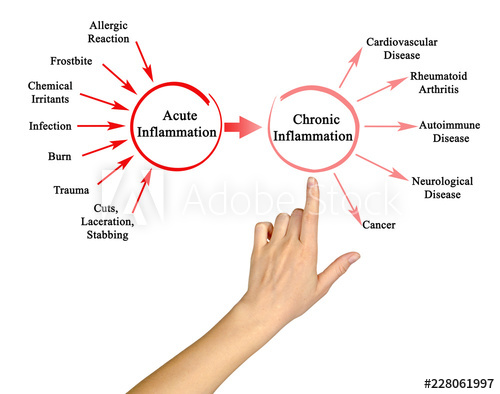
Can vitamin D and fish oil prevent autoimmune disease.? Autoimmune diseases are a category of conditions where an individual’s immune system acts abnormally, often attacking and destroying healthy tissues by mistake. Many triggers can cause an individual’s body to start making components referred to as antibodies. Usually, antibodies help the body fight off infections. However, in patients with an autoimmune disease, attack the body’s healthy tissues instead. These diseases include diabetes type 1, rheumatoid arthritis, lupus, psoriasis, or thyroid disease to name a few (possibly 80 of them) and usually affect women more than men. Symptoms vary, but can include pain, fatigue, skin problems, and other chronic conditions.

Study Methods

The study called the VITAL study was published Jan 26, 2022 in the BMJ was a randomized controlled trial included 25,871 racially diverse people over the age of 50 who were split into two groups. One group took 2,000 IU of vitamin D3 each day; those in another group took 1000 mg of fish oil and a third group took both. Another group took two placebos. The study was blinded – i.e. no one knew which group they were in.

Results

“During a five-year follow-up, participants reported any diagnoses of any autoimmune disease that were verified with medical records.

Compared with a placebo, vitamin D supplementation was associated with a 22% reduced risk of autoimmune disease overall. The improvement was greater (39%) after the first two years of treatment. Fish oil alone showed less robust results, but still showed fewer participants with confirmed autoimmune diagnoses compared with placebo.”

Toxicity

Both vitamin D and fish oil may have some effects due to the ability of each to regulate or tame the inflammatory response that “drive autoimmune disorders.” It is too soon based on one study to make recommendations that people take either vitamin D or fish oil supplements – but those with a strong family history should consult with their primary health care provider about these decisions. The vitamin D dose used in the study is more than twice the recommended daily intake of 600 IU or 800 IU for people 71 and older. WARNING: The consequences of overdoses or toxicity can occur at 10,000 IU daily. It is not necessary to take megadoses of any supplement unless your doctor approves it.

Harvard Women’s Health Watch, Volume 29, Number 10 June 2022.

The Best Foods for Health and Why–Phytonutrients

The Best Cholesterol-Lowering Food: Cruciferous Vegetables.

You can’t go wrong with increasing your intake of plants from the Brassica family – broccoli, cabbage, kale, cauliflower, and Brussel’s sprouts. There are many studies that have found them to provide valuable nutrients and even help to prevent cancer and heart disease. What makes them so powerful?  They are high in dietary fiber, polyphenols (phytochemicals) and provide over 40 phenolic compounds labeled “cruciferous” meaning their leaves grow in a cross-pattern. Cruciferous means “cross”.

The red color of many cruciferous vegetables is significant. Anthocyanins are pigments that cause the red and purple coloring of many kales, cabbage, and other colorful vegetables. How do they lower blood cholesterol? One study found that healthy volunteers a fed a beverage of primarily broccoli and cabbage two times a day for three weeks that showed a significant decrease in the so-called ‘bad” cholesterol, LDL. Follow up studies produced the same results.

What Foods Lower Blood Pressure? One important group is those who contain polyphenols – such as berries. They are a large family of phytochemicals particularly in cardiovascular health. Their benefits come from their antioxidant, anti-inflammatory and blood vessel dilating properties, and immune system functions. All fruits and vegetables contain polyphenols, but certain ones like berries, cocoa, tea, pomegranate, olives, and grapes contain especially high amounts.

Harvard researchers found that anthocyanins were the primary flavonoid associated with polyphenols’ benefits to blood pressure. Just one serving of blueberries per week significantly reduced the risk of high blood pressure by 10% in those over age 60 compared with people in the same age group consuming no blueberries. Anthocyanins are present in other common fruits and berries such cranberries, blackberries, and strawberries.

Source; Harvard Medical School, Best Foods for Women’s Health.

Healthy Eating Plate – Harvard T. H. Chan School of Public Health, The Nutrition Source.

What’s Wrong With the American Diet?

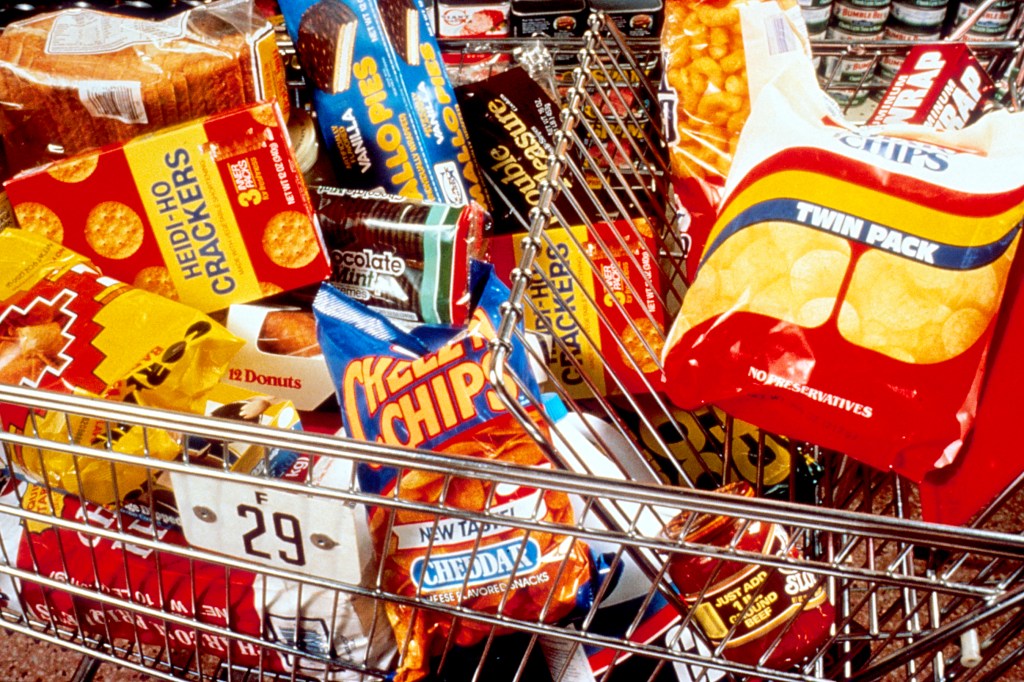
For one thing – it’s too many calories and processed food. Twenty five years ago, the average American consumed about 1850 calories each day. Since then, our daily diet has grown by 304 calories (roughly the equivalent of two cans of soda. That’s theoretically enough to add an extra 31 pounds to each person every year; judging from the ongoing obesity epidemic, many Americans are gaining those pounds — and then some. Obese children who carry the weight into adulthood (1 in 5 young people (ages 6-19) have a higher likelihood of developing hypertension, severe kidney and heart disease, and type 2 diabetes as well as mobility and self esteem issues. What has gone wrong? One thing is the takeover by the food industry of processed convenience food – our snack foods are often breakfast, lunch and even sometimes dinner for a lot of us. These foods are loaded with inflammatory compounds that eventually lead to chronic diseases.

CLICK HERE.

UNHEALTHY PROCESSED FOOD AND SNACKS CAN LEAD TO OBESITY

Going Vegan?

Lose weight and live longer on a vegetarian diet.? From the Harvard Medical School Health Guides

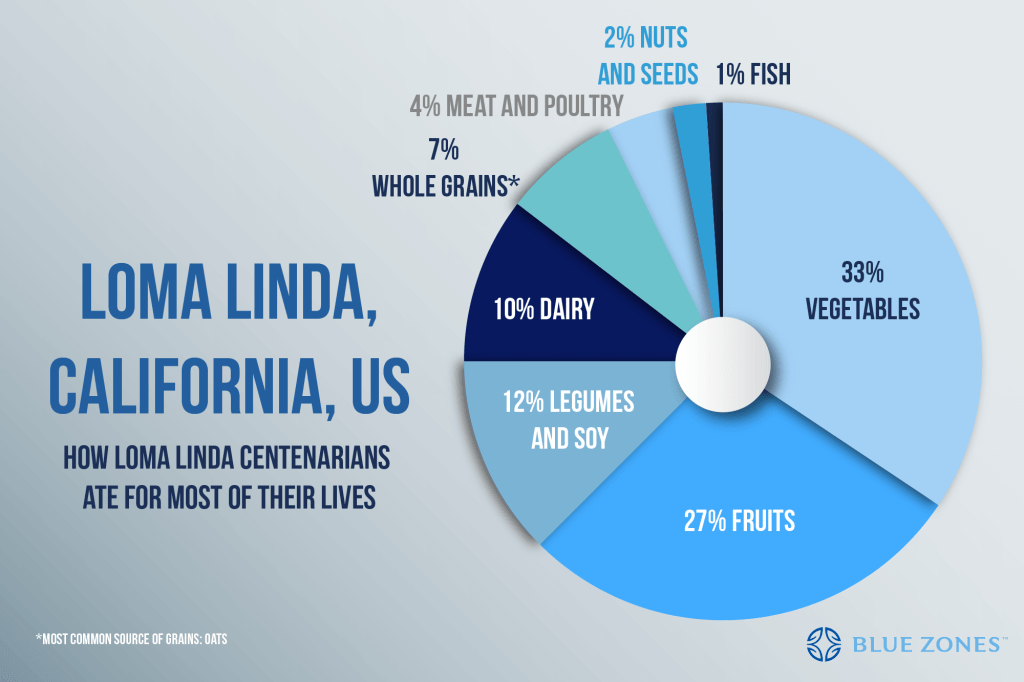
There is a lot of attention being paid to switching to a plant-based diet. There are many published articles and recipes on plant-based diets to achieve a lower body index, lower blood pressure, and reduced risks for heart disease, diabetes, type 2, cancer, and longevity. Plenty of attention is being paid to the health benefits of those centenarians living in the Blue Zones, particularly ones that live in a plant-based environment as well as those with a more modified vegetarian approach. I suggest you search for more posts on these excellent topics on the “Blue Zones” on this blog or check at your local library.

If you’re thinking of going vegetarian but worried about making such a big change, there are several ways to try to see if you can manage a diet with less animal protein.

Here are some options:

  • A flexitarian diet – meat is limited as a condiment and not considered the main attraction. Use vegetables, appetizers instead.
  • Semi vegetarian diet (no red meat)
  • Pescatarian – avoid meat and poultry but eat fish and seafood.
  • Lacto -ovo -vegetarian – skip all meat, fish, and poultry but include dairy and eggs in your diet.

If you’re trying to lose weight -go heavy on fruits, vegetables, and whole grains but limit foods high in saturated fats (ice cream, whole milk, and cheese.) An important aspect of losing weight is often not what you eat – but how much you eat to keep daily calories in check. After all, vegan foods have calories, too. And some are not as healthy as they could be.

In the U.S. Standard diet (SAD) our meals and snacks are taking on gargantuan proportions. “The food industry decided they had to make portions larger to stay competitive and people got used to larger sizes very quickly. Today, normal sizes seem skimpy,” says Marion Nestle, PhD, MPH, Professor of Nutrition and Food Studies at New York University.

When eating out, the transition to a plant-based diet is easier than than you might think. Fill your plate with vegetables – cooked, raw, or in a salad. Check out the sides that are offered. Then gradually introduce all vegetarian meals once or twice a week and if you like, increase it until you are as “vegan” as you want to be. Try a few meals from a local vegan restaurant, then try a few on your own. You may be surprised. Bon Appetit!!


Drinking for Longevity

From the Blue Zones: 9 Lessons for Living Longer from the people who’ve lived the longest by Dan Buettner, page xxii. “Scientific studies suggest that only about 25% of how long we live is dictated by genes, according to famous studies of Danish twins. The other 75% is determined by our lifestyles and the everyday choices we make.” What we drink is only one of them.

CLICK HERE.

Olive Oil and Longevity?

Adding more olive oil to your diet may help prevent an early death.

A recent study from the researchers at the Harvard T.H. Chan School of Public Health was published online Jan. 10, 2022 by the Journal of the American College of Cardiology. Data from 90,000 men and women, free of cardiovascular disease and cancer were asked to complete a dietary questionnaire every four years. At the end of the data collecting, 36,856 of the participants had died.

From the diet questionnaires, it was found that those who routinely consumed the most olive oil – averaging more than one half a tablespoon a day – had the lowest risk of dying during the 28 – year old follow-up period compared with people who rarely or never consumed olive oil.

Olive oil consumers had :

A 19% lower overall risk of death

A 19% lower risk of cardiovascular disease

A 17% lower risk of cancer-related disease

A 29% lower risk of death related to a neurodegenerative condition

A  18% lower risk of death related to a respiratory disease

This may explain why olive oil as a major component of the Mediterranean diet has consistently shown health benefits in numerous studies. The results also suggest that when used as a substitute for products containing animal fat such as butter, we see the same healthy benefits. Bon appetit!!

Is Folate (Folic Acid) Safe?

Folate is a water-soluble vitamin (not stored in the body) and primary food sources include: Fortified, refined grain products (cereals, bread, and pasta), dark green vegetables like collards and romaine, dried beans.

Folate plays key roles during pregnancy in the synthesis of proteins needed for the normal development of fetal tissues including the spinal cord and brain. It also promotes the normal formation of red blood cells. Folate is the form found in foods whereas folic acid is used in vitamin supplements and fortified foods.

The consequences of a deficiency include megaloblastic anemia (abnormally large red blood cells with reduced oxygen capability,) increased rise of neural tube defects, preterm delivery, and elevated levels of homocysteine (associated with heart and brain health). It may mask signs of vitamin B12 deficiency (pernicious anemia).

Until the late 1990’s, neural tube defects such as spina bifida and anencephaly affected approximately 3900 pregnancies in the U. S. each year.Today, public health policies mandate the fortification of certain food with folic acid, the synthetic form of folate, preventing birth defects in thousands of babies.

Research had previously shown that high doses of folate (folic acid) was associated with certain types of cancer.

“The success of the fortification of folic acid program can be seen in the decline in the estimated number of neural tube affected pregnancies that has occurred since the fortification of grains and grain products. In 1994, there were 1.6 cases per 1000 births; in 2001, about 0.9 cases per 1000. Americans were consuming more folate, in the form of folic acid, through food and supplements, causing concern among scientists about possible increased cancer rates, especially for colorectal cancer.” However, is folate safe? Current research says “yes”. Read on:

CLICK HERE.