Assessing the latest U.S. dietary guidelines: Will they be able to make a difference? Sally J. Feltner, MS.,Ph.D
January 20, 2021—Eric Rimm, professor in the Departments of Epidemiology and Nutrition at Harvard T.H. Chan School of Public Health, discussed the recently released 2020–2025 U.S. Dietary Guidelines. Rimm served on the Scientific Advisory Committee in 2010.
What’s your assessment of the new guidelines?
This is the first time that the guidelines include advice for children under two. They now actually address healthy eating across the lifespan. I think this is an important change because of the likely role that early diet plays in laying the foundation for healthy dietary habits and a lifetime of disease prevention. The government made a conscious effort to include more pediatricians on the advisory committee, including Elsie Tavares, who has an appointment in our Department of Nutrition. These guidelines will be used to inform government nutrition policy, so I think that was a good step forward.
What was disappointing to me was that the government decided to take a pass on changing recommendations for daily calories from added sugar. The scientific advisory committee had recommended lowering limits from 10% to 6%, but the official government guidelines kept the recommendation at the upper level.
However, I agreed with the decision to leave out the committee’s recommendation to lower alcohol guidelines for men from a maximum of two daily drinks to one. I was the alcohol expert in 2010, and I believe the science still supports what was in the previous guidelines in 2010 and 2015, that is, up to two drinks a day for men and one for women. I think it is important that if a government body is going to make a substantial change in policy statement about alcohol that it be as scientifically accurate as possible.
Going forward, we need to focus on understanding and promoting healthy drinking patterns. The guidelines are very clear on up to two drinks for men in any given day—not seven on Friday and seven on Saturday. With people drinking a lot more at home during the pandemic, it may be a good time to remind people that binge drinking is harmful.
How can the average person make sense of the guidelines and apply some of the recommendations in their own diets?
The guidelines are primarily aimed at policy makers and academics, so people may find some of the recommendations difficult to translate to their lives. Take counting calories, for example. If you give most people a plate of food and ask them how many calories it contains, they won’t know. I don’t blame them. It’s a really hard thing to think about when you’re making a meal.
I think a perhaps more helpful thing to focus on is eating whole foods instead of processed foods. We know that it’s better for you to eat food in its natural form. Highly processed grains like white bread, for example, strip all the good stuff out. Another important step is to choose healthier proteins—chicken and fish over red meat, or soy proteins over animal proteins.
Much of the guidelines do discuss healthy dietary patterns including the Mediterranean Diet or vegetarian diet. To help make them affordable, you can buy inexpensive proteins like dried beans, and also incorporate frozen fruits and vegetables into your diet.
What nutrition policy changes do you hope to see in the next few years?
In 2015, the advisory committee recommended incorporating sustainability into the dietary guidelines—for example, encouraging a more plant-based diet to lower the production of greenhouse gases. This was not included in the government’s official 2015 guidelines, and it did not improve in 2020. The 2020 guidelines were set up by the Departments of Agriculture and Health and Human Services with very specific parameters around what topics the scientists on the Advisory Committee could address, and sustainability was not listed. Recently, the EAT-Lancet report has really become the source for thinking about sustainability in the way we eat, but I think these conversations still have a place in the guidelines. I’m optimistic that they will eventually be included.
I’m also hopeful that standards around school meals set during the Obama administration, such as lowering amounts of saturated fat and sodium, will be restored. We’re essentially training kids’ palates for unhealthy food for life, which is so disheartening, especially since we know it’s possible to serve healthy school meals that kids will actually eat and enjoy.
Another important area is the federal Supplemental Nutrition Assistance Program (SNAP). Food insecure people in the program should be free to purchase what they want, but I think we are setting them up to fail. We need to provide incentives to help people on SNAP buy healthier food. There is robust evidence to show that if you do this, it works.
Assessing the latest U.S. dietary guidelines: Will they be enough to finally make a difference?
January 20, 2021—Eric Rimm, professor in the Departments of Epidemiology and Nutrition at Harvard T.H. Chan School of Public Health, discussed the recently released 2020–2025 U.S. Dietary Guidelines. Rimm served on the Scientific Advisory Committee in 2010.
What’s your assessment of the new guidelines?
This is the first time that the guidelines include advice for children under two. They now actually address healthy eating across the lifespan. I think this is an important change because of the likely role that early diet plays in laying the foundation for healthy dietary habits and a lifetime of disease prevention. The government made a conscious effort to include more pediatricians on the advisory committee, including Elsie Tavares, who has an appointment in our Department of Nutrition. These guidelines will be used to inform government nutrition policy, so I think that was a good step forward.
What was disappointing to me was that the government decided to take a pass on changing recommendations for daily calories from added sugar. The scientific advisory committee had recommended lowering limits from 10% to 6%, but the official government guidelines kept the recommendation at the upper level.
However, I agreed with the decision to leave out the committee’s recommendation to lower alcohol guidelines for men from a maximum of two daily drinks to one. I was the alcohol expert in 2010, and I believe the science still supports what was in the previous guidelines in 2010 and 2015, that is, up to two drinks a day for men and one for women. I think it is important that if a government body is going to make a substantial change in policy statement about alcohol that it be as scientifically accurate as possible.
Going forward, we need to focus on understanding and promoting healthy drinking patterns. The guidelines are very clear on up to two drinks for men in any given day—not seven on Friday and seven on Saturday. With people drinking a lot more at home during the pandemic, it may be a good time to remind people that binge drinking is harmful.
How can the average person make sense of the guidelines and apply some of the recommendations in their own diets?
The guidelines are primarily aimed at policy makers and academics, so people may find some of the recommendations difficult to translate to their lives. Take counting calories, for example. If you give most people a plate of food and ask them how many calories it contains, they won’t know. I don’t blame them. It’s a really hard thing to think about when you’re making a meal.
I think a perhaps more helpful thing to focus on is eating whole foods instead of processed foods. We know that it’s better for you to eat food in its natural form. Highly processed grains like white bread, for example, strip all the good stuff out. Another important step is to choose healthier proteins—chicken and fish over red meat, or soy proteins over animal proteins.
Much of the guidelines do discuss healthy dietary patterns including the Mediterranean Diet or vegetarian diet. To help make them affordable, you can buy inexpensive proteins like dried beans, and also incorporate frozen fruits and vegetables into your diet.
What nutrition policy changes do you hope to see in the next few years?
In 2015, the advisory committee recommended incorporating sustainability into the dietary guidelines—for example, encouraging a more plant-based diet to lower the production of greenhouse gases. This was not included in the government’s official 2015 guidelines, and it did not improve in 2020. The 2020 guidelines were set up by the Departments of Agriculture and Health and Human Services with very specific parameters around what topics the scientists on the Advisory Committee could address, and sustainability was not listed. Recently, the EAT-Lancet report has really become the source for thinking about sustainability in the way we eat, but I think these conversations still have a place in the guidelines. I’m optimistic that they will eventually be included.
I’m also hopeful that standards around school meals set during the Obama administration, such as lowering amounts of saturated fat and sodium, will be restored. We’re essentially training kids’ palates for unhealthy food for life, which is so disheartening, especially since we know it’s possible to serve healthy school meals that kids will actually eat and enjoy.
Another important area is the federal Supplemental Nutrition Assistance Program (SNAP). Food insecure people in the program should be free to purchase what they want, but I think we are setting them up to fail. We need to provide incentives to help people on SNAP buy healthier food. There is robust evidence to show that if you do this, it works.
Merry Christmas and a HAPPY NEW YEAR from Food, Facts, and Fads
Hard Times, Good Times
Here’s Another Story from Another Era
The 1930’s were a dichotomy of despair and progress. Two grim events dominated the 30’s: the global depression and the rise of Hitler and nationalism in Europe. In the midst of all the upheaval another dramatic change – In 1933, Prohibition was finally repealed. Oh and throw in a disastrous Dust Storm that lasted far too long.
The nation goes gaga over vitamins in the 30s. The only over-the-counter products that outsell them are laxatives. Where is the fiber?
Cooking at home became a necessity and a pastime among middle-aged women who had been forced to let their cooks and servants go. Women’s clubs lunches, afternoon teas, Sunday suppers, potluck dinners, church socials and county fairs were all popular ways to socialize.
Hollywood provided a steady stream of fantasy with Fred Astaire, Ginger Rogers, Clark Gable and Jean Harlow, and Shirley Temple. Cole Porter’s musicals ruled Broadway and Benny Goodman’s dance tunes played on Victrolas everywhere.
Soup Kitchens
For more than a decade known as the Great Depression, reliance on businesses had failed that they could not solve the problems of poverty including hunger. Local governments tried to help the needy, but expenditures, which averaged $8.20 per month per person did nothing to help the thousands more who required federal aid. Thus, organizations like the Red Cross and the Salvation army provided help through soup kitchens and breadlines: 13 million people –25 percent of the population—were unemployed and hungry.
Route 66
Route 66
Despite the odds, America forged ahead and with the opening of Route 66, food establishments like Stuckeys flourished. In the supermarkets, scores of new products were introduced and many still exist today.
When U.S. highway 66 was completed in 1938, it became a vital 2450- mile artery between Chicago and Los Angeles, snaking its way through 8 states. It veered north then south to pass through small towns to link them with more metropolitan cities. With the route, farmers had a pipeline for shipping their food to the big cities and offer help to those trapped by the tragic Dust Bowl that filled the lives of those farmers in that area. Stukeys gets its start when William and Ethyl Stuckey open a roadside stand in Georgia to sell pecans to motorists en route to and from Florida.
Shopping carts
I suppose no one is terribly interested in the history of the shopping cart; however, it is an appliance of sorts we could not do without. So here goes: Slyvan Goldman, owner of the Standard Food Markets and Humpty Dumpty in Oklahoma City, devised a shopping cart by fabricating lawn chairs into a frame that held two hand baskets. He figured if the shoppers could carry more, they’ll buy more. But the first shopping cart is a hard sell. Men found the carts less than masculine and women don’t see the point – they’re accustomed to shopping often. Finally Goldman pays ‘shoppers to cruise stores using the carts.
Kraft Dinner
In 1937, Spam is introduced – yes it’s still here. Kraft rolls out Kraft Dinner – a boxed meal that sells for 19 cents with an advertising slogan of “A Meal for Four in Nine Minutes”. At the end of the century, 1 million boxes a day of Kraft Macaroni & Cheese are sold in the U.S. Talk about processed food?? Apparently this has pleased the palates of our younger citizens for decades.
Fritos
San Antonio candy-maker C. Elmer Doolin stops in a café for a sandwich and is served a side dish of corn chips. He pays the café owner for $100 for his converted potato ricer and the recipe for “tortillas fritas”. Fritos are born, as Doolin and his family begin producing 10 pounds per day. They eventually move their operation to Dallas. Fritos Corn Chips are introduced nationally in 1949.
At the end of the decade, WW2 was boiling in Europe with America waiting in the wings. The “Bad Times” were just beginning.
As cultures tend to mingle and assimilate throughout the world they blend with the so called American diet (cheeseburgers) and bring with them their ethnic uniqueness, for example, about 25% of all restaurants in the U.S. have an ethnic theme. To study these inflences, we need to be aware of the nature of their traditional diiets as well as how they have changed within the cultures due to migration to the new way of eating,
Native American Influences
“Studies have lshown that the diseases that affected these societies differed signifantly from the diseases in North American societies today. For example, Alaskan natives who sill eat the traditional diet have cardiovascular diisease rates lower than those in the general North American population. Younger generations of Alaskan natives, however, who usually do not eat the traditional diet have developed cardiovascular diseases at rates similar to North American in general. This diet is often also called the “Western Diet”. It is also true of the Pima Indian tribe in Arizona compared to their counterparts in living in Mexico.” You can search Pima Indians on this blog from Food, Facts, and Fads.
Hispanic Influences
“Mexican cuisine today shows regional variety. In Southern Mexico, savory sauces and stews and corn tortillas reflect the native heritage. Yucatan cuisine follows Mayan tradition, with fresh produce adding color, flavor and nutrition to authenic Mexican dining. Traditional Mexican is healthful in that is high in complex carbs, beans, fruits and vegetables, particularly rich in vitamins A and C.”
Today true Mexican cooking bears little resemblance to the dishes usually found in “Mexican restaurants in North America. Usually it is based primarily on rice and beans. Restaurant Mexican foods tend to use large portions of meat as well as added portions of high-fat sour cream, guacamole, and Cheese to many dishes.”
Northern European Influences
Immigrants from Western Europe are responsible for the “meat-and-potatoes traditional manner of home cooking. This group contained large groups from The English, French, and Germans. A sizable portion of meat arranged with vegetables and potatoes that could be a dinner plate of boiled, mashed vegetables, sauerkraut, boiled or mashed still is the favorite of many Northern European diners.
The traditional pattern provides abundant protein, starch, and dairy nutrients. However, the protein contains insufficient amounts of whole grains, vegetables and fruits or whole grains. Many people from these cultures eat less than healthy dishes combined with high-fat versions that contribute to the high rates of heart disease and obesity and cancers.
African Influences
The “soul food” of African Americans is the basis of the regional cuisines of the southern U.S. African American women. The combination of these foodways with Native America, Spanish and French traditions produced Cajun and Creole cuisines enjoyed today in Louisiana and through out the nation. Pork and corn products were the basis of soul food. Today we all enjoy it as barbecued meat since many enjoy the foods brought from Africa as well as yams, African sweet potatoes, okra, and peanuts. Corn was ground for cornbread, greens like collards, mustard, and turnip and kale. were usually cooked with a small portion of smoked pork as well as black-eyed peas. This diet is obviously high in unhealthy components as well as increased heart disease and cancer. For example, the South east states of the typical American or “Western’ diet” is often called “The Stroke Belt? indicating diets high in calories and/or sodium.
Asian Influences More than 200 different vegetables are used in the Chinese cuisine, bok choy and other forms of Chinese cabbage are perhaps the most widely eaten vegetable in the world. Rice is the core of the diet in southern China, home to the Cantonese culture whereas in Northern China wheat is used to make noodles. China is the original home of pasta, bread, and dumplings. Stir fried includes hot pot stews containing many vegetable mixtures and protein sources like legumes, nuts and seeds.
Chinese migration to North America began with the California gold rush in the middle of the 19th century. Chinese workers brought with them food preparation that tended [o to contain nutrients, as well as a variety of sauces and seasoning, used today in Chinese cookery. North American restaurant versions of Chinese dishes are generally not authentic. Such food is often prepared with far more fat than true Chinese cooking which tends to use flavorful but fat free sauces and seasonings. The restaurant versions of Chinese dishes also contain much larger portions of protein.
Ethnic food shows us how our attitudes, practices and rituals around food reflect our most basic beliefs about our world and ourselves. The meaning of food sheds light on who we are as Americans. “We do not sit at a table only to eat, but to eat together. — Plutarch
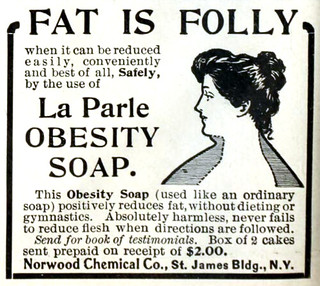
Nutrition Confusion: The Roaring Twenties. This is the decade of the 20’s – or more simply “the battle of the bulge” (and I don’t mean WW2 )
”Mary Pickford, Theda Bara, and Rudolf Valentino, the era’s movie idols, promoted the idea of being thin. This replaced the “plump” image of the previous decade, exemplified by Diamond Jim or Lillian Russell, a couple of decades ago. Lillian Russell could easily compete at the dinner table with her companion, Diamond Jim!!! She was one of the greatest beautifies of all time and weighed about 200 lbs. He died of a heart attack at the age of 61.
Home economic classes and a plethora of women’s magazines helped America on its new ideal of body image – the war against fat. “What ever happened to home ec classes? Maybe we should should revisit them?
“American women were ready to cut their hair, step out into jobs, and have a good time.” But, at the same time, American women were becoming dependent on their own cooking and household skills. The result was that between 1921 and 1929, the home appliance industry tripled its output. The kitchen was considered the workstation whereas; eating was almost always done in an adjoining breakfast room or dining room.”
“The May issue of Women’s Home Companion publishes an article that includes the lines, “with the revolution in clothes has come a revolution in our attitude toward avoirdupois (weight). Once weight was an asset: Now it’s a liability, both physical and esthetic.” This reflects a new attitude of women with a new body image.
Looks Good Enough to Eat
By 1927, there were 20 million cars cruising over 600,000 miles of roads connecting U.S. cities and towns. All those drivers needed to eat somewhere, and to get their attention on the open road, restaurants took on a whole new shape – literally. Diners and coffee shops were built to look like doughnuts, ice cream cones, coffeepots, hot dogs and yes, pigs. While these establishments provided only mediocre food, they supplied plenty of atmosphere and maybe even more important, offered quick and consistent meals. The whimsically shaped spots would pave the way or the drive-ins and chain restaurants of the future. I think the “weiner-mobile still exists?
Fast Food
The first White Castle hamburger stand opens in 1921 in Wichita, Kan. The white of the stones suggest cleanliness; the castle facade suggests stability. The little burgers cost 5 cents apiece and are marketed with the slogan “Buy ‘em by the sack.” Paper napkins come on the market in 1925, and the White Castle locations follow by developing folding paper hats that can changed often. “Program-mic” hot dog-shape kiosks and cone shape stands architecture becomes the rage in restaurants.”
Flappers and the 1960’s (Enter Twiggy)
No one knows how the word flapper entered American slang, but its usage first appeared just following World War I. The classic image of a flapper is that of a stylish young party girl. Flappers smoked in public, drank alcohol, danced at jazz clubs and practiced sexual freedom that shocked the Victorian morality of their parents. Many pictures depict them wearing a tight-fitting cloche. This led to the visit to the “speakeasies” that brought on the answer to Prohibition. Cocktails became a common beverage — dry martinis, anyone?
But as the future evolved into the 1960s, ‘Little be known but we now claimed and adored an icon named “Twiggy”. “Throughout the coming 20 years into the 20s and even to this day, writes historian, Carolyn Kitch,” the ideal female body was once again of a preadolescent girl much like a flapper”. It was a real young woman, a British model known as Twiggy. She was 5 ft. seven inches stall and reportedly weighed 91 pounds, which gave her an almost unheard body mass index of 14.3. Normal is considered to be about 26 to 30 for a “healthy weight and body type.” Source: Gina Kolata. Rethinking Thin: The New Science of Weight Loss and Realities of Dieting. 2007.
However, the good times were all about to change – in October, 1929, the stock market crashed and the country was faced with the worst economic trial of its history. So much for Twiggy.
FOOD AND CULTURE Ethic influences on the North American Diet
As cultures tend to mingle and assimilate throughout the world they blend with the so called American diet (cheeseburgers) and bring with them their ethnic uniqueness, for example, about 25% of all restaurants in the U.S. have an ethnic theme. To study these influences, we need to be aware of the nature of their traditional diets as well as how they have changed within the cultures due to migration to the new way of eating,
Native American Influences
“Studies have shown that the diseases that affected these societies differed significantly from the diseases in North American societies today. For example, Alaskan natives who sill eat the traditional diet have cardiovascular disease rates lower than those in the general North American population. Younger generations of Alaskan natives, however, who usually do not eat the traditional diet have developed cardiovascular diseases at rates similar to North American in general. This diet is often also called the “Western Diet”. It is also true of the Pima Indian tribe in Arizona compared to their counterparts in living in Mexico.” You can search Pima Indians on this blog from Food, Facts, and Fads.
Hispanic Influences
“Mexican cuisine today shows regional variety. In Southern Mexico, savory sauces and stews and corn tortillas reflect the native heritage. Yucatan cuisine follows Mayan tradition, with fresh produce adding color, flavor and nutrition to authentic Mexican dining. Traditional Mexican is healthful in that is high in complex carbs, beans, fruits and vegetables, particularly rich in vitamins A and C.”
Today true Mexican cooking bears little resemblance to the dishes usually found in “Mexican restaurants in North America. Usually it is based primarily on rice and beans. Restaurant Mexican foods tend to use large portions of meat as well as added portions of high-fat sour cream, guacamole, and Cheese to many dishes.”
Northern European Influences
Immigrants from Western Europe are responsible for the “meat-and-potates traditional manner of home cooking. This group contained large groups from The English, French, and Germans. A sizable portion of meat arranged with vegetables and potatoes that could be a dinner plate of boiled, mashed vegetables, sauerkraut, boiled or mashed still is the favorite of many Northern European dinners.
The traditional pattern provides abundant protein, starch, and dairy nutrients. However, the protein contains insufficient amounts of whole grains, vegetables and fruits or whole grains. Many people from these cultures eat less than healthy dishes combined with high-fat versions that contribute to the high rates of heart disease and obesity and cancers.
African Influences
The “soul food” of African Americans is the basis of the regional cuisines of the southern U.S. African American women. The combination of these foodways with Native America, Spanish and French traditions produced Cajun and Creole cuisines enjoyed today in Louisiana and through out the nation. Pork and corn products were the basis of soul food. Today we all enjoy it as barbecued meat since many enjoy the foods brought from Africa as well as yams, African sweet potatoes, okra, and peanuts. Corn was ground for cornbread, greens like collards, mustard, and turnip and kale. were usually cooked with a small portion of smoked pork as well as black-eyed peas. This diet is obviously high in unhealthy components as well as increased heart disease and cancer rates. For example, the South east states of the typical American or “Western’ diet” is often called “The Stroke Belt? indicating diets high in calories and/or sodium.
Asian Influences More than 200 different vegetables are used in the Chinese cuisine, bok choy and other forms of Chinese cabbage are perhaps the most widely eaten vegetable in the world. Rice is the core of the diet in southern China, home to the Cantonese culture whereas in Northern China wheat is used to make noodles. China is the original home of pasta, bread, and dumplings. Stir fried includes hot pot stews containing many vegetable mixtures and protein sources like legumes, nuts and seeds.
Chinese migration to North America began with the California gold rush in the middle of the 19th century. Chinese workers brought with them food preparation that tend to preserve nutrients, as well as a variety of sauces and seasoning, used today in Chinese cookery. North American restaurant versions of Chinese dishes are generally not authentic. Such food is often prepared with far more fat than true Chinese cooking which tends to use flavorful but fat free sauces and seasonings. The restaurant versions of Chinese dishes also contain much larger portions of protein.
Italian Influences
Pasta is the heart of the Italian diet. Italians eat six times more of it than do North Americans. Although some components of the Italian diet contain substantial amounts of saturated fat, we now know that other components, such as pasta, olive oil, and vegetables can contribute to healthy diets. Italian traditional diets do combine healthy food along with fat in the diets and seem to handle the diet just fine. Italians lean to a diet pattern called the Mediterranean Diet. This is a plan based on food choices like those traditionally found in the simple cuisine of Greece and Southern Italy. It now allows up to 35% of total calories in Northern Italy, the more affluent part of the country, and is the principal producer of meat and dairy products, such as butter and cheese. Rice dishes such as risotto, are popular there. Fish is more important in regions near the sea and lighter foods, such as fresh vegetables are prepared with herbs, garlic and olive oil, are characteristic. The poorer regions south of Rome, as well as the island of Sicily, have a diet rich in grains, vegetables, dried beans and fish, with little meat or oil. Olive oil is the preferred fat.
Note: “It is impossible to define a healthy diet with the space found in this post due to the diversity of many combined cultures and regions. However, it can be simply stated with the seven words from Micheal Pollan, author of “In Defense of Food: An Eater’s Manifesto: Eat Food. Not too Much. Mostly Plants..” I would add Bon Appetit. AMEN!!! (SJF)
Source: Gordon M. Wardlaw. Contemporary Nutrition, Issues and Insights . Fifth Edition
Every once in a while, it is fun to go back into history and rediscover the fads that were popular then – the story of Bernaar MacFadden is one of them. He was however, very successful and in my opinion, a very fascinating human being.
“In 1913, twenty year old Mary Williamson, a runner and muscular swimmer was crowned “Great Britain’s Perfect Woman and as part of her prize was a job offer from fitness guru, forty-four year old, Bernarr MacFadden. The job involved a traveling physical fitness show billed as “The World’s Healthiest Man and Woman.” They performed feats of physical prowess with the big finale featuring Mary’s nightly jump from a seven-foot platform onto MacFadden’s stomach. Another “prize” was becoming Bernarr’s third wife. He proposed one day when the pair was halfway through a ten-mile run and when she accepted, she recalled: “He stood on his head on me for one minute and four seconds.” Who was this man?
EARLY YEARS
Bernarr MacFadden was a man that brought physical culture to America and Europe. “He stood five foot six inches tall and built a fortune from often, but not totally, misinforming the public about nutrition and health.. He was born in 1868 on a farm near Mill Springs, Missouri where his father died when he was four from chronic alcohol consumption.
Bernarr, a sickly boy, was raised by a TB-ill mother who sent him away to a cheap boarding school. He later referred to this school as the “starvation school”. Bernarr remembered often having peanuts as his only source of nourishment. His mother died from tuberculosis when he was eleven and Bernard, (he changed his name later to Bernaar) was sent to a northern Illinois farm to work for two years where his heath improved. He was then shipped off to St. Louis where his waiting relatives welcomed him, namely Uncle Harvey.
When walking in downtown St. Louis with his uncle one day, he discovered the Missouri Gymnasium and was impressed by the posters of musclemen displayed there. “The sickly young Barnard swore an oath: I’m going to be like them. I’m going to look like them.”
Bernarr obtained a copy of How to Get Strong and Stay So, a bestseller in 1879 written by William Blaikie, a strongman and endurance athlete. He was further inspired to follow his dream; therefore, in the spring of 1891, Bernarr hung a shingle out that read:
“BERNARR MCFADDEN – KINISITHERAPIST
TEACHER OF HIGHER PHYSICAL CULTURE”
He declared himself a “teacher of physical culture” to become the nation’s first personal trainer. He made up the term, kinisitherapist. No one knew what he meant.
BELIEFS
MacFadden’s core belief mimicked the philosophy of Sylvester Graham that blamed toxins, improper diet and exercise habits, lack of sunshine and the use of tobacco and alcohol to be the reasons for most diseases. Bernard despised white flour and called it “dead food” and said: “ I saw that white bread was frequently condemned and I whenever available, secured whole wheat or Graham bread.” He did not, however, carry on the sexual restrictions of Graham.
He began a lecture series on physical culture and put up posters and small ads in the local newspapers. Each lecture started with Macfadden dressed only in a loincloth posing artistically in front of a cabinet lined with black velvet and lit from below to make him appear larger than he was. His lectures became popular in both the U.S. and Europe.
He taught his nation-wide audiences that fresh fruits, vegetables, and whole grains were vital to good health. Today we know that his teachings about diet were relatively accurate in an era when nutrition knowledge was meager. He was not a true vegan, but used meat sparingly. His favorite food was carrots and he dutifully avoided sugar foods such as candy, cakes, pies and ice cream. He advocated eating only two meals a day and preached moderation while fasting once a week. There are some advocates that now suggest the same regimen. He did not believe in pasteurization or homogenization of milk. He said that milk could cure many diseases. He avoided alcohol, tobacco. Of course, he advocated brisk walking, lifting weights, and prescribed calisthenics. Today’s body builders consider him the “father of physical culture.”
MacFadden published a culture magazine called Physical Culture. In 1901, he wrote: “Every disease in the human body is simply an endeavor on the part of the body to correct an abnormal condition…. It is the presence of impurities in the blood that make the production of a cold possible…Disease germs consume these poisons, or render them harmless.” By 1910, he ruled over a physical fitness empire. The empire included spas called “healthatoriums”, Physical Culture City and then Physical Culture University. He continued by promoting raw foods and salads every day and used fresh fruits to keep the intestines “antiseptic” to avoid autointoxication. He continued to avoid processed white sugar and flour.
LATER YEARS
His empire began to crumble. Research led to more knowledge about food components such as vitamins and minerals in the nutrition field. People began to lose interest in MacFadden’s ideas and his popularity declined.
In the final decade of his life, his previous wealth dwindled. He did not give up, however. He jumped out of a plane on his 83rd birthday; he did the same stunt the next year. In 1955, he was 87 and was experiencing liver and urinary tract problems. He fasted to treat his condition, but ironically died three days later due to complications from jaundice and dehydration.
LEGACY
Bernaar MacFadden was one of the most flamboyant and bizarre personalities in American culture; yet many people have forgotten him or have never heard of him today. He was the first food crusader to be known internationally and single-handed created the health and fitness awareness for millions of people. He continued to support detoxing and fasting that carried on the principles of Sylvester Graham. Even though some considered him a “quack,” he fought against medical quackery that began in the early 20th century. At the same time, he supported the medical practices of chiropractic and osteopathic treatments. In many aspects of his career like publishing and advertising, he was truly a genius.
The above link about Woodstock tells the story most vividly about what the sixties were all about.
“The decade started graciously enough – by the end of the decade we were given a health-food movement based on partly by Rachel Carson and her book, Silent Spring and environmental pollution (DDT) and the hippie lifestyle of communal, back-to -nature living. The hungry and disenfranchised made their plights public with lunch-counter sit-ins and the Poor People’s March on Washington. These acts began the civil rights movement in 1960; CBS profiles the plight of migrant farmers in California.
Our cultural past changed when the Immigration Act of 1965 begins the influx of millions of people from China, Hong Kong, Taiwan, Japan, Korea, Thailand, Eastern Europe, the Philippines, India, the Middle East, Africa, Mexico, and Central and South America.
On the other side, humor was in full force. “Happiness is …finding two olives in your martini when you’re hungry,” writes Johnny Carson in Happiness Is a Dry Martini (Doubleday, 1965).
There were other notable events that formed this decade. From Bon Appetit, Sept. 1999.
The above link about Woodstock tells the story most vividly about what the sixties were all about.
Our cultural past changed when the Immigration Act of 1965 begins the influx of millions of people from China, Hong Kong, Taiwan, Japan, Korea, Thailand, Eastern Europe, the Philippines, India, the Middle East, Africa, Mexico, and Central and South America.
On the other side, humor was in full force. “Happines is …finding two olives in your martini when you’re hungry,” writes Johnny Carson in Happiness Is a Dry Martini (Doubleday, 1965).
There were other notable events that formed this decade. From Bon Appetit, Sept. 1999.
The White House: The Kennedy Years
“From the moment Jacqueline and John F. Kennedy moved into the White House in 1961, the world could see that a new generation had arrived. With their keen interest in history, literature, the arts, food and entertaining, the youthful, scholarly, charismatic Kennedys roused stodgy Washington by setting new standards in everything from clothing to table decor and cuisine.” The First Lady hired a French Chef and the “Kennedys hosted legendary dinners with dance, concerts, poetry readings, performance of Shakespeare, and other entertainment that showcased the best America had to offer.”
Kennedy wedding
The Kennedy years were often referred to “Camelot” sadly came to an end with the assassination of the President on November 22, 1963.
The French Cooking Invasion – From Bon Appetit, September, 1999
“In the 1960s, Americans learned to cook French food and Julia Child was their teacher.. With her distinctive voice and down-to-earth manner, Child rose to national fame as the host of “The French Chef” television series….an unpretentious graduate of the Cordon Bleu cooking school in Paris…Julia is at ease in front of the camera, taking some delight” in her own goofs in the kitchen. Please pass the butter!!!!
One more thing:
The Beatles invaded the U.S. in 1969 with their music. Ringo Starr, Paul McCartney, John Lennon, and George Harrison, became rock and roll legends by doing everything else in a new way. Just in one decade – The World was alive again!!!
In England, William Banting consulted Dr. William Harvey for weight loss who recommended he cut most sugar and starch from his diet since foods containing those substances tend to create body fat. He lost 50 pounds and wrote the first diet book, “Letter on Corpulence Addressed to the Public” in 1862.
1898
Horace Fletcher loses 42 pounds by advocating that we need to chew food about 32 to 80 times before being swallowed and it should be in liquid form. He later became known as “The Great Masticator”.
1918
Dr. Lulu Hunt writes the first best selling diet book, “Diet and Health with a Key to the Calorie”. She promoted calorie counting over her entire life.
1919
The Continental Scale Company produces the first bathroom scale called the “Health O Meter”.
1929
A cigarette advertisement tells women to “reach for a Lucky instead of a sweet”. Another slogan says: “Light a Lucky and you’ll never miss sweets that make you fat”.
1930
The “grapefruit diet” also known as “The Hollywood Diet” is promoted which involves eating only 585 calories a day for 18 days with boiled eggs, green vegetables and Melba toast.
1936
Self-proclaimed diet guru Victor Lindlahr reaches thousands via the radio to produce his regular broadcasts entitled “reducing party”. He wrote the book You Are What You Eat, one of the earliest texts of the health food movement in the United States, which sold over half a million copies and introduced the phrase still used today.
1942
The Metropolitan Life Insurance Company published standard weight tables for “ideal weight”. The charts used weight, height, frame size, and gender but only used data from life insurance policyholders.
1948
Amphetamines were first prescribed for some obese patients but later research determined that these were dangerous. Amphetamine –like drugs are still used today in a limited fashion.
1958
Saccharin, the first manufactured artificial sweetener is produced and becomes a popular sugar substitute. It is still used today after years of research that absolved critical reports of its cancer connection.
1961
Weight Watchers was born as a result of Jean Nidetch and several friends who met in her apartment to offer each other support about dieting.
1967
Twiggy, 5’7” and weighing about 92 pounds becomes a supermodel and icon for the slender female.
1972
Dr. Atkins introduced his first “Diet Revolution”, a high protein, high fat, low carbohydrate diet.
Richard Simmons opens Ruffage and the Anatomy Asylum, a Beverly Hills restaurant and exercise studio. He quickly becomes known as a fitness and diet guru.
1978
Dr. Herman Tarnover introduces the “Complete Scarsdale Medical Diet”, another version of the high protein, low-carb diet.
1979
The Pritikin Diet answers the trend of the high protein, low – carb diets with a high fiber, very low fat diet. The system was originally designed for heart patients but became popular for those who followed the newer trend of the low –fat diet approach.
1981
The Beverly Hills Diet is introduced – it recommends eating nothing but fruit for the first 10 days.
1982
Aspartame is introduced as another alternative sugar substitute. It was marketed as NutraSweet and is still used today in many products.
Liposuction is performed in the U.S. for the first time and now becomes a popular cosmetic procedure for the obese.
1983
Jenny Craig is formed which sells their own line of diet foods and offers diet counseling. Nutrisystem soon followed.
1988
Oprah Winfrey loses 67 pounds on the liquid diet Optifast.
1994
The FDA mandates that food labels must include detailed information about calories, fat, and fiber. We must thank Dr. Lulu Hunt Peters for this.
1995
“The Zone Diet” is introduced by Dr. Barry Sears. He promotes eating lots of fruits and vegetables and protein, while cutting back on breads and pastas.
1996
It is reported that 40% of nine and ten-year-olds are dieting and trying to lose weight.
2000
Experts are stating that there is now a global epidemic of obesity and that for the first time in history, this number of overweight people equals the number of underfed and undernourished.
2002
Dr. Atkins introduces his second diet book, the “New Diet Revolution” to a new generation of dieters. The Low-carb diet is back after multitudes of diet books promoting low fat diets.
2013
It appears we may have come full circle – we are now promoting cutting sugars and counting calories (again). We have progressed from low carbohydrate, low fat, and low carbohydrate diets again along with some pretty scary schemes, e.g. the tapeworm diet. Many weight loss books, gimmicks and pills have come and gone over and over again and many still exist, but with no real breakthroughs. I doubt they will not end at least in the near future – what do you think?
2023
For the last 10 years, we as a culture have waged a new diet war – Keto diet, paleo diets are the latest “experiments,” trending to the low carb side with higher fat – right back where we started. According to Bittman and Katz, “everything we learned in the late 20th century, the range for fat is considerably broader.” There are claims for good outcomes with diets that have 10% or less of calories from fat (like in Okinawa); those would be the low fat-diets. There are the Mediterranean diets that get well over 40% of their calories from fat and seem to produce the same great health outcomes.” (Mark Bittman and David L. Katz, M.D. How to Eat: All Your Food and Diet Questions Answered.)
Source:
James Trager(1995) The Food Chronology: A Food Lover’s Compendium of Events and Anecdotes, From Prehistory to the Present.
“The 1950s was an era of great upheaval in the United States. By the millions, Americans who had just survived two decades of economic depression and war left the cities for the greenery and open spaces of the suburbs. Suburban towns sprang up like crabgrass across the country. With these instant communities came a new American lifestyle that included suburban malls, fast-food restaurants, TV dinners, drive-in movies, and an oversized, gas-guzzling car in every garage.
“The decade was a time in which the roles within the “ideal” American family were clearly defined. The father was the breadwinner. Five days a week, fifty weeks a year, he donned his gray flannel suit, hopped into his car or on a commuter train, and headed off to earn money to support his wife, his ever-growing family, and their materialistic lifestyle. Meanwhile, his “little woman” remained home and raised the kids. Life was simple and ordered, and the cornerstone of society was authority. Teachers, police officers, politicians, and clergy were respected, and their pronouncements went unchallenged.
During previous generations, young people had been required to take jobs as soon as they were able, in order to contribute to the family income. Now, their parents indulged them with toys, games, and clothes. Girls collected dolls and stuffed animals, while boys amassed shoeboxes filled with baseball cards. The 1950s, like all other decades, saw its share of fads. In mid-decade, children wore coonskin caps. At the end, they played with hula hoops. When they became adolescents, they bought records; they also sipped malts and downed hamburgers at the local ice cream parlor. Teens and young adults dated, paired off, and “went steady,” which were preludes to becoming engaged, marrying, and beginning families of their own.
However, the decade was not without its nonconformity and rebellion. Parents were none too pleased when their adolescent children embraced rock ‘n’ roll music. Not all teens were clean-cut preppies; greasers sported longish hair and leather jackets and exuded a disdain for authority. On a more telling note, blacks, who had been systematically excluded from the burgeoning middle class, began demanding equal opportunity. But to the majority of Americans in the 1950s, adolescents with attitude and complaining minorities seemed little more than a ripple on the national landscape. There seemed to be no end to the nation’s prosperity.”
Life Was Good
If Happy Days taught us anything, it’s that life was better in the fifties. People left their door unlocked at night, kids respected their elders and a guy who lived above his best friend’s garage could still be cool so long as he owned a leather jacket. (AUTHOR UNKNOWN) – BUT TRUE!!! If you were alive, just remember Fonzy.
Note: from SJF. Women were still thought of as “being in the kitchen” “During an interview for college, the so-called counselor said: “home Ec is always good for a girl.” Needless to say, I switched to Arts and Sciences.”
However, kitchens featured all new appliances and refrigerators loaded with convenience products from the new supermarkets. Westinghouse unveils the first fully automatic defrosting refrigerator-freezer. In Corbin, KY, Colonel Harland Sanders closes his fried chicken restaurant and goes on the road with his secret blend of 11 herbs and spices, on his way to building a new chicken global empire, designated as “finger-licking good.
Men found their cooking skills at the barbecue in the backyard, some with swimming pools at suburban ranch-style homes. In 1952, George Stephen, decided to develop a new type of BBQ grill that is not an open grill. His sales go well and at the end of the decade, he buys out the BBQ division at Weber Brothers Metal Works and creates Weber-Stephen Products Co. Weber grills are still popular today.
TV Dinners
After WWII, America’s economy boomed, women entered the workforce as never before and food got a little strange. Housewives spent less time in the kitchen, so food companies came to the rescue with a buffet of processed foods. Foods were purchased in a can, package or pouch. Soups were available as liquids or in dry form. Tang landed on supermarket shelves and frozen dinners laid on trays in front of TV sets. TV dinners were introduced in 1953 by Swanson and with a flick of a wrist you could turn back the foil to display turkey in gravy, dressing, sweet potatoes, and peas ready in about 30 minutes – all with no dishes to wash.
Better Living Through Chemistry
“Better Living through Chemistry” was the slogan of the times along with “I like Ike” referring to the popular Dwight D. Eisenhower, the 5-star general from WWII winning the U.S presidency from 1953 to 1961. This change in processing came from the demand of the Army during WWII to provide needed ready-to-eat meals. The food industry responded by ramping up new technologies in canning and freeze-drying to feed the troops. The marketing of these foods presented a challenge, however. At first, many of them were less than palatable, so food companies hired home economists to develop fancy recipes and flooded magazines, newspapers and TV with ads to broadcast their virtues. Actually the first cake mix was available in 1931, but was met with disdain due to the use of dehydrated eggs, e.g. Women later would respond more favorably if they could crack their own eggs into the batter so they would feel like they were doing something positive in the kitchen.
People rushed to buy appliances, houses, cars, dishwashers, washing machines, dryers and backyard barbecue grills and new home freezers. They also bought television sets in record numbers and watched shows that represented their new idealized lives like Ozzie and Harriet and Leave It to Beaver. Beaver’s mother, June Cleaver was depicted as a housewife freed from household chores and often was serene and perfectly dressed with pearls and high heels pushing a vacuum cleaner and putting meals on the family table, all before solving the family problems.
Fast Food Nation
The birth rate soared and created what is known as the Baby Boomer Generation. Fifty million babies were born from 1945 to 1960. Food marketing shifted to kids with Tony the Tiger and fish sticks leading the campaign. Fast food had its beginnings strengthened in 1955 when Ray Kroc bought a hamburger stand from the McDonald’s brothers in San Bernadino, California. Disneyland opened in 1955 and was so popular they ran out of food on the first day.
The Seven Countries Study
In 1958, the American scientist, Ancel Keys started a study called the Seven Countries Study, which attempted to establish the association between diet and cardiovascular disease in different countries. The study results indicated that in the countries where fat consumption was the highest also had the most heart disease. This suggested the idea that dietary fat caused heart disease. He initially studied 22 countries, but reported on only seven: Finland, Greece, Italy, Japan, The Netherlands, United States, and Yugoslavia.
The problem was that he left out:
Countries where people eat a lot of fat but have little heart disease, such as Holland and Norway and France.
Countries where fat consumption is low but the rate of heart disease is high, such as Chile.
Basically, he only used data from the countries that supported his theory. This flawed observational study gained massive media attention and had a major influence on the dietary guidelines of the next few decades, i.e. cut the fat out of our diets.
The First Artificial Sweetener
In the diet world, Saccharin was manufactured in granules and became a popular sugar substitute for dieters. It was first produced in 1878 by a chemist at Johns Hopkins University, but became popular after sugar shortages in WWI and WWII. In the United States, saccharin is often found in restaurants in pink packets as “Sweet’n Low”. It was banned later but it remains on the market today. The basis for the proposed ban was a study that documented an increase in cancer in rats being fed saccharin. The “Delaney clause” of the Food Additive Amendments to the Federal Food, Drug, and Cosmetic Act states that no substance can be deemed safe if it causes cancer in humans or animals. In suspending the proposed saccharin ban, Congress ordered that products containing the popular sweetener must carry a warning about its potential to cause cancer. The FDA formally lifted its proposal to ban the sweetener in 1991 based on new studies, and the requirement for a label warning was eliminated by the Saccharin Notice Repeal Act in 1996.
1954 Employee Gerry Thomas from the C.A. Swanson Co, has an idea (although fellow workers nearly laughed him out of the Omaha plant): package the left-over turkey, along with some dressing, gravy, cornbread, peas and sweet potatoes into a partitioned metal tray, sell it frozen, and consumers could heat it up for dinner. His name for the leftover meal: TV Dinner.
1955 Milkshake-machine salesman, Roy Kroc tries to persuade Dick and Mac McDonald (owner of the original McDonald’s in California) to franchise their concept. They aren’t interested but tell Kroc to go ahead and try his hand. Kroc opens his first restaurant in Des Plains, ILL., and eventually buys out the McDonald’s.
1958 Eighteen- year-old Frank Carney sees a story in the Saturday Evening Post about the pizza fad among teenagers and college students. With $600 borrowed from his mother, he and his fellow Wichita State classmate, opens the first Pizza Hut in Wichita, KS.
Nutrition was beginning to gain some attention as healthy eating became new a topic of discussion. Gaylord Hauser. Author of Look Younger, Live Longer, who promoted such “wonder” foods as yogurt, wheat germ and brewer’s yeast… Adelle Davis and her book Let’s Eat Right to Keep Fit but claims she can cure cancer – she died of bone cancer at age 70.
1955 President Dwight D. Eisenhower had a heart attack. His doctor suggests he follow a low fat diet.
Citations:
Bon Appetit. September 1999. America’s Food and Entertaining Magazine, Text by Katie O’Kennedy.
The Century in Food: America’s Fads and Favorites, Beverly Bundy, 2002.
The Oxford Companion to American Food and Drink. Edited by Andrew F. Smith Oxford University Press, 2007.








 FOOD, FACTS and FADS