What Caused the Obesity Epidemic?

What caused the obesity epidemic? What are the consequences? 

HOUSTON – When it comes to the childhood obesity epidemic, the prevailing narrative is that overweight children — and their parents — lack the collective will power to put down the potato chips, pick up a jump rope and work at losing weight.

“… doctors specializing in obesity and weight loss say certain scientific and societal factors — including genetics, the rise of processed foods that include soybean oil and national overconsumption of sugar-sweetened beverages — are more likely to blame for childhood obesity than lazy kids or indulgent parents.

“Obesity is a disorder which, like venereal disease, is blamed upon the patient,” says obesity researcher Dr. George Bray, the opening lecturer at the first annual U.S. News Combating Childhood Obesity summit, held at Texas Children’s Hospital.

It’s the blame issue that stands in the way of progress in fighting obesity as a disease, when larger factors that can’t be controlled may be at the heart of the issue, says Bray, professor emeritus of the Pennington Biomedical Research Center at Louisiana State University, who has been studying obesity among children for several decades.

“Obesity isn’t a disease of willpower — it’s a biological problem,” he says. “Genes load the gun, and environment pulls the trigger.”

In a panel analyzing why weight is difficult to lose, Kevin Hall, an obesity and diabetes researcher, says a new study he co-produced points the finger at highly processed food.

His study, published Thursday in the medical journal Cell Metabolism, showed that patients who ate minimally-processed food with easily identifiable ingredients ate less, and lost weight without trying, when compared with a group that had highly-processed, prepackaged, ready-to-eat food, even though the diets prepared for both groups had the same number of calories and macronutrients.

“What we saw, on average, was that people consumed 500 calories more” on the processed-food diet than those who ate food that didn’t go through a factory, says Hall, chief of the integrated physiology section at the National Institute of Diabetes and Digestive and Kidney Diseases. “The ones on the unprocessed diet — they spontaneously lost weight.” It has been proposed that eating a diet for health (whole, “real” foods) can cause weight loss and maintenance of the loss compared to those who primary goal was simply weight loss alone.

In opening the summit, presenters tackled a question doctors and obesity researchers have grappled with a difficult question in fighting the disease: How did we get here?

Bray says studies trace the epidemic back to the ’60s and ’70s, when U.S consumption of soybean oil, most likely through processed-food production, spiked and, around the same time, Americans, including children, started to weigh more. Fats found in soybean oil, he says, were found in breast milk samples from the era.

“The fats in our food supply may well be playing a part in our inability to regulate” food intake, Bray says. However, this is just the tip of the iceburg. Likewise food portions have been shown graphically to double the size of those served beginning inn the 1970’s.

Meanwhile, the consumption of sugary soft drinks like Coke and Pepsi increased from just a few gallons per person per year to more than triple that by the end of the century. The rise of soft drink consumption between 1950 and 2000, he says, paralleled the increase in obesity; pregnant women who drank sugary soft drinks, Bray added, ended up passing the sugar on to their unborn children.

“It’s kind of maternal abuse of the fetus” where “the child has no control, only the mother has,” he says.

The U.S. News Combating Obesity summit convened top medical experts, hospital executives, pediatricians, community health leaders, advocates to exchange ideas and share practices that are helping to combat the nationwide obesity epidemic.

The percentage of children and adolescents affected by obesity “has more than tripled since the 1970s,” according to the Centers for Disease Control and Prevention. According to data from 2015-2016, the CDC reports, “nearly 1 in 5 school age children and young people (6 to 19 years) in the United States has obesity.”

Experts say the epidemic has long-term ramifications: Obese children who carry the weight can exhibit heart disease and type 2 diabetes as well as mobility and self-esteem issues. Unfortunately in order to reverse this trend, cultural changes will be required at many levels, to say the least. Can it happen?

U.S. News and World Report

Joseph P. Williams, Senior Editor

May 16, 2109

Scientific, Societal Factors to Blame for the Obesity Epidemic

Lifestyle and Longevity

Does chronological age always match biological age? According to a recent study, 1500 elderly women aged 64 to 95 years who sit for more than 10 hours a day have cells that are biologically older by 8 years compared to women who are more active. These women had shorter telomeres which are found on the ends of DNA strands. These structures protect chromosomes from degradation and normally shorten with age but more progressively with unhealthy lifestyles such as obesity or smoking.

Aladdin Shadyab. Lead author. Department of Family Medicine and Public Health at UC San Diego School of Medicine.

The research was partly funded by the National Institute on Aging.

Living in a Blue Zone

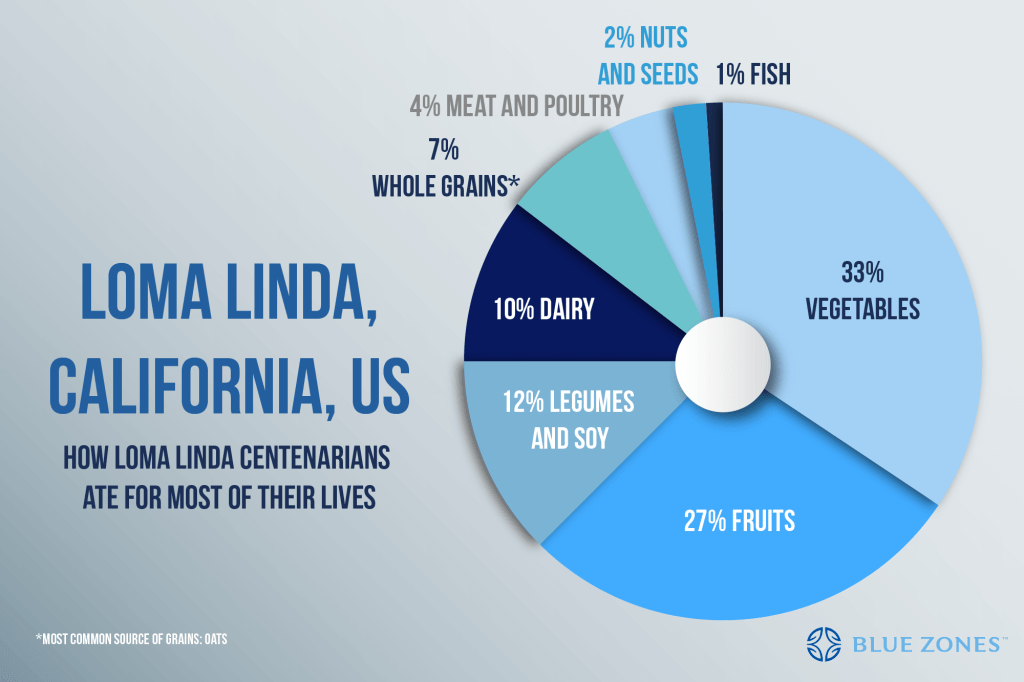
Longevity appears to not just be due to diet. Lifestyle in general is so important. No one says we have to eat rice and beans every day as they traditionally did in the Blue Zone of Costa Rica. However, there were other factors like keeping active and being social with friends and family. Why not search for the benefits of the Mediterranean diet, to try a more delicious fare?

A DAY of the life of living in a Blue Zone:: Costa Rica

“Aged 94, Saturnino “Sato” Lopez rises early each day, chops wood and takes long walks in a part of Costa Rica that’s a global oddity: like him, people there tend to live a very long time.

Home for Sato is the Nicoya Peninsula, where 1,010 people aged 90 or older live in a so-called “Blue Zone” — five areas around the world where life expectancy is particularly high.

And these people did not move to the peninsula, located in the northwest of Costa Rica. Rather, they have always lived there.

“At my age, I feel well because the Lord gives me strength to walk at ease. I go out, walk maybe a kilometer (around half a mile), or four kilometers, and I return, no problem,” said Lopez.

His house is in a village called Dulce Nombre — Sweet Name — is a sort of nature refuge.

The village’s wood, concrete and stick-and-mud houses are surrounded by vegetation and cicadas drone non-stop. The Covid-19 pandemic has gone easy on this village.

“During the day if I have to sweep the patio, I sweep. If I have to chop wood, I chop, also. A bit of everything,” said Lopez.

Blue Zones –

In the late 20th century, demographer Michel Poulain and a physician named Gianni Pes used a blue marker to highlight on a map the Barbalia region of Sardinia, Italy, where they found people lived a very long time.

In 2005, an American author and National Geographic fellow named Dan Buettner discovered similar characteristics in Loma Linda, California; Ikaria, Greece; Okinawa, Japan, and Nicoya.

So what is their secret?

“The main food is rice and beans. A bit of meat, fruit, avocado. That is what you eat. They say this is good food,” said Lopez.

His neighbors Clementina Espinoza, 91, and her husband Agustin, 100, follow a similar diet.

Espinoza has outlived six of her 18 children. She walks slowly but steadily, and still tosses corn to her chickens, prepares meals and washes up afterward.

Clementina Espinoza, 91, tends to her garden in Nicoya. She exhibits robust energy in a country where the life expectancy is a mere 80. For the world in general it is 72, the World Health Organization says.

“Out in the countryside, life is quieter,” said Espinoza, insisting that diet is key. “You are more relaxed and there is not so much danger.”

– Having purpose is key –

Having goals is critical to aging well, said Aleyda Obando, who works in the social security administration in Nicoya.

“They thank God for being alive and they make plans, to plant something or go see friends,” said Obando. “It is a combination of factors that makes these people last longer.”

It also helps to have a social support network, exercise, eat healthy food and minimize stress.

“We grew corn, rice, beans, everything. “We grew what we ate,” said Clementina. Now, her daughter Maria looks after her.

Agustin, one of 53 people in the area who are 100 or older, is blind now and suffered a stroke.

– Back in the saddle –

Jose Villegas is another centenarian, who lives in the neighboring village of San Juan de Quebrada Honda, with one of his eight daughters.

He is hoping that when he turns 105 on May 4 he can once again ride a horse — he used to make his living on horseback, herding livestock. But sometimes he has trouble with his legs.

Being 104, he says, “is a big deal because God has given me a lot of life. It was not fantastic but it was not bad, either,” said Villegas, sitting in the house he was born in.

“Now, lifestyles have changed. It is not the same as before. Things used to be healthier, and people loved each other a little bit more,” said Villegas, who became a widower seven years ago and spends his evenings listening to folk music.

Gilbert Brenes, a demographer at the University of Costa Rica, said the Blue Zone’s elderly population may peak in the next 20 or 30 years and then decline.

Younger generations have different diets and suffer more from diseases like obesity and diabetes. And fewer and fewer people grow what they eat.

But Saturnino Lopez, a father of nine, remains active.

“My children say to me, ‘you no longer work. We have to work to support you.’ But I don’t like that, because I know what keeps me going,” he said, referring to physical activity like cutting wood.

“Even if it is just a couple of blows with the machete, that’s enough.”

Crime and Nourishment???

We have all heard about the rising crime rates occurring in the U.S. Our first inclination is to wonder what could be going on in our country to cause this – or at least what is contributing to this disturbing shift of behavior?

“The issues of diet and criminal behavior are limited but intriguing. If you’ve ever found yourself in front of the TV after a bad day, mindlessly digging ice cream out of the container with a spoon, you know that mood and food are sometimes linked. But while stress eating is a verified phenomenon, the relationship between food and actual mood disorders, depression and even behavior needs some attention. Can dietary changes potentially improve our mental health.? What do the studies say?

Scientists looking for answers – Hints of a Link

Before, we jump into the science (research), some basics:

As we all know, our behavior is mostly controlled by our brain. Every organ in the human body requires nutrition to function properly and when it doesn’t get what it needs it functions abnormally. So, is there any reason that the brain should be an exception? The brain is a complex organ so that alone should be enough to assume that if it does not get the proper nutrition, it might just not work as well as it should.

Recent research offers a viewpoint that the brain and the gut “talk to each other” through the presence of the microbiome – the community of microorganisms that lives inside our digestive tract.  When this communication channel is “out of whack” or missing essential nutrition, major health problems can crop up in both the mind and body, enabling food sensitivities, allergies, digestive disorders, obesity, depression, anxiety, and fatigue.

“A study indicated that when levels of the brain chemical serotonin decrease from stress or not eating, it affects the brain regions regulating anger, potentially resulting in “a whirlwind of uncontrollable emotions”. 

“Prison studies suggest that many inmates have poor blood sugar control, compounded by a high-sugar diet. We all know how it feels when blood sugar drops – we feel moody, foggy. Apply that to someone from a disturbed backgound.”

In a randomized, placebo-controlled trial,  Oxford criminologist Bernard Gesch found that giving prison inmates a multivitamin and fatty acid supplement led to violent offenses dropping 37% compared to 10% for those who were given a placebo – findings that were confirmed by a later Dutch study.

“In a large study of prison diets, Stephen Schoenthaler, Professor of Criminology and Sociology at California State University found that prisoner’s eating habits could be used to predict future violent behavior. Normally, past violent behavior is considered the best prediction of future violence. But professor Schoenthaler found that a poor diet is an even better predictor of violent behavior.”

He also found that that in a study of young offenders in California, young adult men receiving vitamin supplements showed a 38% drop in serious behavior problems.

The types of problems associated with poor diet, such as aggression, attention deficits and hyperactivity can make impulsive behavior more likely. Low levels of iron, magnesium and zinc can lead to increased anxiety, low mood, and poor concentration, leading to attention deficits and sleep disturbances. Omega-3 fatty acids, are often deficient in the U.S. diet and needed to improve cognitive functioning.

“No one blames a poor diet as a cause of crime, nor is it the only solution. But if better nutrition in general can bring about a substantial reduction in violent crime in and out of prisons, that would be something to cheer about. For isn’t a good diet, made up of good food, a better and less expensive solution than just hiring more police and building more prisons?”

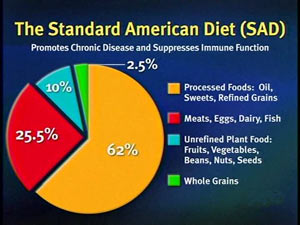
Needless to say, The Standard American Diet (SAD) needs more attention for all of us, not just in our prison population. Simply, with the input of nutrition scientists, education of the consumer, and cooperation of the food industry, we desperately need more healthy food choices for our personal health and that of our food culture.

Schoenthaler, S.J., Ames, S. Dorax, W., et al (1997)

The effect of randomized vitamin mineral supplementation on violent and non-violent antisocial behavior among incarcerated juveniles. Journal of Nutritional and Environmental Medicine, 7:343-352.

The Conversation: Crime and Punishment – the link between food and offending behavior. Hazel Flight, John Marsden, Sean Creaney. 2018

The Guardian. Can Food Make You Angry? Rebecca Hardy. Wed.24 Apr 2013.

C. Bernard Gesch, Sean M. Hammond, Sarah E. Hampson, Anita Eves, and Martin J. Crowder

Influence of supplementary vitamins, minerals and essential fatty acids on the antisocial behavior of young adult prisoners. British Journal of Psychiatry 2002, 181, 22-28

How to Live the Mediterranean Way

How to Live the Mediterranean Way and How to Feed Your Microbiome.

Each country around the Mediterranean Sea offers a rich bounty of delicious ingredients. Many authors have written about the Mediterranean Diet in terms of the health benefits that have been shown by an exhaustive array of scientific studies on its merits. The diet is now recognized as an “intangible cultural heritage” in Italy by the United Nations Educational, Scientific and Cultural Organization (UNESCO). It is a way of life and a way of eating, which the Italians call “Cucina genuina” or “cuisine of the poor”.  This is the diet of those who work the land and feed themselves using seasonal ingredients grown in their small plots outside the kitchen”.

The following characteristics attempt to describe the “Americanized” version of how to live and eat the Mediterranean way – it is not just a diet but a gift to a healthier lifestyle.”

DIET: Eat food, not too much, mostly plants. (Micheal Pollan). Whole grains, unprocessed foods, fruits, and vegetables

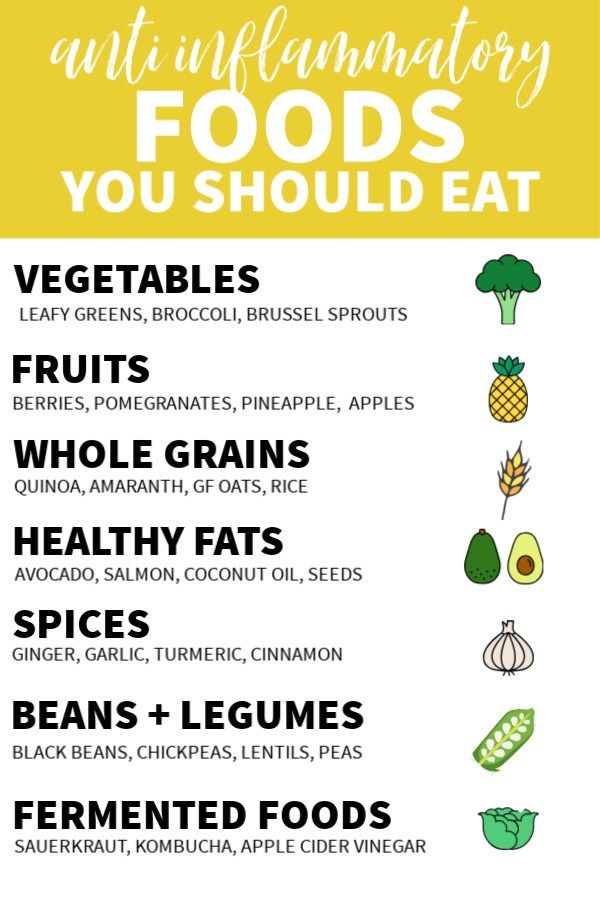
Eat meat in moderation. Limit your saturated fat, sugar and salt intake. Snack on nuts. Reduces inflammatory foods

Practice mindfulness, smaller servings, early light dinners.

Try yogurt, beans, chickpeas (hummus (fermentable foods) like sauerkraut – diversifies microbiome

Maintain a healthy Body Mass Index (BMI) 19.0 – 25.0

Drink plenty of water

EXERCISE:

Take a walk. Enjoy the sunshine.

Stay active. Get gardening.

Exercise improves cognition and stress reduction

BEHAVIORAL, SOCIAL

1-2 Glasses of red wine (daily): Optional (if you don’t drink wine, don’t start) 

Have a purpose in life (a reason to get up in the morning).

Laugh with friends.

Keep your brain active (read, puzzles, learn a language) card games

Focus on family, God, camaraderie, nature

Reduce stress and avoid eating when angry or sad.

Enjoy the secret pleasures and social aspect of foods.  Become more expert at listening to your gut feelings.(mind/body).  

Citations: 

Diane Phillps, The Mediterranean Slow Cooker Cookbook, Chronicle Books, 2012.

Emeran Mayer, MD. The Mind-Gut Connection, Harper Collins, 2016.

Dan Buettner The Blue Zones Challenge, National Geographic, 2021.

Going Vegan?

Lose weight and live longer on a vegetarian diet.? From the Harvard Medical School Health Guides

There is a lot of attention being paid to switching to a plant-based diet. There are many published articles and recipes on plant-based diets to achieve a lower body index, lower blood pressure, and reduced risks for heart disease, diabetes, type 2, cancer, and longevity. Plenty of attention is being paid to the health benefits of those centenarians living in the Blue Zones, particularly ones that live in a plant-based environment as well as those with a more modified vegetarian approach. I suggest you search for more posts on these excellent topics on the “Blue Zones” on this blog or check at your local library.

If you’re thinking of going vegetarian but worried about making such a big change, there are several ways to try to see if you can manage a diet with less animal protein.

Here are some options:

  • A flexitarian diet – meat is limited as a condiment and not considered the main attraction. Use vegetables, appetizers instead.
  • Semi vegetarian diet (no red meat)
  • Pescatarian – avoid meat and poultry but eat fish and seafood.
  • Lacto -ovo -vegetarian – skip all meat, fish, and poultry but include dairy and eggs in your diet.

If you’re trying to lose weight -go heavy on fruits, vegetables, and whole grains but limit foods high in saturated fats (ice cream, whole milk, and cheese.) An important aspect of losing weight is often not what you eat – but how much you eat to keep daily calories in check. After all, vegan foods have calories, too. And some are not as healthy as they could be.

In the U.S. Standard diet (SAD) our meals and snacks are taking on gargantuan proportions. “The food industry decided they had to make portions larger to stay competitive and people got used to larger sizes very quickly. Today, normal sizes seem skimpy,” says Marion Nestle, PhD, MPH, Professor of Nutrition and Food Studies at New York University.

When eating out, the transition to a plant-based diet is easier than than you might think. Fill your plate with vegetables – cooked, raw, or in a salad. Check out the sides that are offered. Then gradually introduce all vegetarian meals once or twice a week and if you like, increase it until you are as “vegan” as you want to be. Try a few meals from a local vegan restaurant, then try a few on your own. You may be surprised. Bon Appetit!!


CHOOSING A PLANT-BASED DIET?

Michael Pollan started it – “Eat food, not too much, mostly plants”. In Defense of Food: An Eater’s Manifesto and The Omnivore’s Dilemma.

Many people are taking more of an interest in plant-based diets. People are switching for various reasons – weight control, sustainability, the environment in general, health reasons, media hype. Food companies load their products fortified with grams and grams of protein in order to “make up” for an alleged protein deficit – however, there are plenty of non-meat sources of protein found in plant foods. Most Americans get enough protein. “Protein is not the key for weight loss and animal protein is not the healthiest food we can eat. Carbs are not the enemy – they are a source of energy, and are staples in the diets of the longest-living people in the world.” Garth Davis, M.D. Proteinaholic: How Our Obsession with Meat is Killing Us and What We Can Do About It. 2015


High amounts of protein are not needed by most consumers unless there is a medical reason. The adult RDA or Daily Value is about 50 grams for most adults. That amount can be found in only 3-4 ounces of most meats – or a portion about the size of a deck of cards.

People have tried a number of diets – Paleo and Keto are of the low carb genre resulting in high protein and high fat diets. Since then, weight gain has taken over with an obesity rate higher than ever along with its companion- diabetes type 2.

Michael Pollan refers to the American diet as ‘the “American paradox” – the more we worry about nutrition, the less healthy we seem to become”.

CLICK HERE.

Metabolics: The Facts

We’re Number One: In Morbidity, Mortality, and Expense

“U.S. has the best doctors, hospitals, and medical technologies, the most innovative surgery, the newest drugs and spends the most per capita on healthcare of all the countries on the globe.”

Are Americans healthier? Do we enjoy better healthcare? Do we live longer? The answer to each of these questions is an unequivocal NO. In fact, it’s quite the opposite. Americans have the worst health out comes of any country of the 37 richest countries – the Organization for Economic Cooperation and Development (OECD). In several of the most lethal chronic diseases, Americans rank amount the worst of the developed countries in the world: #1 in diabetes, #2 in Alzheimer’s disease, #5 in cancer, and #6 in cardiovascular disease.

What is metabolic (met) syndrome?

It started to “rear” its head in the 1980’s – every one is at risk for three noncommunicable diseases associated with the met syndrome – hypertension, diabetes and heart disease are due to abnormal metabolism in different cells in different organs.

For example: What about diabetes –in 1976, diabetes was rare; only 5% of people in the US over age 65 had it, and the prevalence in the general population was 2.5%. By 2000, estimates said 151 million diabetics were walking the planet and the prediction was, by 2010, there would be 221 million. In fact there were 285 million. By 2014, 422 million, 2019, 463 million- predictions 568 million by 2030.

Lustig, Robert, MD, MSL Metabolical: The Lure and the Lies of Processed Food, Nutrition, and Modern Medicine, 2021

How are we doing? Not so well. Metabolical is a wonderful book to begin to understand why diet with its predominance on processed foods makes a difference in our quest for heath.

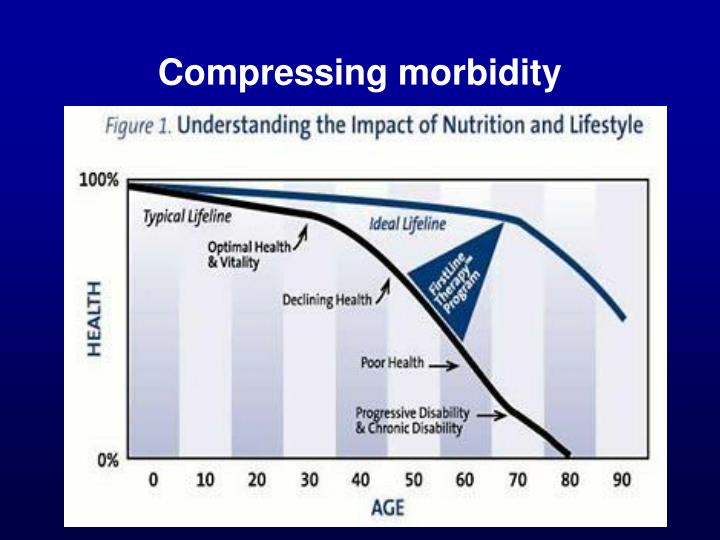
Working for an extension of a Healthy Lifespan

The American Plate: 1950 – 1959

Sally Feltner MS, PhD Food and Culture, Food History, General, The American Plate September 15, 2020

5 Minutes by foodworksblog

Leave a comment

Author: Sally J. Feltner, M.S.,PhD

An Attack on Gastronomy

The 1950’s brought a renewed hope for the country after two decades of Depression and War. However, food historians deplore the state of the cuisine during this period – it mainly consisted of processed foods which many blame for this anti-gastronomic desert. In addition, the rise of the fast food industry, i.e. hamburger chains that sprouted up along side the newly build national highway system did not offer any better fare. Freeing Mom from the kitchen seemed to be the dominant theme as appliances and prepared foods became the ‘norm”.

TV Dinners

After WWII, America’s economy boomed, women entered the workforce as never before and food got a little strange. Housewives spent less time in the kitchen, so food companies came to the rescue with a buffet of processed foods. Foods were purchased in a can, package or pouch. Soups were available as liquids or in dry form. Tang landed on supermarket shelves and frozen dinners laid on trays in front of TV sets. TV dinners were introduced in 1953 by Swanson and with a flick of a wrist you could turn back the foil to display turkey in gravy, dressing, sweet potatoes and peas ready in about 30 minutes – all with no dishes to wash.

tv_dinner01

Better Living Through Chemistry

“Better Living through Chemistry” was the slogan of the times along with “I like Ike” referring to the popular Dwight D. Eisenhower, the 5-star general from WWII winning the U.S presidency from 1953 to 1961.
This change in processing came from the demand of the Army during WWII to provide needed ready-to-eat meals. The food industry responded by ramping up new technologies in canning and freeze-drying to feed the troops. The marketing of these foods presented a challenge, however. At first, many of them were less than palatable, so food companies hired home economists to develop fancy recipes and flooded magazines, newspapers and TV with ads to broadcast their virtues. Actually the first cake mix was available in 1931, but was met with disdain due to the use of dehydrated eggs, e.g. Women later would respond more favorably if they could crack their own eggs into the batter so they would feel like they were doing something positive in the kitchen.

June Cleaver

People rushed to buy appliances, houses, cars, dishwashers, washing machines, dryers and backyard barbecue grills and new home freezers.  They also bought television sets in record numbers and watched shows that represented their new idealized lives like Ozzie and Harriet and Leave It to Beaver. Beaver’s mother, June Cleaver was depicted as a housewife freed from household chores and often was serene and perfectly dressed with pearls and high heels pushing a vacuum cleaner and putting meals on the family table, all before solving the family problems.

Fast Food Nation

The birth rate soared and created what is known as the Baby Boomer Generation. Fifty million babies were born from 1945 to 1960. Food marketing shifted to kids with Tony the Tiger and fish sticks leading the campaign. Fast food had its beginnings strengthened in 1955 when Ray Kroc bought a hamburger stand from the McDonald’s brothers in San Bernadino, California. Disneyland opened in 1955 and was so popular they ran out of food on the first day.

mcdonalds-burger1

The Seven Countries Study

In 1958, the American scientist, Ancel Keys started a study called the Seven Countries Study, which attempted to establish the association between diet and cardiovascular disease in different countries. The study results indicated that in the countries where fat consumption was the highest also had the most heart disease. This suggested the idea that dietary fat caused heart disease. He initially studied 22 countries, but reported on only seven: Finland, Greece, Italy, Japan, The Netherlands, United States, and Yugoslavia.

The problem was that he left out:

  • Countries where people eat a lot of fat but have little heart disease, such as Holland and Norway and France.
  • Countries where fat consumption is low but the rate of heart disease is high, such as Chile.

Basically, he only used data from the countries that supported his theory.
This flawed observational study gained massive media attention and had a major influence on the dietary guidelines of the next few decades, i.e. cut the fat out of our diets.

sevencountries

The First Artificial Sweetener

In the diet world, Saccharin was manufactured in granules and became a popular sugar substitute for dieters. It was first produced in 1878 by a chemist at Johns Hopkins University, but became popular after sugar shortages in WWI and WWII. In the United States, saccharin is often found in restaurants in pink packets as “Sweet’n Low”. It was banned later but it remains on the market today. The basis for the proposed ban was a study that documented an increase in cancer in rats being fed saccharin. The “Delaney clause” of the Food Additive Amendments to the Federal Food, Drug, and Cosmetic Act states that no substance can be deemed safe if it causes cancer in humans or animals. In suspending the proposed saccharin ban, Congress ordered that products containing the popular sweetener must carry a warning about its potential to cause cancer. The FDA formally lifted its proposal to ban the sweetener in 1991 based on new studies, and the requirement for a label warning was eliminated by the Saccharin Notice Repeal Act in 1996.

TIMELINE: 

1951 I Love Lucy debuts on CBS.

1952 The Lipton food company rolls out its dehydrated onion soup that will earn it fame as a base for onion soup mix: 2 envelopes of mix plus 1 cup of sour cream. Lipton eventually prints the recipe, “California Dip” on the package.

1953 Eggo Frozen Waffles are introduced.

1954 Employee Gerry Thomas from the C.A. Swanson Co,  has an idea (although fellow workers nearly laughed him out of the Omaha  plant): package the left-over turkey, along with some dressing, gravy, cornbread, peas and sweet potatoes into a partitioned metal tray, sell it frozen, and consumers could heat it up for dinner. His name for the leftover meal: TV Dinner.

1954 The first Burger King  opens in Miami. A burger is 18 cents, as is a milkshake. The Whopper is introduced in 1957 and sells for 37 cents.

1955 Milkshake-machine salesman, Roy Kroc tries to persuade Dick and Mac McDonald (owner of the original McDonalds in California) to franchise their concept.  They aren’t interested but  tell Kroc to go ahead and try his hand. Kroc opens his first restaurant in Des Plains, ILL., and eventually buys out the McDonalds.

1956 Jif Peanut Butter is introduced.

1956 More than 80 percent of U.S. households have refrigerators. By contrast, only 8 percent of British households have refrigerators.

1957 Better Homes and Gardens prints its first microwave-cooking article.

1957 Margarine sales take the lead over butter.

1958 Eighteen- year-old Frank Carney sees a story in the Saturday Evening Post about the pizza fad among teenagers and college students. With $600 borrowed from his mother, he and his fellow Wichita State classmate, opens the first Pizza Hut in Wichita, KS.