The American Plate

Nutrition Confusion: The Roaring Twenties

”Mary Pickford, Theda Bara, and Rudolf Valentino, the era’s movie idols, promoted the idea of being thin.  This replaced the “plump” image of the previous decade, exemplified by Diamond Jim or Lillian Russell, a couple of decades ago.  

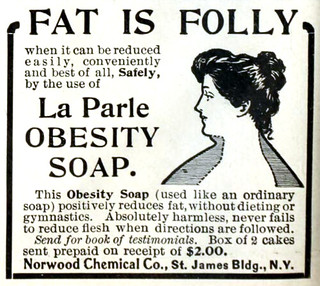
Home economic classes and a plethora of women’s magazines helped America on its new ideal of body image – the war against fat.

“American women were ready to cut their hair, step out into jobs, and have a good time.” But, at the same time, American women were becoming dependent on their own cooking and household skills. The result was that between 1921 and 1929, the home appliance industry tripled its output. The kitchen was considered the workstation whereas; eating was almost always done in an adjoining breakfast room or dining room.

“The May issue of Women’s Home Companion publishes an article that includes the lines, “with the revolution in clothes has come a revolution in our attitude toward avoirdupois (weight). Once weight was an asset: Now it’s a liability, both physical and esthetic.” This reflects a new attitude of women with a new body image.

In January 1920, Prohibition goes into effect, although drinking will continue and will lead to underground establishments known as “speakeasies”. Prohibition leads to an increase in sales of coffee, soft drinks, and ice cream sodas. Many bars convert to soda fountains or tearooms to stay in business.

Looks Good Enough to Eat

By 1927, there were 20 million cars cruising over 600,000 miles of roads connecting U.S. cities and towns. All those drivers needed to eat somewhere, and to get their attention on the open road, restaurants took on a whole new shape – literally. Diners and coffee shops were built to look like doughnuts, ice cream cones, coffeepots, hot dogs and yes, pigs. While these establishments provided only mediocre food, they supplied plenty of atmosphere and maybe even more important, offered quick and consistent meals. The whimsically shaped spots would pave the way or the drive-ins and chain restaurants of the future.

Fast Food

The first White Castle hamburger stand opens in 1921 in Wichita, Kan. The white of the stones suggest cleanliness; the castle facade suggests stability. The little burgers cost 5 cents apiece and are marketed with  the slogan “Buy ‘em by the sack.” Paper napkins come on the market in 1925, and the White Castle locations follow by developing folding paper hats that can changed often. “Program-mic” hot dog-shape kiosks and cone shape stands architecture becomes the rage in restaurants.”

Flappers

“No one knows how the word flapper entered American slang, but its usage first appeared just following World War I. The classic image of a flapper is that of a stylish young party girl. Flappers smoked in public, drank alcohol, danced at jazz clubs and practiced sexual freedom that shocked the Victorian morality of their parents. Many pictures depict them wearing a tight-fitting cloche.

However, the good times were all about to change – in October, 1929, the stock market crashed and the country was faced with the worst economic trial of its history.

Source:

Beverly Bundy. The Century in Food: America’s Fads and Favorites, Collector’s Press, Inc. 2002

The American Century in Food. Bon Appetit, September, 1999.

Are You a Snackaholic?

SAD News for the SAD – The Standard American Diet!!! What happened to “whole real food”?

View Post

Sales of cookies, chips, candy and popcorn are soaring as America binges on snacks.
Stunning stat: Nearly half of U.S. consumers are eating three or more snacks a day — up 8% in the last two years, The Wall Street Journal reports, citing market-research firm Circana.
Snack sales ballooned to $181 billion last year, up 11% from the year before, according to Circana.
What’s happening: Mondelez International — maker of Oreos, Ritz Crackers, Swedish Fish and more — saw sales jump 22% between 2019 and 2022.
Hershey’s sales rose 30%.
America’s love of snacks is leading to “the ‘snack-ification’ of everything,” Andrea Hernández, who writes Snaxshot, a newsletter on food and beverage trends, told The Journal.
Kellogg is pitching breakfast cereal, including Apple Jacks and
Froot Loops, as snacks.

Is Food Addictive?

Fatty and sugary foods train your brain to hate healthier options: Yale study

People crave fatty and sugary foods when they consume them daily — and the pattern can be hard to break, researchers at Yale University and the Max Planck Institute for Metabolism Research in Germany have determined in new research.

The study, published online Wednesday in the journal Cell Metabolism, found eating a snack high in fat and sugar every day alters the reward circuits in human brains to create lasting preferences.

Participants were divided into two groups and told to continue their normal eating habits, except for one major difference.

Researchers gave one group yogurt high in fat and sugar twice daily for eight weeks, while the other group received a low fat lowl-fat, low-sugar version.

At the end of the eight weeks, participants were offered puddings with varying fat contents and apple juice containing differing sugar levels and told to rate them for fattiness, creaminess, oiliness, sweetness, desire and satisfaction.

Scientists found the group that was used to eating the yogurt higher in sugar and fat didn’t enjoy the healthier options as much as they had before the study.

The participants also underwent MRI scans to track brain activity while drinking milkshakes, which showed increased activity for the high-sugar, high-fat group, but not for the other group.

“Let’s say a new bakery opens up next to your work and you start stopping in and having a scone every morning. That alone can rewire your basic fundamental dopamine learning circuits,” Dana Small, the study’s senior author and director of Yale University School of Medicine’s Modern Diet and Physiology Research Center, told NBC News.

Conclusion:

The authors likened the findings to the effects of addictive drugs, saying exposure to foods high in sugar and fat indicates that habitual factors contribute to obesity — not just genetic and environmental influences, as previously thought.The study found those eating food higher in fat and sugar continued to crave it.

In discussing food addiction, it’s the link between the gut and the brain. “When highly processed food is ingested, the body is flooded with heavy loads of salt, sugar and fat, as expressed in his book “Salt, Sugar Fat, by Michael Moss. Once ingested, they race along the same pathways, using the same neurological circuits to reach the brain’s pleasure zones…responsible for enjoyable feelings for what it thinks is the right thing for the body.”

Michael Moss, Salt, Sugar, Fat. How the Food Giants Hooked Us. Random House Trade Paperback Edition, 2014

The American Plate: 1910’s

The Supermarket

A Hungry Nation on the Move

The decade reflected high living, high prices, the introduction of income taxes, women’s suffrage, World War 1, an influenza pandemic that killed between 20 million and 50 million people and prohibition. “Secretary of State Williams Jennings Bryan, a Prohibitionist, served grape juice instead of wine at a 1913 dinner for the British ambassador. By 1919, the Temperance League had won out and the sale and distribution of alcohol was banned. In 1920, saloons were shuttered, and distilleries closed.”

Cooking For Health???

Coca Cola had entered the food market in 1910; at the same time, Nathan franks entered the culture that now included, railroads with deluxe dining, grocery stores, frozen foods and refrigerators.

By 1912 an organic substance (later named vitamin) is discovered by American chemist, Casimer Funk. 

In 1894, the USDA published its first food recommendations through a Farmers’ Bulletin, suggesting diets for males based on content of protein, carbohydrate, fat and mineral matter. In 1916, Caroline Hunt, a nutritionist, wrote the first USDA food guide, Food for Young Children. Milk and meat, cereals, vegetables and fruits, fats and fatty foods, and sugars and sugary foods made up five food groups. Then How to Select Foods addressed recommendations for the general public based on those five food groups in 1917. (Can you believe the fat and sugary foods groups ???

Crisco Sandwich? 

“Proctor and Gamble introduced Crisco, the first solid vegetable shortening. The product is hard to sell to women who had been taught to cook with lard and/or butter. To promote its produce, the manufacturer suggested glazing sweet potatoes with brown sugar and Crisco and spreading sandwiches with Crisco mixed with an egg yolk.” YUM!!!

Convenience: Self-service Grocery Stores

In 1912, change began to replace the grocery store with self-service “supermarkets”.  Previously, a shopper would hand a list to the clerk to retrieve the items from shelves behind the counter – a time-consuming process. George Hartford established the first Great Atlantic and Pacific Tea Co. which he called the A&P “Economy Store”. A clerk still took the orders, but the store did not offer credit or delivery and saved costs with lower prices. In Memphis, Clarence Saunders continued the trend in 1916 when he began the Piggly Wiggly chain. Customers followed a serpentine route past all 600-plus items on shelves (a huge selection for the time) but there were still long lines. Still, this process began the key factors  in the emergence of distinctive packaging, advertising, and brand recognition. Everything from pasta to tamales went into cans, the technology for electric refrigeration was developed, and the frozen-food industry got its start.

People Were Talking About….

Clarence Birdseye, who after spending a winter in Newfoundland, noticed that fish caught and left in the frigid air froze immediately and tasted good after being thawed and cooked. This inspired him to pioneer the commercial frozen food industry.

George Washington Carver and the 300-plus products he developed based on peanuts and the 118 products based on sweet potatoes. His research gave southern farmers ruined by boll weevil infestations a reason to plant crops other than cotton.

Luther Burbank and his 12-volume work, Luther Burbank: His Methods and Discoveries and Their Practical Applications. Burbank’s  extensive cross-breeding of plants led to the development of the Burbank,  or russet potato, which would make Idaho famous.

Household Appliances

This decade was the era of household appliances.  “Middle-class households were used to having at least one live-in servant. As household help began to leave for better jobs, housewives had to do for themselves – a monumental task. For example, the laundry which was a two-day affair. The arrival of mechanical help is heaven sent. An item as mundane as a porcelain range – no more blackening, no more polishing removed one two-hour chore. By 1911 electric chafing dishes, skillets, grills, toasters, percolators, waffle irons, and stand-up mixers were introduced along with the very welcomed electric ranges, and basic refrigerators, invented in 1915.”

Must have been a very Merry Christmas for these ladies!

Why do some people get Covid more severely than others?

COVID-19 strikes with alarming inconsistency. Most recover quickly while others die. The disease devastates some communities and spares others. Understanding why and how COVID-19 preys on some and not others is essential to limiting its spread and mitigating its impact.

Prevention, averting, detecting, and restricting disease, is always better than even the most effective treatment. In the first place, We need answers to verify the findings of any new promising study.

Ever wonder why some places on the globe suffer from the virus so differently than others? Can the Blue Zones populations give us some answers?

https://www.bluezones.com/2020/05/why-covid-19-hits-some-people-and-places-differently/#

The Obesity Burden?

The Burden of Obesity Is Not Carried Equally

— Misconceptions are hurting the fight for health equity in communities of color

by David Satcher, MD, PhD August 26, 2022

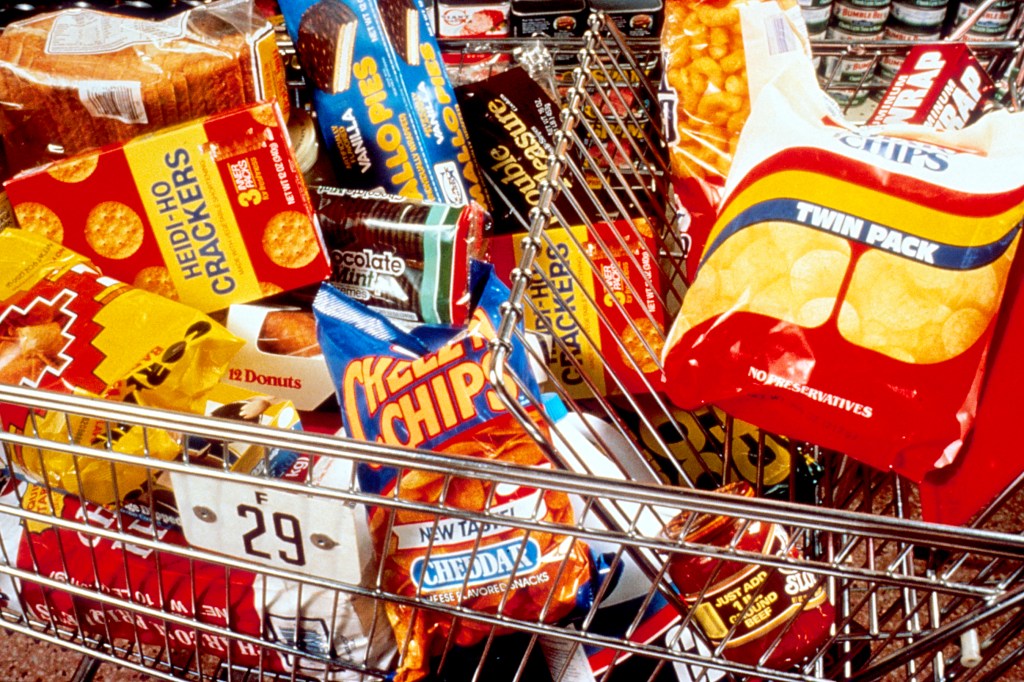
UNHEALTHY PROCESSED FOOD AND SNACKS CAN LEAD TO OBESITY

“Since leaving my post in 2002 as the U.S. Surgeon General, the nation’s leading public health role, America has made great strides in battling public health crises. From reducing tobacco use and improving maternal and child health, to most recently advancing vaccine technology to fight the COVID-19 pandemic. Yet, another epidemic has gained strength, debilitating and killing millions of people on its deadly upward trajectory. The chronic disease of obesity is a misunderstood condition impacting millions of Americans from every demographic group living in every corner of the country. Unfortunately, obesity and comorbid diseases disproportionately impact communities of color in nearly incalculable ways.

In the early 2000s, the national adult obesity rate was 30.5% and we had made progress on achieving many health goals related to heart disease, type 2 diabetes, cancer, and multiple other chronic health challenges. Back then, my office released “The Surgeon General’s Call to Action to Prevent and Decrease Overweight and Obesity,” which underscored the increasing severity of obesity’s impact on our collective health and outlined a vision for the future. Today, the adult obesity rate has climbed to 42.4% and is projected to reach nearly 50% by 2030.

Disparities in obesity rates between racial and ethnic groups are stark. The latest data show that non-Hispanic Black adults have the highest age-adjusted prevalence of obesity in the country at 49.6%, followed by Hispanic adults at 44.8%, and non-Hispanic white adults at 42.2%. Obesity is also a significant health challenge among American Indians and Alaskan Natives, with adults in those communities 50% more likely to have obesity than white adults. Furthermore, a projection of obesity rates found that “severe obesity” will become the most common BMI category among non-Hispanic Black adults (31.7%) — as well as among women (27.6%) and low-income adults (31.7%) — by 2030.

Despite researchers making significant advances in the last 2 decades, obesity is too often myopically viewed as the result of an individual’s lifestyle choices around diet and exercise. Viewing the disease through this lens omits that body weight is determined by a combination of genetic, metabolic, behavioral, environmental, cultural, and socioeconomic factors. In fact, we know that a significant proportion of obesity can be influenced by genetics.

While recent scientific discoveries have greatly improved obesity care options, our collective effort to stem the tide of the disease has fallen short. Obesity is a public health crisis deserving maximum effort from policymakers, healthcare providers, insurers, and community partners working in concert to dramatically reduce the burden of this disease.

Our politicians and policymakers must focus on the core causes and dire consequences of unchecked increases in obesity rates among the people they serve. It is imperative that updated federal, state, and local policies grant equitable access to the full continuum of obesity care. Healthcare providers must seek continuing education on advances in metabolic science and the availability of pharmacotherapies that are proven to safely reduce disease prevalence and the impact of comorbid diseases. Insurers must take a long view of obesity care, taking immediate action to close coverage gaps that block access to obesity trained physicians, consultation with nutritionists, physical therapists, and prescriptions for FDA-approved metabolic therapies. Our community leaders must advocate for healthcare equality and equitable access to obesity care to lift the physical, mental, and financial burden of the disease on all Americans, especially Black and brown people.

I believe generating coordinated, sustained solutions for a positive impact on obesity in America will come from the hard work of public health stewards, policymakers, healthcare providers, and community leaders at the intersection of health equity and policy. I am making a renewed call to action for the challenging situation we find ourselves in. Every one of us deserves the opportunity to live our healthiest life. It is time we remove the impediments to health equity through access, and promote a path that eliminates the obesity epidemic persisting in communities of color across our nation.”

David Satcher, MD, PhD, is the 16th U.S. Surgeon General and the founder of the Satcher Health Leadership Institute.

Those interested should also read the book by Sandra Aamodt, Ph.D., Why Diets Make Us Fat: The Unintended Consequences of Our Obsession with Weight Loss. More emphasis should be placed on the development of how to control or manage damaging weight regain after endless weight loss attempts. Sally Feltner, M.S, Ph.D.

A Brief Look at Diet Culture

Soure: Social and Health Research Center

Written by: Timandra Rowan

April 21, 2022

Diet culture has a long history of fads and facts. In the U.S., there have been multitudes of “diets” designed for health with more emphasis on weight loss than in other countries over the last century. Why is our national obsession on the relationship of dietary fat been the prominent discourse? A little history may help.

CLICK HERE.

Happy Thanksgiving – Bon apetit.

English: “The First Thanksgiving at Plymouth” (1914) By Jennie A. Brownscombe (Photo credit: Wikipedia)

“ The turkey is certainly one of the most delightful presents which the New World has made to the Old.”  Brillat Savarin.

Most of the traditional Thanksgiving foods we now eat on this holiday are foods that originated or were Native to the Americas. The word for turkey in French is dinde, short for poulet d’inde since they thought that the turkey came from the West Indies of Columbus days.  The turkey was popular in England before the Pilgrims came in 1620.

Turkeys don’t migrate so they were some of the first Native Americans and were available all year.  Turkeys are easy to hunt – when one is shot, the others freeze in place.  Don’t get me wrong – I don’t encourage shooting turkeys – we have lots of wild turkeys here in Western North Carolina. Many times I’ve had to stop and wait until they cross the road.  I once encountered a few hens walking in the woods, followed by a male who wanted to impress them by making a racket and spreading his tail feathers – of course, the “girls” totally ignored him and went on without a nod – I kind of felt sorry for him

Potatoes had reached Europe early in the Columbian Exchange (thanks to Christopher Columbus).  Potatoes had an interesting history – they were native to Peru, a Spanish colony and enemy of England, and went from Peru to Europe and then returned to New Hampshire with Scottish-Irish settlers in 1723.  It is thought that the idea of mashing them with butter and milk also came form Scottish-Irish influence.

Cranberries were native to New England. Cranberries and blueberries were mashed with sour milk and used as paint as well as for food.  To this day, these colors or variations of these colors are used in New England colonial homes.

Many types of squash had reached Europe, but pumpkin was unknown at that time. Pumpkin was used in the early colonies, but did not appear in cookbooks until Amelia Simmons in 1796 wrote the first printed American cookbook.  She referred to it as “pomkin”.  You may prefer pecan pie – and these are also of American origin.  Originating in central and eastern North America and the river valleys of Mexico, pecans were widely used by pre-colonial residents.

Cornbread and sweet potatoes (both being native to the Americas) round out our traditional Thanksgiving fare. Archaeological studies indicate that corn was cultivated in the Americas at least 5600 years ago and American Indians were growing corn long before Europeans landed here. The probable center off origin is the Central American and Mexico region but since the plant is found only under cultivation, no one can be sure.

The sweet potato has a rich history and interesting origin. It is one of the oldest vegetables known to mankind. Scientists believe that the sweet potato was domesticated thousands of years ago in Central America. Christopher Columbus took sweet potatoes back home to Europe after his first 1492 voyage. Sweet potatoes spread through Asia and Africa after being introduced in China in the late 16th century.

So as you enjoy your Thanksgiving this year, give thanks to the Americas for our traditional foods that are truly “made in America”.

BTW –Many of the foods we find on our Thanksgiving table today, weren’t  available back when the colonists celebrated the First Thanksgiving in Plymouth.  The first historical descriptions of the first Thanksgiving do not mention turkey – only “wild fowl” (not identified) and five deer.  The party was in 1621 with fifty-one Pilgrim men, women, and children hosting ninety men of the Wampanoag tribe and their chief, Massasoit.  It was in the fall to celebrate the good harvest of corn (wheat and barley weren’t as successful) and lasted three days.

Have a great Thanksgiving Day from Food, Facts & Fads and STAY SAFE.  SJF

A Very Short Guide to Live the Mediterranean Way

How to Live the Mediterranean Way and How to Feed Your Microbiome: Rules to Live By:  

“Each country around the Mediterranean Sea offers a rich bounty of delicious ingredients. Many authors have written about the Mediterranean Diet in terms of the health benefits that have been shown by an exhaustive array of scientific studies on its merits. The diet is now recognized as an “intangible cultural heritage” in Italy by the United Nations Educational, Scientific and Cultural Organization (UNESCO). It is a way of life and a way of eating, which the Italians call “Cucina genuine” or “cuisine of the poor”.  This is the diet of those who work the land and feed themselves using seasonal ingredients grown in their small plots outside the kitchen”.

The following characteristics attempt to describe the “Americanized” version of how to live and eat the Mediterranean way – it is not just a diet but a gift to a healthier lifestyle.”

DIET: Eat food, not too much, mostly plants. (Michael Pollan). Whole grains, unprocessed foods, fruits, and vegetables. It is not a diet but a lifestyle.

Eat meat in moderation. Limit your saturated fat, sugar and salt intake. Snack on nuts. Reduces inflammatory foods

Practice mindfulness, smaller servings, early light dinners.

Try yogurt, beans, chickpeas (hummus (fermentable foods) like sauerkraut – gives us a diverse microenvironment

Maintain a healthy Body Mass Index (BMI) 19.0 – 25.0

Drink plenty of water

EXERCISE:

Take a walk. Enjoy the sunshine.

Stay active. Get gardening.

Exercise improves cognition and stress reduction

BEHAVIORAL, SOCIAL

1-2 Glasses of red wine (daily): Optional (if you don’t drink wine, don’t start) 

Have a purpose in life (a reason to get up in the morning).

Laugh with friends.

Keep your brain active (read, puzzles, learn a language) card games

Focus on family, God, camaraderie, nature

Reduce stress and avoid eating when angry or sad.

Enjoy the secret pleasures and social aspect of foods.  Become more expert at listening to your gut feelings. (mind/body).  

Citations: 

Diane Phillps, The Mediterranean Slow Cooker Cookbook, Chronicle Books, 2012.

Emeran Mayer, MD. The Mind-Gut Connection, Harper Collins, 2016.

Dan Buettner The Blue Zones Challenge, National Geographic, 2021.

The Salem Witch Trials: Revisited

October brings thoughts of fall, Halloween, and witches and the witch trials that occurred in 1692 in a fragile Puritan Community, Salem Village, Massachusetts. The theory most often cited was that ergot poisoning from rye bread was to blame – on further evaluation, history “experts” disqualify this theory and others are brought to mind. The following article by Nik DeCosta Klipa explains:

The theory that may explain what was tormenting the afflicted in Salem’s witch trials