Is There a Longevity Diet?

‘Longevity diet’ may help people live longer by fasting for half the day, banning red meat
April 28, 2022
by StudyFinds

LOS ANGELES, Calif. — Fad diets are a dime a dozen these days, but researchers at USC say they’ve finally put one together that has everything you need to live a long and healthy life. Their “longevity diet” favors fish and plant-based proteins, and even welcomes a good amount of carbs, while avoiding red and processed meats.
This diet also requires people to eat their meals within a certain time frame and allow time for periods of fasting. Dieters looking to follow a healthy diet have no shortage of options these days, with most of these plans focusing on cutting carbs and calories. However, it’s been unclear if these diets help people actually stay healthy and live longer.
Now, the USC team has found that it’s not only about what people eat, but also when they eat it.

“We explored the link between nutrients, fasting, genes and longevity in short-lived species, and connected these links to clinical and epidemiological studies in primates and humans – including centenarians,” says Professor Valter Longo in a university release.
“By adopting an approach based on over a century of research, we can begin to define a longevity diet that represents a solid foundation for nutritional recommendations and for future research.”

Taking the best parts of popular diets
The researchers reviewed hundreds of studies on nutrition, diseases, and long life, involving both animals and humans, and combined them with their own research. Their analysis included a wide range of calorie-cutting diets such as the popular keto diet, as well as vegetarian, vegan, and Mediterranean diets. It also looked at various forms of fasting, including cutting out food intermittently or over longer periods of time — sometimes for two or more days several times a month.
The team found several factors linked to living longer and certain illnesses, such as insulin, cholesterol, and certain protein levels. Overall, study authors believe the secret to living longer is eating a moderate to high amount of carbohydrates from unrefined sources.
Also, getting the right amount of protein and enough fats from plant-based sources can provide about 30 percent of a person’s energy needs. Ideally, a person’s meals would take place within an 11 or 12-hour window, allowing for a daily period of fasting. A five-day cycle of fasting or fasting-mimicking diet every three to four months could also maintain healthy insulin levels and blood pressure, the study finds.
So, what’s in the longevity diet?
“Lots of legumes, whole grains, and vegetables; some fish; no red meat or processed meat and very low white meat; low sugar and refined grains; good levels of nuts and olive oil, and some dark chocolate,” Prof. Longo says while describing the longevity diet.
Their new menu resembles Mediterranean diets, found in so-called “Blue Zones” like Sardinia in Italy, Okinawa in Japan, and Loma Linda in California. These diets are usually plant-based with some seafood and relatively low in protein.
The researchers’ diet adds to this by also providing time frames for meals and fasting periods which people can adapt to fit their sex, age, health status, and genetics. For example, people over age 65 benefited from more protein to counter the loss of lean body mass and frailty. Next, the researchers are planning on carrying out a 500-person study using the longevity diet in southern Italy.

Study authors suggest anyone looking to follow the longevity diet should work with a healthcare provider to come up with a plan which focuses on making small changes. This is because making drastic changes can be harmful, causing major loss of body fat and lean mass. Moreover, people often put the weight back on once they abandon a highly restrictive diet.
The findings are published in the journal Cell.

South West News Service writer Tom Campbell contributed to this report.
Tags: healthy eating, intermittent fasting, longevity, meat, Mediterranean diet, red meat

Edited for Food, Facts, and Fads by Sally J Feltner, MS, Ph.D

The American Plate: 1920s

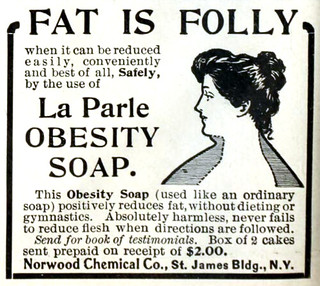
Nutrition Confusion: The Roaring Twenties. This is the decade of the 20’s – or more simply “the battle of the bulge” (and I don’t mean WW2 )

”Mary Pickford, Theda Bara, and Rudolf Valentino, the era’s movie idols, promoted the idea of being thin.  This replaced the “plump” image of the previous decade, exemplified by Diamond Jim or Lillian Russell, a couple of decades ago. Lillian Russell could easily compete at the dinner table with her companion, Diamond Jim!!! She was one of the greatest beautifies of all time and weighed about 200 lbs. He died of a heart attack at the age of 61.

Home economic classes and a plethora of women’s magazines helped America on its new ideal of body image – the war against fat. “What ever happened to home ec classes? Maybe we should should revisit them?

“American women were ready to cut their hair, step out into jobs, and have a good time.” But, at the same time, American women were becoming dependent on their own cooking and household skills. The result was that between 1921 and 1929, the home appliance industry tripled its output. The kitchen was considered the workstation whereas; eating was almost always done in an adjoining breakfast room or dining room.”

“The May issue of Women’s Home Companion publishes an article that includes the lines, “with the revolution in clothes has come a revolution in our attitude toward avoirdupois (weight). Once weight was an asset: Now it’s a liability, both physical and esthetic.” This reflects a new attitude of women with a new body image.

Looks Good Enough to Eat

By 1927, there were 20 million cars cruising over 600,000 miles of roads connecting U.S. cities and towns. All those drivers needed to eat somewhere, and to get their attention on the open road, restaurants took on a whole new shape – literally. Diners and coffee shops were built to look like doughnuts, ice cream cones, coffeepots, hot dogs and yes, pigs. While these establishments provided only mediocre food, they supplied plenty of atmosphere and maybe even more important, offered quick and consistent meals. The whimsically shaped spots would pave the way or the drive-ins and chain restaurants of the future. I think the “weiner-mobile still exists?

Fast Food

The first White Castle hamburger stand opens in 1921 in Wichita, Kan. The white of the stones suggest cleanliness; the castle facade suggests stability. The little burgers cost 5 cents apiece and are marketed with  the slogan “Buy ‘em by the sack.” Paper napkins come on the market in 1925, and the White Castle locations follow by developing folding paper hats that can changed often. “Program-mic” hot dog-shape kiosks and cone shape stands architecture becomes the rage in restaurants.”

Flappers and the 1960’s (Enter Twiggy)

No one knows how the word flapper entered American slang, but its usage first appeared just following World War I. The classic image of a flapper is that of a stylish young party girl. Flappers smoked in public, drank alcohol, danced at jazz clubs and practiced sexual freedom that shocked the Victorian morality of their parents. Many pictures depict them wearing a tight-fitting cloche. This led to the visit to the “speakeasies” that brought on the answer to Prohibition. Cocktails became a common beverage — dry martinis, anyone?

But as the future evolved into the 1960s, ‘Little be known but we now claimed and adored an icon named “Twiggy”. “Throughout the coming 20 years into the 20s and even to this day, writes historian, Carolyn Kitch,” the ideal female body was once again of a preadolescent girl much like a flapper”. It was a real young woman, a British model known as Twiggy. She was 5 ft. seven inches stall and reportedly weighed 91 pounds, which gave her an almost unheard body mass index of 14.3. Normal is considered to be about 26 to 30 for a “healthy weight and body type.” Source: Gina Kolata. Rethinking Thin: The New Science of Weight Loss and Realities of Dieting. 2007.

However, the good times were all about to change – in October, 1929, the stock market crashed and the country was faced with the worst economic trial of its history. So much for Twiggy.

The Great Masticator: Speaking of Fad Diets!!


At the turn of the 20th century, Horace Fletcher, an artist, writer, importer and opera house manager who had no medical background – promoted the chewing of each bite of food at least 100 times until liquefied. The theory was that the bowel was key to good health and weight control and keeping the colon happy was the key.

“Fletcherism”, as it came to be known became a fashionable past time, and Fletcher had success in managing his own weight using the method. At age 40, he weighed 217 pounds and had been refused life insurance. By his mid 50’s, he was reportedly doing exercises with the strength and agility of a man half his age. “Nature, he said, “will castigate those who don’t masticate.” The practice has since been seen as a “fad” diet and became unpopular for obvious reasons. We can spare the details. Don’t try this at home.

Mr. America?

by foodworksblog Leave a comment

By Sally J. Feltner, MS, PhD, RD (Ret)

Every once in a while, it is fun to go back into history and rediscover the fads that were popular then – the story of Bernaar MacFadden is one of them. He was however, very successful and in my opinion, a very fascinating human being.

“In 1913, twenty year old Mary Williamson, a runner and muscular swimmer was crowned “Great Britain’s Perfect Woman and as part of her prize was a job offer from fitness guru, forty-four year old, Bernarr MacFadden. The job involved a traveling physical fitness show billed as “The World’s Healthiest Man and Woman.” They performed feats of physical prowess with the big finale featuring Mary’s nightly jump from a seven-foot platform onto MacFadden’s stomach. Another “prize” was becoming Bernarr’s third wife. He proposed one day when the pair was halfway through a ten-mile run and when she accepted, she recalled: “He stood on his head on me for one minute and four seconds.” Who was this man?

EARLY YEARS

Bernarr MacFadden was a man that brought physical culture to America and Europe. “He stood five foot six inches tall and built a fortune from often, but not totally, misinforming the public about nutrition and health.. He was born in 1868 on a farm near Mill Springs, Missouri where his father died when he was four from chronic alcohol consumption.

Bernarr, a sickly boy, was raised by a TB-ill mother who sent him away to a cheap boarding school. He later referred to this school as the “starvation school”. Bernarr remembered often having peanuts as his only source of nourishment. His mother died from tuberculosis when he was eleven and Bernard, (he changed his name later to Bernaar) was sent to a northern Illinois farm to work for two years where his heath improved. He was then shipped off to St. Louis where his waiting relatives welcomed him, namely Uncle Harvey.

When walking in downtown St. Louis with his uncle one day, he discovered the Missouri Gymnasium and was impressed by the posters of musclemen displayed there. “The sickly young Barnard swore an oath: I’m going to be like them. I’m going to look like them.”

Bernarr obtained a copy of How to Get Strong and Stay So,  a bestseller in 1879 written by William Blaikie, a strongman and endurance athlete. He was further inspired to follow his dream; therefore, in the spring of 1891, Bernarr hung a shingle out that read:

“BERNARR MCFADDEN – KINISITHERAPIST

TEACHER OF HIGHER PHYSICAL CULTURE”

He declared himself a “teacher of physical culture” to become the nation’s first personal trainer. He made up the term, kinisitherapist. No one knew what he meant.

BELIEFS

MacFadden’s core belief mimicked the philosophy of Sylvester Graham that blamed toxins, improper diet and exercise habits, lack of sunshine and the use of tobacco and alcohol to be the reasons for most diseases. Bernard despised white flour and called it “dead food” and said: “ I saw that white bread was frequently condemned and I whenever available, secured whole wheat or Graham bread.” He did not, however, carry on the sexual restrictions of Graham.

He began a lecture series on physical culture and put up posters and small ads in the local newspapers. Each lecture started with Macfadden dressed only in a loincloth posing artistically in front of a cabinet lined with black velvet and lit from below to make him appear larger than he was.  His lectures became popular in both the U.S. and Europe.

He taught his nation-wide audiences that fresh fruits, vegetables, and whole grains were vital to good health. Today we know that his teachings about diet were relatively accurate in an era when nutrition knowledge was meager. He was not a true vegan, but used meat sparingly. His favorite food was carrots and he dutifully avoided sugar foods such as candy, cakes, pies and ice cream. He advocated eating only two meals a day and preached moderation while fasting once a week. There are some advocates that now suggest the same regimen.  He did not believe in pasteurization or homogenization of milk. He said that milk could cure many diseases. He avoided alcohol, tobacco. Of course, he advocated brisk walking, lifting weights, and prescribed calisthenics. Today’s body builders consider him the “father of physical culture.”

MacFadden published a culture magazine called Physical Culture. In 1901, he wrote: “Every disease in the human body is simply an endeavor on the part of the body to correct an abnormal condition…. It is the presence of impurities in the blood that make the production of a cold possible…Disease germs consume these poisons, or render them harmless.” By 1910, he ruled over a physical fitness empire. The empire included spas called “healthatoriums”, Physical Culture City and then Physical Culture University. He continued by promoting raw foods and salads every day and used fresh fruits to keep the intestines “antiseptic” to avoid autointoxication. He continued to avoid processed white sugar and flour.

LATER YEARS

His empire began to crumble. Research led to more knowledge about food components such as vitamins and minerals in the nutrition field. People began to lose interest in MacFadden’s ideas and his popularity declined.

In the final decade of his life, his previous wealth dwindled. He did not give up, however. He jumped out of a plane on his 83rd birthday; he did the same stunt the next year. In 1955, he was 87 and was experiencing liver and urinary tract problems. He fasted to treat his condition, but ironically died three days later due to complications from jaundice and dehydration.

LEGACY

Bernaar MacFadden was one of the most flamboyant and bizarre personalities in American culture; yet many people have forgotten him or have never heard of him today. He was the first food crusader to be known internationally and single-handed created the health and fitness awareness for millions of people. He continued to support detoxing and fasting that carried on the principles of Sylvester Graham. Even though some considered him a “quack,” he fought against medical quackery that began in the early 20th century. At the same time, he supported the medical practices of chiropractic and osteopathic treatments. In many aspects of his career like publishing and advertising, he was truly a genius.

American Plate: 1960s

https://www.huffpost.com/entry/food-at-woodstock_n_6793300

The above link about Woodstock tells the story most vividly about what the sixties were all about.

“The decade started graciously enough – by the end of the decade we were given a health-food movement based on partly by Rachel Carson and her book, Silent Spring and environmental pollution (DDT) and the hippie lifestyle of communal, back-to -nature living. The hungry and disenfranchised made their plights public with lunch-counter sit-ins and the Poor People’s March on Washington. These acts began the civil rights movement in 1960; CBS profiles the plight of migrant farmers in California.

Our cultural past changed when the Immigration Act of 1965 begins the influx of millions of people from China, Hong Kong, Taiwan, Japan, Korea, Thailand, Eastern Europe, the Philippines, India, the Middle East, Africa, Mexico, and Central and South America.

On the other side, humor was in full force. “Happiness is …finding two olives in your martini when you’re hungry,” writes Johnny Carson in Happiness Is a Dry Martini (Doubleday, 1965).

There were other notable events that formed this decade. From Bon Appetit, Sept. 1999.

https://www.huffpost.com/entry/food-at-woodstock_n_6793300

The above link about Woodstock tells the story most vividly about what the sixties were all about.

Our cultural past changed when the Immigration Act of 1965 begins the influx of millions of people from China, Hong Kong, Taiwan, Japan, Korea, Thailand, Eastern Europe, the Philippines, India, the Middle East, Africa, Mexico, and Central and South America.

On the other side, humor was in full force. “Happines is …finding two olives in your martini when you’re hungry,” writes Johnny Carson in Happiness Is a Dry Martini (Doubleday, 1965).

There were other notable events that formed this decade. From Bon Appetit, Sept. 1999.

The White House: The Kennedy Years

“From the moment Jacqueline and John F. Kennedy moved into the White House in 1961, the world could see that a new generation had arrived. With their keen interest in history, literature, the arts, food and entertaining, the youthful, scholarly, charismatic Kennedys roused stodgy Washington by setting new standards in everything from clothing to table decor and cuisine.” The First Lady hired a French Chef and the “Kennedys hosted legendary dinners with dance, concerts, poetry readings, performance of Shakespeare, and other entertainment that showcased the best America had to offer.”

Kennedy wedding

The Kennedy years were often referred to “Camelot” sadly came to an end with the assassination of the President on November 22, 1963.

The French Cooking Invasion – From Bon Appetit, September, 1999

“In the 1960s, Americans learned to cook French food and Julia Child was their teacher.. With her distinctive voice and down-to-earth manner, Child rose to national fame as the host of “The French Chef” television series….an unpretentious graduate of the Cordon Bleu cooking school in Paris…Julia is at ease in front of the camera, taking some delight” in her own goofs in the kitchen. Please pass the butter!!!!

One more thing:

The Beatles invaded the U.S. in 1969 with their music. Ringo Starr, Paul McCartney, John Lennon, and George Harrison, became rock and roll legends by doing everything else in a new way. Just in one decade – The World was alive again!!!

In one decade – The World was alive again!!!

Sources:

Bon Appetit

The Century in Food

Huffington Post

Wickipedia

A Diet History Timeline

 by foodworksblog Leave a comment

1850

In England, William Banting consulted Dr. William Harvey for weight loss who recommended he cut most sugar and starch from his diet since foods containing those substances tend to create body fat.  He lost 50 pounds and wrote the first diet book, “Letter on Corpulence Addressed to the Public” in 1862.

1898

 Horace Fletcher loses 42 pounds by advocating that we need to chew food about 32 to 80 times before being swallowed and it should be in liquid form. He later became known as “The Great  Masticator”.

1918

Dr. Lulu Hunt writes the first best selling diet book, “Diet and Health with a Key to the Calorie”.   She promoted calorie counting over her entire life.

1919

The Continental Scale Company produces the first bathroom scale called the “Health O Meter”. 

1929

A cigarette advertisement tells women to “reach for a Lucky instead of a sweet”.  Another slogan says:  “Light a Lucky and you’ll never miss sweets that make you fat”. 

1930

The “grapefruit diet” also known as “The Hollywood Diet” is promoted which involves eating only 585 calories a day for 18 days with boiled eggs, green vegetables and Melba toast.

1936

Self-proclaimed diet guru Victor Lindlahr reaches thousands via the radio to produce his regular broadcasts entitled “reducing party”. He wrote the book You Are What You Eat, one of the earliest texts of the health food movement in the United States, which sold over half a million copies and introduced the phrase still used today.

1942

The Metropolitan Life Insurance Company published standard weight tables for “ideal weight”.  The charts used weight, height, frame size, and gender but only used data from life insurance policyholders.

1948

Amphetamines were first prescribed for some obese patients but later research determined that these were dangerous.  Amphetamine –like drugs are still used today in a limited fashion.

1958

Saccharin, the first manufactured artificial sweetener is produced and becomes a popular sugar substitute.  It is still used today after years of research that absolved critical reports of its cancer connection.

1961

Weight Watchers was born as a result of Jean Nidetch and several friends who met in her apartment to offer each other support about dieting. 

1967

Twiggy, 5’7” and weighing about 92 pounds becomes a supermodel and icon for the slender female.   

1972

Dr. Atkins introduced his first “Diet Revolution”, a high protein, high fat, low carbohydrate diet.

Richard Simmons opens Ruffage and the Anatomy Asylum, a Beverly Hills restaurant and exercise studio.  He quickly becomes known as a fitness and diet guru.

1978

Dr. Herman Tarnover introduces the “Complete Scarsdale Medical Diet”, another version of the high protein, low-carb diet.

1979

The Pritikin Diet answers the trend of the high protein, low – carb diets with a high fiber, very low fat diet.  The system was originally designed for heart patients but became popular for those who followed the newer trend of the low –fat diet approach.

1981

The Beverly Hills Diet is introduced – it recommends eating nothing but fruit for the first 10 days.

1982

Aspartame is introduced as another alternative sugar substitute. It was marketed as NutraSweet and is still used today in many products. 

Liposuction is performed in the U.S. for the first time and now becomes a popular cosmetic procedure for the obese.

1983 

Jenny Craig is formed which sells their own line of diet foods and offers diet counseling.   Nutrisystem soon followed.

1988

Oprah Winfrey loses 67 pounds on the liquid diet Optifast.

1994

The FDA mandates that food labels must include detailed information about calories, fat, and fiber. We must thank Dr. Lulu Hunt Peters for this.

1995

“The Zone Diet” is introduced by Dr. Barry Sears. He promotes eating lots of fruits and vegetables and protein, while cutting back on breads and pastas.

1996

It is reported that 40% of nine and ten-year-olds are dieting and trying to lose weight.

2000

Experts are stating that there is now a global epidemic of obesity and that for the first time in history, this number of overweight people equals the number of underfed and undernourished.

2002

Dr. Atkins introduces his second diet book, the “New Diet Revolution” to a new generation of dieters. The Low-carb diet is back after multitudes of diet books promoting low fat diets. 

2013

It appears we may have come full circle – we are now promoting cutting sugars and counting calories (again).  We have progressed from low carbohydrate, low fat, and low carbohydrate diets again along with some pretty scary schemes, e.g. the tapeworm diet.  Many weight loss books, gimmicks and pills have come and gone over and over again and many still exist, but with no real breakthroughs.  I doubt they will not end at least in the near future – what do you think? 

2023

For the last 10 years, we as a culture have waged a new diet war – Keto diet, paleo diets are the latest “experiments,” trending to the low carb side with higher fat – right back where we started. According to Bittman and Katz, “everything we learned in the late 20th century, the range for fat is considerably broader.” There are claims for good outcomes with diets that have 10% or less of calories from fat (like in Okinawa); those would be the low fat-diets. There are the Mediterranean diets that get well over 40% of their calories from fat and seem to produce the same great health outcomes.” (Mark Bittman and David L. Katz, M.D. How to Eat: All Your Food and Diet Questions Answered.)

Source:

James Trager(1995) The Food Chronology: A Food Lover’s Compendium of Events and Anecdotes, From Prehistory to the Present.

www. foodworksblog.com

Weight Loss?

Intermittent fasting and traditional calorie counting about equal for weight loss

A shadow on a tablecloth of a fork in a hand
Researchers report that intermittent fasting as well as calorie counting are both effective in weight reduction. meredith adelaide/Stocksy
  • In a new study, researchers say intermittent fasting and calorie counting were both effective in helping people lose weight.
  • They added that fasting did seem to produce better results for insulin sensitivity.
  • Experts say diets affect each person differently, so it’s important to figure out which method works best for you.
  • Weight loss should include a diet that is one that you can follow and be comfortable with. No one else can tell you what to eat – with some education, you can decide what is the best for you.

Intermittent fasting has become a popular weight loss strategy, but a new study suggests that whether you prefer that or traditional calorie counting methods, both may be equally effective.

Looking at a group of 90 adults with obesity divided into two study groups and a control group, researchers from the University of Illinois Chicago reported that those who engaged in time-restricted eating — also known as “intermittent fasting” — lost an average of 10 more pounds than the control group after a year and consumed an average of 425 fewer calories per day after one year.

The second group, which participated in calorie-restricted eating via calorie counting, lost around 12 more pounds than the control and ate 405 fewer calories daily.

The intermittent fasting and calorie counting groups also received regular consultations with a dietician, whereas the control group did not.

The new research was published in the Annals of Internal Medicine.

“This novel research is immensely encouraging,” said Kelsey Costa, a registered dietitian and health research specialist with the National Coalition on Healthcare, who was not involved in the study. “It highlights that comparable results could be achieved with intermittent fasting or caloric restriction, improving adherence and long-term outcomes. This information is empowering and transformative for those seeking to improve their health and wellness.”

“Calorie counting is not the only way to lose weight and is difficult to sustain long-term,” Dr. Florence Comite, an endocrinologist and founder of the Center for Precision Medicine and Health in New York City who also was not involved in the study, told Medical News Today. “Restricting eating during a shorter ‘eating window’ versus unrestricted eating throughout the day is effective as an alternative. The latter approach may also contribute to optimizing metabolism and hormone regulation through sleep. That’s good news as those outcomes will contribute to optimizing fat loss and muscle gain, with a positive impact on sleep and future weight loss.”

One metabolic difference the study did find with the intermittent fasting group compared to the calorie-restriction group was increased insulin sensitivity, a positive effect of intermittent fasting affirmed by several previous studies.

Study limitations 

Experts noted some limitations to this study, mostly having to do with its small size — less than 100 participants — and the fact that it wasn’t a double-blind study, meaning participants knew which weight loss group they were in.

“That does influence outcomes and could introduce bias,” Comite said. “A larger sample size would also provide more statistical power and enhance the findings. Additionally, the duration of the study followed participants for one year, which is a relatively short-term period for evaluating the long-term effectiveness and sustainability of weight loss interventions.”

Which weight loss method should you choose? 

Experts say one of the benefits of this research is that if the results hold, people don’t have to take a “one-size-fits-all” strategy toward weight loss.

“This is an important consideration,” Comite said. “We are all unique individuals, even identical twins are not the same. A diet or weight loss strategy for one person may not work for another.”

Costa agreed.

“Calorie counting has some strengths regarding aiding weight management, as it allows for precise quantification of calorie intake. By tracking calories, people can ensure they stay within their recommended caloric intake while still getting sufficient nutrition from all food groups,” she explained. “However, the main limitation of calorie counting is that it requires much effort and attention to maintain accuracy in tracking food intake and energy expenditure. Accurately estimating calorie intake can be difficult without specialized food-tracking apps or other tools. This type of precision can be challenging to maintain over extended periods.”

Intermittent fasting, on the other hand, “can produce similar levels of weight loss to that seen with caloric restriction while making adherence easier due to reduced meal frequency, thus providing a more sustainable approach for long-term weight management,” she added.

Having options is good, she said. But having a support network is even better.

Approaching weight loss from an overall health perspective and focusing on positive lifestyle changes is the best way to ensure long-term success,” Costa said. “Building a support system of friends, family, and healthcare professionals who can help you stay motivated and offer guidance and advice when needed is essential, as is setting realistic goals that are specific and measurable will help you keep track of your progress and provide the motivation to stay on track.”

Is the Impossible impossible?

Good Saturday morning! Axios’ Erica Pandey is your host — reach her at erica@axios.com.Smart Brevity™ count: 971 words … 4 minutes. Edited by TuAnh Dam.
 
 
🍔 1 big thing: Fake meat fad combusts
Illustration of a burger patty on a flat top grill with grill marks in the shape of the Western hemisphere
Illustration: Sarah Grillo/Axios
 
Customers and investors alike are sticking a fork in fake meat.Why it matters: Plant-based meat was sold as a healthier, sustainable high-protein substitute for real meat. But after years of hype, the tide is turning against the first generation of plant-based protein makers, Axios Pro Climate Deals reporter Megan Hernbroth writes.🍽️ The big picture: Impossible Foods and Beyond Meat captured headlines — and plenty of legitimate interest from consumers — with their plant-based “hamburgers.”Both companies’ plant-based burgers were a hit — the “meat” looked and tasted similar enough to beef that many diners couldn’t notice the difference.The meats were so popular that fast food giant Burger King noticed and added an Impossible Whopper to its menu.📉 But now, sales are collapsing.Impossible Foods plans to lay off roughly 20% of its workforce amid falling sales, per a Bloomberg report.Beyond Meat also cut roughly 20% of its workers, and lost several executives, amid its own stock slump.What’s happening: “Some say the slowdown in sales is a product of food inflation, as consumers trade pricier plant-based meat for less-expensive animal meat. But others wonder if the companies have simply reached the maximum number of consumers willing to try or repeatedly purchase faux burgers and sausages,” The New York Times’ Julie Creswell notes.🔮 What we’re watching: Impossible Foods and Beyond Meat use a process called high-moisture extrusion, which effectively pre-cooks the protein prior to sale.The technique works well with ground meat that doesn’t require a uniform texture or a single cut of meat.A new set of startups is working on developing new techniques to create more types of plant-based proteins to replace large cuts of meat and fish.Share this story.

Organic – Fact or Fad?

U.S. government cracks down on scammy organic labels

Erica Pandey

Illustration of an apple wearing a joke Groucho Mark glasses
Illustration: Sarah Grillo/Axios

“The government has new rules to determine what’s really organic and what’s a sham.

Why it matters: The term “organic” has been stretched over the years as these foods become increasingly popular — and pricey. Products labeled organic that don’t meet government standards are hitting store shelves.

Case in point: The Justice Department recently charged several individuals in a multimillion-dollar scheme to sell ordinary soybeans from Eastern Europe as organic in the U.S.

  • Organic soybeans cost up to 50% more than their nonorganic counterparts.

Driving the news: The Department of Agriculture is cracking down on fakes with its biggest-ever overhaul of organic guidelines, released Thursday.

  • The changes include requiring those in the middle — such as traders and brokers — to be certified alongside the food producers themselves, per the Washington Post. There will also be more inspections and required certification for imports.

The big picture: U.S. organic food sales hit $57.5 billion in 2021 — more than double what they were about a decade ago, per Food Dive.

Reality check: “Though some consumers view ‘organic’ as a synonym for ‘healthy,’ the science on whether organic food is healthier is mixed,” the Washington Post’s Laura Reiley writes.

A Brief Look at Diet Culture

Soure: Social and Health Research Center

Written by: Timandra Rowan

April 21, 2022

Diet culture has a long history of fads and facts. In the U.S., there have been multitudes of “diets” designed for health with more emphasis on weight loss than in other countries over the last century. Why is our national obsession on the relationship of dietary fat been the prominent discourse? A little history may help.

CLICK HERE.