
NUTRITION AND GENE INTERACTIONS
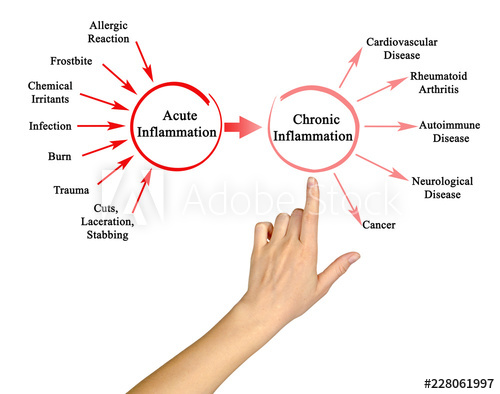
Little is known about the etiology of cancers or the origins of chronic diseases. “The precipitous rise of chronic diseases is now the subject of genetic and environmental influences. Poor nutrition and stress, we now know, can alter susceptible genes. This is the basis of epigenetics, a recently recognized mechanism underlying health and disease.” (Judith Finlayson, Robert Rose, Inc. You Are What Your Grandparents Ate, 2019.)
The Human Genome Project
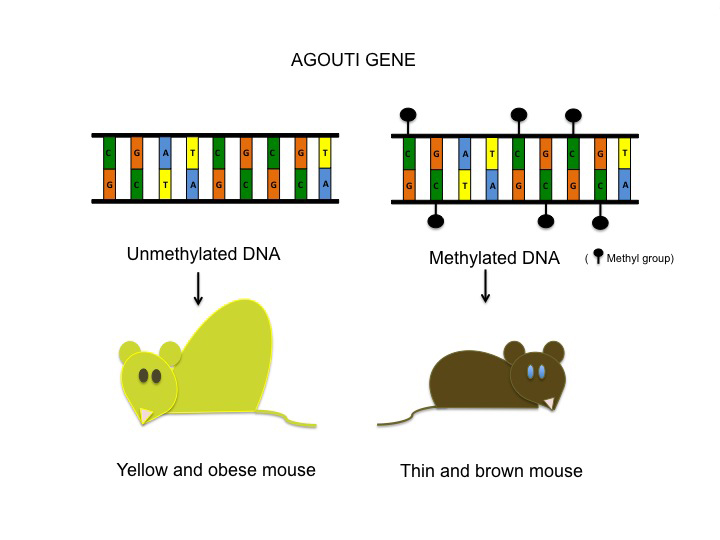
The Human Genome Project has identified millions of gene defects and variants in human DNA. The average person has 250 to 300 defective genes, plus an average level of 75 variants associated with disease. Nutrient availability, particular in early life, can modify the functional level of specific genes thereby influencing disease risks. Increased understanding of epigenetic processes as well as a person’s genetic status without changing gene structure is becoming an interesting phenomenon. Gene activity can be shut off or turned on, or slowed or sped up by epigenetic mechanisms, many of which are environmental. Refer to FFandFads on epigenetics.
Diseases Resulting from Multiple Gene Variants
Cancer
Most types of cancer are related to environmental exposures such as high fat and alcohol intakes, low fruit and vegetable intakes, high levels of body fat, smoking and other toxins. A number of research studies suggest that a diet rich in cruciferous vegetables may lower rates of a variety of cancers, including breast, pancreatic, bladder, lung, prostate and colon cancer. This family of vegetables is led by broccoli, cauliflower, Brussels sprouts, and cabbage to mention a few.
Certain enzymes in cruciferous veggies may help protect cell DNA from damage, and others may have antioxidant properties. Crucifers may also help to counteract cancer-causing nitrosamines and polycyclic aromatic hydrocarbons that are found in charred, cured or barbecued fish or meats.
Obesity
“Over 40 gene variants have been related to obesity development in people exposed to Western-type diets and low levels of physical activity. The current obesity epidemic appears to be driven by a mismatch between multiple components of our 400,000 year old genetic endowment (i.e., what our ancestors ate) and current food and activity environments.
Genetics traits that helped our early ancestors survive times of famine and that encouraged food intake rather than discouraged it, and that set up metabolic systems around unrefined and unprocessed foods are at odds with much of today’s food supply and physical activity requirements.” Nutrition Now, Judith E. Brown, 7th Edition
Reversing the world wide trend in obesity rates will not be easy. We need to lessen our triggers that favor food intake and increase environments that favor physical environments – how about just increased walking environments. No need to go to the gym.
Expanding availability of healthier foods and increasing earlier nutrition education to encourage healthier lifesytes is desperately needed and the earlier the better. As Michael Pollan suggests: Eat food (unprocessed), (Not too much), Do not diet. Mainly plants (fruits and vegetables). See how easy it is???



 FOOD, FACTS and FADS