Telomeres protect your cells, so the longer your telomeres, the better. As we get older, the shorter they become as a natural process. In 2014, researchers looked at a group of people who regularly consumed 20 ounces (600 mlL) or more of soda daily. The study, was published in the American Journal of Public Health reported that the soda drinkers’ telomeres shortened much more quickly than the norm – the equivalent of more than four and one-half years in addition to the normal aging that would take place over the course of a year.
The subjects of the study included only healthy adults with no history of diabetes or cardiovascular disease. The authors recommended that additional research (as it always does in diet studies) may have linkage between diet and disease.
It’s important to examine the pathways from “soda” to cell” including telomeres and their role in aging as well as understanding them might improve risk factors for cardio metabolic disease, one of the major associations of diet and heart disease. Please search for telomeres in the blog (that have some interesting diagrams of telomeres and their structures.
Source: You Are What Your Grandparents Ate. Nutrition, Experience, Epigenetics, & the Origins of Chronic Disease Judith Finlayson 2019.
Everything You Need to Know About Telomere and Longevity
What Is a Telomere?
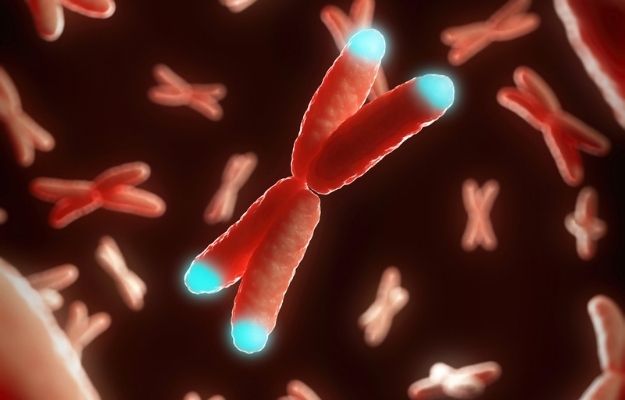
Telomeres are structural components of DNA. You can find telomeres at the end of each DNA strand.
Think of telomeres as protective protein caps for DNA that help maintain genomic stability. Without telomeres, DNA strands get damaged and may impair cellular function.
Why Are Telomeres Important?
Every cell of your body contains DNA. DNA contains all of the instructions our body needs for optimal functioning.
As a protective protein cap, telomeres help keep the information in DNA safe. So these structures help maintain optimal functioning at a cellular level. Unfortunately, with each cell division, telomeres become shorter.
At a certain point, telomeres will hit the Hayflick limit.
What is the Hayflick limit? This refers to the maximum number of times a cell will divide. After hitting this limit, cells stop dividing because telomeres hit a critically short length.
That’s why many scientists use telomere length as a biomarker for longevity and overall healthspan. Apart from aging in general, studies show that telomere length is linked to various chronic illnesses such as:
Certain cancers
Neurological diseases
Cardiovascular diseases
Osteoporosis
Type 2 diabetes
Given its association with age and illness, scientists believe that Telomere length is a good representation of biological age. As opposed to your chronological age, biological age refers to how well your body is functioning.
There’s nothing you can do about chronological aging. But there may be things you can do to slow down or even reverse biological aging—you just need to know what factors contribute to aging.
What Contributes to Telomere Shortening?
As you age, telomeres naturally shorten. But there may be things that speed it up.
So, if you can, steer clear from these factors to protect your telomeres.
Are There Other Telomere Interventions?
In 2009, Elizabeth Blackburn, Carol Greider, and Jack Szostak discovered how a specific enzyme could help synthesize telomeres. This groundbreaking discovery won them the Nobel Prize for Medicine.
The study shows that their supplement lengthened telomeres in a statistically and clinically significant way. More studies are being done to see how telomerase therapies can target aging and cancer.
What’s Next?
Scientists have come a long way since telomeres were initially discovered in the 1930s. It was only a few decades back when researchers found a link between telomere length and cellular aging. Since then, more than 20,000 journal articles have been written about telomeres.
But there’s still a lot of work ahead of them. They need to run more studies and clinical trials to learn more about the aging process, telomeres, and telomerase therapies.
As we wait to learn more about telomere therapies, there are other epigenetic applications you can take advantage of. If you’re serious about healthspan extension, then it’s important to know your true age or your biological age.
Knowing your biological age will give you an accurate view of your health status. A biological age test measures another biomarker of aging called DNA methylation.
Using a small blood sample, the test measures the pattern of DNA methylation changes to predict the quality of your health and the risk of various diseases. If you’re interested in learning more about the benefits of a biological age test, visit the TruDiagnostic website.
What concerns you most about aging? Please share your thoughts with us in the comments section below.
Most members of the band subscribed to a live-fast-die-young lifestyle. But as they partook in the drinking and drugging endemic to the 1990s grunge scene after shows at the Whiskey a Go Go, Roxy and other West Coast clubs, the band’s guitarist, Valter Longo, a nutrition-obsessed Italian Ph.D. student, wrestled with a lifelong addiction to longevity.
Now, decades after Dr. Longo dropped his grunge-era band, DOT, for a career in biochemistry, the Italian professor stands with his floppy rocker hair and lab coat at the nexus of Italy’s eating and aging obsessions.
“For studying aging, Italy is just incredible,” said Dr. Longo, a youthful 56, at the lab he runs at a cancer institute in Milan, where he will speak at an aging conference later this month. Italy has one of the world’s oldest populations, including multiple pockets of centenarians who tantalize researchers searching for the fountain of youth. “It’s nirvana.”
Dr. Longo, who is also a professor of gerontology and director of the U.S.C. Longevity Institute in California, has long advocated longer and better living through eating Lite Italian, one of a global explosion of Road to Perpetual Wellville theories about how to stay young in a field that is itself still in its adolescence.
In addition to identifying genes that regulate aging, he has created a plant and nut-based diet with supplements and kale crackers that mimics fasting to, he argues, allow cells to shed harmful baggage and rejuvenate, without the down side of actually starving. He has patented and sold his ProLon diet kits; published best-selling books (“The Longevity Diet”); and been called an influential “Fasting Evangelist” by Time magazine.
Last month, he published a new study based on clinical trials of hundreds of older people — including in the Calabria town from which his family hails — that he said suggests that periodic cycles of his own faux-fasting approach could reduce biological age and stave off illnesses associated with aging.
His private foundation, also based in Milan, tailors diets for cancer patients, but also consults for Italian companies and schools, promoting a Mediterranean diet that is actually foreign to most Italians today.
“Almost nobody in Italy eats the Mediterranean diet,” said Dr. Longo, who has a breezy California manner and Italian accent. He added that many Italian children, especially in the country’s south, are obese, bloated on what he calls the poisonous five Ps — pizza, pasta, protein, potatoes and pane (or bread).
At the foundation recently, the resident nutritionist, Dr. Romina Cervigni, sat amid pictures on the wall showing Dr. Longo playing guitar with centenarians, and shelves of his longevity diet books, translated into many languages and filled with recipes.
“It’s very similar to the original Mediterranean diet, not the present one,” she said, pointing at photographs on the wall of a bowl of ancient legumes similar to the chickpea, and of a Calabrian green bean pod prized by Dr. Longo. “His favorite.”
Dr. Longo, who has split his time between California and Italy for the past decade, once occupied a niche field. But in recent years, Silicon Valley billionaires who hope to be forever young have funded secretive labs. Wellness articles have conquered newspaper home pages and Fountains-of-Youth workout and diet ads featuring insanely fit middle-aged people teem on the social media feeds of not insanely fit middle-aged people.
But even as concepts like longevity, intermittent fasting and biological age — you’re only as old as your cells feel! — have gained momentum, governments like Italy’s are fretting over a creakier future in which booming populations of old people drain resources from the dwindling young.
And yet many scientists, nutritionists and longevity fanatics the world over continue to stare longingly toward Italy, seeking in its deep pockets of centenarians a secret ingredient to long life.
“Probably they kept breeding between cousins and relatives,” Dr. Longo offered, referring to the sometimes close relations in little Italian hill towns. “At some point, we suspect it sort of generated the super-longevity genome.”
The genetic drawbacks of incest, he hypothesized, slowly vanished because those mutations either killed their carriers before they could reproduce or because the town noticed a monstrous ailment — like early onset Alzheimer’s — in a particular family line and steered clear. “You’re in a little town, you’re probably going to get tagged.”
Dr. Longo wonders whether Italy’s centenarians had been protected from later disease by a starvation period and old-fashioned Mediterranean diet early in life, during rural Italy’s abject war-era poverty. Then a boost of proteins and fats and modern medicine after Italy’s postwar economic miracle protected them from frailty as they got older and kept them alive.
It could, he said, be a “historical coincidence that you’ll never see again.”
The mysteries of aging seized Dr. Longo at a young age.
He grew up in the northeastern port of Genoa but visited his grandparents back in Molochio, Calabria, a town known for its centenarians, every summer. When he was 5, he stood in a room as his grandfather, in his 70s, died.
“Probably something very much preventable,” Dr. Longo said.
At age 16, he moved to Chicago to live with relatives and couldn’t help notice that his middle-aged aunts and uncles fed on the “Chicago diet” of sausages and sugary drinks suffered diabetes and cardiovascular disease that their relatives back in Calabria did not.
“This was like the ’80s,” he said, “just like the nightmare diet.”
While in Chicago, he often went downtown to plug in his guitar at any blues club that would let him play. He enrolled in the renowned jazz guitar program at the University of North Texas.
“Even worse,” he said. “Tex-Mex.”
He ultimately ran afoul of the music program when he refused to direct the marching band, so he shifted his focus to his other passion.
“Aging,” he said, “it was in my head.”
He eventually earned his Ph.D in biochemistry at U.C.L.A. and did his postdoctoral training in the neurobiology of aging at U.S.C. He overcame early skepticism about the field to publish in top journals and became a zealous evangelizer for the age-reversing effects of his diet. About 10 years ago, eager to be closer to his aging parents in Genoa, he took a second job at the IFOM oncology institute in Milan.
He found a fount of inspiration in the pescatarian-heavy diet around Genoa and all the legumes down in Calabria.
“Genes and nutrition,” he said of Italy as an aging lab, “it’s just unbelievable.”
But he also found the modern Italian diet — the cured meats, layers of lasagna and fried vegetables the world hungered for — horrendous and a source of disease. And like other Italian aging researchers who are seeking the cause for aging in inflammation or hoping to zap senescent cells with targeted drugs, he said Italy’s lack of investment in research was a disgrace.
“Italy’s got such incredible history and a wealth of information about aging,” he said. “But spends virtually nothing.”
Back at his lab — where colleagues prepared the fasting-mimicking diet “broth mix” for mice — he passed a photograph on a shelf depicting a broken wall and reading, “We’re slowly falling apart.” He talked about how he and others had identified an important regulator of aging in yeast, and how he has investigated whether the same pathway was at work in all organisms. He said his research benefited from his past life of musical improvisation, because it opened his mind to unexpected possibilities, including using his diet to starve cells afflicted with cancer and other diseases.
Dr. Longo said he thinks of his mission as extending youth and health, not simply putting more years on the clock, a goal he said could lead to a “scary world,” in which only the rich could afford to live for centuries, potentially forcing caps on having children.
A more likely short-term scenario, he said, was division between two populations. The first would live as we do now and reach about 80 or longer through medical advancements. But Italians would be saddled with long — and, given the drop in the birthrate, potentially lonely — years burdened by horrible diseases. The other population would follow fasting diets and scientific breakthroughs and live to 100 and perhaps 110 in relative good health.
A practitioner of what he preaches, Dr. Longo envisioned himself in the latter category.
“I want to live to 120, 130. It really makes you paranoid now because everybody’s like, ‘Yeah, of course you got at least to get to 100,’” he said. “You don’t realize how hard it is to get to 100.”
Every day we’re inundated with the “right” things to do to live a longer life. Drink eight glasses of water a day, they say. Go to the pharmacy for an off-label prescription, advise others. And others task us with the impossible—yet promising—task to just keep a positive mindset.
Today, the average life expectancy in Britain is 81, and in 2022 there were over 15,000 people over the age of 100 living in England in Wales. But in the Blue Zones, or regions of the world where people live exceptionally long lives, individuals are ten times more likely to live to 100. These places—specifically the Barbagia region of Sardinia, Italy, Okinawa, Japan, Nicoya Peninsula, Costa Rica; and Icaria, Greece—are packed with centenarians.
It was only a matter of time until medical researchers, demographers, epidemiologists, and anthropologists dug in to find out the common denominators among these places. Thus, emerges the Blue Zones “Power Nine”—or nine things that the five places who have the highest proportions of people who reach age 100—have in common. National Geographic’s Dan Buettner, published these findings in his book, The Blue Zones: Lessons for Living Longer From the People Who’ve Lived the Longest. We tapped our own longevity experts to weigh in on each of the nine pillars.
1. Move naturally
Studies show that sedentary behaviour like sitting for 13 hours a day or walking less than 4,000 steps per day can reduce the metabolic benefits of acute exercise, while occasional activity could help reduce post-meal insulin levels. Researchers even found that “soleus push-ups” (that’s calf raises for the majority of us) done in a sitting position have been shown to fuel metabolism for hours. In other words: You don’t need to set aside 90 minutes every day to exercise day after day. Exercise snacks, or small bouts of movement incorporated throughout the day, are proven to be just as effective as larger planned-ut workouts—and much more accessible to most.
So, where does someone begin? Dr. Kien Vuu, founder of Vuu MD Performance and Longevity, author of Thrive State, says it starts by thinking of your work day differently. Have a bike? Opt for walking or biking for short distances, including to the office if that’s an option for your commute. Once you’re at your desk, try leg lifts or seated stretches, take the stairs to grab coffee, or opt for walking meetings if you’re chatting with someone who’s also in-office. Just a few minutes of activity breaking up sedentary behaviour can reap many benefits.
2. Say yes to happy hour
By now, most everyone has indulged in a non-alcoholic beverage, whether or not you’re on Team Dry January/Sober October. Although there’s loads of research praising the benefits of ditching alcohol altogether, a glass of wine is praised in Blue Zones. Not because of the wine’s health benefits, per say, but more so because of the socialization that comes hand-in-hand with imbibing now and then. “In longevity cultures, moderate alcohol consumption often occurs in a social context, emphasizing the role of community and celebration,” says Dr. Vuu. “The key might lie more in the positive social interactions and less in the alcohol itself. Positive relationships contribute to mental and emotional well-being.”
3. Take time to downshift
We’ve all heard it before: Stress is no good for us. Still, it’s often unavoidable. “When you notice your body tensing or your emotions rising, take a deep breath, hold for a few seconds, and slowly breathe out through your nose,” says Dr. Michelle Loy, an integrative medicine specialist at NewYork-Presbyterian/Weill Cornell Medical Center and assistant professor of pediatrics in clinical medicine at Weill Cornell Medicine. “The more you practice this, the better it gets. It can be done anywhere, anytime, and doesn’t interact with any medications or supplements.”
Not sure where to start? Begin before bedtime, making a couple extra minutes before you fall asleep to practice. Then, bring it into other areas of your day.
4. Give your diet a plant slant
Rich Roll. Chris Paul. Justin Fields. Kevin Hart. We’ve covered loads of guys who stick to a mostly plant-based diet (and exhausted the benefits of a plant-based diet, too). Blue Zone researchers agree, recommending that individuals seek out plant-based sources of protein, like beans, including black, soy, fava, and lentils, over meat. And when you’re in the mood for an animal-based option, opt for 3- to 4-ounce serving of pork.
5. Find your crew
If there’s one thing many learned during the last few years when it was at times stripped away from our day-to-day, there’s extreme power within connection and friendship. Those that live the longest identify close friends, and commit to those relationships for life. “Love and positive social interactions have been shown to release oxytocin, known as the ‘love hormone,’ which plays a role in bonding and reducing stress levels,” says Dr. Vuu. “So, loving, supportive relationships can lead to long-term improvements in emotional state and physical health.”
6. Abide by the 80 per cent rule
Researchers found that the people in Blue Zones eat their smallest meal in the late afternoon or early evening—then don’t eat any more the rest of the day. This falls into what’s called the “80 per cent Rule,” which recommends people stop eating when their stomachs are 80 per cent full. If you’re not good at exercising this type of restraint. Dr. Loy has a tip: “When you are starting to feel full, put away part of your meal in a Tupperware—or ask for the server to pack it to go,” she says.
7. Put your loved ones first
Investing time in your family is something that not only pays off emotionally, but in terms of longevity as well. Successful centenarians keep aging parents (or grandparents) nearby, commit to a life partner, and if they have children, they make an effort to spend time with them.
8. Find a place you belong
Research shows that attending a faith-based service four times per month could add four to 14 years to your life expectancy. If religion isn’t your cup of tea, there’s always the opportunity to dive deep into your own personal wellness. Seek out a squad that makes you feel accepted and seen, whether that’s your local CrossFit gym or a weekly trivia ritual at the restaurant down the block.
9. Know your “why”
When you know why you wake up in the morning and have a purpose in your day-to-day life, research shows that you can add up to seven years to your life expectancy. The Japanese concept of Ikigai encourages individuals to find their personal calling or purpose, adds Dr. Loy, who recommends asking yourself four questions and finding where these answers intersect:
The health risks of eating ultra-processed foods _________ including sausages and burgers as well as pizza and ice cream ____________ are well documented. They have been shown to raise the risk of obesity, diabetes, and cancer among other ailments. (CNN.com )
In a new study, researchers followed more than 10,000 Brazilians with an average age of 51 for more than 10 years. They found that people who consumed more than 20% of their daily calories from ultra-processed foods had a 28% faster cognitive decline compared to those with less than 20%. Unfortunately, that 20% is not a high threshold; just 400 calories out of the 2000 calorie diet. And most Americans are well over that, getting on average a whopping 58% of their calories from ultra-processed foods.
“The sample size is substantial and the follow-up extensive, Dr. David Katz, a nutrition specialist who was not involved in the study. While short of proof, this is robust enough that we should conclude ultra-processed foods are probably bad for our brains.”
Source: The Week. December 23, 2022, Volume 22, Issue 110.
NUTRITION AND GENE INTERACTIONS: Is It More than Just Genes?
The Human Genome Project has identified millions of gene defects and variants in human DNA. The average person has 250 to 300 defective genes, plus an average level of 75 variants associated with disease. Nutrient avalibility, particular in early life, can modfiy the functional level of specific genes thereby influencing disease risks. Increased understanding of epigenetic processes as well as a person’s genetic status without changing gene structure is becoming an interesting phenomenon. Gene activity can be shut off or turned on, or slowed or sped up by epigenetic mechanisms, many of which are environmental. Search Genetics and or Epigenetics on http://www.foodfactsandfads.com.
Cancer Most types of cancer are related to environmental exposures such as high fat and alcohol intakes, low fruit and vegetable intakes, high levels of body fat, smoking and other toxins. A number of research studies suggest that a diet rich in cruciferous vegetables may lower rates of a variety of cancers, including breast, pancreatic, bladder, lung, prostate and colon cancer. This family of vegetables is led by broccoli, cauliflower, Brussels sprouts, and cabbage to mention a few.
Certain enzymes in cruciferous veggies may help protect cell DNA from damage, and others may have antioxidant properties. Crucifers may also help to counteract cancer-causing nitrosamines and polycyclic aromatic hydrocarbons that are found in charred, cured or barbecued fish or meats.
Obesity: Opinions? “Over 40 gene variants have been related to obesity development in people exposed to Western-type diets and low levels of physical activity. The current obesity epidemic appears to be driven by a mismatch between multiple components of our 400,000 year old genetic endowment (i.e., what our ancestors ate) and current food and activity environments.
Genetic traits that helped our early ancestors survive times of famine and that encouraged food intake rather than discouraged it, and that set up metabolic systems around unrefined and unprocessed foods are at odds with much of today’s food supply and physical activity requirements.” Reversing the world wide trend in obesity rates willl not be easy. We need to lessen our triggers that favor processed food intake and increase environments that favor heathly physical environments – how about just increased walking environments. No need to go to the gym.
Expanding availability of healthier foods and increasing earlier nutrition education to encourage healthier lifestyles is desperately needed and the earlier the better. As Michael Pollan suggests in his book, “In Defense of Food” : “ Eat food, Not too Much, Mostly Plants.” See how easy it is??? (SJF )
Aging is defined as the progressive decline in physiological functions which leads to increased vulnerability to diseases and death [1]. This is a universal process underlying by many mechanisms and different pathways, whose burden rises to three different phenotypes: normal aging, accelerated aging and successful aging [2]. Despite variability among definitions, “successful aging” is as a multidimensional process encompassing major chronic diseases, major impairments in cognitive, in physical function and sustained engagement in social and productive activities [2,3]. However, reaching old age in good health is not just a “fate effect” but the result of a complex interweaving between environmental and genetic factors [4]. Studies conducted in twins have estimated that approximately 20-30% of an individual’s lifespan is related to genetics, while the rest is due to individual behaviors and environmental factors [5,6]. In this contest, nutrition and lifestyle are the most important contributors to longevity and healthy aging [7–11]. Follow a diet rich in vegetables, fruits, nuts, olive oil, fish, a small amount of red wine and exercise at least 20 minutes a day three times a week, avoiding obesity, smoke and alcohol, represents the working recipe for long and healthy life. Many mechanisms and pathways underlie nutrition, lifestyle and longevity including telomere length modulation [12–15].
Telomeres are long sequences of nucleotides at the end of our chromosomes, forming with specific proteins complex, an “end caps” which preserve genome stability and lead a cell to correctly divide [16–18]. Telomeres have been compared with the plastic tips on shoelaces, since they are able to keep chromosome ends from fraying and fusion to each other, which would destroy or interfere genetic information. At each cell division or replication event, telomeres lose some of their length and when they get too short, the cell is no longer able to divide becoming “senescent” [19]. This shortening process triggers a sustaining damage response scrambling with cell health leading to disease risk and cell death [20]. In 1962, Leonard Hayflick revolutionized cell biology when he developed a telomere theory known as the “Hayflick limit”, which places the maximum potential lifespan of humans at 120 years, the time at which too many cells with extremely short telomeres can no longer replicate and divide [21,22]. Fifty years later, new science came out opening the door to maximizing our genetic potential. In fact, published data suggested that extremely short or dysfunctional telomeres can be repaired by the enzyme “telomerase”, which working as a reverse transcriptase, adds nucleotides at the end of each chromosome promoting its stability [22,23]. In 2009, Blackburn, Greider and Szostak received the Nobel Prize for the discovery of “how chromosomes are protected by telomeres and the enzyme telomerase”. These discoveries had a great impact within the scientific community, supporting that aging can be potentially delayed by telomerase activation and telomere erosion rate reduction.
In contrast to stem cells which constitutively express low levels of telomerase, normal somatic human cells repress its expression immediately after birth [24–27]. Thus, for a long time, telomere length has been considered as an indicator of cellular senescence, and a potential biomarker of human aging, but studies supporting this role are still contradictory and inconclusive [22,28,29]. More recent genetic studies in animal models have demonstrated that short telomeres rather than average telomere length are associated with age-related diseases and, their rescue by telomerase is sufficient to restore cell and organismal viability [30,31]. In humans, circulating telomerase activity rather than telomeres length is inversely associated with the major cardiovascular disease risk factors [32]. Thus, another concept is coming up, the “telomere stability”, a quite different concept from telomere length. For example, patients with Alzheimer’s disease do not invariably have shorter telomeres, but their telomeres have significant signs of dysfunction [33–38]. Improving the activity of telomerase enzyme -that can add length back to shorter telomeres, and, in the meantime, protect longer telomeres to ensure stability- seems a way to actually turn back the biological clock. Telomerase has also extra-telomeric functions influencing various essential cellular processes, such as gene expression, signaling pathways, mitochondrial function as well as cell survival and stress resistance [40,41]. Therefore, the presence of active telomerase in stem cells, and potentially in all cells, may be helpful for longevity and good health.
Lifestyle factors known to modulate aging and age-related diseases might also affect telomerase activity. Obesity [42], insulin resistance [43,44], and cardio-vascular disease processes [45,46], which are related to oxidative stress and inflammation, have all been linked to shorter telomeres. Smoking, exposure to pollution, lower physical activity, psychological stress, and unhealthy diet significantly increase the oxidative burden and the rate of telomere shortening [47–53]. So, what a better way to counteract the “biological clock” by reactivating telomerase trough diet and lifestyle interventions? There is a recent paper showing that with intensive lifestyle modification, with a low fat diet, regular physical activity, and mental stress reduction (by yoga and meditation), telomerase activity increases significantly in peripheral blood mononuclear cell (PBMC) [54]. Again, people living in the Mediterranean countries have longer and healthier life as compared with people living in other industrialized countries, and we previously demonstrated that they have also claim longer telomeres and higher telomerase activity in PBMC [55]. It is still unclear if there is a single nutrient or a factor responsible of Mediterranean diet anti-aging properties or the whole, single ingredient foods and lifestyle are the key to “healthspan”.
Today, researchers are struggling to find a compound or an “elixir” for long life, while common people are taking dietary supplements with the intent to preserve mental, physical, and emotional health into old age. Most dietary supplement programs include combinations of vitamins, antioxidants, and other constituents, some of which have been shown to have significant health benefits in controlled clinical studies. Specific nutrients provide all the necessary building blocks to support telomere health and extend lifespan. This is the case of folate [56,57], vitamins (B, D, E, C) [58] zinc [59] and polyphenol compounds such as resveratrol [60], grape seed extract and curcumin [61]. Several foods -such as tuna, salmon, herring, mackerel, halibut, anchovies, cat-fish, grouper, flounder, flax seeds, sesame seeds, kiwi, black raspberries, green tea, broccoli, sprouts, red grapes, tomatoes, olive fruit- are a good source of antioxidants. These, combined with a Mediterranean type of diet containing fruits, vegetables and whole grains would help protect our chromosome ends [62–70].
In conclusion, what we eat, how we eat and how much we eat, together with lifestyle significantly, can affect our telomerase/telomere system with a great impact on healthspan. “Similes cum similibus curantur” and in nature is still hidden the secret of healthy and long life whereas telomerase could represent the distinctive target.
Nutrition and Lifestyle in healthy aging: the telomerase challenge
Virginia Boccardi, Gluseppe Paolisso, and Patricia Mecocci. Aging, January 2016, Vol.8 No 1
Although life span has not changed, life expectancy has increased dramatically over the past century.
With rare exceptions, life expectancy has been on the rise in the U.S. It was 47 years in 1900, 68 years in 195v0, and by 2019i it had risen to nearly 79 years. But it fell to 77 in 2020 and dropped further to just over 76 in 2021. (can you think Covid?) Harvard Health.
The causes of aging are still a mystery.Most likely, aging results from an interaction of genetic and the changes listed in the table below: The science of epigenetics also can offer lifestyle factors to further influence the changes that normally occur with “normal aging”.
Aging occurs due when: Errors occur in copying the genetic blueprint (DNA) Connective tissue stiffens. Parallel muscle proteins cross link. Electron – seeking compounds (free radicals) damage cell. Hormone functions change. Blood glucose attaches to various blood and body proteins. Occurs in poorly controlled diabetes The immune system loses some efficiency and fails to recognize foreign substances. Autoimmunity develops. Immune function cells destroy “self”. Death is programmed into the cell, e.g. each cell can only divide about 50 times; after that the cell dies and succumbs. Excess energy intake speeds body breakdown and may even cause premature death. In research, underfed animals live longer by calorie restriction. Diet can slow down some of these processes? Source: Gordon M. Wardlaw. Contemporary Nutrition: Issues and Insights. Page 518-520. Edited for Food, Facts and Fads by: Sally J. Feltner, MS, PhD
WOW!!! What else could go wrong?
Healthy lifestyles may be found to alleviate some or all of these body processes.
Although life span has not changed, life expectancy has increased dramatically over the past century,
With rare exceptions, life expectancy has been on the rise in the U.S. It was 47 years in 1900, 68 years in 195v0, and by 2019i it had risen to nearly 79 years. But it fell to 77 in 2020 and dropped further to just over 76 in 2021. (can you think Covid?) Harvard Health.
The causes of aging are still a mystery.Most likely, aging results from an interaction of genetic and the changes listed in the table below: The science of epigenetics also can offer lifestyle factors to further influnce the changes that normally occur with “normal aging”.
Aging occurs when: Errors occur in copying the genetic blueprint (DNA) Connective tissue stiffens. Parallel muscle proteins cross link. Electron – seeking compounds (free radicals) damage cell. Hormone functions change. Blood glucose attaches to various blood and body proteins. Occurs in poorly controllled diabetes The immune system loses some efficiency and fails to recognize foreign substances. Autoimmunity develops. Immune function cells destroy “self”. Death is programmed into the cell, e.g. each cell can only divide about 50 times; after that the cell dies and succumbs. Excess energy intake speeds body breakdown and may even cause premature death. In research, underfed animals live longer by calorie restriction. Diet can slow down some of these processes? Source: Gordon M. Wardlaw. Contemporary Nutrition: Issues and Insights. Page 518-520. Edited for Food, Facts and Fads by: Sally J. Feltner, MS, PhD
WOW!!! What else could go wrong?
Healthy lifestyles may be found to alleviate some or all of these body processes.
Epigenetics refers to the inheritable changes in your DNA that don’t change the actual DNA sequences. That means these changes are potentially reversible.
What is DNA Methylation?
Your DNA consists of four bases called cytosine, guanine, adenine, and thymine. A chemical unit called a methyl group (designated by CH3 or one carbon atom and three hydrogen atoms) can be added to cytosine.
When that happens, that area of the DNA is methylated. When you lose that methyl group, the area becomes demethylated.
DNA methylation often inhibits the expression of certain genes. For example the methylation process might stop a tumor-causing gene from “turning on”, preventing cancer.
Researchers are currently working to better understand the factors that affect DNA methylation. Based on some earlier findings, there is some evidence that diet plays a role. This opens up the potential to reduce genetic risk of developing certain conditions such as breast cancer or heart disease through simple lifestyle changes.
The patterns of DNA methylation change through out your life, from fetal development to end of life. Studies suggest that DNA methylation slows down as we age. Genes that were once repressed by methylation start to become active and possibly result in a variety of diseases. Interestingly, another study found that participants”who consumed more alcohol were more likely to have decreased DNA methylation. In contrast, those who consume a lot of folate were more likely to have increased methylation.
“Can Diets Change Your DNA? The question is “are you really what you eat? The answer appears to be No. However, we have known for years that gene expression influences metabolism. A study published in Nature Microbiology in 2016 indicates that nutrition may play an important role in how some DNA sequences are expressed. The study that how genes behave is strongly influenced by the food we eat. Even so, we are still a long way from the kind of personalized medicine that will furnish nutritional therapies to treat a wide spectrum of conditions.” Stay tuned for the future. Source: You Are what Your Grandparents Ate. Judith Finlayson, 2019.








 FOOD, FACTS and FADS