Maintain longevity by a staple weight.

  • In a study on longevity in women, researchers from the University of California San Diego (UCSD) examined the benefits of keeping a stable weight for older women.
  • The scientists studied data from thousands of women to determine the likelihood of reaching the ages of 90, 95, or 100, which they called “exceptional longevity.”
  • Their data analysis showed that older women who maintained a stable weight may be 1.2 to 2 times more likely to reach ages 90 to 100.
  • While maintaining a stable weight provided benefits toward reaching exceptional longevity, unintentional weight loss was associated with a decrease in the likelihood of reaching 90.

Older women looking to extend their lifespan to the age of 90 or beyond should focus on maintaining a stable weight.

A recent multi-institutional study found that older women who maintained a stable body weight after 60 were more likely to reach their 90th birthdays.

The study involved 54,437 women from the Women’s Health Initiative. The researchers looked at short-term and long-term weight changes in women and compared that to the age they reached.

The researchers found that women who experienced unintentional weight loss had 51% lower odds of reaching 90.

While weight loss was associated with decreased longevity, a weight gain of 5% or more did not contribute to exceptional longevity, which points toward the importance of maintaining a stable weight.

The study was published in the Journal of Gerontology: Medical Sciences.

Weight loss vs. weight gain vs. stable weight 

This study aimed to analyze any associations between weight changes (intentional or unintentional) and exceptional longevity in older women.

The authors noted that prior studies analyzed the effects of weight loss in early to middle adulthood, such as shifting from being a person with obesity to being overweight, but that these studies had not considered whether the weight loss was intentional.

The UCSD study included nearly 55,000 postmenopausal women who participated in the Women’s Health Initiative (WHI) study, which began in 1991. The WHI study focused on health issues in postmenopausal women, such as heart disease and cancer.

The authors chose to use data from women who were ages 61 to 81 at the time of enrolling in the study. The women provided information, including their weight, medical conditions, alcohol consumption, and smoking status.

The researchers looked at weight changes from the beginning of each participant’s enrollment and later at the 3-year and 10-year marks. They categorized the women into one of three groups:

  • Stable weight (less than 5% change from starting weight)
  • Weight loss (more than 5% decrease from starting weight)
  • Weight gain (more than 5% increase from starting weight)

The authors also classified the women into “intentional weight loss” or “unintentional weight loss groups” at the 3-year weigh-in, depending on whether they reported losing more than 5 pounds on purpose.

https://bffc11acfe5cf7650f33e8fa5c73382e.safeframe.googlesyndication.com/safeframe/1-0-40/html/container.html

Unintentionally losing weight hurts chances of reaching 90

After excluding any women who died within the first year of the 3-year weigh-in (to avoid pre-existing health conditions impacting results), the researchers found that 56.3% of women who maintained a stable weight lived to be at least 90 years old.

Women who experienced unintentional weight loss of 5% or more were less likely to reach the age of 90.

According to the authors, women who had weight loss (for any reason) of more than 5% at the 3-year checkup had 33% lower odds of reaching 90, 35% lower odds of reaching 95, and 38% lower odds of reaching 100.

They also looked at whether the weight loss was intentional or unintentional, and the women who tried to lose weight had 17% reduced odds of reaching 90. Some reasons for intentionally losing weight included diet changes and an increase in exercise.

The women who did not lose weight on purpose had 51% reduced odds of reaching 90. Some reasons the women reported for unintentionally losing weight include illness and stress.

Alternatively, a weight gain of more than 5% at the 3-year weigh-in was not associated with increased chances of survival.

“It is very common for older women in the United States to experience [being overweight or having obesity] with a body mass index range of 25 to 35. Our findings support stable weight as a goal for longevity in older women,” says Professor Aladdin H. Shadyab, the study’s lead author and professor at UCSD’s School of Public Health and Human Longevity Science.
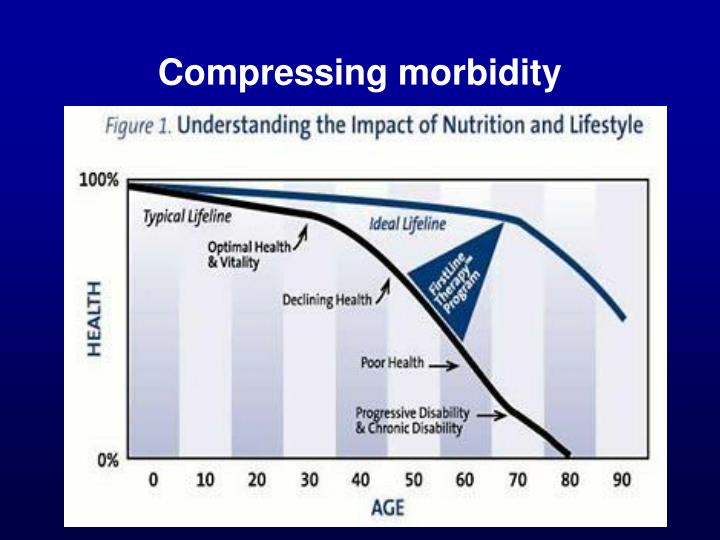
Working for an extension of a Healthy Lifespan

What are the Blue Zones?

Introduction How Did the whole Blue Zone Concept Develop?

What Are the Blue Zones? Why are they called “blue”?
An epidemiologist, Pes from Sardinia, Italy began to study centenarians, he denoted those areas that appeared to be long-lived on a map He noted these areas with blue markers on a map, thus the Blue Zones. He used dietary surveys from the last century and noted that from the late 20th century, certain areas in the world had diets and similar social patterns that consisted primarily minimally processed plant foods-i mostly whole grains, greens, nuts, tubers and beans. Most people ate meat on average only five times a month They drank mostly water, herbal teas, coffee, and some wine. They drank little or no cow’s milk; sweetened sodas and fast foods. were largely unknown.

Processed foods began to penetrate these areas as well as animal products and fast foods began to invade the cultures. Not surprisingly, chronic diseases began to appear on their menus.

Sardinia, Italy: Home to the World’s Highest Concentration of Male Centenarians.
In the Years after WW2, 38 people the village of Arzana in Sardinia’s Gennargentu mountains – one out of every 100 of their peers- have reached a century

To illustrate, short bios or vignettes that describe how several members of the Blue Zones have lived and practiced the ways of the centenarians they have become. Each glimpse of them is reflected in the habits they swear have contributed and shown us the way that their lifestyles may contribute to their longevity. The purpose of this is to show how they lived in their culture with a hope that we as Americans can learn how to adapt to or adopt some of the components of this way of living and show us how to adopt them to the “American” way of life. It is also important to realize that it’s not always what we eat, but how to eat”. The information is based on a real life experiment called The Blue Zones by Dan Buettner or the Blue Zones Solution: Eating and Living Like the World’s Healthiest People are excellent EXAMPLES OF HOW TO USE THESE PRINCIPALS IN THE BLUE ZONES to adapt to American ways.

For example, Carbohydrates from Sardinian sourdough bread enter the bloodstream at a slower rate than those from plain white bread.”

“ Traditional diets with whole grains, greens, nuts and beans offer the promise of eluding disease and staying healthy.”

In the kitchen, ninety-year old Assunta Podda flashes a toothy smile while she vigorously stirs an earthen pot of the melange of beans, carrots, onions, garlic, tomatoes, fennel, kohlrabi, and various herbs – all of which had been doused with olive oil. On the table next to her sits the staples the evening meal: some sourdough loaves, forage greens, and a carafe of garnet red wine. With the steady hand of a younger woman, she pours wine into stout glasses and ladles the steaming soup into dishes. “Now eat”, she says with a grin.”

Bread making in Sardinia is a community affair. Women can be seen making the traditional bread served at most meals. In one village bakery. the octogenarian senior baker named Regina Boi had provided the starter dough that her family had cultivated for generations. The starter contains yeast and native Lactobacillus bacteria. From these ingredients carbon dioxide leavens the bread and the lactobacilli also break down the carbohydrates to produce lactic acid that provides tthe traditional sour taste of sour dough bread.

As Podda’s family dinner ends, a spirited exchange ensues with the local village gossip, Pes, one of the guests raises his glass in a sense of revelry and expresses the signature toast of the island, “a kent annos”. May you live to 100”. The remaining guests respond, “And may you be here to count the years”.

Nicoya, Costa Rica: Adults Here have the Longest Life Expectancy in the Americas.

Excess access to fruits such as pineapple and papayas from home gardens extends this plant-based diet year around.
Costa Rica’s blue zone is a roughly 30-mile long strip that runs along the spine of the Nicoya Peninsula; it doesn’t include the tourist resorts on the coast.

Surveys show that previous to the late 20th century, these diets consisted primarily of minimally processed foods – mostly whole grains, greens, nuts, tubers and beans. They ate meat on average only five times a month. They drank water, herbal teas, coffee, and some wine. They drank little cow’s milk and sweetened drinks was largely unknown. As processed foods became available, they ate more processed animal products, and began to eat fast foods. Not surprisingly, chronic diseases have been on the rise.

“A healthy diet is part of the practice that can support longevity, e.g. having a circle of friends, and a strong sense of purpose. Every morning, Maria Elena Jimenez, Rojaz in Santa Cruz gathers to make the perfect tortilla. Three women mix black beans with onions, red peppers, and herbs. The beans will cook until tender and then be nixed with rice and sauteed peppers, onions and garlic to produce a uniquely Costa Rican version of gallo pinto.

The region’s Chorotega people have influenced the food supply by simply eating the same food for a millennia. This may be partly the reason adults there have the longest life expectancy for Americans and men older than 60 have the lowest reliably measured rate of mortality for their age group in the world.

Corn tortillas might affect longevity. The wood ash the women add when they soak the corn breaks down the cell walls of the kernels and releases niacin which helps to control cholesterol. Black beans contain the same pigment-based antioxidants found in blueberries. They are also rich in colon-cleansing fiber. The secret is pairing corn with beans the beans that then can contribute all nine essential amino acids to make muscle in addition to less cholesterol and saturated fat. as meats.

By the way, Paulina serves this breakfast so typical in the Nicoya region to her 102 – year old father, Pachito and her nephew, Sixto every day. The meal includes coffee, eggs, rice and beans, and those famous tortillas cooked on a tradition wood-fired stove known as a fogon. By the way, this adds up to a relatively high carbohydrate diet.

How is Longevity Studied? A common way if possible is to use a little genetic science.
Telomeres are protective “caps”on the ends of DNA strands, which wear down over time. This effect becomes a marker of biological age. Research has shown us Nicoyans have longer telomeres (a good thing) on average than Costa Ricans overall. (Stanford Social epidemiologist, David Rehkopf and Costa Rican demographer Luis Rosero-Bixby).

Rehkopf has reported that Nicoyans seem to be up to a decade younger biologically than their chronological age.

Omega 3s And Diabetes

In the News

Higher Intake of Omega-3s Lowers Diabetics’ Mortality Risk

People with diabetes who had a higher intake of the omega-3 fatty acids, EPA and DHA had a lower risk of all-cause mortality compared to diabetics whose intake was lower, a study in Acta Diabetologica reported.

The clinical study included 4,854 diabetic participants in the National Health and Nutrition Examination Survey 1999-2014. Mortality data were obtained through 2015.

During the follow-up, 1102 deaths occurred. People whose intake of EPA and DHA was among the highest 20% of participants, at more than 122 mg per day, had a 25% lower risk of mortality from any cause compared to those whose intake of the fatty aids was among the lowest 20%, at 9.5 mg or less.

When the risks of all-cause mortality associated with EPA and DHA were analyzed separately, greater DHA intake emerged as significantly associated with lower mortality risk.

EPA = eicosapentaenoic acid (a long-chain fatty acid )
DHA = decosahexaenoic acid (a long-chain fatty acid)

Acta Diabetol. 2023 Mar;60(3):353-362

Association of fish and long-chain 3 -omega fatty intakes with total and cause-specific mortality: prospective analysis of 421,309 individuals.

Association of fish and long-chain omega-3 fatty acids intakes with total and cause-specific mortality: prospective analysis of 421 309 individuals
Y Zhang  1 , P Zhuang  1 , W He  2 , J N Chen  1 , W Q Wang  3 , N D Freedman  4 , C C Abnet  4 , J B Wang  5 , J J Jiao  3

A study published in the Journal of Internal Medicine reported that both men and women who had a high intake of fish or long-chain omega 3 polyunsaturated fatty acids (PUFA) that included EPA, DHA, and DPA had lower risks of dying from any cause.

The study population included 240, 729 men and 180,580 women. They were given questionnaires concerning lifestyle and diet and followed up after 16 years.

Results (from Abstract)
“A total of 54 230 men and 30 882 women died during 6.07 million person-years of follow-up. Higher fish and LCn-3 PUFAs intakes were significantly associated with lower total mortality (P < 0.0001). Comparing the highest with lowest quintiles of fish intake,
men had 9% (95% confidence interval, 6–11%) lower total mortality, 10% (6–15%) lower cardiovascular disease (CVD) mortality, 6% (1–10%) lower cancer mortality, 20% (11–28%) lower respiratory disease mortality and 37% (17–53%) lower chronic liver disease mortality, while women had 8% (5–12%) lower total mortality, 10% (3–17%) lower CVD mortality and 38% (20–52%) lower Alzheimer’s disease mortality. Fried fish consumption was not related to mortality in men whereas positively associated with mortality from all causes (P = 0.011), CVD and respiratory disease in women. LCn-3 PUFAs intake was associated with 15% and 18% lower CVD mortality in men and women across extreme quintiles, respectively.”

Conclusion
“Consumption of fish and LCn-3 PUFAs was robustly associated with lower mortality from major causes. Our findings support current guidelines for fish consumption while advice on non-frying preparation methods is needed.
Discussion: “As the associations between long-chain omega-3 PUFAS intake and morality were similar to that of fish intake, the health benefits of fish is probably related to the abundant content of long-chain omega-3 PUFAS, which possess anti-inflammatory properties and may prevent the development of inflammation-driven disorders, including cardiovascular disease, cancer, and Alzlheimer’s disease,” Dr. Zhang and associates observed.”
“Overall, we provide new clinical evidence with which to address the role of fish and long-chain omega-3 PUFAs in overall health and contribute to updated dietary guidelines,” the authors concluded.”
A study reported on July 18, 2018 in the Journal of Internal Medicine reveals a lower risk of dying from any cause during a 16-year follow-up period among men and women who had a high intake of fish or long-chain omega-3 polyunsaturated fatty acids (PUFAs), which include EPA, DHA, and DPA.”

Keywords: AARP diet and health study; cardiovascular disease; long-chain omega-3 fatty acids; marine fish; mortality.
© 2018 The Association for the Publication of the Journal of Internal Medicine.

Before taking any PUFA supplement, check with your physician. Fish is better!!! SJF

From Eating Well:

The Bottom Line: “If you tend to eat a lot of fried food, the air fryer is definitely a good option for you. Still, the air fryer isn’t a magic machine that makes any food “healthy.” If you typically use the oven to cook food, the air fryer can be a great tool to add more variety to your cooking—start experimenting with our 30-Minute Recipes for Your Air Fryer! From Eating Well.”

Olive Oil : Mediterranean Style?

Kristen Rogers, CNN

Thu, July 27, 2023 at 10:45 AM EDT·4 min read

Sign up for CNN’s Eat, But Better: Mediterranean Style. Our eight-part guide shows you a delicious expert-backed eating lifestyle that will boost your health for life.

Including olive oil in your regular diet offers several benefits — such as protecting heart health or cognitive function.

The Mediterranean staple might also reduce your risk of dying from dementia by 28% if you eat just a spoonful every day.

This new finding is according to research presented Monday in Boston at Nutrition 2023, the annual meeting of the American Society for Nutrition.

Whether olive oil is linked with risk of dementia-related death had never been studied until now, according to the authors.

“Our study reinforces dietary guidelines recommending vegetable oils such as olive oil and suggests that these recommendations not only support heart health but potentially brain health, as well,” said Anne-Julie Tessier, a coauthor of the research and postdoctoral fellow at the Harvard T.H. Chan School of Public Health, in a news release. “Opting for olive oil, a natural product, instead of fats such as margarine and commercial mayonnaise is a safe choice and may reduce the risk of fatal dementia.”

Research participants included nearly 60,600 women who had participated in the Nurses’ Health Study from 1990 to 2018, and nearly 32,000 men who had been in the Health Professionals’ Follow-Up Study during the same time period. The former study investigated risk factors for major chronic diseases among women in North America, whereas the latter is looking into the same topics but for men.

The authors of the latest research assessed the diet of the participants — who were age 56 on average at the start of the study — every four years via a questionnaire. The team also reviewed diet quality using the Alternative Healthy Eating Index, which assigns ratings to foods and nutrients predictive of chronic disease. The higher people score on this index, the better.

Over a follow-up period of 28 years, regardless of diet quality, eating more than half a tablespoon of olive oil per day was associated with a 28% lower risk of dying from dementia, compared with participants who never or rarely consumed olive oil.

Additionally, replacing a daily teaspoon of mayonnaise or margarine with the same amount of olive oil was correlated with an 8% to 14% lower risk of dementia-related death, the authors found.

However, this research is early, so some experts uninvolved with it urge caution.

“These findings are simply being reported at a conference and have not undergone peer-review so there has been no examination of the study by independent experts,” said David Curtis, honorary professor at the UCL Genetics Institute at University College London, in a statement. “We do not know whether the results will end up being published in a journal. If the study does eventually result in a published paper, we do not know whether the published results will be the same as those now being presented.”

The 4,749 participants who died from dementia were more likely to have APOE e4 — the strongest known genetic risk factor for Alzheimer’s disease — according to analysis of DNA from participants’ blood or mouth cells. But having the gene doesn’t mean a person will certainly develop the disease, and the authors’ findings were still consistent after taking this factor into account, they said.

Regardless, “it is important to note that this is not causal, as the authors point out, only an association,” said registered dietitian Duane Mellor, a senior teaching fellow at Aston Medical School of Aston University in England. “More research is needed.”

Olive oil and dementia risk

The potential benefits of olive oil for brain health could be due to antioxidant compounds that can cross the blood-brain barrier, directly affecting the brain, Tessier said.

“It is also possible that olive oil has an indirect effect on brain health by benefiting cardiovascular health,” she added.

Though participants’ overall diet quality didn’t make a difference in the findings, those who consume olive oil may have overall healthier lifestyles.

“There are many, many differences between people who consume olive oil and those who do not, and it is never possible to fully account for all possible confounding factors,” Curtis said.

Another important point to keep in mind is that about half of dementia cases are caused by vascular disease, Curtis added.

“Anything which improved cardiovascular health, such as not smoking, would be expected to reduce dementia risk,” he said. “It has been shown that olive oil consumption is associated with better cardiovascular health, so one would expect that it would also be associated with lower dementia risk.”

Olive oil is a staple of the Mediterranean diet, which has been found helpful for health of the brain, heart, bones and more. Besides cooking with olive oil, you can also use it to make salad dressings or vinaigrette, mayonnaise, pesto or bread dip. And people should also remember that when it comes to food and brain function, it’s not just about what we eat, but how we eat, Mellor said. We see examples of longevity when we study the populations living in the Blue Zones. (SJF).

“Remaining sociable around mealtimes and eating with others can benefit our mental health in the short term and cognitive function as we age,” he added.

For more CNN news and newsletters create an account at CNN.com

Mr. America?

by foodworksblog Leave a comment

By Sally J. Feltner, MS, PhD, RD (Ret)

Every once in a while, it is fun to go back into history and rediscover the fads that were popular then – the story of Bernaar MacFadden is one of them. He was however, very successful and in my opinion, a very fascinating human being.

“In 1913, twenty year old Mary Williamson, a runner and muscular swimmer was crowned “Great Britain’s Perfect Woman and as part of her prize was a job offer from fitness guru, forty-four year old, Bernarr MacFadden. The job involved a traveling physical fitness show billed as “The World’s Healthiest Man and Woman.” They performed feats of physical prowess with the big finale featuring Mary’s nightly jump from a seven-foot platform onto MacFadden’s stomach. Another “prize” was becoming Bernarr’s third wife. He proposed one day when the pair was halfway through a ten-mile run and when she accepted, she recalled: “He stood on his head on me for one minute and four seconds.” Who was this man?

EARLY YEARS

Bernarr MacFadden was a man that brought physical culture to America and Europe. “He stood five foot six inches tall and built a fortune from often, but not totally, misinforming the public about nutrition and health.. He was born in 1868 on a farm near Mill Springs, Missouri where his father died when he was four from chronic alcohol consumption.

Bernarr, a sickly boy, was raised by a TB-ill mother who sent him away to a cheap boarding school. He later referred to this school as the “starvation school”. Bernarr remembered often having peanuts as his only source of nourishment. His mother died from tuberculosis when he was eleven and Bernard, (he changed his name later to Bernaar) was sent to a northern Illinois farm to work for two years where his heath improved. He was then shipped off to St. Louis where his waiting relatives welcomed him, namely Uncle Harvey.

When walking in downtown St. Louis with his uncle one day, he discovered the Missouri Gymnasium and was impressed by the posters of musclemen displayed there. “The sickly young Barnard swore an oath: I’m going to be like them. I’m going to look like them.”

Bernarr obtained a copy of How to Get Strong and Stay So,  a bestseller in 1879 written by William Blaikie, a strongman and endurance athlete. He was further inspired to follow his dream; therefore, in the spring of 1891, Bernarr hung a shingle out that read:

“BERNARR MCFADDEN – KINISITHERAPIST

TEACHER OF HIGHER PHYSICAL CULTURE”

He declared himself a “teacher of physical culture” to become the nation’s first personal trainer. He made up the term, kinisitherapist. No one knew what he meant.

BELIEFS

MacFadden’s core belief mimicked the philosophy of Sylvester Graham that blamed toxins, improper diet and exercise habits, lack of sunshine and the use of tobacco and alcohol to be the reasons for most diseases. Bernard despised white flour and called it “dead food” and said: “ I saw that white bread was frequently condemned and I whenever available, secured whole wheat or Graham bread.” He did not, however, carry on the sexual restrictions of Graham.

He began a lecture series on physical culture and put up posters and small ads in the local newspapers. Each lecture started with Macfadden dressed only in a loincloth posing artistically in front of a cabinet lined with black velvet and lit from below to make him appear larger than he was.  His lectures became popular in both the U.S. and Europe.

He taught his nation-wide audiences that fresh fruits, vegetables, and whole grains were vital to good health. Today we know that his teachings about diet were relatively accurate in an era when nutrition knowledge was meager. He was not a true vegan, but used meat sparingly. His favorite food was carrots and he dutifully avoided sugar foods such as candy, cakes, pies and ice cream. He advocated eating only two meals a day and preached moderation while fasting once a week. There are some advocates that now suggest the same regimen.  He did not believe in pasteurization or homogenization of milk. He said that milk could cure many diseases. He avoided alcohol, tobacco. Of course, he advocated brisk walking, lifting weights, and prescribed calisthenics. Today’s body builders consider him the “father of physical culture.”

MacFadden published a culture magazine called Physical Culture. In 1901, he wrote: “Every disease in the human body is simply an endeavor on the part of the body to correct an abnormal condition…. It is the presence of impurities in the blood that make the production of a cold possible…Disease germs consume these poisons, or render them harmless.” By 1910, he ruled over a physical fitness empire. The empire included spas called “healthatoriums”, Physical Culture City and then Physical Culture University. He continued by promoting raw foods and salads every day and used fresh fruits to keep the intestines “antiseptic” to avoid autointoxication. He continued to avoid processed white sugar and flour.

LATER YEARS

His empire began to crumble. Research led to more knowledge about food components such as vitamins and minerals in the nutrition field. People began to lose interest in MacFadden’s ideas and his popularity declined.

In the final decade of his life, his previous wealth dwindled. He did not give up, however. He jumped out of a plane on his 83rd birthday; he did the same stunt the next year. In 1955, he was 87 and was experiencing liver and urinary tract problems. He fasted to treat his condition, but ironically died three days later due to complications from jaundice and dehydration.

LEGACY

Bernaar MacFadden was one of the most flamboyant and bizarre personalities in American culture; yet many people have forgotten him or have never heard of him today. He was the first food crusader to be known internationally and single-handed created the health and fitness awareness for millions of people. He continued to support detoxing and fasting that carried on the principles of Sylvester Graham. Even though some considered him a “quack,” he fought against medical quackery that began in the early 20th century. At the same time, he supported the medical practices of chiropractic and osteopathic treatments. In many aspects of his career like publishing and advertising, he was truly a genius.

A Diet History Timeline

 by foodworksblog Leave a comment

1850

In England, William Banting consulted Dr. William Harvey for weight loss who recommended he cut most sugar and starch from his diet since foods containing those substances tend to create body fat.  He lost 50 pounds and wrote the first diet book, “Letter on Corpulence Addressed to the Public” in 1862.

1898

 Horace Fletcher loses 42 pounds by advocating that we need to chew food about 32 to 80 times before being swallowed and it should be in liquid form. He later became known as “The Great  Masticator”.

1918

Dr. Lulu Hunt writes the first best selling diet book, “Diet and Health with a Key to the Calorie”.   She promoted calorie counting over her entire life.

1919

The Continental Scale Company produces the first bathroom scale called the “Health O Meter”. 

1929

A cigarette advertisement tells women to “reach for a Lucky instead of a sweet”.  Another slogan says:  “Light a Lucky and you’ll never miss sweets that make you fat”. 

1930

The “grapefruit diet” also known as “The Hollywood Diet” is promoted which involves eating only 585 calories a day for 18 days with boiled eggs, green vegetables and Melba toast.

1936

Self-proclaimed diet guru Victor Lindlahr reaches thousands via the radio to produce his regular broadcasts entitled “reducing party”. He wrote the book You Are What You Eat, one of the earliest texts of the health food movement in the United States, which sold over half a million copies and introduced the phrase still used today.

1942

The Metropolitan Life Insurance Company published standard weight tables for “ideal weight”.  The charts used weight, height, frame size, and gender but only used data from life insurance policyholders.

1948

Amphetamines were first prescribed for some obese patients but later research determined that these were dangerous.  Amphetamine –like drugs are still used today in a limited fashion.

1958

Saccharin, the first manufactured artificial sweetener is produced and becomes a popular sugar substitute.  It is still used today after years of research that absolved critical reports of its cancer connection.

1961

Weight Watchers was born as a result of Jean Nidetch and several friends who met in her apartment to offer each other support about dieting. 

1967

Twiggy, 5’7” and weighing about 92 pounds becomes a supermodel and icon for the slender female.   

1972

Dr. Atkins introduced his first “Diet Revolution”, a high protein, high fat, low carbohydrate diet.

Richard Simmons opens Ruffage and the Anatomy Asylum, a Beverly Hills restaurant and exercise studio.  He quickly becomes known as a fitness and diet guru.

1978

Dr. Herman Tarnover introduces the “Complete Scarsdale Medical Diet”, another version of the high protein, low-carb diet.

1979

The Pritikin Diet answers the trend of the high protein, low – carb diets with a high fiber, very low fat diet.  The system was originally designed for heart patients but became popular for those who followed the newer trend of the low –fat diet approach.

1981

The Beverly Hills Diet is introduced – it recommends eating nothing but fruit for the first 10 days.

1982

Aspartame is introduced as another alternative sugar substitute. It was marketed as NutraSweet and is still used today in many products. 

Liposuction is performed in the U.S. for the first time and now becomes a popular cosmetic procedure for the obese.

1983 

Jenny Craig is formed which sells their own line of diet foods and offers diet counseling.   Nutrisystem soon followed.

1988

Oprah Winfrey loses 67 pounds on the liquid diet Optifast.

1994

The FDA mandates that food labels must include detailed information about calories, fat, and fiber. We must thank Dr. Lulu Hunt Peters for this.

1995

“The Zone Diet” is introduced by Dr. Barry Sears. He promotes eating lots of fruits and vegetables and protein, while cutting back on breads and pastas.

1996

It is reported that 40% of nine and ten-year-olds are dieting and trying to lose weight.

2000

Experts are stating that there is now a global epidemic of obesity and that for the first time in history, this number of overweight people equals the number of underfed and undernourished.

2002

Dr. Atkins introduces his second diet book, the “New Diet Revolution” to a new generation of dieters. The Low-carb diet is back after multitudes of diet books promoting low fat diets. 

2013

It appears we may have come full circle – we are now promoting cutting sugars and counting calories (again).  We have progressed from low carbohydrate, low fat, and low carbohydrate diets again along with some pretty scary schemes, e.g. the tapeworm diet.  Many weight loss books, gimmicks and pills have come and gone over and over again and many still exist, but with no real breakthroughs.  I doubt they will not end at least in the near future – what do you think? 

2023

For the last 10 years, we as a culture have waged a new diet war – Keto diet, paleo diets are the latest “experiments,” trending to the low carb side with higher fat – right back where we started. According to Bittman and Katz, “everything we learned in the late 20th century, the range for fat is considerably broader.” There are claims for good outcomes with diets that have 10% or less of calories from fat (like in Okinawa); those would be the low fat-diets. There are the Mediterranean diets that get well over 40% of their calories from fat and seem to produce the same great health outcomes.” (Mark Bittman and David L. Katz, M.D. How to Eat: All Your Food and Diet Questions Answered.)

Source:

James Trager(1995) The Food Chronology: A Food Lover’s Compendium of Events and Anecdotes, From Prehistory to the Present.

www. foodworksblog.com

Are Sitting Patterns Related to Diabetes?

Adults are sitting more than ever, and few pay attention to how they sit throughout the day.

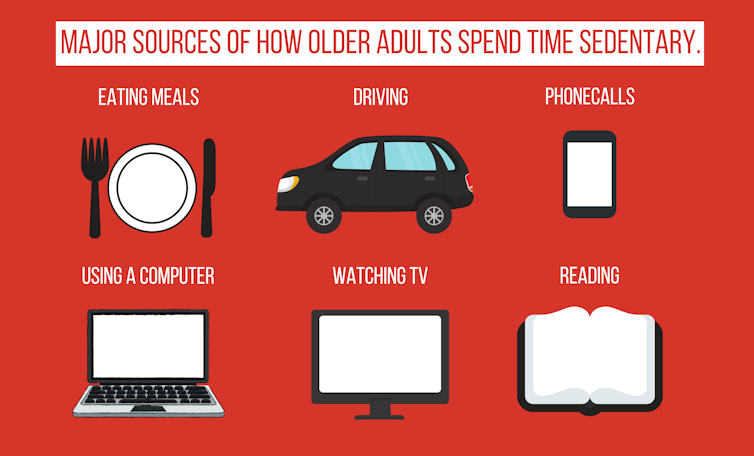
Take a moment to think about all the reasons we sit. First off, you’re probably sitting while reading this. Some of the most common sitting activities include eating meals; driving; talking on the phone; using a computer, television, or small device; and reading. Now take another moment to think about all the sitting done across your lifetime.

Older Americans spend a lot of time sitting.
Matthew Mclaughlin/Figshare, CC BY-SA

The fact is, the amount of time spent sitting has increased over time. And with innovations such as Alexa, delivered groceries, and pre-made meal services, we expect many older adults will sit longer and will do it more often. As of today, the average older adult spends between 56 percent and 86 percent of their waking day sedentary. That’s a lot of sitting.

Our research team studies healthy aging and is interested in how sitting too much might contribute to heart disease and diabetes. Our recent study suggests that the way older adults accumulate their sitting time might be important for aging without diabetes.

“…the way older adults accumulate their sitting time might be important for aging without diabetes.”

What happens while sitting?

When you sit for long periods without getting up, the large weight-bearing muscles of the legs remain dormant. With no action, these muscles are unable to efficiently use the sugars and fats that float around in your blood – and in theory, this could lead to weight gain and metabolic diseases such as diabetes.

At the same time, reduced blood flow in your arteries leads to hostile conditions that promote injury to the blood vessel walls. Over a lifetime, this injury likely contributes to heart disease and to peripheral artery disease. Furthermore, when your leg muscles remain shut off for long periods, blood collects in your veins which leads to an increased risk for blood clots, or deep venous thrombosis. Standing up and moving around can stop these processes, but all too often, we just keep sitting.

Blood flow can become ‘turbulent,’ causing damage to arteries.
www.pexels.com

Sitting patterns

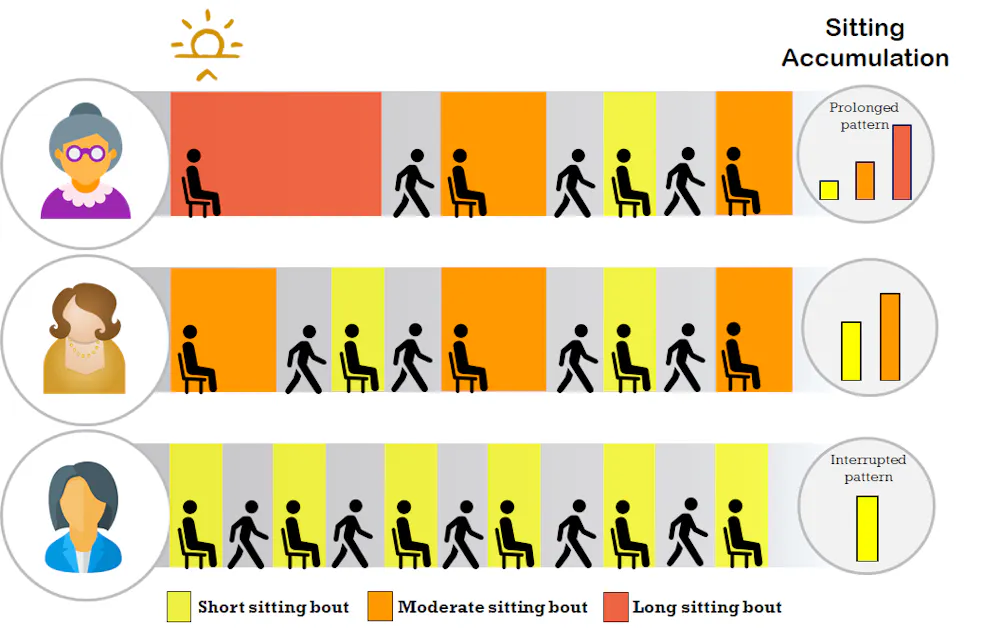
Sitting patterns describe how people sit throughout the day. Some people commonly sit for long periods at a time, rarely getting up. They are said to have prolonged sitting patterns. Others rarely sit still. They regularly get up after sitting for just short periods. These sitters are said to have interrupted sitting patterns. Where do you fit on the sitting pattern spectrum?

Sitting can be accumulated in different patterns.
John Bellettiere/figshare.com, CC BY-SA

Are sitting patterns important for metabolic health?

Emerging evidence suggests yes. From observational studies, we learned that adults with prolonged sitting patterns had larger waistlines, higher BMI, and in their blood had less good fats, more bad fats, and higher levels of sugar compared to adults with interrupted sitting patterns.

To test whether problems with fat and sugar metabolism were being caused by sitting patterns, researchers around the world conducted experiments. They brought adults into a laboratory at least two times each, having them sit continuously for about eight hours (an extremely prolonged pattern). On the second day, the participants were asked to get up every 20-30 minutes (a highly interrupted pattern). The interruptions lasted for two to five minutes and included standing still, light walking, simple resistance exercises or moderate-intensity walking, depending on the study.

When researchers synthesized evidence from most of the laboratory studies, the results were clear. On days with prolonged patterns, our bodies are not able to metabolize fats or sugar as well as they are on days with interrupted patterns. Blood pressure and fatigue were also higher on days with prolonged sitting compared to days with interrupted patterns.

These groundbreaking laboratory studies provided strong evidence that sitting patterns had an immediate effect on how the body processes fats and sugar, otherwise known as metabolism. This led to the idea that prolonged sitting patterns over a lifetime could contribute to metabolic diseases such as diabetes in later life. Since diabetes can take a long time to develop, this question cannot be feasibly tested in a laboratory. Instead, we turned to an observational study of the population to help answer the question.

Are sitting patterns related to diabetes?

We recruited over 6,000 women aged 65-99 from the Women’s Health Initiative and measured their sedentary patterns for seven days using research-grade activity monitors. We also had over 20 years of detailed health records, which included information on whether the women had ever been diagnosed by a physician with diabetes.

As expected, the group with the most prolonged sedentary patterns had the most women with diabetes. The group with the most interrupted patterns had the fewest women with diabetes.

We used advanced statistical procedures to account for differences in other factors such as dietary habits, physical activity, medication use, weight, age, alcohol and cigarette use, and overall health, giving us more confidence that the sitting patterns were, in fact, driving the findings. We should caution, however, that since we did not measure sitting patterns before the women were first diagnosed with diabetes, we do not know whether the sitting patterns contributed to diabetes or whether the diabetes changed their sitting patterns. We ran additional statistical tests to try to untangle that, which indicated that sitting patterns contributed to diabetes. However, additional studies specifically suited to answer the question of causation are needed.

While this was the first study of sedentary patterns and diabetes exclusively in older adults, our results were remarkably similar to recent findings in a younger cohort. Researchers from the Netherlands studied 2,500 adults ages 40-75 and found that prolonged sitting patterns were associated with Type 2 diabetes and with metabolic syndrome.

Conclusions and words of advice

Based on the findings from our study and those of the Dutch researchers, when viewed with the earlier epidemiologic data and findings from the laboratory experiments, it seems that sitting patterns may contribute to the growing international diabetes epidemic.

[Related: 20 Habits for a Healthier, Happier Life]

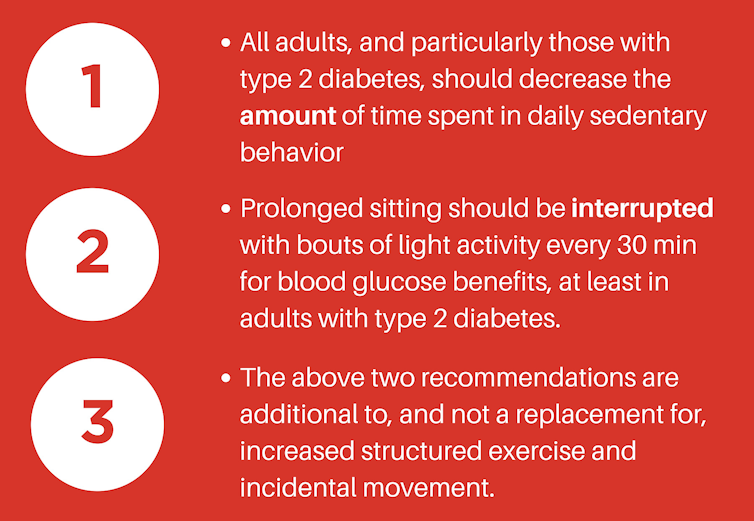
With that said, as with all science, these first few studies are only the beginning of the story. Much more work lies ahead. For the time being, there is a possibility that changing your sitting patterns might provide protection against diabetes, especially if long sitting bouts were always broken with light activity or even better, moderate-intensity activity, as recommended by the American Diabetes Association.

Recommendations from the American Diabetes Association.
Matthew Mclaughlin/figshare.com, CC BY-SA

The authors wish to sincerely thank Dr. Jonathan Unkart for his help with this story.

John Bellettiere is a postdoctoral scholar at the University of California San Diego studying Family Medicine and Public Health. Andrea LaCroix, PhD, is Professor and Chief of Epidemiology, Family Medicine and Public Health at the University of California San Diego. She received her PhD in Epidemiology from the University of North Carolina at Chapel Hill and completed a postdoctoral fellowship in cardiovascular disease at The Johns Hopkins University. Matthew Mclaughlin is a PhD student at the University of Newcastle in Australia and a research assistant at Hunter New England Population Health.

This article is republished from The Conversation under a Creative Commons license. Read the original article.

Eating Processed Food?

 Is Eating Fast Food a Dementia Risk? 

The health risks of eating ultraprocessed foods —including sausages and burgers as well as pizza and ice cream — are well documented. They have been shown to raise the risk of obesity, diabetes, and cancer among other ailments. (CNN.com). 

In a new study, researchers followed more than 10,000 Brazilians with an average age of 51 for more than 10 years. They found that people who consumed more than 20% of their daily calories from ultra processed foods had a 28% faster cognitive decline compared with those whose intake was less than 20%.  Unfortunately, that 20% is not a high threshold: just 400 calories out of the 2000 calorie diet. And most Americans are well over that, getting on average a whopping 58% of their calories from ultraprocessed foods.

 “The sample size is substantial and the followup extensive,” says Dr. David Katz, a nutrition specialist who was not involved in the study. While short of proof, this is robust enough that we should conclude ultraprocessed foods are probably bad for our brains,” 

Source: The Week. December 23, 2022, Volume 22, Issue 110.

Snacks: Try Walnuts?

Snacking has become a national pastime in the U.S. The snack aisles in the supermarkets have expanded to include major parts of the store that act as a huge vending machine from one end to another. Nuts have had the reputation of being unhealthy due to their fat content; now they are considered healthy for many reasons.

Although they are so many varieties, walnuts often stand out as an example of how nuts can be easily incorporated into a healthy diet.

Most nuts contain healthy antioxidant compounds called polyphenols, which improve cholesterol scores and help lower rates of oxidative stress and vascular disease. But of all nuts, walnuts pack the greatest punch of polyphenols according to a 2011 study from the Royal Society of Chemistry journal, Food and Function. Also, they come in first when it comes to their stores of polyunsaturated fatty acids, essential for improved metabolism, satiety, and prevention of Type 2 diabetes.

It is interesting to encourage walnut consumption when possible to support your brain, thanks to those antioxidants, various vitamins and other nutrients, and a type of plant-based omega-3 fat called alpha-linolenic acid.
In a recent published study, Lenore Arab, a professor of disease prevention at UCLA and her colleagues examined diet and lifestyle habits of thousands of adults. In terms of memory, concentration and “information processing speed”, the people who ate more walnuts signficantly outperformed their counterparts that eat less walnuts. These results held solid even after the results controlled for age, ethnicity, exercise and other lifestyle factors.

Note: I use chopped walnuts, dried cherries or cranberries on salads. There are two common kinds of walnuts – the English from California and the black walnut, which is native to America. They differ slightly in their nutrition – the English has slightly less protein and slightly more fat. Both are great! Time Special Edition, The Science of Nutrition)

Note: Walnuts are ironically shaped like a brain. Look carefully and you will see the resemblance (similar examples are “kidney beans are shaped like a kidney”. “The Doctor or Signatures is a concept in herbalism that’s been around for centuries based on the idea that God marked everything with a sign which was a signature or indication of the item’s purpose. In this particular case certain foods had a purpose and resembled the food itself.(The 150 Healthiest Foods on Earth, Jonny Bowden, PhD, CNS.)