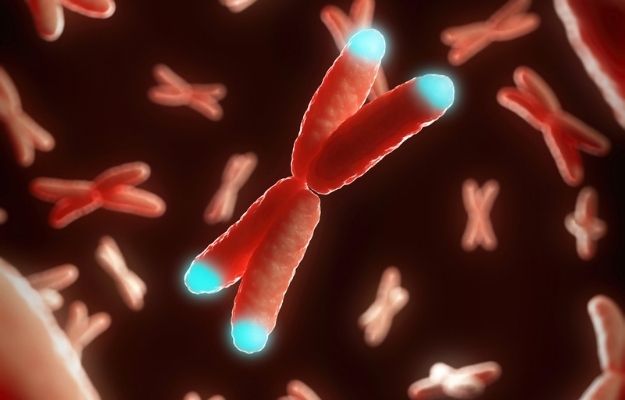
Telomeres protect your cells, so the longer your telomeres, the better. As we get older, the shorter they become as a natural process. In 2014, researchers looked at a group of people who regularly consumed 20 ounces (600 mlL) or more of soda daily. The study, was published in the American Journal of Public Health reported that the soda drinkers’ telomeres shortened much more quickly than the norm – the equivalent of more than four and one-half years in addition to the normal aging that would take place over the course of a year.
The subjects of the study included only healthy adults with no history of diabetes or cardiovascular disease. The authors recommended that additional research (as it always does in diet studies) may have linkage between diet and disease.
It’s important to examine the pathways from “soda” to cell” including telomeres and their role in aging as well as understanding them might improve risk factors for cardio metabolic disease, one of the major associations of diet and heart disease. Please search for telomeres in the blog (that have some interesting diagrams of telomeres and their structures.
Source: You Are What Your Grandparents Ate. Nutrition, Experience, Epigenetics, & the Origins of Chronic Disease Judith Finlayson 2019.
Everything You Need to Know About Telomere and Longevity
What Is a Telomere?
Telomeres are structural components of DNA. You can find telomeres at the end of each DNA strand.
Think of telomeres as protective protein caps for DNA that help maintain genomic stability. Without telomeres, DNA strands get damaged and may impair cellular function.
Why Are Telomeres Important?
Every cell of your body contains DNA. DNA contains all of the instructions our body needs for optimal functioning.
As a protective protein cap, telomeres help keep the information in DNA safe. So these structures help maintain optimal functioning at a cellular level. Unfortunately, with each cell division, telomeres become shorter.
At a certain point, telomeres will hit the Hayflick limit.
What is the Hayflick limit? This refers to the maximum number of times a cell will divide. After hitting this limit, cells stop dividing because telomeres hit a critically short length.
That’s why many scientists use telomere length as a biomarker for longevity and overall healthspan. Apart from aging in general, studies show that telomere length is linked to various chronic illnesses such as:
Certain cancers
Neurological diseases
Cardiovascular diseases
Osteoporosis
Type 2 diabetes
Given its association with age and illness, scientists believe that Telomere length is a good representation of biological age. As opposed to your chronological age, biological age refers to how well your body is functioning.
There’s nothing you can do about chronological aging. But there may be things you can do to slow down or even reverse biological aging—you just need to know what factors contribute to aging.
What Contributes to Telomere Shortening?
As you age, telomeres naturally shorten. But there may be things that speed it up.
So, if you can, steer clear from these factors to protect your telomeres.
Are There Other Telomere Interventions?
In 2009, Elizabeth Blackburn, Carol Greider, and Jack Szostak discovered how a specific enzyme could help synthesize telomeres. This groundbreaking discovery won them the Nobel Prize for Medicine.
The study shows that their supplement lengthened telomeres in a statistically and clinically significant way. More studies are being done to see how telomerase therapies can target aging and cancer.
What’s Next?
Scientists have come a long way since telomeres were initially discovered in the 1930s. It was only a few decades back when researchers found a link between telomere length and cellular aging. Since then, more than 20,000 journal articles have been written about telomeres.
But there’s still a lot of work ahead of them. They need to run more studies and clinical trials to learn more about the aging process, telomeres, and telomerase therapies.
As we wait to learn more about telomere therapies, there are other epigenetic applications you can take advantage of. If you’re serious about healthspan extension, then it’s important to know your true age or your biological age.
Knowing your biological age will give you an accurate view of your health status. A biological age test measures another biomarker of aging called DNA methylation.
Using a small blood sample, the test measures the pattern of DNA methylation changes to predict the quality of your health and the risk of various diseases. If you’re interested in learning more about the benefits of a biological age test, visit the TruDiagnostic website.
What concerns you most about aging? Please share your thoughts with us in the comments section below.
“Is Your Food Really Safe? New research uncovers a shocking gap in the FDA’s oversight, revealing that thousands of potentially harmful substances could be lurking in our food without proper safety checks. The loophole? Food companies are allowed to decide for themselves whether their ingredients are safe—without any need for FDA approval or public disclosure.”
What’s Hiding in Your Food? While the FDA carefully reviews some additives, many others slip through the cracks, classified as “generally recognized as safe” (GRAS) by the very companies that produce them. This means that from everyday spices to questionable chemicals, countless substances in our food may never have been independently tested or even reported to the FDA.”
“Why This Matters for You With diet-related diseases on the rise, experts argue that this regulatory gap puts us all at risk. Our full article dives into how this oversight began, why it’s a growing concern, and what needs to change to ensure our food supply is truly safe. Don’t miss out on the full story at studyfinds.org—your health could depend on it.”
Quote “Think of all the processed foods with names of ingredients that most of us cannot pronounce. Wonder what the body does when “it” encounters these and causes the body to assume their status as an inflammatory trigger of the immune system.” Just a thought!
The Y-maze can be used to assess short term memory in mice. Spontaneous alternation, a measure of spatial working memory, can be assessed by allowing mice to explore all three arms of the maze and is driven by an innate curiosity of rodents to explore previously unvisited areas.
In this study mice were tested for a working memory by using 2 arms of a Y-shaped maze. Given a chance, the mice will naturally explore new environments exposed. An alternative might be that they would remember which arms of the maze already visited.
Each mouse was started out of the maze in the center of the maze and the third arm was blocked. One group had been given a high fat diet; the other group, a heatlhy diet, i.e. not a high fat diet. National Institutes of Health (NIH) (.gov.)
The results of the maze study resulted in the following: Mice eating a healthy diet behaved as expected. They chose to explore a new maze previously blocked off from the mice. But mice eating a high fat diet did not prefer any one arm. They seemed to show they could not remember which parts of the maze they had already seen.
Human studies surveyed adults and students and their processed food consumption, especially highly processed foods. Some foods like processed lunch meats have been found to increase inflammation in the body, Some studies surveyed students and the results are indicating that “junk” food fuels the inflammation in the brain. Other studies have found people with depression had 30% more brain inflammation than people who were not depressed. Stay tuned – the research is just beginning.Could diet or other lifestyle factors make a difference in outcomes?
Eating Ultraprocessed Foods Increases Risk of Cancer
450, 111 adults in the European Propective Invesigation were recruited from 1992 to 1999 from 10 different European countries and the United Kingdom.
Results showed that people who consumed just 10% more ultra-processed foods than others in the study had a:
23% higher risk of head and neck cancers and a 24% increased risk of esophageal cancer.
Ultra processed foods include sodas, instant soups, cookies, ice cream, cereal bars and other foods that make up about 71% of the food supply in the U.S. A rule: If it comes in a box or package (ready-made), it is most likely to be an example of an ultraprocessed food. Some are for convenience; use them in moderation.
Other studies have shown that:
Men who consume ultraprocessed foods have a higher risk of colorectal cancer, heart disease and early death.
For every 10% increase in ultraprocessed food, there is a 2% increase in developing any kind of cancer and a 19% increased risk of ovarian cancer. Consuming more ultra-processed foods is connected to depression in women. Consuming about 20% of daily calories in ultra processed foods is linked to 28% increased risk of dementia.
A healthier diet is linked with a slower pace of aging, reduced dementia risk, study shows. Date: March 14, 2024 Source: Columbia University’s Mailman School of Public Health Summary: A healthier diet is associated with a reduced dementia risk and slower pace of aging, according to a new study. The findings show that a diet-dementia association was at least partially facilitated by multi-system processes of aging. Until now, the biological mechanism of this protection was not well understood. Share:
FULL STORY A healthier diet is associated with a reduced dementia risk and slower pace of aging, according to a new study at Columbia University Mailman School of Public Health and The Robert Butler Columbia Aging Center. The findings show that a diet-dementia association was at least partially facilitated by multi-system processes of aging. While literature had suggested that people who followed a healthy diet experienced a slowdown in the processes of biological aging and were less likely to develop dementia, until now the biological mechanism of this protection was not well understood. The findings are published in the Annals of Neurology. “Much attention to nutrition in dementia research focuses on the way specific nutrients affect the brain” said Daniel Belsky, PhD, associate professor of Epidemiology at Columbia School of Public Health and the Columbia Aging Center, and a senior author of the study. “We tested the hypothesis that a healthy diet protects against dementia by slowing down the body’s overall pace of biological aging.” The researchers used data from the second generation of the Framingham Heart Study, the Offspring Cohort. Originating in 1971, participants in the latter were 60 years of age or older, were free of dementia, and also had available dietary, epigenetic, and follow-up data. The Offspring Cohort were followed-up at nine examinations, approximately every 4 to 7 years. At each follow-up visit, data collection included a physical examination, lifestyle-related questionnaires, blood sampling, and, starting in 1991, neurocognitive testing. Of 1,644 participants included in the analyses, 140 of the participants developed dementia. To measure the pace of aging, the researchers used an epigenetic clock called DunedinPACE developed by Belsky and colleagues at Duke University and the University of Otago. The clock measures how fast a person’s body is deteriorating as they grow older, “like a speedometer for the biological processes of aging,” explained Belsky. “We have some strong evidence that a healthy diet can protect against dementia,” said Yian Gu, PhD, associate professor of Neurological Sciences at Columbia University Irving Medical Center and the other senior author of the study, “But the mechanism of this protection is not well understood.” Past research linked both diet and dementia risk to an accelerated pace of biological aging “Testing the hypothesis that multi-system biological aging is a mechanism of underlying diet-dementia associations was the logical next step,” explained Belsky. The research determined that higher adherence to the Mediterranean-Dash Intervention for Neurodegenerative Delay diet (MIND) slowed the pace of aging as measured by DunedinPACE and reduced risks for dementia and mortality. Furthermore, slower DunedinPACE accounted for 27 percent of the diet-dementia association and 57 percent of the diet-mortality association.
“Our findings suggest that slower pace of aging mediates part of the relationship of healthy diet with reduced dementia risk, and therefore, monitoring pace of aging may inform dementia prevention,” said first author Aline Thomas, PhD, a Postdoc at the Columbia Department of Neurology and Taub Institute for Research on Alzheimer’s Disease and the Aging Brain. “However, a portion of the diet-dementia association remains unexplained, therefore we believe that continued investigation of brain-specific mechanisms in well-designed mediation studies is warranted.” “We suggest that additional observational studies be conducted to investigate direct associations of nutrients with brain aging, and if our observations are also confirmed in more diverse populations, monitoring biological aging, may indeed, inform dementia prevention,” noted Belsky.
Co-authors are Calen Ryan and Jiayi Zhou, Columbia Aging Center; and Avshalom Caspi, Terrie Moffitt, and Karen Sugden, Duke University The study was supported by the National Institute on Aging grants R01AG061378, R01AG073402, R01AG059013, R01AG061008, R01AG073207 and R01AG049789 Story Source: Materials provided by Columbia University’s Mailman School of Public Health. Note: Content may be edited for style and length. Journal Reference: Aline Thomas, Calen P. Ryan, Avshalom Caspi, Zhonghua Liu, Terrie E. Moffitt, Karen Sugden, Jiayi Zhou, Daniel W. Belsky, Yian Gu. Diet, Pace of Biological Aging, and Risk of Dementia in the Framingham Heart Study. Annals of Neurology, 2024; DOI: 10.1002/ana.26900 Columbia University’s Mailman School of Public Health. “A healthier diet is linked with a slower pace of aging, reduced dementia risk, study shows.” ScienceDaily. ScienceDaily, 14 March 2024. www.sciencedaily.com/releases/2024/03/240314122123.htm.
Edited for Food, Facts and and Fads: Sally J. Feltner, PhD., MS.
Most members of the band subscribed to a live-fast-die-young lifestyle. But as they partook in the drinking and drugging endemic to the 1990s grunge scene after shows at the Whiskey a Go Go, Roxy and other West Coast clubs, the band’s guitarist, Valter Longo, a nutrition-obsessed Italian Ph.D. student, wrestled with a lifelong addiction to longevity.
Now, decades after Dr. Longo dropped his grunge-era band, DOT, for a career in biochemistry, the Italian professor stands with his floppy rocker hair and lab coat at the nexus of Italy’s eating and aging obsessions.
“For studying aging, Italy is just incredible,” said Dr. Longo, a youthful 56, at the lab he runs at a cancer institute in Milan, where he will speak at an aging conference later this month. Italy has one of the world’s oldest populations, including multiple pockets of centenarians who tantalize researchers searching for the fountain of youth. “It’s nirvana.”
Dr. Longo, who is also a professor of gerontology and director of the U.S.C. Longevity Institute in California, has long advocated longer and better living through eating Lite Italian, one of a global explosion of Road to Perpetual Wellville theories about how to stay young in a field that is itself still in its adolescence.
In addition to identifying genes that regulate aging, he has created a plant and nut-based diet with supplements and kale crackers that mimics fasting to, he argues, allow cells to shed harmful baggage and rejuvenate, without the down side of actually starving. He has patented and sold his ProLon diet kits; published best-selling books (“The Longevity Diet”); and been called an influential “Fasting Evangelist” by Time magazine.
Last month, he published a new study based on clinical trials of hundreds of older people — including in the Calabria town from which his family hails — that he said suggests that periodic cycles of his own faux-fasting approach could reduce biological age and stave off illnesses associated with aging.
His private foundation, also based in Milan, tailors diets for cancer patients, but also consults for Italian companies and schools, promoting a Mediterranean diet that is actually foreign to most Italians today.
“Almost nobody in Italy eats the Mediterranean diet,” said Dr. Longo, who has a breezy California manner and Italian accent. He added that many Italian children, especially in the country’s south, are obese, bloated on what he calls the poisonous five Ps — pizza, pasta, protein, potatoes and pane (or bread).
At the foundation recently, the resident nutritionist, Dr. Romina Cervigni, sat amid pictures on the wall showing Dr. Longo playing guitar with centenarians, and shelves of his longevity diet books, translated into many languages and filled with recipes.
“It’s very similar to the original Mediterranean diet, not the present one,” she said, pointing at photographs on the wall of a bowl of ancient legumes similar to the chickpea, and of a Calabrian green bean pod prized by Dr. Longo. “His favorite.”
Dr. Longo, who has split his time between California and Italy for the past decade, once occupied a niche field. But in recent years, Silicon Valley billionaires who hope to be forever young have funded secretive labs. Wellness articles have conquered newspaper home pages and Fountains-of-Youth workout and diet ads featuring insanely fit middle-aged people teem on the social media feeds of not insanely fit middle-aged people.
But even as concepts like longevity, intermittent fasting and biological age — you’re only as old as your cells feel! — have gained momentum, governments like Italy’s are fretting over a creakier future in which booming populations of old people drain resources from the dwindling young.
And yet many scientists, nutritionists and longevity fanatics the world over continue to stare longingly toward Italy, seeking in its deep pockets of centenarians a secret ingredient to long life.
“Probably they kept breeding between cousins and relatives,” Dr. Longo offered, referring to the sometimes close relations in little Italian hill towns. “At some point, we suspect it sort of generated the super-longevity genome.”
The genetic drawbacks of incest, he hypothesized, slowly vanished because those mutations either killed their carriers before they could reproduce or because the town noticed a monstrous ailment — like early onset Alzheimer’s — in a particular family line and steered clear. “You’re in a little town, you’re probably going to get tagged.”
Dr. Longo wonders whether Italy’s centenarians had been protected from later disease by a starvation period and old-fashioned Mediterranean diet early in life, during rural Italy’s abject war-era poverty. Then a boost of proteins and fats and modern medicine after Italy’s postwar economic miracle protected them from frailty as they got older and kept them alive.
It could, he said, be a “historical coincidence that you’ll never see again.”
The mysteries of aging seized Dr. Longo at a young age.
He grew up in the northeastern port of Genoa but visited his grandparents back in Molochio, Calabria, a town known for its centenarians, every summer. When he was 5, he stood in a room as his grandfather, in his 70s, died.
“Probably something very much preventable,” Dr. Longo said.
At age 16, he moved to Chicago to live with relatives and couldn’t help notice that his middle-aged aunts and uncles fed on the “Chicago diet” of sausages and sugary drinks suffered diabetes and cardiovascular disease that their relatives back in Calabria did not.
“This was like the ’80s,” he said, “just like the nightmare diet.”
While in Chicago, he often went downtown to plug in his guitar at any blues club that would let him play. He enrolled in the renowned jazz guitar program at the University of North Texas.
“Even worse,” he said. “Tex-Mex.”
He ultimately ran afoul of the music program when he refused to direct the marching band, so he shifted his focus to his other passion.
“Aging,” he said, “it was in my head.”
He eventually earned his Ph.D in biochemistry at U.C.L.A. and did his postdoctoral training in the neurobiology of aging at U.S.C. He overcame early skepticism about the field to publish in top journals and became a zealous evangelizer for the age-reversing effects of his diet. About 10 years ago, eager to be closer to his aging parents in Genoa, he took a second job at the IFOM oncology institute in Milan.
He found a fount of inspiration in the pescatarian-heavy diet around Genoa and all the legumes down in Calabria.
“Genes and nutrition,” he said of Italy as an aging lab, “it’s just unbelievable.”
But he also found the modern Italian diet — the cured meats, layers of lasagna and fried vegetables the world hungered for — horrendous and a source of disease. And like other Italian aging researchers who are seeking the cause for aging in inflammation or hoping to zap senescent cells with targeted drugs, he said Italy’s lack of investment in research was a disgrace.
“Italy’s got such incredible history and a wealth of information about aging,” he said. “But spends virtually nothing.”
Back at his lab — where colleagues prepared the fasting-mimicking diet “broth mix” for mice — he passed a photograph on a shelf depicting a broken wall and reading, “We’re slowly falling apart.” He talked about how he and others had identified an important regulator of aging in yeast, and how he has investigated whether the same pathway was at work in all organisms. He said his research benefited from his past life of musical improvisation, because it opened his mind to unexpected possibilities, including using his diet to starve cells afflicted with cancer and other diseases.
Dr. Longo said he thinks of his mission as extending youth and health, not simply putting more years on the clock, a goal he said could lead to a “scary world,” in which only the rich could afford to live for centuries, potentially forcing caps on having children.
A more likely short-term scenario, he said, was division between two populations. The first would live as we do now and reach about 80 or longer through medical advancements. But Italians would be saddled with long — and, given the drop in the birthrate, potentially lonely — years burdened by horrible diseases. The other population would follow fasting diets and scientific breakthroughs and live to 100 and perhaps 110 in relative good health.
A practitioner of what he preaches, Dr. Longo envisioned himself in the latter category.
“I want to live to 120, 130. It really makes you paranoid now because everybody’s like, ‘Yeah, of course you got at least to get to 100,’” he said. “You don’t realize how hard it is to get to 100.”
Every day we’re inundated with the “right” things to do to live a longer life. Drink eight glasses of water a day, they say. Go to the pharmacy for an off-label prescription, advise others. And others task us with the impossible—yet promising—task to just keep a positive mindset.
Today, the average life expectancy in Britain is 81, and in 2022 there were over 15,000 people over the age of 100 living in England in Wales. But in the Blue Zones, or regions of the world where people live exceptionally long lives, individuals are ten times more likely to live to 100. These places—specifically the Barbagia region of Sardinia, Italy, Okinawa, Japan, Nicoya Peninsula, Costa Rica; and Icaria, Greece—are packed with centenarians.
It was only a matter of time until medical researchers, demographers, epidemiologists, and anthropologists dug in to find out the common denominators among these places. Thus, emerges the Blue Zones “Power Nine”—or nine things that the five places who have the highest proportions of people who reach age 100—have in common. National Geographic’s Dan Buettner, published these findings in his book, The Blue Zones: Lessons for Living Longer From the People Who’ve Lived the Longest. We tapped our own longevity experts to weigh in on each of the nine pillars.
1. Move naturally
Studies show that sedentary behaviour like sitting for 13 hours a day or walking less than 4,000 steps per day can reduce the metabolic benefits of acute exercise, while occasional activity could help reduce post-meal insulin levels. Researchers even found that “soleus push-ups” (that’s calf raises for the majority of us) done in a sitting position have been shown to fuel metabolism for hours. In other words: You don’t need to set aside 90 minutes every day to exercise day after day. Exercise snacks, or small bouts of movement incorporated throughout the day, are proven to be just as effective as larger planned-ut workouts—and much more accessible to most.
So, where does someone begin? Dr. Kien Vuu, founder of Vuu MD Performance and Longevity, author of Thrive State, says it starts by thinking of your work day differently. Have a bike? Opt for walking or biking for short distances, including to the office if that’s an option for your commute. Once you’re at your desk, try leg lifts or seated stretches, take the stairs to grab coffee, or opt for walking meetings if you’re chatting with someone who’s also in-office. Just a few minutes of activity breaking up sedentary behaviour can reap many benefits.
2. Say yes to happy hour
By now, most everyone has indulged in a non-alcoholic beverage, whether or not you’re on Team Dry January/Sober October. Although there’s loads of research praising the benefits of ditching alcohol altogether, a glass of wine is praised in Blue Zones. Not because of the wine’s health benefits, per say, but more so because of the socialization that comes hand-in-hand with imbibing now and then. “In longevity cultures, moderate alcohol consumption often occurs in a social context, emphasizing the role of community and celebration,” says Dr. Vuu. “The key might lie more in the positive social interactions and less in the alcohol itself. Positive relationships contribute to mental and emotional well-being.”
3. Take time to downshift
We’ve all heard it before: Stress is no good for us. Still, it’s often unavoidable. “When you notice your body tensing or your emotions rising, take a deep breath, hold for a few seconds, and slowly breathe out through your nose,” says Dr. Michelle Loy, an integrative medicine specialist at NewYork-Presbyterian/Weill Cornell Medical Center and assistant professor of pediatrics in clinical medicine at Weill Cornell Medicine. “The more you practice this, the better it gets. It can be done anywhere, anytime, and doesn’t interact with any medications or supplements.”
Not sure where to start? Begin before bedtime, making a couple extra minutes before you fall asleep to practice. Then, bring it into other areas of your day.
4. Give your diet a plant slant
Rich Roll. Chris Paul. Justin Fields. Kevin Hart. We’ve covered loads of guys who stick to a mostly plant-based diet (and exhausted the benefits of a plant-based diet, too). Blue Zone researchers agree, recommending that individuals seek out plant-based sources of protein, like beans, including black, soy, fava, and lentils, over meat. And when you’re in the mood for an animal-based option, opt for 3- to 4-ounce serving of pork.
5. Find your crew
If there’s one thing many learned during the last few years when it was at times stripped away from our day-to-day, there’s extreme power within connection and friendship. Those that live the longest identify close friends, and commit to those relationships for life. “Love and positive social interactions have been shown to release oxytocin, known as the ‘love hormone,’ which plays a role in bonding and reducing stress levels,” says Dr. Vuu. “So, loving, supportive relationships can lead to long-term improvements in emotional state and physical health.”
6. Abide by the 80 per cent rule
Researchers found that the people in Blue Zones eat their smallest meal in the late afternoon or early evening—then don’t eat any more the rest of the day. This falls into what’s called the “80 per cent Rule,” which recommends people stop eating when their stomachs are 80 per cent full. If you’re not good at exercising this type of restraint. Dr. Loy has a tip: “When you are starting to feel full, put away part of your meal in a Tupperware—or ask for the server to pack it to go,” she says.
7. Put your loved ones first
Investing time in your family is something that not only pays off emotionally, but in terms of longevity as well. Successful centenarians keep aging parents (or grandparents) nearby, commit to a life partner, and if they have children, they make an effort to spend time with them.
8. Find a place you belong
Research shows that attending a faith-based service four times per month could add four to 14 years to your life expectancy. If religion isn’t your cup of tea, there’s always the opportunity to dive deep into your own personal wellness. Seek out a squad that makes you feel accepted and seen, whether that’s your local CrossFit gym or a weekly trivia ritual at the restaurant down the block.
9. Know your “why”
When you know why you wake up in the morning and have a purpose in your day-to-day life, research shows that you can add up to seven years to your life expectancy. The Japanese concept of Ikigai encourages individuals to find their personal calling or purpose, adds Dr. Loy, who recommends asking yourself four questions and finding where these answers intersect:
Excerpt adapted from The Blue Zones Secrets for Living Longer: Lessons From the Healthiest Places on Earthby Dan Buettner, a beautifully illustrated and informative guide to the places on Earth where people live the longest—including lessons learned, top longevity foods, and the behaviors to help you live to 100—plus a surprising new blue zones longevity hotspot.
In 2021, Americans spent more than $151 billion on vitamins and supplements (vitamin C, omega-3s, multivitamins, and the like). But the biggest, most dependable studies show that people who take supplements actually live shorter lives than people who don’t. Americans spent another $21 billion or so on protein supplements. But according to the Centers for Disease Control and Prevention, the average American gets about twice as much protein as they need. In fact, no supplement, pill, hormone, or vitamin has ever proved to extend life expectancy in humans.
The concept of exercise—physical effort carried out to sustain or improve health and fitness—has been around in the United States since at least 1820. It’s a nice idea to stay fit. And indeed, people who stay physically active have about a 30 percent lower chance of dying in any given year than people who aren’t active. But despite the $160 billion per year Americans spend on trying to exercise, only about a fifth of all adults get the minimum recommended amount of vigorous activity (about 11 minutes a day). That means exercise is not working for more than 200 million Americans.
Similarly, diets are a well-intentioned but colossally ineffective approach to staying healthy and living longer. They fail for almost everyone almost all the time. Take 100 people who resolve to diet on New Year’s Eve and by January 19 most will have abandoned the effort. By August only, 10 percent will still be trying to eat better, and within two years the success rate will be under 5 percent. If your financial planner returned those yields, you’d fire him. Yet we spend $200 billion a year thinking that this time the diet will work.
So, if the most common approaches to better health and longevity don’t work, what does?
In the early 2000s, I set out to reverse engineer longevity. Under the mentorship of Dr. Ancel Keys and Dr. Robert Kane of the University of Minnesota’s School of Public Health, I relied on two assumptions: First, genes have relatively little impact on how long we live. A Danish twin study in 1996 found that longevity is only mildly heritable, accounting for only about a fourth of the health differences among people. The rest is largely driven by our environment. Second, in those places around the world where people are living longer, they’re doing something right. If I could find demographically confirmed areas where people were living the longest and identify the lifestyle commonalities of those regions, I might discern some clues.
Armed with a plan, I began a worldwide search for longevity pockets. I knew that in Okinawa, Japan, Drs. Makato Suzuki, Bradley Willcox, and Craig Willcox had already identified a population that produced the longest-lived people in the history of the world. As I quickly discovered, Dr. Gianni Pes, a medical statistician from the University of Sassari, was also tracking down centenarians on the island of Sardinia in Italy. In the island’s mountainous interior, which he referred to as the “blue zones,” he found a cluster of villages that produced about 10 times more centenarians per capita than the United States. (I liked the term “blue zones” and evolved it to denote any confirmed longevity hot spot around the world.) Later, Dr. Michel Poulain confirmed Pes’s research, and together they published their findings in the journal Experimental Gerontology.
In the United States, Dr. Gary Fraser of Loma Linda University was publishing findings from the Adventist Health Study, research that followed more than 30,000 Seventh-day Adventists in Loma Linda, California, for some 20 years. He found that adherents of the church were living about seven years longer than their Californian counterparts.
Later, with grants from the National Geographic Society, I led projects to discover longevity hot spots on the Greek island of Ikaria and on the Nicoya Peninsula of Costa Rica. In a 2005 cover story for National Geographic and in my 2008 book The Blue Zones: Lessons for Living Longer From the People Who’ve Lived the Longest, I profiled each blue zones region and distilled the common denominators: The residents of these hotspots were mostly eating a whole-food, plant-based diet, and instead of trotting off to the gym, they moved naturally every 20 minutes or so. Daily rituals like prayer, ancestor veneration, and napping also helped them downshift and lower stress-induced inflammation. And long before people were talking about the social determinants of health, I attributed Sardinians’ longevity to their propensity for keeping their aging parents nearby—extending life expectancy for both grandparents and grandchildren—and Okinawans’ to their social support groups (called moais) and their sense of purpose (ikigai).
The Blue Zones brand of longevity didn’t promise that it could help you outlive the biological limits of the human machine. Fact is, the current maximum life expectancy for people in the first world (i.e., those not beleaguered by infectious diseases such as malaria, dysentery, and cholera) is about 93 years—less for men and a little longer for women. But in the United States, life expectancy is only 77. We are leaving 16 years on the table. “Why?” I wondered.
The answer wasn’t that people in blue zones had better genes or superior bodies. Most of them didn’t. Rather, they avoided the chronic diseases that foreshorten our lives here in America, from diabetes to cardiovascular disease to dementia to certain types of cancers. They avoided these diseases not because they possessed more discipline or a greater sense of individual responsibility, but rather because they lived in environments that made it easier for them to do so. In other words, they didn’t pursue health and longevity as if it were a chore. Their health and longevity stemmed from their surroundings.The answer wasn’t that people in blue zones had better genes or superior bodies. Most of them didn’t. Rather, they avoided the chronic diseases that foreshorten our lives here in America… Click To Tweet
This insight changed everything. It meant that if we wanted to help improve the health and longevity of Americans, we needed to focus on the environments in which they lived—their communities, workplaces, and homes and the businesses they patronized—rather than trying to change their behaviors.
I started to think about applying what I’d learned in blue zones to make life better here in the United States—to “manufacture” a blue zones [hotspot] of our own. Decades ago, the National Institutes of Health funded a half dozen “heart healthy” projects in cities throughout the country, where communities tried to implement diets, exercise programs, and health education. In each case, the researchers saw small improvement in heart health indicators in the short run, but all the efforts failed to show improvement in the long run.
I decided to try a different approach. My goal wouldn’t be to change people’s behavior, but rather to shape their environments—to make healthy choices the easiest ones. In 2008, with a grant from AARP, I put together a team to give it a try. We chose Albert Lea, Minnesota, a community of 18,000 people. The mayor, city manager, school superintendent, local hospital, and business leaders all pledged their support for the project.
With some of the most talented experts in the country, we developed a policy bundle to improve the walkability and bikeability of Albert Lea and slowly transform the city’s street designs from car-friendly to people-friendly. We put together a school program that favored healthy foods over junk foods. We persuaded restaurants and grocery stores to make healthy foods easier to find and more enticing to eat. We introduced a Blue Zones Pledge for individuals that eventually enrolled 25 percent of the city’s adult population into volunteering and taking workshops on how to pursue their sense of purpose. Finally, we developed a process to help like-minded people get together in walking groups—not only to get them out moving but mostly to build new friendships. We knew that if we could organize friends around healthy behaviors, those behaviors were more likely to stick.
The first Blue Zones Project ran for about 18 months. “The results were remarkable,” Harvard’s Dr. Walter Willett told Newsweek magazine. As data gathered by Gallup showed, we raised the life expectancy of the average citizen by three years and shaved about 30 percent off the city’s year-over-year healthcare bill. The project worked not because we tried to change 18,000 people’s minds. We changed their surroundings.
Since then, we’ve brought the Blue Zones Project model to 72 cities across the country, from Fort Worth, Texas, to Naples, Florida, as well as to the entire states of Iowa and Hawaii. We’re changing things for the better—one community at a time.
Nearly 20 years after I first landed in Sardinia with a backpack and a National Geographic assignment, I returned to all the blue zones to produce a four-part series for Netflix. Like everywhere else in the world, the blue zones have changed—mostly because of modernization and the devastating impact of American food culture. But a bevy of scientists continue to study them. Dr. Luis Rosero-Bixby has been tracking the health in the Nicoya Peninsula. Fraser continues to mine the decades-long Adventist Health Studies for new dietary guidelines. Suzuki and the Willcoxes continue to monitor Okinawa’s centenarians. Pes, who I believe is the world’s greatest longevity expert, is still at work in the mountain villages of Sardinia, where strong traditions and remote locations continue to preserve the factors that make them extraordinary. And in Ikaria, Romain Legrand, a researcher from Dijon University Hospital, published a survey of people over age 85 that confirms the importance of socializing, taking naps, swimming, gardening, and more.
Despite traveling with a production crew of some 20 people for the Netflix series, I occasionally had time during my journeys to reflect on my many experiences in the blue zones. I recalled nostalgically the 30-some trips I’ve taken over the years, the experts who’ve helped me along the way, and the many centenarians I’ve met—almost all of whom are gone now. I wrote almost 100 pages of notes during the four months of filming and in the process realized that I had gleaned more insights about the blue zones. Those notes have inspired The Blue Zones Secrets for Living Longer.
Late one night [during Netflix filming], jet-lagged and wired-tired, I wrote the following in my journal: Though we in the United States live in the most prosperous country in the history of the world, we’re more overweight, divided, and unhealthy than ever. Life expectancy has dropped every year for the past four years, as has overall happiness. So, if more prosperity doesn’t seem to be working for us, what else could?
Excerpt adapted from The Blue Zones Secrets for Living Longer: Lessons From the Healthiest Places on Earthby Dan Buettner, a beautifully illustrated and informative guide to the places on Earth where people live the longest—including lessons learned, top longevity foods, and the behaviors to help you live to 100—plus a surprising new blue zones longevity hotspot.
A look inside the United States’ first-ever certified “Blue Zone” located in Minnesota
By Erin Hassanzadeh
Updated on: December 1, 2023 / 12:45 PM CST / CBS Minnesota
ALBERT LEA, Minn. — Living to 100 may seem like a major feat, but there are communities around the world where it’s common — they’re called “Blue Zones.”
“It’s really what they’re not doing. They’re not doing anything consciously, and there’s where we get it wrong,” Buettner said. “We think we can resolve to get on the right diet, the right exercise program, supplement plan, superfoods, and get healthier. But it never works.”
Buettner said that the “superagers” are often walking outside, having spontaneous conversations with the people they bump into, having a smaller dinner, and eating mostly a whole food, plant-centric diet.
Several years ago, a Minnesota community decided it wanted families to follow his guidance. Albert Lea made headlines in 2016 when it became the first community in the country to be a certified Blue Zones community.
“I remember people getting together and walking all the time and going to people’s homes to have meals together,” Volkman said.
The community added more events, healthier school lunches and community spaces like dog parks— encouraging people to get together and get moving,
The Mayo Clinic in Albert Lea hopped on board as the largest employer in town with similar values.
“Getting people on board was easy. I think our challenge has been keeping it alive over this time. With anything, it’s going to ebb and flow,” Tricia Dahl with the Mayo Clinic said.
Part of the blue zone build-out was constructing a walkway along the highway in Albert Lea so it allows residents to walk to the local Walmart and do their errands if they want. It’s also safer for pedestrians and cuts down on emissions from cars, moving them closer to their climate action goals.
“We’ve added almost 13 new miles of sidewalks and user trails in town,” Malakowsy said.
Employers like Arcadian Bank keep Blue Zones alive with their healthy vending options. They also have break rooms for nursing moms and workout spaces for movement and respite throughout the workday.
“That’s what we’re trying to do is just make healthy habits available to people,” Jessica Tomschin said.
According to the results of a self-reported survey, residents’ overall well-being, sense of community and sense of purpose is up.
“So many people report that they are thriving. Albert Lea has really dropped in the percentages of people with high blood pressure, same with high cholesterol. For some reason we’re lagging with exercise,” Malakowsy said. “Our tobacco use has dropped down.”
Of course, there are headwinds too.
“Food continues to be our big challenge — access to food on our south side of town,” Malakowsy said.
But community leaders say trying to make life better for everyone brings the “it” factor to Albert Lea.
“We figured out we’re a Blue Zones community, which is all about being a great place to live,” Malakowsy said.



 New research uncovers a shocking gap in the FDA’s oversight, revealing that thousands of potentially harmful substances could be lurking in our food without proper safety checks. The loophole? Food companies are allowed to decide for themselves whether their ingredients are safe—without any need for FDA approval or public disclosure.”
  What’s Hiding in Your Food?
  While the FDA carefully reviews some additives, many others slip through the cracks, classified as “generally recognized as safe” (GRAS) by the very companies that produce them. This means that from everyday spices to questionable chemicals, countless substances in our food may never have been independently tested or even reported to the FDA.”
 “Why This Matters for You






 FOOD, FACTS and FADS