FAD DIETS: A TIMELINE

Fad diets have in the distant past have embraced some of the most bizarre activitir with most built on gimmicks. Included in an entertaining book titled Calories & Corsets, our ancestors relied on recommendations that included “suspending themselves in weighing chairs or lukewarm baths, drinking vinegar and eating carbolic soup in the hopes of shedding unwanted pounds.”

A rice diet was designed in the 1940s to lower blood pressure; now it has resurfaced as a Weight Loss Diet. The first phase consists of eating only rice and fruit until you can’t stand them any longer. Another novelty diet is the egg diet, on which you eat all the eggs you want. On the Beverly Hills diet, you eat mostly fruit.

The most bizarre of the novelty diets proposes that food gets stuck in your body. A common supposition from the 1800’s is that food gets stuck in the intestine, putrefies, and creates toxins, which invade the blood and cause disease. This leads to the headlines proclaiming the latest detox formula of strange concoctions of foods that if consumed promise to “cleanse” the blood.  This is utter nonsense.

How to recognize a fad diet.

  • They promote quick weight loss. This primarily results from glycogen, sodium, and lean muscle mass depletion. All lead to a loss of body water.
  • They limit food selection and dictate specific rituals, such as eating only fruit for breakfast or cabbage soup every day.
  • They use testimonials from famous people and bill themselves as cure-alls. They often recommend expensive supplements.
  • Probably the cruelest characteristic of fad diets is that they essentially guarantee failure for the dieter since these diets are not designed for permanent weight loss. Habits are not changed, and the food selection is so limited that the person cannot follow the diet in the long run.
  • The dieter appears to have failed, when actually the diet has failed. This whole scenario can add more blame and guilt, challenging the self-worth of the dieter.  If someone needs help losing weight, professional help is advised.
  • It should be noted that some “fad” diets can work for weight loss due to their highly restrictive nature but should not be considered a healthy diet since their long term effects are not usually known.  A good example is the current ketogenic (keto) diet.

FAD DIET TIMELINE

Slimming down through the ages through fad diets has been around for centuries from President Taft to Victoria Beckham. Here’s a look at some of the most famous and infamous moments in diet fad history.

1820 Lord Byron brings people the once popular vinegar and water diet which entails drinking water mixed with apple cider vinegar.

1903 President William Howard Taft pledges to slim down after getting allegedly getting stuck in the White House bathtub.

1925 Lucky Strike cigarette brand launches the “reach for a Lucky” instead of a sweet” campaign capitalizing on its nicotine content.

1930s The Grapefruit Diet also known as the Hollywood diet is born. The popular plan calls for eating grapefruit with every meal. Grapefruit is claimed to have fat burning capabilities.

1950s the Cabbage Soup Diet promises you can lose 10 to 15 pounds a week by eating a limited diet including cabbage soup every day.

Mid-1950 Urban legend has it that opera singer Maria Callas dropped 65 pounds on the Tapeworm Diet by swallowing a the tapeworm parasite in a pill.

1963 Weight Watchers is founded by Jean Nidetch “a self-described overweight housewife obsessed with cookies.”

1969 Jazzercise founded by professional dancer Judi Sheppard Missett, is a combination of aerobics exercise and dance.

1970 Sleeping Beauty Diet which involves drug sedation is rumored to have been tried by Elvis Presley.

1975 A Florida doctor. creates the Cookie Diet, a plan where you eat cookies made with a blend of amino acids Hollywood eats it up.

1977 A Slim Fast shake for breakfast, a shake for lunch, then a sensible dinner becomes a diet staple.

1978 Dr. Herman Tarnower, a cardiologist publishes the Complete Scarsdale Medical Diet. Two years later he is shot by his girlfriend, a headmistress of a girl’s school, Jean Harris. (not related to a diet).

1979 Dexatrim, a pill  containing phenylpropanolamine (PPA), appears on drugstore shelves. It’s formula changes after PPA is linked to an increased risk of stroke in 2000.

1980s A popular appetite suppressant candy called Ayds is taken off the market after the AIDS crisis hits.

1982 The aerobics craze sweeps into high gear when Jane Fonda launches her first exercise video work- out starring herself.  Her catchphrase “no pain no gain.”

1985 Harvey and Marilyn Diamond publish Fit for Life, which prohibits complex carbs and proteins from being eaten during the same meal.

1987 in her memoir/self-help book Elizabeth Takes Off, actress Elizabeth Taylor advises dieters to eat veggies and dip each day at 3 PM.

1988 Wearing a pair of size 10 Calvin Klein jeans, Oprah walks onto the stage pulling a wagon full of fat to represent the 67 pounds she lost on a liquid diet.

1991 Americans are still obsessed with  low fat food like McDonald’s Mclean Deluxe burger. The recipe called for seaweed extract called carrageenan. Beef made up only 90 percent of the patty, and water and carrageenan made up the remaining 10 percent.  Despite the addition of “natural” beef flavor additives, the result was a dry failure of a burger that was later called “the McFlopper”. Johnnie Carson made many jokes about it.

1994 The guide to nutrition labeling and education act requires food companies to include nutritional info on nearly all packing packaging.

1995 The Zone Diet called for a specific ratio of carbs, fat and protein in each meal and begins to attract celeb fans.

1996  Could your blood type determine how much weight you could lose? That’s the idea behind the Blood Type Diet, created by naturopath Peter J. D’Adamo.  He claims that the foods you eat react chemically with your blood type. If you follow a properly designed diet for your type,  your body will digest food more efficiently and you will lose weight and be healthier.

1997 Robert C. Atkins, MD publishes Dr. Atkins New Diet Revolution, A high protein low carb plan. A previous book was published as Dr. Atkins Diet Revolution in 1972. It took the diet world by storm, since its primary goal was to eat fat, not avoid it. Fat-starved people loved it.

2000 Gwyneth Paltrow lends her support for the macrobiotic diet, a very restrictive Japanese plan based on whole grains and veggies.

2001 Renee Zellweger packs on nearly 30 pounds to play Bridget Jones.

2003 Miami Dr. Arthur Agatston adds fuel to the low carb craze by publishing the South Beach diet, seen as a more moderate version of Atkins.

Early 2000 The FDA bans the sale of diet drugs containing ephedrine after it’s linked to heart attacks.

Late 2000 The Biggest Loser makes its debut on TV, turning weight loss into a reality show. All but one contestant regained all their weight loss back after the show ended.

2006 Beyoncé admits to using the Master Cleanse, a concoction of hot water lemon juice maple syrup and Cayenne pepper to shed 20 pounds for “Dream Girls.”

2007 Alli hits the market. The non-prescription drug is taken with meals to keep your body from absorbing some of the fat a you eat. The drug was not popular due to unpleasant gastrointestinal side effects.

2010 Jennifer Hudson loses a jaw-dropping 80 pounds on Weight Watchers.

2011 The hCG diet combines a fertility drug with a strict 500 to 800 calorie a day regimen that invites interest and criticism. The FDA has called this diet dangerous, illegal and fraudulent.

2012 Jessica Simpson loses 60 pounds of baby weight on Weight Watchers.

NOTE: In our current virus centered world, hope these fad diets bring a few smiles to your face.

Vitamin D: An Anti Inflammatory Vitamin?

Vitamin D Foods

Study: Patients Low In Vitamin D Twice As Likely To Develop Severe COVID-19 Symptoms

Here are some facts about vitamin D.  It is important to remember that just one study is only an observation but can be used to form a hypothesis for further research.  Actually vitamin D is now thought of as a hormone that is involved with helping to build strong bones. Also as a hormone, it plays key  roles in combating chronic inflammation. It does this by entering cells and turning genes that produce Inflammatory substances “off” and those that produce substances that reduce inflammation “on.” In our days of living with the pandemic, we need to pay attention to the dietary factors that may help curtail the effects of the coronovirus or COVID-19.

Inadequate vitamin D status is common.

How to Improve your vitamin D status:

  • Substitute a cup of skim milk for a sweetened beverage at one meal or snack a day.
  • Eat salmon once a week at dinner.
  • Select a vitamin D-fortified orange juice.
  • Buy or select and consume vitamin D-fortified breakfast cereals.
  • Exercise or walk in sunshine for 10 minutes three times a week. Best to wear shorts or short sleeves for better exposure (weather dependent, of course). Vitamin D is manufactured from a form of cholesterol in skin cells upon exposure to ultra-violet rays from the sun. You cannot get too much vitamin D from sun exposure.
  • Take a vitamin D supplement (400-600 IU) daily until you are able to get enough vitamin D through dietary means. NOTE: Please get your doctor’s permission to take vitamin D supplements since it is classified as a fat soluble vitamin and can be toxic at high doses (4,000 IU/ is the upper Tolerable Level) or 100 ug/day.  Check labels carefully. Source: Nutrition Now, 7th Edition, Judith E. Brown

CLICK HERE.

Nutrition Timeline: How the U.S. Diet Evolved

Nutrition Timeline:

Obviously, a lot has happened in nutrition since the first Thanksgiving in America. Many scientific discoveries have given us a better idea how foods can contribute to health and disease. At first, little was known about nutrition science and there is still a lot to know. Knowing our progression helps us to know how we got from there to here.  The bottom Line: After all the science, we often still ponder on “what’s for dinner?”and “how do we lose weight”?

Note: Those events in Bold type tell the story of how our current food patterns evolved and have affected our present health status.

1621 First Thanksgiving Feast at Plymouth Colony

1702 First coffeehouse in America opens in Philadelphia

1734 Scurvy recognized

1744 First record of ice cream in America

Lind publishes “Treatise on Scurvy”and citrus is identified as cure.

Sandwich invented by the Earl of Sandwich

Potato heralded as famine food

Americans drink more coffee in protest over Britain’s tea tax

1775 Lavoisier (“the father of nutrition science) discovers the energy property of food (calories)

1816 Protein and amino acids identified followed by carbohydrates and fats

1833 Beaumont’s experiment on a wounded man’s stomach greatly expand knowledge about digestion

1862 U.S. Department of Agriculture founded by authorization of President Lincoln

1871 Proteins, carbohydrates, and fats determined to be insufficient alone to support life, there are other “essential” compounds in foods

First milk station providing children with un-contaminated milk opens in New York City

Pure Food and Drug Act passed by President Theodore Roosevelt to protect consumers against contaminated foods

Pasteurized milk introduced

Funk suggests scurvy, beriberi, and pellagra caused by deficiency of “vitamines” in the diet

1913 First vitamin discovered (vitamin A)

1914 Goldberger identifies the cause of pellagra (niacin deficiency) in poor children to be a missing component of the diet rather than a germ as others believed

1916 First dietary guidance material produced for the public released: Title is Food for Young Children

1917 First food groups published for the Five Food Groups: Milk and Meat, Vegetables and Fruits, Cereals, Fats and Fat Foods, Sugars and Sugary Foods. (Imagine: Sugar is a food group).

1921 First fortified food produced: iodized salt needed to prevent widespread iodine deficiency goiter in many parts of the U.S.

1929 Essential fatty acids identified

1930’s Vitamin C identified in 1932, followed by pantothenic acid and riboflavin in 1933 and vitamin K in 1934

1937 Pellagra found to be due to the deficiency of niacin.

1938 Health Canada issues nutrient intake standards

1941 First refined grain enrichment standards developed (Niacin, riboflavin,  and iron added)

First Recommended Dietary Allowances (RDAs) announced by President Franklin Roosevelt on the radio

1946 National School Lunch Act passed

1947 Vitamin B12 identified

1953 Double helix structure of DNA discovered

1956 Basic Four Food Groups released by the U.S. Department of Agriculture

1958 The Seven Countries Study was conceived by Ancel Keys, a Minnesota physiologist, who brought together researchers from all over the world. It became a collective effort to study questions about heart and vascular diseases among countries having varied traditional eating patterns and lifestyles. This alone changed the U.S. food supply dramatically to emphasize low fat diets high carbohydrate foods that continued to dominate until around 1983.

1965 Food Stamp Act passed. Food Stamp program established

1966 Child Nutrition Act adds school breakfast to the National School Lunch Program

1968 First National nutrition survey in U.S. launched. (The Ten State Nutrition Survey)

1970 First Canadian national nutrition survey launched (Nutrition Canada National Survey)

1972 The “Atkins Diet” by Dr. Robert Atkins started as a fad, but quickly became a counter-conventional movement that reset people’s thinking of nutrition and weight loss, and its link to health. It promoted a low carbohydrate, high fat diet to replace and challenge  the current conventional thinking that a low fat, high carbohydrate diet promoted by Keys was heart healthy.

1977 Dietary Goals for the U.S. issued  

1978 First Health Objectives for the Nation released

1989 First national scientific consensus report on diet and chronic disease published

1992 The Food Guide Pyramid is released by the USDA that contained a food group recommending 6-11 servings a day from the Bread, Cereal, Rice, Pasta Group (High carbohydrate foods).

1994 The nutritional food label was put into effect by the Nutrition Labeling and Education Act.

1997 RDAs expanded to Dietary Reference Intakes (DRI’s)

1998 Folic acid fortification of refined grain products begins

2003 Sequencing of DNA in the human genome completed; marks beginning of new era of research in nutrient-gene interactions

2015 – 2020 The current  U.S.Dietary Guidelines include the following:

  • Follow a healthy eating pattern across the lifespan. Eating patterns are the combination of foods and drinks that a person eats over time.
  • Focus on variety, nutrient-dense foods, and amount.
  • Limit calories from added sugars and saturated fats, and reduce sodium intake.
  • Shift to healthier food and beverage choices.
  • Support healthy eating patterns for all.

2020  Obesity and diabetes have become global epidemics/pandemics with the highest rates in the U.S. The custom is for them to be revised every five years.  The latest U.S. Dietary Guidelines are due to be published sometime in 2020 or early 2021.


Pseudoscience and COVID – 19

Haven’t we all heard of the days of the “snake oil salesmen?” Those days are not gone – they just take on new disguises.

We are bombarded with health claims and nutrition information – some of what we hear is accurate and based on science and some of it is incorrect or exaggerated to sell products or make news headlines more enticing.

As Timothy Caulfield, author of the following article puts it:

“Cow urine, bleach and cocaine have all been recommended as COVID-19 cures — all guff. The pandemic has been cast as a leaked bioweapon, a byproduct of 5G wireless technology and a political hoax — all poppycock. And countless wellness gurus and alternative-medicine practitioners have pushed unproven potions, pills and practices as ways to ‘boost’ the immune system.”

Haven’t we had enough conflicting information about the coronovirus pandemic – so why do some so-called “experts” add to the misinformation?  The following article from Timothy Caulfield titled “Pseudoscience and COVID-19  – we’ve had enough already” explores this issue.

Sorting out Health Information

  • Does it make sense? Does it pose a risk? Is it too outrageous to believe?
  • What’s the source?  Avoid anecdotal evidence or personal experiences.
  • Is it selling something? This is a strong red flag of motives. Was it based on good science? If a study, does this meet these standards?
  • Was each variable studied? Was it randomized? Was it double-blinded? Was the information interpreted accurately? Was there obvious bias reported by the authors, i.e. conflicts of interest?
  • Has it stood the test of time? Has the finding been shown repeatedly in different studies, not just one?

CLICK HERE

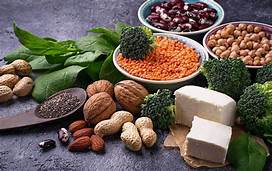
Looking for a Good Plant-based Diet?

Healthy Plant Protein

Plant -based diets are the newest trend in lifestyle medicine, although vegan diets have been with us for decades. Now there is some competition along with their gimmicks and do’s and don’ts that we have heard for years.

Nevertheless, these diets have a nutrition seal of approval as we attempt to give up the unhealthy Standard American Diet and good riddance to that. My favorite is the Mediterranean Diet as it is more balanced as far as flavor and taste is considered. It adds some meat as well as allows some wine in moderation.  All of these diets are beneficial and plant-based diets have shown to have health benefits in research studies. Any diet must be able to be sustained and those diets that are highly restrictive don’t seem to be followed for long periods of time. You ideally should consider one of these diets as a plan you can follow as part of your new healthy lifestyle.

CLICK HERE.


The Health Benefits of Extra Virgin Olive Oil

Olive oil has gained its fame with the advent of the Mediterranean Diet and the prevalence of its use in Mediterranean countries, especially Greece and Italy. Olive oil plays a major role in the diets of the majority of the Blue Zone cultures that boast of their longevity and as a part of a group of the longest living cultures on the planet. Tons of research supports the statement that olive oil has some serious health benefits.

So what is in olive oil? And what in the heck does it do for us? The primary fatty acid found in olive oil is a monounsaturated fat called oleic acid and from research is found  to be a heart healthy oil. Olive oil is very high in phytonutrients called polyphenols which are potent antioxidants.

Refined vs extra virgin olive oil

The problem is that olive oil is not all alike. Commercial producers have often promoted inferior or even imitation products that on the label says olive oil but has questionable benefits. So what is the extra virgin hype?  First of all, it is not refined and processed as the regular refined oil that is harvested by machine and processed with heat – this damages the polyphenols responsible for its health benefits and washes them away since they are water-soluble.

The extra virgin olive oil is often harvested by hand and separated without the use of heat, hot water, or solvents and is primarily left unfiltered, which preserves the delicate polyphenols. The first pressing produces the “best stuff,” known as “extra virgin” olive oil. Seek out the best – it’s worth it and your heart will thank you.

Recent Research

One study compared two groups of people with high blood pressure. One group was given sunflower oil and one group received extra virgin olive oil. In the olive oil group, blood pressure was decreased by a significant amount; it also decreased the need for blood pressure medicines in this group by a whopping 48 percent.

Results of a large clinical trial published in two prestigious medical journals, Journal of the American Medical Association (JAMA) and the New England Journal of Medicine demonstrate that a diet supplemented with extra virgin olive oil provides other health benefits.The PREDIMED study enrolled adults age 55 to 80 who were considered at high risk for cardiovascular disease based on various factors.

Participants were assigned to a Mediterranean diet, one with supplemental extra virgin olive oil (at least 4 tablespoons) and the other supplemented with mixed nuts. The third group was assigned to a control, low fat diet.

Over almost five years of follow-up, cardiovascular outcomes including heart attack, stroke, and death from any cardiovascular cause, were noted. The Mediterranean diet groups had a significantly lower rate of negative cardiovascular outcomes. This association was particularly strong for the supplemental extra virgin olive oil group, which had a 31 percent reduction in risk for cardiovascular disease outcomes compared to the control diet group.

The researchers also observed data of breast cancer risk in the women enrolled. Here too, the diet supplemented with extra virgin olive oil was most protective, reducing rates of breast cancer by nearly 70% compared to the control diet. Interestingly, the group that supplemented with mixed nuts did not show a significant benefit in terms of breast cancer risk.

The study’s authors report that this was the first human trial to find a beneficial effect of a dietary intervention on breast cancer risk. Together, these results suggest that a Mediterranean diet with supplemental extra virgin olive oil is protective against both cardiovascular disease and breast cancer in older adults with existing risk factors.

A 2013 study showed that olive oil contributes to satiety and so helps with weight loss. FYI: Satiety is a feeling of fullness of having enough to eat) In a German study, subjects who ate yogurt laced with olive oil had higher satiety compared to those eating yogurt containing other fats. They also had higher levels of serotonin (a brain neurotransmitter) and improved mood. The olive oil group lost weight, while the other groups actually gained weight over a three month study.

Use olive oil as your main fat for cooking (such as sauteing and roasting) and in salads. Store olive oil in a cool dark area, as it is susceptible to oxidation as many oils are.


Diet and Inflammation

Diet, Chronic Disease and Inflammation

By Sally J. Feltner, MS, PhD

A lot of recent attention has been paid to the role of lifestyle in many chronic diseases (lately referred to as underlying causes of mortality in the Covid-19 viral pandemic).  Deaths due to this virus have been strongly associated with age, obesity, high blood pressure and diabetes to name a few. Many people with the viral infection have reported to have had at least one or two of these chronic conditions. Obesity alone has been known to be associated with low-grade inflammation.

Diet is one of those lifestyle factors in which somehow, we have gone astray. As we often hear, the Standard American Diet (SAD) is becoming more and more to be a causative factor of our ill health.  As a result, body weight is on the rise and we are becoming more sedentary. Obesity is linked to the metabolic syndrome and type-2 diabetes  and has come to be called the diabesity pandemic.

Recently, we have changed our ideas about diet and heart disease.  Many doctors still think the high fat, high cholesterol diet of the last decade was to blame.  However, this is a simplified view that dismisses the research that now supports the possibility that heart disease is mediated by other biological events other than cholesterol, including oxidative stress (free radicals), insulin sensitivity, endothelial dysfunction and blood clotting mechanisms and most importantly low-grade inflammation. Also, heart disease is now thought to have other risk factors such as high LDL cholesterol, high triglycerides and low HDL cholesterol that may be or not be related to dietary factors.

(FYI – endothelium is the tissue which forms a single layer of cells lining various organs and cavities of the body, especially the blood vessels, heart, and lymphatic vessels.)

We should be aware that inflammation is a double-edged sword. Inflammation in the body is necessary to protect us from infections and cancer and when appropriate from diseases. In its acute state as when you cut your finger, its reactions are self-limiting and resolve rapidly; the process is meant to heal and repair tissue damage.  However, when inflammation is inappropriate, it can get out of hand and contribute to disease, especially chronic diseases. That is when inflammation can become your enemy.  In this type, the inflammatory response needs be controlled or managed or at least short lived. Should it continue on, persisting cytokines of the immune system can produce excessive damage, leading to a number of diseases, including fibromyalgia, lupus, MS, and more. Cytokines can persist and overwhelm the immune response by releasing signals in the nervous system and and may contribute to a “cytokine storm” killing healthy cells as well as the offending agents (bacteria or virus).

(FYI – cytokines are small proteins produced by immune defensive cells that affect other cells and the immune response to an infectious agent. They act as cell messengers.

Can Diet as a Lifestyle Make a Difference in our Susceptibility to Disease and Affect Our Overall Health??

Recently, much has been written about specific foods and dietary approaches you can do to that either promote or reduce low grade inflammation. Keep in mind that this is only speculation, and some is just pure marketing by the food industry to promote a certain brand. At this point, we are beginning to research this more conclusively and in order to do that, studies have to measure whether a certain substance in the diet either raises or depresses what is known as inflammatory biomarkers in the body. The most used is one called high sensitivity C-Reactive protein (hsCRP). Others include inflammatory markers interleukin-1 or interleukin-6 as well as others. To do this involves a simple blood sample. I have had one to measure my inflammatory status a few years ago. If you see a study that claims to have noninflammatory properties, look for the way the study was performed – i.e., did it measure the effects on these inflammatory markers.

The goal of this blog post is to guide us to the right anti-inflammatory foods to reduce your risk of illness. Consistently, pick the wrong ones, and you could accelerate the inflammatory disease process.

Foods that allegedly promote inflammation – try to limit these foods as much as possible:

  • Refined carbohydrates such as white bread and pastries; choose whole grains instead. They need not be gluten-free unless you have some issues with wheat and need to limit its intake.
  • French fries and other fried foods
  • Soda and other sugar-sweetened beverages
  • Red meat (burgers, steaks) and processed meat (hog dogs, sausage)
  • Margarine, shortening, lard (high levels of trans fatty acids)

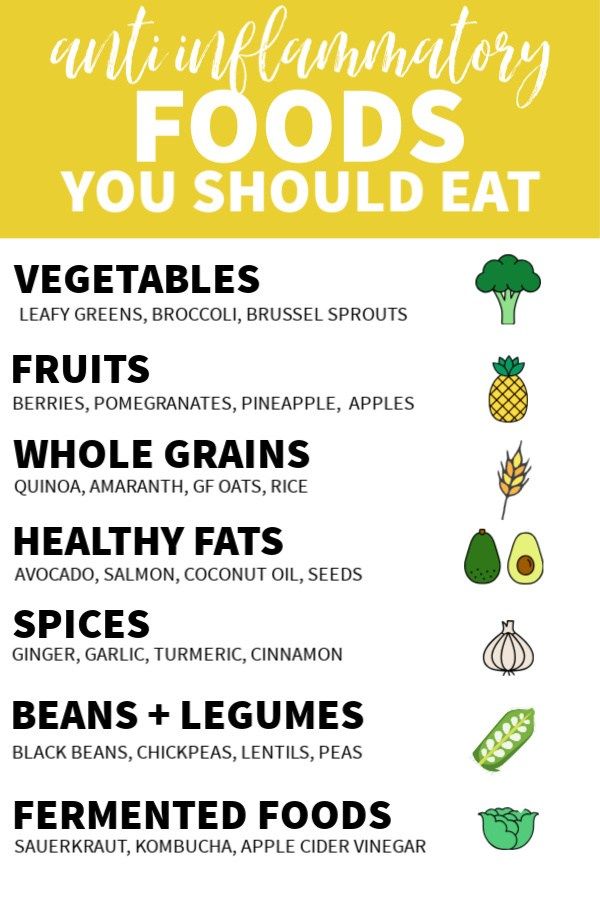
Foods that allegedly reduce inflammation –   include in the diet as much as possible

  • Tomatoes rich in lycopene and carotenoids – healthy phytochemicals usually with antioxidant propertiesHigher
  • Olive oil – rich in monounsaturated fat and phytochemicals
  • Green leafy vegetables such as spinach, kale, collard and other greens – a randomized German study showed that 8 servings of fruits and vegetables for 4 weeks in men had lower levels of hsCRP.
  • Nuts like almonds and walnuts – high in monounsaturated fats
  • Fatty fish like salmon, mackerel, tuna, sardines – Diets rich in omega-3 fatty acids reduced inflammation.
  • Fruits such as strawberries, blueberries, cherries, and oranges
  • Higher fiber consumption was associated with less inflammation in seven studies, using hsCRP as a marker.

Bottom Line:

If you’re looking for an eating plan that closely follows the tenets of anti-inflammatory eating, consider the Mediterranean Diet which is high in fruits, vegetables, nuts, whole grains, fish and healthy oils (primarily olive oil).

In addition to lowering inflammation, a more, natural, less processed food diet can have noticeable effects on your physical and emotional health.

The Mediterranean Diet In A Nutshell

A Mediterranean diet is a good example of a diet that reduces low-grade inflammation and at the same time appears to reduce the risk of heart disease. It is a diet pattern that has been studied extensively and without a doubt scores high in the healthy column. It comes highly recommended and contains most of the foods labeled Anti-inflammatory.

High in fresh fruits and vegetables, olive oil, legumes, unrefined grains
Moderate in low-fat dairy
Low in meat
Moderate to high in fish
Moderate alcohol intake

Is All Sugar Equal?

Simple sugars are considered simple because they are small molecules that require little or no digestion before they can be used by the body. They come in two types: monosaccharides and disaccharides. First, here is a little sugar biochemistry.

Types of Carbohydrates

Carbohydrates are chemical compounds that contain carbon, hydrogen, and oxygen. Simple carbs, also called sugars include monosaccharides (fructose, glucose, and galactose)  and disaccharides (sucrose, lactose, and maltose). They are found in foods such as table sugar, honey, milk, and fruit.

Complex carbohydrate include oligosaccharides and polysaccharides. Glycogen is a polysaccharide found in animals, and starch and fiber polysaccharides are found in plants. Sugars and starches consumed in food are broken down in the digestive tract to monosaccharides which can be absorbed in the bloodstream.

The simple sugars the body uses directly to form energy are glucose and fructose. Galactose is readily converted to glucose by the body. So, basically, all sugars and starches (chains of glucose) end up as glucose in the body. When the body has more glucose  than it needs for energy, it converts the excess to fat and and glycogen. The glycogen is stored in the liver and muscles. When the body needs energy, glycogen is broken down making glucose available for energy formation. Glucose can also be obtained from certain amino acids and the glycerol part of fat. A constant supply is needed for the brain, red blood cells, white blood cells and some special cells in the kidney.

What are Added Sugars?

It is now a requirement to state the amount of added sugars on the Nutrition Facts Panel of most food products. Most of the simple sugars in our diet comes from foods and beverages sweeteners as sucrose and high-fructose corn syrup. Added sugars make up 15% of the total caloric intake of Americans.

High-fructose corn syrup is a liquid sweetener found in many soft drinks, fruit drinks, breakfast cereals and other food products.  It consists of 55% fructose and 45% glucose, compared to sucrose that contains 50% glucose and 50% fructose. For example, one 12 oz serving of a soft drink contains about 9 teaspoons of sugar. That’s a lot of sugar and far more than is good for health.

The American Heart Association recommends that women consume no more than 6 teaspoons a day and men only 9 teaspoons a day.

Source: Judith E. Brown, Nutrition Now,  7th Edition.

CLICK HERE.

The Essence of Mindfulness

“Mindful eating is very pleasant” – Thich Nhat Hanh

The following excellent article first caught my eye due to its title – “Of Onions and Olive Oil”? After reading it, I fully appreciate what mindfulness is all about.  How apart the thoughts  presented are from our typical American way of eating –  standing, sitting in the car, in front of the TV, or consuming a whole bag of potato chips in one sitting.

Maybe we should take this time of quarantines, lockdowns, politics and distancing to practice the art of mindfulness even in isolation or with family.  It supports the crazy notion that it is not what we eat, but how we eat. SF

CLICK HERE.