What Else Is In Your Food?

Twenty five years ago, It was largely assumed that the health benefits in foods came from the vitamin and mineral content of fruits and vegetables. That conclusion turned out to be incorrect because supplementation with specific vitamins and minerals failed to yield the same health benefits as did diets rich in fruits and vegetables. In addition, use of individual vitamin and mineral supplements was found to increase health risks in some studies. So what else was in the foods themselves that made them “healthier” than others?

The subjects of many current studies are plant chemicals known as phytochemicals or phytonutrients. Phytochemicals are not considered essential nutrients because deficiency diseases do not develop when we fail to consume them. They are considered to be nutrients however, because they are biologically active and perform health promoting functions in the body. Most of these bioactive food constituents are derived from plants. 

Phytochemicals play a variety of roles in plants as they provide protection against bacterial, viral, fungal infections; Ward off insects; and prevent tissue damage due to oxidation. Some operate as plant hormones or participate in the regulation of gene function, while others provide plants with flavor and color. Recently, more than 2000 types of phytochemicals that act as pigments have been identified and give plants with a wide variety of colors. Some of these phytochemicals have been identified: beta-carotene (orange), lycopene (red), anthocyanins (blue to purple), allicin (white), and lutein (yellow-green). Many of them function as antioxidants.

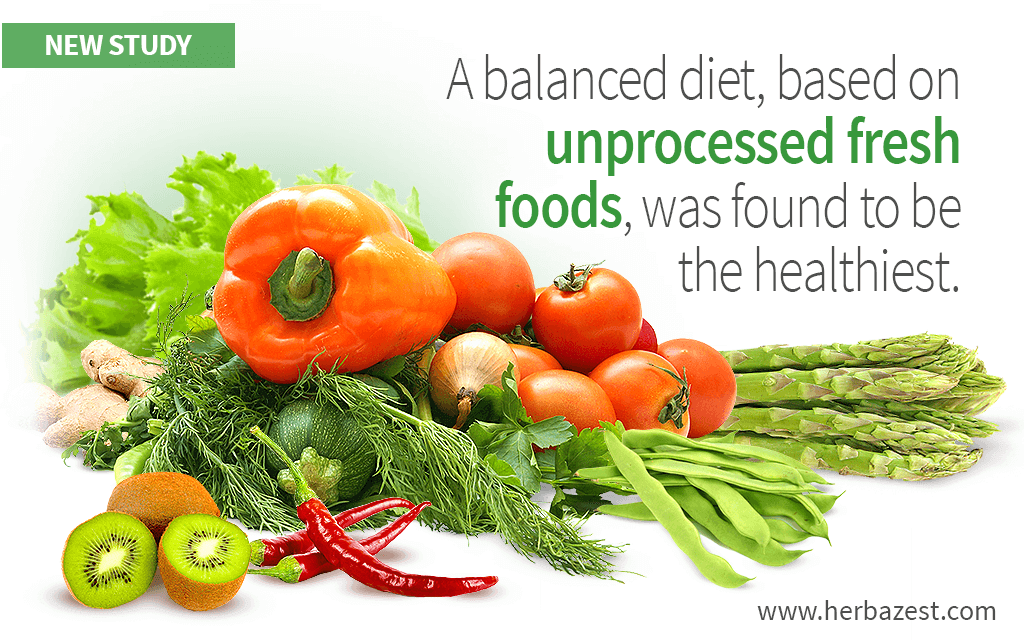
The following are examples of vegetables you can buy or plant in the garden that provide some specific health benefits that are thought to be due to either established nutrients or phytochemicals. Keep in mind that some have more research behind their claims; however, many do not and simply rely on presumed health benefits.

  1. Kale is a member of the cabbage family and is known to contain vitamins A, K, and C, as well as essential minerals like potassium, calcium, and magnesium. It is also rich in fiber and acts as a prebiotic that increases nutrient absorption in the gut. Kale also contains antioxidants that protect against oxidative damage and chronic disease. Its nutrient density exceeds that of other vegetables like carrots, sweet potatoes, or those of the onion family.
  • Onion have been known for their healing properties for centuries. One study compared wound healing results after the daily application of onion gel and found that scars were significantly less noticeable after just four weeks of use. Recent research has suggested that onions contain compounds useful for the treatment and prevention of cardiovascular disease, high blood pressure, diabetes and inflammatory diseases. Most of these benefits can be traced to onion’s high concentration of sulfur amino acids,  phytochemicals such as flavonoids, phytosterols, and saponins – compounds that have anticancer, antibiotic, and antithromboitic activity.
  • Potatoes are a rich source of potassium, fiber, vitamin C. Little attention is paid to potatoes recently due to their high calorie density and their relationship with obesity and diabetes. If they are eaten in whole form and not as French fries or chips, they can be healthy due to their high potassium content. Often, they are the only source of potassium for many people including children. Adequate potassium can protect us from hypertension. P
  • Tomatoes contain the phytochemical, lycopene, the carotenoid responsible for its red color and acts as an strong antioxidant. An increased intake has been associated with a decreased risk of prostate and breast cancers.
  • Cauliflower in both forms, white or purple are high in phenolic compounds (a phytochemical) and antioxidant. Purple cauliflower is especially high in anthocyanins and is an potent anti-inflammatory and antiviral compound.
  • Bell Peppers are antioxidants that may protect against Alzheimer’s disease. Green, yellow, and red peppers are all high in phenolic compounds and vitamin C.

So, the secret of healthy and colorful fruits and vegetables lies in the fact that they not only provide essential vitamins and minerals, but that they also become protective against the chronic diseases of aging that have become the leading causes of illness and death in the developed world.

Bon appetit!!!

Obesity: Some Solutions?

September 26, 2019 by foodworksblog Leave a comment

The Obesity/Diabesity Pandemic

Obesity is a major risk factor for the development of type 2 diabetes mellitus, so much so that the epidemic is often called diabesity. It has been described as one of the most important crises that has invaded our public health system.

Global Statistics, Source: Lancet

  • Since 1980, the number of adults with diabetes worldwide has quadrupled from 108 million to 422 million in 2014.
  • Diabetes is fast becoming a major problem in low and middle-income countries.
  • From 1980 to 2014, the prevalence of diabetes more than doubles for men in India and China.
  • Half of adults worldwide with diabetes in 2014 lived in five countries: China, India, USA, Brazil and Indonesia.

So what are some solutions?  

The standard American diet is in much need of an overhaul and our national food systems need to change if we wish to reverse or at least slow down this trend. Many say that it would take the same determination as the campaigns to change behaviors that were utilized during the campaigns against smoking.

Prevention awareness should be first on the front lines of treating the people with prediabetes that can often be reversible using lifestyle modifications. There are already some prevention models in the community; however, these should be expanded so that they become more easily accessible to more people. The Diabetes Prevention Program (DPP) uses intensive behavioral therapy to help people lose a little bit of weight (typically 5-10%). When this program is followed, the number of people progressing to have diabetes comes down by more than half. In people over 60, the reduction was 70%.

Nutrition education should be incorporated into the school system in the early years to help young children understand the importance of knowing where our food comes from and why nutritious foods are the best choice. They can be taught about balanced eating, calories, reading labels and grocery shopping. Nutrition education can also be offered at the middle and high schools’ levels by returning to a revamped and modernized home economics course in the curriculum.

A lingering problem has existed for many primary care physicians for many years in that they say they were never adequately prepared in nutrition principles in medical schools. In a survey of family physicians (2009), two thirds said that dealing with extremely obese patients is “frustrating “and one-half said treatments are often ineffective. This is reflected by a lack off obesity training.

Shockingly, another survey in 2010 of 140 doctors revealed that nearly one-third were not even familiar with the American Diabetes Association (ADA) prediabetes guidelines. Only 6 percent were able to identify all 11 risk factors and on average, the doctors could only identify just eight of the warning signs. Only 17 percent knew the correct laboratory values for blood glucose and only 11 percent said they would refer a patient to a behavioral weight loss program.

There should be an increased access to professional treatments. Medical professionals not trained in obesity management should refer their patients to outside providers such as dietitians, exercise trainers, behavior therapists, psychologists, or the new concept of health coaches. These providers should be trained, certified, and credentialed to protect the public from unscrupulous treatments and to provide quality care. Reimbursement of qualified health professionals needs to be enhanced to keep patient volume high and lessen out-of-pocket expenses.

We have become a nation of non-cooks and prefer to have our meals prepared by someone else. Encourage home cooking and home kit meals to help to counter using fast foods and packaged highly processed meals loaded with calories, fat, sugar and salt.

Educate the public on food labeling including ingredient lists. Beware of food companies that promote products with a “health halo” meaning exaggerated claims made that appear to make unhealthy foods seem healthy because of an added nutrient or ingredient. Corporations also mislead consumers with their labeling, so they include four different types of sugar to keep sugar from being listed as the first ingredient. This is misleading to the consumer when attempting to make wise food choices.

Stop corporate-government partnerships and diminish lobbying.
“Lately, the food industry (Big Agriculture, Big Meat, and Big Food ) has been highly implicated in this epidemic. This includes the advent of ultra-processed foods. “To sell these foods, companies bombard us with billions of dollars in ads, normalize eating junk food, and make it available 24/7, everywhere, and in large amounts at remarkably low cost.”

Source: “Against the Odds: Why our food system makes it tough to eat healthy, Nutrition Action Healthlettter  November, 2020.  

The Academy of Nutrition and Dietetics (formerly the American Dietetic Association) is funded by myriad food companies such as Coca-Cola, PepsiCo and Kellogg’s. The dairy industry has a long history of influencing the food pyramid and Dietary Guidelines. A good example is the placing of a glass of milk on the MyPlate Logo. Often this practice only serves the dairy industry and not necessarily the consumer.

Another health organization guilty of taking in millions from food companies is the American Heart Association. They offer a “Heart – Check logo for a price: $5, 490 to $7,500 that is renewable for another fee annually. The product has to be low in fat, saturated fat and cholesterol to gain this “honor.” However, some products such as Boar’s Head processed meats have the logo and still may still contain high levels of sodium. If the AHA were sincere in their efforts to help consumers choose healthier foods to rein in obesity/diabetes, they would realize that research has shown that a 1.8 oz. daily serving of processed meat raised the risk of diabetes by 19 percent and heart disease by 42 percent. Most current dietary recommendations emphasize a reduction in processed meats (my emphasis).

Bottom Line: It will take a concerted effort from government, politics, industry, communities, and consumers and the perpetrators of our obesigenic culture to begin to change this trend.

Living in an American Blue Zone

CLICK HERE.

(In 2008, National Geographic writer Dan Buettner published his bestselling book, The Blue Zones: 9 Lessons for Living Longer From the People Who’ve Lived the Longest, about the five “longevity pockets” around the world. Here, Next Avenue Money and Work & Purpose editor Richard Eisenberg, a Gerontological Society of America Journalists in Aging Fellow, takes a different look at the Blue Zones — places where there’s a high concentration of people living past 90 without chronic illnesses. Rather than focusing on the residents’ diets, he reports on how the oldest people in the Blue Zones make their money last and what Americans and America can learn from this.)

This article discusses healthy aging from the financial aspect. For more information on the Blue Zones, search “Blue Zones” on the Food, Facts and Fads Homepage (www.foodfactsandfads.com).

How Much Do We Eat?

Is  Super- sizing Leading to Super- sized Americans?

Many Americans are eating a good deal more food than needed and it appears that rising rates of obesity are partly related to increased portion sizes.

Supersizing fast food can double or triple the caloric content of the foods compared to their regular sized counterparts. A single, supersized meal including a cheeseburger, large fries, and thick shake provides more calories (about 2200) then many people need in a day. Larger portions don’t cost restaurants much more than smaller portions, they increase sales volume, and they encourage people to eat more.

Among adults, a 50% increase in portion sizes of meals has been found to increase daily energy intake by 423 calories.

Frequent dining at fast food restaurants (three or four more times per week) that primarily serve burgers and French fries is associated with a higher intake of calories, soft drinks and fat and a higher risk of overweight and obesity than frequent use of full-service restaurants. On a positive note, some restaurants have recently begun to offer smaller portion sizes or small plates and healthier menu options than in the past. 

CLICK HERE.

Oregano

Got pizza?  Next time remember to sprinkle some oregano on it for some unexpected health benefits.

Oregano is an herb from the mint family and plays an important role in the Mediterranean diet, so often touted as one of the healthiest diets on the planet to prevent heart disease and other chronic ailments. It has been used for centuries as a treatment for diarrhea, indigestion or colds and muscle aches.

Compounds called thymol and carvacrol are found in oregano and are considered to be responsible for many of its health benefits that include potent antiviral and anti-bacterial activity, so important these days of COVID-19.

  As far as antiviral activity, several in vitro studies have shown that carvacrol inactivated the norovirus within one hour. Norovirus is a highly contagious viral infection that is the main cause of the stomach flu.

In another study, carvacrol, and thymol  inactivated herpes simplex virus within one hour. Oregano oil extracted from the oregano leaves has been shown to have antiviral activity against respiratory syncytial virus (RSV. Respiratory syncytial (sin-SISH-uhl) virus, or RSV, is a common respiratory virus that usually causes mild, cold-like symptoms. Most people recover in a week or two, but RSV can be serious, especially for infants and older adults.

Oregano has promising anti-bacterial properties. An in -vitro study, oregano was found to have activity against 23 species of bacteria related to three genera, Staphylococcus , Micrococcus, and Bacillus, a sporeformer. Sporeformers are highly resistant to environmental conditions. Another study found that oregano as an essential oil was effective against different strains of Escherichia coli and Pseudomonas. Another study showed that oregano oil has significant antibacterial activity against 11 microbes that are resistant to antibiotics.  

How can you use oregano in your diet? The traditional use of oregano is in Italian dishes such as pasta sauce and pizza; however, it can be used in salads to add flavor as well as give you beneficial nutrients like vitamin C , arginine and minerals like calcium and potassium.

Arginine is a a building block (amino acid) that helps create proteins. It stimulates the release of insulin and gets rid of ammonia. Most importantly, the body uses arginine to make nitric oxide. Children need arginine to help them grow and develop. In adults, it helps improves blood flow, heals wounds, and repair damaged tissue.

Oregano is a nutrient dense food in that it also contains an antioxidant forty-two times more effective than in apples, thirty times more than potatoes, twelve times more than oranges and four times more than blueberries.

It also can be helpful when added to cooked meat, as one of the active ingredients, carvacrol has been shown to reduce the formation of potentially cancer-causing hetero-cyclic amines, chemicals that are formed in cooked meat that can be carcinogenic.

Of course as with most nutrition studies, especially on single food items, industry-funding is often suspect when it comes to the food industry in general about what is healthy. Many use only positive study results designed to be used for marketing purposes and additional independent research is needed. But give it a try – it can add flavor to your cooking and hopefully provide a source for essential nutrients and phytochemicals as well.

Processed Food: Not all Equal?

What has happened to “real” food?  Many traditional foods used in cooking today are processed in some way, such as grains, cheeses, dried fish, and fermented vegetables. It has been said that almost all foods undergo some form of processing; they are usually referred to as minimally processed.   The processing itself is not the problem, only much more recently has a different type of food processing emerged: one that is more extensive and uses new chemical and physical techniques. This is called ultra-processing and the resulting products, ultra-processed foods are everywhere.

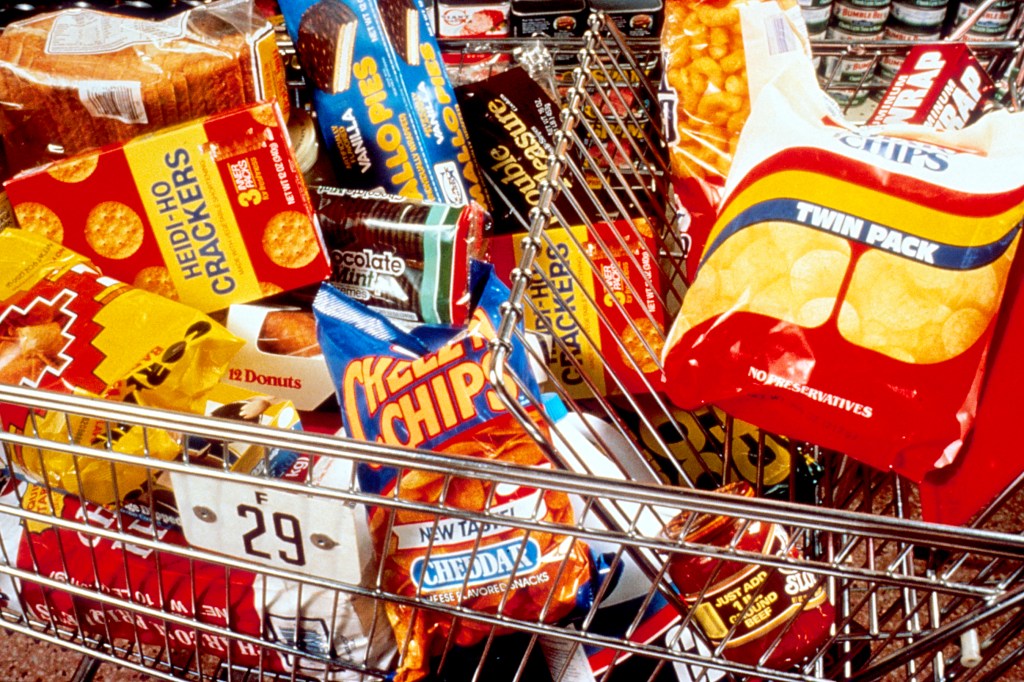
To make these foods, cheap ingredients such as starches, vegetable oils, sugars, salt and trans fats are combined with certain additives such as colors, flavors and emulsifiers.  A previous post has addressed the possible problems associated with emulsifiers in our food supply. You can find this article by searching this blog for: Food Additives and the Metabolic Syndrome. Certain food additives can disrupt our gut bacteria and trigger inflammation, while plasticizers in packaging can interfere with our hormonal system.  Examples of ultra-processed foods include but not limited to as sugary drinks, confectionery, mass produced bread, snack foods, sweetened dairy products, and frozen desserts. Foods that come in a box or bag are often suspect.

Unfortunately, these foods are terrible for our health. And we are eating more of them than ever before, partially because of aggressive marketing and lobbying by big food. More ultra-processed foods in the diet associates with higher risks of obesity, heart disease, and stroke, type 2 diabetes, cancer, depression, and death. Ironically, these diseases have become some of the leading causes of death in the world. Certain features of ultra processed foods also promote over consumption. Product flavors , aromas, and mouthfeel are designed to make these foods ultra tasty, and perhaps even addictive.

Ultra processed foods can also harm the environment. For example food packaging generates much of the plastic waste that enters marine ecosystems. (see the example below).

Sales of ultra processed foods are highest in rich countries such as Australia, the United States and Canada. However they are rising rapidly in middle income countries such as China, South Africa, and Brazil, which are highly populated. Supermarkets are now spreading throughout the developing world, provisioning ultra processed foods at scale and at low prices. Where supermarkets don’t exist other distribution strategies are used for example, Nestle uses its door to door sales force to reach thousands of poor households in Brazil’s urban slums.

How can things change? The evidence that ultra processed foods are harming our health and the planet is clear. We must now consider using a variety of strategies to decrease consumption. This includes adopting new laws and regulations, for example by using taxation, marketing restrictions and removing these products from schools.

According to the authors of this article, simply telling individuals to be more responsible is unlikely to work when big food spends billions every year marketing unhealthy products to undermine that responsibility. Should dietary guidelines now strongly advise people to avoid ultra processed foods? Brazil and other Latin American countries are already doing this.

Will the new dietary guidelines for 2020  due to be published in the next few months, include the advice of limiting ultra-processed foods in our diets? It is doubtful since as in the past, adherence to the dietary guidelines has been low and also because the dietary guidelines alone in the United States unfortunately is highly associated with the food industry. This includes lobbying policymakers, making political donations, funding favorable research, and partnerships with community organizations.

This post includes excerpts from an original article first published by The Conversation. It has also been published titled “The Rise of Ultra-Processed Foods” by Phillip Baker, Mark Lawrence, and Priscila Machado in The Epoch Times, Wednesday, September 23, 2020.

BOTTOM LINE: Try to avoid or at least cut down on using processed foods, especially snacks (which can be addictive). Read the serving size and stick to it –and please not the whole bag – practice mindfulness and be aware.

Philip Baker is a research fellow at the Institute for Physical Activity and Nutrition at Deakin University in Australia.

Mark Lawrence is professor of public health nutrition at the Institute for Physical Activity and Nutrition at Deakin University, and Priscilla Machado is a research fellow at the School of Exercise and Nutrition Science in the Faculty of Health at Deakin University.

The American Plate 1980 – 1989

More Low Fat

In the 1980’s American Baby Boomers hit thirty. To alleviate their panic, they drank designer water, joined health clubs, bought herbal and vitamins to help alleviate some of the problems after being raised on fast foods. As the low-fat obsession grew, a new way of eating was introduced by Nathan Pritikin from the Pritikin Longevity Center in Santa Monica, California. In 1983, The Pritikin Promise: 28 Days to Longer Life became a New York Times Bestseller. The plan allowed no fat, sugar, or oil.

safe_image.php

Italian Food Comeback

New immigration continued to augment the rise of ethnic restaurants. The Hispanic migration was so massive that many of these cultures lived in parallel cultures without assimilation as previous immigrants had done. There were Islamic halal butchers, Mexican panaderias (bakeries), sushi bars, Hong Kong-style seafood restaurants, bagel stores, Argentine empanadas, Thai takeout and Iranian restaurants.  In the 1980’s, America discovered Italian food all over again but this time it was Northern Italian food which is essentially tomato-less. It comes primarily from Tuscany, Emilia-Romagna and Genoa. Pasta sauces were mainly cream and Parmesan cheese based, like Alfredo. Rice in risotto and corn in polenta replaced wheat as the starch in pasta. Tiramisu became a popular dessert but of course loaded with calories.

Gourmet and Gadgets

We began to collect more gourmet foods and gadgets. Our cabinets contained $65 bottles of extra virgin olive oils and 50 year old balsamic vinegars. We were enthralled by stand mixers, bread bakers and food processors. We visited Williams-Sonoma collecting all kinds of culinary gizmos from garlic presses to food mills.

balsamic-vinegar-and-olive-oil-in-two-glasses-

Comfort Foods

In October, 1987 the stock market once again plummeted 508 points. Spending stopped, high-end restaurants lost customers and more down-home eateries began to be more popular. Simple comfort foods like chicken-fried steak, mashed potatoes, meat loaf (again), pot pies, pasta and chili became appealing to many.

Obesity Epidemic

One problem: All that comforting foods was taking its toll on the extra pounds were were accumulating. The number of obese Americans soared during the 1980s and 1990s, doubling among adults in the U.S. and tripling among children. The fact that obesity statistics have never been higher has raised a substantial amount of awareness and concern in regards to this issue. According to the Centers for Disease Control and Prevention, just over one-third of U.S. adults, about 97 million, are obese. This number is expected to rise to 42 percent by the year 2030; however, some forecasters have predicted the number could easily be over 50 percent. Uh Oh. Update: The obesity rate is now (2020) about 40.0% for both men and women.

Diet issues and fads continue to dominate the culture. In 1981, the Beverly Hills Diet is introduced which recommended eating nothing but fruit for the first 10 days. Aspartame, another sugar substitute is introduced as NutraSweet in the same year. In 1982, liposuction is performed in the U.S. for the first time, and later became a popular cosmetic procedure with over 100,000 operations performed (still counting). In the same year, Jane Fonda’s Workout becomes a top selling exercise video. In 1983, Jenny Craig is formed which sells its own line of food and offers advice and counseling to people wanting to lose weight. Miller Brewers came out with “Miller Lite.” Cooking Light magazine led magazine sales.

The American Medical Association dampened the good spirits of the time with its recommendations that blood serum cholesterol levels should not exceed 200 milligrams. Eggs were bad, fried foods were bad, caffeine was bad, beef was bad, butter was bad. Supermarkets nationwide ran out of oat bran when consumers were told that the soluble fiber in oatmeal was flushing cholesterol from their arteries. Margarines appeared with names like “I Can’t Believe It’s Not Butter”.

Slow Food

After three decades of enduring a fast food culture, some people rebelled against this trend; therefore, the Slow Food Movement was founded. Slow Food is an international movement founded by Carlo Petrini in 1986. Promoted as an alternative to fast food, it strives to preserve traditional and regional cuisine and encourages farming of plants, seeds and livestock characteristic of the local ecosystem.

An Excerpt from the Official Slow Food Manifesto states:
“We are enslaved by speed and have all succumbed to the same insidious virus: Fast Life, which disrupts our habits, pervades the privacy of our homes and forces us to eat Fast Foods… A firm defense of quiet material pleasure is the only way to oppose the universal folly of Fast Life… May suitable doses of guaranteed sensual pleasure and slow, long-lasting enjoyment preserve us from the contagion of the multitude who mistake frenzy for efficiency. Our defense should begin at the table with Slow Food. Let us rediscover the flavors and savors of regional cooking and banish the degrading effects of Fast Food.

SlowFood

Trivia Timeline

1980: McDonald’s tests Chicken McNuggets in Knoxville, Tennessee., and gets such a huge response that suppliers can’t keep up with demand.

1980: more than half of all women work outside the home. 32% of white women and 25% of black women are employed as clerical workers. The numbers for Asian and Hispanic women fall somewhere in between. This prompted the food industry to provide even more ultra-processed foods to supermarkets, so that marketing concentrated on the lure of these already prepared dinners, some in a box, some in plastic containers and bags. None of them helped our health nor the environment.

1980: Whole Food Market opens in Austin, Texas., with a staff of 19. By the end of the century, through growth and acquisition, the chain is the number one natural food grocer in the US.

1980: 7-11, the world’s largest convenience store operation, introduces the 32 ounce Big gulp that is so popular that in 1987 the company brings out the Super Big Gulp, 44 ounces of sipping pleasure . And to further prove that bigger is better in America, in 1992 the chain introduces the 64-ounce Double Gulp. By comparison, the 1960 Coke bottle held 6.5 ounces. By the way, 1 Big Gulp has 186 grams of sugar or 46 tsp. It also provides 744 calories.

1981: President Reagan stocks the White House with his favorite treat — Jelly beans.

1982: Chosen by astronauts, M&M’s become the first chocolate candies in space.

1982: Wolfgang Puck, 31, opens Sago Restaurant in Los Angeles. He popularizes gourmet pizza and by 1990 is grossing $6,000,000 a year.

1982: Jenny Craig Inc., a weight loss program is founded by San Diego entrepreneur, Sid Craig and his wife, Jenny.

1986: McDonald’s and Burger King stop frying their food in beef tallow high in saturated fat and start releasing nutritional and ingredients information about their food.

1987: Microwave oven sales reach a record 12.6 million. Kenmore is the largest selling brand.

1988: American manufacturers introduce 972 new microwaveable products.

1989:  ConAgra CEO Charles Harper introduces the Healthy Choice line of frozen, low fat, low cholesterol, low sodium foods his company developed after he had a heart attack.

Fighting Cancer With A Fork

Approximately 1.8 million Americans will be diagnosed with cancer this year, and more than 600,000 will die from it. But there are ways to protect yourself. American Cancer Society researchers estimate that at least 42% of new cancer cases may be avoidable , with 18% being related to lifestyle factors like diet and physical activity.

Foods contain a variety of vitamins and minerals, as well as fiber and phyto- chemicals that help prevent DNA damage or assist in its repair. These substances are particularly found in plant foods and appear to work together in ways that provide the protection from certain cancers.  

Attempt to prevent cancer by giving large groups of people vitamin supplements or phytochemical extracts thought to account for the plants beneficial effects on cancer development have not been successful. In fact, a number of studies have noted that more harm than good results from the use of high amounts of individual supplements such as vitamin C, beta carotene, and vitamin E. Particular types of food clearly provide greater levels protection against cancer than supplements.

One major role plant foods play in reducing cancer risk appears to be related to the antioxidant function of certain vitamins and chemicals. These antioxidants in food neutralize reactive oxygen and other molecules to prevent them from damaging the DNA and also to repair DNA when necessary. Many brightly colored vegetables and fruits contain phyto – chemicals that act as antioxidants, and their consumption is being encouraged. Taking antioxidants as supplements have not been shown to have the same beneficial effects as those found in foods. It is thought that these chemicals work best synergistically.

There are other ways that some phytochemicals help to fight cancer formation. Vegetables from the cruciferous family for example broccoli, Brussels sprouts, cabbage, and cauliflower, appear to turn off genes that help produce proteins that increase the ability of cancer cells to grow blood vessels that support the continued spread of cancer. Substances in food that reduce inflammation may also decrease cancer risk by reducing the number of oxidized particles in cells that can damage DNA.

Dietary patterns and lifestyles related to reduced cancer risk

  • Consume a plant-based diet that includes five plus servings of a variety of vegetables and fruits daily, including those that are dark green, orange, and red.
  • Consume 3 plus whole grain products daily.
  • Regularly consume dried beans nuts and seeds.
  • Include fish and seafood lean beef, chicken, pork and other meats.
  • Avoid alcohol in excess.
  • Include 30 minutes 5 plus days a week of physical activity.
  • Maintain normal weight.

What does recent research say? From Eating Well Magazine, Nov. 2020

Consume more soy.  Studies have shown that flavonoids in plants like soy can alter certain aspects of cells related to tumor growth.  These flavonoids may protect against hormone related cancers like breast cancer. One recent analysis in the International Journal of Cancer looked at data from Chinese women enrolled in the Shanghai Women’s Health study and found that those who reported eating high amounts of soy in adulthood had a lower chance of both pre and post-menopausal breast cancer than those who rarely ate this nutrient packed legume.

Eat red and purple. The antioxidant called anthocyanin found in red, blue, and purple fruits and vegetables may also have anti cancer properties. One trial in Cancer Prevention Research had 25 colo rectal cancer patients ingest varying levels of anthocyanins before their surgery dates. The scientists found a 7% drop in tumor proliferation in patients with the higher anthocyanin consumption doses.   

Increase the Fiber. A systematic review and meta analysis published earlier this year in the journal Cancer found that participants in the US who ate the most fiber had a 8% lower risk of breast cancer than those who consume the least. The researchers noted that fiber rich foods like whole grains, fruits, veggies, legumes, nuts and seeds as part of an overall healthy diet may protect against the disease by leveling post meal blood glucose spikes and improving insulin sensitivity. Fiber also increases the activity of compounds that lower circulating estrogen levels in the body. Another reason is that the nutrient has been linked to a reduced risk of colon cancer.

More About Diet and Cancer Relationships

Specific characteristics of diets that have been linked to the development of cancer include low vegetable and fruits intake and a lack of variety of vegetables and fruits excess alcohol intake, or more than one drink a day by women 2 drinks a day by men is associated with the development of a number of cancers of the digestive system. Diets routinely low in whole grain products and fiber appear to promote the development of colorectal cancer. Regular intake of charred meats or the black charred outer parts of high fat meats cooked at high temperatures may also promote DNA damage and cancer development. Other major risk factors for many types of cancer include smoking, physical inactivity, and excess body fat.

Frequent consumption of certain types of foods is sometimes more strongly related to particular cancers than to other types. For example, regular consumption of tomato products is related in particular to decreased risk of prostate cancer, and regular intake of black and green tea appears to reduce the risk of breast and ovarian cancer.

Bogus cancer treatments

Unorthodox, purported cancer cures such as macro- biotic diets, hydrogen peroxide ingestion; laetrile tablets, vitamin, mineral and herbal supplements, and animal gland therapy have not been shown to be effective treatments for cancer. Such remedies have been promoted since the early 1900s. They still exist, although not proven to work, they offer some cancer patients a last ray of hope. They should not be used as a substitute for conventional cancer treatments.

Grass-fed Beef: Is It Safer?

by foodworksblog 15 Comments

A typical feedlot

Grass-fed beef comes from cattle that eat only grass and other foraged foods. Usually, beef and dairy cows eat a diet of processed grain, such as corn.  There has been an increased interest in grass-fed or pastured beef because of its health claims when compared to cattle from commercial feedlots.  Grass-fed beef may have some heart-health benefits that other types of beef don’t have. When compared with other types of beef, grass-fed beef may have:

  • Less total fat
  • Higher levels of heart-healthy omega-3 fatty acids
  • Higher levels of another type of fat (conjugated linoleic acid) that’s thought to reduce heart disease and cancer risks
  • Lower levels of a dangerous strain of E. coli bacteria

Due to the almost continuous news of recalls of beef contaminated with a dangerous strain of E. coli 0157:H7 or often just called O157 bacteria, grass-fed beef purveyors have often promoted the idea of safer beef than conventionally-grown or grain-fed beef.  What does the science say?

Work conducted at Cornell University by Russell and Diez-Gonzalez in the late 1990s showed that cattle that were fed hay had far fewer E. coli concentrations than when they were fed a standard feedlot diet based on grain. (Microbes Infect 2, No. 1 (2000): 45-53.)  However, earlier studies did not look at the levels of the dangerous strain 0157 apart from other strains.

The researchers hypothesized that when grain is fed to cattle, their digestive tracts become more acidic.  Over time, the E. coli in their intestines become resistant to this acid environment.  When we ingest them, a high percentage will survive the high acid content of our digestive juices and increase the risk of E. coli food poisoning.  Theoretically few E. coli from grass-fed cattle will survive because they have not become acid-resistant.

Since this original work, other researchers have explored the link between cattle feed and E. coli with more attention paid to the presence of 0157:H7.  Some have confirmed the work by Russell and Diez-Gonzalez but the majority has disputed the finding.  For example, in 2003, at the University of Idaho, a study found no difference in the levels of E. coli 0157:H7 in grass-fed and grain-fed.  In both cases, acid resistance was high.  Other studies have come to the same conclusion.

Grass-fed growers point out that even if there is not much evidence that diet can affect the number and acidity of E. coli in the intestines of cattle, grass-fed beef may be safer in the long run than feedlot beef.  Simply, grass-fed cattle are cleaner at time of slaughter.

Feedlot animals often stand all day in dirt and manure and careless and dangerous practices in the slaughterhouses increases the risk of manure contamination of the meat.  For a graphic depiction of slaughterhouse practices, read “Fast Food Nation” by Eric Schlosser. A cleaner animal upon entering the facility will lessen this possibility.  In the magazine Meat Marketing and Technology, the associate editor stated: “pasture-raised animals are much easier to clean because they come form smaller herds raised in relatively cleaner pastures.”

From the www.onlygrassfed.com webpage:

“It (grass-fed) is usually processed in a small local meat processing operation by skilled butchers who are careful to avoid fecal contamination of the beef.  When you buy grass fed ground beef from a reputable local farmer, you can be assured it is not “frankenbeef.”  In fact, the ground beef probably came from one cow.  Rest assured, it was processed from quality, uncontaminated ingredients.”

In 2009, there were 4,643 cases of Shiga-toxin producing 0157:H7 E. coli illnesses; In 2010, the number rose to 4, 757.  Fortunately there were few deaths, but this strain can cause a condition known as hemolytic uremic syndrome (HUS) often with lasting kidney damage for a lifetime.

Choosing whether to buy grass-fed or grain-fed beef is a personal decision based on taste, price, ethical and environmental issues.  Some grass-fed beef purveyors will say that it is OK to consume the beef raw as in steak tartar, for example based on the myth of less E. coli contamination.  If you choose grass-fed beef it is important to realize that you should practice all the safe-handling techniques recommended for grain-fed beef based on the current scientific evidence.

Related article

:

Important Facts about Vitamin B12

by foodworksblog Leave a comment

By Sally J. Feltner, MS, PhD

Vitamin B12 is often overlooked as to its importance to human health. Vitamin B12 is needed for the metabolism of another vitamin, folate as well as fatty acids to maintain the insulating layer of myelin surrounding nerve fibers. When myelin degenerates, neurological symptoms occur that include numbness, tingling, memory loss and disorientation. If not treated, it can eventually cause paralysis and death. On the other hand, a deficiency is rare, but can be a public health concern due to marginal B12 status due to either low intake or problems with absorption as often found in the older adult. This deficiency may also occur in people who attempt to practice a strict vegan diet as this vitamin is found almost exclusively in animal products.

The absorption of B12 from food requires adequate levels of stomach acid, intrinsic factor (produced in the stomach) and pancreatic secretions. Even though it is a water-soluble vitamin, the body stores and reuses it more efficiently that it does other water soluble vitamins.

Poor absorption of vitamin B12 can result from a condition called pernicious anemia. It is an autoimmune disease in which the cells in the stomach that produce intrinsic factor are destroyed. Therefore, B12 cannot be absorbed due to a lack of intrinsic factor. The anemia can be treated with injections, nasal gels or oral megadoses. The injections and gel bypass the GI tract and thus there is no need for intrinsic factor. Megadoses can allow adequate amounts of B12 to be absorbed that then do not require intrinsic factor.

Vegan diets are a concern due to B12 found only in animal foods. Severe deficiencies have been found in breast – fed infants of vegan women and marginal  deficiencies for all vegans if supplemental or fortified foods are not consumed in the diet.

What You Need to Know At A Glance

Primary Function:

  • Helps maintain nerve tissue.
  • Aids in reactions that build up protein tissue.
  • Needed by normal red blood cell development.

Consequences of deficiency

  • Neurological disorders (nervousness, tingling sensations, brain degeneration
  • Pernicious anemia
  • Elevated blood level of homocysteine (increased cardiac problems)

Consequences of overdose

  • None known.
  • Excess is excreted by the kidneys and not absorbed.
  • B12 injections may cause a temporary feeling of heightened energy.

Primary Food Sources

  • Fish, seafood
  • Meat
  • Milk and cheese
  • Ready to eat cereals

Highlights and Comments

  • Older people, those with previous stomach surgery, and vegans are at risk for deficiency.
  • Some people become B12 deficient because they are unable to absorb it (pernicious anemia).
  • Vitamin B12 is found in animal products and microorganisms only.

Source: Smolin, Lori A. & , Grosvenor, Mary B. Nutrition, Science and Applications, Third Edition

Judith E. Brown, Nutrition Now, 7th Edition