In the not-too-distant past it was assumed that a carbohydrate is a carbohydrate is the carbohydrate and it was thought that all types of carbohydrates has the same effect on blood glucose levels and health, so it didn’t matter what type is consumed. As in a case with many untested assumptions this one fell by the wayside. It is now known that some types of simple and complex carbohydrates in foods elevate blood glucose levels more than do others. This is called the glycemic response. Such differences are particularly important to people with disorders such as insulin resistance and type II diabetes.
What affects the glycemic response?
How quickly and how high blood glucose rises after carbohydrate is consumed is called the glycemic response. It is affected by both the amount and type of carbohydrate eaten and the amount of fat and protein in that food or meal. Because carbohydrate must be digested and absorbed to enter the blood, how quickly a food leaves the stomach and how fast it is digested and absorbed in the small intestine all affect how long it takes glucose to get into the blood.
A shortcoming of the glycemic index is that they are determined for individual foods, but we typically eat meals containing mixtures of foods. Knowing the glycemic index of a specific food does not tell us much about what the true glucose levels will be after eating this food as part of a mixed meal. For example, a bowl of white rice has a high glycemic index, but if the rice is part of a meal that contains chicken and broccoli, the rise in blood glucose is much less.
Refined sugars and starches generally cause a greater glycemic response then refined carbohydrates that contain fiber. The presence of fat and protein also slows stomach emptying, and therefore foods high in these macronutrients generally cause the smaller glycemic response than foods containing sugar or starch alone. For example ice cream is high in sugar but also contains fat and sugar, but it also contains fat and some protein, so causes a smaller rise in blood sugar or lower glycemic response than sorbet, which contains sugar but no fat or protein.
Source: Judith E. Brown, Nutrition Now, 7th Edition
Smolin and Grosvenor, Nutrition: Science and Applications, 3rd Edition
The effects of sugar in the body is currently being investigated particularly as to its effects on the brain. Therefore, it becomes important to understand how we handle sugar and what factors determine its effects on the glycemic response in order to more fully understand how it affects our health. The following article presents an interesting relationship of sugar on the brain and begins to elucidate influence in terms of a possible addiction process. This benefits not us, but more the food industry that often uses this alleged addiction to sell more sugary products.
From Marion Nestle, a Paulette Goddard Professor of Nutrition, Food Studies, and Public Health, Emerita, at New York University and author of books about Food Politics, most recently Unsavory Truth.
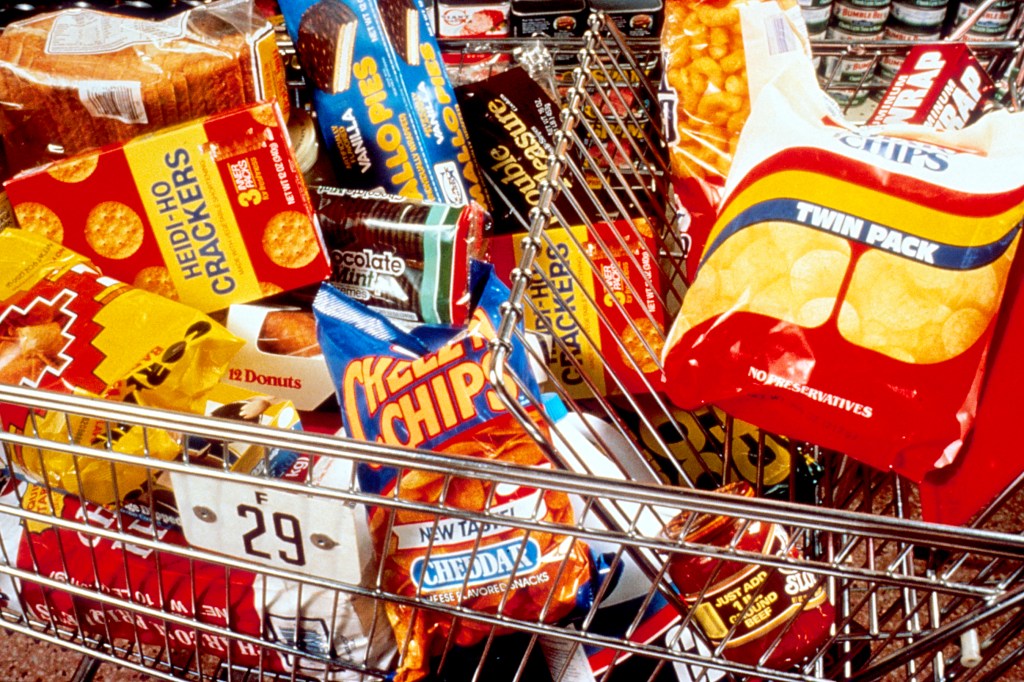
“It’s too bad for us that the principal sources of salt, sugar, and fat in the American diets are salty snack foods, sugary soft drinks, and fatty fried foods, respectively, all of them ultraprocessed junk foods deliberately formulated to make it hard for us to stop eating them.”
Source: Marion Nestle in Conversation with Kerry Trueman. Let’s Ask Marion: What You Need to Know about the Politics of Food, Nutrition, and Health. University of California Press, Oakland, California, 2020.
UNHEALTHY PROCESSED FOOD AND SNACKS CAN LEAD TO OBESITY
The obesity news just keeps getting worse. Along with obesity, many people suffer from diabetes type 2 or pre-diabetes. Type 2 diabetes accounts for 95% of all cases in the United States. It occurs when the body cells lose their sensitivity to insulin, a condition called insulin resistance, or when the amount of insulin secreted is reduced.
Type 2 is considered to be a result of genetic and lifestyle factors such as a diet high in refined carbohydrates or when a person follows a sedentary lifestyle. The incidence is higher among some minority groups. Type 2 may also occur as part of a combination of conditions called metabolic syndrome that includes obesity, elevated blood pressure, altered blood lipid levels (HDL LDL triglyerides). These factors increase the chance of developing heart disease, stroke, and diabetes.
Often, diabetes type 2 can be prevented if caught early in the disease and with the proper lifestyle modifications. There is a great need in the U.S. for this type of intervention. Ask your doctor for any available information on Prevention Programs in your area or medical community, for example, a certified diabetes educator(CDE), registered dietitian (RD) or a certified health coach.
Source: Smolin and Grosvenor. Nutrition: Science and Applications, 3rd Edition.
For the past decade or so red and processed meats (beef in particular) has been associated with a higher risk of heart disease and certain cancers.
The red meat debate continues as we wake up this morning to the news that consumption of red and processed meats are of little risk to our health.
Back in 2015, an article appeared to agree with the current assessment about red and processed meat and in addition tells us how to deal with the disturbing reports about red and processed meat and heart disease and cancer.
So what can we really believe? The following article first appeared in 2015 and seems to me to take a common sense approach to the debate that never ceases.
Bottom Line – Life is a risk. Eat responsibly. As Michael Pollan says: “Eat Food, Not too much, Mostly Plants.”
If you are a true carnivore, we could add “eat meat in moderation.” Meat has been a traditional part of the American diet since our food culture began. On the other hand, we really don’t need meat at every meal as some think. How about trying some plant sources of protein now and then.? Try a Meatless Monday. Might be fun????
Hooked on Food: A Battle in the Brain? The Anatomy of Food Addiction
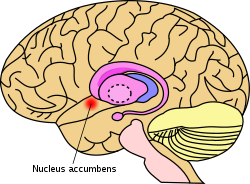
One large long-term study published in 2017 addition of Scientific Reports found that men who consumed 67 grams or more of sugar per day are 23% more likely to be diagnosed with depression than men who ate 40 grams or less. Some doctors and researchers even classify sugar as an addictive drug because this refined white crystal triggers the pleasure and reward centers in our brain much like a drug does. One area is called the nucleus accumbens and there are others.
We crave sweetness but it is clear that too much sugar leads to suffering. Large scale studies show that excess sugar consumption can significantly raise the risk of obesity, diabetes, and heart disease as well as new information about Alzheimer’s disease and other degenerative brain disorders that thrive on chronic inflammation.
Sugar in the form of glucose provides the body with quick energy. But lately, we’ve gone way beyond the Call of Duty. 200 years ago, the average American ate about 2 pounds of sugar per year. Today we each eat about 152 pounds a year according to the US Department of Health and Human Services. This sharp increase in the consumption of sugar is no mystery. Sugar is cheap, plentiful, and it tastes great.
Doctors are trying to curb our out of control sweets habit. The American Heart Association recommends that adult men consume no more than 38 grams or 9 teaspoons of sugar daily, women only 6 teaspoons, and children even less. The latest draft of the 2025 Dietary Guidelines coming out soon recommends even smaller amounts for daily consumption: no more than 30 grams of added sugar a day for an adult male. However, these numbers fall far below what a typical American actually consumes. An average soda is 39 grams and a bowl of cereal is 20 grams and that’s without dumping more spoonfuls of sugar on top of it.
Is Sugar Addictive?
Why are rats dying just to satisfy its desire for chocolate? A study gave rats unlimited access to standard chow as well as to a mini cafeteria full of appetizing high calorie foods: sausage, cheesecake, chocolate. The rats decreased their intake of the healthy but bland items of its typical rat chow diet and switched to eating the cafeteria food almost exclusively. They gained weight. They became obese.
The researcher then warned the rats as they were eating by flashing a light that they would receive a nasty foot shock. Rats eating the bland chow would quickly stop and scramble away, but time and again the obese rats continued to devour the rich food, ignoring the warning that they had been trained to fear. Their hedonic desire overruled their basic sense of self preservation.
Did they become “hooked on food”? An inability to suppress a behavior, despite the negative consequences, is common in addiction. Scientists are finding similar compulsiveness in certain people. Almost all obese individuals say they want to consume less, yet they consume or continue to overeat even though they know that doing so can have shockingly negative health or social consequences. Studies show that overeating juices up the reward systems in our brain so much so in some people that it overpowers the brain’s ability to tell them to stop eating when they have had an enough. As with alcoholics and drug addicts, the more they eat the more they want. Whether or not overeating is technically an addiction, if it stimulates the same brain circles as drug use in the same way, people also can possibly be “addicted to food.”
Our brains maintain a healthy body weight by signaling when to eat and when to stop. Hormones regulate feeding circuits that control appetite and satiety, but fatty sugary foods can motivate some people to overeat. The more they have the more they want, a sensation common in drug addiction.
What to Do? Protein to the Rescue
Many peoples’ relationship with sugar typically starts when they wake up in the morning. Many start the day with a sweet bowl of cereal or a muffin (at 600 calories) for breakfast. But this pattern can set you up to fail, so many nutritionists recommend to focus more on protein. Protein helps stabilize blood sugar which helps keep you out of fight or flight reactions and protein also provides the building blocks for your brain neurotransmitters including serotonin and dopamine. Many nutritionists advise their patients to eat protein such as eggs, cheese, nuts, peas, beans, and or even a protein shake at least an hour after they get up, and with every meal. If you snack before bed, make sure that it has protein too. Even if we strive to avoid sugar, sweet treats have a way of worming their way into our lives especially during the Holidays. If you have trouble saying no to sweets, it is recommended to eat protein proactively to keep temptations in check.
Diet and cancer research has been sparse for a number of reasons. One major reason is that reliable studies are not feasible to undertake with humans for obvious ethical reasons. Additionally, observational studies cannot show cause and effect. We are then left with animal studies that more than likely cannot be extrapolated to human cancers. In the past, only individual nutrients have been studied, i.e., vitamins, minerals, antioxidants). Studies with supplements have shown mixed results and doses are varied. Several studies using the antioxidant, beta carotene, resulted with more cases of lung cancer in smokers when compared with a placebo group. Diet patterns like the Mediterranean or vegetarian diets are difficult to conduct on large groups of human subjects due to cost.
Research on a flavonoid called sulforaphane in cruciferous vegetables may be prudent, since these compounds called phytonutrients may hold the key to cancer prevention with diet. A study from the Journal of the National Cancer Institute showed that a high intake of broccoli greatly reduced the risk of aggressive prostate cancer.
English: “The First Thanksgiving at Plymouth” (1914) By Jennie A. Brownscombe (Photo credit: Wikipedia)
“ The turkey is certainly one of the most delightful presents which the New World has made to the Old.” Brillat Savarin.
Most of the traditional Thanksgiving foods we now eat on this holiday are foods that originated or were Native to the Americas. The word for turkey in French is dinde, short for poulet d’inde since they thought that the turkey came from the West Indies of Columbus days. The turkey was popular in England before the Pilgrims came in 1620.
Turkeys don’t migrate so they were some of the first Native Americans and were available all year. Turkeys are easy to hunt – when one is shot, the others freeze in place. Don’t get me wrong – I don’t encourage shooting turkeys – we have lots of wild turkeys here in Western North Carolina. Many times I’ve had to stop and wait until they cross the road. I once encountered a few hens walking in the woods, followed by a male who wanted to impress them by making a racket and spreading his tail feathers – of course, the “girls” totally ignored him and went on without a nod – I kind of felt sorry for him
Potatoes had reached Europe early in the Columbian Exchange (thanks to Christopher Columbus). Potatoes had an interesting history – they were native to Peru, a Spanish colony and enemy of England, and went from Peru to Europe and then returned to New Hampshire with Scottish-Irish settlers in 1723. It is thought that the idea of mashing them with butter and milk also came form Scottish-Irish influence.
Cranberries were native to New England. Cranberries and blueberries were mashed with sour milk and used as paint as well as for food. To this day, these colors or variations of these colors are used in New England colonial homes.
Many types of squash had reached Europe, but pumpkin was unknown at that time. Pumpkin was used in the early colonies, but did not appear in cookbooks until Amelia Simmons in 1796 wrote the first printed American cookbook. She referred to it as “pomkin”. You may prefer pecan pie – and these are also of American origin. Originating in central and eastern North America and the river valleys of Mexico, pecans were widely used by pre-colonial residents.
Cornbread and sweet potatoes (both being native to the Americas) round out our traditional Thanksgiving fare. Archaeological studies indicate that corn was cultivated in the Americas at least 5600 years ago and American Indians were growing corn long before Europeans landed here. The probable center off origin is the Central American and Mexico region but since the plant is found only under cultivation, no one can be sure.
The sweet potato has a rich history and interesting origin. It is one of the oldest vegetables known to mankind. Scientists believe that the sweet potato was domesticated thousands of years ago in Central America. Christopher Columbus took sweet potatoes back home to Europe after his first 1492 voyage. Sweet potatoes spread through Asia and Africa after being introduced in China in the late 16th century.
So as you enjoy your Thanksgiving this year, give thanks to the Americas for our traditional foods that are truly “made in America”.
BTW –Many of the foods we find on our Thanksgiving table today, weren’t available back when the colonists celebrated the First Thanksgiving in Plymouth. The first historical descriptions of the first Thanksgiving do not mention turkey – only “wild fowl” (not identified) and five deer. The party was in 1621 with fifty-one Pilgrim men, women, and children hosting ninety men of the Wampanoag tribe and their chief, Massasoit. It was in the fall to celebrate the good harvest of corn (wheat and barley weren’t as successful) and lasted three days.
Have a great Thanksgiving Day from Food, Facts & Fads and STAY SAFE. SJF
‘In a new study, scientists have discovered a link between type 2 diabetes and an increased risk of cardiovascular issues, even for people who optimally control the common risk factors for cardiovascular disease.”
The nineties has to be the decade of the celebrity chefs. This was mainly made possible by the Food Network with shows entitled Rachel Ray’s 30 Minute Meals, Everyday Italian with Giada De Laurentiis, and The Barefoot Contessa, Ina Garten. Alton Brown explained food chemistry with the aid of graphics; Bobby Flay traveled America to clambakes and a stew called burgoo in Kentucky. Mario Battali ate his way across Italy. A shy young Austrian chef named Wolfgang Puck opened a restaurant called Spago in West Hollywood, California. Puck reinvented pizza by using food from worldwide cuisines such as goat cheese, smoked salmon, duck sausage, chili oil and chicken. He began his own show on the Food Network in 2001.
Emeril Lagasse, a Portugese-American from Massachusetts developed a tremendous following by using signature phrases like “Kick it up a notch” and “BAM” as he adds spices to his food. He owns several restaurants, his TV show, a line of spices and sauces, cookware, and cookbooks.
One of the most popular shows on the Food Network was Iron Chef. This show pits chefs against each other. Each show centers around a theme food that must be used in the preparation of gourmet dishes. It can be from clams to eggplant to pumpkin and the cooking and preparation is presented as a contest in spectacular ways.
The Rise of SnackWells
Back in the real world, manufacturers were still busy finding ways to make food fat-free, low-fat, or reduced fat. Scientists even made a fake fat, Olestra which reached the market with the hope that we could then binge on foods that contained it. It was not successful – we continued to gain weight and turned to carbohydrates instead since they were low in fat. One problem: many of them were full of sugar. One popular product was called SnackWells, an array of fat-free cookies that suggested that you could eat all of them and not consume any fat. Introduced in 1992, the problem remained that they still contained calories.
The Internet or the World Wide Web opened up a whole new world of food with access to recipes from around the globe. All you had to do was search for a certain dish and voila – an abundance of recipes would appear for your choosing. Most recipes were reviewed by “real” people who offered suggestions for improving the dish or warned you ahead of time what to expect from the ingredients. Recipes were rated from one star to 5 stars with 5 being the best.
Dieting and Diabesity
Although weight loss diets had been around for decades, people began to be obsessed with dieting in the 1990’s. The diet industry exploded with diet books, diet pills, dieting gimmicks, fat blockers, calorie counters. In 1994, the FDA mandated that food labels must include detailed information about calories, fat and fiber. In 1996, it was estimated that six million Americans are either taking fen-phen (the appetite-suppressant, fenfluramine) plus the amphetamine phentamine. The products were pulled off the market when the FDA reports that “fen” might cause fatal heart problems. In 1996, the National Heart, Lung and Blood Institute reports that 40 percent of nine and ten-year-olds are dieting and trying to lose weight. In 1999, Nutrisystem began selling its pre-made food and its products on TV and the Internet.
A new word was coined – diabesity. As the world became more overweight and obese, diabetes type 2 began to reach epidemic proportions. From 1990 to 1998 diabetes increased by one-third in the U.S. The vast majority of this increase – 76% was among people aged 30-39. The two major causes are an increase in obesity and a lack of exercise. Sixty percent of Americans do not exercise regularly and 25 percent do no exercise at all.
Survivor Foods and Y2K
On December 31, 1999, the world waited to see if the coming year (2000) would disrupt computer systems that controlled phones, traffic lights, electricity and communications. Many were panicked and stockpiled food for survival in case the world shut down – None of the fears came to pass.
America’s Green Acres
As the century drew to a close, Americans look to their past to this to rediscover the pleasures of getting back to nature. Cashing in on this desire with farmers markets: there was just a few 100 in the 80s; by 1998 there were more than 2,700. And that number continued to grow as consumers seek out farm fresh produce. Then there were catalogs for fresh and dried herbs, heirloom vegetable seeds and exotic produce.
The organic foods industry was also a big story. As part of the 1990 farm bill, Congress included the Organic Food Production Act, which authorized development of national standards for labeling foods organic. But in 1997 when the USDA released these long awaited rules there was such an outcry against many of the proposed alliances, like permitting the use of sewage sludge fertilizer , and the inclusion of genetically altered foods, that the Department was flooded with an unprecedented 200,000 angry comments from the public.
The draft was scrapped, and the process began anew. A second set of rules was completed and released for public comment before the end of 1999.
But this governmental blunder didn’t stop the organic industry’s burgeoning sales and production because individual states already had their own standards and watchdog agencies in place. The organic industry posted double digit growth throughout the decade, with product sales topping the 4 billion dollar mark.
—SOURCES: The Century in Food: America’s Fads and Favorites, Beverly Bundy [Collector Press:Portland] 2002 (p. 172-189)
The Food Chronology, James Trager [Henry Holt:New York] 1995 (p. 694-721)
Bon Appetit, September, 1999, p. 230
Timeline Trivia
1990: The US Department of agriculture introduces the Food Guide pyramid displaying 6 to 11 servings of carbohydrates a day. No differentiation was made between refined carbs and healthier carbs.
1990 The first fully recyclable plastic ketchup bottle hits supermarket shelves.
1991: McDonald’s introduces the McLean Deluxe, a lower fat
burger that is eventually shelved because of consumer lack of interest.
1991 US sales of salsa pass those of ketchup by $40 million dollars.
1992: Basketball greats Kareem Abdul Jabbar and Larry Bird advertised for Lays potato chips new formulation. The motto becomes “too good to eat just one.”
1993: US annual per capita egg consumption falls to 232, down from 321 in 1960, as the country becomes consumed with worries about cholesterol.
1993: the nation’s first 24-hour food channel, The Food Network, goes on the air.
1995: DiGiorno Rising Crust pizza is introduced.
1996: Four of five grocery bags used are plastic.
1998: Potato sprouts carried aloft on the space shuttle Columbia produced the first food grown in outer space.
1998 Organic farmers, marketers, chefs and consumers send more than 280,000 protest letters, prompting the US Department of Agriculture secretary to withdraw proposals to allow food to be labeled organic even if it is irradiated to kill germs, genetically engineered, or subject to sewage sludge or chemical spraying. The USDA continues to work on guidelines to have a national standard for organic food.
1999: genetically engineered corn is found to contribute to the death rate of Monarch butterflies.
1999: Prepackaged convenience foods are the fastest growing segment of the natural foods market, which is seeing a 20% annual growth rate. Consumers are gobbling up soy-based frankfurters, veggie burgers, frozen tofu desserts, and vegetable burritos.
1999 the average household works 40 days to buy its food for the year and spends 11% of household income on the annual food bill.
Do we all really need to take multi-vitamin/ mineral supplements as the supplement sellers suggest? This has been a debatable topic with nutritionists for the past few years. Some studies suggest that they are really not necessary unless you are diagnosed with a particular vitamin/mineral deficiency or underlying health issue. Others say that vitamins are only placebos and are marketed to the “walking well” population. In other words, they show no benefits when taken by healthy people.
Supplements can be very expensive and some studies say they only add to the profits of the vast supplement industry. Every supplement consumer should be aware of these realities and make their own educated health care decisions.
Dietary Supplement Realities: What Consumers Need to Know
FDA does not approve, test, or regulate the manufacture or sale of dietary supplements.
The FDA has limited power to keep potentially harmful diet supplements off the market.
Dietary supplements may not have been tested for safety or effectiveness before they are sold.
Dietary supplements often do not list side effects, warnings, or drug or food interactions on product labels.
Ingredients listed on supplement labels may not include all active ingredients.
Dietary supplements may not relieve problems or promote health and performance as advertised. Claims on labels are often vague and unsubstantiated by clinical trials.
Studies have shown that the multivitamin/mineral pills that most people take provide plenty of B vitamins and vitamin C, but little calcium. The intake of both calcium and Vitamin D may be less than optimum and should be discussed with your doctor.
One of the most serious consequences of supplements results when they are used as a remedy for health problems that can be treated, but not by vitamins or minerals. Vitamin and mineral supplements have NOT been found to prevent or treat heart disease, cancer, diabetes, hypertension, premature death, behavioral problems, sexual dysfunction, hair loss, autism, chronic fatigue syndrome, obesity, cataracts or stress. Some such as vitamin E, vitamin C and beta-carotene may be harmful to certain groups of people. If taken, dosages should not be excessive.
Who may benefit from vitamin and mineral supplements?
People with diagnosed vitamin and/or mineral deficiencies
Vegans (vitamin B12 and D)
Pregnant women (folate and iron)
Elderly persons on limited diets (multivitamin/minerals)
People on a restricted diet (multivitamins/minerals)
People at risk for osteoporosis (calcium, vitamin D)
People with alcoholism (multivitamin/minerals)
Elderly people diagnosed with vitamin B12, vitamin D and/or folate deficiency
Guidelines for Using Vitamin and Mineral Supplements Purchase products with USP (U.S. Pharmacopeia or the CL symbol (Consumer Laboratories) – tested for purity, ingredients, and dose. Choose supplements containing 100% of the Daily Value or less. Megadoses are not recommended. Take supplements with meals. Tell your health care provider about the supplements you take.
Source: Judith Brown, Nutrition Now, 2013.
Lori A. Smolin and Mary B. Grosvenor, Nutrition: Science and Applications, Third Edition.








 FOOD, FACTS and FADS