The American Plate: 1920s

Nutrition Confusion: The Roaring Twenties. This is the decade of the 20’s – or more simply “the battle of the bulge” (and I don’t mean WW2 )

”Mary Pickford, Theda Bara, and Rudolf Valentino, the era’s movie idols, promoted the idea of being thin.  This replaced the “plump” image of the previous decade, exemplified by Diamond Jim or Lillian Russell, a couple of decades ago. Lillian Russell could easily compete at the dinner table with her companion, Diamond Jim!!! She was one of the greatest beautifies of all time and weighed about 200 lbs. He died of a heart attack at the age of 61.

Home economic classes and a plethora of women’s magazines helped America on its new ideal of body image – the war against fat. “What ever happened to home ec classes? Maybe we should should revisit them?

“American women were ready to cut their hair, step out into jobs, and have a good time.” But, at the same time, American women were becoming dependent on their own cooking and household skills. The result was that between 1921 and 1929, the home appliance industry tripled its output. The kitchen was considered the workstation whereas; eating was almost always done in an adjoining breakfast room or dining room.”

“The May issue of Women’s Home Companion publishes an article that includes the lines, “with the revolution in clothes has come a revolution in our attitude toward avoirdupois (weight). Once weight was an asset: Now it’s a liability, both physical and esthetic.” This reflects a new attitude of women with a new body image.

Looks Good Enough to Eat

By 1927, there were 20 million cars cruising over 600,000 miles of roads connecting U.S. cities and towns. All those drivers needed to eat somewhere, and to get their attention on the open road, restaurants took on a whole new shape – literally. Diners and coffee shops were built to look like doughnuts, ice cream cones, coffeepots, hot dogs and yes, pigs. While these establishments provided only mediocre food, they supplied plenty of atmosphere and maybe even more important, offered quick and consistent meals. The whimsically shaped spots would pave the way or the drive-ins and chain restaurants of the future. I think the “weiner-mobile still exists?

Fast Food

The first White Castle hamburger stand opens in 1921 in Wichita, Kan. The white of the stones suggest cleanliness; the castle facade suggests stability. The little burgers cost 5 cents apiece and are marketed with  the slogan “Buy ‘em by the sack.” Paper napkins come on the market in 1925, and the White Castle locations follow by developing folding paper hats that can changed often. “Program-mic” hot dog-shape kiosks and cone shape stands architecture becomes the rage in restaurants.”

Flappers and the 1960’s (Enter Twiggy)

No one knows how the word flapper entered American slang, but its usage first appeared just following World War I. The classic image of a flapper is that of a stylish young party girl. Flappers smoked in public, drank alcohol, danced at jazz clubs and practiced sexual freedom that shocked the Victorian morality of their parents. Many pictures depict them wearing a tight-fitting cloche. This led to the visit to the “speakeasies” that brought on the answer to Prohibition. Cocktails became a common beverage — dry martinis, anyone?

But as the future evolved into the 1960s, ‘Little be known but we now claimed and adored an icon named “Twiggy”. “Throughout the coming 20 years into the 20s and even to this day, writes historian, Carolyn Kitch,” the ideal female body was once again of a preadolescent girl much like a flapper”. It was a real young woman, a British model known as Twiggy. She was 5 ft. seven inches stall and reportedly weighed 91 pounds, which gave her an almost unheard body mass index of 14.3. Normal is considered to be about 26 to 30 for a “healthy weight and body type.” Source: Gina Kolata. Rethinking Thin: The New Science of Weight Loss and Realities of Dieting. 2007.

However, the good times were all about to change – in October, 1929, the stock market crashed and the country was faced with the worst economic trial of its history. So much for Twiggy.
What’s Cooking?

Canola Oil

Is canola oil a healthy fat? Rightfully so since it had a bad reputation for awhile due to its association with a toxic acid called eurucic acid. More currently due to newer breeding processes reulted in its removal of this acid, making canola on the list of what is now called “healthy fats.” It is primarily an unsaturated fat and very low in omega-6 (fat and contain the same type of oil found in olive oil. However, Americans are awash in omega-6 fats and should be attempting to increase their intake of omega-3 fats instead.

But to its credit, it has a very mild flavor (unlike olive oil) and has been called a “neutral” oil so its very versatile for cooking and stands up fairly well to heat.
Bittman, Mark and Katz, David L., M.D. How to Eat” All your Food and Diet Questioned Answered.

Roasting Vegetables

Roasting has become a cooking favorite lately, but questions do arise due to the higher temperatures (400 degrees) needed for best results. Many people wonder if this type of cooking can destroy some nutrients, especially in some originally healthy vegetables? This may help.

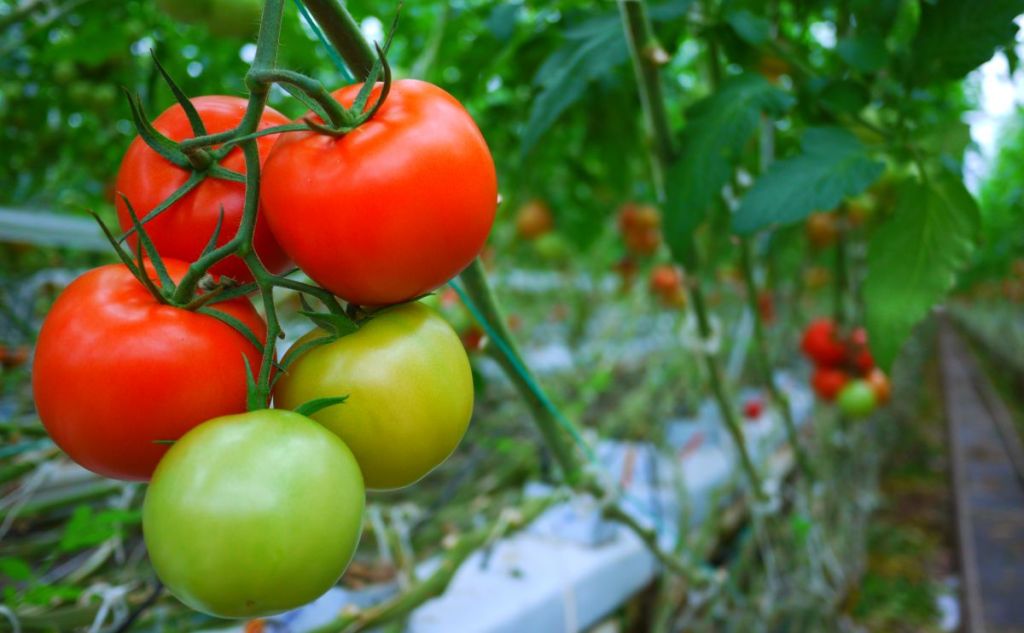
All forms of cooking can destroy some nutrients. It’s impossible to avoid. However, there is some good news since cooking actually helps by releasing the nutrients from plant cell walls. These include lycopene (iin tomatoes), red peppers and beta-carotene in carrots, spinach, and kale. Therefore, eating cooked tomaotes as a sauce or juice should be the preferred way for optimum health. Mushrooms, asparagus, and cabbage all supply more antioxidants when cooked.

Vitamin B6 and folate in broccoli and the polyphenols in onions that help protect against cancer and heart disease are better eaten as raw vegetables.
Sharon Palmer, RDN, author of Plant-Powered for Life, Duate, California. SharonPalmer.com

Is DNA Your Destiny?

NUTRITION AND GENE INTERACTIONS: Is It More than Just Genes?

The Human Genome Project has identified millions of gene defects and variants in human DNA. The average person has 250 to 300 defective genes, plus an average level of 75 variants associated with disease. Nutrient avalibility, particular in early life, can modfiy the functional level of specific genes thereby influencing disease risks. Increased understanding of epigenetic processes as well as a person’s genetic status without changing gene structure is becoming an interesting phenomenon. Gene activity can be shut off or turned on, or slowed or sped up by epigenetic mechanisms, many of which are environmental. Search Genetics and or Epigenetics on http://www.foodfactsandfads.com.

Cancer
Most types of cancer are related to environmental exposures such as high fat and alcohol intakes, low fruit and vegetable intakes, high levels of body fat, smoking and other toxins. A number of research studies suggest that a diet rich in cruciferous vegetables may lower rates of a variety of cancers, including breast, pancreatic, bladder, lung, prostate and colon cancer. This family of vegetables is led by broccoli, cauliflower, Brussels sprouts, and cabbage to mention a few.

Certain enzymes in cruciferous veggies may help protect cell DNA from damage, and others may have antioxidant properties. Crucifers may also help to counteract cancer-causing nitrosamines and polycyclic aromatic hydrocarbons that are found in charred, cured or barbecued fish or meats.

Obesity: Opinions?
“Over 40 gene variants have been related to obesity development in people exposed to Western-type diets and low levels of physical activity. The current obesity epidemic appears to be driven by a mismatch between multiple components of our 400,000 year old genetic endowment (i.e., what our ancestors ate) and current food and activity environments.

Genetic traits that helped our early ancestors survive times of famine and that encouraged food intake rather than discouraged it, and that set up metabolic systems around unrefined and unprocessed foods are at odds with much of today’s food supply and physical activity requirements.”
Reversing the world wide trend in obesity rates willl not be easy. We need to lessen our triggers that favor processed food intake and increase environments that favor heathly physical environments – how about just increased walking environments. No need to go to the gym.

Expanding availability of healthier foods and increasing earlier nutrition education to encourage healthier lifestyles is desperately needed and the earlier the better. As Michael Pollan suggests in his book, “In Defense of Food” : “ Eat food, Not too Much, Mostly Plants.” See how easy it is??? (SJF )

Nutrition Now, Judith E. Brown, 7th Edition

… What in the heck are the “dirty dozen?”

Should I Eat Organic?

Organic foods have shown lesser interest but still have outpaced conventional foods while still racking up more than 50 billion dollars in annual revenues, according to the Organic Trade Association. Almost 1/2 of U.S. adults believe that organic produce is healthier than non organic. But is it?

In a French study in 2018 published in JAMA Internal Medicine, a survey of 70,000 adults, organic consumers presented 25% fewer cancers than those who never ate organic. And a meta-analysis in the British Journal of Nutrition found that organic meat and milk provide 50% more omega 3 fatty acids than non-organic products. In addition, more organic farming is better for the environment, generating fewer chemicals that leach into soil and water. Organic foods generally cost more than conventional ones and still can carry traces of pesticides.

One way to compare which organics are worth the added costs is to consult the Environmental Working Group’s annual lists of the “Dirty Dozen List “- conventional produce that have shown higher rates of pesticide residue (strawberries, spinach, e.g. There is also a “Clean Fifteen List”- that typically includes thicker skinned fruits such as avocados that are first on the list and have cleaner pulp.”to be part of a plant-based diet. The vitamins and phytochemicals in the Dirty Fifteen can still provide the needed nutrients necessary for a healthy diet. All produce should be washed thoroughly. The differences between organic and non-organic are negligible.

Nutrition and lifestyle in healthy aging: the telomerase challenge

Aging is defined as the progressive decline in physiological functions which leads to increased vulnerability to diseases and death [1]. This is a universal process underlying by many mechanisms and different pathways, whose burden rises to three different phenotypes: normal aging, accelerated aging and successful aging [2]. Despite variability among definitions, “successful aging” is as a multidimensional process encompassing major chronic diseases, major impairments in cognitive, in physical function and sustained engagement in social and productive activities [2,3]. However, reaching old age in good health is not just a “fate effect” but the result of a complex interweaving between environmental and genetic factors [4]. Studies conducted in twins have estimated that approximately 20-30% of an individual’s lifespan is related to genetics, while the rest is due to individual behaviors and environmental factors [5,6]. In this contest, nutrition and lifestyle are the most important contributors to longevity and healthy aging [711]. Follow a diet rich in vegetables, fruits, nuts, olive oil, fish, a small amount of red wine and exercise at least 20 minutes a day three times a week, avoiding obesity, smoke and alcohol, represents the working recipe for long and healthy life. Many mechanisms and pathways underlie nutrition, lifestyle and longevity including telomere length modulation [1215].

Telomeres are long sequences of nucleotides at the end of our chromosomes, forming with specific proteins complex, an “end caps” which preserve genome stability and lead a cell to correctly divide [1618]. Telomeres have been compared with the plastic tips on shoelaces, since they are able to keep chromosome ends from fraying and fusion to each other, which would destroy or interfere genetic information. At each cell division or replication event, telomeres lose some of their length and when they get too short, the cell is no longer able to divide becoming “senescent” [19]. This shortening process triggers a sustaining damage response scrambling with cell health leading to disease risk and cell death [20]. In 1962, Leonard Hayflick revolutionized cell biology when he developed a telomere theory known as the “Hayflick limit”, which places the maximum potential lifespan of humans at 120 years, the time at which too many cells with extremely short telomeres can no longer replicate and divide [21,22]. Fifty years later, new science came out opening the door to maximizing our genetic potential. In fact, published data suggested that extremely short or dysfunctional telomeres can be repaired by the enzyme “telomerase”, which working as a reverse transcriptase, adds nucleotides at the end of each chromosome promoting its stability [22,23]. In 2009, Blackburn, Greider and Szostak received the Nobel Prize for the discovery of “how chromosomes are protected by telomeres and the enzyme telomerase”. These discoveries had a great impact within the scientific community, supporting that aging can be potentially delayed by telomerase activation and telomere erosion rate reduction.

In contrast to stem cells which constitutively express low levels of telomerase, normal somatic human cells repress its expression immediately after birth [2427]. Thus, for a long time, telomere length has been considered as an indicator of cellular senescence, and a potential biomarker of human aging, but studies supporting this role are still contradictory and inconclusive [22,28,29]. More recent genetic studies in animal models have demonstrated that short telomeres rather than average telomere length are associated with age-related diseases and, their rescue by telomerase is sufficient to restore cell and organismal viability [30,31]. In humans, circulating telomerase activity rather than telomeres length is inversely associated with the major cardiovascular disease risk factors [32]. Thus, another concept is coming up, the “telomere stability”, a quite different concept from telomere length. For example, patients with Alzheimer’s disease do not invariably have shorter telomeres, but their telomeres have significant signs of dysfunction [3338]. Improving the activity of telomerase enzyme -that can add length back to shorter telomeres, and, in the meantime, protect longer telomeres to ensure stability- seems a way to actually turn back the biological clock. Telomerase has also extra-telomeric functions influencing various essential cellular processes, such as gene expression, signaling pathways, mitochondrial function as well as cell survival and stress resistance [40,41]. Therefore, the presence of active telomerase in stem cells, and potentially in all cells, may be helpful for longevity and good health.

Lifestyle factors known to modulate aging and age-related diseases might also affect telomerase activity. Obesity [42], insulin resistance [43,44], and cardio-vascular disease processes [45,46], which are related to oxidative stress and inflammation, have all been linked to shorter telomeres. Smoking, exposure to pollution, lower physical activity, psychological stress, and unhealthy diet significantly increase the oxidative burden and the rate of telomere shortening [4753]. So, what a better way to counteract the “biological clock” by reactivating telomerase trough diet and lifestyle interventions? There is a recent paper showing that with intensive lifestyle modification, with a low fat diet, regular physical activity, and mental stress reduction (by yoga and meditation), telomerase activity increases significantly in peripheral blood mononuclear cell (PBMC) [54]. Again, people living in the Mediterranean countries have longer and healthier life as compared with people living in other industrialized countries, and we previously demonstrated that they have also claim longer telomeres and higher telomerase activity in PBMC [55]. It is still unclear if there is a single nutrient or a factor responsible of Mediterranean diet anti-aging properties or the whole, single ingredient foods and lifestyle are the key to “healthspan”.

Today, researchers are struggling to find a compound or an “elixir” for long life, while common people are taking dietary supplements with the intent to preserve mental, physical, and emotional health into old age. Most dietary supplement programs include combinations of vitamins, antioxidants, and other constituents, some of which have been shown to have significant health benefits in controlled clinical studies. Specific nutrients provide all the necessary building blocks to support telomere health and extend lifespan. This is the case of folate [56,57], vitamins (B, D, E, C) [58] zinc [59] and polyphenol compounds such as resveratrol [60], grape seed extract and curcumin [61]. Several foods -such as tuna, salmon, herring, mackerel, halibut, anchovies, cat-fish, grouper, flounder, flax seeds, sesame seeds, kiwi, black raspberries, green tea, broccoli, sprouts, red grapes, tomatoes, olive fruit- are a good source of antioxidants. These, combined with a Mediterranean type of diet containing fruits, vegetables and whole grains would help protect our chromosome ends [6270].

In conclusion, what we eat, how we eat and how much we eat, together with lifestyle significantly, can affect our telomerase/telomere system with a great impact on healthspan. “Similes cum similibus curantur” and in nature is still hidden the secret of healthy and long life whereas telomerase could represent the distinctive target.

Nutrition and Lifestyle in healthy aging: the telomerase challenge

Virginia Boccardi, Gluseppe Paolisso, and Patricia Mecocci. Aging, January 2016, Vol.8 No 1

The Brain-Gut Connection?

YOUR GUT Supports Immune Defenses

Eighty percent of your immune system is in your gut. An essential job of the gut is to arm the digestive tract against inflammatory and other harmful disease causing substances, for example, in inflammatory bowel disease (IBD). When there is a breakdown in the microbial lining that in banding together kept the lining strong, a loss of that strength is said to create a so-called “leaky” gut that starts a whole inflammatory response to create chronic disease such as diabetes, heart disease, fatty liver, obesity, cognitive disorders and depression.

Your Gut Influences your weight and weight maintenance.

A 2021 study published in Scientific Reports tested the effects of a probiotic (“good” bacteria”) on weight loss in 70 subjects who were all overweight. 35 adults took probiotics and the remaining 35 took a placebo. “After nine months with no exercise or diet interventions, 40% of the probiotic group had lost a clinically significant amount of weight compared with 3 percent in the placebo.”

Dietary fiber is associated with promoting weight loss. In the body, fiber is fermented in the intestine creating short-chain fatty acids (SCFAs) that help promote healthy metabolisms. A healthy blood sugar balance and fat storage is also reported that affects weight maintenance that is so important in weight loss. It is futile to lose weight, then regain it back which establishes a pattern of what is called Yo-Yo Dieting. Short-chain fatty acids also help alleviate or lessen inflammation by acting on hormonal and satiety receptors in the body.

“Whole person health starts in the gut, says Supriya Rao, M.D., managing partner at Integrative Gastroenterology Consultants. He explains the importance of getting enough exercise to improve gut health. “Being sedentary or sitting is the new smoking” he says”,

A 2021 study published in Scientific Reports tested the effects of a probiotic (“good” bacteria”) on weight loss in 70 subjects who were all overweight. 35 adults took probiotics and the remaining 35 took a placebo. “After nine months with no exercise or diet interventions, 40% of the probiotic group had lost a clinically significant amount of weight compared with 3 percent in the placebo.”

Dietary fiber is associated with promoting weight loss. In the body, fiber is fermented in the intestine creating short-chain fatty acids (SCFAs) that help promote healthy metabolisms. A healthy blood sugar balance and fat storage is also reported that affects weight maintenance that is so important in weight loss. It is futile to lose weight, then regain it back which establishes a pattern of what is called Yo-Yo Dieting. Short-chain fatty acids also help alleviate or lessen inflammation by acting on hormonal and satiety receptors in the body.

“Whole person health starts in the gut, says Supriya Rao, M.D., managing partner at Integrative Gastroenterology Consultants. He explains the importance of getting enough exercise to improve gut health. “Being sedentary or sitting is the new smoking” he says”,

Food, Culture, and Health

FOOD AND CULTURE
Ethic influences on the North American Diet

As cultures tend to mingle and assimilate throughout the world they blend with the so called American diet (cheeseburgers) and bring with them their ethnic uniqueness, for example, about 25% of all restaurants in the U.S. have an ethnic theme. To study these influences, we need to be aware of the nature of their traditional diets as well as how they have changed within the cultures due to migration to the new way of eating,

Native American Influences

“Studies have shown that the diseases that affected these societies differed significantly from the diseases in North American societies today. For example, Alaskan natives who sill eat the traditional diet have cardiovascular disease rates lower than those in the general North American population. Younger generations of Alaskan natives, however, who usually do not eat the traditional diet have developed cardiovascular diseases at rates similar to North American in general. This diet is often also called the “Western Diet”. It is also true of the Pima Indian tribe in Arizona compared to their counterparts in living in Mexico.” You can search Pima Indians on this blog from Food, Facts, and Fads. It’s a fascinating story of how cultural changes can affect an entire population.

Hispanic Influences

“Mexican cuisine today shows regional variety. In Southern Mexico, savory sauces and stews and corn tortillas reflect the native heritage. Yucatan cuisine follows Mayan tradition, with fresh produce adding color, flavor and nutrition to authentic Mexican dining. Traditional Mexican is healthful in that is high in complex carbs, beans, fruits and vegetables, particularly rich in vitamins A and C.”

Today true Mexican cooking bears little resemblance to the dishes usually found in Mexican restaurants in North America. Usually it is based primarily on rice and beans. Restaurant Mexican foods tend to use large portions of meat as well as added portions of high-fat sour cream, guacamole, and cheese to many dishes.”

Northern European Influences

“Immigrants from Western Europe are responsible for the “meat-and-potatoes” traditional manner of home cooking. This group contained large groups from The English, French, and Germans. A sizable portion of meat arranged with vegetables and potatoes that could be a dinner plate of boiled, mashed vegetables, sauerkraut, boiled or mashed still is the favorite of many Northern European dinners.”

The traditional pattern provides abundant protein, starch, and dairy nutrients. However, the protein contains insufficient amounts of whole grains, vegetables and fruits or whole grains. Many people from these cultures eat less than healthy dishes combined with high-fat versions that contribute to the high rates of heart disease and obesity and cancers.

African Influences

The “soul food” of African Americans is the basis of the regional cuisines of the southern U.S. African American women. The combination of these foodways with Native America, Spanish and French traditions produced Cajun and Creole cuisines enjoyed today in Louisiana and through out the nation. Pork and corn products were the basis of soul food. Today we all enjoy it as barbecued meat since many enjoy the foods brought from Africa as well as yams, African sweet potatoes, okra, and peanuts. Corn was ground for cornbread, greens, like collards, mustard, turnip and kale. were usually cooked with a small portion of smoked pork as well as black-eyed peas. This diet is obviously high in unhealthy components as well as increased heart disease and cancer. For example, the South east states of the typical American or “Western’ diet” is often called “The Stroke Belt” indicating diets high in calories and/or sodium.

Asian Influences
More than 200 different vegetables are used in the Chinese cuisine, bok choy and other forms of Chinese cabbage are perhaps the most widely eaten vegetable in the world. Rice is the core of the diet in southern China, home to the Cantonese culture whereas in Northern China wheat is used to make noodles. China is the ordinal home of pasta, bread, and dumplings. Stir fried includes hot pot stews containing many vegetable mixtures and protein sources like legumes, nuts and seeds.

Chinese migration to North America began with the California gold rush in the middle of the century. Chinese workers brought with them food preparation that tend to preserve nutrients, as well as a variety of sauces and seasoning, used today in Chinese cookery.
North American restaurant versions of Chinese dishes are generally not authentic. Such food is often prepared with far more fat than true Chinese cooking which tends to use flavorful but fat free sauces and seasonings. The restaurant versions of Chinese dishes also contain much larger portions of protein and sodium.

Italian Influences

Pasta is the heart of the Italian diet. Italians eat six times more of it than do North Americans. Although some components of the Italian diet contain substantial amounts of saturated fat, we now know that other components, such as pasta, olive oil, and vegetables contribute to healthy diets. Italian traditional diets do combine healthy food along with fat in the diets and seem to handle the diet just fine. Italians lean to a diet pattern called the Mediterranean Diet. This is a plan based on food choices like those traditionally found in the simple cuisine of Greece and Southern Italy. It now allows up to 35% of total calories. Northern Italy, the more affluent part of the country, is the principal producer of meat and dairy products, such as butter and cheese. Rice dishes such as risotto, are popular. Fish is more important in regions near the sea and lighter foods, such as fresh vegetables are prepared with herbs, garlic and olive oil, are characteristic. The poorer regions south of Rome, as well as the island of Sicily, have a diet rich in grains, vegetables, dried beans and fish, with little meat or oil.
Olive oil is the preferred fat. Extra virgin olive oil is recommended since it now is called a “healthy fat” containing primarily monounsaturated fat and little saturated fat.

Note:
“It is impossible to define a healthy diet with the space found in this post. However, it can be simply stated with the seven words from Micheal Pollan, author of “In Defense of Food: An Eater’s Manifesto:”
Eat Food. Not too Much. Mostly Plants..”
AMEN!!! (SJF)

Contemporary Nutrition, Issues and Insights . Fifth Edition