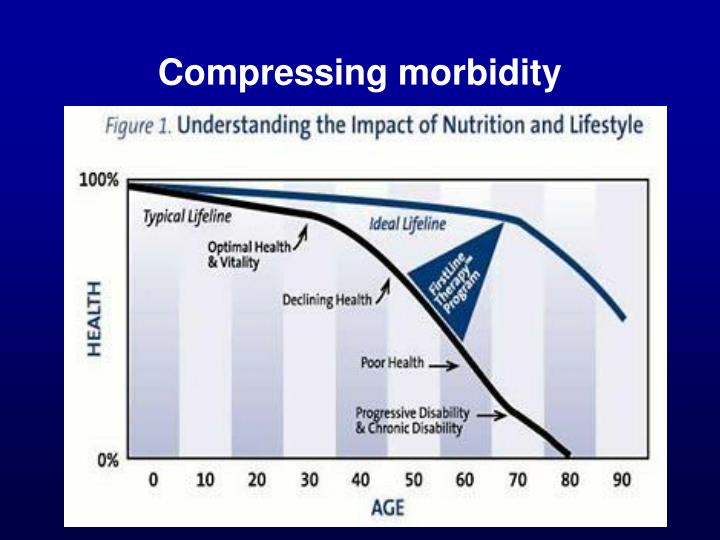
Although life span has not changed, life expectancy has increased dramatically over the past century.
With rare exceptions, life expectancy has been on the rise in the U.S. It was 47 years in 1900, 68 years in 195v0, and by 2019i it had risen to nearly 79 years. But it fell to 77 in 2020 and dropped further to just over 76 in 2021. (can you think Covid?) Harvard Health.
The causes of aging are still a mystery.Most likely, aging results from an interaction of genetic and the changes listed in the table below: The science of epigenetics also can offer lifestyle factors to further influence the changes that normally occur with “normal aging”.
Aging occurs due when: Errors occur in copying the genetic blueprint (DNA) Connective tissue stiffens. Parallel muscle proteins cross link. Electron – seeking compounds (free radicals) damage cell. Hormone functions change. Blood glucose attaches to various blood and body proteins. Occurs in poorly controlled diabetes The immune system loses some efficiency and fails to recognize foreign substances. Autoimmunity develops. Immune function cells destroy “self”. Death is programmed into the cell, e.g. each cell can only divide about 50 times; after that the cell dies and succumbs. Excess energy intake speeds body breakdown and may even cause premature death. In research, underfed animals live longer by calorie restriction. Diet can slow down some of these processes? Source: Gordon M. Wardlaw. Contemporary Nutrition: Issues and Insights. Page 518-520. Edited for Food, Facts and Fads by: Sally J. Feltner, MS, PhD
WOW!!! What else could go wrong?
Healthy lifestyles may be found to alleviate some or all of these body processes.
How to Reverse Prediabetes. It is surprisingly easy to stop this condition from developing into full-blown diabetes. By Jill Weisenberger, M.S, RDN , CDCES Nutrition Solutions Bottom Line Health Adapted from Food, Facts and Fads
More than 96 million American adults have prediabetes — Blood sugar levels lower than type 2 diabetes but higher than normal. However, there is good news. Decades of research tells us that reversing prediabetes by restoring your blood sugar to normal levels if possible by making a few lifestyle adjustments. Much comes the results of a program called the Diabetes Prevention Program (DPP), a – 3 year-long study with 3,000 ,participants. Prediabetes has no obvious symptoms, only a few metabolic markers that can tell us how progressive the disease may be in time. It’s more likely if you have excess weight, smoke, are inactive, sleep poorly, have high blood pressure, low (good) HDL cholesterol, or heart disease. These factors become suggestive that these risk factors should be tested and monitored for susceptibility to diabetes type 2. If you discover that you have prediabetes (preferably there are some things you can do: improve your diet, increase your activity, and lose a little weight (if overweight) all with the permission of your primary care physician and assessment of the above risk factors.Improve Your Diet There is no best diet to lower high blood sugar. Rather, you should eat nutrient-dense foods like fruit, vegetables, whole grains, beans, nuts, lean meats, fish, and low fat and non-fat dairy (no surprises there!!!) However, there is one category you should avoid: sugar sweetened soft drinks, fruit drinks, energy drinks, sports drinks, sweetened teas, and coffee beverages with added sugar. Watch the snacks – our diets are often snack heavy which encourages the intake of highly processed foods loaded with carbs, salt, fat and sugar. Stay away from keto, low fat, low carb, low fat- all these “diets” require willpower or deprivation of some kind that encourages binge eating. Increase activity
Keep it simple – avoid gyms and exercise programs (unless you are highly structured and motivated. “Enjoy walking? If you do, set aside at least 5 minutes every day rather than longer periods just two or three times weekly. A daily behavior is more likely to become a habit. Gradually increase the daily time you spend walking, until you’re walking about 20 to 30 minutes every day.”
Lose a Little weight“
In one study, people at high risk for developing type 2 diabetes who lost just 5 percent of their body weight improved the function of their pancreatic beta cells and decreased insulin resistance. Use small dishes (9 inches) Eat from a dish – no reaching into boxes or bags” Sometimes just a few small changes can make a big difference.
Although life span has not changed, life expectancy has increased dramatically over the past century,
With rare exceptions, life expectancy has been on the rise in the U.S. It was 47 years in 1900, 68 years in 195v0, and by 2019i it had risen to nearly 79 years. But it fell to 77 in 2020 and dropped further to just over 76 in 2021. (can you think Covid?) Harvard Health.
The causes of aging are still a mystery.Most likely, aging results from an interaction of genetic and the changes listed in the table below: The science of epigenetics also can offer lifestyle factors to further influnce the changes that normally occur with “normal aging”.
Aging occurs when: Errors occur in copying the genetic blueprint (DNA) Connective tissue stiffens. Parallel muscle proteins cross link. Electron – seeking compounds (free radicals) damage cell. Hormone functions change. Blood glucose attaches to various blood and body proteins. Occurs in poorly controllled diabetes The immune system loses some efficiency and fails to recognize foreign substances. Autoimmunity develops. Immune function cells destroy “self”. Death is programmed into the cell, e.g. each cell can only divide about 50 times; after that the cell dies and succumbs. Excess energy intake speeds body breakdown and may even cause premature death. In research, underfed animals live longer by calorie restriction. Diet can slow down some of these processes? Source: Gordon M. Wardlaw. Contemporary Nutrition: Issues and Insights. Page 518-520. Edited for Food, Facts and Fads by: Sally J. Feltner, MS, PhD
WOW!!! What else could go wrong?
Healthy lifestyles may be found to alleviate some or all of these body processes.
In a study on longevity in women, researchers from the University of California San Diego (UCSD) examined the benefits of keeping a stable weight for older women.
The scientists studied data from thousands of women to determine the likelihood of reaching the ages of 90, 95, or 100, which they called “exceptional longevity.”
Their data analysis showed that older women who maintained a stable weight may be 1.2 to 2 times more likely to reach ages 90 to 100.
While maintaining a stable weight provided benefits toward reaching exceptional longevity, unintentional weight loss was associated with a decrease in the likelihood of reaching 90.
Older women looking to extend their lifespan to the age of 90 or beyond should focus on maintaining a stable weight.
A recent multi-institutional study found that older women who maintained a stable body weight after 60 were more likely to reach their 90th birthdays.
The study involved 54,437 women from the Women’s Health Initiative. The researchers looked at short-term and long-term weight changes in women and compared that to the age they reached.
The researchers found that women who experienced unintentional weight loss had 51% lower odds of reaching 90.
While weight loss was associated with decreased longevity, a weight gain of 5% or more did not contribute to exceptional longevity, which points toward the importance of maintaining a stable weight.
This study aimed to analyze any associations between weight changes (intentional or unintentional) and exceptional longevity in older women.
The authors noted that prior studies analyzed the effects of weight loss in early to middle adulthood, such as shifting from being a person with obesity to being overweight, but that these studies had not considered whether the weight loss was intentional.
The UCSD study included nearly 55,000 postmenopausal women who participated in the Women’s Health Initiative (WHI) study, which began in 1991. The WHI study focused on health issues in postmenopausal women, such as heart disease and cancer.
The authors chose to use data from women who were ages 61 to 81 at the time of enrolling in the study. The women provided information, including their weight, medical conditions, alcohol consumption, and smoking status.
The researchers looked at weight changes from the beginning of each participant’s enrollment and later at the 3-year and 10-year marks. They categorized the women into one of three groups:
Stable weight (less than 5% change from starting weight)
Weight loss (more than 5% decrease from starting weight)
Weight gain (more than 5% increase from starting weight)
The authors also classified the women into “intentional weight loss” or “unintentional weight loss groups” at the 3-year weigh-in, depending on whether they reported losing more than 5 pounds on purpose.
After excluding any women who died within the first year of the 3-year weigh-in (to avoid pre-existing health conditions impacting results), the researchers found that 56.3% of women who maintained a stable weight lived to be at least 90 years old.
Women who experienced unintentional weight loss of 5% or more were less likely to reach the age of 90.
According to the authors, women who had weight loss (for any reason) of more than 5% at the 3-year checkup had 33% lower odds of reaching 90, 35% lower odds of reaching 95, and 38% lower odds of reaching 100.
They also looked at whether the weight loss was intentional or unintentional, and the women who tried to lose weight had 17% reduced odds of reaching 90. Some reasons for intentionally losing weight included diet changes and an increase in exercise.
The women who did not lose weight on purpose had 51% reduced odds of reaching 90. Some reasons the women reported for unintentionally losing weight include illness and stress.
Alternatively, a weight gain of more than 5% at the 3-year weigh-in was not associated with increased chances of survival.
“It is very common for older women in the United States to experience [being overweight or having obesity] with a body mass index range of 25 to 35. Our findings support stable weight as a goal for longevity in older women,” says Professor Aladdin H. Shadyab, the study’s lead author and professor at UCSD’s School of Public Health and Human Longevity Science.
Introduction How Did the whole Blue Zone Concept Develop?
What Are the Blue Zones? Why are they called “blue”? An epidemiologist, Pes from Sardinia, Italy began to study centenarians, he denoted those areas that appeared to be long-lived on a map He noted these areas with blue markers on a map, thus the Blue Zones. He used dietary surveys from the last century and noted that from the late 20th century, certain areas in the world had diets and similar social patterns that consisted primarily minimally processed plant foods-i mostly whole grains, greens, nuts, tubers and beans. Most people ate meat on average only five times a month They drank mostly water, herbal teas, coffee, and some wine. They drank little or no cow’s milk; sweetened sodas and fast foods. were largely unknown.
Processed foods began to penetrate these areas as well as animal products and fast foods began to invade the cultures. Not surprisingly, chronic diseases began to appear on their menus.
Sardinia, Italy: Home to the World’s Highest Concentration of Male Centenarians. In the Years after WW2, 38 people the village of Arzana in Sardinia’s Gennargentu mountains – one out of every 100 of their peers- have reached a century
To illustrate, short bios or vignettes that describe how several members of the Blue Zones have lived and practiced the ways of the centenarians they have become. Each glimpse of them is reflected in the habits they swear have contributed and shown us the way that their lifestyles may contribute to their longevity. The purpose of this is to show how they lived in their culture with a hope that we as Americans can learn how to adapt to or adopt some of the components of this way of living and show us how to adopt them to the “American” way of life. It is also important to realize that it’s not always what we eat, but how to eat”. The information is based on a real life experiment called The Blue Zones by Dan Buettner or the Blue Zones Solution: Eating and Living Like the World’s Healthiest People are excellent EXAMPLES OF HOW TO USE THESE PRINCIPALS IN THE BLUE ZONES to adapt to American ways.
For example, Carbohydrates from Sardinian sourdough bread enter the bloodstream at a slower rate than those from plain white bread.”
“ Traditional diets with whole grains, greens, nuts and beans offer the promise of eluding disease and staying healthy.”
In the kitchen, ninety-year old Assunta Podda flashes a toothy smile while she vigorously stirs an earthen pot of the melange of beans, carrots, onions, garlic, tomatoes, fennel, kohlrabi, and various herbs – all of which had been doused with olive oil. On the table next to her sits the staples the evening meal: some sourdough loaves, forage greens, and a carafe of garnet red wine. With the steady hand of a younger woman, she pours wine into stout glasses and ladles the steaming soup into dishes. “Now eat”, she says with a grin.”
Bread making in Sardinia is a community affair. Women can be seen making the traditional bread served at most meals. In one village bakery. the octogenarian senior baker named Regina Boi had provided the starter dough that her family had cultivated for generations. The starter contains yeast and native Lactobacillus bacteria. From these ingredients carbon dioxide leavens the bread and the lactobacilli also break down the carbohydrates to produce lactic acid that provides tthe traditional sour taste of sour dough bread.
As Podda’s family dinner ends, a spirited exchange ensues with the local village gossip, Pes, one of the guests raises his glass in a sense of revelry and expresses the signature toast of the island, “a kent annos”. May you live to 100”. The remaining guests respond, “And may you be here to count the years”.
Nicoya, Costa Rica: Adults Here have the Longest Life Expectancy in the Americas.
Excess access to fruits such as pineapple and papayas from home gardens extends this plant-based diet year around. Costa Rica’s blue zone is a roughly 30-mile long strip that runs along the spine of the Nicoya Peninsula; it doesn’t include the tourist resorts on the coast.
Surveys show that previous to the late 20th century, these diets consisted primarily of minimally processed foods – mostly whole grains, greens, nuts, tubers and beans. They ate meat on average only five times a month. They drank water, herbal teas, coffee, and some wine. They drank little cow’s milk and sweetened drinks was largely unknown. As processed foods became available, they ate more processed animal products, and began to eat fast foods. Not surprisingly, chronic diseases have been on the rise.
“A healthy diet is part of the practice that can support longevity, e.g. having a circle of friends, and a strong sense of purpose. Every morning, Maria Elena Jimenez, Rojaz in Santa Cruz gathers to make the perfect tortilla. Three women mix black beans with onions, red peppers, and herbs. The beans will cook until tender and then be nixed with rice and sauteed peppers, onions and garlic to produce a uniquely Costa Rican version of gallo pinto.
The region’s Chorotega people have influenced the food supply by simply eating the same food for a millennia. This may be partly the reason adults there have the longest life expectancy for Americans and men older than 60 have the lowest reliably measured rate of mortality for their age group in the world.
Corn tortillas might affect longevity. The wood ash the women add when they soak the corn breaks down the cell walls of the kernels and releases niacin which helps to control cholesterol. Black beans contain the same pigment-based antioxidants found in blueberries. They are also rich in colon-cleansing fiber. The secret is pairing corn with beans the beans that then can contribute all nine essential amino acids to make muscle in addition to less cholesterol and saturated fat. as meats.
By the way, Paulina serves this breakfast so typical in the Nicoya region to her 102 – year old father, Pachito and her nephew, Sixto every day. The meal includes coffee, eggs, rice and beans, and those famous tortillas cooked on a tradition wood-fired stove known as a fogon. By the way, this adds up to a relatively high carbohydrate diet.
How is Longevity Studied? A common way if possible is to use a little genetic science. Telomeres are protective “caps”on the ends of DNA strands, which wear down over time. This effect becomes a marker of biological age. Research has shown us Nicoyans have longer telomeres (a good thing) on average than Costa Ricans overall. (Stanford Social epidemiologist, David Rehkopf and Costa Rican demographer Luis Rosero-Bixby).
Rehkopf has reported that Nicoyans seem to be up to a decade younger biologically than their chronological age.




 FOOD, FACTS and FADS