Mr. America?

by foodworksblog Leave a comment

By Sally J. Feltner, MS, PhD, RD (Ret)

Every once in a while, it is fun to go back into history and rediscover the fads that were popular then – the story of Bernaar MacFadden is one of them. He was however, very successful and in my opinion, a very fascinating human being.

“In 1913, twenty year old Mary Williamson, a runner and muscular swimmer was crowned “Great Britain’s Perfect Woman and as part of her prize was a job offer from fitness guru, forty-four year old, Bernarr MacFadden. The job involved a traveling physical fitness show billed as “The World’s Healthiest Man and Woman.” They performed feats of physical prowess with the big finale featuring Mary’s nightly jump from a seven-foot platform onto MacFadden’s stomach. Another “prize” was becoming Bernarr’s third wife. He proposed one day when the pair was halfway through a ten-mile run and when she accepted, she recalled: “He stood on his head on me for one minute and four seconds.” Who was this man?

EARLY YEARS

Bernarr MacFadden was a man that brought physical culture to America and Europe. “He stood five foot six inches tall and built a fortune from often, but not totally, misinforming the public about nutrition and health.. He was born in 1868 on a farm near Mill Springs, Missouri where his father died when he was four from chronic alcohol consumption.

Bernarr, a sickly boy, was raised by a TB-ill mother who sent him away to a cheap boarding school. He later referred to this school as the “starvation school”. Bernarr remembered often having peanuts as his only source of nourishment. His mother died from tuberculosis when he was eleven and Bernard, (he changed his name later to Bernaar) was sent to a northern Illinois farm to work for two years where his heath improved. He was then shipped off to St. Louis where his waiting relatives welcomed him, namely Uncle Harvey.

When walking in downtown St. Louis with his uncle one day, he discovered the Missouri Gymnasium and was impressed by the posters of musclemen displayed there. “The sickly young Barnard swore an oath: I’m going to be like them. I’m going to look like them.”

Bernarr obtained a copy of How to Get Strong and Stay So,  a bestseller in 1879 written by William Blaikie, a strongman and endurance athlete. He was further inspired to follow his dream; therefore, in the spring of 1891, Bernarr hung a shingle out that read:

“BERNARR MCFADDEN – KINISITHERAPIST

TEACHER OF HIGHER PHYSICAL CULTURE”

He declared himself a “teacher of physical culture” to become the nation’s first personal trainer. He made up the term, kinisitherapist. No one knew what he meant.

BELIEFS

MacFadden’s core belief mimicked the philosophy of Sylvester Graham that blamed toxins, improper diet and exercise habits, lack of sunshine and the use of tobacco and alcohol to be the reasons for most diseases. Bernard despised white flour and called it “dead food” and said: “ I saw that white bread was frequently condemned and I whenever available, secured whole wheat or Graham bread.” He did not, however, carry on the sexual restrictions of Graham.

He began a lecture series on physical culture and put up posters and small ads in the local newspapers. Each lecture started with Macfadden dressed only in a loincloth posing artistically in front of a cabinet lined with black velvet and lit from below to make him appear larger than he was.  His lectures became popular in both the U.S. and Europe.

He taught his nation-wide audiences that fresh fruits, vegetables, and whole grains were vital to good health. Today we know that his teachings about diet were relatively accurate in an era when nutrition knowledge was meager. He was not a true vegan, but used meat sparingly. His favorite food was carrots and he dutifully avoided sugar foods such as candy, cakes, pies and ice cream. He advocated eating only two meals a day and preached moderation while fasting once a week. There are some advocates that now suggest the same regimen.  He did not believe in pasteurization or homogenization of milk. He said that milk could cure many diseases. He avoided alcohol, tobacco. Of course, he advocated brisk walking, lifting weights, and prescribed calisthenics. Today’s body builders consider him the “father of physical culture.”

MacFadden published a culture magazine called Physical Culture. In 1901, he wrote: “Every disease in the human body is simply an endeavor on the part of the body to correct an abnormal condition…. It is the presence of impurities in the blood that make the production of a cold possible…Disease germs consume these poisons, or render them harmless.” By 1910, he ruled over a physical fitness empire. The empire included spas called “healthatoriums”, Physical Culture City and then Physical Culture University. He continued by promoting raw foods and salads every day and used fresh fruits to keep the intestines “antiseptic” to avoid autointoxication. He continued to avoid processed white sugar and flour.

LATER YEARS

His empire began to crumble. Research led to more knowledge about food components such as vitamins and minerals in the nutrition field. People began to lose interest in MacFadden’s ideas and his popularity declined.

In the final decade of his life, his previous wealth dwindled. He did not give up, however. He jumped out of a plane on his 83rd birthday; he did the same stunt the next year. In 1955, he was 87 and was experiencing liver and urinary tract problems. He fasted to treat his condition, but ironically died three days later due to complications from jaundice and dehydration.

LEGACY

Bernaar MacFadden was one of the most flamboyant and bizarre personalities in American culture; yet many people have forgotten him or have never heard of him today. He was the first food crusader to be known internationally and single-handed created the health and fitness awareness for millions of people. He continued to support detoxing and fasting that carried on the principles of Sylvester Graham. Even though some considered him a “quack,” he fought against medical quackery that began in the early 20th century. At the same time, he supported the medical practices of chiropractic and osteopathic treatments. In many aspects of his career like publishing and advertising, he was truly a genius.

American Plate: 1960s

https://www.huffpost.com/entry/food-at-woodstock_n_6793300

The above link about Woodstock tells the story most vividly about what the sixties were all about.

“The decade started graciously enough – by the end of the decade we were given a health-food movement based on partly by Rachel Carson and her book, Silent Spring and environmental pollution (DDT) and the hippie lifestyle of communal, back-to -nature living. The hungry and disenfranchised made their plights public with lunch-counter sit-ins and the Poor People’s March on Washington. These acts began the civil rights movement in 1960; CBS profiles the plight of migrant farmers in California.

Our cultural past changed when the Immigration Act of 1965 begins the influx of millions of people from China, Hong Kong, Taiwan, Japan, Korea, Thailand, Eastern Europe, the Philippines, India, the Middle East, Africa, Mexico, and Central and South America.

On the other side, humor was in full force. “Happiness is …finding two olives in your martini when you’re hungry,” writes Johnny Carson in Happiness Is a Dry Martini (Doubleday, 1965).

There were other notable events that formed this decade. From Bon Appetit, Sept. 1999.

https://www.huffpost.com/entry/food-at-woodstock_n_6793300

The above link about Woodstock tells the story most vividly about what the sixties were all about.

Our cultural past changed when the Immigration Act of 1965 begins the influx of millions of people from China, Hong Kong, Taiwan, Japan, Korea, Thailand, Eastern Europe, the Philippines, India, the Middle East, Africa, Mexico, and Central and South America.

On the other side, humor was in full force. “Happines is …finding two olives in your martini when you’re hungry,” writes Johnny Carson in Happiness Is a Dry Martini (Doubleday, 1965).

There were other notable events that formed this decade. From Bon Appetit, Sept. 1999.

The White House: The Kennedy Years

“From the moment Jacqueline and John F. Kennedy moved into the White House in 1961, the world could see that a new generation had arrived. With their keen interest in history, literature, the arts, food and entertaining, the youthful, scholarly, charismatic Kennedys roused stodgy Washington by setting new standards in everything from clothing to table decor and cuisine.” The First Lady hired a French Chef and the “Kennedys hosted legendary dinners with dance, concerts, poetry readings, performance of Shakespeare, and other entertainment that showcased the best America had to offer.”

Kennedy wedding

The Kennedy years were often referred to “Camelot” sadly came to an end with the assassination of the President on November 22, 1963.

The French Cooking Invasion – From Bon Appetit, September, 1999

“In the 1960s, Americans learned to cook French food and Julia Child was their teacher.. With her distinctive voice and down-to-earth manner, Child rose to national fame as the host of “The French Chef” television series….an unpretentious graduate of the Cordon Bleu cooking school in Paris…Julia is at ease in front of the camera, taking some delight” in her own goofs in the kitchen. Please pass the butter!!!!

One more thing:

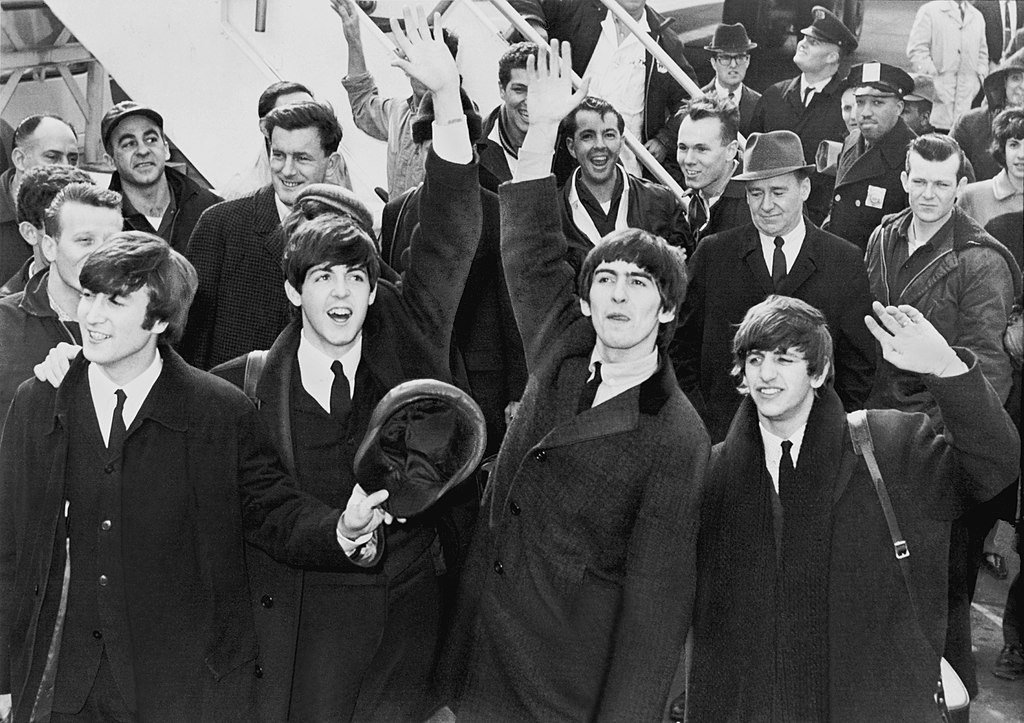
The Beatles invaded the U.S. in 1969 with their music. Ringo Starr, Paul McCartney, John Lennon, and George Harrison, became rock and roll legends by doing everything else in a new way. Just in one decade – The World was alive again!!!

In one decade – The World was alive again!!!

Sources:

Bon Appetit

The Century in Food

Huffington Post

Wickipedia

A Diet History Timeline

 by foodworksblog Leave a comment

1850

In England, William Banting consulted Dr. William Harvey for weight loss who recommended he cut most sugar and starch from his diet since foods containing those substances tend to create body fat.  He lost 50 pounds and wrote the first diet book, “Letter on Corpulence Addressed to the Public” in 1862.

1898

 Horace Fletcher loses 42 pounds by advocating that we need to chew food about 32 to 80 times before being swallowed and it should be in liquid form. He later became known as “The Great  Masticator”.

1918

Dr. Lulu Hunt writes the first best selling diet book, “Diet and Health with a Key to the Calorie”.   She promoted calorie counting over her entire life.

1919

The Continental Scale Company produces the first bathroom scale called the “Health O Meter”. 

1929

A cigarette advertisement tells women to “reach for a Lucky instead of a sweet”.  Another slogan says:  “Light a Lucky and you’ll never miss sweets that make you fat”. 

1930

The “grapefruit diet” also known as “The Hollywood Diet” is promoted which involves eating only 585 calories a day for 18 days with boiled eggs, green vegetables and Melba toast.

1936

Self-proclaimed diet guru Victor Lindlahr reaches thousands via the radio to produce his regular broadcasts entitled “reducing party”. He wrote the book You Are What You Eat, one of the earliest texts of the health food movement in the United States, which sold over half a million copies and introduced the phrase still used today.

1942

The Metropolitan Life Insurance Company published standard weight tables for “ideal weight”.  The charts used weight, height, frame size, and gender but only used data from life insurance policyholders.

1948

Amphetamines were first prescribed for some obese patients but later research determined that these were dangerous.  Amphetamine –like drugs are still used today in a limited fashion.

1958

Saccharin, the first manufactured artificial sweetener is produced and becomes a popular sugar substitute.  It is still used today after years of research that absolved critical reports of its cancer connection.

1961

Weight Watchers was born as a result of Jean Nidetch and several friends who met in her apartment to offer each other support about dieting. 

1967

Twiggy, 5’7” and weighing about 92 pounds becomes a supermodel and icon for the slender female.   

1972

Dr. Atkins introduced his first “Diet Revolution”, a high protein, high fat, low carbohydrate diet.

Richard Simmons opens Ruffage and the Anatomy Asylum, a Beverly Hills restaurant and exercise studio.  He quickly becomes known as a fitness and diet guru.

1978

Dr. Herman Tarnover introduces the “Complete Scarsdale Medical Diet”, another version of the high protein, low-carb diet.

1979

The Pritikin Diet answers the trend of the high protein, low – carb diets with a high fiber, very low fat diet.  The system was originally designed for heart patients but became popular for those who followed the newer trend of the low –fat diet approach.

1981

The Beverly Hills Diet is introduced – it recommends eating nothing but fruit for the first 10 days.

1982

Aspartame is introduced as another alternative sugar substitute. It was marketed as NutraSweet and is still used today in many products. 

Liposuction is performed in the U.S. for the first time and now becomes a popular cosmetic procedure for the obese.

1983 

Jenny Craig is formed which sells their own line of diet foods and offers diet counseling.   Nutrisystem soon followed.

1988

Oprah Winfrey loses 67 pounds on the liquid diet Optifast.

1994

The FDA mandates that food labels must include detailed information about calories, fat, and fiber. We must thank Dr. Lulu Hunt Peters for this.

1995

“The Zone Diet” is introduced by Dr. Barry Sears. He promotes eating lots of fruits and vegetables and protein, while cutting back on breads and pastas.

1996

It is reported that 40% of nine and ten-year-olds are dieting and trying to lose weight.

2000

Experts are stating that there is now a global epidemic of obesity and that for the first time in history, this number of overweight people equals the number of underfed and undernourished.

2002

Dr. Atkins introduces his second diet book, the “New Diet Revolution” to a new generation of dieters. The Low-carb diet is back after multitudes of diet books promoting low fat diets. 

2013

It appears we may have come full circle – we are now promoting cutting sugars and counting calories (again).  We have progressed from low carbohydrate, low fat, and low carbohydrate diets again along with some pretty scary schemes, e.g. the tapeworm diet.  Many weight loss books, gimmicks and pills have come and gone over and over again and many still exist, but with no real breakthroughs.  I doubt they will not end at least in the near future – what do you think? 

2023

For the last 10 years, we as a culture have waged a new diet war – Keto diet, paleo diets are the latest “experiments,” trending to the low carb side with higher fat – right back where we started. According to Bittman and Katz, “everything we learned in the late 20th century, the range for fat is considerably broader.” There are claims for good outcomes with diets that have 10% or less of calories from fat (like in Okinawa); those would be the low fat-diets. There are the Mediterranean diets that get well over 40% of their calories from fat and seem to produce the same great health outcomes.” (Mark Bittman and David L. Katz, M.D. How to Eat: All Your Food and Diet Questions Answered.)

Source:

James Trager(1995) The Food Chronology: A Food Lover’s Compendium of Events and Anecdotes, From Prehistory to the Present.

www. foodworksblog.com

Are Sitting Patterns Related to Diabetes?

Adults are sitting more than ever, and few pay attention to how they sit throughout the day.

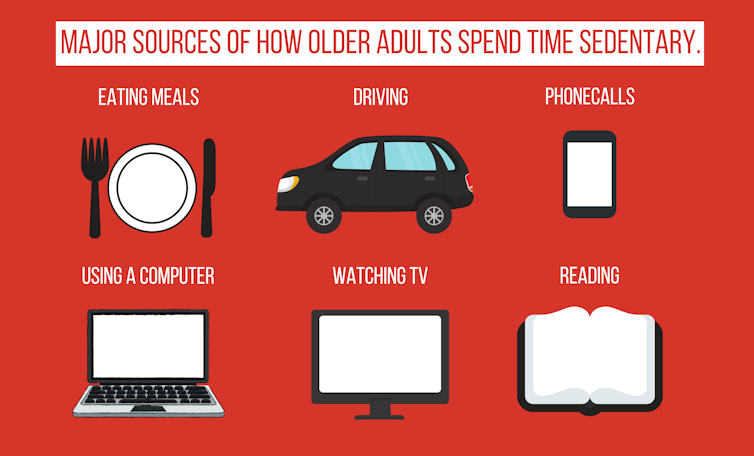
Take a moment to think about all the reasons we sit. First off, you’re probably sitting while reading this. Some of the most common sitting activities include eating meals; driving; talking on the phone; using a computer, television, or small device; and reading. Now take another moment to think about all the sitting done across your lifetime.

Older Americans spend a lot of time sitting.
Matthew Mclaughlin/Figshare, CC BY-SA

The fact is, the amount of time spent sitting has increased over time. And with innovations such as Alexa, delivered groceries, and pre-made meal services, we expect many older adults will sit longer and will do it more often. As of today, the average older adult spends between 56 percent and 86 percent of their waking day sedentary. That’s a lot of sitting.

Our research team studies healthy aging and is interested in how sitting too much might contribute to heart disease and diabetes. Our recent study suggests that the way older adults accumulate their sitting time might be important for aging without diabetes.

“…the way older adults accumulate their sitting time might be important for aging without diabetes.”

What happens while sitting?

When you sit for long periods without getting up, the large weight-bearing muscles of the legs remain dormant. With no action, these muscles are unable to efficiently use the sugars and fats that float around in your blood – and in theory, this could lead to weight gain and metabolic diseases such as diabetes.

At the same time, reduced blood flow in your arteries leads to hostile conditions that promote injury to the blood vessel walls. Over a lifetime, this injury likely contributes to heart disease and to peripheral artery disease. Furthermore, when your leg muscles remain shut off for long periods, blood collects in your veins which leads to an increased risk for blood clots, or deep venous thrombosis. Standing up and moving around can stop these processes, but all too often, we just keep sitting.

Blood flow can become ‘turbulent,’ causing damage to arteries.
www.pexels.com

Sitting patterns

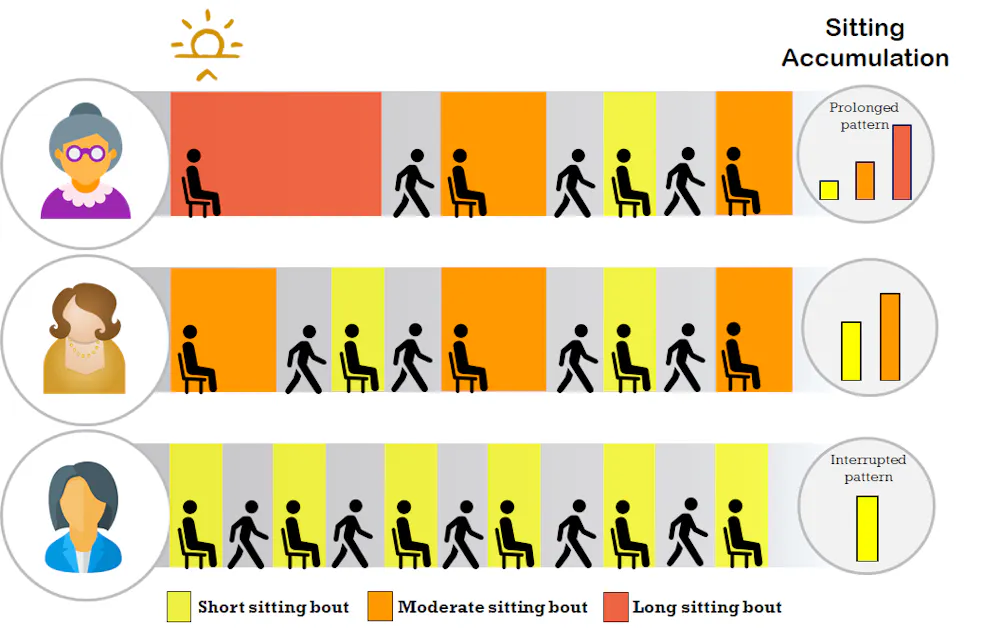
Sitting patterns describe how people sit throughout the day. Some people commonly sit for long periods at a time, rarely getting up. They are said to have prolonged sitting patterns. Others rarely sit still. They regularly get up after sitting for just short periods. These sitters are said to have interrupted sitting patterns. Where do you fit on the sitting pattern spectrum?

Sitting can be accumulated in different patterns.
John Bellettiere/figshare.com, CC BY-SA

Are sitting patterns important for metabolic health?

Emerging evidence suggests yes. From observational studies, we learned that adults with prolonged sitting patterns had larger waistlines, higher BMI, and in their blood had less good fats, more bad fats, and higher levels of sugar compared to adults with interrupted sitting patterns.

To test whether problems with fat and sugar metabolism were being caused by sitting patterns, researchers around the world conducted experiments. They brought adults into a laboratory at least two times each, having them sit continuously for about eight hours (an extremely prolonged pattern). On the second day, the participants were asked to get up every 20-30 minutes (a highly interrupted pattern). The interruptions lasted for two to five minutes and included standing still, light walking, simple resistance exercises or moderate-intensity walking, depending on the study.

When researchers synthesized evidence from most of the laboratory studies, the results were clear. On days with prolonged patterns, our bodies are not able to metabolize fats or sugar as well as they are on days with interrupted patterns. Blood pressure and fatigue were also higher on days with prolonged sitting compared to days with interrupted patterns.

These groundbreaking laboratory studies provided strong evidence that sitting patterns had an immediate effect on how the body processes fats and sugar, otherwise known as metabolism. This led to the idea that prolonged sitting patterns over a lifetime could contribute to metabolic diseases such as diabetes in later life. Since diabetes can take a long time to develop, this question cannot be feasibly tested in a laboratory. Instead, we turned to an observational study of the population to help answer the question.

Are sitting patterns related to diabetes?

We recruited over 6,000 women aged 65-99 from the Women’s Health Initiative and measured their sedentary patterns for seven days using research-grade activity monitors. We also had over 20 years of detailed health records, which included information on whether the women had ever been diagnosed by a physician with diabetes.

As expected, the group with the most prolonged sedentary patterns had the most women with diabetes. The group with the most interrupted patterns had the fewest women with diabetes.

We used advanced statistical procedures to account for differences in other factors such as dietary habits, physical activity, medication use, weight, age, alcohol and cigarette use, and overall health, giving us more confidence that the sitting patterns were, in fact, driving the findings. We should caution, however, that since we did not measure sitting patterns before the women were first diagnosed with diabetes, we do not know whether the sitting patterns contributed to diabetes or whether the diabetes changed their sitting patterns. We ran additional statistical tests to try to untangle that, which indicated that sitting patterns contributed to diabetes. However, additional studies specifically suited to answer the question of causation are needed.

While this was the first study of sedentary patterns and diabetes exclusively in older adults, our results were remarkably similar to recent findings in a younger cohort. Researchers from the Netherlands studied 2,500 adults ages 40-75 and found that prolonged sitting patterns were associated with Type 2 diabetes and with metabolic syndrome.

Conclusions and words of advice

Based on the findings from our study and those of the Dutch researchers, when viewed with the earlier epidemiologic data and findings from the laboratory experiments, it seems that sitting patterns may contribute to the growing international diabetes epidemic.

[Related: 20 Habits for a Healthier, Happier Life]

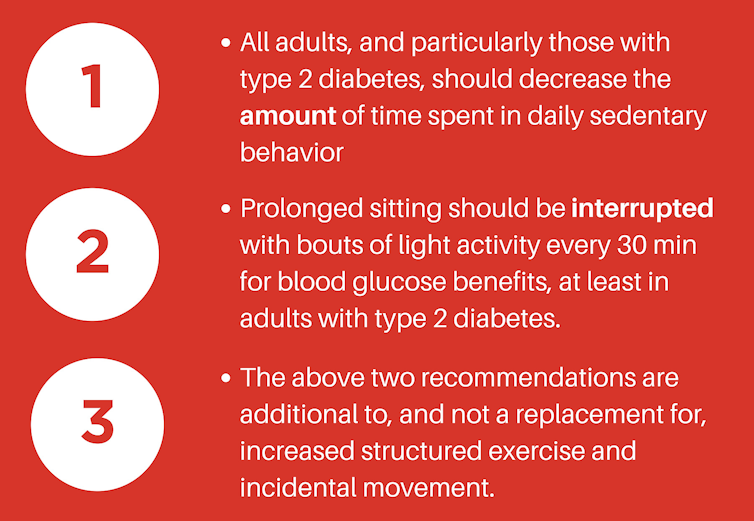
With that said, as with all science, these first few studies are only the beginning of the story. Much more work lies ahead. For the time being, there is a possibility that changing your sitting patterns might provide protection against diabetes, especially if long sitting bouts were always broken with light activity or even better, moderate-intensity activity, as recommended by the American Diabetes Association.

Recommendations from the American Diabetes Association.
Matthew Mclaughlin/figshare.com, CC BY-SA

The authors wish to sincerely thank Dr. Jonathan Unkart for his help with this story.

John Bellettiere is a postdoctoral scholar at the University of California San Diego studying Family Medicine and Public Health. Andrea LaCroix, PhD, is Professor and Chief of Epidemiology, Family Medicine and Public Health at the University of California San Diego. She received her PhD in Epidemiology from the University of North Carolina at Chapel Hill and completed a postdoctoral fellowship in cardiovascular disease at The Johns Hopkins University. Matthew Mclaughlin is a PhD student at the University of Newcastle in Australia and a research assistant at Hunter New England Population Health.

This article is republished from The Conversation under a Creative Commons license. Read the original article.

Weight Loss?

Intermittent fasting and traditional calorie counting about equal for weight loss

A shadow on a tablecloth of a fork in a hand
Researchers report that intermittent fasting as well as calorie counting are both effective in weight reduction. meredith adelaide/Stocksy
  • In a new study, researchers say intermittent fasting and calorie counting were both effective in helping people lose weight.
  • They added that fasting did seem to produce better results for insulin sensitivity.
  • Experts say diets affect each person differently, so it’s important to figure out which method works best for you.
  • Weight loss should include a diet that is one that you can follow and be comfortable with. No one else can tell you what to eat – with some education, you can decide what is the best for you.

Intermittent fasting has become a popular weight loss strategy, but a new study suggests that whether you prefer that or traditional calorie counting methods, both may be equally effective.

Looking at a group of 90 adults with obesity divided into two study groups and a control group, researchers from the University of Illinois Chicago reported that those who engaged in time-restricted eating — also known as “intermittent fasting” — lost an average of 10 more pounds than the control group after a year and consumed an average of 425 fewer calories per day after one year.

The second group, which participated in calorie-restricted eating via calorie counting, lost around 12 more pounds than the control and ate 405 fewer calories daily.

The intermittent fasting and calorie counting groups also received regular consultations with a dietician, whereas the control group did not.

The new research was published in the Annals of Internal Medicine.

“This novel research is immensely encouraging,” said Kelsey Costa, a registered dietitian and health research specialist with the National Coalition on Healthcare, who was not involved in the study. “It highlights that comparable results could be achieved with intermittent fasting or caloric restriction, improving adherence and long-term outcomes. This information is empowering and transformative for those seeking to improve their health and wellness.”

“Calorie counting is not the only way to lose weight and is difficult to sustain long-term,” Dr. Florence Comite, an endocrinologist and founder of the Center for Precision Medicine and Health in New York City who also was not involved in the study, told Medical News Today. “Restricting eating during a shorter ‘eating window’ versus unrestricted eating throughout the day is effective as an alternative. The latter approach may also contribute to optimizing metabolism and hormone regulation through sleep. That’s good news as those outcomes will contribute to optimizing fat loss and muscle gain, with a positive impact on sleep and future weight loss.”

One metabolic difference the study did find with the intermittent fasting group compared to the calorie-restriction group was increased insulin sensitivity, a positive effect of intermittent fasting affirmed by several previous studies.

Study limitations 

Experts noted some limitations to this study, mostly having to do with its small size — less than 100 participants — and the fact that it wasn’t a double-blind study, meaning participants knew which weight loss group they were in.

“That does influence outcomes and could introduce bias,” Comite said. “A larger sample size would also provide more statistical power and enhance the findings. Additionally, the duration of the study followed participants for one year, which is a relatively short-term period for evaluating the long-term effectiveness and sustainability of weight loss interventions.”

Which weight loss method should you choose? 

Experts say one of the benefits of this research is that if the results hold, people don’t have to take a “one-size-fits-all” strategy toward weight loss.

“This is an important consideration,” Comite said. “We are all unique individuals, even identical twins are not the same. A diet or weight loss strategy for one person may not work for another.”

Costa agreed.

“Calorie counting has some strengths regarding aiding weight management, as it allows for precise quantification of calorie intake. By tracking calories, people can ensure they stay within their recommended caloric intake while still getting sufficient nutrition from all food groups,” she explained. “However, the main limitation of calorie counting is that it requires much effort and attention to maintain accuracy in tracking food intake and energy expenditure. Accurately estimating calorie intake can be difficult without specialized food-tracking apps or other tools. This type of precision can be challenging to maintain over extended periods.”

Intermittent fasting, on the other hand, “can produce similar levels of weight loss to that seen with caloric restriction while making adherence easier due to reduced meal frequency, thus providing a more sustainable approach for long-term weight management,” she added.

Having options is good, she said. But having a support network is even better.

Approaching weight loss from an overall health perspective and focusing on positive lifestyle changes is the best way to ensure long-term success,” Costa said. “Building a support system of friends, family, and healthcare professionals who can help you stay motivated and offer guidance and advice when needed is essential, as is setting realistic goals that are specific and measurable will help you keep track of your progress and provide the motivation to stay on track.”

Eating Processed Food?

 Is Eating Fast Food a Dementia Risk? 

The health risks of eating ultraprocessed foods —including sausages and burgers as well as pizza and ice cream — are well documented. They have been shown to raise the risk of obesity, diabetes, and cancer among other ailments. (CNN.com). 

In a new study, researchers followed more than 10,000 Brazilians with an average age of 51 for more than 10 years. They found that people who consumed more than 20% of their daily calories from ultra processed foods had a 28% faster cognitive decline compared with those whose intake was less than 20%.  Unfortunately, that 20% is not a high threshold: just 400 calories out of the 2000 calorie diet. And most Americans are well over that, getting on average a whopping 58% of their calories from ultraprocessed foods.

 “The sample size is substantial and the followup extensive,” says Dr. David Katz, a nutrition specialist who was not involved in the study. While short of proof, this is robust enough that we should conclude ultraprocessed foods are probably bad for our brains,” 

Source: The Week. December 23, 2022, Volume 22, Issue 110.